Hangzhou Travel Guide: West Lake, Itineraries & Practical Tips

This Hangzhou travel guide helps first-time visitors plan a city break around West Lake, historic streets, Buddhist temples, tea-covered hills, wetlands, and a modern urban center. You will find practical advice on how long to stay, where to base yourself, when to visit, how to arrive, and how to move between the lake and western hills. The guide also compares classic attractions, flexible itinerary options, likely cost categories, and the final checks that can prevent avoidable travel problems.
Why Visit Hangzhou and How Long to Stay
Hangzhou works well for travelers who want a combination of scenery, culture, walking, food, and a manageable city experience rather than a list of distant destinations. West Lake gives the visit a clear center, while temples, tea villages, wetlands, and heritage streets provide different experiences within the wider city.
What Hangzhou Is Best Known For
West Lake is Hangzhou's central scenic and cultural anchor. Its water, causeways, gardens, islands, hills, temples, and pagodas create a landscape that can be enjoyed through short walks as well as longer day routes. The eastern shore connects naturally with the urban center, while the western and southern sides lead toward quieter hills and cultural attractions.
Beyond the lake, Hangzhou is associated with Lingyin Temple and Feilai Peak, the tea landscapes of Longjing and Meijiawu, the waterways of Xixi National Wetland Park, and the heritage-commercial streets around Qinghefang Ancient Street and Wushan Hill. These attractions give the city a useful balance: you can spend one day beside the water, another among temples and hills, and a later day on tea or wetland landscapes without leaving Hangzhou.
That variety also sets the right expectation. This is a city-focused visit, not an attempt to cover all of Zhejiang or every destination in East China. Plan around a few geographic areas and leave time for unplanned lake walks, local meals, and changes in pace.
Choose a Stay Length That Matches Your Priorities
Two days is a practical minimum for a first visit. It allows one focused West Lake day, one major cultural visit such as Lingyin Temple and Feilai Peak, and time for a historic district. It will not cover every tea village, wetland route, garden, and viewpoint, so choose the experiences that matter most to you.
Three to four days allow a slower and more varied Hangzhou itinerary. You can add Longjing or Meijiawu for tea landscapes, Xixi for canals and wetlands, or a second West Lake route with fewer time pressures. A longer stay is useful for travelers who prefer photography, walking, food, or cultural visits at a relaxed pace. Regional rail extensions to places elsewhere in East China are separate planning decisions and should not replace time needed for Hangzhou itself.
- Two days: West Lake, one major temple or cultural site, and Qinghefang or Wushan.
- Three days: Add either a tea-village visit, Xixi National Wetland Park, or a slower cultural day.
- Four days: Combine two of those additions and keep a flexible half-day for weather, shopping, or a repeat visit to the lake.
Understand Hangzhou's Visitor Geography
A simple geographic plan makes Hangzhou easier to navigate. The main urban center is largely east of West Lake, while hills and scenic areas extend around the northern, western, and southern sides. The lake is the reference point, but attractions around it are not equally close or equally convenient by metro.
Use West Lake as Your Main Orientation Point
Think of West Lake as a group of connected areas rather than one attraction that must be completed in a single loop. The eastern shore is closest to much of central Hangzhou and is convenient for combining lake views with restaurants, shopping, and metro access. Bai Causeway reaches across the northern side, while Su Causeway runs through the lake and provides a more scenic walking connection between several western and southern viewpoints.
Leifeng Pagoda is a useful southern-side reference point. The western hills lead toward Lingyin Temple, Feilai Peak, and tea-growing areas such as Longjing Village and Meijiawu. Xixi National Wetland Park lies farther to the west and has a different landscape and travel rhythm. Before setting out, decide whether the day is mainly eastern lake, causeway and gardens, southern lake, western hills, or wetlands. This prevents a route from becoming a series of unnecessary cross-city transfers.
Walking is central to the West Lake experience, but it does not mean every visitor should walk the entire shoreline. Choose one or two connected segments, use public transport or a taxi to reposition when useful, and keep time for views rather than treating distance as a goal.
Compare the Best Areas to Stay
For most first-time visitors, the best default is the eastern lakeshore or adjacent central Hangzhou. Areas around Longxiangqiao, Wulin Square, and West Lake Cultural Square offer a practical balance of access, restaurants, shopping, and transport. The eastern side also makes repeated visits to West Lake easier, especially when you want to return to the lake after a break.
- Eastern lakeshore and central areas: Best overall for first-time visitors who want a practical base, evening dining, and easier access to the lake and major transport corridors. The trade-off is a busier, more urban setting and less immediate hill scenery.
- Northwestern lakeshore: Better for travelers who value quieter scenery and want to be closer to western-lake landscapes. Metro access and evening convenience can be less straightforward, so taxis or ride-hailing may be useful.
- Longjing and nearby tea-hill areas: Suitable for a peaceful, scenery-focused stay. They offer a rural atmosphere but are less convenient for repeated trips to central restaurants, railway stations, and the eastern lake.
- Qinghefang Ancient Street and Wushan Hill: A good choice for heritage atmosphere, traditional-style storefronts, food, and access to the old commercial center. The area can feel more visitor-oriented and is not the same as staying directly beside the lake.
- Xixi area: Appropriate for nature-focused travelers who plan to spend substantial time in the wetland park. It is a less efficient base if your priority is a short first visit centered on West Lake and the historic center.
When comparing hotels, look beyond the neighborhood name. Check the actual distance to a useful station or main road, the route to your preferred lake area, evening dining options, luggage access, and whether you are comfortable arranging taxis for hill destinations.
Choose the Best Time to Visit Hangzhou
Hangzhou has something to offer in every season, but the best choice depends on how much time you want to spend outdoors. Spring and autumn are strong general choices for walking, while summer and winter require a more deliberate balance of outdoor and indoor activities.
Spring and Autumn: Strong Default Seasons
Spring is appealing for fresh greenery, blossoms, tea-related travel, and comfortable walks when conditions cooperate. The lake, causeways, gardens, and western hills are especially suitable for travelers who want to move slowly outdoors. Tea villages can be attractive in spring, but a visit should be planned as a landscape and cultural experience rather than a promise of a particular harvest activity.
Autumn is another strong choice because cooler conditions can make lake, hill, and wetland exploration more comfortable. Clearer views are possible, although haze and rain still vary from year to year. Popular holiday periods may bring heavier demand and fuller scenic areas, so travelers who prefer quiet paths should allow flexibility in their daily route.
Plan Around Summer Rain and Winter Conditions
Summer can combine heat, humidity, heavy rain, and weather-related disruption. It can also bring lush vegetation, reflections, and atmospheric mist, so it is not automatically a poor season. Schedule demanding outdoor routes at more comfortable parts of the day when possible, and avoid making a long hill or wetland visit the only important plan.
Winter is generally quieter and less lush. Shorter lakeside walks, temples, tea houses, museums, historic streets, and food-focused stops can work well in colder conditions. For seasonal climate context, the Hangzhou weather guide is useful, but it should not replace the forecast for your actual dates. Check the forecast and official severe-weather notices before committing to lake, hill, or wetland activities, and keep an indoor alternative available.
Plan Your Arrival and Transport
Hangzhou is well suited to a combination of rail, metro, walking, buses, taxis, and ride-hailing. The most efficient choice depends on your arrival point and accommodation, not simply on the distance shown on a map.
Arrive Through Hangzhou Xiaoshan International Airport
Hangzhou Xiaoshan International Airport is in Xiaoshan, southeast of central Hangzhou. Travelers heading to the eastern lake, Wulin Square, West Lake Cultural Square, or a railway station can compare metro service, airport shuttle buses, taxis, and ride-hailing. Metro service can be useful for travelers arriving during operating hours with manageable luggage. A taxi or ride-hailing vehicle may be more convenient for a family, heavy bags, a hotel away from a station, or a late arrival.
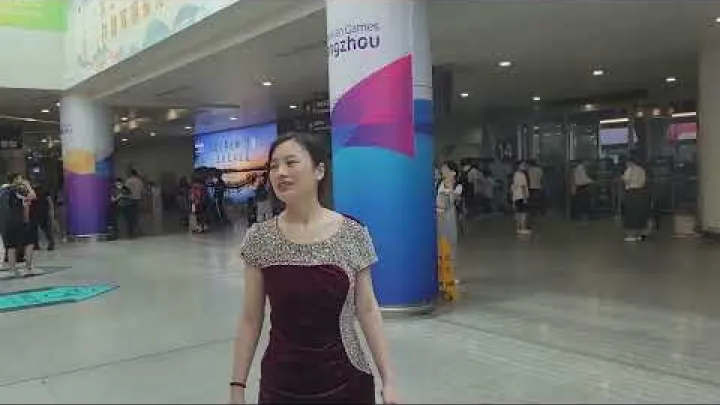
Airport shuttle buses can suit some central destinations, but their usefulness depends on the current route and the location of your accommodation. A taxi is simpler when you need door-to-door travel, although traffic and the final hotel access can affect the journey. The Hangzhou airport transportation guide gives a general comparison of metro, shuttle, and taxi options.
Airport details are operational and can change. Before landing, confirm the current terminal information, metro route, shuttle destinations, fares, operating hours, taxi arrangements, and late-night options through current airport information. Treat journey times as estimates, and allow extra time for international arrival procedures, luggage, or travel outside public-transport hours.
Use High-Speed Rail from Shanghai and Other Cities
The Shanghai-Hangzhou rail connection is useful for travelers building an East China itinerary because it can connect Hangzhou with another major city without relying on an airport transfer. Rail can also be practical from other cities, but the correct station and train matter more than a general assumption that every service uses the same hub.

Hangzhou East Railway Station, shown in Chinese as 杭州东站, is a major high-speed rail hub. Hangzhou Railway Station, or 杭州站, may be more convenient for some central and West Lake accommodations. Hangzhou South Railway Station, or 杭州南站, is a different station farther south and may require a longer onward transfer for a lake-centered stay.
When purchasing a ticket, match the exact station displayed on the ticket with your hotel plan. Check the current train time, availability, fare, passenger requirements, and booking rules through the applicable official railway booking channel. Do not assume that a familiar station name means the same location, and allow time for the station entrance, security procedures, and the transfer to your accommodation.
Move Around by Metro, Bus, Taxi, and on Foot
The metro is most useful for major railway hubs, the eastern side of West Lake, central districts, approaches to Qinghefang, and selected approaches to Xixi. It is less useful for destinations inside the western hills and tea villages, where buses, taxis, or ride-hailing can reduce walking and transfers. A taxi can be especially practical when combining a temple, a tea village, and a hotel in one day, but the route should be planned geographically.
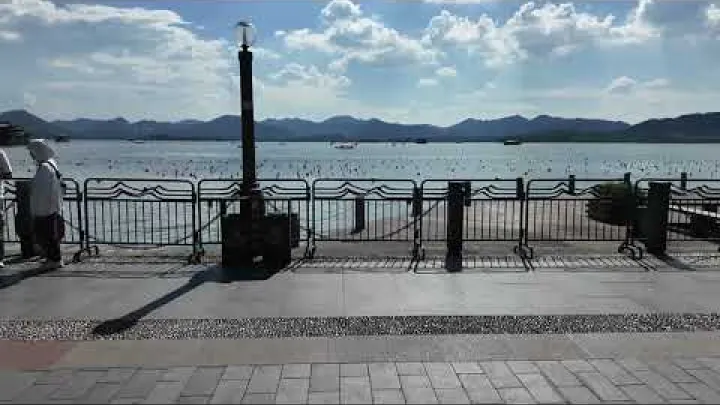
Walking is often the best way to experience West Lake in sections and to explore Qinghefang Ancient Street and Wushan Hill. Ordinary buses can reach areas that are not beside a metro station, although they may take more time to understand if you cannot read local stop information. Sightseeing boats are a separate visitor experience, not a substitute for ordinary city transport.
Save your hotel name and each destination in both English and Chinese. This helps when showing an address to a driver or identifying the correct map result. For metro journeys, match the exact station name and exit, especially around Longxiangqiao Station, Wulin Square, West Lake Cultural Square, the railway stations, and Xixi entrances. Check current station exits, operating hours, payment access, and route changes before a time-sensitive journey.
Build a First-Time Hangzhou Itinerary
The most comfortable Hangzhou itinerary groups nearby places together. A lake day, a western-hills day, and a tea or wetland day usually work better than trying to cross the city repeatedly.
A Two-Day Classic Hangzhou Itinerary
Day one: West Lake and the historic center. Begin with a focused section of the eastern shore and continue toward either Bai Causeway or Su Causeway, depending on the views and walking distance you prefer. Add one optional lake experience, such as a boat ride, a garden, or Leifeng Pagoda, rather than treating every ticketed attraction as essential. Finish around Qinghefang Ancient Street and Wushan Hill, where historic-style streets, food, shops, and tea-related businesses can extend the day into the evening.
Day two: Lingyin Temple and Feilai Peak. Give this western-side visit a substantial part of the day. The temple, hillside setting, and Buddhist carvings at Feilai Peak deserve more time than a quick photo stop. Add a nearby hill walk or a tea-area visit only if the transport route, energy level, and available opening period make the combination realistic. Return to the lake or central area for a less structured evening instead of filling every remaining hour.
Boat services, pagodas, temples, gardens, and other paid attractions should be treated as selectable parts of the route. Keep a walking alternative for the lake so the day still works if one optional activity does not fit your schedule.
A Three- to Four-Day Scenic and Cultural Itinerary
With three or four days, add experiences according to your interests rather than trying to include every name in one schedule. A tea-focused half-day or day can cover Longjing Village or Meijiawu. A nature-focused plan can reserve half a day or longer for Xixi National Wetland Park. Travelers who prefer culture can use the extra time for another West Lake section, a temple, a garden, or a slower visit to Qinghefang and Wushan.
Longjing and Meijiawu are in the western hill landscape, while Xixi has its own water-based geography. They are not automatically one efficient outing. If you combine either with Lingyin Temple, allow for road travel and the possibility that the route will take longer than a central metro itinerary. A fourth day can also be valuable simply because it allows you to repeat a favorite lake walk in different light or keep one day open for changing conditions.
- Scenery addition: Choose an extra lakeside route, garden, viewpoint, or western-hill walk.
- Tea addition: Choose Longjing or Meijiawu for plantations, village paths, tasting, and tea shopping.
- Nature addition: Choose Xixi for waterways, wetland vegetation, boardwalks, and optional boating.
- Cultural addition: Spend more time with Lingyin Temple, Feilai Peak, historic streets, or the West Lake landscape.
Match the Route to Your Travel Style
- Scenery-focused travelers: Base yourself near the eastern or northwestern lake and prioritize West Lake sections, Su Causeway, Bai Causeway, southern views, and one western-hill route.
- Culture and religion travelers: Combine the West Lake Cultural Landscape with Lingyin Temple, Feilai Peak, Qinghefang, and Wushan. A central base reduces the need for long evening transfers.
- Tea and rural-landscape travelers: Stay centrally for transport flexibility or choose a tea-hill base for atmosphere, then reserve time for Longjing or Meijiawu rather than adding them as a rushed stop.
- Nature-focused travelers: Give Xixi a half-day or longer and consider a quieter base only if wetlands are more important than repeated visits to central West Lake.
- Heritage-oriented travelers: Use Qinghefang and Wushan as an evening or half-day anchor, then connect them with a lake walk and selected cultural sites.
Explore West Lake and the Hills
Hangzhou's most memorable experiences often come from seeing how its natural and built landscapes fit together. The following sites are different in character, so choose them according to the type of day you want.
West Lake Cultural Landscape
The West Lake Cultural Landscape is a UNESCO-recognized relationship between water, hills, causeways, islands, temples, pagodas, gardens, and urban life. Its importance is not limited to a single monument. The landscape is designed to be experienced through changing viewpoints: across the water, along a causeway, from a hill, beside a garden, or from the city edge.
Much of a West Lake visit consists of walking along public lakeshores and causeways rather than entering one enclosed attraction. Individual sites such as Leifeng Pagoda, some gardens, and boat trips can have their own admission arrangements. There is no single ticket or universal opening schedule for every part of the lake. The official Ehangzhou travel information is a useful starting point for the city's principal attractions, while the final checklist below covers the operational details for a specific visit.
For a first day, choose a route that includes time beside the water and one or two deliberate viewpoints. The value of West Lake comes from the sequence of landscape changes, not from rushing between every named stop.
Lingyin Temple and Feilai Peak
Lingyin Temple lies west of West Lake and is one of Hangzhou's major Buddhist and cultural destinations. The visit combines temple architecture, religious atmosphere, hillside scenery, and the stone Buddhist carvings associated with Feilai Peak. It is a substantial half-day experience for most visitors, especially if you want time to observe the site rather than move through it quickly.
Approach the temple as a place of worship as well as a tourist attraction. Dress and behave respectfully, follow signs and local visitor rules, and keep your route practical if you are traveling with older people or children. The temple and adjacent scenic or grotto areas may have separate admission and access arrangements, so treat them as related but distinct parts of the day. Nearby hills or tea areas can be added only when they do not create excessive backtracking.
Longjing and Meijiawu Tea Villages
Longjing Village and Meijiawu offer a different side of Hangzhou: tea-growing hills, bamboo landscapes, village roads, plantation views, tea preparation, tastings, and opportunities to buy tea. The experience can be as simple as a scenic walk or as interactive as sitting down for a tasting. Decide which of these you want before accepting an invitation to a tea house or shop.
Harvest timing, weather, access, tasting content, and individual business practices vary. A tea visit outside the main harvest period can still be worthwhile for the landscape and preparation, but it may not resemble a promotional description of a seasonal picking experience. Ask what the tasting includes, whether food or tea is included, how long it lasts, and whether a purchase is expected. Compare prices and packaging before buying, particularly if tea shopping is not your main purpose.
Add Wetlands, Historic Streets, and Local Culture
These additions help balance the open lake and hill routes. Xixi is primarily a nature and water landscape, while Qinghefang and Wushan are more urban, historic, commercial, and food-oriented.
Xixi National Wetland Park
Xixi National Wetland Park contrasts with the more designed and city-facing experience of West Lake. Canals, reed beds, boardwalks, boats, and water-based cultural features create a slower setting for walking and observation. It suits travelers who want vegetation, waterways, and a break from the central urban environment.
Plan Xixi as a half-day or longer visit, particularly if you want both walking and boating. You may prefer to explore on foot for flexibility or choose a boat service for a different view of the waterways. Entrances and internal routes matter, so identify the intended entrance before traveling and do not assume that every metro approach leads to the same visitor area. Treat boat services and internal facilities as optional elements of the day.
Qinghefang Ancient Street and Wushan
Qinghefang Ancient Street is a heritage-commercial area associated with traditional-style storefronts, tea houses, pharmacies, crafts, food, and visitor-oriented shopping. It is convenient to combine with a southern or eastern West Lake day, especially for travelers staying near the central lake or Ding'an Road area. Wushan Hill adds a nearby elevated and historic setting when you want a short change from street-level shopping.
The area has preserved historic character, but it is also a modern tourism and retail district. Not every shop is an unchanged traditional business, and visitor-focused products sit alongside local food and services. Choose individual restaurants, tea houses, or shops according to your interests, and allow the district to function as a flexible afternoon or evening stop rather than assigning every storefront equal importance.
Budget, Safety, and Booking Logistics
Hangzhou can be planned at different price levels. The largest differences usually come from your accommodation, the number of paid attractions and tea experiences, the frequency of taxis, and the style of dining.
Estimate Costs by Experience
Build your budget from four basic categories: accommodation, food, local transport, and optional admissions. West Lake walks can keep the sightseeing portion relatively low, while Leifeng Pagoda, boat rides, temple or wetland visits, gardens, tea tastings, and private transfers add separate costs. Do not treat every attraction as a required expense.
- Economical plan: Choose a simple central room, use the metro and buses, walk the lake, eat a mix of casual meals, and select only a few paid sites.
- Mid-range plan: Choose a convenient hotel, combine casual food with restaurants, use occasional taxis, and include one or two paid cultural or scenic experiences.
- Higher-comfort plan: Allow for a lake-view or upscale hotel, frequent ride-hailing, private transfers to hill areas, premium dining, tea-house visits, and multiple admissions.
Accommodation prices can vary by location, demand, and dates. A useful estimate is to multiply the quoted nightly room rate by the number of nights, then add a daily food allowance, transport reserve, planned admissions, and a small contingency. Tea purchases and shopping should be separate from the basic daily budget because they can change the total quickly.
Review Safety, Entry, Payments, and Connectivity
Current official guidance should come before general reassurance. International travelers should review the advisory issued by their own government, nationality-specific entry and exit requirements, local-law guidance, and consular information. The China Travel Advisory is one example of an official source for U.S. travelers; it is not a substitute for guidance applying to another nationality.
Save your hotel name, full address, telephone number, and a Chinese-language address offline. Also save the contact details for your embassy or consulate and relevant emergency services. Understand any accommodation registration process that applies to your situation and ask the hotel what documents it needs. Keep copies of important travel documents in a secure place, while carrying only what you need for the day.
Prepare mobile data and a way to access maps, translation, transport information, and payment tools. A foreign card or international payment application may not work in every situation, and connectivity or account setup can take time. Carry at least two usable payment methods and a modest backup of cash. Before departure, confirm that your phone, payment apps, data plan, and backup method will be usable in China.
Confirm Reservations, Hours, and Local Conditions
Create one final verification routine for the parts of the trip that can change. For every important item, record the date checked, the exact destination, the current source, and a backup option.
- Rail: Confirm the train, departure station, arrival station, passenger details, ticket status, and transfer plan to your hotel.
- Attractions: Confirm opening hours, reservation rules, admission arrangements, and ticket availability for Leifeng Pagoda, Lingyin Temple, Feilai Peak, gardens, and other selected sites.
- Wetlands and boats: Confirm the intended Xixi entrance, walking services, boat availability, and any restrictions affecting the planned route.
- City transport: Check metro operating hours, airport options for your arrival time, station exits, and the correct Chinese destination name.
- Conditions and crowds: Review the forecast, severe-weather notices, and holiday effects, then identify an indoor or shorter route if the main plan becomes unsuitable.
Keep alternatives close to your base. A wetland or hill visit can become a historic-street, temple, museum, tea-house, or shorter lakeside day without requiring a complete redesign.
Your Hangzhou Travel Planning Checklist
Start by choosing a realistic stay length and one main priority: scenery, culture, tea, nature, or heritage. For a first visit, the eastern lakeshore or adjacent downtown is usually the most flexible base; choose the western hills or Xixi only when their quieter setting is more important than central convenience.
- Choose two or three geographic areas instead of listing every attraction.
- Match each day with one main experience and one optional addition.
- Compare your arrival station or airport transfer with the actual hotel location.
- Save hotel and attraction names in English and Chinese, including the exact rail station and Xixi entrance.
- Separate essential costs from optional admissions, tea purchases, taxis, and premium meals.
- Complete the final hours, transport, weather, reservation, entry, payment, and contact checks before departure.
With this approach, Hangzhou remains flexible without becoming vague. West Lake provides the essential first impression, while Lingyin Temple, tea villages, Xixi, Qinghefang, and Wushan let you shape the rest of the visit around your own pace.
Select area
Create a post
Posting is free and no registration is required.