Shigatse Best Time to Visit: Weather and Monthly Guide
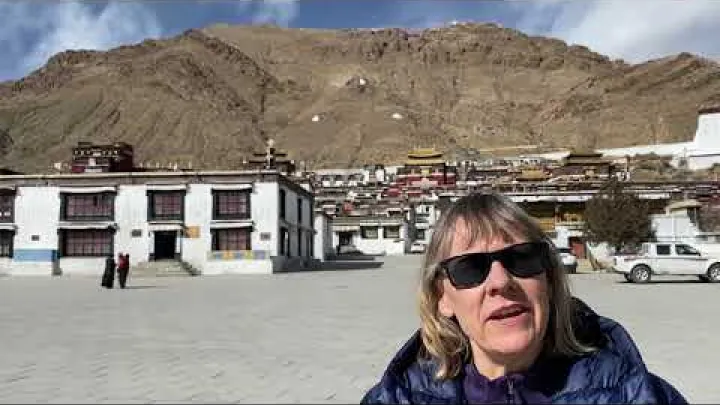
The best time to visit Shigatse is usually April to May or September to October. These months often offer a useful balance of manageable daytime conditions, lower rainfall than the core monsoon, and better opportunities for mountain views. June, summer, and winter can also work when greenery, quiet cultural visits, or lower demand matter more than maximum comfort. This guide explains Shigatse weather by month and separates city climate averages from conditions on higher routes and the live forecast for your travel dates.
The Best Time to Visit Shigatse at a Glance
For many travelers, late spring and early autumn are the easiest choices. April and May are generally dry before the main rainy period, while September and October benefit from the transition out of the summer rains. A seasonal overview from Tibet Vista also describes June through the end of September as the main rainy period. The best month still depends on whether your priority is comfortable walking, clear mountain scenery, green landscapes, quiet monasteries, or a lower-demand trip.
| Travel priority | Strongest period | Main trade-off |
|---|---|---|
| Overall balance | April to May; September to October | Cold mornings or nights are still possible |
| Green scenery | June to August | More rain, cloud, and visitors |
| Quiet cultural travel | November to February | Very cold mornings and nights |
| Long outdoor routes | April to June; September to October | High-route conditions vary by location |
Best Overall Months: April to May and September to October
April to May and September to October are the strongest general windows for a first visit to Shigatse. Daytime conditions are often more suitable for walking, photography, and sightseeing than in the coldest part of winter, while rainfall is usually lower than during July and August. The air can also feel clearer for mountain-oriented itineraries, although no season guarantees an unobstructed view.
Spring and autumn have different strengths. April and May bring a gradual improvement in temperatures, but mornings can remain cold and spring winds may be uncomfortable. September can retain some rain and cloud, while October is commonly drier and more settled but brings colder nights. Choose spring if you prefer a transition toward milder conditions and emerging greenery; choose autumn if post-monsoon clarity and cooler, drier air are more important.
When Other Months Make Sense—and When to Reconsider
June can be a practical compromise. It is generally milder than early spring, landscapes are becoming greener, and the core summer travel period may not yet be at its busiest. The trade-off is a clearer increase in showers and more variable mountain visibility. July and August suit travelers who value warmer nights, greener scenery, and a lively summer atmosphere. They also bring the greatest concentration of rain, more cloud, and often stronger demand for accommodation, transport, and organized trips.
November to February can suit experienced travelers who are prepared for severe cold and want quiet city visits, dry air, and bright winter light. These months are less comfortable for most visitors and more demanding for extended high-altitude routes. A simple decision guide is:
- Choose April, May, September, or October for the best overall balance.
- Choose June to August for greener scenery and warmer nights, if you accept rain and cloud.
- Choose November to February for solitude and winter photography, if cold is not a major concern.
- Choose the drier shoulder seasons for a reasonable chance of mountain visibility, without treating that chance as a promise.
Understanding Shigatse's Climate
Shigatse's climate is shaped by its high elevation and position on the Qinghai-Tibet Plateau. City-level summaries describe a cool, semi-arid monsoonal climate rather than a hot lowland summer pattern. One local travel summary gives an annual mean temperature of about 6.3°C and annual precipitation of about 409 millimeters; Tibet Tourism presents these figures as a broad city climate reference. They are useful for choosing a season, but they do not describe every road, pass, or overnight stop in the region.
High-Altitude Plateau Conditions
Shigatse is at roughly 3,800 meters above sea level. Thin air, strong sunlight, dry conditions, and a large difference between daytime and nighttime temperatures shape daily comfort in every season. A sunny afternoon may feel pleasant in direct light, while shade, early morning, evening, and night can feel distinctly cold. Summer therefore means relatively mild conditions for the plateau, not the hot and humid weather associated with many lowland destinations in China.
Altitude planning is separate from temperature planning. A traveler can feel comfortable in the sun and still need time to acclimatize. Allow time to adjust, pace activities conservatively, and avoid making the most demanding walk the first major activity of the trip. If altitude-related symptoms appear or worsen, stop and seek qualified medical advice. This is a year-round consideration, not a problem limited to winter or high summer.
Dry and Rainy Seasons: What the Averages Show
Travel guides commonly place Shigatse's drier period from about October through April or early May, with the wetter period running roughly from June through September. These are approximate climate boundaries, not fixed dates. The transition into and out of the rains is gradual, and one year can differ from another.
Summer precipitation is strongly concentrated in the monsoon period. Showers may be intermittent or more common later in the day, but individual days can follow a different pattern. The wet season brings greener scenery, relatively warmer nights, and more humidity. The dry season generally brings clearer, sharper light and less rain, but also colder mornings and nights. A China Meteorological Administration-linked report from IKCEST Drr illustrates why plateau patterns should not be treated as fixed: it described a winter with exceptionally extensive snow across the Qinghai-Tibet Plateau. Historical averages show tendencies, not limits.
City Climate Versus Conditions on the Everest Route
Shigatse city is a useful planning baseline, but it cannot represent the full journey along the Friendship Highway or the route toward Everest Base Camp. Elevation changes, exposed passes, remote valleys, and higher overnight stops can produce colder and more severe conditions than those suggested by a city forecast. Visibility, rain, snow, wind, and road surfaces may also differ between the city and a mountain viewpoint on the same day.
Regional itinerary guidance from Tibet Vista places Shigatse within wider Tibet travel routes, which is a useful reminder to plan the journey rather than only the destination. Use the following comparison when deciding how much seasonal caution your itinerary requires:
| Area | Planning baseline | Why it may differ |
|---|---|---|
| Shigatse city | City climate summaries and urban sightseeing | More sheltered than exposed high routes |
| Friendship Highway | Changing elevations and long road sections | Wind, precipitation, and road conditions can vary |
| Everest Base Camp route | Higher viewpoints and overnight stops | Colder air and different cloud or snow conditions |
Before leaving Shigatse, check current conditions for every high-altitude road segment with a current local, authority, or operator update. Do not infer access or road quality from a comfortable day in the city, and do not assume that a normal seasonal pattern guarantees an open pass or uninterrupted route.
Shigatse Weather Month by Month: January to June
The first half of the year moves from deep winter toward the wetter summer transition. The descriptions below refer mainly to the city and should be adjusted for higher overnight stops and exposed road sections.
January and February: Coldest, Driest, and Quietest
January and February have a deep-winter feel. Conditions are typically very dry, sunlight is bright, and the air can feel clear, but mornings and nights are cold. Precipitation is limited compared with summer, which can appeal to photographers seeking strong winter light or travelers who want quiet visits to Shigatse's monasteries and streets.
These months are less suitable for casual visitors who dislike cold exposure or plan a demanding high-route itinerary. Pack substantial insulation, warm layers for sleeping, and strong sun protection. Basic accommodation may not feel equally comfortable at night, so heating and indoor comfort matter as much as the daytime forecast.
March and April: Early Spring Warming
March begins the gradual move away from winter, but its early mornings and evenings can still feel distinctly wintry. April is more balanced: days become easier for walking and photography, rainfall is generally limited, and the main monsoon is not yet established. That combination makes April one of the most useful shoulder-season months for mountain-oriented travel.
Spring can also bring dry wind, and occasional dust may reduce comfort or visibility on particular days. These effects are variable rather than a defining feature of every spring itinerary. Warm layers remain important even when afternoons feel mild.
May and June: Pleasant Transition into the Rains
May is often one of the most balanced months in Shigatse. Days are milder, nights remain cool, rainfall is usually lower than in the core monsoon, and surrounding landscapes may begin to green. It works well for travelers who want comfortable city walks without choosing the busiest and wettest part of summer.
June remains relatively mild but marks a clearer transition toward monsoon showers, greater humidity, and more variable mountain visibility. Late May or June can therefore be a useful compromise between temperature and scenery. Remember that conditions on the Everest route may still be much colder than in the city, especially after an elevation gain or at an overnight stop.
Shigatse Weather Month by Month: July to December
The second half of the year covers the wettest summer months, the clearer autumn transition, and the return to dry winter conditions.
July and August: Wettest, Greenest, and Busiest
July and August are usually the core rainy-season months. Daytime temperatures are relatively mild, nights are warmer than in winter, humidity is higher, and the landscape is at its greenest. Rain may arrive in short periods or later in the day, but that pattern is not dependable enough to build every outdoor activity around.
Cloud and showers can interrupt high mountain views, make trails wet, and complicate long road days. The advantage is a greener, more active summer atmosphere. The disadvantage is that these are often popular travel months, so demand for accommodation, transport, and organized itineraries may be stronger. Choose summer when scenery and warmer nights matter more than the most reliable mountain visibility.
September and October: Clearer Skies and Strong Outdoor Conditions
September is a transition month. Some rain and cloud can remain, but the landscape may still retain summer greenery. October is typically drier and cooler, with a more settled feel and increasingly cold nights. Together, these months are especially attractive for trekking, photography, and mountain journeys because they often combine manageable daytime conditions with a lower rain risk than July and August.
Mountain visibility remains a probability, not a guarantee. September may be the better choice for travelers who want some greenery, while October may suit those who prefer drier air and autumn colors. Around major holiday periods, visitor demand and availability can change, so autumn is not automatically quiet on every date.
November and December: Dry, Clear, and Increasingly Cold
November and December become increasingly wintry. Precipitation is usually limited, bright conditions and quiet streets can make city sightseeing appealing, and the dry atmosphere may produce striking photographic light. November often has a more manageable early-winter feel, while December brings a deeper cold, especially after sunset.
These months can work for prepared cultural travelers, but they are less comfortable for extended trekking or high-route travel. Consider insulation, the quality of heating, and the conditions beyond the city rather than choosing winter only because rainfall is low.
Choose the Best Time by Travel Goal
The best season changes with the type of experience you want. Shigatse city, Tashilhunpo Monastery, and a multi-day journey toward Everest do not place the same demands on weather or equipment.
Mountain Views and Photography
For a balance of visibility, manageable daytime conditions, and dramatic high-peak scenery, April to May and September to October are the strongest general choices. Spring offers changing light and emerging greenery. Autumn often brings a drier atmosphere and golden tones. Winter can produce exceptionally crisp, high-contrast scenes for photographers who are prepared for severe cold.
Summer has its own visual appeal: greener landscapes, moving cloud, and changing light can create atmospheric images. However, cloud cover is less predictable for summit views. Choose according to your photographic goal rather than assuming that one season will always produce clear mountains.
Trekking, Everest Base Camp, and Long Road Journeys
April to June and September to October are commonly favored for combining milder conditions, lower rain risk than the peak monsoon, and better practicality for long days outdoors. July and August can remain feasible for travelers who accept showers, cloud, wet surfaces, and a greater need for itinerary flexibility. Winter demands stronger cold-weather preparation and is a more conditional choice for extended routes.

A comfortable stay in Shigatse does not mean that the road toward Everest Base Camp or a section of the Friendship Highway will feel comfortable. The higher route, overnight location, and exposed passes should determine the season and equipment you choose. Treat the city as the starting baseline, not as a forecast for the entire journey.
Monasteries, City Walks, and Quieter Cultural Travel
Cultural visits have year-round value. Tashilhunpo Monastery is a key Shigatse anchor, and a city-based itinerary can be rewarding in spring, summer, autumn, or winter. Spring and autumn are usually the easiest seasons for walking between indoor and outdoor sights. Summer offers greener surroundings and a busier atmosphere, while winter suits visitors who value quiet streets and can accept cold.
Weather affects the details of a city day. Summer rain can make open-air walking less convenient, strong sunlight increases the need for eye and skin protection, and cold shade can feel very different from a sunny courtyard. In winter, plan for warm indoor layers and do not assume that every interior space will feel equally heated.
Crowds, Prices, and a Lower-Cost Trip
July and August are generally popular travel months, so accommodation, transport, and organized-trip demand may be stronger than in quieter periods. Spring and autumn often offer a useful compromise between weather and demand, although specific holidays, events, and group schedules can change availability and prices.
Winter may bring lower demand, but savings come with trade-offs in cold-weather comfort, heating, and the practicality of wider regional travel. Instead of relying on a fixed seasonal price rule, compare current accommodation quotes, transport availability, and operator schedules for your exact dates. A slightly less popular shoulder-season date may provide a better overall balance than the cheapest winter option.
Practical Planning for Your Visit
Good planning for Shigatse combines seasonal averages with preparation for bright sun, cold temperature swings, and changing conditions beyond the city. Pack for the full route if your trip includes high passes or Everest Base Camp.
What to Wear and Pack for the Temperature Swing
Use layers rather than relying on one heavy item. A base layer, insulating mid-layer, and wind-resistant outer layer can adapt to sunny afternoons, cold mornings, and sharp evening temperature drops. Add warmer insulation for November to March and for any higher route at any time of year.
- For spring and autumn, pack warm layers for mornings and nights, with lighter clothing for sunny daytime walking.
- For summer, include breathable layers and a waterproof outer layer for showers, while keeping something warm for evenings and higher ground.
- For winter, take substantial insulation, warm gloves, a hat, and clothing suitable for cold indoor and outdoor periods.
- In every season, bring eye protection and skin or lip care for strong sunlight and dry air.
- Choose footwear for the whole itinerary, including wet streets, uneven paths, long drives, and colder or more exposed route sections.
Rain, Visibility, and Itinerary Flexibility
Summer showers may be intermittent or more common later in the day, but individual days can differ. Cloud can block a mountain viewpoint even when Shigatse city remains comfortable, and wet ground can change the experience of a trail or a long drive. A city-based day is therefore easier to manage than a fixed mountain-view schedule.
For example, place the most weather-sensitive walk or photography stop in the first available outdoor window, keep Tashilhunpo Monastery or another indoor visit as an alternative, and leave less time-dependent sightseeing for later. This approach protects the main experience without assuming that one viewpoint or departure time will work exactly as planned.
Use Climate Averages for Planning and Live Forecasts for Decisions
Monthly climate summaries answer a seasonal question: should you expect dry cold, spring warming, summer showers, or autumn cooling? They help you choose dates and pack sensibly, but they cannot predict the weather on a particular departure date. A short-range forecast is more useful for deciding what to wear and which outdoor activity to prioritize that day.
Shortly before departure and during a high-altitude journey, check a current official or credible forecast, weather alerts, and updates for the route. A Shigatse city forecast is not a substitute for information about higher overnight stops, mountain viewpoints, or road segments.
Use this final verification checklist:
- Use monthly climate patterns to select a season.
- Use a live forecast to plan the next few days and your daily clothing.
- Read current weather alerts before setting out.
- Confirm route and road updates for each high-altitude segment, not only the city.
- Ask your local operator or guide how conditions at the next overnight stop differ from Shigatse.
Conclusion: Match Your Shigatse Visit to the Season
For most travelers, April to May and September to October offer the best overall balance for visiting Shigatse. Choose June to August for greener scenery and warmer nights, or November to February for quiet cultural travel and clear winter light if you are prepared for cold. Whatever month you select, use Shigatse's climate as a planning baseline, then make final clothing, sightseeing, and route decisions from current local information.
Select area
Create a post
Posting is free and no registration is required.