Lijiang Best Time to Visit: Weather by Month Guide

The best time to visit Lijiang depends on whether you value comfortable walking weather, clear mountain views, green landscapes, quiet streets, or lower seasonal demand. For most travelers, April to June and September to November offer the broadest balance of mild conditions and useful outdoor weather, although these periods are not uniform. The dry winter months can be excellent for sunny cultural trips, while the summer rainy season suits visitors who enjoy lush scenery and flexible plans. This guide compares Lijiang Old Town, Jade Dragon Snow Mountain, and Tiger Leaping Gorge while separating long-term climate averages from the live conditions you need to check for a specific day.
Quick Answer: When Is the Best Time to Visit Lijiang?
For a first visit, the best overall time to visit Lijiang is generally April to June or September to November. These broad windows usually combine comfortable daytime temperatures with better outdoor conditions than the wettest summer months. April and May are especially useful for city walks and nearby sightseeing, while late September through November can bring a cooler, clearer autumn feel. June and early September are transition periods, so they may offer good conditions but require more tolerance for showers.
The Best Overall Windows
April to June is a gradual move from spring comfort into the rainy season. April is often the strongest all-purpose choice for travelers who want mild days, relatively light rain, and time for both Lijiang Old Town and outdoor excursions. May remains broadly comfortable, but rain and humidity begin to increase. June can still be pleasant for sightseeing, especially when the priority is green scenery, but outdoor plans become less predictable.
September to November is another strong window. September may still have lingering rainy-season conditions, particularly early in the month. October often provides a comfortable balance of cooler air and reduced rain, although the early-October National Day holiday can bring high demand. November is cooler and drier, and it can be a good choice for travelers who prefer clearer days and fewer visitors over warmer evenings.
There is no single best month for every traveler. Weather quality, crowd levels, and prices do not always peak or fall at the same time. A comfortable autumn holiday period may be much busier than a colder winter week, while a rainy-season trip may cost less but require more flexibility. The seasonal interpretation from China Discovery is useful as a broad guide, but it should not replace a forecast for your travel dates.
A Fast Choice by Travel Style
Use the following comparison if you want a quick answer based on your main purpose. The suggested periods are starting points rather than guarantees.
| Travel priority | Strong starting point | Main trade-off |
|---|---|---|
| Balanced first trip | April to May or late September to October | October holiday demand can be high |
| Dry weather and quiet streets | November to February outside major holidays | Cold mornings and nights |
| Green scenery and mist | June to September | Frequent rain and changing visibility |
| Cultural city stay | Any season, with flexible daily timing | Wet streets or cold evenings can affect walking comfort |
| Mountain and gorge outings | Drier shoulder or autumn periods | High-altitude conditions can differ from the city |
Lijiang Climate: Highland Sunshine and Summer Monsoon
Lijiang weather is shaped by its highland setting and seasonal monsoon rainfall. The city can have bright, comfortable afternoons without feeling consistently warm after sunset, and a rainy-season shower can change the experience of a street walk or mountain excursion quickly. Long-term climate pages provide useful context, but different datasets can use different station locations, time periods, or calculation methods. For example, Climate-Data.org lists an annual average temperature of about 11.3°C and annual precipitation of about 1,542 mm; treat these as climate context, not as a precise description of every neighborhood or year.
Why Lijiang Is Mild but Not Uniform
Lijiang is in a highland environment, so latitude alone does not explain how the weather feels. Daytime sunshine can make the city comfortable for walking, while shade, wind, and the hours after sunset can feel distinctly cool. This produces a large practical difference between a sunny afternoon and a cold evening. A light jacket or warm layer remains useful even during months that feel mild during the day.
Elevation and terrain become even more important outside the urban area. Jade Dragon Snow Mountain is a much higher excursion than an Old Town walk, so temperature, cloud, wind, visibility, and physical comfort may be different there. Tiger Leaping Gorge also involves varied terrain and more exposed outdoor conditions. A pleasant city forecast should therefore be treated as a starting point, not as a forecast for every attraction.
For planning purposes, think of Lijiang as several small weather decisions rather than one citywide average. Choose clothing for the coolest part of the day, allow more time for outdoor activities when conditions are unsettled, and separate city sightseeing from high-altitude excursions when assessing comfort.
Dry Season, Rainy Season, and Data Limits
The broad dry pattern usually runs from about November to April. The wetter period is generally June to September, with July and August commonly the most rain-prone months. May and October are transition months: May can move from spring conditions toward more frequent showers, while October often shifts from lingering autumn rain toward drier weather.
These boundaries are useful for choosing a travel period, but they are not fixed start and end dates. A June trip may include many usable outdoor hours, and a September trip may still have wet or cloudy days. Rain can also vary across nearby terrain, so monthly labels should not be interpreted as a guarantee of daily weather.
Climate datasets do not always agree on exact monthly rainfall, temperature, or annual totals. That is normal when records cover different periods or use different observation points. The consistent planning message is more important than false precision: winter is broadly drier, summer is broadly wetter, and spring and autumn are transitions. Climate normals describe what is typical over many years; they cannot confirm the conditions for a specific trip.
Lijiang Seasons: What Each Travel Period Feels Like
Lijiang has useful travel conditions in every season, but each period favors a different style of itinerary. The most important changes are not only temperature. Rain frequency, cloud cover, surface conditions, evening cold, and holiday demand can all change how easy it is to move between the Old Town and outdoor attractions.
Spring: Mild Days, Blossoms, and Rising Rain
March to May is a warming period with generally manageable rainfall, increasingly comfortable days, and cool nights early in the season. China Discovery gives approximate average temperatures of 10°C in March, 13°C in April, and about 17°C in May, with spring monthly precipitation around 57 mm. These figures are broad averages rather than a daily forecast.
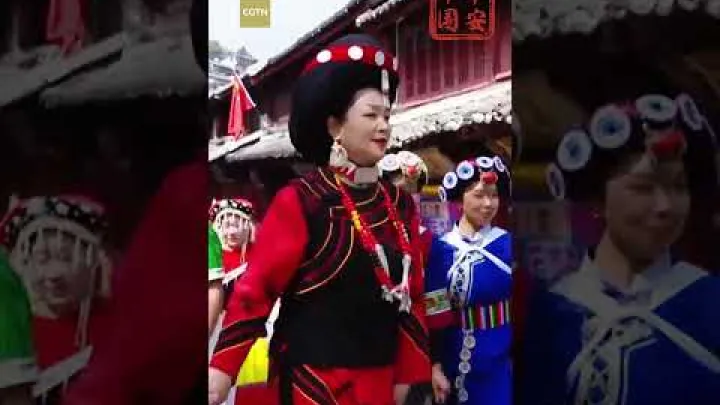
Spring works well for Lijiang Old Town, nearby countryside visits, and lower-altitude outdoor activities. Flowers and fresh vegetation can add seasonal interest, but bloom timing changes with the year, local conditions, and elevation. March and early April can feel noticeably cooler after dark, while late May is warmer but more likely to bring rain and humidity. Pack layers rather than relying only on warm daytime readings, and allow for a rain shower as spring advances.
Summer: Rainy-Season Greenery and Flexible Plans
June to September is the rainy season in Lijiang. Daytime conditions are generally mild to warm, but humidity and frequent showers become more important than extreme heat. July and August usually require the greatest tolerance for wet weather, cloud, and changing visibility. The landscape can look especially green and atmospheric during this period, which appeals to photographers and travelers who prefer vivid scenery over predictable sunshine.
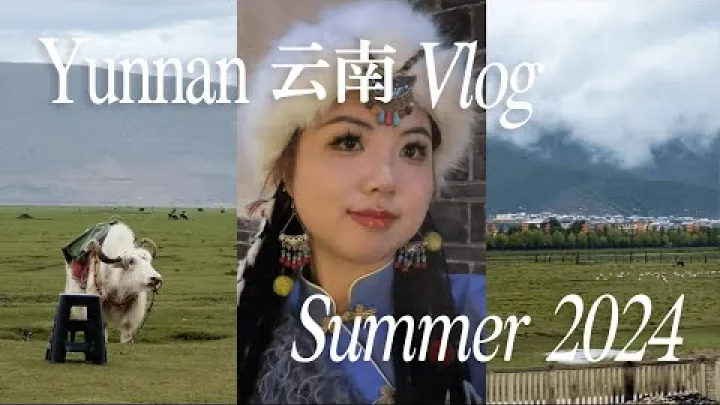
For hikers and day-trip visitors, summer is a trade-off. Rain can make stone streets, paths, and trail surfaces less convenient, while cloud can limit mountain or gorge views. Do not assume that every day follows a fixed pattern of sunny mornings and rainy afternoons. A flexible schedule is more useful: place outdoor activities where conditions allow, and keep a city-based alternative available.
Autumn: Clearer Conditions and Strong Demand
September to November moves gradually from lingering rainy-season weather to cooler, drier, and often clearer conditions. Early September can still be wet, while late September and October may offer a better balance for walking, photography, and outdoor excursions. By November, the air can feel crisp and nights become colder, but dry weather may be more valuable than warmth for travelers focused on visibility and quiet sightseeing.

Autumn weather should be considered separately from autumn demand. October can be attractive climatically but busy around the early-October National Day holiday period. If your priority is comfortable weather without the strongest holiday pressure, late September or November may be more suitable than the busiest October dates.
Winter: Dry Sunshine and Cold Nights
December to February is broadly the driest and sunniest period. Many visitors enjoy the clear daytime sunshine for Old Town walks and cultural sightseeing, but mornings and nights can be cold. The city may feel comfortable in direct afternoon sun and chilly soon afterward, so dry weather should not be confused with warm weather.

Winter can suit a quiet city stay or a budget-conscious trip outside major holiday periods. Snow is not a normal expectation for the city itself, while conditions at higher mountain locations can be colder and more changeable. Warm layers, covered shoes, and a plan for cold evenings are more useful than a light summer wardrobe, even when the afternoon looks bright.
Lijiang Month-by-Month Weather Guide
The table below gives a simple month-by-month feel for Lijiang. It summarizes typical climate patterns and planning implications, not a forecast. The most useful distinction is often between early and late in a transition month, particularly June, September, and October.
| Month | Typical feel | Rain trend | Planning and packing |
|---|---|---|---|
| January | Sunny and dry, cold after dark | Low | Warm evening layers; good for quiet city stays |
| February | Dry with slightly milder days | Low | Warm layers; check Spring Festival dates |
| March | Clearer and increasingly springlike | Beginning to rise | Layers and sun protection; outdoor demand increases |
| April | Mild to warm and broadly comfortable | Relatively light | Strong all-purpose month; carry a light shell |
| May | Warmer with more humidity | Rising | Good balance, but allow for showers |
| June | Green and mild to warm | Wet-season transition | Rain protection and flexible outdoor plans |
| July | Wet, humid, and often cloudy | Very high | Waterproof layer and footwear with traction |
| August | Very wet with lush scenery | Very high | Protect equipment and keep schedules open |
| September | Gradually clearer and cooler | Easing, especially later | Flexible plans early; layers for cooler nights |
| October | Comfortable, cooler, and often drier | Lower | Good outdoor month; early holiday demand can be high |
| November | Cool, dry, and often clear | Low | Warm layers; useful for quieter visits |
| December | Dry sunshine with cold nights | Low | Warm clothing for mornings and evenings |
January to March: Dry Winter and Early Spring
January is usually the clearest winter choice for travelers who value dry conditions and do not mind cold nights. February is slightly milder in its general feel but remains predominantly dry. Spring Festival is an important exception to the usual winter pattern for crowd planning, so February should not automatically be treated as quiet.
March brings clearer warming and the first stronger signs of spring. Outdoor comfort improves, and visitor interest can begin to rise. January and February call for warm evening layers, while March allows more adaptable daytime clothing. In all three months, direct sun can feel pleasant while shaded streets and evenings remain cold.
April to June: Comfortable Spring to Rainy-Season Start
April is one of the strongest all-purpose months for Lijiang. Days are generally mild to warm, rain is often lighter than in summer, and city walks or lower-altitude outings are easier to plan. May remains warm and broadly comfortable, but increasing rainfall and humidity make a light waterproof layer more useful.
June marks the move into wetter conditions. Showers become more frequent, while the surrounding landscape becomes greener. Early June and late June can feel different, but there is no precise monsoon start date that applies equally to every year. Choose June when you value scenery and can rearrange outdoor plans if needed.
July to September: Wettest Months and Gradual Improvement
July is generally the wettest part of the year in the available climate evidence, and it requires the most flexibility for outdoor activities. August remains very wet and humid, but cloud, mist, and lush vegetation can create strong photographic conditions. In both months, rain frequency, wet surfaces, and visibility are more important planning concerns than extreme heat.
September is a transition month. Rain commonly begins to ease, especially later in the month, but early September can still affect mountain views and day trips. Temperatures remain relatively moderate compared with many lowland summer destinations, so visitors who choose this period should mainly prepare for changing rain and cloud rather than severe heat.
October to December: Autumn Clarity and Dry Winter
October generally offers comfortable autumn conditions and substantially less rain than July or August. The main exception is demand around the early-October National Day holiday. November is cooler and drier, making it appealing to travelers who want clearer days with less seasonal pressure after the main holiday period.
December returns to the dry winter pattern. Sunshine can support city sightseeing, but cold nights become more important. Choose October for a milder outdoor balance, November for cool and relatively quiet conditions, or December for a drier winter atmosphere with stronger need for warm layers.
Best Time to Visit Lijiang for Different Travel Priorities
The right Lijiang travel season changes when the main activity changes. A short cultural stay can work in weather that would be inconvenient for a mountain hike, and a photographer may welcome cloud that another traveler would consider a problem.
For Lijiang Old Town and Cultural Sightseeing
Spring and autumn are usually the most comfortable periods for walking through Lijiang Old Town and combining street time with cultural sightseeing. The days are often easier for extended walks than the coldest winter periods or the wettest summer weeks. Winter can also be attractive if dry weather and fewer visitors matter more than warm evenings.
City sightseeing is less dependent on clear mountain visibility than hiking. A short shower does not have to ruin an Old Town day, but wet cobblestones can be slippery and may slow walking. Plan pauses under covered areas, keep a rain layer accessible, and place indoor or sheltered activities on days when the forecast is less favorable. For a short stay, a flexible daily schedule is more useful than trying to fit every activity into one tightly timed route.
For Jade Dragon Snow Mountain and Hiking
Travelers who need a better probability of usable trails and viewpoints should favor relatively drier shoulder periods or autumn, while remembering that mountain weather can differ sharply from conditions in Lijiang city. Summer rain can reduce visibility and make surfaces less convenient. Winter may bring bright city sunshine but colder high-altitude conditions.
Tiger Leaping Gorge should be treated as a separate terrain decision rather than an extension of an Old Town forecast. The gorge and mountain areas can have different cloud, wind, rain, and access conditions. The seasonal recommendation improves the odds of a comfortable excursion, but it does not guarantee clear views, open routes, or normal operations.
For Photography and Green Landscapes
The rainy season from June to September can suit photographers who value saturated greenery, mist, cloud layers, and changing light more than reliable sunshine. Rain can create atmospheric scenes, but it can also hide viewpoints or interrupt a planned excursion. Flexible timing is important because a weather window may be more valuable than a fixed schedule.
Spring offers a different visual character through fresh growth and seasonal flowers, while autumn is more appealing for cooler air and clearer conditions. Protect cameras and phones with a waterproof cover or dry bag, and do not assume that a scenic cloudy morning will remain dry throughout the day.
For Lower Prices and Fewer Crowds
November to February, outside major holidays, is the clearest low-demand option in the available planning guidance. These months combine generally dry weather with cold nights. Late spring or late autumn can be a useful compromise for travelers who want more comfortable outdoor conditions without choosing the strongest peak-season dates.
Lijiang can remain active even during a quieter season, and lower seasonal demand does not guarantee empty streets or a discount at every hotel. Live prices depend on weekends, holidays, booking lead time, and the type of accommodation. Choose winter when dryness and quiet matter most; choose a shoulder period when a wider comfort balance matters more.
Crowds, Holidays, and Prices
When Lijiang Is Busiest
Early October's National Day holiday period and the Spring Festival period are the two most important dates to consider if quiet sightseeing is your priority. Summer school holidays can also sustain strong demand, even though rainy-season weather discourages some visitors. Check the exact dates of movable Chinese holidays each year rather than assuming that the same dates apply annually.
Holiday demand has practical effects in Lijiang Old Town. A report from Xinhua describes crowd-management and emergency-flow exercises for the Spring Festival period, including organized evening visitor flow. This does not provide a visitor forecast for every holiday, but it shows why movement and scheduling can require more attention during major celebrations.
If quiet streets and easier access matter more than festival atmosphere, avoid the main holiday periods where possible. If your dates are fixed, travel can still work, but allow more time for walking, ticketing, and movement between busy areas.
How Prices Track Demand
Accommodation, transport, and excursion prices generally become higher or more variable when demand rises. Major holidays and popular autumn dates can reduce availability, while winter and shoulder periods often provide more options. This is a general demand pattern, not a promise of a particular rate.
For a practical comparison, first check the holiday calendar, then compare several nearby date ranges. Look at lodging, transport, and excursion costs together rather than judging a trip from the room price alone. Around National Day and Spring Festival, compare actual rates for your exact dates before committing, and review cancellation terms in case your plans need to change.
How to Travel During Busy Periods
Reserve accommodation and popular excursions earlier when traveling during major holidays or school breaks. For a calmer walk in Lijiang Old Town, early morning or early evening may be more comfortable than the busiest middle hours, although neither period is guaranteed to be empty.
Build buffer time into transport, ticketing, and outdoor days. Advance planning can reduce avoidable delays, but it cannot remove holiday congestion or weather changes. If the dates cannot move, improve the experience through timing, realistic daily goals, and a spare block for activities that take longer than expected.
Practical Planning: What to Pack and How to Check Conditions
What to Wear in Lijiang by Season
Adaptable layers are useful throughout the year because sunny afternoons, shaded Old Town streets, evenings, and mountain excursions can feel very different. Pack for the coldest part of your planned day rather than only the average afternoon temperature.
- Winter: Bring a warm jacket or insulating layers for mornings and nights, with lighter clothing available for sunny afternoons.
- Spring and autumn: Use a flexible layering system, including a warm evening layer and a light waterproof shell.
- Rainy season: Choose breathable clothing with a waterproof outer layer, and protect electronics from sudden showers.
- Walking and excursions: Wear sturdy, comfortable footwear. Old Town surfaces can become slippery when wet, and mountain or gorge outings need more support than ordinary city walking.
- All seasons: Carry sun protection for clear highland days and keep a warmer layer available when leaving the city for a higher excursion.
Rainy-Season and High-Altitude Logistics
Rain can affect walking surfaces, visibility, trail comfort, and the timing of excursions without making an entire trip impossible. During wetter months, avoid connecting several weather-sensitive outdoor activities with no spare time between them. A city day or another sheltered activity can provide a practical alternative when the landscape is cloudy or paths are uncomfortable.
Before leaving, verify same-day operating and access information for Jade Dragon Snow Mountain, Tiger Leaping Gorge, and any weather-sensitive excursion or transport. Information can change with rain, visibility, trail conditions, or local operating decisions. Use footwear with reliable traction, and pause exposed mountain activities during lightning or unsafe heavy rain. These precautions are more important than forcing an itinerary to follow its original schedule.
Climate Averages Versus the Live Forecast
Use climate averages to answer the question, Is this month usually suitable for my trip? Use a current forecast to answer the different question, Is this particular day suitable for my planned activity? A service such as Meteoblue can help with short-term rainfall, cloud, wind, and temperature planning, but a forecast is time-sensitive and should be read for the exact dates.
Check city conditions separately from high-altitude locations. A comfortable forecast for an Old Town stay may not describe Jade Dragon Snow Mountain, and a city rain shower does not by itself explain conditions in Tiger Leaping Gorge. Date-stamp any live information you use and treat it as a short-term planning tool, not a replacement for seasonal climate data.
A Simple Go-or-Wait Decision
Proceed with your trip when the season fits your priorities, the current conditions are acceptable, and your schedule has some flexibility. Reconsider a particular mountain or gorge day when the forecast or local access information is unfavorable; this does not mean rejecting the entire season.
For fixed-date travel, build one spare day or a city-based alternative around major outdoor plans. Before an excursion, use this short checklist: seasonal fit, current weather, local access, and suitable clothing and footwear. If all four are reasonable, go ahead; if one is unfavorable, change the activity rather than forcing the original plan.
Bottom Line: Choose the Season That Fits Your Trip
For the best overall balance, start with April to May or late September to November, while treating June and early September as flexible transition periods. Choose November to February for dry sunshine, quieter travel outside major holidays, and cold nights. Choose June to September for greener landscapes and atmospheric photography if you can accept rain and changing visibility. Lijiang is a year-round destination, but the best time to visit is the season that matches your activity, crowd tolerance, budget, and willingness to adapt.
Select area
Create a post
Posting is free and no registration is required.