Lhasa Best Time to Visit: Weather by Month
The best time to visit Lhasa is usually April to May or September to October, when daytime conditions are comfortable and rainfall is generally lower than in the peak summer months. Lhasa's high elevation also means that a sunny afternoon can occur alongside a cold morning, strong ultraviolet exposure, or a sharp temperature drop after sunset. This guide explains the dry and rainy seasons, gives a month-by-month overview, and matches the best travel periods to sightseeing, festivals, mountain excursions, crowds, and budget. It also covers practical clothing, altitude pacing, live forecast use, holiday demand, and remote-route planning.
Best Time to Visit Lhasa at a Glance
For most first-time visitors, April to May and September to October offer the best balance of mild daytime weather, relatively low rainfall, good walking conditions, and useful visibility. If you want one simple answer, May and October are often the strongest individual months. Audley Travel also identifies May and October as especially favorable while describing April through October as the broader practical travel window.
- Best overall: May and October, with April, late September, and the rest of October also attractive.
- Warmest and liveliest: June to August, when daytime temperatures are generally comfortable but rain, cloud, crowds, and prices increase.
- Best for cultural sightseeing: April to May and September to October, although the city can be visited in winter by travelers prepared for cold.
- Quietest and potentially less expensive: November to March, with the trade-off of cold nights and more difficult conditions for remote high-altitude trips.
Your ideal month depends on whether Lhasa is the main destination or only the starting point for places such as Everest Base Camp or Namtso Lake. City landmarks are accessible in more seasons than exposed mountain routes, so a favorable Lhasa forecast does not automatically mean favorable conditions across the plateau.
Understanding Lhasa's Climate and Seasons
Lhasa has a high-altitude inland climate rather than the hot, humid, coastal climate that many travelers associate with China. The most important planning factors are elevation, sunshine, daily temperature changes, seasonal rain, wind, cloud, and the conditions on routes outside the urban valley.
Lhasa's High-Altitude Valley Climate
Lhasa lies in the Lhasa River valley at approximately 3,650 metres above sea level. Its inland location and valley setting help create a cool, relatively dry climate, while the elevation reduces average temperatures and produces a large difference between daytime and nighttime conditions.
In practical terms, the city can feel bright and warm in direct afternoon sun but cold in the shade, at dawn, or after sunset. The air is often dry outside the wetter summer period, and strong sunshine is a major part of the travel experience. Walking between sites can therefore be comfortable in the middle of the day while becoming tiring or cold if the same route is attempted early in the morning or late at night.
Lhasa city conditions should not be used as a complete description of Tibet. Regional excursions can cross higher, more exposed terrain where wind, snow, rain, road conditions, and visibility are more severe than in the sheltered valley. Plan a city stay and a plateau journey as related but separate weather decisions.
Dry Season, Rainy Season, and Shoulder Months
The broad dry period usually extends from late autumn through spring. Winter and early spring generally bring limited precipitation, cold nights, and many opportunities for bright weather. Conditions begin to warm in April and May, making these months useful shoulder-season choices before the main summer rainfall pattern develops.
Rain normally becomes more noticeable from roughly June through early autumn. July and August typically receive the greatest share of the year's precipitation, and September often acts as a transition toward drier weather. Showers may occur later in the day or at night, but cloud can still reduce visibility during a planned viewpoint visit. A short shower pattern should not be interpreted as a guarantee that every daytime itinerary will remain dry.
Lhasa does not require coastal typhoon planning or sea-condition planning. The relevant seasonal questions are whether rain affects walking, whether cloud blocks distant scenery, whether wind makes exposed places uncomfortable, and whether snow or wet conditions affect higher roads and passes.
Temperature, Sunshine, and Day-Night Changes
Published climate figures vary because datasets may use different stations, elevation references, or averaging periods. Some travel summaries place Lhasa's annual mean near 8–9°C, while the Lhasa dataset at Climate-Data.org reports about 552 mm of annual precipitation and an annual average of 2.6°C. The difference is a useful reminder to treat climate numbers as comparisons rather than exact predictions for one street or travel date.
The more practical pattern is consistent: warm-season daytime highs are commonly in the low to mid-20s Celsius, while winter nights and mornings can be below freezing in typical averages. Even in summer, the temperature can fall quickly once direct sunlight disappears. Wind can make an exposed place feel colder than the air temperature suggests, while direct sun can feel intense when the thermometer looks modest.
Lhasa also receives abundant sunshine, and ultraviolet exposure is stronger at high elevation. Pack for both sides of the climate: clothing that manages cold and wind, and protection that manages bright sun. This combination explains why a visitor may use a warm layer, sunglasses, and sunscreen on the same day.
Lhasa Weather Month by Month
The following month-by-month guide describes typical patterns, not a forecast. Conditions can vary from year to year, and even one day can change considerably between morning, afternoon, and evening.
January and February: Cold, Dry, and Quiet
January and February are usually the coldest and driest part of the year in Lhasa. Mornings and nights are particularly cold, while clear periods can make the middle of the day bright and suitable for carefully paced city walks. Snowfall or precipitation in the valley is generally limited compared with summer, but cold remains the main factor in daily comfort.
These months can suit travelers who want a quieter cultural visit and do not mind winter clothing. The Potala Palace, Jokhang Temple, and Barkhor Street can still form the core of a city itinerary, especially when outdoor walking is placed in the warmer daylight period and indoor visits provide a useful alternative.
The advantage of a dry urban valley does not remove the winter difficulty of higher passes and remote roads. An itinerary focused on central Lhasa is a more realistic winter choice than one that depends on several exposed, high-elevation excursions.
March to May: Warming Shoulder Season
March begins the gradual move away from winter. It is still cool, especially in the morning and evening, but the days become more comfortable for sightseeing than in January or February. Rainfall is normally limited, so travelers who prefer dry conditions may find early spring appealing if they can tolerate cold starts.

April is a stronger general-purpose month. Afternoon temperatures become milder, the city is easier to explore on foot, and the weather is typically drier than in the summer rainy period. Nights remain cool, so warm layers are still necessary rather than optional.
May is often one of the best times to visit Lhasa. It combines warmer daytime conditions with generally lower rainfall than July and August, making it suitable for cultural routes and many scenic plans. Demand can rise around the May Day holiday, however, so the best weather month is not always the quietest or least expensive travel date.
June to August: Warmest, Wettest, and Busiest
June marks the beginning of the wetter part of the year. It can offer pleasant daytime temperatures and a lively travel atmosphere, but rainfall and cloud become more relevant to planning. July and August normally bring the highest precipitation, even though temperatures are often among the most comfortable for daytime walking.

Summer showers commonly arrive later in the day or at night, which may leave part of a morning sightseeing plan usable. However, this pattern is not guaranteed, and cloud can affect distant views even when rain is brief. Summer therefore offers a trade-off rather than a simple answer: easier daytime temperatures and more cultural activity, but less dependable visibility and a greater chance of interruptions.
July and August are also commonly the busiest months. School holidays, general tourism demand, and cultural events can put pressure on popular sites, accommodation, and transport. If mountain viewpoints or long excursions are important, keep flexible time in the schedule during these months instead of relying on one guaranteed clear day.
September to December: Clearing Skies, Then Dry Winter
September is a transition month. Rainfall generally begins to decline from the summer peak, but conditions can remain changeable, especially early in the month. Later September often provides a useful combination of less rain, moderate daytime temperatures, and improving visibility.
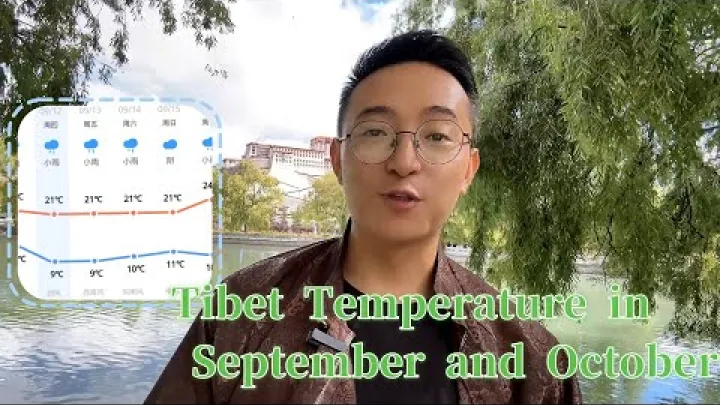
October is usually dry and relatively clear, which makes it attractive for walking, photography, and cultural visits. It is one of the strongest months for a balanced Lhasa itinerary, but early October includes the National Day holiday period, when demand can rise sharply. Dates later in the month may offer a different crowd experience from the first days of October.
November and December bring a steady return to dry winter conditions. Daytime sunlight can still be pleasant, but mornings and evenings become increasingly cold. By December, warm clothing and shorter outdoor plans matter much more than they do in early autumn. Late autumn can be a good low-demand choice for a city-centered trip, but it is less forgiving for an itinerary built around high passes and remote routes.
Best Time to Visit Lhasa by Travel Purpose
There is no single best month for every traveler. The ideal time changes when the priority is city culture, mountain scenery, festivals, or lower cost.
General Sightseeing and First-Time Visitors
For a first visit focused on Lhasa's main landmarks, choose April to May or September to October. These periods usually provide a comfortable balance between daytime walking, lower rainfall than peak summer, and useful visibility. May and October are particularly easy months to recommend, although holiday dates can change the crowd experience.
A city route can include the Potala Palace, Jokhang Temple, Barkhor Street, Drepung Monastery, Sera Monastery, and Norbulingka Palace. These places do not all demand the same amount of outdoor walking, so a varied itinerary can adapt to sunshine, cloud, cold, or a short shower without abandoning the cultural focus.
Lhasa can be visited in winter by travelers who accept cold mornings, cold evenings, and a slower outdoor rhythm. Summer can feel easier thermally during the day, but rain and demand may make popular areas busier. The city itinerary is possible in more seasons than a remote plateau itinerary; comfort and pacing are the main differences.
Mountain Views, Hiking, and Regional Excursions
April to May and September to October usually offer the best balance for scenic excursions from Lhasa. These shoulder periods can combine moderate temperatures with a lower likelihood of persistent summer cloud and less severe winter cold. They are useful starting points for travelers who want both city culture and highland scenery.

Trips to Everest Base Camp and Namtso Lake involve different conditions from central Lhasa. Higher elevation, open terrain, wind, snow, rain, high passes, and cloud can affect comfort and visibility. A clear morning in the Lhasa River valley does not promise a clear view at a distant mountain destination, and a warm city afternoon does not describe the temperature on an exposed lake shore or pass.
There is no sea-condition issue for these inland routes. Instead, assess road and pass conditions, the feasibility of walking at elevation, the amount of daylight available, and the possibility that cloud will change the visual value of a long excursion. Keep remote travel as a separate part of the date decision rather than choosing dates only from the Lhasa city forecast.
Festivals and Cultural Experiences
Travelers who care most about festivals may choose late spring or summer, even when April, May, September, and October offer a better overall weather balance. Saga Dawa is generally a late-spring or early-summer consideration, with its date changing in the solar calendar. The exact festival calendar should be confirmed for the year of travel.
Shoton is typically held in August. Tibet Horizon describes the event as an August experience with mild but changeable summer conditions in Lhasa, including daytime temperatures around 15–22°C. That range can feel comfortable in sunshine but cool in the morning, evening, shade, or rain.
Festival travel offers more cultural activity and energy, but it can also bring higher demand at accommodation, transportation, and popular sites. Pack for strong sun, cool mornings, and possible summer rain, and treat festival dates as planning inputs that must be checked against the current year's calendar.
Low Crowds and Lower Prices
November through March, especially the coldest winter months, is the period most likely to have quieter streets and lower tourism demand. Travelers may find more space around major cultural sites and better availability than during the summer or major holiday periods. These benefits are possible rather than guaranteed, since prices also depend on the operator, event calendar, and exact dates.
The winter trade-off is cold nights, colder early starts, and a shorter comfortable window for long outdoor activities. Remote or high-pass travel can be less predictable in winter than a Lhasa-centered visit, so savings are most useful when the itinerary is designed around the city rather than an ambitious circuit.
April to May and late October can work as compromise periods. They generally offer better daytime comfort than winter without the full demand of the summer peak, although May Day and early October holiday dates should be treated separately from ordinary shoulder-season dates.
Practical Lhasa City-Stay Planning
Good timing helps, but simple daily decisions often determine whether the weather feels manageable. Prepare for changing temperatures, strong sun, occasional rain, and the effects of elevation.
What to Wear and Pack for Lhasa's Temperature Swings
Use layers rather than one heavy outfit. A base layer, a warm middle layer, and a wind-resistant outer layer allow you to adjust between a cold morning, a sunny afternoon, shaded courtyards, and a cool evening. Even when a summer forecast looks mild, sunset temperatures can make a light jacket or fleece valuable.
- Warmth: Pack a fleece or insulated layer for mornings, nights, shade, and higher excursions.
- Sun protection: Bring sunglasses, sunscreen, and a hat. High-altitude sunlight can feel strong even when the air is cold.
- Rain protection: Carry a waterproof outer layer during June to early autumn, when showers are more likely.
- Walking comfort: Use supportive footwear with a reliable sole for extended city walks and uneven surfaces.
Do not pack only for the expected afternoon temperature. A practical Lhasa bag should cover warmth, sun, rain, and walking in the same day. This approach is more useful than choosing clothing based on a single monthly average.
Plan Sightseeing Around Sun, Rain, and Altitude
Build the day around changing conditions rather than trying to force every outdoor activity into a fixed sequence. Outdoor walks and viewpoints can be placed in the most comfortable daylight period, while indoor or sheltered cultural visits provide alternatives when rain, cloud, wind, or cold makes a long walk less pleasant.
For example, a city day can combine the Jokhang Temple and Barkhor Street with a shorter outdoor route, then use the Potala Palace, Drepung Monastery, Sera Monastery, or Norbulingka Palace as part of a broader sequence suited to the day's energy and weather. The aim is not to predict the exact hour of every shower, but to avoid making the whole itinerary depend on one exposed viewpoint.
Altitude also affects pacing. Keep the first sightseeing days moderate, allow time for rest, and do not assume that mild temperatures remove altitude-related strain. Anyone with altitude-related health concerns should seek qualified medical advice before travel. This is a general planning precaution, not a diagnosis or substitute for professional care.
Climate Averages Versus Live Forecasts
A climate average describes the pattern expected over many years. It helps compare January with July or May with October, but it cannot predict the conditions on a particular travel date. A monthly rainfall total also does not tell you whether rain will arrive during one planned walk or outside your sightseeing hours.
Use a current, location-specific forecast shortly before departure and again before remote day trips. This matters especially when an itinerary changes elevation, because a forecast for central Lhasa may not represent a high pass, lake shore, or mountain destination.
If the forecast changes, adapt rather than canceling the whole day. Prioritize city landmarks, shorter walks, sheltered courtyards, or indoor cultural visits when conditions are poor, and reserve distant viewpoints for a more suitable day when the schedule allows. Live forecast information should refine a seasonal plan, not replace it.
Crowds, Prices, Holidays, and Route Flexibility
Travel demand does not follow climate perfectly. A month with excellent weather can be busy because of school holidays or festivals, while a colder month may be quiet and less expensive.
Peak, Shoulder, and Low Seasons
The warmer travel period from spring through autumn generally attracts more visitors than winter. Tourism sources commonly describe May to September as a busy part of the broader April-to-October season, with July and August often among the busiest months. Tibet Discovery similarly presents April to October as the main travel period and identifies May to September as the peak season.
These labels are patterns rather than rigid official boundaries. Demand can change with the calendar, festival dates, group departures, and local operating schedules. April to May and September to October are often shoulder-style choices because they balance comfort, visibility, and demand more effectively than the busiest summer weeks.
November to March may be quieter and less expensive, but it is usually better suited to a Lhasa-centered itinerary than to an ambitious remote circuit. Choose the low season for its quiet atmosphere only if cold nights and a more limited outdoor rhythm fit your travel priorities.
Golden Week, Summer Holidays, and Festival Demand
Early October includes China's National Day holiday, often called Golden Week. It can make an otherwise favorable October itinerary much busier, particularly around popular landmarks and major transport connections. Later October may provide a different demand pattern from the first days of the month.
July and August summer holidays can also increase pressure on accommodation, transportation, and popular sites. Major events such as Shoton may add another layer of demand. May Day and movable religious or cultural festival dates should be compared with the current calendar before finalizing travel dates.
If lower demand is the priority, avoid major holiday dates where possible. If you must travel during a holiday or festival period, reserve accommodation and transportation well in advance. Do not rely on a general statement that a month is quiet when the specific dates overlap with a national holiday or major event.
Check Access and Route Conditions Before Remote Excursions
Remote routes need their own operational assessment. Winter snow and ice, summer rain, high passes, strong wind, and changing visibility can affect an excursion even when central Lhasa remains comfortable for sightseeing. These factors are particularly important for plans involving Everest Base Camp, Namtso Lake, or other destinations reached across exposed highland roads.
Before booking a remote excursion, confirm current road and route conditions with an authorized local operator or the relevant local authority. Route information, access arrangements, and travel times can change, so an old itinerary description should not be treated as a current guarantee.
Leave space in the schedule for delays, a changed departure, or a substitute city day. A flexible plan protects the most important parts of the trip without assuming that every high-altitude route will operate exactly as expected. Keep this transport decision separate from the general question of whether Lhasa city weather is pleasant in a particular month.
Conclusion: Choosing Your Travel Dates for Lhasa
For the best overall combination of weather and comfort, choose April to May or September to October, with May and October often standing out as the simplest recommendations. Choose July or August for summer energy and festival possibilities if you accept rain, cloud, crowds, and less reliable distant visibility. Choose November to March for a quieter and potentially lower-cost Lhasa-centered visit if you are prepared for cold. Whatever month you select, use layers, strong sun protection, a rain shell, a moderate first few days, and separate route planning for high-altitude excursions.
Select area
Create a post
Posting is free and no registration is required.