Lhasa Budget: Daily Travel Costs, Prices, and Ways to Save
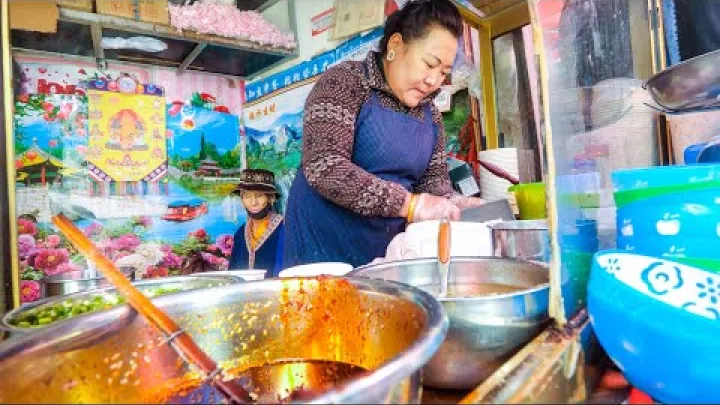
Planning a Lhasa budget is easier when everyday city spending is separated from the cost of reaching Tibet and joining an organized itinerary. A traveler staying in simple accommodation and eating local food can spend much less than someone booking a central hotel, frequent private transfers, and ticket-heavy sightseeing days. This guide explains indicative daily costs for budget, mid-range, and comfortable travel, then breaks down lodging, meals, attractions, local transport, airport access, and package prices. All figures are planning ranges rather than guaranteed live quotes, so use them to compare choices and build a buffer before booking.
Lhasa Budget at a Glance
For a city stay, the main spending categories are accommodation, food, local transport, and activities. The most useful budget is not one exact number but a range based on the way you travel and the services already included in your bookings.
Budget, Mid-Range, and Comfortable Daily Costs
| Travel style | Indicative daily total | Typical pattern |
|---|---|---|
| Strict budget | USD 30–45 per person | Simple lodging, local meals, walking or public transport, and selected low-cost sights |
| Mid-range | USD 60–100 per person | Private or shared mid-range lodging, a wider choice of restaurants, taxis when useful, and regular paid sightseeing |
| Comfortable | USD 120 or more per person | Higher-category lodging, restaurant flexibility, more private transport, and fewer compromises on activities |
These bands describe ordinary on-the-ground spending in Lhasa. They can rise on a day that includes the Potala Palace, several other paid attractions, a private vehicle, or an airport transfer. A package that includes a guide, vehicle, accommodation, tickets, and access arrangements should be assessed separately rather than added to one of these daily totals.

Use RMB or CNY as the working currency when you make the budget. USD figures are approximate illustrations only. Before paying, check the travel date, room occupancy, taxes, breakfast, cancellation terms, included services, and exchange-rate basis behind every quote. Keep a modest contingency for price changes, service charges, unplanned taxis, snacks, and inclusions that turn out to be different from your assumption.
What a Lhasa Daily Budget Includes and Excludes
A local daily budget normally covers a night of accommodation, meals, city transport, and sightseeing that you pay for directly. Accommodation is often priced per room or per bed, while food, tickets, and most personal expenses are priced per person. This difference matters: two people sharing a room can have a lower per-person lodging cost than a solo traveler, even if both choose the same hotel.
The headline ranges do not include international flights, long-distance trains, overland journeys, insurance, shopping, optional upgrades, or a complete Tibet tour package. A one-time journey from Lhasa Gonggar Airport is also better shown as a separate access line. Similarly, a ticket bundled into a tour should not be counted again in a city sightseeing allowance.
Some international travelers may also have organization or access costs connected with their itinerary. Do not assume that a Lhasa-only daily rate is enough to cover those arrangements. First decide whether you are pricing an independent city stay, a city-based tour, or a longer Tibet route, then use the appropriate cost model.
Choose a Currency and Spending Method
Build the worksheet in RMB, even if your income and booking confirmations are in another currency. Create separate lines for lodging, food, local transport, attraction tickets, access costs, and contingency. This makes it easier to see whether a higher hotel rate is being offset by fewer taxis or whether a low package price leaves meals and tickets outside the quote.
Show USD only as a rough comparison and avoid fixing the whole plan to one exchange rate without a dated basis. The amount charged by a card issuer or exchange provider may differ from the rate used in a search result. A small RMB reserve can also help with small purchases or services where your preferred payment method is not available.
Payment acceptance should be checked rather than assumed. Ask the hotel, tour operator, attraction ticket channel, and accommodation about their current options for cash, cards, and mobile payments. Small eateries and tea houses may not follow the same payment practices as large hotels, and a booking confirmation may not describe every payment needed locally.
Accommodation Costs in Lhasa
Accommodation is often the largest controllable part of a Lhasa city budget. The best choice depends on whether you value the lowest nightly rate, a central location, room comfort, included meals, or the ability to rest between sightseeing days.
Budget Hostels, Guesthouses, and Simple Rooms
Use about USD 10–20 as an indicative starting range for a hostel bed or a very simple guesthouse option. A recent hostel search displayed examples around USD 17 per person, but a lowest listing is not a normal year-round rate and may depend on dates, availability, and booking conditions. The KAYAK hostel listings are useful as a snapshot, not as a promise of what will be available for your trip.

Check exactly what the rate represents. A dormitory bed, a private room, and a basic two- or three-star hotel room should not be placed in the same category. Ask whether heating, a private bathroom, breakfast, taxes, luggage storage, and cancellation are included. If the rate is per room, divide it by the number of occupants before comparing it with a per-person hostel price.
A central base near Barkhor Street, Lhasa old town, or the Potala Palace area may make walking easier and reduce some short taxi journeys. Central accommodation can also cost more or sell out sooner. Compare the total of the room and expected transport rather than treating location as an automatic premium or saving.
Mid-Range and Comfortable Hotels
For planning purposes, about USD 50–80 per night is a useful mid-range band, but confirm whether the figure is per room or per person. A recent booking-platform snapshot reported an average double room of roughly USD 79 per night in Lhasa. The same snapshot showed about USD 133 for four-star hotels and USD 256 for five-star hotels. These figures are averages that can be influenced by luxury properties, dates, and available inventory; they are not fixed city tariffs. See the KAYAK Lhasa hotel snapshot for the type of comparison such platforms provide.
A comfortable stay can therefore reach about USD 120–200 or more per night. The extra cost may buy a better location, larger room, more predictable service, or easier access to hotel facilities. Do not assume that oxygen equipment, breakfast, heating, airport pickup, or other services are universal. Read the room description and booking conditions carefully.
Solo travelers usually carry the full room cost, while two people sharing a room can divide the nightly rate. This is one reason why a couple can sometimes stay in a mid-range room while spending a similar amount per person to a solo traveler in a budget private room. Compare the per-person result after adding breakfast, taxes, and any required supplements.
How Season, Weekends, and Location Change Hotel Prices
Hotel snapshots often show lower prices during some winter periods and higher prices during popular summer, autumn, holiday, or weekend dates. This pattern is not guaranteed for every property. A promotion, group booking, event, or limited inventory can change the result for a particular night.
Flexible dates can help, but the lowest nightly rate is not always the lowest total cost. A hotel farther from the Lhasa old town may require more taxis, take more time to reach Barkhor Street, or make early sightseeing less convenient. A slightly higher central rate may be worthwhile if it lets you walk to several planned activities.
Compare the final booking price, not only the number shown in a search result. Check taxes, breakfast, cancellation, room availability, heating information, and occupancy rules. Save a screenshot or note of the conditions when you compare dates because promotional rates can disappear quickly.
Food and Drink Prices in Lhasa
Food spending in Lhasa depends more on venue and habits than on the destination label alone. Local meals and tea houses can support a lower budget, while coffee, imported products, alcohol, and Western-style restaurants can raise the daily total quickly.
Local Meals, Tourist Restaurants, and Tea Houses
Think of food choices in three broad groups. The first is local Tibetan food and simple tea-house dining, including momos, thukpa, tsampa, yak-based dishes, and sweet tea. The second is mainstream restaurant dining aimed at visitors, which may offer a wider menu and more comfortable seating. The third is Western-style or imported-food dining, where specialty ingredients, coffee, and alcohol can make the bill less predictable.
Local staples are useful for controlling costs, but there is no single citywide price for a dish. Portion size, neighborhood, service, and restaurant type all matter. A menu near a major visitor area may not match a small local venue elsewhere. Treat any dish price found online as indicative unless it comes from a current Lhasa menu or a recent local quote.
Keep drinks separate from meals when you plan. Coffee, bottled drinks, snacks, imported foods, and alcohol can turn a low meal budget into a higher daily total. Travelers with allergies, medical diets, or strong food preferences should allow extra flexibility instead of using the lowest food band as their only plan.
Set a Daily Food Allowance
Use these planning bands for food and non-alcoholic drinks:
- Strict local-food budget: about USD 5–10 per person per day, using simple breakfasts, local meals, and limited snacks.
- Mid-range dining: about USD 12–20 per person per day, allowing more choice of restaurants and drinks.
- Comfort-oriented dining: about USD 25–40 per person per day, with more sit-down meals, coffee, Western-style food, imported products, or occasional treats.
These are budgeting estimates, not the result of a verified citywide menu survey. A sample strict-budget day might combine a simple breakfast, a local noodle or momo meal, a tea-house meal, and water or a small snack. A mid-range day could include a hotel breakfast, one local meal, and one more comfortable restaurant meal. A comfort day leaves room for coffee, a longer restaurant visit, and fewer compromises about menu choice.
If breakfast is included in your hotel rate or tour, remove that meal from the amount of cash you expect to spend rather than counting it twice. Do the same for included group meals. Alcohol, specialty coffee, imported food, snacks, and special dietary requirements should be separate allowances because they vary greatly between travelers.
Practical Ways to Control Food Spending
Set a daily RMB food limit and review it each evening. Check current menus before sitting down, ask your accommodation or operator about nearby local options, and keep one flexible meal in the plan for a place that costs more than expected. This is more realistic than trying to eat at the absolute lowest price for every meal.
A useful approach is to combine inexpensive local meals with one planned sit-down meal. You can then protect a cultural or social dining experience without allowing every meal, drink, and snack to become an unplanned upgrade. Record drinks separately so you can see whether restaurant meals or small purchases are driving the overrun.
Barkhor Street and the old town can offer a practical choice of visitor-oriented and local-style venues, but the best option depends on the current menu and your needs. On a wider Tibet itinerary, remote stops may offer fewer choices and less flexibility than Lhasa. That difference belongs in the package or route budget rather than being hidden inside a standard Lhasa food allowance.
Attraction Tickets and Sightseeing Costs in Lhasa
Sightseeing costs are uneven. Some days can focus on walking, public spaces, and exterior views, while another day may include a major ticket, a second paid temple, and transport. Budget by day type instead of assuming that every day has the same activity cost.
Potala Palace Ticket Planning
Potala Palace is the attraction most likely to affect both your schedule and your budget. An official notice states that the palace does not sell daily tickets and that visitors must purchase tickets in advance through its ticketing system, with the notice referring to a ten-day advance process. Read the current instructions at the Potala Palace Official Website before building the day around a visit.

For provisional planning, the commonly used framework in the available travel information places Route 1 at about RMB 200 in peak season and about RMB 100 in the off-season. Treat these as indicative placeholders only. The applicable season, route, eligibility rules, discounts, promotions, and reservation process can affect the amount and whether a particular ticket is available.
Put the reservation action before the savings calculation. A low theoretical off-season price does not help if the route or date cannot be booked. If a tour operator includes the Potala Palace ticket, record it as included and do not add the same ticket again to your personal sightseeing budget.
Jokhang Temple, Monasteries, Museums, and Free Sights
A published travel figure for Jokhang Temple is RMB 85 per person, with advance reservation information also reported. Use RMB 85 only as an indicative planning figure until the current local ticket channel confirms it. The Jokhang Temple information can provide a starting point for planning, but it should not replace current ticket instructions.
Sera Monastery and Drepung Monastery are paid cultural sites whose current entry arrangements and fees should be considered separately. Do not copy an old or unsupported Drepung price into a precise budget. Guides, private vehicles, and transport included in a monastery day tour are separate from the direct entry fee.
The Tibet Museum, walking around Barkhor Street, public spaces, and exterior views of major landmarks can provide free or low-cost activity options, depending on current access arrangements. Free entry does not mean a completely free day: local transport, food, reservations, and time spent in a visitor area may still create costs.
Build a Paid-Sightseeing Budget
Start by dividing your days into low, base, and high activity levels:
| Sightseeing level | Indicative allowance | What it represents |
|---|---|---|
| Low | RMB 0–100 per person | Walking, public spaces, museum-style or low-cost activities, and few paid entries |
| Base | RMB 100–300 per person | One major paid attraction or a combination of ordinary paid sites |
| High | RMB 300 or more per person | Several paid sites, a guide or vehicle, or ticket costs bundled into a more substantial day |
These allowances are planning bands, not official tariffs. A ticket-heavy day that combines the provisional Potala Palace range with the indicative Jokhang figure would already be about RMB 185–285 before transport or other entries. That simple calculation shows why a high-ticket day can sit above the normal daily budget.
Spread attraction costs across the whole stay. For example, place Potala Palace and Jokhang Temple on one high-cost day, then use a monastery, museum, Barkhor walk, or other low-cost activity on another. Keep direct entry fees separate from guide charges, private vehicles, and package costs so that you can compare an independent day with an organized excursion.
Getting Around and Reaching Lhasa
Transport has two different roles in a Lhasa budget. Walking, buses, taxis, or ride-hailing cover movement within the city, while the journey from Lhasa Gonggar Airport or another part of China is an access cost. Combining them can make a daily estimate look lower or higher than it really is.
Local Buses, Taxis, and Walking
Use walking, city buses, and taxis or ride-hailing as a qualitative cost ladder. Walking is usually the most budget-friendly choice when your accommodation is near Barkhor Street, Lhasa old town, or another useful central anchor. Buses can reduce the cost of longer city journeys, while taxis provide more convenience when distance, weather, luggage, or fatigue makes walking impractical.
There is not enough strong local fare evidence here to present one generic bus or taxi price as current for every journey. Instead, estimate the number of rides you expect and leave a transport buffer. Count trips to the Potala Palace area, Sera Monastery, Drepung Monastery, the Tibet Museum, and your restaurant areas separately from short walks.
A cheaper hotel is not necessarily cheaper overall if it creates several extra taxi journeys each day. Compare nightly price, walking time, expected rides, comfort, and energy. On a sightseeing day, paying for one convenient ride may be better value than losing time or arriving too tired for the planned activity.
Airport Transfers and Long-Distance Access
Treat the Lhasa Gonggar Airport transfer as a one-time access cost, not as an ordinary local transport allowance. An example reported by TibetTour places a taxi from the airport to central Lhasa at about RMB 200. This is a reference point rather than a guaranteed live quote, and the per-person result changes if the ride is shared.
Before arrival, confirm the pickup point, total transfer price, passenger-sharing terms, vehicle arrangement, and included charges. An operator transfer may already be included in a tour, while a solo taxi may make more sense for a traveler with unusual arrival times or substantial luggage. Write the transfer as one line in the budget so that it is not accidentally multiplied by the number of nights.
Flights, trains, and overland journeys to Lhasa should remain outside the local daily rate. Show them as separate access-cost lines, together with any associated transfers. This separation lets you compare a city break with a longer Tibet route without making the Lhasa hotel and meal estimate appear misleadingly high.
Tour Packages and the Full Lhasa Trip Cost
A Lhasa city budget answers how much you spend while staying in the city. A Tibet package answers how much you pay for an organized travel service that may cover several destinations and administrative arrangements. These totals should never be compared without adjusting for what each one includes.
Separate City Spending from Tibet Package Costs
Organized packages may bundle accommodation, meals, vehicles, guides, attraction tickets, airport transfers, and access arrangements, depending on the operator and itinerary. They can also cover travel beyond Lhasa, such as an overland route. A city traveler who pays only for a room and meals is buying a different set of services.
For scale, an available example describes an eight-day Lhasa to Everest Base Camp and return tour from about USD 949 per person for a small group. The Tibet Travel package example is an itinerary reference, not a Lhasa-only price or a universal quote. Its value can only be judged after you identify the transport, lodging, meals, tickets, guide service, and exclusions behind the figure.
International travelers should not assume that independent city costs are sufficient for every Tibet visit. Depending on nationality and current policy, entry, permit, guide, and itinerary arrangements may affect how the trip must be organized. Before paying a deposit, confirm the current requirements with a licensed operator or relevant official channel and make sure the proposed itinerary matches those requirements.
Compare Tour Inclusions Before Booking
Request a written line-item quote and compare packages using the same checklist:
- Group and room: group size, private or shared vehicle, room occupancy, hotel category, and single supplements.
- Meals: the number of included breakfasts, lunches, dinners, drinks, and special-diet arrangements.
- Transport: airport transfer, city vehicle, long-distance vehicle, fuel, driver costs, and luggage conditions.
- Guiding and tickets: guide language, guide days, Potala Palace and monastery tickets, museum entries, and reservation handling.
- Access arrangements: documents or organization services included in the quote and any separate charges.
- Exclusions: tips, insurance, flights or trains, optional activities, personal purchases, and meals or tickets not listed.
A lower headline price may reflect a larger group, simpler accommodation, fewer meals, fewer included entries, or more add-on charges. Calculate the effective per-day cost only after you know which expenses the package covers. Do not compare a package with a hostel-only daily budget unless you first add equivalent transport, guiding, tickets, and access costs to the independent option.
Keep the written quote, payment schedule, cancellation terms, and list of inclusions together. If a sales description uses broad wording such as local sightseeing or standard hotel, ask for the actual category and service details before making the comparison.
Seasonal Price Changes and Ways to Save
Travel dates affect both the price and the practical value of a Lhasa trip. The cheapest room can be a poor choice if it limits availability or comfort, while a modestly higher rate during a convenient period may reduce transport and planning problems.
Choose Travel Dates Strategically
Compare popular summer, autumn, holiday, and weekend periods with lower-demand winter or shoulder periods. Booking snapshots show that prices can vary between these periods, but they do not establish one month as universally cheapest or most expensive. A particular event, promotion, or limited room supply may reverse the usual pattern.
Lower-demand dates may improve the accommodation budget, and some winter attraction promotions may reduce sightseeing costs. The trade-off is that current weather, attraction operating policies, accommodation availability, and transport or tour schedules may affect the experience. Check those conditions before choosing winter only because a search result looks cheaper.
Make a short comparison for at least two date ranges. Record the final hotel total, available room type, cancellation terms, attraction calendar, and tour availability. Choose the date with the best combination of price, comfort, access, and confirmed experiences rather than the lowest unqualified nightly rate.
Lower Costs Without Cutting Essential Experiences
Use savings tactics in order of likely impact:
- Choose a hostel, guesthouse, or hotel category that matches how much time you will actually spend in the room.
- Stay near a useful anchor such as Barkhor Street, Lhasa old town, or a planned sightseeing area when the total room and taxi cost supports it.
- Mix local meals with selected restaurant visits, and give drinks and snacks their own allowance.
- Walk or use public transport when the distance and your energy make that practical.
- Reserve eligible attractions early and avoid paying twice for tickets already included in a tour.
- Share an airport transfer or private vehicle when the operator terms make the per-person price lower.
Each saving has a trade-off. A cheaper room may mean more travel time, a shared vehicle may reduce flexibility, and a local meal may not suit every dietary need. Protect rest, food quality, required access arrangements, and the experiences that matter most. A good Lhasa budget reduces waste without turning every decision into the lowest-price option.
Build a Lhasa Travel Budget Before You Book
Once you separate fixed access costs from daily spending, the budget becomes easier to adjust. Start with the number of nights, then add food, local transport, activities, one-time transfers, and a contingency. If a tour covers one of these lines, remove it instead of counting it twice.
Use a Worked Budget Template
Use this basic formula:
City stay total = daily lodging + daily food + daily local transport + daily activities, multiplied by the number of days, plus airport access and contingency.
Apply the lodging line according to occupancy. A solo traveler usually uses the full room rate, while two people sharing a room divide the room rate before adding their individual food, transport, and ticket costs.
| Traveler type | Calculation | Keep outside or add separately |
|---|---|---|
| Solo traveler | Full room cost plus personal meals, rides, activities, and contingency | Long-distance access, international flights, insurance, shopping, and optional upgrades |
| Two people sharing | Half the room cost per person plus each person’s meals, rides, activities, and contingency | Single supplements, private upgrades, access costs, and expenses not shared |
| Tour participant | Package price plus only the personal costs not included in the written quote | Excluded meals, tickets, tips, insurance, shopping, optional activities, and transport |
For a four-day city stay, the headline daily bands produce about USD 120–180 for strict budget travel, USD 240–400 for mid-range travel, and USD 480 or more for comfortable travel. For seven days, the same bands produce about USD 210–315, USD 420–700, and USD 840 or more. These calculations represent ordinary local spending and should be increased for a high-ticket sightseeing plan.
Add the airport transfer separately in RMB, using a current quote or a cautious placeholder such as the reported taxi example. Then list ticket-heavy days rather than spreading every uncertain attraction fee evenly across the stay. A four-day plan with one Potala Palace and Jokhang Temple day may need a higher activity allowance than a week focused on walking, museums, and selected monastery visits.
For a tour, start with the package total and subtract nothing unless the quote clearly includes the item. Instead, list what remains uncovered. This prevents a package with included lodging and tickets from appearing more expensive than an independent plan that has not yet added those services.
Final Price and Booking Checklist
Copy this checklist into your booking worksheet:
- Dates: record the exact travel dates, weekday or weekend pattern, holiday timing, and any date flexibility.
- Occupancy: confirm whether each price is per bed, per room, per person, or subject to a single supplement.
- Hotel total: check taxes, breakfast, heating information, cancellation, room type, and included services.
- Food: separate included meals from paid meals, then add drinks, snacks, alcohol, imported food, or special-diet needs.
- Tickets: record current reservation procedures, ticket seasons, route conditions, discounts, and any attractions already included.
- Transport: list expected local rides, airport pickup, passenger-sharing terms, and long-distance access separately.
- Access: confirm the current entry, permit, guide, and itinerary arrangements that apply to your trip before paying a deposit.
- Payment: ask each hotel, operator, and ticket channel which payment methods and currencies are accepted.
- Contingency: reserve money for changing prices, missed inclusions, unplanned taxis, health or comfort needs, and other personal expenses.
Recheck accommodation, attraction tickets, transfer arrangements, and operator prices near departure because search snapshots and promotions expire. The main decision is simple: local daily spending in Lhasa can be controlled through lodging, food, walking, and activity choices, but access arrangements, package inclusions, and accommodation decisions often determine the full Tibet trip cost.
Conclusion: Set a Lhasa Budget Around Your Choices
A practical Lhasa travel budget starts with about USD 30–45 per person per day for strict local spending, USD 60–100 for a mid-range stay, and USD 120 or more for comfortable travel. Those bands become useful only when you separate room costs from per-person costs, keep airport and long-distance access outside the daily rate, and budget major tickets on the days they occur.
Choose the travel style that protects your priorities. Save through suitable accommodation, local meals, central planning, walking, shared transfers, and early reservations, but compare the complete price and included services before deciding. With a clear RMB worksheet, current booking details, and a contingency fund, you can enjoy Barkhor Street, the Potala Palace, Jokhang Temple, monasteries, and the wider Lhasa experience without confusing a low headline price with a low total cost.
Select area
Create a post
Posting is free and no registration is required.