Guangzhou Best Time to Visit: Weather by Month

The best time to visit Guangzhou is generally from mid-October through December, when the heat begins to ease, humidity is usually more manageable, and rainfall tends to decline. March is the strongest spring alternative for comfortable walks, parks, food, and cultural sightseeing. Guangzhou is warm for much of the year, however, so the right dates also depend on whether you value outdoor comfort, lower prices, business access, or holiday experiences. This guide compares the seasons, explains the weather month by month, and shows how to plan around rain, storms, crowds, and events.
The Best Time to Visit Guangzhou at a Glance
Guangzhou has a long warm season and a clear difference between its more comfortable and more demanding travel periods. For a first city visit, choose the cooler and generally drier part of the year if your schedule allows.
Best Overall Window: Mid-October to December
Mid-October through December is the strongest overall window for Guangzhou sightseeing. Temperatures usually become easier for walking, humidity often decreases compared with late spring and summer, and rainfall generally trends downward. November and December are usually the most comfortable parts of this window, while October can still feel distinctly warm.
This is a good period for combining neighborhood walks, parks, food stops, museums, river views, and evening activities without making every outdoor plan depend on avoiding the hottest part of the day. It is also a popular period for business travel and events. Attractive weather can therefore coincide with stronger demand for hotels and transport, so the best weather window is not automatically the cheapest.
Think of this recommendation as a climate-based preference, not a promise of perfect skies. A particular autumn can be hotter, wetter, or more unsettled than the long-term pattern.
Best Alternative Windows: January to March and Early April
January and February offer mild conditions and are often suitable for museums, markets, restaurants, and city walks. They are useful alternatives for travelers who prefer cooler weather and do not need a summer-style itinerary. February, however, can overlap with Chinese New Year, when transport, accommodation, and business hours may follow a different pattern.
March is particularly balanced. The city is warmer and increasingly green, while the most persistent late-spring rain and summer heat have not usually reached their full intensity. It works well for walking, parks, food-focused trips, and cultural sightseeing. Early April is a conditional option for travelers who accept rising humidity and a greater chance of rain in exchange for spring conditions and potentially useful event or business dates.
Guangzhou Climate: What Travelers Should Expect
Understanding Guangzhou's broad climate pattern makes it easier to choose dates, but it does not replace a forecast for a specific trip. Comfort depends on the combination of temperature, humidity, rain intensity, cloud cover, and time spent outdoors.
Temperature, Humidity, and Seasonal Comfort
Guangzhou has a warm, humid subtropical monsoon climate. Winters are generally mild, while summers are long, hot, humid, and often wet. The city does not normally require heavy cold-weather clothing, but winter days can still feel cool when skies are cloudy or wind moves through open areas.
The Guangzhou Municipal Government describes the city as warm and humid throughout the year, with an annual average temperature of about 21.7°C to 23.1°C and average annual precipitation of about 1,923 millimeters. These are broad climate figures rather than a prediction for a particular year.
Humidity is important because it changes how heat feels. A temperature that looks manageable on a chart can become tiring when you are walking between neighborhoods, waiting outdoors, or climbing a hill. In the hottest months, plan for shade, water, shorter outdoor intervals, and indoor breaks. In winter, light layers are usually more useful than heavy coats, especially because indoor buildings may be warmer than expected.
Rainy Season and Rainfall Variability
Rainfall generally increases from April through September, with late spring and early summer often the most difficult period for long outdoor itineraries. May and June can bring a particularly uncomfortable combination of high humidity, frequent showers, and intense downpours. Wet surfaces, reduced visibility, and sudden changes to walking plans can matter more than the monthly rainfall total.
Rain does not necessarily mean that every day will be unusable. Guangzhou showers may be brief and intense, leaving useful periods between them. A traveler with indoor alternatives and a flexible sequence can still enjoy food, shopping, museums, and neighborhood visits during the wetter season.
Research discussed by the American Meteorological Society considers Guangzhou precipitation through measures such as cumulative rainfall, rainfall intensity, and the number of heavy-rain hours. This is a useful reminder that annual or monthly averages do not show how disruptive a particular storm may be, and that rainfall can vary substantially from one year to another.
Typhoons, Thunderstorms, and Extreme Weather
Tropical systems and severe thunderstorms can affect Guangzhou during the warmer and wetter part of the year. The effect depends on the storm's path, strength, and distance from the city. Guangzhou may experience heavy rain, strong wind, or transport disruption even when a storm does not make a direct landfall in the urban area.
This seasonal risk does not make every summer or early autumn visit impossible, but it does make exposed outdoor activities more sensitive to short-term conditions. Heavy rain can affect hill trails, riverfront views, photography, and travel between attractions, while thunderstorms can make open spaces less suitable for a period of time.
Before scheduling an exposed outdoor activity, check the current official Guangzhou forecast and storm advisories. If a warning, severe-rain alert, or thunderstorm threat affects your planned area, move the activity indoors or postpone it rather than relying on a historical preference for that month.
Best Times to Visit Guangzhou for Different Travel Goals
The ideal month changes slightly depending on what you want to do. A business trip may follow an event calendar, while a hiking trip benefits more directly from comfortable temperatures and good visibility.
For City Sightseeing, Culture, and Food
Choose mid-October to December or March for the most comfortable balance between walking and indoor visits. These periods are well suited to moving between food stops, museums, markets, and cultural areas without facing the full heat and humidity of summer.
In Liwan, Yuexiu, and Tianhe, the practical difference between seasons is often the amount of time you can comfortably spend outside between stops. Warm, dry conditions make neighborhood exploration easier, while rain or oppressive heat encourages a shorter route with more time in restaurants, shopping centers, museums, or other sheltered spaces.
January and February can also work well for culture and food. Cooler weather is comfortable for urban exploration, but Chinese New Year can change demand, opening hours, and the atmosphere of markets and commercial areas. Travelers who enjoy seasonal celebrations may see this as a benefit rather than a reason to avoid the period.
For Hiking, Parks, and Waterfront Views
March and mid-October through December are generally the best choices for Baiyun Mountain, Yuexiu Park, the Pearl River waterfront, and skyline viewing near the Canton Tower. Moderate temperatures make walking and climbing more manageable, and the lower likelihood of prolonged heavy rain can improve the chance of completing an outdoor plan.
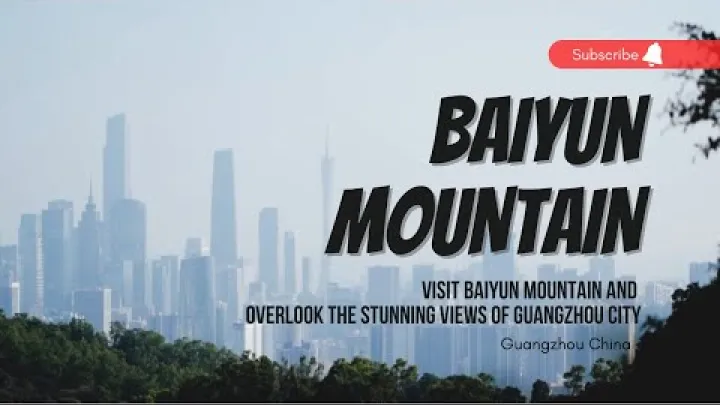
Heat and humidity can make a hill walk feel much harder than expected. Heavy rain can leave paths wet, while thick cloud or storm conditions may reduce visibility for photography and skyline views. A clear-looking month can still contain cloudy or rainy days, so treat outdoor sightseeing as a priority to schedule when conditions are most suitable.
Early morning starts and flexible timing can improve comfort, but they do not remove storm risk. The Pearl River waterfront is also not the same as a beach destination. If you add a coastal or beach stop elsewhere in Guangdong, assess that destination's sea conditions, weather, and access separately from Guangzhou's city forecast.
For Business, Shopping, and Trade-Fair Travel
Business travel may be controlled more by the Canton Fair or another event calendar than by the most pleasant leisure weather. The Pazhou complex is the key trade-fair area to consider when judging accommodation, transfers, and daily travel time. A trip during an event can be practical for meetings and exhibitions even if the weather is hot or wet.
Warm, rainy conditions can make transfers, queues, and outdoor waiting less comfortable. The city remains workable for indoor shopping, dining, exhibitions, and meetings, particularly when the daily plan limits unnecessary outdoor movement. Shopping and business districts also provide a different experience from a park or riverfront itinerary, so weather may have a smaller effect on the main purpose of the visit.
Separate commercial timing from the general recommendation for leisure travel. Use the relevant year's event calendar, venue arrangements, and accommodation availability to decide whether attending during the fair is worthwhile or whether dates outside the event window better suit a quieter city stay.
For Budget Travel and Lower Crowds
Selected non-holiday winter weeks can offer good value because the weather is usually manageable and demand may be lower than during major events. January and March can be worth comparing, but February should be assessed carefully because Chinese New Year may create a very different demand pattern.
Rainy-season travel may also bring lower demand, but a cheaper room does not always mean better value. Heat, wet clothing, disrupted outdoor plans, and extra time spent changing activities can reduce the practical benefit of a lower rate. This period suits travelers who are comfortable with indoor-first days and flexible plans.
Compare accommodation rates by neighborhood and by exact dates rather than assuming that an entire season is cheap. A refundable rate can be useful when your dates are close to a major holiday or event, while travelers seeking low crowds should compare dates outside both verified event periods and public holidays.
Guangzhou Weather Month by Month
Guangzhou weather changes gradually rather than switching between four sharply defined seasons. The following month-by-month guide describes typical travel conditions and planning implications. It summarizes climate patterns, not the weather in a specific travel year.
January to March: Cool to Mild and Increasingly Damp
January is usually the coolest and relatively drier month. February remains mild, although damp days and cooler evenings are possible, and March becomes warmer, greener, and more comfortable for extended walks. Dampness and rainfall generally become more noticeable as spring progresses.
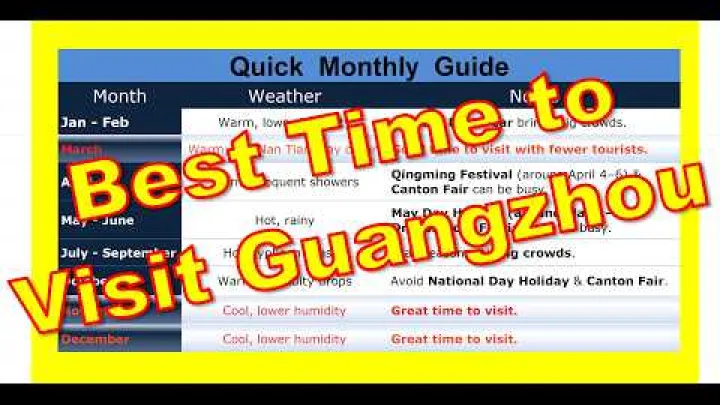
For broad climate-normal context, Climate-Data.org reports a mean annual temperature of about 22.4°C and identifies July as the hottest month in its dataset, with a mean temperature of about 28.3°C. Different climate datasets can use different normal periods and methods, so these figures should be used for comparison rather than as a guarantee.
| Month | Typical feel | Planning implication |
|---|---|---|
| January | Cool, mild, and relatively dry | Light layers suit walks, markets, and indoor culture |
| February | Mild with a possible damp feel | Good for food and culture; holiday demand may rise |
| March | Warmer, greener, and generally comfortable | Strong month for parks, walking, and photography |
| April | Warm with increasing humidity and rain | Mix outdoor plans with indoor alternatives |
| May | Very humid, wet, and prone to downpours | Use breathable clothing and flexible timing |
| June | Hot, humid, and frequently rainy | Allow for heavy showers and wet travel days |
| July | Very hot with warm nights and frequent rain | Keep outdoor periods short and use shade |
| August | Hot, humid, stormy, and unsettled | Build indoor stops into each day |
| September | Still hot with changing storm conditions | Outdoor plans need more flexibility |
| October | Warm and gradually more manageable | Good for sightseeing, though demand may be high |
| November | Mild, broadly comfortable, and drier | Excellent for walking, parks, and food tours |
| December | Cooler, drier, and often comfortable | Good for clear-sky sightseeing and city exploration |
For January through March, pack light layers rather than a heavy winter wardrobe. A light jacket can help on cooler evenings, while comfortable walking shoes remain useful for parks and neighborhood routes. Food tours, markets, and museums are practical choices across all three months, with March offering the strongest balance for longer outdoor days.
April to June: Rainy-Season Build-Up and Peak Downpours
April is a warm transition month. By May, humidity and rainfall are usually more prominent, and June is commonly associated with frequent heavy rain and oppressive conditions. Downpours may be short rather than continuous, but they can still affect visibility, wet surfaces, walking comfort, and the timing of riverfront or photography plans.

This is the period when footwear, rain protection, and itinerary flexibility matter most. Baiyun Mountain and other outdoor activities may be less enjoyable after heavy rain, while the Pearl River waterfront and skyline views may lose clarity under low cloud. Keep museums, restaurants, shopping, and other indoor stops available so a shower does not remove the main purpose of the day.
Travelers who are comfortable with warm weather and flexible scheduling can still visit in April, May, or June. The period may suit business visitors, repeat travelers, or people who place more value on specific events than on ideal outdoor comfort. It is less suitable for a tightly timed trip built around continuous walking and photography.
July to September: Hottest, Wettest, and Storm-Prone
July and August usually bring the greatest heat burden, high humidity, warm nights, and frequent rain. September can begin to feel more transitional, but it may still be hot and unsettled. Thunderstorms and tropical systems can produce short-notice changes to outdoor plans during this period.

A climate-aware daily rhythm helps: schedule shorter outdoor periods, use shaded routes where possible, place indoor attractions between exposed activities, and keep evening plans flexible. Air-conditioned shopping, dining, and cultural venues can provide useful breaks from the heat. These measures improve comfort but cannot guarantee that a storm or heavy shower will not disrupt a plan.
If your main goals are hiking, long walks, or unobstructed skyline photography, July and August are usually the least favorable months. They can still work for travelers who prefer indoor activities, accept a slower pace, or have enough days to move outdoor plans around changing conditions.
October to December: Drying Out and Most Comfortable
October shows a gradual improvement rather than an immediate change. Early October can remain hot, but conditions often become more manageable later in the month. November is broadly comfortable, and December is cooler and generally drier, making both months strong choices for first-time visitors.
This period works well for walking through Yuexiu and Liwan, visiting parks, viewing the Pearl River and Canton Tower, taking food tours, and combining outdoor landmarks with indoor attractions. Lower humidity can make a full day feel easier even when the temperature is still warm.
Do not treat all autumn dates as identical. Early October and parts of the autumn event calendar can be busy, and clear skies are never guaranteed. Weather comfort and crowd levels should be considered separately when choosing exact dates.
Crowds, Prices, and Event Calendar Effects
Guangzhou's best travel season can overlap with some of its busiest dates. Weather, holidays, and trade fairs should therefore be assessed as separate factors rather than reduced to a simple summer-versus-winter choice.
Chinese New Year and National Holidays
Chinese New Year and major national holidays can increase domestic travel demand and place pressure on transport and accommodation. Some businesses, restaurants, attractions, or offices may use adjusted hours during the holiday period, so a city that is normally easy to navigate may operate on a different rhythm.
These periods also offer cultural benefits. Flower markets, seasonal decorations, family celebrations, and a festive atmosphere can make the visit more memorable for travelers who want to experience Guangzhou during an important holiday. The trade-off is less predictable logistics and potentially busier transport and attractions.
Holiday dates do not fall in the same Gregorian month every year. Before booking, confirm the travel year's official Chinese New Year and national-holiday dates, then check individual attraction hours, transport availability, and business schedules for the days you plan to use.
Canton Fair and Business Demand
The spring and autumn Canton Fair sessions can influence hotel availability, accommodation rates, transport demand, and crowd levels, especially around the Pazhou complex. This effect is separate from the general climate recommendation: October may offer excellent leisure weather while also overlapping with strong business demand.
Fair dates and operational details can change, and recurring dates copied from old travel articles or social media may not be reliable for the year of your trip. Check the official Canton Fair calendar for the relevant session and consider venue arrangements, transfer times, and the location of your accommodation.
If you need to attend, booking well ahead with flexible terms can reduce the risk of being locked into unsuitable arrangements. If quiet sightseeing is the priority, choose dates outside the verified event window and compare refundable accommodation rates before fixing the itinerary. Price pressure is possible but variable, so avoid assuming a specific increase without comparing current options.
Practical Planning for Weather and City Logistics
Small planning choices make a noticeable difference in Guangzhou, particularly when humidity or rain affects a day built around walking. Pack for the season, then shape each day around a realistic amount of outdoor exposure.
What to Wear and Pack by Season
For January through March, use light layers and add a light jacket for cooler mornings, evenings, or indoor spaces. April through September calls for breathable clothing, comfortable shoes, and quick-drying items that are easier to manage in humid weather.
During the wetter months, carry compact rain protection and choose shoes with good grip on wet surfaces. A small waterproof bag or protective cover can help protect a phone, camera, documents, or other electronics during a sudden shower. Flip-flops may be convenient for short trips but are not ideal for long city walks on wet pavement.
Indoor air conditioning is another reason to keep a light layer available even in hot weather. The goal is a small, adaptable wardrobe rather than specialized winter equipment or an overlong packing list.
Rain-Ready City Day Planning
Build each day around one or two outdoor priorities and pair them with indoor alternatives. For example, Yuexiu Park, Baiyun Mountain, the Pearl River waterfront, or the Canton Tower area can be combined with a museum, meal, shopping stop, or other sheltered activity.
Flexible sequencing is more useful than a rigid rainy-day itinerary. If rain arrives, take a sheltered break, move to an indoor stop, and return to the outdoor activity later if conditions improve. Keep electronics protected, allow extra time for wet movement between places, and avoid placing several exposed activities back to back.
When heavy rain is forecast, do not rely on a tightly timed outdoor schedule. Leave more time between activities and keep indoor alternatives ready, especially for days involving hills, open waterfront areas, or long transfers.
Climate Normals Versus the Live Forecast
Climate normals help you choose a season and compare January with July or March with June. They describe typical patterns across a long period. A live forecast is needed for the actual timing of rain, apparent temperature, thunderstorm risk, and conditions on a particular travel day.
A month with favorable averages can still contain an unusually hot, wet, cloudy, or stormy week. Conversely, a generally rainy month may provide several useful dry periods. A forecast's precipitation probability also does not mean that it will rain continuously for the entire day; it is one part of a short-term weather assessment.
Use a current, reputable service such as the Met Office to review the forecast close to your travel dates. For final decisions about exposed activities or side trips, also consult current local advisories and treat the live conditions as more important than historical averages.
Final Recommendation: When to Visit Guangzhou
For most travelers, the best time to visit Guangzhou is mid-October to December. This window usually offers the most comfortable combination of moderate temperatures, easing humidity, and declining rainfall, although trade fairs and holidays can increase demand. March is the best broad alternative, while January and selected February dates suit travelers who prefer mild weather and indoor culture.
Late May through August is the most challenging period for long outdoor itineraries because of heat, humidity, heavy rain, and storm risk. It can still suit business travelers, indoor-focused visitors, or flexible repeat travelers. Choose your dates by matching the climate to your priorities, then use the live forecast, holiday calendar, and event schedule to refine the final plan.
Select area
Create a post
Posting is free and no registration is required.