Dunhuang Best Time to Visit: Seasons & Monthly Guide

The best time to visit Dunhuang depends on how you want to experience its caves, dunes, and Silk Road ruins. For most travelers, late spring and early autumn offer the best balance of comfortable temperatures, dry conditions, and manageable outdoor activity. This guide explains Dunhuang weather by season and month, compares heat, dust, cold, crowds, and possible off-peak value, and gives practical timing advice for Mogao Caves, Mingsha Mountain, Crescent Moon Spring, and Yumen Pass. Climate averages can help you choose a travel month, but a current forecast should guide each exposed desert outing.
The Best Time to Visit Dunhuang at a Glance
Dunhuang has a dry inland climate with strong sunshine and large differences between daytime and nighttime conditions. There is no perfect month for every traveler, so the right choice depends on your tolerance for heat, wind, cold, and busy travel periods.
Best Overall Months for Most Travelers
The best overall time to visit Dunhuang is late spring or early autumn. The most practical candidates are May, early June, late September, and the first half of October. These dates are broad planning windows rather than guarantees for a particular year, but they usually provide a useful balance between comfortable daytime conditions, dry weather, and reasonable conditions for both cultural sightseeing and desert activities.
May is often a strong choice for long visits to Mingsha Mountain and Crescent Moon Spring because the weather is warmer than early spring without the full intensity of midsummer. Early June offers longer daylight and bright desert scenery, although afternoon heat is beginning to increase. Late September generally combines warm days with cooler evenings, while the first half of October can remain comfortable for outdoor heritage sites and photography. Travel guidance from Silk Road Travel also identifies summer as the peak period because of its long sunshine hours and high daytime temperatures.
Early October needs a special qualification. Weather can still be attractive, but the national holiday period may bring much higher domestic travel demand. If comfort matters more than holiday atmosphere, late September or a date after the busiest early-October period may be easier to manage.
When Another Season May Be Better
- Choose summer for long daylight and bright desert landscapes. June through August suits travelers who tolerate dry heat and want extended evening light, but midday activity is more demanding and popular places may be busier.
- Choose winter for quiet cultural visits and unusual photography. December through February can feel peaceful, and a snow-covered desert scene is possible, but snow should not be treated as a dependable feature.
- Choose early spring for a gradual warm-up and fewer visitors. March and early April can be appealing as temperatures improve, but spring wind and dust are a more important consideration than in late spring.
- Choose late autumn for a quieter transition. November can offer a calm atmosphere, but conditions become increasingly cold, especially for long visits to open dunes and desert ruins.
These alternatives are best understood as priority-based choices. Heat tolerance, solitude, photography, and the type of sightseeing you prefer can matter more than a general best-month recommendation.
Dunhuang Climate and Weather Basics
Understanding Dunhuang's inland climate makes the seasonal differences easier to plan for. Rain is limited, but sunshine, wind, dry air, and day-night temperature changes strongly affect comfort.
Dry Inland Climate and Limited Rain
Dunhuang city has an arid continental oasis environment. Precipitation is very limited across the year, so travelers should not plan around a conventional rainy season like those found in wetter parts of China. One month may be statistically wetter than another, but that relative difference does not turn Dunhuang into a destination with a long, reliable monsoon-style wet period.
The dry conditions are useful for planning outdoor sightseeing, but they also increase the need for personal protection. Carry drinking water, use sunscreen, protect your lips, and consider moisturizer if your skin reacts to dry air. Low rainfall does not eliminate other weather issues: strong wind can lift dust, affect visibility, and make an otherwise mild day feel much less comfortable. The monthly climate overview from Climate-Data.org is useful as a broad climate baseline, not as a day-by-day travel forecast.
Large Day-Night Swings, Sunshine, and Wind
Do not pack for the afternoon alone. A warm or hot afternoon in Dunhuang can be followed by a cool evening, and dawn can feel cold in spring, autumn, and winter. Layers are especially useful if you plan to watch sunrise, stay for sunset, or travel between the city and exposed desert sites.
Sunshine is another major planning factor. Shade is limited around the dunes, ridgelines, and many desert ruins, so a comfortable temperature can still feel intense during a long walk. Mingsha Mountain and Yumen Pass are also more exposed than indoor cultural attractions. Wind can lower the felt temperature and reduce visibility, making the same route feel different from one day to the next.
Dunhuang Weather by Season
Each season offers a different balance between outdoor comfort, scenery, visitor demand, and packing needs. The transition months are often more useful than the seasonal labels alone.
Spring: Mild Days but Higher Dust-Storm Risk
Spring runs from March through May as a warming transition. March is still cool and can feel unsettled for extended outdoor activity. April brings more suitable sightseeing conditions, while May is usually the most comfortable part of spring for combining city visits with desert excursions.
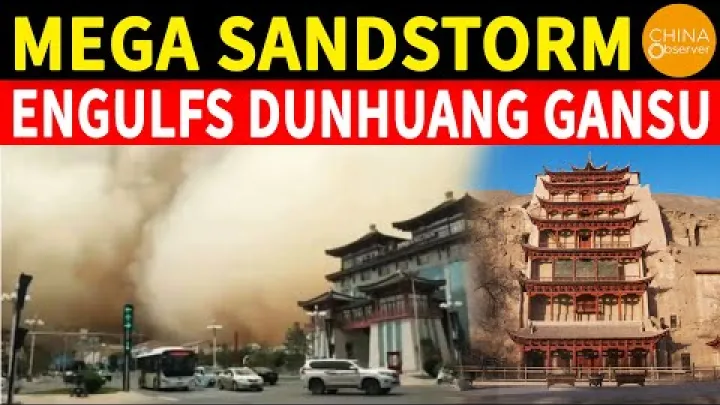
The main spring concern is wind and dust rather than rain. Strong winds over exposed desert surfaces can raise dust and reduce visibility, particularly around open dunes and remote ruins. Research available through J-Stage describes Dunhuang as a spring-windy region and reports an average of 14 dust storms per year in its study context. That is a long-term research finding, not a prediction for your travel dates.
Late spring is therefore a practical compromise for travelers who want mild conditions while reducing the early-spring dust concern. On a windy day, Mingsha Mountain and Yumen Pass may be less comfortable than a more sheltered cultural visit, so an itinerary with both outdoor and indoor options is useful.
Summer: Hot, Bright, and Busy
June through August brings long daylight hours, strong sunshine, and dry heat. July is generally the hottest part of the year. The desert scenery can look especially bright under clear skies, and travelers who tolerate heat may enjoy the extended evening light for photography.
Summer is not a rainy season simply because some climate datasets show June as the relative precipitation maximum. In an arid destination, a relative monthly maximum can still represent limited rainfall overall. Heat and sun exposure are usually more important practical concerns than rain.
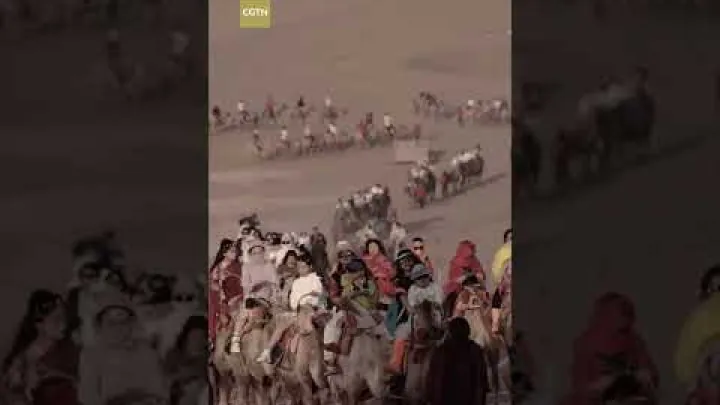
Make summer visits more manageable by placing dune walks, camel rides, and other strenuous activities in the morning or late afternoon. Use the middle of the day for indoor cultural visits, meals, or rest. Summer is also commonly the highest-demand travel period, so popular attractions and accommodation may feel busier and may cost more than during quieter dates.
Autumn: Mild Conditions and Strong Demand Around Holidays
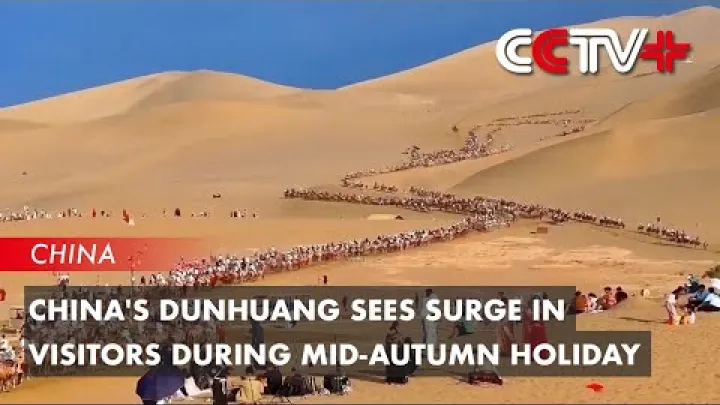
September through November begins with some of Dunhuang's strongest outdoor conditions. Early autumn usually brings warm days, cool nights, dry air, and good suitability for walking among dunes and heritage sites. Late September and the first half of October are particularly practical windows for travelers who want both cultural and desert experiences.
Conditions cool noticeably later in October and continue toward winter in November. November is better viewed as an early-winter transition than as a uniformly mild autumn month. Dawn, evening, and open-air ruins can feel much colder than the afternoon.
Weather and demand should be considered separately. The first week of October can be very busy because of the national holiday period even when the climate remains favorable. For a simple date-selection rule, choose late September for warm autumn conditions or travel after the busiest holiday period if you want a quieter visit before later-season cold becomes more pronounced.
Winter: Cold, Quiet, and Niche
December through February is Dunhuang's coldest period. Nights commonly reach freezing conditions, and daytime temperatures can remain uncomfortable at exposed sites. Mingsha Mountain, Crescent Moon Spring, and Yumen Pass offer little protection from cold wind, so long outdoor visits require more preparation than a city-based cultural trip.

Winter can still suit travelers who value quiet attractions, cultural sightseeing, solitude, or unusual desert photography. Occasional snow may create striking contrasts between dunes and white ground, but snowfall is a possibility rather than a dependable reason to choose a particular date. The more sheltered Mogao Caves experience is easier to combine with winter travel than extended activity on open dunes or at remote ruins.
Use insulated, windproof layers, warm accessories, and footwear suitable for cold ground. Limit prolonged exposure when conditions are severe, and avoid building a winter itinerary around several long outdoor activities on the same day.
Dunhuang Weather Month by Month
A Simple January-to-December Planning Guide
The table below is a climate-normal snapshot, not a live forecast. It uses broad descriptions instead of precise daily temperatures because climate datasets can report somewhat different monthly averages. Outdoor suitability also depends on wind, sunshine, and your own tolerance for heat or cold.
| Month | Typical feel | Outdoor suitability | Planning note |
|---|---|---|---|
| January | Deep winter cold | Low | Favor cultural visits and short outdoor periods. |
| February | Cold, gradually warming | Low to moderate | Winter remains dominant, especially early in the month. |
| March | Cool and increasingly sunny | Moderate | Allow for spring wind and dust around exposed sites. |
| April | Mild days and cool nights | Good | A useful shoulder month with layers for mornings and evenings. |
| May | Warm and dry | Very good | One of the strongest months for long outdoor visits. |
| June | Warm to hot with long days | Good in cooler hours | Plan exposed activities before late morning or near sunset. |
| July | Hot and intensely sunny | Moderate in cooler hours | Usually the hottest period; avoid long midday exertion. |
| August | Hot and bright | Moderate in cooler hours | Peak summer conditions and commonly high visitor demand. |
| September | Warm days and cool nights | Very good | A strong month for dunes, ruins, and photography. |
| October | Mild early, cooler later | Very good early; moderate later | Early holiday demand can be high; layers become more useful. |
| November | Cool to cold transition | Moderate to low | Quieter conditions, but exposed sites become less comfortable. |
| December | Cold winter conditions | Low | Best for travelers prepared for cold and shorter outdoor visits. |
Best Time to Visit Dunhuang by Travel Purpose
The ideal month changes depending on whether your priority is heritage, desert activity, photography, solitude, or possible off-peak value.
Culture and Silk Road Heritage Sites
Late spring and early autumn are strong periods for combining Mogao Caves with exposed heritage locations such as Yumen Pass and other Silk Road ruins. These seasons reduce the discomfort of walking in the hottest summer afternoons or the coldest winter conditions.
A practical approach is to treat the Mogao Caves visit as an itinerary anchor and fit outdoor ruins into the mildest available part of your stay. The cave visit and an open-air site do not have the same weather requirements: the caves provide a more sheltered cultural experience, while Yumen Pass and other ruins expose you to sun, wind, and temperature changes.
Confirm current Mogao Caves entry, reservation, and timed-visit requirements before finalizing travel dates. Access arrangements, schedules, and booking procedures can change, and a preferred weather window is less useful if the cave visit has not been planned around the current entry system.
Desert Activities at Mingsha Mountain and Crescent Moon Spring
For dune walking, camel rides, sand activities, and longer outdoor visits, the most practical windows are late April to early June and mid-September to mid-October. These periods generally offer a better balance between manageable temperatures and enough daylight for a full desert experience.
Desert activity is more physically demanding than walking around Dunhuang city. Sand requires extra effort, ridgelines are exposed, and shade can be limited. July and August can make even a short climb feel strenuous because of heat and strong sun, while winter can make a long ride or extended dune walk uncomfortable because of cold.
Use morning and late afternoon for better light and more manageable temperatures. Wear supportive footwear that handles sand and uneven ground, carry adequate water, and use a hat, sunscreen, sunglasses, and lip protection. If wind or dust increases, shorten the outing, move it to a different time, or use a cultural activity as a substitute rather than treating the original plan as fixed.
Photography, Quiet Visits, and Budget Travel
Autumn is a strong choice for photographers who want comfortable sunrise and sunset sessions, clear desert light, and warm landscape tones. Spring can offer a different contrast between the oasis, open desert, and changing vegetation, although early spring has a greater wind and dust concern. Winter may produce distinctive snow-and-desert images, but snowfall must be confirmed as a current possibility rather than assumed.
Travelers seeking quiet attractions may prefer winter, parts of early spring, or late autumn. These periods can bring a calmer atmosphere and possible off-peak value, but the trade-off is colder or less predictable comfort for outdoor sites. A lower-demand period is not automatically the best period for long walks on dunes.
For budget planning, avoid assuming that every off-peak date has a discount. Compare current accommodation, attraction, and transport prices for your exact dates, and check availability around holidays. In particular, the first week of October may be a poor choice for travelers whose main goal is lower demand, even if the weather is attractive.
| Travel purpose | Most suitable timing | Main trade-off |
|---|---|---|
| Photography | Autumn; spring alternative | Winter snow scenes are possible but not dependable. |
| Quiet visits | Winter, early spring, or late autumn | Cold, wind, or dust can reduce outdoor comfort. |
| Budget travel | Quieter dates outside major holidays | Current prices and availability vary by demand. |
Practical Planning for Any Season
A good Dunhuang itinerary combines seasonal clothing, sensible timing, and enough flexibility for exposed locations.
What to Wear and Pack in Each Season
Spring: Pack lightweight layers, a light wind-resistant outer layer, and an item that can cover your neck or face if dust becomes uncomfortable. Cool mornings can change into mild afternoons, so a single heavy garment is less useful than layers.
Summer: Choose breathable, sun-protective clothing rather than relying only on short sleeves. A hat, sunglasses, sunscreen, lip protection, and enough water are important for the dunes and other open sites. Lightweight long sleeves can reduce direct sun exposure without requiring heavy clothing.
Autumn: Use layers that can be removed during a warm afternoon and added for sunrise, sunset, or evening walks. A warmer outer layer becomes increasingly useful from late October into November.
Winter: Bring insulated, windproof clothing, warm accessories, and footwear suitable for cold outdoor surfaces. A city sightseeing plan and a desert photography plan may require different levels of protection, so do not assume one light travel jacket will work for every activity.
For every season: Wear supportive footwear for sand and uneven ground, carry water, and protect your eyes and skin from strong sunshine. Dry air can make lips and skin uncomfortable even when temperatures feel moderate.
How to Schedule Outdoor and Indoor Sightseeing
During a warm-weather visit, a workable rhythm is to place a strenuous desert activity in the morning, use the middle of the day for an indoor cultural visit, a meal, or rest, and return outdoors in the late afternoon for softer light. If a Mogao Caves visit has a fixed entry time, build the rest of the day around it rather than trying to fit every activity into one narrow window.
In spring, this approach also gives you a way to separate sheltered cultural sightseeing from the most exposed locations. In summer, it limits midday heat. In winter, it allows the most outdoor time to fall near the warmer part of the day. Keep at least one movable activity or backup block when your plans include Mingsha Mountain, Crescent Moon Spring, Yumen Pass, or another exposed desert site.
Balancing indoor and outdoor visits means that one uncomfortable period is less likely to disrupt the entire stay. It also prevents a schedule built entirely around dunes from becoming tiring before you reach the cultural highlights of Dunhuang.
Climate Averages, Live Forecasts, and Weather Alerts
Climate averages help you select a month, but they cannot decide whether a particular day is suitable for dunes, ruins, or a sunrise outing. Before traveling, use a current Dunhuang forecast to assess temperature, wind, and precipitation. A short-range service such as the Met Office forecast can provide a useful current view, while official local notices from the Dunhuang Meteorological Bureau or another local alert channel are important for severe weather and dust warnings.
- Before departure: Check the forecast for the days you will be in Dunhuang, paying particular attention to wind as well as temperature.
- Before each exposed activity: Recheck conditions before leaving for Mingsha Mountain, Crescent Moon Spring, Yumen Pass, or another open desert location.
- When conditions change: Adapt the timing, shorten the visit, or replace the activity with an indoor cultural option if wind, dust, heat, cold, or visibility makes the original plan unsuitable.
If the forecast differs sharply from the usual seasonal pattern, the current forecast and official alert should take priority over a general best-month recommendation. This is especially important for exposed desert outings, where wind and visibility can affect comfort more than a monthly temperature average suggests.
Conclusion: Choosing the Best Time to Visit Dunhuang
For most travelers, May, early June, late September, and the first half of October are the best time windows to consider for Dunhuang. Late spring and early autumn make it easier to combine Mogao Caves, Mingsha Mountain, Crescent Moon Spring, Yumen Pass, and other Silk Road sites without the strongest summer heat or winter cold.
Choose summer if you value long daylight and can manage heat, or winter if quiet cultural visits and niche photography matter more than outdoor comfort. Whatever month you select, compare current demand and prices, plan layers for day-night changes, and let the latest forecast and local alerts guide each exposed activity.
Select area
Create a post
Posting is free and no registration is required.