Kunming Budget: Daily Travel Costs, Prices & Saving Tips

Kunming budget planning is flexible because the city offers low-cost public transport, inexpensive local meals, free urban attractions, and accommodation across several price levels. A realistic daily travel budget can range from about ¥130 for a very simple backpacker day to more than ¥1,600 for a comfortable private-room experience with paid activities. This guide breaks down Kunming travel costs for accommodation, food, transport, sightseeing, and incidental spending. It also shows how to estimate a five-day trip and how to separate one-time expenses such as airport transfers, regional trains, and Stone Forest excursions.
Kunming Travel Budget at a Glance
Use the following figures as planning ranges rather than guaranteed prices. They are per person per day and assume a short-term visit to Kunming, not long-term living. Accommodation, peak-date demand, organized excursions, premium dining, and private transport create the largest differences between travelers.
Daily Budget Tiers for Different Travel Styles
A useful first estimate is to choose a travel style and then test each category against your itinerary. The figures below are working allocations, so an unusually expensive activity can be balanced by a free sightseeing day or a cheaper meal.
| Travel style | Daily total | Accommodation | Food and drink | Transport | Activities and incidentals |
|---|---|---|---|---|---|
| Backpacker | ¥130–325 | ¥60–120 | ¥30–60 | ¥8–20 | ¥0–125 |
| Mid-range | ¥480–1,080 | ¥150–350 | ¥100–220 | ¥20–70 | ¥210–440 |
| Comfortable or splurge | ¥1,600–3,900 | ¥650–1,600 | ¥300–800 | ¥100–350 | ¥550–1,150 |
The backpacker range usually assumes a dorm bed or a very simple room, local breakfasts, bus or metro travel, and mostly free activities. Mid-range travel normally means a private room shared by two people, a mixture of local and more comfortable meals, occasional taxis, and several paid attractions. The comfortable range may include a better-located or higher-category room, frequent ride-hailing, restaurant dining, performances, and guided experiences.
Flights, visas, travel insurance, shopping, nightlife, and intercity travel are excluded. A travel budget report from Novo Monde recorded a Kunming spend of about ¥160 in one broader China itinerary and used roughly €30 per person per day as a backpacking benchmark. That is useful context, but it is not a current Kunming tariff or a promise that every itinerary can match it.
What a Kunming Daily Budget Should Include
Separate costs into recurring daily items, flexible choices, and one-time expenses. This makes your Kunming budget easier to adjust when an attraction, meal, or transfer costs more than expected.
- Recurring daily items: your dorm bed or share of a private room, breakfast, lunch, dinner, drinks, city transport, attraction admission, and small purchases.
- Flexible daily items: cafes, desserts, imported products, ride-hailing, paid performances, souvenirs, and upgraded meals. These are the easiest costs to reduce after you review your first day of spending.
- One-time or optional items: a Changshui International Airport transfer, regional train tickets, a Stone Forest excursion, a private guide, shopping, and nightlife.
Be precise about accommodation terminology. A dorm-bed price is charged per person, while a private-room price is charged per room. If two people share a ¥500 room, the accommodation cost is ¥250 per person before any taxes or additional charges. A solo traveler should not divide a room rate unless another person is genuinely sharing the booking.
Five-Day Kunming Budget Examples
For a five-day visit with about five nights, the broad totals are approximately ¥650–1,625 for backpacker travel, ¥2,400–5,400 for mid-range travel, and ¥8,000–19,500 for comfortable or splurge travel. The examples below show more realistic middle scenarios instead of simply multiplying the lowest and highest numbers.
| Profile | Illustrative five-day total | Main assumptions | Add separately |
|---|---|---|---|
| Backpacker city break | About ¥850 | Dorm bed, local food, metro and buses, free parks, one low-cost temple visit | Airport transfer, shopping, Stone Forest |
| Mid-range visit | About ¥3,300 | Shared private room, mixed dining, occasional taxi, several paid attractions | Airport transfer and any full-day excursion |
| Comfortable visit | About ¥11,500 | Higher-category room or private room, frequent restaurant meals, ride-hailing, paid experiences | Premium tours, shopping, regional travel |
For example, a mid-range plan might use ¥1,500 for a shared room, ¥800 for food, ¥200 for city transport, ¥550 for activities, and ¥250 for incidentals. A Stone Forest day could then add roughly ¥200–350 depending on what is included. Arrival and departure transfers should be listed on their own line rather than hidden inside the daily city allowance.
Accommodation Costs in Kunming
Accommodation is often the largest controllable part of a Kunming travel budget. Compare the total room price, location, occupancy, cancellation terms, and included services rather than comparing only the headline nightly rate.
Hostels and Simple Private Rooms
Dorm beds and simple guesthouses form the lowest accommodation tier. For ordinary periods, a useful pre-research planning figure is about ¥60–100 per dorm bed, although exact rates vary by date, availability, and location. A hostel listing snapshot from Skyscanner has shown Kunming hostel prices as low as about US$8 per night. A foreign-currency snapshot changes with exchange rates and should not replace a final RMB booking total.
Central areas near Green Lake, Nanping Street, and metro connections can reduce daily travel time and make free activities easier to reach. A dorm is usually the cheapest option and may offer a kitchen or common area, but it provides less privacy. A shared private room gives two travelers more privacy while dividing the room cost. A basic private room gives the most control over noise and bathroom access, but the rate is paid for the room rather than per person. Check whether the bathroom is private, whether a kitchen is actually available, and whether breakfast, deposits, taxes, and cleaning charges are included.
Budget and Mid-Range Hotels by Location
Low-cost hotels can be competitive with private guesthouses, while a practical mid-range planning band is about ¥300–700 per room per night when supported by the selected property and travel date. This is a planning band, not a citywide average. A room near a metro station in central Kunming may offer better access to Green Lake, Yuantong Temple, Nanping Street, and railway connections. A lakefront or resort-style room around Dianchi Lake may cost more because of views, larger facilities, leisure services, or a quieter setting.

Private bathrooms, soundproofing, breakfast, a view, chain branding, room size, and walking distance to transport all affect the rate. Two travelers should divide a room cost when estimating per-person spending, but they should keep the full room price visible in the booking worksheet. A slightly more expensive central room may lower taxi spending and save time, while a cheaper room far from the metro can create extra transport costs.
When Kunming Room Prices Rise
Room prices and availability can change sharply on weekends, national holidays, Chinese New Year, Qingming, the May Day period, National Day, event dates, and other limited-availability periods. Scenic areas and lakefront properties may show the clearest changes, but central hotels can also sell out or raise rates when demand is high. Booking data is best treated as an indicator for the dates you are considering, not as a universal seasonal rule.
A comparison snapshot from Skyscanner notes that prices are usually cheaper midweek and outside high-demand periods. Before booking, check the exact dates, total room price, occupancy limit, taxes, deposit, breakfast, cancellation deadline, and whether the displayed rate is refundable. If your dates are flexible, compare several weekdays and more than one district. A refundable early booking can protect availability, while a later nonrefundable booking may expose you to both higher prices and fewer choices.
Food and Drink Costs in Kunming
Kunming food costs are easy to control because travelers can move between markets, local restaurants, cafes, and international chains. The key is to budget per item and per meal separately, then account for how often you choose each type of venue.
Local Breakfasts, Street Food, and Markets
A simple local breakfast can often be planned at about ¥3–8, while many small snacks may cost about ¥1–10 each. These are per-item examples, not complete meals. A bowl of noodles or rice, a simple filled bun, fruit, or a few market snacks can create a low-cost day, but portions, ingredients, neighborhood, and venue type change the final price.
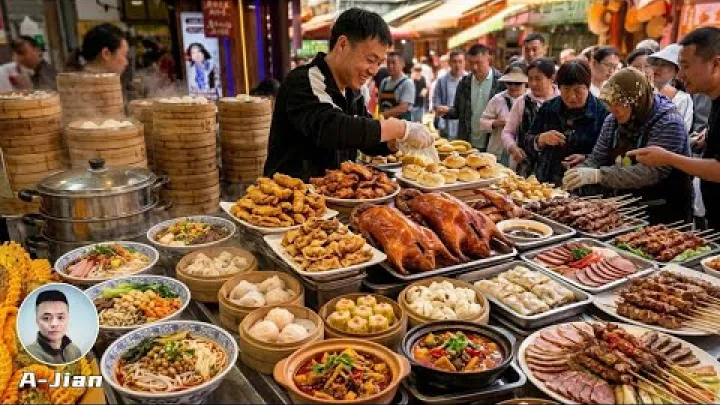
A street-food-heavy food budget of roughly ¥30–60 per person per day is a reasonable planning scenario when breakfast and most meals are local. Shuangqiao Night Market and other market areas can offer variety, but small purchases add up quickly when several snacks, drinks, and desserts are bought. Write down the full meal total rather than assuming that a low individual snack price represents the cost of dinner.
Restaurants, Cafes, and International Chains
A July 2026 Numbeo price snapshot places an inexpensive restaurant meal in Kunming at roughly ¥15–50, with an indicative average near ¥17.50. Use that as a reference for a local meal, and label every figure in your own worksheet as per person, per dish, per meal, or for two people.
| Food choice | How to budget it | Why the daily total changes |
|---|---|---|
| Local restaurant | About ¥15–50 per inexpensive meal | Portion, ingredients, neighborhood, and order size matter |
| Cafe or Western breakfast | Check the menu as a separate meal allowance | Coffee, bakery items, and imported ingredients can exceed a local breakfast |
| Fast food or branded coffee | Price the complete combo or drink | Frequent branded purchases can raise the daily average quickly |
| Mid-range dining | Record the full bill and divide it by the number of diners | Shared dishes, drinks, and service choices affect the per-person cost |
Travelers who combine local breakfasts and restaurants may spend around ¥50–120 per day on food in a moderate scenario. Regular coffee, desserts, Western meals, imported products, or premium Yunnan cuisine can move the total much higher. The choice is not all-or-nothing: one international meal can fit a budget if the other meals remain simple.
Groceries and Self-Catering
Self-catering is most useful when a hostel kitchen, apartment, or longer stay makes it practical. Basic grocery indicators such as bottled water, milk, bread, fruit, vegetables, and other simple ingredients can help you test a food basket. A current local price snapshot from Numbeo is useful for identifying these categories, but grocery prices change by store, brand, package size, and neighborhood.
As a planning scenario, a traveler with kitchen access might test whether a breakfast-and-snack basket fits within roughly ¥30–50 per person per day, then add restaurant meals for the rest of the itinerary. This is not automatically cheaper. Compare ingredient cost, kitchen access, cooking time, food waste, and the inconvenience of buying small quantities. For a short stay without a usable kitchen, buying simple breakfasts and occasional snacks is usually more practical than planning full self-catering. Keep monthly rent and utility figures out of a short-stay food budget.
Transport Costs in Kunming
Kunming has a useful low-cost transport mix for city travel, including the metro, city buses, taxis, and ride-hailing. Separate everyday movement from airport and regional travel so a single long transfer does not distort your daily estimate.
Metro and Bus Fares for Daily City Travel
Reported urban fares for Kunming buses and shorter metro journeys are commonly around ¥2–3, with metro fares increasing with distance. A traveler who mainly uses buses and the metro can set aside about ¥8–20 per day for local transport. That allowance covers several ordinary city journeys, but not repeated long ride-hailing trips or private vehicles.

| Transport mode | Planning reference | Best budget use |
|---|---|---|
| Metro | Often about ¥2–3 for shorter urban trips; longer trips cost more | Central districts, railway connections, and longer city crossings |
| City bus | Commonly a low single-digit fare | Shorter trips when the route and operating time are convenient |
| Mixed public transport day | About ¥8–20 | A normal sightseeing day using buses and the metro |
| Occasional ride-hailing | Add the quoted trip cost separately | Late arrivals, luggage, poor connections, or time-sensitive travel |
Green Lake, central Kunming, Dianchi-area attractions, railway hubs, and Changshui International Airport can require different transport choices. Check the current operator fare, operating hours, payment requirements, and last service before relying on a late metro or bus connection.
Taxi and Airport Transfer Costs
Reported taxi planning figures are about ¥8 for the daytime base fare and approximately ¥2 per kilometer. Night pricing, waiting time, traffic, luggage, and route conditions can change the final amount. An airport taxi from Changshui International Airport is often planned at roughly ¥80–120, while an airport shuttle estimate may be around ¥25. These are one-way reference figures, not fixed prices for every destination.
Put the airport transfer on a separate arrival or departure line. Occasional taxis can fit a mid-range Kunming budget, but frequent long rides can cost more than several days of metro and bus fares. Before starting a taxi journey, confirm that the meter is running, ask how tolls will be handled, provide the destination in Chinese if needed, and keep the receipt. For a quoted ride or transfer, confirm the destination, luggage policy, tolls, waiting charges, and total price before completing the booking.
Regional Transport as a Separate Cost
Trains and other intercity connections to Dali, Lijiang, Shangri-La, or another Yunnan base should not be hidden inside Kunming's local transport allowance. A broad Yunnan planning indicator suggests that many train legs are under ¥100, but the actual fare depends on the route, class, date, availability, and booking channel. Treat that figure as a starting point rather than a guaranteed ticket price.
A multi-city worksheet should list each regional ticket separately, followed by the additional accommodation, food, local transport, and activity costs at the destination. A cheaper ticket can still lead to a higher overall itinerary cost if it requires an extra night or a long transfer. For broader budget context, Novo Monde separates intercity travel from ordinary daily spending in its China travel account.
Attraction and Activity Costs in Kunming
Kunming sightseeing can be inexpensive when free parks and urban walks are combined with a few carefully selected paid attractions. Budget the whole activity day, including food and transport, rather than looking only at the admission fee.
Free and Low-Cost Kunming Activities
A low-cost sightseeing day can include Green Lake Park, central streets, markets, and other urban walking areas. These activities have no admission charge or require only ordinary transport and food spending. They are particularly useful between more expensive excursion days.
Yuantong Temple is a reported example of a low-cost cultural stop, with planning references around ¥6. Haigeng Park has also been reported as having a low entry fee. Treat both as examples rather than permanent prices. Group activities into three categories when building your plan:
- Free: Green Lake Park, public walking areas, central streets, and market browsing.
- Under ¥20: low-cost cultural admissions such as the reported Yuantong Temple example, plus small local add-ons.
- Paid add-ons: transport within a site, performances, cable cars, boat rides, or guided services.
Even a free-attraction day still needs a food allowance and a transport allowance. A free Green Lake visit followed by several taxis and cafe stops may cost more than a paid temple visit reached by metro.
Paid Attractions and Optional Add-Ons
The Yunnan Nationalities Village should be treated as a cost ladder rather than one ticket. Separate the daytime base admission from any nighttime option, performance ticket, and internal transport choice. A low base-ticket quote may not include a show or a ride inside the site, so write each option as its own line before deciding whether it fits your day.
Western Hills and Dragon Gate can also involve more than an entry component. Cable cars, battery cars, boats, and other internal facilities may be optional or packaged differently. The same principle applies to Dianchi-area attractions: identify the basic admission, transport to the site, internal rides, and any performance or special experience. Check the current base ticket and each optional fee through the attraction's current official ticketing channel before paying.
Stone Forest Excursion Budget
Stone Forest is a higher-spend day than a walk around central Kunming. A reported adult admission figure of about ¥130 and an optional battery-car cost of around ¥25 are useful planning references. A full-day excursion may reasonably be modeled at roughly ¥200–350 after adding admission, local transport or a tour, food, and optional services.

The final amount depends on whether you travel independently or buy an organized excursion, and on whether the package includes admission, transport, a guide, meals, battery-car use, and cancellation protection. Balance this high-spend day with free parks, markets, or low-cost cultural sites on another day. Before paying for a Stone Forest package, confirm exactly what admission, transport, guide services, food, optional fees, and cancellation terms are included.
Kunming Compared with Other Yunnan Bases
Kunming is a large urban base, so its broad supply of accommodation, local restaurants, public transport, and free city attractions can make daily budgeting easier. Other Yunnan bases may offer stronger scenic access but more variable prices for rooms, transfers, and activities.
How Kunming Fits the Yunnan Cost Gradient
| Base type | Typical cost tendency | Budget implication |
|---|---|---|
| Urban Kunming | Wide choice of rooms, local meals, public transport, and free attractions | Easier to build a low or moderate daily average |
| Ancient-town bases such as Dali or Lijiang | More variable rates near old-town streets, views, and high-demand dates | Location may raise room and dining costs |
| Rural or remote areas | Local food or simple rooms may be modest, but choice and access can be limited | Transfers and private transport can raise the total |
| Mountain or resort-style bases such as Shangri-La | Scenic accommodation, guided experiences, and longer transfers vary widely | Plan for experience and access costs, not only the room |
This is a cost tendency, not a universal ranking. A budget room in Dali or Lijiang can cost less than a peak-date Kunming hotel, while a central Kunming room can cost more than a simple rural guesthouse. Compare accommodation, attractions, transfers, and food together rather than labeling an entire city as cheap or expensive.
Choosing a Base for Your Budget
Choose Kunming as a base when your priority is the lowest manageable daily cost, flexible restaurant choice, convenient city transport, and several free or low-cost activities. It can also work well for travelers who want a comfortable urban stop before or after more expensive scenic destinations.
Choose a scenic or historic base when being close to a specific landscape or attraction saves enough time and transfer cost to justify a higher room rate. Adding nights in Kunming may reduce your average cost if you can use public transport and inexpensive restaurants, but staying near a remote attraction may be worthwhile when a long private transfer would otherwise be required. Check the exact date and local event calendar, because a holiday rate can matter more than the destination label.
Budget Decisions and Money-Saving Tactics
The best savings usually come from changing a few high-impact choices, not from making every part of the trip uncomfortable. Keep a small amount of flexibility for one special meal or major attraction while controlling the costs that repeat every day.
The Choices That Push Costs Up
Rank likely cost drivers before booking:
- Private, lakefront, or resort-style accommodation: compare it with a central room near a metro station or a dorm bed.
- Peak-date rooms: compare flexible weekdays and several districts instead of accepting the first available property.
- Frequent taxis or private vehicles: use the metro and buses for routine journeys, keeping taxis for luggage, late arrivals, or poor connections.
- Western, premium, or imported dining: combine one preferred meal with local breakfasts and inexpensive restaurants.
- Performances and internal attraction rides: decide whether each add-on improves the experience enough to justify its separate fee.
- Guided excursions and shopping: price the complete package and set a separate discretionary amount.
Accommodation and activities usually have more effect on the daily total than ordinary city transport. Transport becomes a major cost when you rely on long taxi rides, private cars, or several intercity transfers. Each cheaper alternative should be a deliberate tradeoff: a less central room may save money but add travel time, while a local meal may reduce spending without reducing the quality of the trip.
Concrete Ways to Save
- Accommodation: compare midweek and non-peak dates, check several areas, and compare the full refundable price. A booking comparison such as Skyscanner can help identify differences between dates and property categories, but the final booking page matters most.
- Food: use local breakfasts, markets, and inexpensive restaurants as the foundation, then add selected cafe, international, or premium meals rather than buying them by habit.
- Transport: group nearby activities, use Kunming's metro and buses for ordinary city trips, and reserve taxis for journeys where they provide clear value.
- Activities: combine free Green Lake time and urban walks with low-cost cultural sites such as Yuantong Temple. Choose only the paid attractions and optional rides that matter most to you.
- Yunnan planning: use Kunming for economical nights when it fits your itinerary, then budget higher-cost scenic towns separately instead of assuming every base has the same price structure.
These choices lower the average by reducing repeated costs. They do not require eliminating every paid experience or eating only one type of food.
Set Up a Practical Spending System
Create the budget in RMB and keep recurring and one-time costs separate. A simple worksheet can use the following lines:
- Daily: room or room share, breakfast, lunch, dinner, drinks, city transport, activities, and incidentals.
- Arrival and departure: Changshui International Airport transfer, luggage-related costs, and any late-night ride.
- Regional travel: each train or other intercity ticket, plus extra nights and local transport outside Kunming.
- Special days: Stone Forest, Western Hills and Dragon Gate add-ons, Yunnan Nationalities Village options, performances, or guided excursions.
- Contingency: a personal reserve for price changes, an unexpected transfer, or one higher-cost day. Choose the amount based on your itinerary rather than relying on a universal percentage.
Track actual spending in RMB from the first day. If food is below plan, you may have room for a performance; if taxis or cafes are above plan, choose a free attraction the next day. Alipay, WeChat Pay, and transit payment options can differ in acceptance, setup requirements, and eligibility for international travelers. Confirm that your chosen method works for the merchant or transport service, and keep a backup payment method and some cash for small purchases and transport.
Final Kunming Budget Checklist
Before booking, turn the broad Kunming budget ranges into a date-specific worksheet:
- Choose a daily tier and record whether the figures are per person or per room.
- Price the exact accommodation dates, occupancy, taxes, deposit, breakfast, and cancellation terms.
- Set separate food allowances for local meals, cafes, international dining, and groceries.
- Reserve a daily city-transport amount and list Changshui International Airport transfers separately.
- Mark free activities such as Green Lake Park and paid sites such as Yuantong Temple, Western Hills and Dragon Gate, or the Yunnan Nationalities Village.
- List Stone Forest admission, optional battery-car use, transport, food, guide services, and package inclusions separately.
- Add every Dali, Lijiang, Shangri-La, or other regional ticket outside the Kunming daily total.
- Review payment acceptance and keep a backup way to pay.
- Leave a personal reserve for an unexpected transfer or a higher-cost day.
For many visitors, Kunming's strongest budget advantage is control: public transport, local food, free parks, and a wide accommodation supply make it possible to balance one expensive excursion with several simple days. Start with a realistic range, check the exact dates and inclusions, and adjust the daily average after the first day rather than treating any citywide price as guaranteed.
Select area
Create a post
Posting is free and no registration is required.