Guangzhou Travel Guide: A Practical First-Time Visitor Plan

A Guangzhou travel guide needs to do more than list famous landmarks. Guangzhou is a large South China city where historic streets, Cantonese food, modern commercial districts, and Pearl River attractions are spread across different areas. This guide explains where to stay, how to arrive, how to use public transport, what to see, when to visit, and how to plan costs and bookings. It is designed for first-time visitors who want a clear overview before choosing more detailed accommodation, food, transport, or itinerary plans.
Guangzhou at a Glance for First-Time Visitors
Guangzhou is best understood as a group of connected urban areas rather than one compact sightseeing center. Your experience will change considerably depending on whether you stay near old temples and food streets, modern shopping districts, the Pearl River, or an outlying attraction.
What Makes Guangzhou Different
Guangzhou is the capital of Guangdong Province and one of the major cities of South China and the wider Greater Bay Area. Its identity combines long-established trading and Cantonese traditions with high-rise business districts, large shopping centers, cultural venues, and extensive transport connections.
For visitors, this creates a useful mix of experiences. You can spend a morning around Yuexiu Park and historic religious sites, explore Liwan's older commercial streets in the afternoon, and see the skyline around the Pearl River at night. Cantonese cuisine is another central part of the visit, from dim sum restaurants to neighborhood food businesses and formal dining rooms. The city's official visitor overview provides broad local context through Eguangzhou.
Plan for distance. A hotel that is convenient for Canton Tower may not be convenient for Shamian Island, and a Panyu theme-park visit may require a separate day. Choosing a base and grouping activities by district will usually make the trip more comfortable than trying to walk between every major sight.
How to Use This Guangzhou Travel Guide
Start with your main reason for visiting. If this is a first city trip, decide how much of your time should go to heritage, Cantonese food, modern city views, shopping, family attractions, or business. Then choose a hotel area close to the strongest cluster of activities.
Next, match your arrival method to your accommodation. Guangzhou Baiyun International Airport and Guangzhou South Railway Station are not interchangeable arrival points, and the final city transfer can affect your first day. Once in the city, use the metro for the main structure of your itinerary and taxis or ride-hailing for late arrivals, heavy luggage, or places away from a convenient station.
- For two to three days: focus on one heritage and food cluster, then add a modern riverfront evening.
- For three to five days: divide time between older central districts, modern Guangzhou, and a carefully selected outlying attraction.
- For a regional trip: treat Shenzhen, Hong Kong, or another Greater Bay Area destination as a separate transport and entry-planning decision.
Choose the Best Area to Stay in Guangzhou
The best place to stay in Guangzhou depends on the locations you will visit most often. District names cover large areas, so compare the exact hotel location with a current map rather than booking from the district label alone.
| Base area | Best for | Main trade-off |
|---|---|---|
| Yuexiu or Liwan | Heritage, older streets, Cantonese food | Hotels and attractions vary widely by exact location |
| Tianhe or Zhujiang New Town | Modern hotels, shopping, business access | Historic areas require cross-district travel |
| Haizhu | Pearl River and Canton Tower priorities | Less useful if most plans are in the old city |
| Panyu | Chimelong and other outlying attractions | Usually less practical for a short central-city visit |
Yuexiu and Liwan for Heritage, Food, and Older City Streets
Yuexiu is a strong choice for travelers who want historic and civic landmarks within an older central-city setting. Yuexiu Park, Beijing Road, Sun Yat-sen Memorial Hall, and several important temples and museums can form the core of a first visit. The area also gives you a useful starting point for understanding Guangzhou's civic history and earlier urban development.
Liwan offers a different emphasis. Shamian Island has a distinctive tree-lined historic environment, while Shangxiajiu Pedestrian Street connects older commercial activity with food-focused exploration. Liwan is often the better match for visitors who want traditional urban atmosphere, architecture, and Cantonese dining rather than a high-rise business district.
Choose Yuexiu when parks, museums, memorial sites, and central history are your main priorities. Choose Liwan when Shamian, Shangxiajiu, and food exploration matter more. These districts are not small, and individual attractions may not be walkable from every hotel. Check the exact station, entrances, and evening surroundings before booking.
Tianhe and Zhujiang New Town for Modern Guangzhou
Tianhe and Zhujiang New Town suit visitors who prefer contemporary Guangzhou. The area has high-rise buildings, major malls, offices, modern hotels, cultural venues, and large public spaces. It can be especially practical for business travelers, shoppers, and travelers who want a newer urban setting with many dining and retail choices nearby.
Zhujiang New Town also works well as a base for a modern-city itinerary focused on the riverfront, skyline views, and Canton Tower. Tianhe may be convenient when your plans involve business appointments or shopping. The best choice between them depends on the precise venue and hotel location, not only the district name.
This area is not a universal first-time recommendation. It can feel less connected to the older streets and traditional food experiences that many visitors expect from Guangzhou. Hotel demand may also rise during major trade fairs, exhibitions, and business events, so check the event calendar when comparing rates and availability.
Haizhu and Panyu for Riverfront or Theme-Park Priorities
Haizhu is useful when the Pearl River and Canton Tower are central to your plans. It can support an evening of riverfront views, selected tram or waterfront experiences, and access toward the modern districts. It is a reasonable compromise for travelers who want both contemporary scenery and some access to the central city.
Panyu is a more specialized base. It makes sense when an attraction such as Chimelong Safari Park is a primary purpose of the trip, especially for families or leisure travelers who want a full day there. It is usually not the default choice for a short visit centered on Yuexiu, Liwan, and central food streets.
Before choosing either area, map your activity cluster and consider how much cross-district travel you accept. Attraction hours, tickets, entrances, and local connections in Panyu can affect the decision, so use current information from the relevant venue and transport services.
Arriving in Guangzhou
Your arrival point and hotel location should be considered together. Guangzhou has several ways to reach the city, but the most convenient option changes with arrival time, luggage, and the distance from your hotel to a metro station.
Arriving Through Guangzhou Baiyun International Airport
Guangzhou Baiyun International Airport has Terminal 1 and Terminal 2. The main choices for reaching the city are the metro, an official taxi, an airport shuttle bus, and app-based ride-hailing where the airport provides a designated pickup process.
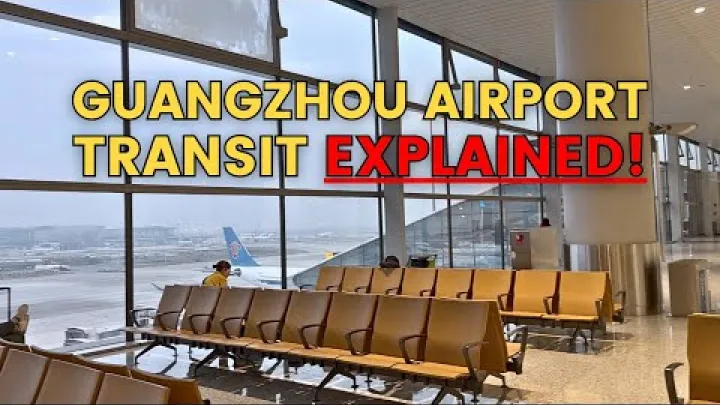
Metro Line 3 North Extension is the main rail connection described in published airport transfer guidance. It can be a practical starting point for reaching Tianhe and transferring toward older central districts. The metro is usually most attractive when you want a predictable route and your hotel is near a station. A taxi or ride-hailing vehicle is more useful when you have several bags, arrive late, or are staying away from a convenient station. Shuttle buses can work when their fixed destination matches your hotel area.
Use the airport's current signs and instructions for the terminal, station, taxi rank, shuttle stop, and ride-hailing pickup point. Published transfer information can become outdated, so recheck the current terminal, metro, shuttle, and taxi arrangements before arrival. China Discovery can be a starting point for understanding the airport options, but live airport or transport-operator information should control your final decision.
Arriving by High-Speed Rail and Connecting Beyond Guangzhou
Station selection matters when arriving by train. Guangzhou South Railway Station is an important high-speed rail gateway, but it may not be the closest station to your hotel or first attraction. Read the station name on your ticket, compare it with your accommodation, and allow time for the city transfer after leaving the train.
High-speed rail can make Shenzhen and other Greater Bay Area destinations possible as an extension of a Guangzhou trip. It is also useful for travelers arriving from another mainland city. Do not treat services, fares, departure patterns, or booking conditions as permanent. Match the train time with the time needed to reach the station and complete station procedures.
Travel to Hong Kong requires separate planning from travel within mainland China. A border crossing may involve different entry documentation, transport procedures, and time requirements. Check the current rules for your nationality and route before adding Hong Kong to a Guangzhou itinerary.
Choose Between Metro, Taxi, Shuttle Bus, and Ride-Hailing
A simple arrival decision can prevent an unnecessarily difficult first journey.

| Option | Good choice when | Consider first |
|---|---|---|
| Metro | You want predictable city access and have manageable luggage | Station distance, transfers, and operating conditions |
| Taxi | You want door-to-door travel or arrive with heavy bags | Official rank, destination address, and traffic |
| Shuttle bus | A fixed route serves your destination area | Stop location, departure pattern, and luggage |
| Ride-hailing | You want app-based flexibility or a specific pickup | Account access, pickup instructions, and Chinese address |
For a late arrival or an unfamiliar neighborhood, door-to-door transport may be worth the extra cost and coordination. For a daytime arrival near a metro station, rail can reduce uncertainty about road traffic. Use established airport taxi ranks and the airport's designated ride-hailing process instead of accepting informal offers outside the official channels.
Getting Around Guangzhou Day to Day
Guangzhou's transport network makes district-based planning realistic, but the city is large enough that a route can still consume a significant part of a day. Use the metro as the basic framework and add surface transport when it saves a difficult transfer.
Using the Guangzhou Metro
The Guangzhou Metro is the main tool for connecting Yuexiu, Liwan, Tianhe, Haizhu, the airport, and selected suburban destinations. It is useful for both sightseeing and daily travel because many major attractions are connected to the network, even when the final walk is not short.

Many stations use Chinese and English information, but the amount of detail and language support can vary by station, venue, and situation. Transfers at large interchanges may involve long corridors, security screening, and several possible exits. During busy commuting periods or major holidays, trains and platforms can be crowded.
Before entering a large station, identify the destination station and its exit letter. Exit letters can make a major difference when a road, park, mall, or attraction has several entrances. Save the hotel name and key destinations in Chinese as well as English, and use a current official or in-app metro map when planning transfers.
Buses, Trams, Taxis, and Ride-Hailing
Buses can fill gaps beyond metro stations and may be useful for peripheral attractions or the final part of a route. They can be less straightforward for a first-time visitor because stop names, route changes, and boarding arrangements require more attention. Use a current route map or local transport application when a bus is essential to the plan.
Haizhu tram routes can add a scenic riverfront element where current service and the route fit your itinerary. Treat the tram as an optional experience rather than a guaranteed way to reach every waterfront sight. Taxis and Didi-style ride-hailing are useful for heavy luggage, late-night returns, short cross-district trips, and locations poorly served by rail. Compare the likely road traffic with the number of metro transfers before choosing.
For any surface journey, confirm the destination carefully. A Chinese address, nearby landmark, or station exit is often more useful than an English hotel name alone. Use official taxi ranks or in-app bookings and keep the accommodation address available for the return trip.
Transport Payment and Station Navigation Preparation
Guangzhou travelers may encounter several payment choices, including mobile payment, local transport cards such as Yang Cheng Tong, and products associated with the Lingnan Pass. Foreign-card eligibility, registration requirements, app functions, and acceptance can vary, so do not assume that one international card or payment application will work at every metro gate, taxi, restaurant, or shop.
The Lingnan Pass may be relevant to travelers combining Guangzhou with other parts of Guangdong and Hong Kong. A guide from the Shenzhen Pingshan District Government describes a cross-border payment-card option and its relationship to public transport products. The possible connection with Hong Kong's Octopus system can be convenient, but terms, prices, stored-value arrangements, and visitor eligibility should be confirmed for your route.
Prepare one primary payment method and one backup before leaving the airport. Test the setup rather than waiting for the first busy station gate, and carry a small alternative payment reserve in case a phone, card, account, or network connection does not work as expected. Also save your hotel address, major destination names, and station exits in Chinese. This preparation is useful when a map is unavailable or a conversation is difficult.
Best Things to Do in Guangzhou
Guangzhou is easier to enjoy when attractions are organized by theme and district. A heritage day, a Liwan food and architecture day, and a riverfront evening usually create a more coherent trip than a long list of disconnected stops.
Build a Heritage Walk Through Yuexiu
Yuexiu can support a history-focused day that combines Yuexiu Park, Beijing Road, Sun Yat-sen Memorial Hall, the Mausoleum of the Nanyue King, Guangxiao Temple, and the Temple of the Six Banyan Trees. You do not need to treat every place as one continuous walk. Use the metro or a short taxi ride when the distance between sites makes that more practical.
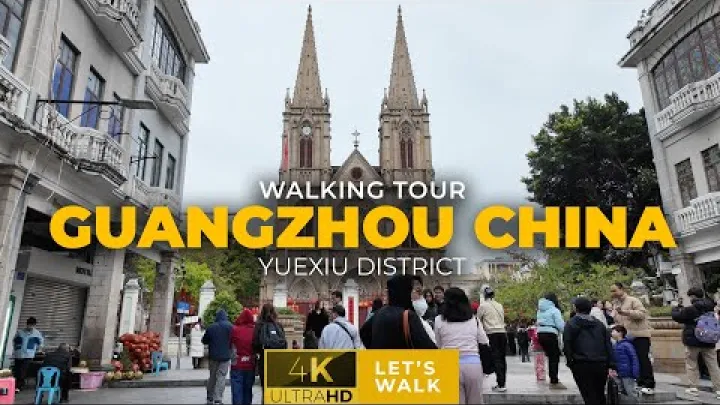
Each stop offers a different theme. Yuexiu Park provides civic landmarks and open space. Sun Yat-sen Memorial Hall connects the city to modern Chinese political history. The Mausoleum of the Nanyue King emphasizes archaeology and the history of the Nanyue kingdom. Guangxiao Temple and the Temple of the Six Banyan Trees represent Guangzhou's religious heritage, while Beijing Road adds older commercial activity and contemporary shopping.
Choose two or three main sites and leave time for pauses, food, and unplanned street exploration. Before visiting, use the relevant site's current visitor information for opening days, entry arrangements, and any reservation requirements. Religious sites also call for respectful clothing, quiet behavior, and attention to local instructions.
Experience Shamian, Liwan, and Cantonese Food
Shamian Island and Liwan work well together as a slower exploration area. Shamian's tree-lined historic setting invites a walk focused on architecture and atmosphere. Shangxiajiu Pedestrian Street adds older commerce, shops, and food options. The combination lets you see a different side of Guangzhou from the high-rise areas of Tianhe and Zhujiang New Town.
Food should be part of the plan rather than an afterthought. Representative Cantonese choices include har gao, siu mai, char siu bao, cheong fun, and egg tarts. Dim sum is usually ordered as a shared meal, while roast meats, rice dishes, noodles, and smaller neighborhood snacks can work better for a quick stop. Compare neighborhood eateries with classic restaurants and hotel dining rooms: the setting, service style, menu range, and price level may be very different.
Guangzhou Restaurant and the White Swan Hotel can serve as examples of more formal or well-known dining options, but check current menus, opening times, access rules, and prices before making a special journey. If you avoid shellfish, pork, offal, or another ingredient, state the restriction clearly and confirm the ingredients of sauces, fillings, and shared dishes. Do not assume that every venue has bilingual menus or can accommodate a complex restriction without explanation.
See Canton Tower and the Pearl River After Dark
Canton Tower, the Pearl River waterfront, and Zhujiang New Town form a natural modern-Guangzhou evening. You can combine a skyline view with a walk near the river, a meal in the modern districts, or a night cruise if the route and schedule suit you.
This experience complements daytime heritage visits rather than replacing them. The best order depends on your hotel and the attraction you want to enter. A cruise or tower visit may require a ticket, while some waterfront views and public spaces can be enjoyed without the same type of booking. Keep the evening flexible because rain, visibility, crowd levels, and operating conditions can change the experience.
Use the current information from the tower or cruise operator for ticket availability, departure times, access, and cancellation conditions. Avoid building a tightly timed evening around an unconfirmed cruise departure.
Plan for Panyu and Other Outlying-District Priorities
Panyu attractions such as Chimelong Safari Park deserve dedicated planning time. They are not a casual addition to a compact central-city day because travel to the area, entry procedures, walking within the attraction, and the return journey can all take more time than expected.
Families and leisure travelers should ask whether the attraction is important enough to justify a separate day or a change of hotel base. For a short city stay, it may be more satisfying to remain in central Guangzhou and explore one district well. For a longer visit, Panyu can become a planned full-day segment with transport and tickets arranged in advance.
Less-documented peripheral areas should remain optional unless you have a specific current attraction, opening schedule, and transport plan. Avoid adding destinations simply because they appear close on a broad city map.
When to Visit Guangzhou and How Long to Stay
There is no single best season for every traveler. Weather comfort, hotel demand, public holidays, trade events, and your preferred activities can point to different travel dates.
Balance Weather, Holidays, and Major Event Periods
Early-year, spring, and post-holiday autumn periods can each be considered as broad planning possibilities, but they involve different trade-offs. Cooler conditions may be more comfortable for long heritage walks. Warmer periods can bring stronger heat and humidity, while rain may affect outdoor sightseeing and riverfront plans. Typhoon systems can also disrupt travel planning in southern coastal areas.
Spring Festival and National Day can affect transport demand, opening arrangements, and the general pace of a city visit. Canton Fair periods can increase pressure on business-oriented hotels and transport around event areas. These periods are not automatically bad for tourism, but they require more attention to accommodation and itinerary flexibility.
Separate the questions of comfort and crowd levels. A date with pleasant walking conditions may not offer the lowest hotel prices, and a quieter hotel period may not have the weather you prefer. Before fixing travel dates, check an official Guangzhou forecast and current holiday or event notices. Use those sources for the actual dates and warnings rather than relying on an undated seasonal calendar.
Choose the Right Trip Length
Two to three days is enough for a focused first look if you concentrate on central Guangzhou. A practical short itinerary could include one Yuexiu heritage day, one Liwan and Cantonese food day, and a modern riverfront evening. You may combine some of these themes, but allowing space for travel and meals is more realistic than scheduling every named attraction.
Three to five days gives you more flexibility. You can slow down the food and culture experiences, add Tianhe or Zhujiang New Town, and reserve a separate day for Panyu if a major attraction is a priority. Extra time is valuable in Guangzhou because it reduces the need to cross the city repeatedly.
A Greater Bay Area extension toward Shenzhen or Hong Kong needs additional planning beyond the suggested city length. Check current rail availability, border formalities, and entry requirements separately. Cluster Guangzhou attractions by district even on a longer trip so that additional days create depth rather than repeated journeys.
Costs, Bookings, and First-Time Travel Logistics
Guangzhou can be planned at different cost levels, but the largest differences usually come from the hotel area, event timing, dining style, and how often you use door-to-door transport. A category-based budget is more reliable than copying a single daily figure.
Build a Guangzhou Travel Budget Without Stale Prices
Organize your budget in Chinese yuan around the parts of the trip that can change most. Accommodation is often the largest variable, especially in central districts or during major fairs and holidays. Meals can range from neighborhood restaurants and food streets to classic restaurants and hotel dining rooms. Local metro travel usually belongs in a different cost category from frequent taxis, ride-hailing, or private transfers.
| Budget category | Lower-cost approach | Higher-cost approach |
|---|---|---|
| Accommodation | Hotel outside the most in-demand cluster | Central or modern-area hotel during an event |
| Meals | Neighborhood eateries and casual dim sum | Classic restaurants or hotel dining |
| Transport | Metro and selected buses | Frequent taxis, ride-hailing, or transfers |
| Activities | Public walks, parks, and some free areas | Ticketed tower visits, cruises, and major attractions |
| Extensions | Central Guangzhou only | Rail trips and cross-border travel |
Build a separate allowance for the airport transfer, attraction tickets, optional cruise or entertainment, and high-speed rail if you are leaving the city. If you use price bands in your own plan, label every amount in Chinese yuan, include the date, and note whether the figure is per person, per room, or per journey. Hotel prices, transport fares, exchange rates, and event demand can change quickly.
Prioritize Hotels, Rail Tickets, and Attraction Bookings
Choose the hotel around the itinerary, then check availability early if your dates overlap with the Canton Fair, a national holiday, or another major event. A cheaper room far from your main activities may not be cheaper after repeated taxis and lost travel time are included.
Plan regional rail trips before finalizing the daily schedule. The same applies to high-demand attractions, tower visits, cruises, and theme parks. Keep the first and last day less crowded so that a delayed arrival, a long station transfer, or a booking problem does not affect the whole itinerary.
Where possible, prefer reservations with clear cancellation terms. Before paying, confirm the current entry, reservation, identification, cancellation, and ticket rules with the relevant official provider. Treat a confirmed booking differently from a flexible activity such as a public walk or neighborhood meal, and keep a record of booking numbers and the required name or document details.
Prepare Addresses, Language, Payments, and Food Choices
Save your accommodation name and full address in both English and Chinese. This helps with airport transport, taxi or ride-hailing instructions, hotel check-in, and asking for directions. Also save the Chinese names of your main attractions and destination metro stations. Station signs may provide Chinese and English, but you should not assume that every restaurant, shop, site, or service has the same language support.
Prepare your payment method before the arrival day and keep an offline backup of essential information. Screenshots of the hotel address, booking confirmations, train details, and a simple daily plan can help when mobile data, battery power, or an application is unavailable. Keep the first day simple enough to manage after a long flight.
Food planning should include your actual restrictions and preferences. List ingredients you avoid, decide whether shared dishes are suitable, and identify a few meal types that are easy for you to order. This is especially useful if you avoid shellfish, pork, offal, or particular cooking ingredients. A translation card or written note can support the conversation, but confirm the answer before ordering.
Safety, Rules, and Disruption Planning
Good preparation separates ordinary city navigation from higher-consequence legal, administrative, and travel-advisory issues. Keep both types of planning practical and avoid assuming that conditions are identical for every nationality or every trip.
Check Current Advisories and Understand Local-Law Issues
Foreign visitors should read current travel advice before departure because local laws, administrative measures, and enforcement practices may affect how an ordinary situation is handled. Tourism status does not remove the need to follow local rules or instructions. Use conservative judgment around official buildings, restricted locations, documents, communications, and any activity whose status is unclear.
The China Travel Advisory from the U.S. Department of State is one official source of advisory information, but it represents the United States and should not be treated as universal advice for every traveler. Read your own government's current China advisory and note the contact details for your embassy or consulate.
Save those details before departure, along with copies of important travel documents and insurance information. Check the date of any advisory or alert when you read it, since the situation and official guidance can change. If a legal or administrative concern arises, seek help from the relevant official authority and your consular service rather than relying only on informal online comments.
Manage Crowds, Personal Belongings, and Late-Night Travel
Use ordinary crowd-management habits in metro stations, markets, shopping streets, tourist sites, and holiday areas. Keep your phone, passport, wallet, and other important items in a closed bag worn in front of you, especially when boarding trains, passing through gates, or standing in a dense crowd. Avoid placing valuables in open outer pockets or unattended luggage.
For a late return, use an official taxi rank or an in-app ride and keep the accommodation address available in Chinese. Confirm that the vehicle and destination match the booking before leaving. If you are traveling alone, tell your hotel or a trusted contact about major changes to your plan without sharing unnecessary personal information in public.
Save current emergency contact instructions from your accommodation or official local sources, as well as the current consular contact for your nationality. Weather disruption, transport changes, lost documents, or a medical problem are easier to manage when your key information is available offline.
Final Takeaways for Planning a Guangzhou Trip
Plan Guangzhou by district, not by an oversized checklist. Yuexiu and Liwan are strong bases for heritage, older streets, and Cantonese food; Tianhe and Zhujiang New Town suit modern hotels, shopping, and business; Haizhu fits riverfront priorities; and Panyu is best when a major outlying attraction justifies dedicated time.
Use the metro as your daily structure, choose airport or rail connections according to your hotel, and prepare Chinese addresses and backup payment options before arrival. Select dates by balancing weather, holidays, and event demand, then budget by category rather than relying on stale prices. With a focused two- to three-day plan or a slower three- to five-day itinerary, Guangzhou can offer a practical introduction to South China's food, history, and contemporary city life.
Select area
Create a post
Posting is free and no registration is required.