Kashgar Travel Guide: Plan Your First Visit in Northwest China
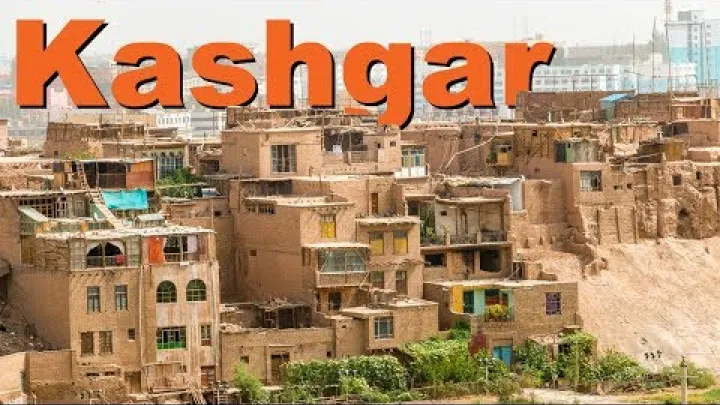
Kashgar is a major destination in Northwest China for travelers interested in Silk Road history, Uyghur culture, markets, regional food, and high mountain landscapes. The city combines busy modern districts with historic-looking lanes, religious landmarks, bakeries, workshops, and commercial markets. This Kashgar travel guide explains how to arrive, where to stay, how long to spend, what to eat, and how to plan excursions toward the Karakoram Highway. It also separates ordinary city sightseeing from the access, altitude, and administrative issues that can affect remote routes.
Before You Book: Is Kashgar Right for Your Trip?
Kashgar rewards travelers who plan carefully and allow time for long distances. A city visit can be straightforward, but adding mountain or border-area travel requires a different level of preparation.
What a First Visit to Kashgar Is Like
A first visit usually centers on the area around Id Kah Mosque, Kashgar Old City, nearby food streets, and one or more market visits. You can spend hours walking, eating, looking at craftwork, and observing daily activity without needing a tightly packed sightseeing schedule. The city also works as a starting point for landscapes around Baisha Lake, Karakul Lake, and the road toward Tashkurgan.
Kashgar is not a single preserved historic quarter. Modern roads, apartment districts, commercial buildings, and managed or redeveloped historic spaces exist alongside atmospheric lanes, active religious sites, food stalls, and working neighborhoods. The Old City may look different from descriptions written years ago, so it is better to expect a living and changing urban area than a place frozen in time.
The destination suits visitors who are comfortable with long travel distances, deliberate logistics, and occasional changes to local arrangements. It may be less suitable for someone seeking a completely spontaneous city break with simple rail connections, universally familiar payment systems, or easy access to every remote attraction. Start with the city experience, then add a mountain excursion only if the route fits your time and preparation.
Checks to Complete Before Departure
Divide your preparation into two stages. When booking, review the entry and exit rules that apply to your nationality, passport, and itinerary; check the current official travel advisory; and make sure your accommodation and transport plans are compatible with your documents. The Travel.State.gov China advisory is one official reference for entry and exit information, local laws, and traveler precautions, although travelers should also consult the authority for their own country.
- When booking: identify the correct arrival station, choose accommodation with clear booking and check-in terms, and decide whether you are planning only a city visit or a route into mountain or border areas.
- Before departure: check current city access conditions, attraction status, operating hours, transport schedules, and any requirements attached to a specific excursion.
- For remote routes: treat travel toward Karakul Lake, Tashkurgan, the Khunjerab border area, or Pakistan-linked routes as a separate planning category rather than an ordinary day of sightseeing.
Do not treat an old blog, a past ticket listing, or an anecdotal traveler report as a permanent rule. Local access, road conditions, checkpoints, and operating arrangements can change. Leave flexibility around arrival, departure, and any mountain trip so that a change does not disrupt your entire itinerary.
Understand Kashgar's Place in Northwest China
Kashgar makes more sense when viewed as a regional hub rather than an isolated city attraction. Its location affects both the character of the city and the time required to reach other parts of Xinjiang.
Kashgar in Xinjiang and the Wider Northwest
Kashgar lies in southern Xinjiang, in the Tarim Basin, and has long been associated with routes connecting Central Asia, the mountain corridors, and the oasis settlements of the region. On Chinese transport listings, you may also see the city identified as Kashi or Kashí. For a traveler, its most useful modern role is as a base for exploring southern Xinjiang and as a gateway toward the Karakoram Highway.
A Kashgar-centered route is different from a northern Xinjiang itinerary built around Urumqi, Turpan, and the Ili area. Northern routes may emphasize desert landscapes, grasslands, and other oasis cities, while Kashgar is better suited to historic urban exploration, regional markets, and access toward the Pamir mountain landscapes. It is possible to combine these areas, but the distances make route order important.
Think in terms of gateways and travel days rather than only counting attractions. Kashgar can be the main destination for a short city stay, the southern anchor of a longer Xinjiang journey, or the preparation point for a remote mountain route. The right choice depends on whether you prefer city culture, landscapes, or a balanced combination.
City Layout: Central Kashgar, Old City, and Market Areas
For a simple mental map, begin with People's Square, Id Kah Mosque, Kashgar Old City, and Zhiren Street. These central anchors help organize walking, food stops, craft shopping, and neighborhood exploration. They are close enough to treat as one broad sightseeing area, although the exact walking route will depend on current access and the streets open to visitors.
The International Market, often discussed in connection with the Sunday Bazaar, and the separate Animal Market require more deliberate transport planning. Do not assume that every market experience lies beside Id Kah Mosque or that the two markets are the same place. The central area is best for walking; the peripheral markets are better planned as individual outings.
Kashgar includes historic, commercial, administrative, and modern districts. Redevelopment means that older travel descriptions may not match every current building, street entrance, or market arrangement. Save the Chinese name and address of each destination, and group places by area instead of trying to cross the city repeatedly.
Getting to and Around Kashgar
Kashgar has several transport nodes, and choosing between them affects both cost and time. Plan the arrival journey separately from the central sightseeing loop.
Arriving by Air, Rail, and Long-Distance Bus
The main arrival options are Kashgar Airport, Kashgar Railway Station, and Kashgar International Bus Station. Flying is usually the simplest choice for travelers coming from far away or connecting through Urumqi or another Chinese hub. Rail travel can fit an overland itinerary and may be appealing to travelers who prefer ground transport, but a long journey can use a substantial part of a travel day. Long-distance buses may connect Kashgar with other southern Xinjiang destinations, but they are less useful when your schedule has little flexibility.
Use the option that matches your priorities. Choose air travel when speed matters most, rail when the journey itself is part of the itinerary, and a long-distance bus when the route and timetable fit your plans and you accept a slower, more variable journey. Kashgar's transport nodes are not interchangeable, so check the station shown on every ticket.
TravelChinaGuide provides a useful overview of reported air, rail, bus, taxi, and city-bus connections. Treat route examples, fares, and travel times as planning references rather than guarantees. Reconfirm every flight, train, and bus shortly before travel, including the exact terminal, departure time, and connection requirements. Allow generous time between separate tickets instead of planning a tight transfer.
Getting Around the City
Walking is the most rewarding way to experience the central area around People's Square, Id Kah Mosque, Kashgar Old City, and Zhiren Street. Buses are useful for inexpensive cross-city travel, while taxis are more practical for the airport, Kashgar Railway Station, Kashgar International Bus Station, and markets outside the center.
Bus No. 2, Bus No. 26, and Bus No. 28 appear in reported descriptions of connections among the airport, downtown, and railway station. Treat these as examples of the network, not as permanent route instructions. Routes, stops, payment methods, and service patterns can change, so a current local map or transport inquiry is more reliable on the day.
Language and navigation can be more difficult away from the central visitor areas. Keep your accommodation name, address, and destination addresses in Chinese in both your phone and a backup note. If you cannot identify the correct bus or explain a destination, ask your accommodation to write the address or show it to a legitimate taxi driver. A saved offline map is useful when mobile data or familiar applications are unavailable.
Karakoram Highway and Mountain Day-Trip Logistics
The most common landscape pattern from Kashgar follows the China-Pakistan Friendship Highway, also called the Karakoram Highway, toward Baisha Lake and Karakul Lake. Tashkurgan is a separate and longer route context, not simply another stop to add casually to a short lake outing. Upal Village may appear in some local itineraries as a route stop, but do not assume that every operator includes it or that it is a fixed attraction.

An organized tour can reduce the work of coordinating a driver, route, and stops. A private car offers more control over departure time and photography breaks, but usually makes the excursion more expensive. Public transport may cost less, yet it is a poor choice when the route, connections, or administrative requirements are unclear. For a first visit, rank reliability and administrative clarity above the lowest quoted price.
A current commercial example from Marriott Activities illustrates the private-car format for a Baisha Lake and Karakul Lake excursion. It is an example of an itinerary, not a guaranteed route, inclusion list, or current price. Ask exactly what the booking covers, including transport, driver, stops, meals, entry arrangements, and cancellation terms.
Foreign-traveler eligibility, permits, checkpoints, road access, and rules for the Khunjerab border route can change. A traveler account from Daniel McBane reports uncertainty about permit requirements; that anecdote is not a definitive legal rule. Before paying for a mountain or international excursion, ask a reputable operator or relevant local authority to confirm your eligibility, required documents, permits, checkpoint procedure, and whether the itinerary reaches the border or only the scenic lake area.
Do not hitchhike through checkpoints, attempt to bypass controls, or rely on informal payments to solve an access problem. Build a clear turnaround plan and keep one city-based day available as a backup in case a road, permission, or transport arrangement prevents the excursion.
Where to Stay and How Long to Stay
The best base depends on whether you want to walk into the historic center each evening or make early departures for regional travel.
Best Base Areas for First-Time Visitors
For most first-time visitors, the central area around Id Kah Mosque, Kashgar Old City, People's Square, and nearby food streets is the most useful base. It makes morning walks, evening meals, and short returns to your room easier. It also reduces the need for a taxi every time you want to explore a lane, bakery, or market street in the central area.
A transport-oriented base can be more convenient for an early train, bus, or airport departure, but it may require more daily travel for Old City sightseeing. A quieter or more modern area may offer a different accommodation environment, although it can be less convenient for spontaneous evening walks. Compare locations by walking access, departure times, and your planned day trips rather than by neighborhood name alone.
Before confirming a room, check the current map location, booking conditions, check-in requirements, and the property's ability to receive your documents and reservation type. Listings can remain online after details change, so direct confirmation is especially useful when your stay depends on an early departure or a mountain operator collecting you from the hotel.
How Many Days to Plan
Two days works for a city-focused first visit. Use one day for Id Kah Mosque, the Old City, Zhiren Street, and central food areas, then use the other for a market outing, slower neighborhood walking, or the Apak Khoja Mausoleum.
Three days gives you room to add one landscape excursion, provided the current route arrangement is suitable. Keep the mountain trip optional rather than making it the only reason the visit can succeed. If the excursion cannot operate, the central city still offers enough material for a worthwhile day.
Four to five days is more comfortable for combining the core city, the mausoleum, market areas, one selected day trip, and a buffer. This length is also more practical when your wider journey includes a long rail, air, or bus connection. Do not treat the arrival and departure dates as full sightseeing days; transport delays and station transfers can consume much of them.
Main Sights and Experiences in Kashgar
Kashgar is best experienced through a combination of landmarks, food, markets, and unhurried walking. The following attractions can be combined selectively rather than visited as a fixed checklist.
Id Kah Mosque and the Old City
Id Kah Mosque is a major architectural and religious landmark and a natural starting point for understanding central Kashgar. Its location connects the mosque area with the Old City, food stalls, bakeries, craft shops, and streets where residents conduct ordinary business. A practical overview from Far West China also places the mosque and Old City among the central visitor highlights.
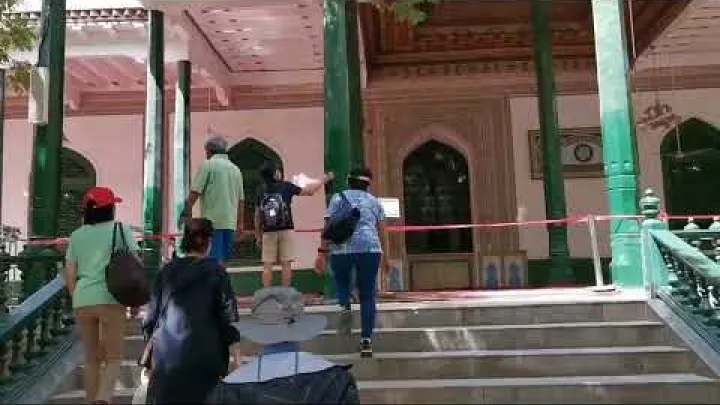
Spend time noticing how the area functions rather than looking only for postcard views. You may combine architecture with a bakery stop, a meal, shopping, and a slow walk through lanes and courtyards where access is open. The building stock and street layout may include both older-looking areas and newer or managed sections, so avoid describing the entire Old City as untouched or unchanged.
This is a living neighborhood and a religious setting, not a staged attraction. Keep sightseeing separate from private homes, active worship, and people's transactions. Follow instructions at the mosque and other sites, and treat the ability to observe a place as a privilege rather than an invitation to enter every space.
Apak Khoja Mausoleum
The Apak Khoja Mausoleum is also written as Afak Khoja or Apakh Khoja, so recognizing the different spellings helps when searching maps and bookings. It offers an itinerary focused on regional religious history and funerary architecture, with decorative tilework, domes, minarets, and cemetery spaces that contrast with the busy central markets.
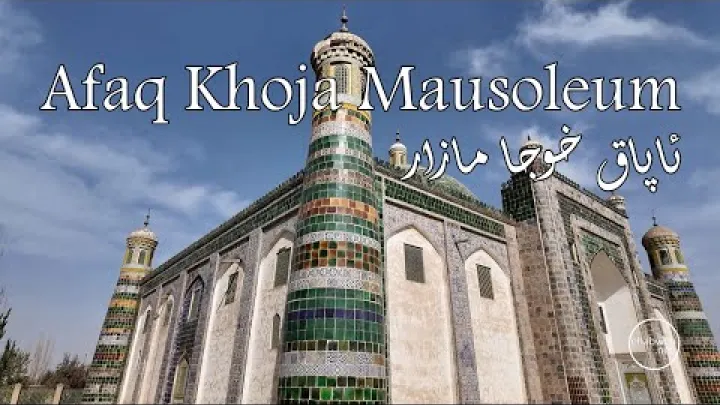
Historical accounts of the site can be detailed and sometimes differ in emphasis. For a site-specific introduction to its architecture and historical context, see Far West China. Keep well-supported architectural observations separate from exact claims about dates, tombs, legends, or restoration history unless the current site information confirms them.
The mausoleum can work as part of a broader city itinerary, but allow for the journey there and back instead of placing it between tightly timed central activities. Admission, opening arrangements, and photography rules are details to treat as changeable, especially when older guides give exact figures or schedules.
Sunday Bazaar and Animal Market
The International Market or Sunday Bazaar and the Animal Market should be treated as separate experiences. The first is a commercial market environment suited to browsing goods, food, produce, and regional products. The Animal Market has its own location, rhythm, and livestock activity, so it may not appeal to every traveler.
Although the name Sunday Bazaar emphasizes Sunday, available travel accounts describe market activity beyond a single day, with Sunday associated with the strongest atmosphere. This does not mean that every stall or activity operates every day. Ask locally about the current market day and transport plan rather than assuming that a historic description still applies exactly.
Choose between the markets according to your interests, time, and comfort. The Animal Market requires particular sensitivity: stand clear of transactions, do not interfere with handlers or animals, and ask before taking photographs. At either market, leave enough time to return before transport becomes difficult and keep your belongings secure in crowded areas.
Choose the Right Day Trip: Shipton's Arch, Baisha Lake, or Karakul Lake
These outings suit different travelers:
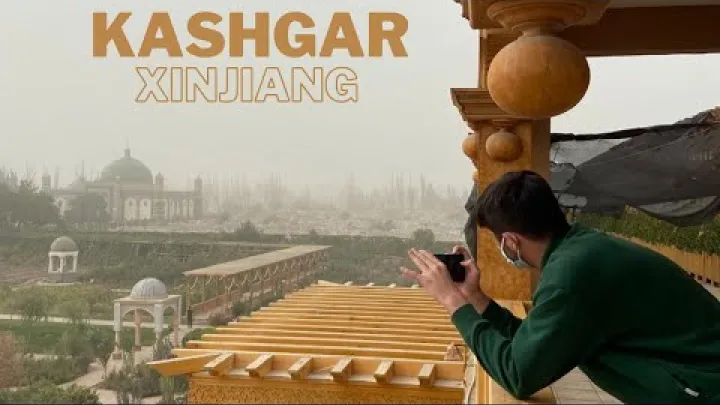
- Shipton's Arch: the more rugged, geology- and hiking-oriented choice. Official visitor information is limited, so local navigation support and realistic expectations about trail infrastructure are important.
- Baisha Lake: a landscape-focused option where water, sand, open space, and mountain scenery create a different experience from the city.
- Karakul Lake: the strongest choice for a high-altitude mountain setting, with a longer and more demanding route context than a normal city outing.
Choose Shipton's Arch if you value a rougher outdoor experience and have suitable fitness and navigation support. Choose Baisha Lake for a scenic excursion with a strong contrast of desert and mountain landscapes. Choose Karakul Lake if the mountain environment is your priority and you are prepared for altitude, remote roads, and more complex arrangements.
Karakul Lake is at high altitude, so keep your first activities easy, avoid treating a demanding schedule as a test of endurance, and follow the operator's instructions. If altitude-related symptoms develop, tell the operator promptly and follow the advice provided. A relaxed Kashgar city day is a sensible alternative if your body or the route does not support the excursion.
Best Time to Visit Kashgar
The best season depends on whether you prioritize comfortable city walking, market activity, or mountain scenery. Kashgar's city climate should not be used as a complete forecast for a remote lake.
Seasonal Conditions in the City
Kashgar has a dry continental pattern, with cold winters, hot summers, relatively low precipitation, and strong sunlight. Historical climate averages from Climate to Travel are useful for understanding the broad pattern, but they are not a live forecast.
Spring and autumn are often the most balanced choices for a first city visit because daytime walking can be more comfortable than in the hottest part of summer or the coldest part of winter. Summer can bring hot, exposed walks, while winter requires serious preparation for low temperatures. The city may be dry even when sunlight feels intense, so layers, sun protection, water, and practical walking shoes matter in every season.
For each mountain excursion, check a current forecast for Kashgar and for the destination close to the departure date. Pack for large differences in temperature, wind, sunlight, and elevation between the city and the route. Pleasant weather in Kashgar does not guarantee comfortable conditions at Karakul Lake or on mountain roads.
Match the Season to Markets and Mountain Routes
Spring and autumn are useful for travelers who want to combine Old City walks, market visits, food exploration, and a possible landscape trip without making the city portion excessively hot or cold. They are a good default for a balanced first itinerary, not a guarantee that every excursion will operate.
Summer may appeal to travelers whose main goal is mountain scenery, but long city walks can be tiring under strong sun and heat. Winter can suit visitors prepared for cold who prefer a city-centered plan, but it is less forgiving for extended walking and may make some regional plans more demanding.
Choose the season according to your priority. If markets, photography, and walking are most important, favor the period that gives you comfortable daylight exploration. If the mountains are the main reason for visiting, give more weight to route arrangements and destination conditions than to the city forecast alone.
Food, Costs, and Practical Preparation
Food and daily preparation shape the Kashgar experience as much as the attraction list. Keep your city routine simple and reserve extra attention for regional excursions and communication.
What to Eat and How to Explore Local Food
Kashgar is a good place to explore foods associated with Uyghur, Central Asian, Islamic, and wider Chinese culinary traditions. Around the Old City, Id Kah Mosque, market areas, bakeries, and evening food streets, look for familiar regional forms prepared in local ways.
- Nang: a round baked bread that works well with savory meals or as a simple snack.
- Laghman: noodles served with a vegetable, meat, or sauce-based topping.
- Samsa: a baked pastry commonly associated with savory fillings.
- Rice pilaf or polo: a rice dish that may be served with meat, carrots, and other ingredients.
- Lamb skewers: grilled meat often seasoned with spices.
- Yogurt-based snacks, dried fruit, and spiced tea: useful choices for lighter eating and market browsing.
Use the glossary as a starting point, not a promise that every stall uses the same spelling or ingredients. Ask directly about meat, dairy, wheat, nuts, spice, and preparation methods if you have allergies or dietary restrictions. Menus may have limited translation, so a saved translation of your dietary needs can make ordering easier.
How to Build a Kashgar Budget
Build the budget in separate categories: arrival transport, accommodation, city buses and taxis, food, entrance fees, shopping, and mountain or private-car excursions. Keep Kashgar city spending separate from wider Xinjiang transport and international airfare, because a low-cost city day does not make a long regional journey inexpensive.
For a budget traveler, the main trade-offs are a central but simple room, walking, bus use, market food, and limiting paid excursions. A mid-range traveler can spend more on a convenient base, taxis, comfortable meals, and flexible bookings. An excursion-focused traveler should expect private transport or organized trips to become the largest variable, especially when the route requires administrative help or a full vehicle.
Do not copy an undated taxi fare, hotel price, bus ticket, or tour quote and treat it as a current typical cost. Ask for prices in CNY and check what is included. A low headline price may exclude meals, admission, driver waiting time, route administration, or the return transfer. The most predictable savings usually come from grouping central sights on foot and choosing only the excursions that match your priorities.
Keep a contingency for extra transfers, a changed departure, weather delays, replacement accommodation, or one additional city day. That reserve is particularly useful when a remote trip is important to your itinerary but cannot be treated like a fixed urban attraction.
Connectivity, Booking, and Offline Backup
Prepare for connectivity and payment conditions that may differ from what you use at home. Local SIM purchase, translation, mobile payment, familiar applications, and access to booking accounts may each require a separate solution. A traveler report collected by Caravanistan describes one China Mobile SIM purchase involving passport translation, but that report is only a lead and does not establish a universal process, price, or network experience.
- Save your accommodation name, address, phone number, and booking confirmation in Chinese and English.
- Download offline maps and keep important confirmations available without relying on a live connection.
- Carry a backup payment method and enough practical information to reach your accommodation if an application fails.
- For a day trip, obtain written details of transport, meals, entry arrangements, permits or administrative assistance, meeting point, and cancellation terms.
- Keep the driver's or operator's contact information in a form that can be shown to your accommodation.
These steps do not guarantee uninterrupted connectivity, but they reduce the effect of a lost signal, translation problem, or changed meeting point. Written inclusions and flexible cancellation terms are more useful than choosing an operator only because an old review gives it a strong recommendation.
Safety and Respectful Travel
A well-prepared visit requires awareness of official guidance, local rules, and the fact that conditions can feel different from those in a typical leisure city.
Current Safety Guidance and Local Rules
Do not treat Kashgar as automatically safe or automatically unsafe based on a general impression, an old anecdote, or a single online report. Review the latest advisory from your own government and current local instructions. For U.S. travelers, Travel.State.gov provides official advisory language, entry and exit information, and local-law guidance. Other travelers should use the equivalent authority for their nationality.
Visible security measures, checkpoints, administrative controls, and changes to access may affect how you move around or how a place feels. Do not speculate about incidents or political conditions, and do not assume that an older travel account describes the current situation. Keep required travel documents accessible, follow instructions from local authorities and transport staff, and avoid confrontation if a plan changes.
Use a simple decision framework:
- Go: current official guidance permits the trip, your entry and city arrangements are in order, and you are comfortable following local rules and instructions.
- Redesign: keep a city-focused itinerary or remove a mountain or border-area component when that route is not clearly available, lawful, or administratively confirmed.
- Postpone: delay the trip when the latest official advisory recommends avoiding or deferring travel, or when essential entry and transport arrangements cannot be established.
Ask your accommodation or a legitimate operator for help when plans change. Separate official information from traveler anecdotes, and make the final decision using current guidance rather than an absolute promise of safety.
Photography, Religious Sites, and Cultural Etiquette
Ask permission before photographing people, especially in market transactions, residential lanes, religious settings, and animal-trading areas. If someone refuses, accept the answer without debate. Step aside from a stall or doorway before taking a photograph so that you do not obstruct work or movement.
At Id Kah Mosque, the Apak Khoja Mausoleum, and cemetery or other religious spaces, behave quietly and follow posted or spoken instructions. Entry, dress, photography, and access rules can vary by site and situation, so do not assume that a rule observed in one location applies everywhere. Avoid turning prayer, funerals, private homes, or ordinary family activity into a tourist scene.
Do not photograph security infrastructure, checkpoints, or sensitive official locations when instructions prohibit it. The Old City, markets, food stalls, and religious landmarks are lived cultural settings. Approach them with attention and respect rather than treating them as backdrops created solely for visitors.
Final Takeaways for Planning Kashgar
Kashgar works best as a deliberate, layered trip. Begin with a central base near the Old City and Id Kah Mosque, allow at least two full sightseeing days for a city introduction, and use additional time for the Apak Khoja Mausoleum, markets, or one carefully chosen landscape excursion.
The most important planning distinction is between Kashgar the city and the remote routes beyond it. City walks, food, and markets can form a rewarding itinerary on their own; the Karakoram Highway, Karakul Lake, Shipton's Arch, and Tashkurgan require more attention to transport, altitude, access, and timing. With current information, offline preparation, a flexible schedule, and respectful behavior, Kashgar can be a strong anchor for a first journey through southern Xinjiang.
Select area
Create a post
Posting is free and no registration is required.