Chengdu Budget: Daily Travel Costs, Prices & Saving Tips
Chengdu can be a moderate-cost base in Southwest China, but the total changes greatly according to your room, restaurant choices, airport, and number of excursions. A practical Chengdu travel budget is about US$25-35 per person per day for budget travel, US$60-80 for a mid-range trip, and US$120-200 for a comfortable stay. The ranges below use CNY as the main planning currency and separate ordinary city days from more expensive regional excursions. International flights, visas, insurance, shopping, and long-distance travel from another country or Chinese city are outside the basic daily estimates.
How Much Does a Chengdu Trip Cost?
The largest cost differences usually come from accommodation and paid excursions. Metro rides and inexpensive local meals can keep an ordinary day affordable, while a private room, frequent taxis, hotpot dinners, or a trip to Mount Emei can quickly move the total upward.
Use the figures as planning bands rather than fixed quotes. Prices are shown in CNY, or yuan, because that is the most useful currency for comparing individual expenses. USD equivalents are approximate and should be recalculated when you book because exchange rates and live prices change.
Budget, Mid-Range, and Comfortable Daily Ranges
These daily bands are intended for one traveler. Accommodation is normally priced per bed or per room, not per person, so two people sharing a private room can spend less per person than a solo traveler. The activity line also allows for the fact that one traveler may choose free parks and neighborhoods while another pays for several museums or experiences.
| Travel style | Daily guide | Accommodation | Food | City transport | Activities and extras |
|---|---|---|---|---|---|
| Budget | ¥180-260 US$25-35 | ¥40-80 per dorm bed ¥150-250 per basic private room | ¥50-90 | ¥10-20 | ¥0-70 |
| Mid-range | ¥430-580 US$60-80 | About ¥220-500 per room, often shared | ¥110-160 | ¥20-50 | ¥50-120 |
| Comfortable | ¥850-1,450 US$120-200 | About ¥550-850 per room | ¥180-260 | ¥60-150 | ¥100-300 |
The budget band assumes a dorm bed or a low-cost room, local meals, mostly public transport, and a mix of free and paid activities. An independent backpacker guide, Hitchhive, gives a similar orientation point of about US$25-35 per day for a traveler using a hostel, public transport, and inexpensive food.
The mid-range band is easier to reach when two people share a private room. A solo traveler staying in a private hotel room may spend more even if food and transport remain modest. The comfortable range allows for better hotel services, restaurant meals, taxis, coffee, and several paid attractions. None of these bands should be treated as an all-inclusive package price.
What Changes the Total for a Short Stay
A simple formula makes a Chengdu trip budget more useful than a single average: ordinary city days multiplied by your daily band, plus airport transfers, excursion costs, and long-distance tickets. Keep the ordinary daily rate separate from a day that includes Leshan, Mount Emei, Jiuzhaigou, or another destination outside the city.
For example, three ordinary budget days at ¥180-260 would be about ¥540-780 before airport transfers and optional tickets. Five mid-range city days would be roughly ¥2,150-2,900 before a regional trip. Seven comfortable city days would be about ¥5,950-10,150, depending mainly on whether the hotel room is shared and how often you use taxis or premium restaurants.
Then add specific items. A Panda Base or Jinsha Site Museum visit adds an admission fee per person, while a private room is charged per room. A regional excursion can add ¥100-300 or more in transport before admission fees and optional cable cars, boats, or internal shuttles. International airfare, visa costs, insurance, shopping, and travel to Chengdu from another Chinese city should remain separate lines in a longer itinerary.
Accommodation Costs and Best-Value Areas
Accommodation is often the single biggest daily variable in Chengdu. A dorm bed can support a very low budget, while a central private room can cost more than all local transport and several meals combined.
Hostels and Budget Rooms
Plan on approximately ¥40-80 per night for a hostel dorm bed and about ¥150-250 per night for a basic private room. These are useful planning ranges, not guaranteed rates. A live listing snapshot from Agoda shows an average hostel price of about US$22 per night, but the listing average may cover different room types, dates, and properties than a dorm-bed estimate.
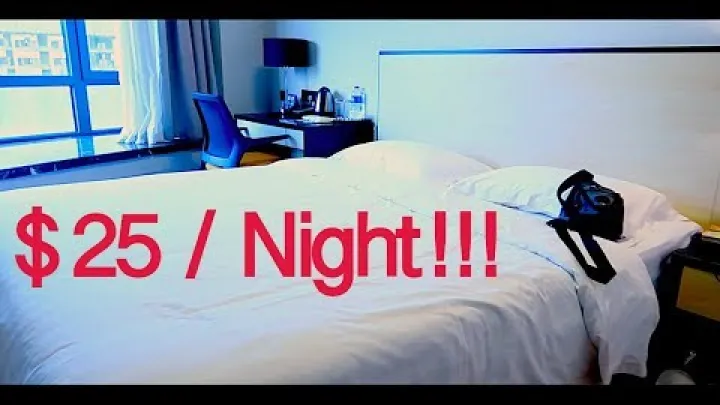
A dorm price is normally for one bed. A private hostel room or simple hotel room is normally for the room, whether one or two people occupy it. This distinction matters when comparing a solo trip with a shared trip. Two travelers may find that a private room costs more in total but less per person than two separate dorm beds.
Compare more than the headline rate. Breakfast, taxes, deposits, bathroom type, air conditioning, lockers, Wi-Fi, and cancellation terms can change the real value. A cheaper non-refundable room may be less suitable than a slightly higher refundable rate if your dates are uncertain. Budget accommodation near a metro station can also be better value than a cheaper room that requires daily taxis.
Mid-Range and Comfortable Hotels
A practical mid-range hotel budget is roughly US$30-70 per room per night. This can cover comfortable three-star properties, boutique hotels, and well-reviewed independent accommodation, although the exact room quality varies. A three-star market snapshot of about US$37 per night is a useful dated reference, not a promise for a particular date or neighborhood.
For a stronger location, larger room, international chain facilities, or more hotel services, plan around US$80-120 per room per night for a comfortable stay. The amount is per room, so sharing can significantly reduce the per-person figure. A solo traveler should use the full room price in the daily calculation rather than treating it as a per-person rate.
Breakfast can change the comparison. A room that appears cheaper may cost more after adding a daily café breakfast, while a higher rate with breakfast included may be reasonable for travelers who want convenience. Also compare room size, review quality, distance to a metro station, and cancellation conditions instead of relying only on the formal star category.
Areas and Timing That Move Nightly Rates
Wuhou and Yulin are useful starting points when comparing value-oriented accommodation with central Chengdu. Around Tianfu Square, Chunxi Road, and Taikoo Li, travelers may pay more for central access, shopping, nightlife, and proximity to popular meeting points. These areas are not always expensive, but they deserve a direct comparison with less central districts.

Secondary business areas and university districts can offer lower rates while still providing restaurants and metro access. The best choice depends on the combined cost of the room and getting around. A room that is ¥80 cheaper may not save money if you need several taxis each day, especially for early departures or late returns.
Weekends, national holidays, and major events can affect demand more than a small difference between two nearby neighborhoods. Compare the same dates, room type, breakfast policy, and cancellation terms across several areas. This gives a more useful answer than labeling one district as permanently cheap or expensive.
Food and Drink Costs in Chengdu
Chengdu offers a wide range of food prices. Local breakfast shops and noodle restaurants can support a low daily budget, while hotpot, specialty ingredients, cafés, cocktails, and imported drinks can make a comfortable food budget much higher.
Low-Cost Local Meals and Street Food
A local breakfast can cost about ¥3-20. Buns, soy milk, porridge, noodles, and jianbing are usually at the lower end of this range, while a café breakfast is more expensive. For lunch or dinner, plan approximately ¥15-35 for a simple local meal or substantial street-food purchase.
Chengdu examples include dan dan noodles, dumplings, buns, cold skewers, and malatang. A street-food-heavy day can often be planned at roughly ¥50-90 if it includes a low-cost breakfast, two simple meals, snacks, and basic drinks. A general China food reference places a filling bowl of noodles with meat at around ¥15; China Highlights provides that type of indicative price rather than a fixed Chengdu menu.
Portion size and ingredients matter. Extra meat, a larger serving, indoor seating, service, tourist-facing locations, and premium toppings can move a meal above the lower range. Neighborhood eateries and market stalls are often more compatible with a budget than Western cafés or restaurants in premium areas, but local food should be chosen for the experience as well as the price.
Restaurants, Sichuan Hotpot, and Special Meals
Use approximately ¥30-60 as a planning range for a regular sit-down meal. A simple dish for one person may stay near the lower end, while several shared dishes, larger portions, or a popular restaurant can cost more. A food budget should distinguish between one economical restaurant meal and a full multi-dish dinner.
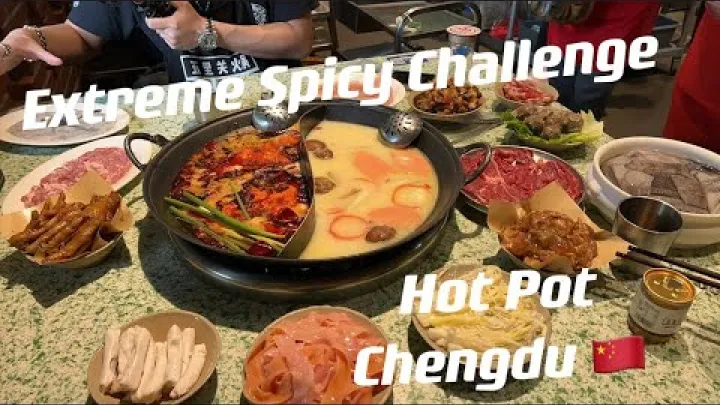
Hotpot needs special treatment. Some general China price guidance gives a lower shared-meal range of about ¥30-80 for two or more people, but a Chengdu hotpot experience can reach approximately ¥70-150 or more per person when meat, specialty ingredients, drinks, dipping sauces, and other extras are ordered. The final bill may be shared across the table, so convert the total into a per-person figure before comparing it with a noodle meal.
A mid-range food day can reach about ¥110-160 when it includes a café breakfast or coffee, a local lunch, a restaurant dinner, and snacks. A comfortable food day may be roughly ¥180-260 with repeated café visits, higher-end restaurant dishes, hotpot, alcohol, or imported drinks. Treat hotpot as an intentional experience cost rather than as the average price of every Chengdu meal.
Coffee, Drinks, and Alcohol Extras
Drinks should remain a visible optional line in the budget. Coffee, domestic beer, imported beer, cocktails, and wine can vary substantially by venue, with premium cafés, bars, and nightlife areas generally costing more than convenience stores or neighborhood shops. Use current menus or in-store prices for the specific places you plan to visit rather than relying on a citywide average.
Bottled water, convenience-store soft drinks, and local beverages usually have a smaller effect than repeated café visits or nightlife. One coffee may seem minor, but a daily coffee, an evening bar visit, and imported alcohol can quietly move a traveler from a budget food plan into a comfortable one. Decide whether drinks are included in your meal allowance or recorded as separate extras.
Transport Costs, Airports, and Regional Excursions
Public transport usually keeps ordinary Chengdu days affordable. Airport transfers and regional travel are different budget lines because the airport location, road distance, and need for private transport can change the total substantially.
Metro and Bus for Ordinary City Days
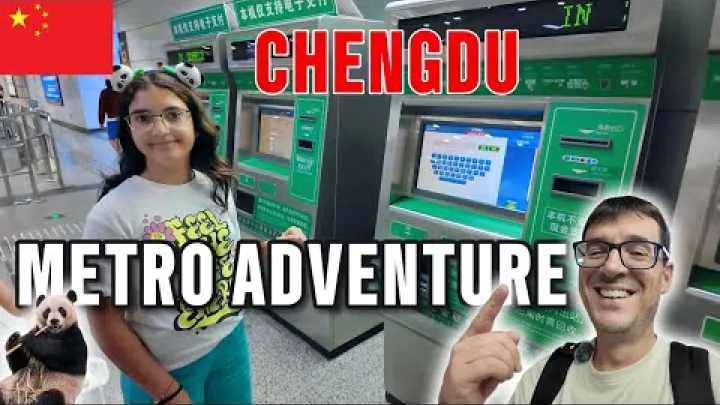
Chengdu metro rides can generally be planned at about ¥2-8 per trip, depending on distance. Several rides on an ordinary sightseeing day may total roughly ¥10-20. Standard city buses are another low-cost option, with commonly cited fares around ¥1-2 on ordinary services.
Cash, transport cards, Alipay, and WeChat Pay are reported payment routes for local transport, but acceptance and app requirements can vary by service and traveler setup. Keep a payment backup and confirm the current method at the station, on the bus, or in the relevant transport app.
Metro and bus use normally has a smaller effect on the total than accommodation, food, or paid excursions. This makes a metro-accessible area valuable even when its room rate is not the absolute lowest. It can reduce both daily fares and the need for occasional taxi journeys.
Taxi, Ride-Hailing, and Airport Transfer Choices
For city journeys, use a starting taxi fare of about ¥9 as a rough reference and approximately ¥15-30 for a common urban trip. Traffic, distance, waiting time, nighttime pricing, and ride-hailing demand can change the result. A taxi may be good value when two or more people share it, when luggage is heavy, or when the time saved matters more than the lowest fare.
Do not treat Chengdu’s two airports as interchangeable. Shuangliu Airport is CTU, while Tianfu Airport is TFU. A transport guide from Trip.com lists lower-cost metro and shuttle options alongside road transfers, but the useful choice depends on the airport printed on your itinerary and your hotel’s location.
| Airport | Metro planning figure | Shuttle planning figure | Taxi or road transfer |
|---|---|---|---|
| Shuangliu Airport, CTU | About ¥5-10 one way | About ¥10-17 one way | About ¥50-70 one way |
| Tianfu Airport, TFU | Lower-cost option; route dependent | Service and route dependent | About ¥150-200 by road |
Before finalizing a booking, confirm whether the itinerary uses Shuangliu or Tianfu and price the matching transfer. The figures above are one-way planning estimates. Traffic, luggage, exact hotel location, nighttime pricing, and ride-hailing surge pricing can change the final amount.
Regional Excursions as Separate Transport Lines
Journeys to Leshan, Mount Emei, Dujiangyan, Mount Qingcheng, and other Southwest China destinations should not be hidden inside an ordinary Chengdu metro allowance. For some shorter regional links, an indicative intercity or shuttle figure is about ¥20-50 each way, but the mode, departure point, date, and operator can change the price.
As a broad planning line, a major excursion day may add roughly ¥100-300 in transport and local transfers before entrance fees. Break that amount into outbound travel, return travel, local buses or shuttles, and any optional organized transfer. A package can be convenient, but compare what it includes because transport, admission, guides, meals, and internal transfers are not always bundled together.
Attraction Fees and Day-Trip Costs
Chengdu has enough free or low-ticket activities to prevent entrance fees from dominating every day. The nearby heritage and mountain destinations have a more complex cost structure, so admission should be recorded separately from transport and optional experiences.
Free and Low-Cost City Experiences
People’s Park, Kuanzhai Alleys, Wenshu Monastery, public streets, and ordinary parks can help create a low-ticket city day. They are useful choices when you want to explore Chengdu’s neighborhoods, architecture, tea culture, and daily life without buying several major attraction tickets.
Free entry does not mean zero spending. Tea, snacks, souvenirs, cultural shows, cafés, and local transport can still add to the day. Some places also contain areas or activities with separate charges, so distinguish a public area from a paid museum, performance, temple section, or premium experience.
Alternating free exploration with paid visits is an effective way to control the average. For example, a free city day can be followed by a Panda Base or Jinsha Site Museum day, rather than paying for several attractions on every day of a short stay.
Major Chengdu Tickets to Price Separately
The Chengdu Research Base of Giant Panda Breeding is commonly planned at about ¥55 for adult admission. The official Panda Base ticket information should be used for the current price, booking process, capacity limits, time slots, identification rules, and discounts. The ticket page also contains service-fee information, so the displayed admission amount may not be the complete booking total.
Jinsha Site Museum lists a full-price admission of ¥70 per person. Its official Jinsha Site Museum information also describes discount and exemption qualifications. Check the current opening information, last-entry conditions, and eligibility rules before putting the ticket into a fixed itinerary.
| City attraction | Full-price planning figure | Other budget lines |
|---|---|---|
| Chengdu Research Base of Giant Panda Breeding | About ¥55 adult admission | Booking or service fee, transport, food, and possible timed-entry conditions |
| Jinsha Site Museum | ¥70 full price | Transport, food, and any discount or exemption conditions |
| Wuhou Shrine | Use the current attraction price | Transport, food, and optional guide or nearby experiences |
Wuhou Shrine is another important paid cultural anchor, but an older third-party price should not be treated as permanent. Keep admission separate from food, transport, guide fees, and optional experiences when comparing the three attractions.
Leshan, Mount Emei, Dujiangyan, and Mount Qingcheng Costs
Nearby excursions can be much more expensive than a normal Chengdu city day because the entrance ticket is only one part of the cost. The following figures are planning references for admission and selected extras, not all-in day-trip quotes.
| Destination | Entrance planning figure | Common additional lines |
|---|---|---|
| Leshan Giant Buddha | About ¥80 | About ¥70 optional river boat, transport, and local transfers |
| Mount Emei | About ¥160 high season or ¥110 low season | Cable cars, internal transport, and temple fees |
| Dujiangyan | About ¥80 | Transport, local transfers, and package components |
| Mount Qingcheng | About ¥80-90 | Transport, internal transfers, and possible cable-car costs |
Price entrance fees, cable cars, boats, internal shuttles, and package components as separate lines before buying a regional excursion. Mount Emei is especially difficult to compare with a simple ticket figure because the season and internal transport choices affect the total. A regional day that combines ¥100-300 of transport with an ¥80-160 entrance fee can exceed the cost of several ordinary Chengdu days, even before meals or optional rides.
How Season, Weekends, and Base Choice Affect the Budget
Chengdu is not one fixed-price destination. Your dates and base can affect accommodation availability, attraction crowds, transport demand, and the practicality of fitting a scenic destination into the itinerary.
Peak Dates, Weekends, and Event Demand
Hotel demand and room rates can change during weekends, national holidays, major events, and busy autumn periods. Popular scenic areas may also have heavier crowds and more limited transport availability, while organized excursion prices can respond to demand. The result is not always a simple percentage increase across every hotel or attraction.
Chinese New Year requires special care because its dates move each year and its effects can differ between city hotels, transport services, restaurants, and attractions. Some businesses may have altered schedules, while travel demand can be high around key dates.
When dates are flexible, compare several periods and consider a refundable accommodation rate. Before booking, check the calendar for weekends, national holidays, and event dates, then compare room availability and transport options rather than relying on an average daily price. During high-demand periods, early comparison and flexibility can matter more than saving a few yuan on individual meals.
Chengdu Versus Rural and Scenic Bases
Chengdu usually offers a wider choice of hostels, hotels, neighborhood restaurants, supermarkets, and public transport than smaller bases around Leshan, Mount Emei, Dujiangyan, Mount Qingcheng, or Jiuzhaigou. This choice can make Chengdu a useful urban base, especially when you want to mix inexpensive city days with selected excursions.
Rural or scenic locations are not automatically cheaper. They may have fewer lodging options, more seasonal demand, package-based pricing, and additional internal transfers. Local meals may sometimes cost less, but a room near a famous scenic area can offset that saving. Staying close to an attraction may still be worthwhile if it avoids a long return journey and gives you more sightseeing time.
Use a simple decision rule: compare accommodation plus return transport plus the value of your time. If the scenic-area room is only slightly more expensive and removes repeated transfers, it may be better value. If the room premium is high and the return connection is easy, Chengdu may be the lower-cost base.
Chengdu in a Multi-City China Itinerary
Chengdu can help balance a wider China itinerary that also includes cities such as Beijing or Shanghai, which are often treated as higher-cost stops for some travel styles. This is broad context, not a guarantee that every traveler will spend less in Chengdu or more in another city.
Keep the cost of staying in Chengdu separate from the cost of reaching Sichuan from another Chinese city or an international gateway. High-speed rail and flights can dominate a multi-city budget even when food, metro use, and ordinary accommodation in Chengdu remain moderate.
The same applies to extra regional excursions. A low daily Chengdu budget does not make a long-distance ticket disappear. List each intercity train, flight, regional transfer, and excursion separately so the city-level estimate remains clear.
Practical Ways to Save Money in Chengdu
The most effective savings usually come from choosing the right room, limiting unnecessary private transport, and deciding which paid attractions matter most. You do not need to avoid local experiences; instead, make the expensive choices deliberate.
Lower Accommodation Costs Without Losing Access
- Compare Wuhou, Yulin, secondary business areas, and metro-adjacent streets with the most central parts of Chunxi Road, Tianfu Square, and Taikoo Li.
- Choose the room type first. Compare dorm beds, private hostel rooms, and hotel rooms as separate products rather than comparing only the lowest displayed price.
- Calculate the total after breakfast, taxes, deposits, cancellation conditions, and other required charges are included.
- Prefer a slightly less central room with convenient metro access when it reduces the need for repeated taxis.
- When dates allow, compare several booking periods and make an early comparison, particularly if a weekend or event is likely to increase demand.
There is no fixed saving attached to one district. A cheaper room is useful only when its location, inclusions, and transport needs fit the whole trip. The right comparison is total daily cost, not nightly price alone.
Keep Food and Transport Flexible
- Use local breakfasts, noodles, dumplings, buns, and neighborhood eateries to control routine food costs.
- Reserve selected meals for Sichuan hotpot or higher-end restaurants, and record specialty ingredients, drinks, and dipping sauces as part of that experience.
- Use the metro and ordinary buses for most city travel, then use taxis or ride-hailing selectively for late travel, luggage, airport transfers, or shared journeys.
- Buy routine drinks from convenience stores or local shops when appropriate, while treating cafés, bars, cocktails, wine, and imported alcohol as explicit extras.
These choices are not an all-or-nothing plan. A traveler can eat inexpensive local food for two meals, enjoy one special dinner, and still keep the daily average under control. Similarly, one shared taxi may be sensible even for a budget traveler if it replaces several individual fares or saves a long transfer with luggage.
Build Paid Attractions Around Free Days
Plan separate budgets for a free city day, a paid city-attraction day, and a regional excursion day. This reflects how costs actually fluctuate instead of spreading an expensive mountain trip evenly across every day.
| Day type | Main paid lines | Budget approach |
|---|---|---|
| Free city day | Food ¥50-90 and city transport about ¥10-20 | Use People’s Park, Kuanzhai Alleys, Wenshu Monastery, and public streets; add an optional line for tea or snacks |
| Paid city-attraction day | About ¥55 for Panda Base or ¥70 for Jinsha Site Museum, plus transport | Choose one or two priority attractions instead of accumulating every ticket |
| Regional excursion day | About ¥100-300 transport before entrance fees, plus roughly ¥80-160 or more for selected admissions | List boats, cable cars, internal shuttles, guides, and package components separately |
Pre-price the optional components that matter to you and leave a modest contingency for changes in ticket rules or add-ons. Alternating free and paid days keeps the overall average realistic while allowing you to spend more on the attractions that are most important.
Chengdu Budget Takeaways
For an ordinary city stay, plan about US$25-35 per day for budget travel, US$60-80 for mid-range travel, and US$120-200 for a comfortable trip. Use CNY to build the estimate, treat accommodation as a per-bed or per-room cost, and keep airport transfers, regional excursions, and long-distance travel outside the ordinary daily average. The clearest way to save is to combine metro travel, local meals, carefully chosen accommodation, free city experiences, and a small number of priority paid attractions.
Select area
Create a post
Posting is free and no registration is required.