Suzhou Budget: Daily Travel Costs and Money-Saving Tips

Planning a Suzhou travel budget is easier when you separate the costs that repeat every day from the experiences you choose occasionally. A solo visitor staying in a dorm, eating local meals, and walking often can spend far less than a couple using a private room, taxis, cafes, and several paid gardens. This guide explains realistic daily planning bands in CNY, then breaks down accommodation, food, transport, attractions, payment issues, and seasonal price changes. Use the figures as flexible planning scenarios, and replace them with date-specific prices before you book.
Suzhou Budget at a Glance
Suzhou is not a single-price destination. Your daily cost depends heavily on whether accommodation is shared, how close you stay to the historic center, how often you use taxis, and how many classical gardens or other paid attractions you visit. A tourist budgeting framework from Exiap is useful for thinking in travel styles rather than relying on one citywide average.
Daily Budget Ranges by Travel Style
For one person, a practical starting point is about CNY 150–300 per day for shoestring travel, CNY 600–800 for mid-range travel, and CNY 1,000–1,400 for comfortable travel. These are illustrative planning bands assembled from available price snapshots and common trip choices. They are not guaranteed live averages for every date in Suzhou.
| Travel style | Daily total | Illustrative daily allocation per person |
|---|---|---|
| Shoestring | CNY 150–300 | CNY 70–120 stay, CNY 50–80 food, CNY 10–20 transport, CNY 0–40 activities, and CNY 20–40 incidentals |
| Mid-range | CNY 600–800 | CNY 280–350 stay, CNY 140–190 food, CNY 20–50 transport, CNY 100–150 activities, and CNY 30–60 incidentals |
| Comfortable | CNY 1,000–1,400 | CNY 500–700 stay, CNY 220–300 food, CNY 40–80 transport, CNY 150–220 activities, and CNY 90–100 incidentals |
The accommodation amount is an allocation, not always the price of a room. A dorm bed is normally priced per guest, while a private hotel room is usually priced per room. If two people share a CNY 600 room, the lodging allocation is CNY 300 per person before any extra charges. A solo traveler paying the whole room rate will need a larger daily budget than the table suggests.
The low band assumes a basic bed or very simple room, local food, mostly walking, and few or no paid attractions. The middle band assumes a private room or a higher-quality base, a mix of local and more polished meals, ordinary public transport, and one or two paid experiences across the stay. The comfortable band allows more space and convenience, frequent taxis, cafes or higher-cost meals, and a fuller sightseeing schedule. Weekends, national holidays, unavailable dorm beds, and events can push any of these examples higher.
Before departure, recheck live lodging, meal, transport, and attraction prices for your dates. Keep a CNY contingency buffer for rate changes, booking differences, an unexpected transfer, or a meal that costs more than the basic estimate.
What These Ranges Include and Exclude
Each daily range includes one night of accommodation, ordinary meals and snacks, local transport, a stated allowance for attractions, and a small amount for incidental spending. It does not include international flights, intercity travel to or from Suzhou, visas, insurance, shopping, major nightlife, luxury services, or unusual family activities. Add those items as separate lines instead of hiding them inside a daily city budget.
Some costs are relatively stable once chosen. A booked dorm bed, a listed garden ticket, or a short public transport ride can be placed in a spreadsheet with reasonable confidence. Other costs are choice-driven. A hotel in Gusu District, a taxi after rain, a coffee near a popular sightseeing street, an imported drink, or a private guide can change the total quickly.
A simple formula is:
Daily Suzhou budget = allocated nightly room cost + meals and drinks + local rides + planned admissions + incidentals.
For a couple, divide the room cost by two only if both people share the same room and there is no occupancy surcharge. For a family, use the actual room configuration and child ticket rules. If you visit one paid garden on one day and several free or low-cost public places on another, assign attractions by day rather than averaging every ticket across the whole trip. This makes your cash allowance more realistic.
Accommodation Costs and Base Choices
Accommodation is usually the largest decision in a Suzhou travel budget. The cheapest headline price may not be the cheapest overall choice if the property is inconvenient, the room is shared, or the booking terms do not suit your trip. Compare the final payable amount and the daily transport effect, not only the first number shown in a search result.
Hostels and Basic Rooms
Hostel prices in Suzhou can look unusually low in listing snapshots, but those numbers are difficult to treat as a permanent city average. A 2026 hostel listing snapshot showed a dorm headline as low as USD 4.64, while another recent search snapshot showed hostel prices starting around USD 26 and averaging around USD 45. The difference can reflect dates, availability, property quality, room type, booking channel, and the distinction between a special headline offer and the price that is actually payable.

Keep your working budget in CNY rather than converting an old foreign-currency headline. The cheapest bed may mean a shared dormitory, a shared bathroom, limited storage, basic soundproofing, or less privacy. It may also be unavailable for your dates, restricted to a particular guest type, or displayed before taxes and other charges. A private room in a hostel is a different product from one dormitory bed and should not be compared as if the two prices cover the same comfort level.
When reviewing a hostel offer, check all of the following before paying:
- Whether the price is for one dorm bed, one private room, one guest, or the complete stay.
- The exact number of nights and the final payable total, including taxes or service charges.
- Bed availability, room occupancy, bathroom arrangement, luggage storage, and any age or booking eligibility rules.
- The address and practical distance from your main sightseeing area or transport connection.
- Cancellation, modification, check-in, and late-arrival terms.
Open the live hostel offer for your exact dates and confirm the bed type, availability, taxes, cancellation terms, and booking eligibility before paying. A slightly higher room rate can be better value if it reduces repeated taxi rides or places you close to the historic center.
Mid-Range and Comfortable Hotels
For a date-sensitive example, an Expedia cheap-hotel listing snapshot has shown Suzhou prices of approximately USD 53–106. This is a booking-page range, not a universal rate for all budget hotels and not a promise that the same rooms will be available when you search. Plan in CNY and use the page only to understand how much hotel pricing can vary.
Hotel bands differ because the labels combine several variables: star rating, room size, private or shared facilities, district, weekday or weekend demand, booking channel, taxes, cancellation flexibility, parking, breakfast, and included services. A basic room in a transport hub may cost less than a larger room near a heritage street, while a well-reviewed mid-range hotel can be more useful than the cheapest available room if it saves time and local transport.
Check the final payable price rather than the nightly headline. Confirm whether breakfast, taxes, parking, shuttle services, and cancellation are included. A room that looks cheaper can become more expensive after nonrefundable terms or add-on charges. Conversely, a room with breakfast may reduce the cost of a separate morning meal, although you should compare the actual price difference instead of assuming the inclusion has value.
Comfortable travel does not require luxury accommodation. It can simply mean a private, clean, well-located room with reliable facilities and enough space for your needs. Compare several dates and nearby districts before deciding that Suzhou accommodation is expensive.
Central Gusu or a Transport Hub
Choosing a base is a trade-off between setting and efficiency. Areas in Gusu District, including the surroundings of Pingjiang Road and Guanqian Street, can appeal to visitors who want heritage scenery, food access, and the possibility of walking to some activities. A base near Suzhou Railway Station can be practical for an early departure, an arrival with luggage, or a trip that combines Suzhou with other cities.
It is not safe to assume a fixed price ranking between these areas. The same district can contain hostels, simple guesthouses, business hotels, and upscale properties. Dates and room types often matter more than a neighborhood label. A cheaper room outside the main sightseeing area can be good value when the additional public transport cost remains modest and the time required for daily travel is acceptable.
Use a simple decision guide:
- Choose a historic-center base if walking, evening atmosphere, and quick access to places such as Pingjiang Road matter more than having the largest room.
- Choose Guanqian Street or a similar central commercial area if food, shops, and general convenience are priorities, while accepting that the immediate atmosphere may differ from a quieter canal lane.
- Choose a railway-area base if arrival and departure convenience or intercity connections matter most.
- Choose an outer or transport-connected area when the nightly saving is substantial and your daily rides remain affordable and manageable.
Calculate the nightly saving against the expected extra transport and time cost. For example, a CNY 100 nightly saving over three nights is CNY 300 before transport. If the outer room requires several paid rides each day and makes a short visit less convenient, the saving may be smaller in practice.
Food and Drink Prices in Suzhou
Food can fit almost any Suzhou travel budget, but repeated habits matter more than one exceptional meal. Local breakfast shops and simple restaurants can keep costs low, while cafes, Western food, hotel dining, imported drinks, and desserts can move a day into the mid-range quickly.
Local Meals and Snacks
A broad China food-price baseline from China Highlights gives a useful starting point for Suzhou planning. The figures below are indicative ranges, not fixed prices for every restaurant or tourist area.
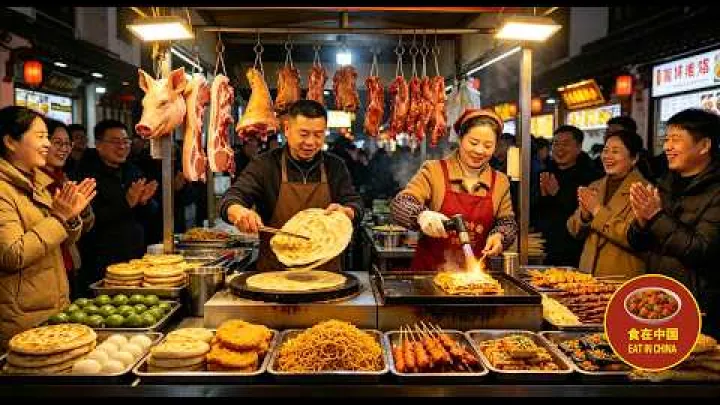
| Food type | Indicative price | Budget interpretation |
|---|---|---|
| Breakfast | CNY 3–20 | Simple noodles, wontons, dumplings, baozi, rice, or another basic local meal |
| Lunch or dinner | CNY 20–80 | One meal, with the upper end more likely in tourist-focused or more polished venues |
| Snacks | CNY 2–10 | Small snacks or quick purchases between sightseeing stops |
| Simple shared dish | About CNY 20–40 per dish | A dish price is not the same as the total meal price for one person or a group |
Use these numbers as meal formats rather than promises of a fixed menu price. A bowl of noodles, a plate of rice, dumplings, or wontons may work as a complete light meal for one traveler. A shared dish may need rice, vegetables, drinks, or another dish to become a complete meal for two people. Restaurants around popular areas such as Pingjiang Road and Guanqian Street can also have different prices from a neighborhood shop, so read the menu and check serving size.
Cafes, Western Food, and Alcohol
Separate basic meals from discretionary drinks. A cappuccino is a useful example because its posted price depends strongly on the venue and is not part of the CNY 3–20 basic breakfast range. Add the menu price of each coffee to a separate drinks allowance instead of assuming that one national or citywide average applies.
A local-heavy food day might use about CNY 50–150 for breakfast, lunch, dinner, and one snack, depending on the selected meals. A mixed day with a cafe visit, a more polished dinner, or a Western-style meal may require roughly CNY 120–250. A comfort-oriented food plan with frequent cafes, desserts, hotel dining, alcohol, or imported products can reach CNY 220–400 or more. These are planning scenarios derived from eating patterns, not quoted restaurant averages.
Compare a cafe purchase with a simple local meal as a budget decision, not as a judgment about which choice is better. If coffee is part of your daily routine, include it before choosing a hotel or activity budget. Alcohol and imported drinks deserve their own line because a single purchase can be much more expensive than a local snack. International chains and hotel restaurants should not be used as representative prices for all of Suzhou.
Groceries and Self-Catering
Groceries can help during a longer stay, for dietary needs, or when your accommodation has a refrigerator and cooking facilities. They are less automatically economical for a short visit. A traveler without storage, equipment, or time may spend more on unused food than on inexpensive local meals.
A balanced pattern is often more practical: buy simple groceries for breakfast, fruit, water, or snacks, then eat local restaurant meals for lunch and dinner. Estimate the actual store, brand, package size, and quantity rather than converting a resident monthly grocery estimate into a tourist daily budget. Include food waste, refrigeration, preparation time, and the cost of getting to the store when comparing groceries with a nearby meal.
Transport Costs in Suzhou
Suzhou transport can remain a modest part of the daily budget when you combine walking with public transport. Taxis become more important when you carry luggage, arrive late, face rain, or choose accommodation farther from the historic center.
Metro and Bus Costs
For ordinary local journeys, use approximately CNY 2–5 per one-way bus or metro ride as a planning baseline. The exact fare can depend on distance, service, and current fare rules, so this is not a promise for every journey. Four short rides at that baseline would suggest roughly CNY 8–20 for the day before any transfer or special service.
A mostly walking day may need only one or two paid rides. A sightseeing day that begins and ends at a transport hub may need several. Keep airport, intercity, and special services separate from ordinary city fares because they can use different pricing. Before building the day's transport allowance, check the current fare, operating conditions, and payment method through the relevant official transit channel or operator.
Taxis, Rickshaws, Bicycles, and Walking
Walking is often the lowest-cost option in a compact historic sightseeing area, although it should not be treated as a complete solution for every district or weather condition. Cycling can also reduce short-trip spending, but the price and access rules depend on the bicycle service, account setup, and availability. Taxis buy convenience for luggage, late arrivals, rain, or a schedule that makes a longer public transport journey inconvenient.
One published Suzhou transport example gives a taxi starting fare of CNY 10 for the first 3 km. The same source describes a rickshaw starting at CNY 2 per person, followed by an additional distance charge of CNY 4 per kilometre. These are official-style examples reported in a travel guide, not a universal current tariff for every vehicle, time, or booking method. The transport information is summarized by TravelChinaGuide.
Keep official fare examples separate from negotiated tourist-area prices and app-based quotes. A taxi may have night, distance, vehicle, or service supplements. For a rickshaw or other informal tourist-area ride, agree on the total price and what the ride includes before boarding. If you are deciding between two bases, compare the actual number of rides you expect rather than assuming that every trip will use the cheapest mode.
Build a Daily Transport Allowance
Use these planning bands as a starting point:
- CNY 10–20: mostly walking with a few ordinary bus or metro rides.
- CNY 20–50: mixed walking, public transport, and an occasional short taxi.
- CNY 40–80: frequent taxi use, longer cross-city travel, or a day when convenience is more important than the lowest fare.
For a more personal estimate, use number of one-way rides × expected fare, then add a separate arrival or departure transfer. If you expect two return trips by public transport, count four one-way rides. If you expect one taxi, use its likely quoted or metered fare rather than adding a generic public transport amount.
The value of a cheaper outer-area room depends on this calculation. A room that saves CNY 80 per night may still be worthwhile if you add only CNY 10–20 in daily public transport. The calculation changes if you add several taxis, lose time during a short stay, or need a costly arrival transfer.
Attraction Fees and Low-Cost Sightseeing
Suzhou's gardens can make paid activities a noticeable part of a daily budget. The most economical plan is not to avoid all admissions, but to choose signature sites intentionally and balance them with walking, public spaces, and other options whose current access conditions are clear.
Classical Gardens and Scenic Sites
The Suzhou Government page lists the Humble Administrator's Garden at CNY 70 in the listed off-season months of January, February, March, June, November, and December, and CNY 80 in its listed busy season. This is a useful official example of seasonal ticket pricing, but it should not be treated as a current price guarantee for every date.
| Site | Price planning | Season or access | Usually budgeted as | Date checked |
|---|---|---|---|---|
| Humble Administrator's Garden | CNY 70 listed off season; CNY 80 listed busy season | January, February, March, June, November, and December are listed as off season; check remaining dates | Garden entry only | Check on travel date |
| Tiger Hill | Current fee not stated here | Check the current seasonal calendar | Entry only unless the listing says otherwise | Check on travel date |
| Lingering Garden | Current fee not stated here | Check the current seasonal calendar | Entry only unless the listing says otherwise | Check on travel date |
Tiger Hill and Lingering Garden are separate attractions, so do not automatically apply the Humble Administrator's Garden price or season to them. Check each site's current fee, season, booking rules, and inclusions. A standard garden ticket should not be assumed to include guided transport, meals, performances, boat rides, or other experiences.
Visiting two paid gardens in one day can make admissions a major line item even when each individual ticket looks moderate. If you want to control the total, select one signature paid site and fill the rest of the day with walking through public areas, canal-side spaces where access is public, or other low-cost activities whose current entry rules are clear.
Free Museums and Reservation Constraints
Suzhou Museum is a useful example of a cultural option that may have nominally free admission, but do not put CNY 0 into a guaranteed itinerary until the current entry and reservation rules are confirmed. Free admission can still involve advance booking, visitor identification, limited time slots, eligibility conditions, or a substantial time cost.
Before treating Suzhou Museum as a guaranteed free activity, check the current official reservation channel and visitor-ID requirements. International visitors should confirm which identification document is accepted and whether the reservation process matches their travel dates. A free ticket also does not make nearby transport, food, special exhibitions, or other spending free.
Have a fallback plan. You can choose one paid garden, walk through an area with public access, or select another museum or cultural venue after confirming its current entry conditions. This prevents one unavailable reservation from forcing an expensive replacement at the last minute.
Optional Tours and Entertainment
Guided tours, private-car packages, boat rides, cinema visits, cultural shows, and family activities should be optional lines in a Suzhou budget. They are not necessary baseline costs for every visitor, but they can move a day from mid-range toward comfortable spending.
Compare a package by its contents rather than its headline price. Ask whether admission, transport, meals, guide services, waiting time, hotel pickup, and return travel are included. An all-inclusive tour price should not be used as the standalone admission cost of an attraction. A higher package price may be reasonable if it removes several transfers and saves planning time, but a self-guided visit may be better value for a traveler who is comfortable arranging ordinary transport and admissions independently.
Keep uncertain activity costs as ranges until the operator provides the final terms. For a family, include the number of participants and age-based ticket rules. For a solo traveler, compare the cost of joining a group with the cost of paying for private transport or a guide. The right choice depends on convenience and the experience you want, not simply on the lowest advertised number.
Currency, Payments, and Financial Friction
Price planning and payment access are separate problems. A CNY price can be affordable on paper but difficult to use if your preferred payment method is not accepted or adds a foreign transaction fee. Build the budget in local currency first, then check how you will pay for accommodation, transport, food, and attractions.
Budget in CNY and Check the Conversion
Use CNY consistently in your spreadsheet. CNY and RMB refer to the same local currency unit, but keeping one format makes calculations easier. Convert the final total into your home currency using the live rate available when you book and travel, rather than mixing old USD examples with current CNY prices in one table.
The displayed exchange rate is not always the rate you receive. Include the effect of exchange spreads, card conversion rules, ATM charges, and transaction fees. If your plan is CNY 600 per day and you travel for five days, a difference of CNY 50 per day changes the local-currency total by CNY 250. That difference may matter more than a small change in the exchange rate.
Set a daily ceiling in CNY first. Then create separate totals for accommodation, food, transport, attractions, and contingency. This lets you see whether an increase in your home currency comes from the exchange rate or from a real change in the Suzhou prices you selected.
Cash, Cards, Mobile Payments, and Fees
Payment acceptance can differ between hotels, large businesses, small restaurants, transport services, and attractions. Do not assume that a method accepted at your hotel will work for every snack shop or informal tourist-area service. International visitors should confirm whether their preferred mobile wallet or foreign card works before relying on it for small daily purchases.
Use this pre-departure payment checklist:
- Confirm the payment method accepted by your accommodation, especially if you will pay at arrival or leave a deposit.
- Check whether pre-booked attractions require a specific online account, card, reservation, or visitor identity document.
- Ask your card issuer about foreign transaction fees, currency conversion, cash withdrawal fees, and daily limits.
- Arrange two usable payment methods, such as a primary card or wallet and a separate backup.
- Keep a small cash backup for places or services where card or mobile payment access is uncertain.
- Identify how you will obtain additional CNY if your first payment method fails, and include the possible ATM or exchange charge.
Confirm the payment method for accommodation and pre-booked attractions before departure. Arrange two usable methods and check foreign-card, ATM, and exchange fees so financial friction does not consume the same contingency intended for travel costs.
Peak Periods and Ways to Save
The largest changes in a Suzhou travel budget often come from dates and repeated choices rather than from one small snack or ticket. Demand can affect accommodation availability first, while seasonal attraction pricing and event crowds influence how much convenience you need.
Weekends, Holidays, and Events
Weekend demand, national holidays, school breaks, and local events can raise accommodation prices and reduce availability, especially near popular historic areas. A room in Gusu District or near a major sightseeing area may be particularly attractive during a busy period, which can make the same room cost more than it does on a quiet weekday.
The Humble Administrator's Garden listing also illustrates that attraction prices can be divided into off-season and busy-season periods. This does not create a complete seasonal calendar for Tiger Hill, Lingering Garden, or every other Suzhou site, so compare each attraction separately.
Check the calendar for weekends, national holidays, school breaks, and local events before booking. Compare the exact same room, occupancy, and cancellation terms across a weekday, weekend, and peak-date search. If demand is unclear, a refundable or flexible booking can protect your options; compare the extra price of flexibility with the risk of a nonrefundable booking. Shifting part of the stay toward weekdays or less pressured dates can affect the largest category, accommodation, more than eliminating one inexpensive snack.
Five Decisions That Reduce the Total
- Choose lower-demand dates first. Compare the same room across several weekdays and peak dates. For example, a CNY 100 nightly difference over three nights would change the lodging total by CNY 300 before transport, although the actual difference depends on availability.
- Compare the base, not just the room price. A central room may reduce taxi use and time, while a transport-hub or outer-area room may provide more space for the same money. Calculate the room saving against expected daily rides.
- Make local meals the default. Use simple local breakfasts and meals as the regular pattern, then reserve Western food, hotel dining, desserts, and alcohol for choices that matter to you. Add a separate drinks allowance if coffee is a daily habit.
- Use walking and public transport for repeated trips. Walking in suitable historic areas and using ordinary bus or metro services can keep the daily transport allowance modest. Save taxis for luggage, rain, late arrivals, or time-sensitive journeys.
- Cap paid attractions and discretionary purchases. Choose the gardens or experiences that are most important, then balance them with verified low-cost options. A CNY 70–80 garden ticket may be worthwhile, but visiting several paid sites every day can dominate the budget.
The largest savings usually come from lodging and repeated habits. Do not build your whole plan around a very low dorm headline or an old listing price, because that offer may not be available. Instead, decide which experiences deserve spending and control the convenience costs that repeat every day.
A Practical Suzhou Budget Checklist
Use the following checklist as a simple travel-budget worksheet. Record the date beside each volatile price and keep international and unusual costs separate from your city allowance.
Before Booking
- Record the travel dates, including weekends, national holidays, school breaks, and known local events.
- Write down the room type, occupancy, number of nights, exact hotel location, taxes, breakfast, cancellation terms, and final payable total.
- Compare a central Gusu, Pingjiang Road, Guanqian Street, and railway-area option when those locations fit your itinerary, without assuming one district is always cheapest.
- Check expected public transport fares, taxi needs, and arrival or departure transfers separately.
- List each attraction you want to visit, its current ticket or reservation requirement, its season, and what the ticket includes.
- Mark the date checked beside every lodging, meal, transport, and attraction price that may change.
- Keep international flights, intercity travel, insurance, shopping, and unusual activities in separate budget lines.
- Add a contingency line in CNY. The amount should reflect your dates, booking flexibility, payment access, and tolerance for unexpected costs rather than an unsupported fixed percentage.
Then calculate the daily CNY budget from live lodging and transport quotes, not from a generic city average. If a private room is shared, divide only the eligible room cost between the actual occupants.
During the Trip
Track spending in five lines at the end of each day:
- Accommodation: allocated nightly room cost.
- Food and drinks: meals, snacks, cafes, alcohol, and groceries.
- Transport: metro, bus, bicycle, taxi, rickshaw, and transfers.
- Paid sites and activities: admissions, tours, shows, and special experiences.
- Discretionary spending: shopping, extra drinks, convenience purchases, and other incidentals.
Review the total at the end of each day and adjust the next day rather than abandoning the whole budget. If one day includes two paid gardens, use more local meals or walking on the next day. If rain creates extra taxi spending, reduce a discretionary purchase or choose a low-cost indoor option rather than cutting a planned signature experience automatically.
A realistic Suzhou budget usually works best when you pay for the location and experiences that matter most, while controlling repeated convenience costs. The ranges in this guide are planning tools, not fixed city prices. Refresh the key figures with live listings, current attraction access rules, transport information, and payment terms before departure.
Select area
Create a post
Posting is free and no registration is required.