Wuhan Travel Guide: Plan Your First Trip to China's River City

This Wuhan travel guide is designed for first-time visitors who want to understand the city before booking hotels, trains, and attractions. Wuhan combines a major Yangtze River setting with historic neighborhoods, museums, parks, food streets, and convenient connections across Hubei. The city is large, but a well-planned visit can group sights by area and avoid unnecessary crossings between its river-separated urban cores. This guide explains where to stay, when to go, how to get around, what to see and eat, how to plan costs, and how to build a practical two- or three-day itinerary.
Wuhan at a Glance for First-Time Visitors
Wuhan is easiest to enjoy when you treat it as both a destination and a transport base. Its main sights are spread across several historic areas, so location and daily routing matter almost as much as the attractions themselves.
Why Wuhan Belongs on a China Itinerary
Wuhan is a major city in Hubei, in the middle reaches of the Yangtze River. Its river setting has shaped its identity, transport connections, commercial history, food traditions, and public spaces. The city is often associated with the name Jiangcheng, or River City. The Foreign Affairs Office of Hubei describes Wuhan as being on the Jianghan Plain in the middle reaches of the Yangtze.
For travelers who have already considered Beijing, Shanghai, or Xi'an, Wuhan offers a different type of large-city experience. You can combine a historic tower and bridge views with a museum visit, a long lake outing, a riverfront walk, and casual local meals without following only the most familiar China route. Hankou's commercial and architectural heritage contrasts with Wuchang's cultural and scenic landmarks, while Hanyang adds another part of the city's river and industrial story.
Wuhan also works well as a starting point for selected Hubei journeys. High-speed rail connections make it a useful base for planning onward travel, although destinations such as Yichang and Wudang Mountain should be treated as separate travel segments rather than quick additions to a crowded city day. Geographic facts and historic identities are relatively stable; transport services, ticket arrangements, opening hours, and hotel policies are the details that require the most attention during trip planning.
How Many Days to Spend in Wuhan
Plan for two full days if you want a focused first visit. One day can cover a Wuchang cluster with Yellow Crane Tower, views toward the Wuhan Yangtze River Bridge, and Hubu Alley. Another can focus on East Lake and the Hubei Provincial Museum, or on Hankou's Jianghan Road, riverfront, and historic architecture.
Three full days create a more comfortable rhythm. The extra day allows you to separate Hankou and Wuchang, spend longer beside East Lake, explore a neighborhood, or keep a useful alternative if rain, heat, queues, or an attraction arrangement changes your plan. Travelers who prefer slow mornings, detailed museum visits, or several food stops may also prefer three nights.
Add more nights when Wuhan is part of a wider Hubei itinerary. A regional extension to Yichang and the Three Gorges or to Wudang Mountain involves checking rail connections, gateway transport, accommodation, and weather. Two city days plus one rushed regional excursion usually gives less time in both places than a plan with one clear focus.
Understand Wuhan's Layout and Choose Where to Stay
Wuhan's three historical cores are separated by the Yangtze and Han rivers. Understanding that basic layout helps you choose a hotel and build days around nearby sights instead of treating the city as one compact center.
Wuchang, Hankou, and Hanyang: The Three Historical Cores
A simple orientation is enough for most visitors. Hankou is broadly on the north side of the Yangtze and around the lower Han River area. Wuchang is across the Yangtze and contains many of the city's best-known cultural and scenic landmarks. Hanyang lies around the river junction and west of the Han River. Bridges and metro routes connect the areas, but a trip that looks short on a map can take meaningful time when it crosses a river.
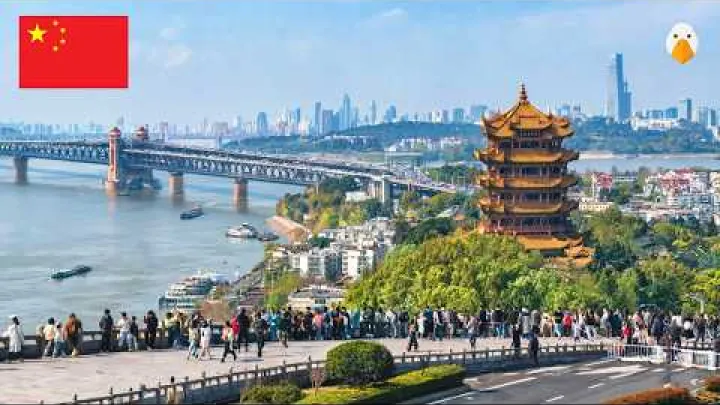
Wuchang is the most useful side for Yellow Crane Tower, parts of East Lake, and cultural sightseeing around museums and historic sites. Hankou is the stronger choice for Jianghan Road, the central commercial city, the Hankou riverfront, restaurants, and historic architecture. Hanyang is important to Wuhan's wider identity and can be worthwhile for a longer visit, but many first-time travelers do not need to make it their main base.
Use these names as planning categories rather than assuming that every attraction belongs to a modern district with the same character. When booking a hotel or planning a route, identify the exact station, river crossing, and neighborhood rather than relying only on the word Wuhan in an address.
Best Base Areas for First-Time Visitors
Hankou around Jianghan Road and the riverfront is the best all-purpose base for many first-time visitors. It suits travelers who want restaurants, shopping, historic streets, evening walks, and a lively central-city atmosphere after sightseeing. It is especially convenient if your itinerary gives equal weight to Hankou heritage and Wuchang landmarks, provided you are comfortable using the metro or a taxi for the river crossing.
Wuchang is the better base for a culture-and-scenery-focused trip. Choose it when Yellow Crane Tower, museums, East Lake, and slower daytime exploration are the main reasons for visiting. A Wuchang hotel can reduce transfers on days centered on those sights, even if it gives you a longer journey to Hankou's evening areas.
Optics Valley and newer business-oriented areas suit a different kind of stay. They can work well for business travel, university visits, conferences, or travelers who prioritize a modern hotel environment. They are usually less convenient as a first-time historic sightseeing base unless your planned activities are already concentrated there. Resort-style or outer-area accommodation should be selected for a specific reason, not simply because the nightly rate looks lower.
How to Choose a Hotel in Wuhan
Compare hotels by the route you will actually use, not only by star rating or room photographs. The nearest metro station, the walking distance to that station, and the number of transfers to your main attractions can change the practical value of a room. Also compare access from your chosen railway station and the likely airport route, especially if you arrive with luggage or leave early.
- Confirm whether the property can complete registration for your passport or other travel document before payment.
- Check accepted payment methods, cancellation conditions, luggage storage, and late-arrival arrangements.
- Ask about air conditioning for summer and reliable heating for cooler months.
- Read recent reviews for noise, room condition, construction, and the actual walk to transport.
- Save the hotel's Chinese name, address, and telephone number offline for taxis, ride-hailing, maps, and assistance.
For a first trip, a clean hotel near a useful metro station is often better value than a cheaper property that requires a long taxi ride every day. English-language support differs between properties, so contact the hotel directly when an important arrival or registration detail is unclear.
Choose the Best Time to Visit Wuhan
Wuhan's seasonal pattern affects how much time you will want to spend outdoors. Since the most attractive city days combine walking with parks and river views, choose dates according to your tolerance for heat, humidity, cool air, and changing rain rather than relying on a single ideal-season label.
Spring, Summer, Autumn, and Winter in Wuhan
Spring and autumn are typically the most comfortable seasons for combining outdoor walking, East Lake, Yellow Crane Tower, riverfront areas, and cultural attractions. Conditions can still vary, but these seasons generally make it easier to spend several hours outside without building the whole day around air conditioning or shade.
Summer is typically hot and humid. Long distances across exposed parks, waiting in outdoor areas, and repeated crossings between districts can feel demanding, particularly in the middle of the day. Start early, use indoor breaks, and avoid planning more outdoor stops than your energy allows.
Winter is cooler and can feel damp. It can be suitable for museums, food exploration, and shorter walks, but choose accommodation with appropriate heating and pack layers. In every season, the weather is a planning factor rather than a guarantee, so leave room to change the order of your days.
Match Your Itinerary to the Weather
Check a current official forecast before finalizing outdoor days. In warm weather, place East Lake, Yellow Crane Tower, the riverfront, and other exposed activities in the morning or later afternoon. Allow more time than the map suggests for shade, rest, water, and transport between separate entry points.
Build an indoor alternative into each outdoor-heavy day. The Hubei Provincial Museum can complement East Lake, while a museum or indoor meal stop can protect a Hankou walking plan from a period of rain. Do not assume that light rain will affect every attraction equally; an exterior viewpoint, a large park, and an indoor gallery create different experiences.
Carry light rain protection during variable seasons and use layers in winter. For summer bookings, treat dependable air conditioning as a practical hotel requirement. If the forecast changes, replace one exposed activity rather than abandoning the entire day. This is one reason a three-day Wuhan itinerary is easier to manage than a tightly packed two-day schedule.
Get to Wuhan and Move Around the City
Wuhan is served by a major airport, several important railway stations, a metro system, buses, taxis, and walking routes. The best choice changes with your arrival point, luggage, hotel location, time of day, and comfort with Chinese-language transport information.
Arriving by Air at Wuhan Tianhe International Airport
Wuhan Tianhe International Airport is the city's main air gateway. The usual public transport choices described for the airport include metro Line 2, airport buses, taxis, and an intercity rail option. The ChinaAirlineTravel airport guide presents these as the main categories for traveling between Tianhe and downtown.

Metro Line 2 is a useful choice when your hotel is close to a station and you are arriving during service hours with manageable luggage. An airport bus may be more suitable for a destination on its route or for travelers who prefer fewer station changes. A taxi is usually simpler for heavy bags, a group, or a hotel that is not close to the metro. An intercity option may help some onward journeys, but its usefulness depends on your exact destination and connection.
For a late arrival, do not assume that every public option remains equally convenient. Keep your hotel name and address accessible offline, know how you will contact the property, and allow for the possibility that a direct taxi is more practical than a complex transfer. The airport route should be chosen together with the hotel location, not after booking an isolated room based only on price.
Arriving by High-Speed Rail
Wuhan, Hankou, and Wuchang railway stations are separate stations in different parts of the city. The names can be confusing during booking, particularly when a train search shows several options for what appears to be the same destination. Select the station according to your accommodation, your first planned attraction, and any onward route rather than assuming that all high-speed trains use one central terminal.
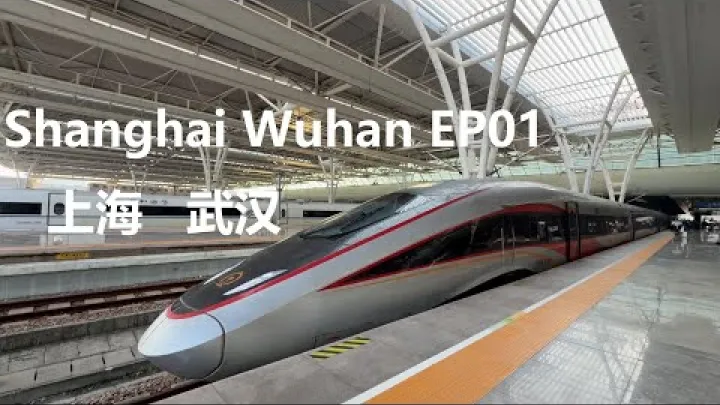
In broad planning terms, Hankou station can be convenient for the Hankou side of the city, Wuchang station can be useful for the historic Wuchang area, and Wuhan Railway Station may be more suitable for a route whose ticket specifically uses that station. The best option still depends on the train schedule and the exact hotel address. Check the English and Chinese station names displayed on your booking and on your transfer plan.
High-speed rail makes Wuhan a practical link to other major Chinese cities and to Hubei journeys such as Yichang. A rail trip is not only a matter of the train's scheduled duration: include time for reaching the station, security checks, finding the correct waiting area, handling luggage, and recovering from a delay. Avoid booking a tight connection between an arriving flight, one railway station, and a second city.
Using the Metro, Buses, Taxis, and Walking
The metro is the main tool for longer urban trips between Wuchang, Hankou, Hanyang, railway stations, airport connections, and newer business areas. It is often easier to plan than a road journey through a large city, but stations can involve substantial walking, stairs, crowds, and multiple exits. Buses extend coverage where a metro route is not direct and can be useful when you are not carrying much luggage.
Taxis are useful for a direct hotel-to-attraction trip, heavy bags, a small group, or a late or uncomfortable transfer. Walking works best within compact clusters. Jianghan Road, parts of the Hankou riverfront, and some Wuchang sightseeing areas can be explored on foot, but do not assume that all landmarks shown near one another on a map form a short walk.
Use this simple decision rule:
- Walk when the route stays within one compact historic, commercial, or riverfront area.
- Use the metro for cross-city trips, railway stations, and planned routes between major urban areas.
- Choose a bus when it provides a direct route that avoids a difficult metro transfer.
- Choose a taxi when luggage, weather, group size, timing, or a remote hotel makes a public-transport route inefficient.
International visitors should prepare for crowded transit, variable English support, and the limitations of relying on local apps without setup. Save attraction, station, and hotel names in Chinese, keep route details offline, and plan a buffer for station exits and transfers. Confirm current airport, rail, metro, and bus schedules, fares, first and last departures, and service changes close to each journey. This is particularly important when connecting to a flight or high-speed train.
Build a Wuhan Sightseeing Plan
Wuhan rewards geographic clustering. The main attractions are more enjoyable when you choose one area for a substantial part of the day instead of trying to cross the rivers repeatedly for a series of short visits.
Yellow Crane Tower and Wuhan Yangtze River Bridge
Yellow Crane Tower is Wuhan's strongest historic and cultural anchor for a first visit. Its elevated position connects the experience to views of the Yangtze and the Wuhan Yangtze River Bridge, while the surrounding pavilions and nearby Wuchang streets give the visit more depth than a quick photograph.
Plan the tower, bridge viewpoints, nearby historic spaces, and a meal at Hubu Alley as one Wuchang cluster. This keeps walking and transfers manageable and gives you time to pause rather than treating every stop as a separate cross-city excursion. The Wuhan Municipal Government tourism pages list Yellow Crane Tower, the Wuhan Yangtze River Bridge, and Hubu Lane among the city's visitor attractions.
Check current entry rules, ticketing, opening arrangements, and access conditions before fixing this visit in your schedule. The bridge and tower views are also dependent on visibility, so treat them as an opportunity rather than a promise of a clear panorama.
East Lake Scenic Area and Hubei Provincial Museum
East Lake is a large, spread-out scenic area. Do not plan to cover the entire lake in one casual walk. Choose a shore, entry point, park area, or cycling route that matches the time and energy you have available. A shorter lakeside outing may be enough for a two-day trip, while a slower visit can support a longer walk, cycling, or several scenic stops.
The Hubei Provincial Museum is a useful indoor partner for East Lake. It adds regional history and collections to an outdoor day and gives you somewhere to spend time when heat or rain makes a long lakeside route less comfortable. If you prefer museums, start with the museum and select a nearby lake route afterward. If you want a scenic morning, begin outside and use the museum as the afternoon focus.
Do not assume that the museum and every East Lake attraction share one schedule or one ticket. Individual sites may have different hours, reservation arrangements, entry rules, or closure notices. Build the day around the specific places you intend to enter, not around the name East Lake alone.
Hankou Riverfront and Historic Architecture
A Hankou walking route can center on Jianghan Road, the Hankou riverfront, and the Hankow Customs House Museum. The route combines a commercial street, historic architecture, river views, restaurants, and ordinary city movement. It provides a useful contrast to Wuchang's landmark-focused sightseeing.
Separate exterior walks from indoor visits when planning. You can still enjoy the street and architectural route if a museum is closed, but an interior visit requires its own opening arrangement. A late-afternoon start can lead naturally into an evening meal or riverfront walk, while a daytime visit may be more comfortable for travelers who want to examine buildings and streets at a slower pace.
Keep the evening plan flexible. Restaurant choices, temporary access restrictions, weather, and crowd conditions can change the best order of stops. The purpose of the Hankou route is not to check off every building; it is to connect the commercial, architectural, and river identity of this part of Wuhan.
Additional Stops and Short Trips from Wuhan
The Mulan Cultural and Ecological Tourism Area is an additional Wuhan-area option for travelers with extra time and an interest in landscapes or cultural sites. Treat it as a separate outing rather than as another central-city attraction. Its value depends on your preferred pace and on the current transport and site arrangements.
Yichang and the Three Gorges are better understood as a regional Yangtze extension, especially for travelers interested in river scenery or a cruise connection. Wudang Mountain is a different type of extension, suited to travelers interested in Taoist heritage and mountain landscapes. Neither should be added casually to a tightly planned city day. Allow time for rail connections, gateway transfers, an overnight stay when needed, and weather flexibility.
As a general rule, choose one regional extension unless you have enough nights to travel between places without reducing Wuhan to a series of transfers. A city visit and a Hubei circuit are both worthwhile, but they require different pacing.
Eat, Walk, and Experience Everyday Wuhan
Major landmarks explain Wuhan's history, but food streets, parks, university areas, and riverfronts show how the city is used every day. Leave some time for low-pressure experiences that do not depend on a strict attraction schedule.
Try Wuhan Specialties and Food Streets
Hot-dry noodles, or re gan mian, are the most recognizable Wuhan specialty. The dish is served without a conventional soup and is mixed with its seasoning before eating. Fish-based soup noodles offer a contrasting local choice for visitors who want a broth-based meal. Menus and preparation vary, so treat these as starting points rather than fixed versions that taste identically everywhere.
Hubu Alley, also called Hubu Lane, is an accessible first stop for trying local snacks near the Wuchang sightseeing cluster. It is useful for sampling several items in one visit, but individual stalls, menus, quality, and opening hours can differ. Consider it a convenient introduction to Wuhan food rather than evidence that every vendor represents the same standard or style.
Visitors with dietary restrictions should ask about ingredients, broth, sauces, spice, oil, peanuts, sesame, and cooking methods. A vegetarian label may not answer whether a dish uses animal stock, and a dish that appears simple may contain several seasonings. Save a short translated dietary note, point to menu pictures when needed, and choose smaller portions when you are testing an unfamiliar food.
Use Riverfronts, Parks, and Neighborhoods to See Local Life
A Hankou riverfront walk is an easy way to slow down after a museum or commercial street. East Lake provides a larger outdoor setting, while a university-area stroll or a neighborhood park can offer a quieter view of daily life. These activities complement the major monuments by showing Wuhan as a lived-in river city rather than only a collection of visitor sites.
Set a concrete starting point, then allow room for observation. You might walk from a metro exit toward the river, spend a short period beside the lake, or sit in a public park before continuing to dinner. The experience will not represent every part of Wuhan, but it can reveal local routines, exercise, family time, and the scale of the city's public spaces.
Take photographs respectfully, especially around residents, children, schools, and private activity. Keep distances and your own energy in mind; wandering is most enjoyable when it remains optional rather than becoming a long walk back to a distant hotel.
Plan Accommodation Costs and a Realistic Budget
A Wuhan budget is easier to manage when you separate city spending from hotel costs and intercity travel. Dates, neighborhood, room type, booking conditions, and the number of paid attractions can change the total more than the city label alone suggests.
Where Your Money Goes
Build the budget around these categories:
- Accommodation, including the difference between a central room and a cheaper room farther from a metro station.
- Meals, from local noodle shops and snack stops to sit-down restaurants and hotel dining.
- Local transport, including metro, buses, taxis, and airport transfers.
- Attraction admissions and any reservation or activity fees.
- High-speed rail, station transfers, and accommodation for a Hubei extension.
- Optional tours, cycling, cruises, special meals, luggage services, and other activities.
Wuhan may offer a wider range of prices than China's most expensive coastal hubs, but that does not make every trip inexpensive. A basic room in a convenient location, regular local meals, and metro travel create a different budget from a full-service hotel, frequent taxis, and regional rail. A broad China travel-cost guide such as Never Ending Footsteps can provide general context, but its figures should not be treated as a verified Wuhan average.
Match Accommodation to Area and Trip Style
Central Hankou is a strong fit for visitors who want dining, shopping, riverfront walks, and easy access to a busy urban environment. Cultural Wuchang is more suitable when Yellow Crane Tower, museums, East Lake, and historic sightseeing dominate the plan. Newer business areas such as Optics Valley can be practical for work, university, or conference travel and may offer a hotel style that is less connected to a first-time visitor's historic route.
Value depends on the whole itinerary. A cheaper room far from a metro station may produce additional taxi costs, longer transfers, and less time at attractions. A slightly more expensive central room may be the better choice if it reduces daily movement and makes an early departure easier.
Before payment, compare current reviews, room conditions, cancellation terms, check-in requirements, and late-arrival arrangements. Check the actual map position rather than relying on a neighborhood name. A property described as being near a landmark may still require a long walk, a river crossing, or a transfer.
Keep the Budget Flexible
Reserve extra time and money for airport transfers, station transfers, changed attraction plans, weather adjustments, and regional rail connections. Do not build a budget that assumes every day will use the cheapest transport or that every planned site will be open at the preferred time.
Confirm current hotel, attraction, taxi, rail, and meal prices close to departure. The available general China cost information does not establish a complete current Wuhan price list, and individual businesses may change prices or booking conditions. Use the price shown for your dates and property rather than an old citywide estimate.
Prepare more than one payment method. Carry a backup option in case a card, phone, app, or network connection does not work as expected, and keep booking details available offline. This does not mean every Wuhan business accepts the same payment methods; ask the hotel and larger attractions about their current arrangements.
Stay Safe and Compliant in Wuhan
Most safety planning for a city visit is practical and straightforward. Prepare for ordinary urban conditions, understand the limits of unfamiliar services, and keep legal and administrative questions separate from everyday sightseeing decisions.
Everyday Safety in Crowds, Traffic, and Attractions
Pay particular attention in crowded metro stations, trains, markets, and food streets. Keep phones, wallets, passports, and bags secure, especially when boarding or leaving public transport. Traffic also requires active attention: check carefully before crossing, use marked crossings where available, and do not assume that a vehicle will stop simply because you have priority.
At parks and viewpoints, stay behind barriers and use marked paths. Take extra care near the Yangtze, East Lake, elevated viewpoints, uneven surfaces, and any water activity. Do not enter restricted areas or use unsanctioned boats, equipment, or routes. Choose established public transport and licensed taxi services, follow posted notices, and avoid treating a scenic setting as risk-free.
Use calm, conservative judgment about operators and facilities. The current China Travel Advisory warns that tourism safety inspections may be inconsistent and that dangerous areas or activities are not always clearly marked. That does not require an alarmist approach, but it does mean you should not assume that every attraction or activity meets the standards familiar from home.
Emergency, Health, and Water Basics
The commonly cited emergency numbers in mainland China are 110 for police, 119 for fire, and 120 for an ambulance. Save them with your hotel address and keep the details accessible even if your phone is offline. English-language assistance should not be assumed in every emergency, so ask hotel, railway, airport, or local staff for help communicating when necessary.
Use sealed bottled water or boiled water if that is your normal travel precaution. Carry essential medication in its original packaging, a translated description of important medical conditions, and your insurer's contact details. Keep copies of prescriptions and important documents separate from the originals.
Before departure, identify your embassy or consulate contact method and understand how your travel insurance handles medical care, evacuation, lost documents, and cancellations. Confirm emergency information against the latest official advisory and keep a written backup in case your phone battery or connection fails.
Legal and Internet Rules to Check Before Departure
Internet access, the use of VPNs or other internet tools, demonstrations, photography near sensitive sites, drug laws, visa compliance, and document requirements may differ from the rules in your home country. Availability and legal treatment can also depend on the current situation, so do not assume that a service or practice familiar to you will work in the same way in Wuhan.
Avoid demonstrations and political gatherings. Do not photograph police, protesters, security installations, or sensitive sites without permission. Keep your passport, visa or entry record, and other travel documents valid and accessible, and follow the conditions attached to your stay.
Read the latest government travel advisory and confirm current Chinese entry and administrative requirements before departure. The China Travel Advisory is one reference for travelers who need to review legal, safety, internet, health, and consular considerations. If your nationality, visa status, work arrangement, or planned activity is unusual, seek advice from the relevant official authority rather than relying on a general travel article.
Build a Practical Wuhan Itinerary
The most reliable Wuhan itinerary is organized by geographic cluster and personal energy. Treat the suggestions below as frameworks, not a race through every named attraction, and leave enough time for meals, walking between exits, and transport changes.
A Two-Day Wuhan Itinerary
Day one: Wuchang culture and food. Begin with Yellow Crane Tower and allow time for its viewpoints and surrounding spaces. Continue toward viewpoints of the Wuhan Yangtze River Bridge and nearby Wuchang streets. Use Hubu Alley or another nearby meal stop for local noodles and snacks, then keep the rest of the afternoon for a slower walk, a second landmark, or rest. This sequence works because the main experiences remain in the same broad part of the city.
Day two: East Lake and the museum. Choose one East Lake route rather than trying to circle the entire scenic area. Pair outdoor time with the Hubei Provincial Museum so the day has both a landscape focus and an indoor focus. If the weather, energy level, or opening arrangements do not suit East Lake, substitute a Hankou route through Jianghan Road, the riverfront, and historic architecture.
Keep optional stops clearly separate from essential ones. A two-day plan should not require repeated river crossings, a long outer-area trip, and several timed tickets on the same day. Leave transport buffers, and choose the alternative route before the day begins so a change does not become a stressful search for a replacement.
A Three-Day Wuhan Itinerary
Day one: Wuchang landmarks. Use Yellow Crane Tower, bridge views, nearby streets, and a local food stop as the main focus. You can finish early or add a carefully selected nearby activity if your energy remains high.
Day two: Hankou city life and history. Explore Jianghan Road, the Hankou riverfront, and the exterior architecture around the historic commercial area. Add the Hankow Customs House Museum when its arrangements fit your schedule, then leave time for a meal or an evening walk.
Day three: East Lake, Hubei Provincial Museum, or a slower city day. Give East Lake and the museum the time they need, or use the day for food exploration, a neighborhood park, a university-area walk, and rest. This sequence gives you flexibility if the first two days are affected by heat, rain, queues, or a slower pace. The goal is one major focus each day, not the maximum number of attractions.
Choose One Hubei Extension
Choose Yichang and the Three Gorges if your priority is Yangtze River scenery, a river-focused journey, or a cruise connection. Plan it as a regional segment with rail travel, transfers, and an overnight arrangement when necessary. It is not simply another central Wuhan attraction.
Choose Wudang Mountain if you are more interested in Taoist heritage and mountain landscapes. This option requires attention to the gateway station, onward transport, walking conditions, and the time needed for a mountain visit. Its appeal is different from Wuhan's riverfront and urban history, so select it because it matches your interests rather than because it is another famous Hubei name.
The Mulan Cultural and Ecological Tourism Area can be considered as an additional Wuhan-area outing when you have extra time, but it should not be combined automatically with either regional extension. Before booking, set your dates, choose a base area, confirm current transport and attraction arrangements, save an indoor itinerary alternative, prepare a backup payment method, and read the latest safety and legal guidance. One well-supported extension is usually more satisfying than several rushed transfers.
Select area
Create a post
Posting is free and no registration is required.