Urumqi Budget: Daily Travel Costs, Prices, and Saving Tips
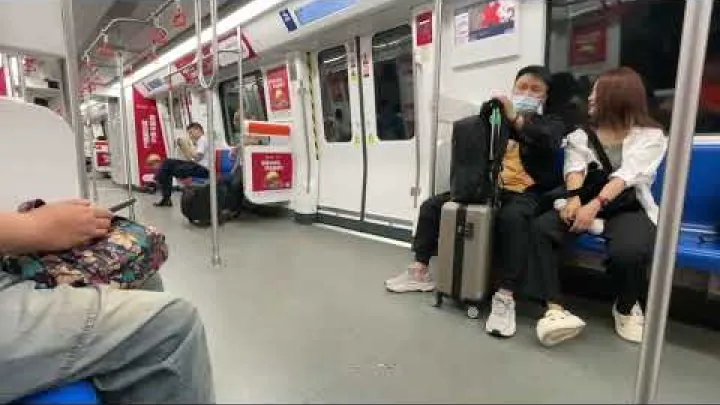
Planning an Urumqi budget is easier when you separate an ordinary city day from the cost of exploring the wider Xinjiang region. Accommodation, local meals, public transport, and inexpensive attractions can support a moderate daily budget, while Heavenly Lake, Kanas, Turpan, and other longer excursions can change the total quickly. This guide gives practical CNY ranges for budget, mid-range, and comfortable travel, explains the main Urumqi prices to plan for, and shows how room choice, transport, season, and payment access affect spending. All figures are planning estimates rather than guaranteed tariffs.
Urumqi Travel Budget at a Glance
Urumqi can work as both a city-break destination and a starting point for a larger Xinjiang itinerary. Those two uses have different cost structures. A visitor who stays in the city, eats local food, and uses buses may spend far less than someone who books private transport to a remote scenic area.
What the Daily Budget Covers
Unless stated otherwise, estimates are in Chinese yuan, written as CNY or RMB, and calculated per person per day. Accommodation assumptions matter: a dorm bed or a private room shared by two people produces a different per-person cost from a private room occupied alone.
A normal city-day estimate can include one night of accommodation in Urumqi, three meals, water and modest snacks, local buses, BRT, metro, or occasional short taxi rides, and ordinary city sightseeing. It normally excludes international or domestic flights, visas, insurance, airport transfers, long-distance trains and buses, regional car rental, and organized multi-day tours. Add those items separately, especially on arrival and departure days.
Ranges are more useful than one exact Urumqi travel cost because prices change with season, room availability, cancellation terms, dining style, payment method, and the number of excursions. Resident cost-of-living figures may show that everyday prices are moderate, but they are not guaranteed short-term tourist prices.
Budget, Mid-Range, and Comfortable Daily Ranges
The following bands apply to city-focused days and do not average regional excursions into every day.

| Travel style | Accommodation | Food | Local transport | Activities | Planning total |
|---|---|---|---|---|---|
| Budget | Low-cost bed or basic shared room | ¥80–100 | ¥6–20 | Free or low-cost attractions | About ¥200–400 |
| Mid-range | Private room, often shared by two people | ¥150–220 | About ¥30–100 | Regular paid activities | About ¥600–1,000 |
| Comfortable | Higher-quality hotel or private room | About ¥250–400 or more | Frequent taxis or private transport | Paid attractions and excursions | About ¥1,200–2,000 or more |
A budget traveler can stay near the lower end by using a dorm or shared room, eating local meals, and choosing free city activities. The upper end may apply to a solo traveler who needs a private room or several taxi rides. Mid-range travel usually means a private room, sit-down meals, some taxis, and a mixture of free and paid sightseeing.
The comfortable range is open-ended. A better hotel, airport transfer, private driver, special dining, or organized excursion can push one day above ¥2,000. An older firsthand guide from The Wandering Juan is useful historical context, but its 2019 prices should not be treated as current rates.
City-Only Days Versus Xinjiang Excursion Days
The most common budgeting mistake is dividing the full cost of a Xinjiang itinerary by the number of days and treating the result as an ordinary Urumqi day. A city day may fit within ¥200–1,000, while a remote scenic-area day can require long-distance transport, entrance fees, internal shuttle buses, food, and a guide or driver.
Use this formula for each regional trip:
Regional excursion total = long-distance transport + scenic-area tickets and internal transport + accommodation outside Urumqi + food + guide, driver, or tour fee + optional spending.
A reported DIY benchmark for Heavenly Lake was about ¥225 for listed transport and fees before food. Treat it as a dated personal-trip example, not a universal current tariff. A reported Kanas entry figure of about ¥230 included an internal bus, but did not represent the full cost of reaching Kanas from Urumqi, staying nearby, or eating during the trip. Some Urumqi day-tour listings have appeared around US$192–269; check whether each price is per adult, per person, or per group and what it includes.
Accommodation Prices in Urumqi
Accommodation often determines whether an Urumqi budget feels inexpensive or costly. Compare the complete booking conditions, including location, room occupancy, breakfast, cancellation flexibility, and guest eligibility.
Hostels, Budget Hotels, and Mid-Range Rooms
A 2026 Hostelz snapshot displayed Urumqi figures around US$4 per dorm bed and US$32 per private room, while availability and the lowest advertised rate could differ by date. These are listing examples, not guaranteed citywide averages.

For planning, use broad categories rather than building the trip around the cheapest result:
| Accommodation type | Planning approach | Main variables |
|---|---|---|
| Dorm bed | Lowest-cost option when available | Availability, season, location, guest policy |
| Basic hotel room | Low-cost private-room allowance | Room standard, cancellation, breakfast, eligibility |
| Mid-range hotel | Private room with more predictable facilities | Central location, dates, services, demand |
| Comfortable hotel | Higher allowance for space and flexibility | Brand, room size, events, weekends, holidays |
Hostel supply may be more limited than the wider hotel market, so a slightly more expensive hotel can provide more dates, better transport access, or clearer booking conditions. For two people, sharing a private room can lower the per-person cost even when the room price exceeds one dorm bed.
Seasonality, Location, and Guest-Acceptance Checks
Urumqi hotel prices can move with winter demand, summer availability, weekends, national holidays, and local events. A central location may cost more but reduce taxi use. An outlying room may be cheaper while adding time and transport costs.
Foreign passport holders should pay particular attention to eligibility. Some lower-cost guesthouses or properties in parts of Xinjiang may have more limited foreign-guest acceptance than larger hotels. Policies vary by property and date.
- Confirm that the accommodation accepts your passport before paying a non-refundable rate.
- Ask whether breakfast, taxes, deposits, and other services are included.
- Check cancellation deadlines, check-in hours, identification requirements, and the address.
- Compare the room price with the cost of reaching your planned attractions.
Food and Drink Costs in Urumqi
Food is one of the more flexible parts of an Urumqi travel budget. Local noodles, rice dishes, kebabs, and simple restaurants can keep spending moderate, while specialty coffee, imported products, Western-style food, and fine dining raise the allowance.
Low-Cost Local Meals and Markets
An inexpensive-restaurant benchmark of about US$3, or roughly ¥20 at a representative exchange rate, is a dated planning reference rather than a fixed menu price. Current prices vary by portion, neighborhood, restaurant type, and costs.
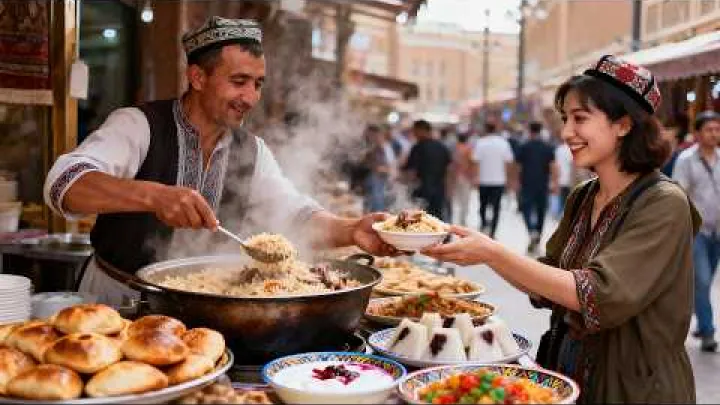
Value-oriented choices can include noodles, pilaf, kebabs, and other simple local dishes. Small restaurants and local markets may offer better value than visitor-focused venues. At the Xinjiang International Grand Bazaar, record shopping and sightseeing expenses separately from food because tourist-facing prices vary.
A low-cost food day should allow for breakfast, three meals or a larger lunch, water, and a small snack. A practical planning band is about ¥80–100 for travelers who mainly choose inexpensive local food and limit cafes and special drinks. Prices from other Xinjiang cities should not automatically be transferred to Urumqi.
Mid-Range Dining, Coffee, and Western-Style Food
Broad cost-of-living benchmarks have included about US$18 for a three-course meal for two and about US$3 for coffee. These figures provide context, but exchange rates, restaurant changes, and venue differences make them unsuitable as fixed current menu prices.
For a mixed mid-range food day, plan roughly ¥150–220. This can cover local food, one comfortable sit-down meal, coffee, water, and snacks. Western-style meals, specialty coffee, imported ingredients, and fine dining can push the total higher. Older restaurant reviews may describe venues that are now closed, so use live menus or recent listings for specific meals.
Build a Daily Food Allowance
| Food style | Example structure | Planning allowance |
|---|---|---|
| Frugal | Three inexpensive meals, water, small snack | About ¥80–100 |
| Typical | Local meals, one sit-down meal, coffee, snacks | About ¥150–220 |
| Splurge | Higher-end meal, repeated cafes, or international food | Add a separate amount |
As an illustration, a frugal day might allocate ¥20–30 for breakfast, ¥20–35 for lunch, ¥30–45 for dinner, and the remainder for water or snacks. Dietary restrictions, allergies, alcohol, and imported food may require a higher allowance.
Getting Around Urumqi on Different Budgets
Local transport is inexpensive when an itinerary stays within the city. Costs rise when convenience requires repeated taxis or when a city stay becomes a regional road trip. Keep urban movement and intercity access on separate budget lines.
Bus, BRT, and Metro Fares
A practical planning benchmark for buses and BRT is about ¥1–3 per ride. Several public-transport journeys can therefore keep a city day around ¥6–20, depending on the number of rides and current fares. Urumqi Metro Line 1 is another urban option, but check its current fare, payment method, and last service time locally. TravelChinaGuide provides background on buses, taxis, metro, and rental cars, although older fare figures should not be treated as current.
Public transport suits travelers with flexible schedules and light luggage. It may be less convenient when a hotel is far from a station, several people are traveling together, or a day includes time-sensitive stops.
Taxi Costs and When They Make Sense
Published Urumqi taxi snapshots do not always agree. One older description lists a ¥10 starting fare for the first 3 kilometers and older additional-kilometer rates, while a newer-style calculator shows a higher distance-rate scenario. These differences may reflect source dates or tariff assumptions.
For planning, short urban rides of roughly ¥15–40 are an indicative scenario, not a guaranteed price. Traffic, distance, waiting time, and time of day affect the fare. Several rides may bring transport to ¥30–80; repeated taxi use can push a day toward ¥60–120 or more. Taxis make sense for luggage, late travel, poor transit coverage, or a tight schedule. Confirm the meter or app fare and keep airport and intercity transfers separate.
Car Rental and Regional Transport
A reported car-rental range of roughly ¥100–800 per day covers a broad range of vehicle types and is a vehicle-only benchmark. A driver may add a separate daily charge. Also list fuel, deposits, insurance, tolls, mileage limits, and provider fees.

Historical examples such as Urumqi–Burqin transport or Fukang–Heavenly Lake transfers illustrate cost structure but require current checking. Include connections to the departure point, waiting time, local transfers, meals, and nights outside Urumqi. Public transport or a shared tour often suits solo travelers; a private vehicle may become more competitive for couples or small groups when fixed costs are divided.
Attraction and Excursion Costs
Urumqi offers several low-ticket sightseeing options, but leaving the city introduces different costs. Separate admission from transport, food, optional rides, shopping, and scenic-area shuttles.
Free and Low-Cost Things to Do in the City
The Xinjiang Regional Museum can be planned as a free cultural option, but reservation, identification, opening hours, or entry procedures may apply. Confirm the current reservation and entry process before visiting.
Most of Red Hill Park is commonly described as free to enter, with possible charges for special viewpoints, rides, or optional features. Parks, public spaces, market streets, and walking exploration can create a low-cost day, although transport, water, food, and optional activities still cost money.
| Activity | Basic treatment | Possible separate cost |
|---|---|---|
| Xinjiang Regional Museum | Free-admission cultural option | Transport, reservation, entry conditions |
| Red Hill Park | Most of the park can be treated as free | Viewpoints, rides, optional facilities |
| Markets and public streets | Usually no standard browsing ticket | Food, shopping, paid experiences, transport |
Grand Bazaar and Optional Paid Experiences
The Xinjiang International Grand Bazaar can be visited as a market and urban attraction. Browsing, eating, and shopping are separate decisions from paying for an observation deck, performance, viewpoint, or bundle.
A 2026 Trip.com listing showed a Sky Mirror and gift package at approximately US$7–10. Treat this as an optional paid-experience example, not a universal admission price for the entire Grand Bazaar. The Trip.com listing can change, so check what the current price includes. Set an optional-spending limit before entering and keep shopping and food outside the ticket budget.
Heavenly Lake, Kanas, and Tour Packages
Heavenly Lake, Kanas Lake, and other remote attractions should not be hidden inside the basic Urumqi city rate. Their costs may include access, scenic-area admission, internal shuttle transport, food, and accommodation.
| Option | Reported benchmark | Costs to add |
|---|---|---|
| Heavenly Lake DIY | About ¥225 for reported transport and fees before food | Meals, water, lodging, incidental transport |
| Kanas entry | About ¥230 in a May 2024 traveler report, including an internal bus | Access, lodging, meals, other transfers |
| Urumqi day tour | Some reported listings around US$192–269 | Booking basis and inclusions |
These are dated examples, not current universal prices. A DIY trip may look cheaper until every transfer and meal is added. A tour may look expensive but include fixed costs. Request an itemized quote stating whether the price is per person or group and listing transport, tickets, meals, accommodation, guide services, internal buses, deposits, and cancellation terms.
How to Save Money on a Urumqi Trip
The largest savings usually come from travel dates, room occupancy, transport style, food choices, and the number of expensive regional excursions.
Peak Seasons, Holidays, and Event Demand
Hotel-platform snapshots have shown higher reported rates in some winter months and lower averages in some summer periods, but the pattern varies by property and demand. Weekends, Chinese New Year, October national-holiday travel, festivals, and local events can reduce availability or raise rates.
Compare several date ranges for the exact property and room type rather than labeling an entire season cheap or expensive. Check live hotel rates and attraction operating conditions for your dates, especially around holidays. Outdoor excursions may have different access or operating conditions from city attractions.
Lower Food and Transport Costs
- Eat locally: Noodles, pilaf, kebabs, and simple restaurant dishes support the lower food allowance, though dietary choice may be narrower.
- Use public transport: Buses, BRT, and metro can reduce routine costs, with more walking or travel time as the trade-off.
- Reserve taxis for high-value situations: Use them for luggage, late travel, poor access, or meaningful time savings.
- Buy water and snacks in Urumqi: Prepare before scenic-area visits, while remembering that prices and availability vary.
- Limit repeat small purchases: Coffee, special drinks, shopping, and optional experiences accumulate over several days.
Record each saving in the correct category: a bus changes transport, a local meal changes food, and skipping a paid viewpoint changes activities. This makes comfort trade-offs easier to manage.
Choose DIY Excursions and Share Fixed Costs Carefully
Compare complete DIY and tour costs using lines for long-distance transport, accommodation, food, tickets, internal scenic transport, driver or guide charges, and optional spending. Sharing a car or tour can reduce the per-person cost when fixed charges are divided among compatible travelers, but a low headline price may exclude meals, lodging, shuttles, or return transport.
For each option, record group size, inclusions, cancellation policy, and payment terms. Limit expensive excursions that do not match your priorities, balance them with free city days, and keep a separate contingency line for fare, ticket, or availability changes.
Plan for Payments, Currency, and Booking Friction
Prices here are in Chinese yuan, also called RMB or CNY. Dollar examples identify source snapshots only; their yuan value changes with the exchange rate. Use CNY in your budget spreadsheet and update conversions when booking or paying.
WeChat Pay and Alipay are widely used in China, but foreign visitors may encounter phone-number, bank-card, identity-check, or mini-program limitations. Carry a cash backup for small fares, restaurants, markets, outages, or a digital wallet that fails. Test payment apps and linked cards before travel, save booking addresses offline, and confirm accepted payment methods with hotels, attractions, and tour providers.
Sample Budgets for Different Trip Styles
The following examples cover accommodation, food, local transport, and ordinary city activities. They exclude flights, visas, insurance, and major regional tours.
A Three-Day Urumqi City Break
| Style | Daily band | Three-day total | Assumption |
|---|---|---|---|
| Budget | ¥200–400 | ¥600–1,200 | Dorm or shared basic room, local food, public transport |
| Mid-range | ¥600–1,000 | ¥1,800–3,000 | Private room, comfortable meals, some taxis |
| Comfortable | ¥1,200–2,000 or more | ¥3,600–6,000 or more | Better hotel, frequent taxis, paid experiences |
These totals are calculated from planning bands, not quoted packages. A worked mid-range ¥800 day might allocate ¥350 to accommodation, ¥180 to food, ¥70 to local transport, ¥150 to activities, and ¥50 to flexible spending. A solo traveler pays the full private-room cost, while two people can divide it. Keep airport, train, or other arrival and departure transport separate.
An Urumqi-Based Xinjiang Itinerary
Build a longer itinerary in blocks: Urumqi city days, each regional excursion, accommodation outside the city, and intercity transport. Use one worksheet row for each day and columns for transport, lodging, food, tickets, internal shuttles, and optional spending.
Three budget city days might require about ¥600–1,200 before excursions. Add the Heavenly Lake benchmark of about ¥225 only for its reported transport and fees, then add food and other required costs. A tour listing around US$192–269 may change the average substantially, and its CNY value and inclusions require checking. Compare total trip cost and the cash needed on actual excursion days, not only an advertised daily rate.
Is Urumqi a Good Budget Base in Xinjiang?
Urumqi is often practical because it combines an urban accommodation market, public transport, inexpensive food choices, free or low-cost attractions, and regional connections. It is not automatically the cheapest place for every meal or room, but it can make the complete itinerary easier to predict.
Urumqi Compared with Turpan and Kashgar
Compare Xinjiang cities using availability and logistics as well as the price of one room or meal. Traveler reports have described restricted foreign-guest acceptance or limited budget choices in some properties in Turpan and Kashgar. These are time-sensitive observations, not proof that either city is always more expensive.
| Base | Budget predictability | Cost issue to examine |
|---|---|---|
| Urumqi | Often easier to model with urban choices | Central rooms, taxis, and excursion access |
| Turpan | Varies when budget accommodation is limited | Room availability and transfers |
| Kashgar | Depends strongly on eligibility and supply | Accommodation acceptance, transport, access |
| Remote scenic base | Usually less predictable | Limited rooms, internal transport, seasonal access |
Urumqi may be more predictable even when another city has a cheaper meal or taxi. A room that is ¥50 cheaper is not a saving if it requires expensive transfers, rejects your passport, or creates an extra night elsewhere.
Choose Your Base by Budget and Trip Goals
Choose Urumqi when you want predictable city spending, public transport, cultural attractions, and regional connections. Consider Turpan, Kashgar, or a remote scenic base when its specific experience justifies additional lodging, access, and transfer costs.
- Compare the complete nightly cost, including transport to your planned attractions.
- Confirm passport acceptance and room availability for your dates.
- Estimate transfers, taxis, regional connections, tickets, and internal shuttles.
- Compare the complete itinerary rather than only the room rate.
The cheapest room and the cheapest complete itinerary are not always the same. Select the base that reduces the combination of accommodation, access, and paid logistics for your actual goals.
Bottom Line: Set a Flexible Urumqi Budget
For a city-focused trip, start with about ¥200–400 per person per day for budget travel, ¥600–1,000 for mid-range travel, and ¥1,200–2,000 or more for comfortable travel. Budget Heavenly Lake, Kanas, Turpan, Kashgar, and other regional travel as separate blocks.
State your room-occupancy assumption and keep food, local transport, activities, and regional access visible as separate lines. Compare dates, use public transport where practical, choose local meals, and share fixed costs only when inclusions are clear. A flexible CNY budget with a contingency line is more reliable than a precise figure based on an old listing or the cheapest available room.
Select area
Create a post
Posting is free and no registration is required.