Chongqing Travel Guide: 3-Day Itinerary, Food & Transport

This Chongqing travel guide is designed for first-time visitors who want to understand the city before they arrive. Chongqing combines steep hills, major rivers, dense neighborhoods, dramatic night views, and a strong food culture, but its vertical layout can make short distances feel surprisingly demanding. The guide explains how the city is organized, how to reach and navigate it, where to stay, what to eat, and how to choose between central attractions and longer excursions. It also includes seasonal advice, cost-planning guidance, safety considerations, and a flexible three-day Chongqing itinerary.
Chongqing at a Glance
Chongqing is easiest to plan when you think of it as both a compact central sightseeing area and a very large municipality. Most first-time itineraries focus on the Yuzhong Peninsula and nearby districts, while destinations such as Dazu or a Yangtze cruise require separate planning.
What Makes Chongqing Different from Other Southwest China Stops
Chongqing suits travelers who enjoy large cities, regional food, architecture, photography, public transport, and changing urban viewpoints. Its identity comes from the way roads, buildings, bridges, rail lines, and rivers occupy different heights. A short walk can move you from a commercial plaza to a hillside lane, a temple, a river overlook, or a station reached through a long underground passage.
The city is also a useful stop within a wider Southwest China journey. Chengdu is often chosen for its slower rhythm, teahouses, cultural sites, and panda-related travel, while Chongqing offers a denser and more vertical urban experience. The two cities complement each other, but Chongqing is not a substitute for every type of landscape in the region. Travelers seeking rural scenery, mountain recreation, or a quieter historical setting may want to add destinations beyond the central city.
Chongqing Municipality covers far more territory than the areas most visitors see. When an attraction is described as being in Chongqing, that does not necessarily mean it is close to Jiefangbei or the main riverfront. For a first visit, the best approach is to choose a central base, group nearby sights, and treat outlying attractions as deliberate additions.
How Many Days to Spend in Chongqing
Three days is a practical first-visit baseline for the central districts. It gives you time to see the Jiefangbei and Hongyadong area, visit a museum or historic site, experience a viewpoint or river crossing, and leave room for meals and navigation. It is long enough to experience the city without turning every part of the trip into a transfer.
- One to two days: Focus on central Yuzhong, Jiefangbei, Hongyadong, Chaotianmen, one cultural site, and one evening viewpoint or food route.
- Three days: Add the Great Hall of the People and Three Gorges Museum area, a selected historic site, and either Ciqikou or a flexible modern and indoor day.
- Four to five days: Consider a dedicated excursion such as Dazu Rock Carvings, or spend more time exploring food, neighborhoods, museums, and viewpoints at a slower pace.
- Longer stays: A Chongqing–Yichang Yangtze cruise can become a separate travel experience, but it should not be treated as a quick city attraction.
Count your arrival and departure time honestly. A late arrival may leave only an evening for sightseeing, while an early departure can make the final day unsuitable for a distant excursion. If your trip includes a cruise, Dazu, or another regional connection, decide whether the extra travel is worth reducing your central-city time.
Read Chongqing’s Districts and Vertical Layout
The Yuzhong Peninsula is the main orientation point for many visitors. Jiefangbei, Hongyadong, Chaotianmen, Luohan Temple, Shibati Old Street, and several central transport connections are concentrated there. The peninsula is surrounded by rivers and connected to other parts of the city by bridges, tunnels, roads, rail, and cableway services.
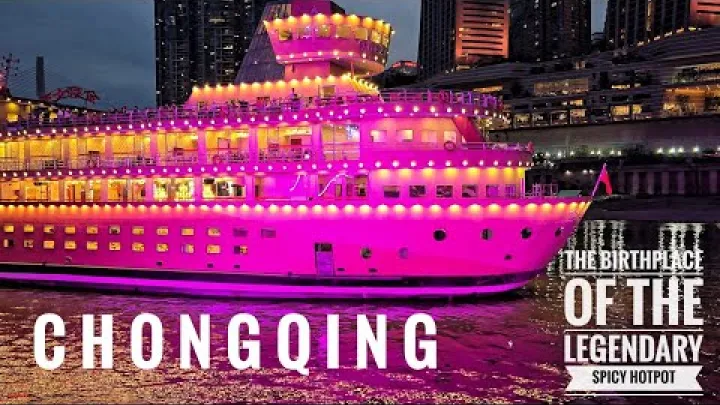
Jiangbei offers modern commercial areas and access to views across the water. Nan’an is another useful option for travelers interested in river perspectives and a base outside the busiest central streets. Shapingba is helpful for Ciqikou Ancient Town and some western connections. These districts are not interchangeable: staying across the river or farther west can change the time and effort required for an evening in Jiefangbei.
Chongqing also has many neighborhoods beyond the usual visitor route. The municipality’s large administrative area includes places that are better suited to nature, resorts, heritage excursions, or local travel than to a compact first visit. On a map, two points may look close, but the real route may include a steep slope, a bridge, a long station exit, several levels of a building, or a transfer between transport modes.
Before setting a daily route, plot the actual station exit and the entrance of each attraction. Check whether your map shows a walking route at street level or only a straight-line distance. Cluster sights by district and elevation, and add more movement time than you would in a flat city.
Getting to Chongqing and Moving Around
Chongqing is well connected, but the best transport choice depends on where you are staying, how much luggage you have, and whether your route crosses the city’s steep and busy central areas.
Check Entry Rules Before Booking
Some travelers may be able to use a reported 144-hour visa-free transit pathway associated with Chongqing, but this is a conditional transit arrangement rather than a general visa waiver. A Chongqing-focused overview from iChongqing describes the framework, but the details that matter to your trip must be confirmed through a current official Chinese immigration source or Chinese embassy and consulate guidance.
Eligibility can depend on your nationality, travel documents, the route between your origin and final destination, and confirmed onward travel where required. The qualifying journey generally needs distinct origin and final destinations rather than an ordinary return trip that does not meet the transit conditions. You also need to confirm the permitted area, how the 144-hour period is calculated, which entry points can process the arrangement, and whether your exact itinerary is accepted.
Do not book flights on the assumption that this option will apply automatically. Save your passport details, flight routing, onward ticket information, and accommodation details in one place, then compare them with current official requirements. If you do not qualify, follow the visa or entry process that applies to your nationality instead of trying to fit an ordinary holiday into a transit category.
Choose the Best Airport-to-City Transfer
Chongqing Jiangbei International Airport is the main arrival gateway for most visitors. From the airport, you can usually compare a taxi or private transfer, rail transit, and an airport express service. The useful question is not which option is always best, but which one matches your arrival time, luggage, budget, comfort level, and hotel location.
| Option | Best fit | Main consideration |
|---|---|---|
| Taxi or private transfer | Late arrivals, heavy luggage, direct travel | Traffic, variable cost, and communication |
| Rail transit | Budget-conscious travelers and light luggage | Transfers, station walking, and exit choice |
| Airport express | Travelers whose hotel suits the route | Operating hours, stops, and onward connection |
A taxi or prearranged transfer is usually the simplest option when you arrive late, have several bags, or need to reach a hotel that is not close to a station. Road traffic can make the journey less predictable, so avoid planning an immediate attraction with a strict entry time after landing.
Rail transit can be a practical lower-cost choice when you are comfortable with transfers and walking through a large station. An airport express may provide another direct connection, but its usefulness depends on the current route and your final destination. Airport transport information, terminals, and operating hours can change, so check the airport or transport operator information close to departure. The airport-to-city options are also summarized by Yangtze River Cruises.
Save your hotel name and address in Chinese characters before leaving the airport. A ride-hailing application, a printed or offline address, and the name of a nearby major building can make the first transfer easier if communication is difficult.
Use CRT and Local Maps for Daily Trips
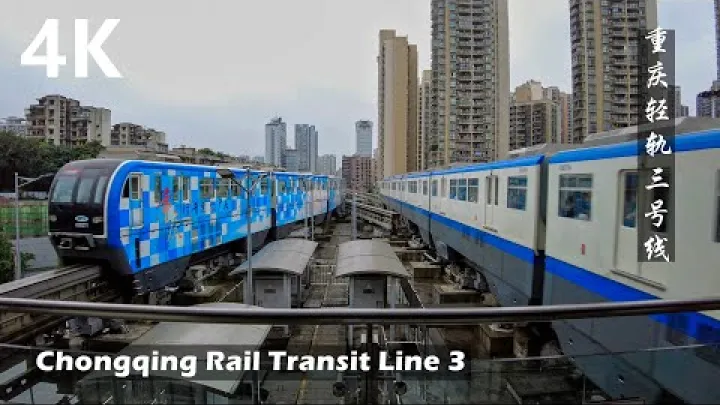
Chongqing Rail Transit, usually called CRT, is the main tool for many trips between central districts. The network includes conventional rail and monorail sections, and it reaches important visitor areas such as central Yuzhong, Liziba Station, and Ciqikou. Station names, exits, transfers, and service arrangements should be treated as current travel details rather than permanent facts.
Before each journey, follow a short process:
- Search for the destination using its Chinese name as well as its English name when possible.
- Check the complete route, including transfers and the station exit closest to the actual attraction entrance.
- Allow time for security screening, long corridors, stairs, escalators, and changes in elevation.
- Check the current CRT map, service status, transfer route, and last-train information on the day of travel.
Amap, Baidu Maps, Apple Maps, and route planners can be useful, depending on your phone, account, and connectivity. An online planner such as MetroMan can help compare connections, travel times, transfers, and fares, but use a current CRT map or station notice for final service information. Do not assume that every station has the same layout or the same level of English signage.
Connect Chongqing with Chengdu and Other Regional Stops
Chengdu and Chongqing are commonly paired because they offer different city experiences and are connected by intercity transport. Rail is often the most balanced choice for travelers who value a straightforward city-center connection, while air travel can suit a tight schedule or a flight-based itinerary. A long-distance bus may be useful for destinations that are not convenient by rail, but bus terminals, booking systems, and language support can be less familiar to international visitors.
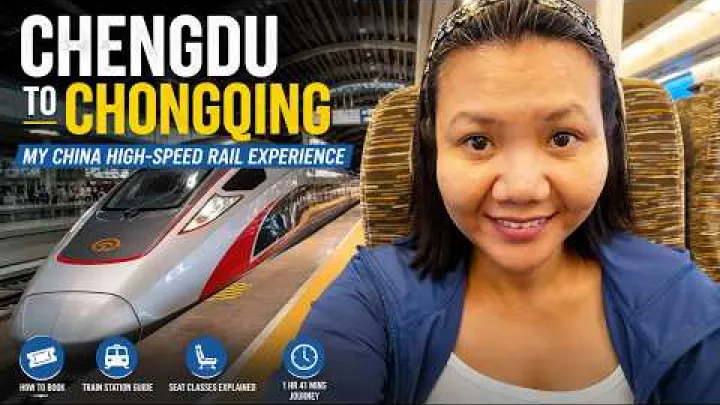
Choose the connection according to four practical factors: available time, luggage, comfort, and booking confidence. Rail may be preferable when you want to avoid airport transfers. Flying may make sense when a wider itinerary already uses airports. A bus can work when the destination is served more directly by road, but allow extra time to reach the terminal and identify the correct departure point.
Keep regional connections separate from central-city sightseeing in your plan. A transport hub or a distant district may be within Chongqing Municipality without being a convenient day trip from Jiefangbei. Check the current operator, departure station, schedule, and booking method for the exact date rather than building a route around an old timetable.
Where to Stay in Chongqing
Your accommodation area has a larger effect on a short Chongqing visit than a small difference in room price. A central base can reduce repeated crossings and leave more time for food, museums, and evening views.
Base in Jiefangbei and Central Yuzhong for a Short First Visit
Jiefangbei and nearby parts of central Yuzhong are the default base for many first-time visitors. From this area, you can reach or organize visits to Hongyadong, Luohan Temple, Chaotianmen, the Yangtze River Cableway, Shibati Old Street, central food streets, and several CRT connections. It is especially convenient when you have only two or three nights.
The main advantage is not that every attraction is immediately next door. It is that many of your evening meals, shopping stops, river views, and short sightseeing routes can begin from the same general area. Central lodging also makes it easier to return to your room between activities or change plans when the weather is uncomfortable.
The trade-off is density. Jiefangbei can be busy, active at night, and surrounded by commercial streets, slopes, and complex building entrances. A hotel listed as being in Jiefangbei may still be several minutes from the nearest useful station exit or may have an entrance on a different level from the road. Check the exact building entrance, walking route, and nearby CRT station rather than choosing only by the neighborhood label.
Choose Jiangbei, Nan’an, or Shapingba for a Different Balance
Other districts can be better when your priorities are more specific. Jiangbei suits travelers who want modern shopping, contemporary buildings, and access to views toward the central peninsula. Nan’an provides an alternative across the river and can appeal to visitors who prefer a different perspective on the central skyline. Shapingba is useful for Ciqikou Ancient Town and some western connections.
| Area | Useful for | Trade-off |
|---|---|---|
| Jiangbei | Modern shopping and river views | Some central sights require a cross-river trip |
| Nan’an | Alternative base and views toward Yuzhong | Daily routes depend on the exact location |
| Shapingba | Ciqikou and western connections | Longer journeys to central Yuzhong |
Select one of these areas when it supports your actual itinerary, not because a district name sounds more local or modern. Compare the hotel’s distance to a station, the route to Jiefangbei, the availability of late meals, and the number of daily transfers. River views also depend on the building’s position and room orientation, so treat them as a feature to confirm rather than an automatic result of staying in the district.
Use Beibei or an Outlying Base Only with Extra Time
Beibei and other outlying areas can suit travelers who want a resort, spa, nature-oriented stay, or a slower break from the central city. They are less suitable as a default base when the main purpose of the trip is to visit Jiefangbei, Hongyadong, museums, riverfront areas, and central food streets.
The benefit of an outlying base is a deliberate change of atmosphere. The cost is daily travel time, fewer spontaneous evening options, and less flexibility if a central attraction takes longer than expected. Before booking, check the property’s exact location, its connection to rail or road transport, and the realistic transfer time to the central districts. Choose this arrangement only when relaxation or a special nearby activity is more important than compact sightseeing.
What to See and Do
Chongqing’s attractions work best as clusters rather than as a list of isolated landmarks. Combine places at similar elevations or in the same district, then add one viewpoint or river experience to understand the city from a different angle.
Explore Jiefangbei, Hongyadong, and Chaotianmen
Jiefangbei, Hongyadong, and Chaotianmen form a logical introduction to central Chongqing. Jiefangbei provides a busy commercial center with pedestrian streets, department stores, restaurants, and urban movement. Hongyadong is a layered, river-facing commercial and viewing complex that shows how buildings and walkways use the hillside. Chaotianmen adds a broader river setting and a different scale of roads, bridges, and modern development.
The cluster brings together several sides of the city: shopping streets, vertical architecture, religious or historic traces, steep approaches, and major river infrastructure. It is easy to underestimate the time required because the locations appear close on a map. Entrances may be on different levels, and a route that looks direct may require a station exit, an escalator, or a climb through a neighboring street.
Use the area for daytime orientation and return for the evening atmosphere if you have the energy. The nighttime lighting experience deserves its own planning decision because crowds and operating conditions can change. Treat Hongyadong as a commercialized visitor area with visual appeal, not as an untouched historic district.
Add Cultural Sites, Ciqikou, and Old Streets
The Great Hall of the People and Three Gorges Museum make a useful cultural pairing near the People’s Auditorium area. Together, they can provide context for Chongqing’s civic identity, regional history, and relationship with the Yangtze River. They are a good choice when you want a structured indoor visit rather than another commercial viewpoint.
For a broader mix of interests, choose from Luohan Temple, Huguang Guild Hall, Shibati Old Street, and Ciqikou Ancient Town. Luohan Temple offers a religious site within the central urban area. Huguang Guild Hall adds historical and architectural interest. Shibati gives you an old-street setting within the changing central city. Ciqikou provides lanes, shops, snacks, and a more extended traditional-town visit outside the central peninsula.
Ciqikou should usually be planned as a focused half-day or longer visit. It is not an incidental stop between downtown landmarks, especially if you want to explore beyond the busiest commercial lanes. For every museum, temple, old street, or historic site, check current opening days, admission arrangements, renovation status, and access details before setting a fixed route.
See the City from the Cableway, Liziba, Parks, and Viewpoints
The Yangtze River Cableway can be meaningful for two reasons: it is a transport experience connected with the city’s river crossings, and it offers a different perspective across the water. It is most useful when combined with a nearby part of your route rather than treated as a guaranteed shortcut between unrelated districts.
Liziba Station is popular for the unusual sight of rail transit passing through a building. Eling Park and viewpoints around the People’s Auditorium area offer elevated perspectives, while Raffles City and the riverfront show a more modern architectural and waterfront side of Chongqing. Bridges can also provide strong views of the layered city, although the best angle depends on access, weather, traffic, and your willingness to walk.
Choose one or two viewpoint experiences based on your interest. Photographers may prefer contrasting elevations and bridge perspectives. Travelers interested in transport may prioritize the cableway and Liziba. Visitors focused on architecture may enjoy Raffles City and the modern skyline. Avoid trying to collect every lookout in one day; the effort of reaching each one can be greater than the map suggests, and views may be affected by weather or local operating arrangements.
Decide Between Dazu Rock Carvings and a Yangtze Cruise
Dazu Rock Carvings is the stronger extension for travelers interested in religious art, history, and heritage landscapes. It offers a different experience from central Chongqing because the focus is on carved religious imagery and a broader heritage setting rather than dense urban scenery. Treat it as a dedicated excursion with its own land-transfer and site-visit time.
A Chongqing–Yichang Yangtze cruise is a separate multi-day river experience. It may suit travelers who want changing river scenery, a slower pace, and a structured journey onward from Chongqing. It requires dedicated nights and coordination with your arrival or departure, so it should not be squeezed between two tightly timed city days.
Choose between the two by asking what you want more: art and heritage, or a longer river journey. Also consider available nights, mobility, budget, and tolerance for transfers. Before paying for either option, confirm the current operator, departure dock or site transfer, schedule, what is included, and cancellation terms. Do not assume that a cruise departure point, excursion transfer, or site access arrangement will match the description of an older itinerary.
Eat, Drink, and Experience Chongqing at Night
Food is not an optional extra in a Chongqing itinerary. Plan at least one meal around a signature dish, but also leave room for ordinary noodle shops, snacks, and indoor food venues when you want convenience.
Start with Hotpot, Xiaomian, and Snack Streets
Chongqing hotpot is the city’s best-known food experience. It is built around a shared pot, spicy and numbing flavors, and a wide range of ingredients cooked at the table. The meal can be social and flexible, but the flavor profile may be stronger than visitors expect. If you are sensitive to spice, ask what broth or spice choices are available, order conservatively at first, and add more ingredients only after you know what you enjoy.
Chongqing xiaomian is a simpler way to start. Small noodle shops provide a fast local meal and make it easier to adjust the size and intensity of a meal than a long hotpot dinner. Bayi Food Street is a convenient central area for trying snacks and browsing different options, although a busy food street should not be the only measure of local food quality.
Food courts around Raffles City and other malls are useful when you want air conditioning, seating, wider choice, or a more predictable environment. Travelers with allergies, religious dietary needs, or vegetarian requirements should carry a short written explanation in Chinese and ask about ingredients before ordering. Restaurant practices vary, so do not assume that a request can always be accommodated.
Plan Evenings Around Lights and River Views
A useful evening route can combine a meal with one compact scenic section near Hongyadong, Jiefangbei, a bridge, a riverfront promenade, or a suitable elevated viewpoint. Chongqing’s visual appeal comes from the combination of changing elevations, reflected water, layered roads, bridges, and illuminated buildings rather than from one single lookout.
For example, you might eat near the central commercial area, walk toward a river-facing viewpoint, and finish at an indoor venue or mall. This structure gives you an alternative if a viewpoint is crowded, a display is not operating as expected, or the weather makes a long outdoor route unpleasant. Keep the route geographically compact and allow for stairs, crowds, and the transport options available late in the evening.
Lighting arrangements and local access can change, so avoid building your entire night around a fixed illumination time. Use current local information for exact evening conditions, and choose a second nearby option rather than crossing the city for a single photograph.
Choose the Best Time to Visit
There is no single best season for every Chongqing traveler. The most suitable time depends on how much walking you plan to do, how comfortable you are with heat and humidity, and whether your priority is outdoor views, food, museums, or a river journey.
Compare Spring, Autumn, Summer, and Winter
Spring and autumn are often the broadest comfort windows for walking, viewpoints, city exploration, and heritage excursions. A seasonal overview from China Highlights also identifies spring and autumn as common periods to visit. These seasons can be a useful starting point if you want a balanced itinerary with substantial outdoor time.
Summer is generally hot and humid, and rain can interrupt steep walking routes, river views, and long outdoor visits. Plan more breaks and place strenuous activities at cooler times of day. Winter is usually milder than in many northern Chinese cities, but damp conditions and fog can make it feel colder and reduce visibility from elevated viewpoints.
Match the season to your priorities. Travelers who dislike heat may prefer the cooler shoulder seasons. Visitors who focus on museums, malls, temples, and food can work with less favorable weather by keeping the schedule flexible. Anyone planning a cruise or heritage excursion should consider how visibility and rain may affect the experience rather than relying only on a seasonal average.
Adjust Outdoor Plans for Heat, Rain, and Fog
During hot periods, place outdoor walks earlier or later in the day. Carry water, wear breathable clothing, use shade when available, and schedule an indoor break instead of moving continuously between hills and viewpoints. A central hotel is especially useful because it allows you to pause without spending another long transfer.
Rain can make slopes, steps, and smooth walking surfaces more demanding. Fog can reduce the value of a high viewpoint or river activity even when the temperature feels comfortable. Check the near-term forecast before choosing a strenuous or visibility-dependent activity, then move it to a better window when conditions are poor.
Keep one flexible block in the itinerary. Museums, malls, food venues, indoor cultural sites, and shorter neighborhood walks can replace an exposed viewpoint or long excursion. This does not guarantee good conditions, but it prevents one weather change from disrupting the whole trip.
Budget and Trip Logistics
Chongqing can be planned at different spending levels, but a single daily budget often hides the choices that make the biggest difference. Separate routine city costs from optional excursions and from the accommodation level you select.
Estimate Costs Without Relying on Stale Prices
The most useful budget is a framework rather than an unsupported daily total. CRT and local noodles can keep routine spending controlled, while taxis, private transfers, central hotels, popular venues, and cruises can raise the total quickly. Distance, traffic, season, room category, and operator choice also affect the final amount.
| Expense | More controllable choice | What can increase the cost |
|---|---|---|
| Transport | CRT and grouped routes | Taxis, private transfers, distant trips |
| Food | Xiaomian, snacks, casual meals | Large hotpot meals and higher-end restaurants |
| Accommodation | Simple room or secondary district | Central location, high demand, higher category |
| Activities | Urban walks and selected cultural sites | Cableway, paid viewpoints, Dazu, or a cruise |
Build your estimate by listing accommodation, airport transfer, daily transport, meals, admissions, and regional travel separately. Then add a distinct line for Dazu Rock Carvings or the Yangtze cruise if you are considering one. This makes it easier to decide whether a more central hotel is worthwhile or whether an optional excursion fits your available budget.
Prices for transport, admissions, rooms, and tours can change. Use current operator or venue information for exact figures and label the date of any price you record. If no current figure is available, a cost band and a clear description of the choice are more useful than a precise number that may already be outdated.
Prepare Payments, Connectivity, and Language Support
Ride-hailing, map tools, and mobile payment services can make Chongqing much easier to navigate, but prepare them before departure. Confirm that your phone can connect, that your chosen applications accept your account and payment method, and that you have a way to access important information if mobile data is interrupted.
Save your hotel name, airport, major attractions, and regional departure points in Chinese characters. Keep offline screenshots of reservations, addresses, and route details. It is also useful to prepare a backup payment method and a backup way to communicate, since an international card, SIM, application, or account may not work exactly as expected.
Central hotels, attractions, and shopping areas may offer more international-facing support than bus counters, taxi interactions, or outlying sites. A short written request can help with directions, dietary needs, or confirming a destination. Keep the wording simple and show the address rather than relying only on pronunciation.
Book Time-Sensitive Travel and Attractions
Some parts of the trip deserve planning before you arrive. These can include a cruise, intercity transport, museums with controlled entry, the cableway, observation venues, popular accommodation, and any excursion that depends on a fixed transfer.
Use one booking workflow for each item:
- Identify the current official or recognized booking channel.
- Check the date, entry or departure point, required identification, and any included transfer.
- Read the cancellation and change terms before paying.
- Save the confirmation, address, and booking reference offline in a form you can show locally.
- Leave a buffer between a booked activity and your next transport connection.
Public holidays, weather, maintenance, crowd levels, and changing local operations can affect a tightly scheduled plan. A flexible itinerary is not wasted time in Chongqing; it is a way to protect the experiences that matter most.
A Practical Three-Day Chongqing Itinerary
This itinerary is a framework, not a timetable. Keep the route compact, choose between alternatives, and adjust the order according to arrival time, weather, mobility, and current opening arrangements.
Day 1: Jiefangbei, Hongyadong, and First Food Stops
Use the first day to understand central Yuzhong rather than trying to cross the entire city. After reaching your hotel, begin around Jiefangbei and explore nearby commercial streets, food areas, and smaller urban details. A bowl of xiaomian or another simple local meal is an easy first introduction while you learn how the city’s levels and station exits work.
Continue toward Hongyadong and the river-facing area when you are ready. Look at the complex from more than one level, but do not assume that every entrance leads directly to the part you want. If you arrive early or have energy, continue toward Chaotianmen for a broader river setting. In the evening, choose a central light or river-view experience, then return to food or an indoor venue without adding a distant attraction.
For a late arrival, reduce the plan to Jiefangbei, one nearby meal, and a short evening walk. Save the cableway, Ciqikou, and any fixed-ticket activity for another day.
Day 2: Museums, Historic Areas, and a Viewpoint
Choose one of two broad versions for the second day. A culture-focused route can pair the Great Hall of the People and Three Gorges Museum area with one selected site such as Luohan Temple, Huguang Guild Hall, or Shibati Old Street. This route works well in hot, rainy, or foggy conditions because it combines structured visits with shorter urban walks.
A viewpoint-focused route can use one of the Yangtze River Cableway, Liziba Station, Eling Park, People’s Auditorium viewpoints, Raffles City, or a riverfront perspective. Select only one or two according to your interests. The cableway and Liziba suit travelers interested in transport and city form, while parks, bridges, and modern buildings may appeal more to photographers and architecture enthusiasts.
Do not prescribe the exact sequence until you have considered current opening arrangements and the actual route between entrances. Build in time for station corridors, stairs, transfers, and a meal. If the weather reduces visibility, replace a high viewpoint with a museum, temple, mall, or shorter central walk.
Day 3: Ciqikou or a Flexible Modern and Indoor Day
Ciqikou Ancient Town is the main choice for travelers who want older lanes, shops, local snacks, and a half-day outside the central peninsula. Give it enough time to explore beyond the first commercial stretch, then return to the central area if your departure is later and the connection is comfortable.
The central alternative uses Raffles City, museums, food venues, shopping, or another river and city view. It is better for travelers who prefer less commuting, need an indoor day, have mobility concerns, or want to keep the final day adaptable. You can also use this time to repeat a favorite food area rather than add another landmark.
Avoid combining Ciqikou with Dazu Rock Carvings or a Yangtze cruise on the same day unless the current transport and timing make the plan genuinely realistic. A final day with luggage, a departure connection, or a fixed booking needs more margin than a free sightseeing day.
Safety and Final Planning Takeaways
The main safety task is to prepare for current rules and ordinary urban complexity without treating Chongqing as uniquely dangerous. The city’s steep routes, crowded transport, changing weather, and large distances reward careful planning more than an overpacked schedule.
Review Current Safety and Legal Guidance Before Departure
Read your own government’s current China travel advisory and review any entry, documentation, and local legal requirements that apply to your nationality. The U.S. Department of State advisory, for example, warns that security personnel could detain U.S. citizens or subject them to prosecution for conducting research or accessing publicly available material inside the People’s Republic of China. That warning is specifically relevant to U.S. citizens, while travelers of other nationalities should consult their own government’s guidance.
Do not assume that a tourist area is exempt from national rules. Respect local laws, be cautious about research activities and public material, and use care during official interactions. Keep your identification, accommodation details, travel confirmations, and emergency contacts accessible. Store important information both on your phone and in an offline form.
The simplest Chongqing planning formula is to choose a practical base, group attractions by district and elevation, check entry and transport arrangements, and leave room for weather and operational changes. With that structure, you can enjoy the city’s food, river views, cultural sites, and vertical landscapes without forcing every experience into one demanding route.
Select area
Create a post
Posting is free and no registration is required.