Nanjing Budget: Daily Travel Costs and Price Guide
Planning a Nanjing budget is easier when accommodation, meals, transport, and sightseeing are estimated separately. A frugal traveler can keep everyday spending relatively low, but a private room, peak-date hotel, frequent taxis, or a Qinhuai River cruise can quickly change the total. This Nanjing price guide explains practical daily ranges in CNY, what those ranges include, and how to calculate a three-day or seven-day Nanjing trip cost. It also compares central and outer bases, payment options, arrival costs, and realistic ways to save.
Nanjing Budget at a Glance
Nanjing travel costs depend most on the room you choose and the number of paid experiences you add. Food and public transport can remain moderate when you use local restaurants and the metro, while accommodation rates can vary widely between ordinary weekdays, weekends, holidays, and event periods.
Daily Budget Tiers: Budget, Mid-Range, and Comfortable
The following figures are working allowances for one person and one ordinary day in Nanjing. They are not fixed citywide tariffs. The accommodation amount is a per-person share of a room or a dorm bed, and the total includes a modest allowance for small incidental purchases. A solo traveler paying for a private room will often spend more than the shared-room example.
| Travel style | Accommodation | Food | Local transport | Activities | Working daily total |
|---|---|---|---|---|---|
| Budget | CNY 30-120 | CNY 30-60 | CNY 10-30 | CNY 0-80 | CNY 200-300 |
| Mid-range | CNY 150-300 | CNY 100-150 | CNY 20-60 | CNY 50-150 | CNY 350-550 |
| Comfortable | CNY 300-650 or more | CNY 200-300 or more | CNY 40-120 | CNY 100-250 or more | CNY 600-900 or more |
These bands do not require every category to reach its upper limit. A budget day with a dorm bed, free attractions, and local meals may fall below the headline range, while a comfortable day with a private central hotel, Western food, and ride-hailing may exceed it. Shopping, nightlife, alcohol, premium shows, and intercity travel should be added separately.
What a Daily Estimate Includes
For this guide, a daily Nanjing travel budget includes an allocation for lodging, everyday food and drinks, movement within the city, and attraction or activity spending. It is designed to answer how much a traveler may spend after arriving in Nanjing, rather than the full cost of reaching China.
- Usually included: one person’s share of a room or a dorm bed, breakfast and other daily meals, metro or bus journeys, and planned admission fees or activities.
- Usually excluded: international flights, visas, travel insurance, shopping, gifts, large deposits, intercity trains or flights, and unusual one-off purchases.
- Room accounting: hotels normally quote a price per room per night. Divide that price by two only when two people actually share the room and the rate permits that occupancy.
- Days and nights: meals, local transport, and activities are usually multiplied by travel days, while accommodation is multiplied by hotel nights. A three-day visit commonly has two nights, but a late arrival or early departure can change the calculation.
Keeping these rules visible prevents two common mistakes: comparing a private-room quote with a dorm-bed budget, or treating a hotel night as though it covers two full days of meals and sightseeing.
How to Calculate a Three-Day or Seven-Day Total
Use this formula: total trip budget = daily food, transport, activities, and incidentals multiplied by travel days, plus accommodation multiplied by nights, plus arrival costs, intercity travel, and a contingency amount. Keep one planned splurge, such as a cruise or premium meal, on its own line so it does not disappear inside an everyday average.
These examples use two nights for three travel days and six nights for seven travel days. The budget example assumes a solo dorm bed, while the mid-range example assumes two travelers sharing a modest room. The comfortable example assumes a higher-quality private room. The figures are illustrations rather than guaranteed quotes.
- Three-day budget trip: three days at about CNY 150 for food, transport, activities, and incidentals, plus two nights at about CNY 70 per person, CNY 50 for arrival or airport access, and CNY 50 for one small treat gives about CNY 690. A practical range is roughly CNY 500-800 before flights and shopping.
- Three-day mid-range trip: three days at about CNY 295 for daily spending, two nights at about CNY 220 per person, CNY 100 for arrival, and CNY 200 for one planned splurge gives about CNY 1,625. Allow roughly CNY 1,300-2,000 depending on the room and tickets.
- Three-day comfortable trip: three days at about CNY 540 for daily spending, two nights at about CNY 450 per person, CNY 150 for arrival, and CNY 300 for a premium experience gives about CNY 2,970. A range of CNY 2,400-3,800 is more useful than a single figure.
- Seven-day budget trip: seven days at about CNY 150, six nights at about CNY 70, CNY 50 for arrival, and CNY 100 for a planned treat totals about CNY 1,620. A reasonable planning range is CNY 1,200-1,900.
- Seven-day mid-range trip: seven days at about CNY 295, six nights at about CNY 220 per person, CNY 100 for arrival, and CNY 250 for a special meal or activity totals about CNY 3,735. Plan for approximately CNY 3,000-4,600.
- Seven-day comfortable trip: seven days at about CNY 540, six nights at about CNY 450 per person, CNY 150 for arrival, and CNY 500 for selected premium experiences totals about CNY 7,130. A broad range of CNY 5,600-8,500 or more reflects the effect of room and dining choices.
Accommodation Costs in Nanjing
Accommodation is usually the largest and most date-sensitive part of a Nanjing trip cost. Compare the room price with the cost of reaching the places you want to visit, not just the lowest nightly number shown in a search result.
Hostel Dorms, Guesthouses, and Budget Rooms
Dorm beds sit at the low end of the market. Planning indications around CNY 30-60 can be possible when a suitable listing is available, but promotional rates, room capacity, location, and dates can change the result sharply. A private hostel room, guesthouse, or domestic budget-chain room follows a different price structure and may cost much more than a dorm bed even when the property has a similar rating.
Privacy, air conditioning, an attached bathroom, luggage storage, breakfast, and cancellation flexibility all affect value. A cheap room in a less convenient area may also require repeated ride-hailing or a long commute to the historic center. Before paying for an unusually cheap bed or room, review the latest listing, recent guest comments, cancellation terms, check-in requirements, reception hours, and luggage policy. Confirm the exact address and room occupancy as well.
Mid-Range Hotels and Comfortable Stays
For a sense of market spread, a recent KAYAK snapshot showed an average Nanjing double room of about USD 101 per night and an exceptional deal as low as USD 18. These are date-sensitive platform observations, not normal CNY prices for every season. The gap between them is a reminder to search exact dates rather than build a plan around the lowest result.
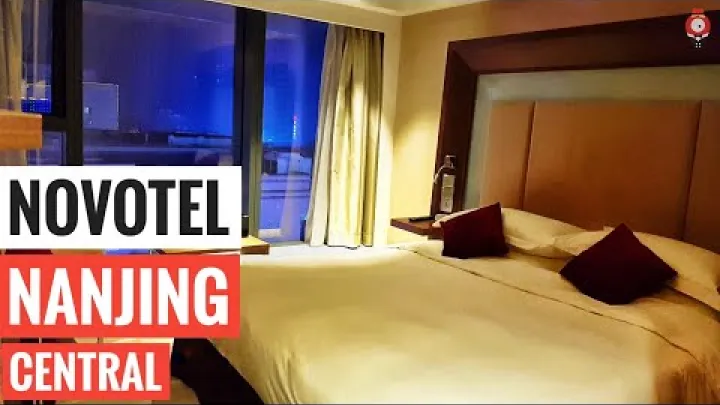
For practical comparison, group properties into three levels: basic three-star or business hotels, standard mid-range rooms, and four- or five-star properties. Search each level in CNY for your dates. Then compare the complete room cost, including taxes or service charges where shown, breakfast, cancellation conditions, room size, and the cost of reaching the metro. A central room with breakfast and flexible cancellation may be better value than a cheaper room that adds daily taxis and paid breakfasts.
When two travelers share a double room, the per-person accommodation cost can be substantially lower than for a solo traveler. Comfortable travel is therefore not defined only by the hotel category; it can also mean sharing a good room, choosing a convenient location, and spending selectively on dining and activities.
Choosing Between Central and Outer-District Bases
Nanjing has several useful bases, but no district is always the cheapest. Rates depend on the date, property type, room supply, and local demand. Evaluate the combined cost of the room, daily metro or bus travel, meals nearby, evening convenience, and commuting time.
| Base | Best fit | Main cost trade-off | Transport implication |
|---|---|---|---|
| Qinhuai and Confucius Temple area | First-time visitors who value evening access and historic surroundings | Tourist-area rooms, meals, and entertainment may cost more | Can reduce late returns, but compare nearby metro and bus access |
| Xinjiekou | Visitors who want central shopping, dining, and business convenience | Commercial and mall dining can raise the daily total | Central access can reduce transfers and taxi use |
| Xuanwu | Travelers combining central sightseeing with lake or park areas | Rates vary widely by the exact property and date | Check the walking distance to a useful metro station |
| Yuhuatai | Visitors who find a good-value room outside the busiest tourist zones | Lower room cost may be offset by longer daily travel | Metro or bus planning matters more, especially at night |
| Xianlin University Town | Longer stays, university visits, or travelers prioritizing space and local prices | It is less convenient for a short historic-center itinerary | Budget for regular metro trips and extra travel time |
A central base is not automatically expensive once transport and evening convenience are included. An outer base is not automatically a saving if a traveler uses taxis several times a day. Compare the total stay cost under both options and decide whether lower price, shorter commutes, or central atmosphere matters most.
Food and Drink Prices in Nanjing
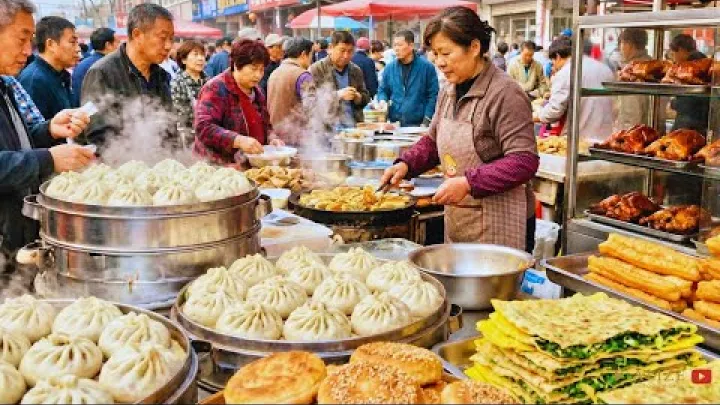
Food is one of the easiest categories to adjust in a Nanjing budget. Local breakfasts and simple meals can keep costs controlled, while cafés, imported food, alcohol, hotel dining, and frequent restaurant upgrades can move a day into the comfortable range.
Local Breakfasts, Street Food, and Everyday Meals
As a broad China reference, China Highlights gives a breakfast benchmark of about CNY 3-20 and a lunch or dinner benchmark of about CNY 20-80. Use those figures as context, not as a fixed Nanjing menu. A stall, noodle shop, dumpling restaurant, rice-meal shop, student area, shopping mall, and tourist corridor can all produce different bills.
Low-cost choices can include breakfast stalls, noodles, dumplings, rice meals, and small snacks. Nanjing specialties such as salted duck may be available in both everyday and more polished restaurant settings, so the dish name alone does not establish a price. Check whether the listed amount is for one portion or a larger shared serving, and whether drinks, side dishes, service charges, or takeaway packaging are included.
Restaurants, Nanjing Specialties, and Western Food
Think of dining in three practical scenarios. An inexpensive local meal uses a simple bowl, plate, or small set meal and fits toward the lower part of the everyday food allowance. A comfortable restaurant meal may involve shared dishes and a wider selection of Nanjing or Huaiyang-style food, with the per-person cost depending on the group size and the number of dishes ordered. A specialty, hotel, Western, or imported-food meal should be priced from the current menu because ingredients, venue, brand, and service level can change the total substantially.
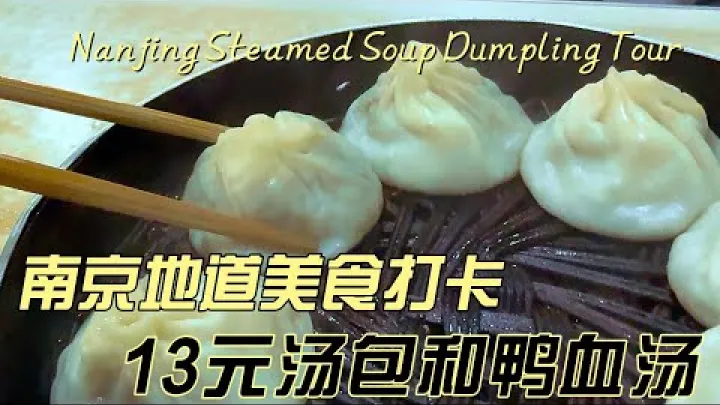
Cafés and premium malls can add small purchases throughout the day rather than one obvious large bill. Coffee, bottled drinks, desserts, alcohol, and snacks around Qinhuai and the Confucius Temple area can therefore matter as much as the main meal. Compare menus before ordering in tourist-oriented areas, and choose one signature meal if you want the experience without upgrading every meal.
Daily Food Budgets and Simple Ways to Save
| Food style | Indicative daily band | Sample pattern | Usually includes |
|---|---|---|---|
| Highly local | CNY 30-60 | Simple breakfast, two everyday meals, water, and few snacks | Little or no café spending and no alcohol |
| Regular restaurant dining | CNY 100-150 | Breakfast plus two ordinary restaurant meals and an occasional drink | Some convenience and variety |
| Comfortable dining | CNY 200-300 or more | Café visit, restaurant meals, drinks, and one specialty meal | More premium venues, alcohol, or imported food when planned |
A highly local day can reach the CNY 30-60 food band when breakfast and both main meals are chosen from the lower end of current local menus. A regular day may combine a simple breakfast with two more comfortable meals and one coffee. A comfortable day can include a café breakfast, a restaurant lunch, a specialty dinner, and drinks. Eat local breakfasts, use food courts or student-oriented areas, and plan one signature meal instead of paying a premium at every sitting. These choices trade ambience and convenience for price; they do not make all food experiences interchangeable.
Local Transport Costs in Nanjing
Metro and buses provide the baseline for local movement, while taxis and ride-hailing are convenience choices. Keep airport access and intercity travel outside the ordinary daily transport allowance so an arrival day does not make every other day look more expensive.
Metro, Bus Fares, and Travel Passes
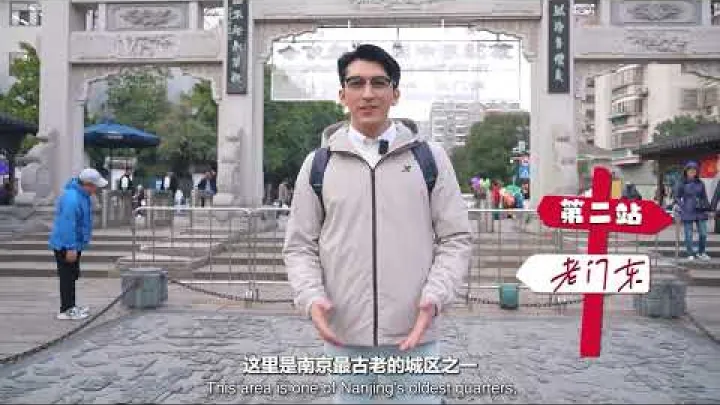
Nanjing Metro fares are distance-based, and a short ride is reported to start at around CNY 2. A reference summary of Nanjing Metro also reports provisional examples of about CNY 20 for a one-day pass and CNY 45 for a three-day pass. Treat these amounts and pass conditions as planning references rather than permanent fares. Check current Nanjing Metro operator information for the fare table, pass validity, purchase locations, and any restrictions.
The simple break-even calculation is pass price divided by the average fare. At a CNY 2 short-ride fare, a CNY 20 day pass would need about ten such rides to break even, while a CNY 45 three-day pass would need about twenty-three. Longer journeys can change the result, and a pass valid for calendar days may not provide the same value as one valid for a full period after activation. Buses are a useful low-cost complement to the metro, but do not assume one universal bus fare without checking the current local payment information.
Taxis, Ride-Hailing, Airport Access, and Intercity Add-Ons
Metro and buses usually keep ordinary daytime movement near the lower CNY 10-30 transport allowance. Ride-hailing and taxis become more useful with luggage, late-night returns, poor weather, difficult connections, or a group that can share the fare. Replacing several public-transport journeys with car trips can move a day toward CNY 100 or more, depending on distance, traffic, demand, and the number of rides.
Airport transfers are a separate one-off cost. The same applies to intercity trains, buses, or flights to another destination in East China. Record each arrival transfer and intercity leg separately in your trip spreadsheet or notes. This makes the daily Nanjing travel budget more accurate and shows whether a central hotel is worth the higher room price.
Payment Methods, Currency, and Cash Backups
Use CNY as the primary budgeting currency. Exchange rates can change, so undated conversions into dollars, euros, or another currency can make an otherwise useful estimate misleading. Alipay and WeChat Pay are important options for everyday purchases and ride-hailing, while metro machines, staffed counters, cash, and a Nanjing Public Utility IC Card may provide alternatives.
Payment affects convenience and access more often than it changes the underlying price. An international card or linked wallet may not work in the same way at every restaurant, ticket counter, small stall, or transport machine. The supplied metro reference reports a 5% discount for users of the Nanjing Public Utility IC Card, but confirm the current discount and eligibility locally because payment products and fare rules can change. Prepare your intended mobile wallet before sightseeing, learn how to use ride-hailing if needed, and carry a small CNY cash reserve. Keep a working international payment option as a backup rather than relying on one wallet or one card.
Attraction and Activity Costs
Nanjing offers a useful mix of outdoor spaces, museums, historic sites, city-wall visits, and river experiences. A free-heavy itinerary can reduce the activities portion of a Nanjing budget, while a day with several admissions and a cruise needs its own allowance.
Free Attractions and Reservation Requirements
The Nanjing Municipal Government tourism listing identifies Dr. Sun Yat-sen's Mausoleum as free to enter and notes that some areas within the scenic belt may have separate fees. Free admission does not necessarily mean unrestricted entry. A site may still use real-name registration, advance booking, identification checks, time slots, or separate charges for transport, audio guides, boats, special exhibitions, or sub-attractions.

Other possible free or low-cost anchors include Nanjing Museum, the Memorial Hall, and Xuanwu Lake, but admission and reservation rules can differ by site and date. A low-cost day might combine one attraction with outdoor walking and a park, provided access is confirmed for that day. Check each venue’s visitor notice rather than assuming that a free listing guarantees an open entrance or an available reservation.
Paid Sights, City Wall Tickets, and Qinhuai Cruises
For the Nanjing City Wall, Presidential Palace, Confucius Temple area, and Qinhuai River cruises, use the current official or operator page when recording a ticket amount. The Confucius Temple area may contain both public spaces and separately ticketed halls or exhibitions, so an area name is not enough to define the admission cost. City Wall access may also depend on the section or entrance.
Online discounts, seasonal prices, night cruises, optional areas, booking channels, and special events can produce different prices for what appears to be the same attraction. A Qinhuai River cruise is a discretionary highlight: it can fit a mid-range or comfortable day, but a strict backpacker budget may need to replace another paid sight or a premium meal to include it. Before visiting, verify the current attraction or cruise ticket, operating hours, reservation rules, and any online discount on the official or operator page.
Planning an Activities Budget by Travel Style
| Activities style | Indicative allowance | Typical plan |
|---|---|---|
| Free-heavy | CNY 0-50 | Parks, outdoor areas, walking, and verified free museums or historic spaces |
| Balanced | CNY 50-150 | One or two paid attractions with free or low-cost activities around them |
| Ticket-heavy | CNY 150-300 or more | A cruise, several paid sites, a performance, guide, or premium experience |
These activity bands cover admissions and experiences, not the transport needed to reach them. A practical method is to choose one paid highlight, such as a wall visit or cruise, then fill the rest of the day with verified free or low-cost options. Count optional boats, audio guides, special exhibitions, and premium seating separately instead of hiding them inside a generic attractions average.
What Makes a Nanjing Trip More Expensive
The biggest changes to a Nanjing budget usually come from accommodation, dining style, convenience choices, and the number of paid experiences. Public transport and simple local meals provide useful control points, but they cannot always offset a high room rate or a busy event period.
Peak Season, Weekends, and Events
Accommodation is normally more sensitive to dates than basic food or public transport. Weekend demand, national holidays, university events, conferences, festivals, and other busy periods can reduce room availability or increase the price of suitable properties. Platform snapshots showing a large gap between an average room and an exceptional deal should be read as evidence of market spread, not as a permanent monthly pattern.
Search exact weekdays, nearby dates, holiday periods, and known event dates before booking. If your dates cannot change, keep a price buffer and compare several room types. For solo travelers, even a moderate nightly increase is paid in full; over several nights it can outweigh savings from eating a little more cheaply or taking fewer metro rides.
Tourist Areas, Imported Food, Taxis, and Other Cost Drivers
Dining and entertainment around Qinhuai and the Confucius Temple area, major commercial areas such as Xinjiekou, hotel venues, and scenic waterfronts may sit above the prices of ordinary residential streets. That does not mean every tourist-area business is overpriced. It means the menu, ticket page, and room conditions deserve comparison before you commit.
- Tourist-area meals: compare menus or eat one meal outside the busiest corridor, trading some atmosphere for lower prices.
- Imported and Western food: reserve it for selected meals if you want to control the food budget, trading variety or familiarity for local dining.
- Cafés and alcohol: count each coffee, drink, dessert, and snack instead of treating them as incidental.
- Taxis and ride-hailing: use public transport during the day and reserve cars for luggage, late hours, weather, or shared-group convenience.
- Cruises and guided services: choose one premium experience rather than combining a cruise, several ticketed sites, and premium dining on the same day.
- Premium hotels: compare the extra room cost with breakfast, location, cancellation flexibility, and reduced commuting.
Solo, Shared, and Longer-Stay Budget Differences
Solo travelers often pay more per person because they cannot divide a private room. Couples and friends can share the room cost and sometimes share dishes or ride-hailing. For example, if a private room costs CNY 300 per night, one solo traveler pays CNY 300 per night, while two travelers sharing it pay CNY 150 each. Over two nights, the shared-room saving is CNY 300 per person before food, transport, or activities are changed.
Families may need a larger room, connecting rooms, extra admissions, and more taxis. For a longer stay, compare hostels, budget hotels, serviced rooms, and apartments with kitchen access, but calculate the full cost. Cleaning fees, service charges, deposits, utilities, minimum stays, breakfast, and commuting can change the result. Monthly platform averages may be distorted by premium properties, so compare current listings by total stay cost and location rather than by a headline monthly number.
Practical Ways to Save on a Nanjing Budget
The most effective savings are usually decisions made before booking: choose a suitable base, protect the room budget, plan meals, and select paid attractions deliberately. Small reductions in several categories work better than removing every enjoyable experience.
Control Accommodation Costs
Compare flexible weekdays, nearby shoulder-season dates, central rooms, outer-district rooms, hostels, guesthouses, and budget chains using the total cost of the stay. A room near useful metro access can be better value than a cheaper outer room that leads to repeated taxis or long transfers. For a short trip, time and evening convenience may justify a central location; for a longer stay, the outer option may become more attractive.
- Compare the total room price, not only the displayed nightly rate.
- Check whether breakfast, taxes, cancellation, and room occupancy are included.
- Look for additional guest charges, deposits, cleaning fees, and luggage arrangements.
- Estimate daily transport from the property to your planned areas.
- Treat rare low-price deals as opportunities, not as the baseline for the whole Nanjing budget.
Save on Food and Sightseeing
A realistic saving day combines low-cost food with selective sightseeing. A strict day can target CNY 30-60 for food by choosing breakfast and two simple local meals at the lower end of current menus, limiting drinks, and using free or low-cost attractions. A balanced day can spend CNY 100-150 on regular restaurant meals and add one paid attraction. A comfortable day can spend CNY 200-300 or more on cafés, drinks, and a specialty meal while still choosing a free park or museum for part of the itinerary.
The trade-off is clear: the lowest tier reduces Western meals, cafés, alcohol, private guides, and the number of ticketed attractions. You do not need to remove all special experiences. Combine local breakfasts and everyday meals with one or two planned specialty meals, then use verified free museums, parks, scenic areas, and historic spaces to balance a city-wall visit, palace admission, or river cruise.
Reduce Transport Costs Without Losing Convenience
Use the metro and buses as the default for daytime movement, then reserve taxis or ride-hailing for luggage, late hours, difficult connections, poor weather, or shared-group convenience. Before buying a day or multi-day pass, use the formula pass price divided by the average single-ride fare equals the break-even number of rides. Apply the current fare and confirm how the pass measures its validity period.
For comparison, a public-transport day may fit the CNY 10-30 allowance in the budget table, while several ride-hailing journeys can push transport toward CNY 100 or more. Keep airport access and intercity tickets as separate lines. Prepare digital payment and a CNY cash backup before sightseeing.
- Check the current metro fare, bus fare, and pass rules for your dates.
- Set up the intended mobile wallet and keep cash plus a working backup payment option.
- Compare exact-date room totals, including occupancy, breakfast, taxes, and cancellation conditions.
- Choose a food style for each day and make drinks, coffee, alcohol, and snacks visible.
- List each planned paid attraction, cruise, optional extra, and arrival or intercity cost separately.
The Bottom Line for Planning a Nanjing Budget
A practical starting point is CNY 200-300 per person per day for a frugal trip, CNY 350-550 for a mid-range plan, and CNY 600-900 or more for comfortable travel. These bands become useful only when you state whether the room is shared, how you eat, whether you use public transport, and how many paid attractions you plan.
For most visitors, accommodation dates create the largest change in the final Nanjing trip cost. Choose a base by combining room price with transport and time, use local food and public transport as control points, and reserve money for one or two experiences that matter most. Add flights, visas, insurance, shopping, airport transfers, and intercity travel separately for a complete trip budget.
Select area
Create a post
Posting is free and no registration is required.