Chengdu Travel Guide: Pandas, Food & Day Trips

Chengdu is the capital of Sichuan and one of the most useful places to begin exploring Southwest China. The city combines giant pandas, Sichuan cuisine, teahouses, parks, historic sites, museums, and modern shopping districts with access to major regional excursions. This Chengdu travel guide explains how to choose a base, arrive through the right airport, organize city sightseeing, and decide whether to add Leshan, Mount Emei, Dujiangyan, Sanxingdui, or Western Sichuan. It also covers seasonal planning, spending, connectivity, entry checks, and practical ways to keep your itinerary flexible.
Why Visit Chengdu and How It Fits a China Trip
Chengdu can work as a focused city destination or as a comfortable lowland base for a wider Sichuan journey. The best choice depends on how much time you have and whether your priorities are food and culture, pandas and parks, or longer mountain and heritage routes.
What Chengdu Is Best Known For
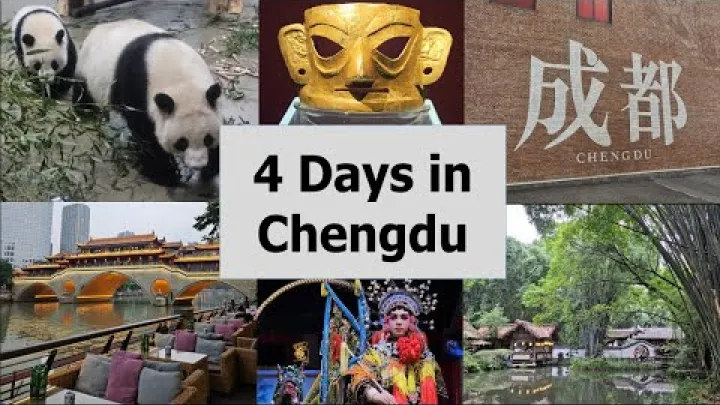
Chengdu is the capital of Sichuan in Southwest China and a natural starting point for exploring the province. Within the city, the main travel themes are the Chengdu Research Base of Giant Panda Breeding, Sichuan food, traditional teahouses, public parks, temples, historic sites, museums, and large contemporary districts such as Chunxi Road and Taikoo Li. The city also gives travelers access to destinations farther away, including Leshan, Mount Emei, Dujiangyan, Mount Qingcheng, Sanxingdui, and routes into Western Sichuan.
The official city tourism site, GoChengdu, presents Chengdu around giant pandas, gastronomy, culture, attractions, and events. That summary is useful for first-time planning, but Chengdu is not only a list of major attractions. A visit can also include an unhurried afternoon in People's Park, tea near Wenshu Monastery, a meal in a neighborhood restaurant, or an evening walk through a busy commercial area.
Chengdu is often described as relaxed and visitor-friendly. Treat that as a travel style rather than a guarantee about every street or transaction. The city is large, crowded in popular areas, and easier to enjoy when you allow time for traffic, queues, navigation, and different neighborhood atmospheres.
Choose Between a City Break and a Southwest China Base
Choose a city break if you mainly want pandas, Sichuan cuisine, tea culture, parks, temples, museums, and historic-looking streets. Two or three days can provide a satisfying introduction if you group attractions by area and keep arrival and departure periods light. A city-focused plan is also easier when this is your first visit to China or when you prefer simple public transport.
Choose Chengdu as a Southwest China base if you have several additional days and want to add one or more regional destinations. Leshan and Dujiangyan are different from Western Sichuan: they can fit into shorter excursion plans, while Western Sichuan usually requires multiple days, longer road journeys, and more careful preparation. Mountain weather, road conditions, and higher elevations can change the character of a trip. Decide according to your interests, available time, comfort with independent transport, physical condition, and tolerance for plans that may need to change.
Understand Chengdu's Layout and Pick a Base
The central visitor areas are connected by the metro, but Chengdu covers a broad urban area. A hotel that looks close to an attraction on a map may still require a substantial journey once walking, station transfers, and traffic are included.
The City Center and Its Main Visitor Areas
Use Tianfu Square as a central reference point. It helps orient the city between the Jinjiang and Qingyang sides of the central area and provides access to several directions by metro. The exact boundaries of visitor districts matter less than their atmosphere and the attractions you want to reach.
Chunxi Road and Taikoo Li are modern shopping, dining, and nightlife areas in the Jinjiang area. Kuanzhai Alley is a busy commercial district built around traditional-style lanes and courtyards. Wuhou Shrine and Jinli Ancient Street form a heritage-focused area, with the shrine offering historical interest and Jinli providing food, shops, and evening atmosphere. Wenshu Monastery offers a quieter cultural stop, while People's Park is useful for gardens, tea, and everyday public life.
Qingyang includes several central cultural and historic attractions, and Wuhou is convenient for travelers who want the shrine, Jinli, and nearby food or tea. Southern districts and Gaoxin provide modern hotels, offices, restaurants, and shopping, but they may be less convenient for a short sightseeing visit. Plan by clusters rather than assuming that every central attraction can be visited on foot in one day.
Where to Stay for Convenience, Heritage, or a Quieter Pace
For a first Chengdu visit, Chunxi Road or the Tianfu Square area is usually the clearest recommendation. These bases offer central transport, many restaurants, shopping, and relatively simple access to different metro directions. They suit visitors who want to combine city sightseeing with evening food and do not yet know which part of Chengdu will become their favorite.
| Area | Atmosphere | Best for | Main trade-off |
|---|---|---|---|
| Chunxi Road and Taikoo Li | Modern and busy | First visits, shopping, food | Less quiet and more commercial |
| Tianfu Square | Central and practical | Transport and mixed sightseeing | Atmosphere varies by block |
| Wuhou and Jinli | Heritage-focused | Shrines, old-style streets, tea | Historic streets are reconstructed commercial areas |
| Wenshu Monastery | Cultural and slower paced | Temples, local walks, quiet evenings | May require longer rides to southern areas |
| Gaoxin and southern Chengdu | Modern and business-oriented | Longer stays and contemporary amenities | Less efficient for a short central itinerary |
Choose Wuhou or Jinli if heritage atmosphere, traditional-style streets, teahouses, and a less commercial base matter more than being at the center of every route. The Wenshu Monastery area suits travelers who prefer a slower cultural setting. Gaoxin and other southern areas can be good modern alternatives for longer stays, business travel, or visitors who accept longer metro or taxi journeys.
Choose a Base for Airports, Trains, and Day Trips
A central hotel is usually the simplest choice for a short Chengdu visit because most city sightseeing is spread across several districts. If you have several early departures, compare the total route from your hotel to the correct railway station, coach terminal, or airport rather than choosing a neighborhood only because it sounds central.
Areas near departure points such as Xinnanmen may be useful only when the current route you need actually leaves there. Transport arrangements and terminal assignments can change, so confirm the departure point before booking around a transport hub. A base in Dujiangyan or another outlying area makes more sense for a longer regional stay or a slower visit than for a typical short Chengdu city break.
Arrive in Chengdu and Get Around
Transport is manageable when you identify the airport code, save the destination in Chinese, and distinguish city metro journeys from regional departures. Chengdu's metro is useful for many central trips, while taxis and ride-hailing help with luggage, late arrivals, or attractions far from a station.
Tianfu or Shuangliu: Know Your Airport
Chengdu Tianfu International Airport uses the code TFU and is farther from the urban core. Chengdu Shuangliu International Airport uses the code CTU and is closer to central Chengdu. Check the code on your flight booking, because choosing a hotel or transfer based only on the word Chengdu can lead to a difficult first or final journey.
From Tianfu, the main public choices include the metro, an airport shuttle bus, and a taxi. A transport overview describes the journey to central Chengdu as roughly an hour in broad terms and lists metro Line 18, an airport bus, and taxis as the principal options; use ChinaAirlineTravel only as a starting point and confirm the live route, fare, and service hours. The metro is usually the cost-conscious choice when the service is running and your hotel is near a practical station. A taxi or prebooked transfer is simpler with heavy luggage, children, or a late arrival.
Shuangliu generally offers a shorter connection to the central city, but the best option still depends on your hotel, arrival time, and luggage. For either airport, use the official taxi rank rather than accepting an unsolicited offer. Keep the hotel name, full address, and phone number in Chinese as well as English.
Using the Metro, Buses, Taxis, and Ride-Hailing
For many first-time visitors, the metro is the easiest way to make central journeys. Stations and major signs are often more accessible to international travelers than local bus routes, and the metro avoids much of the city's road traffic. Use a map application that supports Chengdu and save the Chinese name of each destination before leaving the hotel.
Local buses can reach places that are not close to a metro station, but route information and announcements may be harder to follow in English. Didi can help when you have a precise destination and mobile data, while licensed taxis are useful for short journeys or when you do not want to manage an app. At airports and major stations, use the official taxi queue. Show the destination address in Chinese and confirm that the vehicle is using the meter or the approved app fare.
Carry a screenshot of your hotel details in case your phone loses signal or battery. If you use a ride-hailing service, match the vehicle and license information shown in the app. Build extra time into journeys to stations and airports, especially when traveling with luggage.
Plan Railway and Coach Departures Carefully
Chengdu is a useful departure point for Leshan, Mount Emei, Dujiangyan, and other destinations reached by rail or road. A regional day trip may involve a railway journey, a local transfer, a site shuttle, and a return connection, so the attraction itself is only part of the schedule.
Before leaving, confirm the exact railway station or coach terminal, departure time, ticket rule, and onward connection. Large cities can have more than one station, and English names may look similar on maps or booking screens. Save the Chinese place name and a map pin. For nearby destinations, rail can make independent travel relatively straightforward; for Western Sichuan, road travel and local conditions generally have a larger effect on the plan.
Choose the Best Time to Visit Chengdu
There is no single perfect season for every Chengdu itinerary. Choose according to your balance of walking comfort, rain tolerance, crowd levels, food-focused city time, and plans for mountains or longer routes.
Spring and Autumn for Walking and Excursions
Spring and autumn are often favorable for walking through People's Park, Kuanzhai Alley, Wuhou Shrine, Jinli Ancient Street, and temple or museum districts. They can also suit excursions to Dujiangyan, Mount Qingcheng, Leshan, and Mount Emei because outdoor plans may be more comfortable than during the hottest or wettest periods.
These seasons do not guarantee clear skies or easy access. Popular dates can bring higher demand for rooms, transport, and attraction tickets. Consider school holidays, public holidays, and local events when comparing prices and crowd levels. A flexible plan is still useful even in a generally comfortable season.
Summer and Winter Trade-Offs
Summer can be hot, humid, and rainy. Put longer walks and outdoor visits in the cooler parts of the day, carry protection from rain and sun, and keep indoor alternatives available. Museums, food experiences, teahouses, and flexible neighborhood visits can balance a day when rain interrupts a park or mountain plan.
Winter is cooler and can feel damp in the city. It may be more comfortable than summer for some urban sightseeing, but clothing and indoor heating expectations may differ from what visitors know at home. Conditions in nearby mountains and higher areas can be much colder or less predictable than in central Chengdu, so do not use a city forecast as a substitute for a mountain forecast.
Match Weather to Mountain and Festival Plans
Weather matters most when your itinerary depends on trails, views, mountain roads, or several linked transfers. Rain can reduce visibility, make paths slippery, affect road travel, and change the practical value of a Western Sichuan route. A city itinerary is usually easier to adjust because food, museums, temples, parks, and shopping provide alternatives within Chengdu.
Before a weather-sensitive day, check the local forecast, road conditions, attraction notices, and any transport or event updates. Make the decision close enough to departure to reflect current conditions, and identify a city backup before you need it. Festival and public-holiday periods can also increase crowds, accommodation demand, and temporary changes to opening or access arrangements.
Plan Your Chengdu Sightseeing
Start with one or two priorities rather than trying to collect every famous place. A balanced first visit usually combines pandas, one historical or archaeological theme, a park or teahouse, and time for Sichuan food.
Giant Pandas and Advance Booking
The Chengdu Research Base of Giant Panda Breeding is the primary urban panda option for many first-time visitors. It is best treated as a major half-day visit rather than a quick stop between distant attractions. Many travelers prefer to go early, but animal activity, crowd levels, and the experience can vary.

Use the current official ticketing and entry channel for reservations, identity requirements, opening information, and any visitor limits. Do not rely on an old blog for a fixed opening time or booking window. Wolong and Dujiangyan panda facilities can provide alternatives when they fit a wider regional route or when you prefer a setting outside the central city, but they should not be added automatically to a short Chengdu itinerary.
Temples, Shrines, Museums, and Historic Chengdu
Organize cultural attractions by theme. Wuhou Shrine is associated with the history of Shu Han and the Three Kingdoms period, while Jinli Ancient Street next door is a reconstructed commercial streetscape with food, shops, and traditional-style architecture. Visit both as a connected block, but do not describe Jinli as an untouched ancient neighborhood.
Wenshu Monastery offers Buddhist heritage and a quieter environment. Du Fu Thatched Cottage combines literary history with gardens. Chengdu Museum, the Sichuan Provincial Museum, and Jinsha Site Museum add broader regional history and archaeology. Pair one museum or heritage site with nearby walking and food rather than crossing the city several times. This creates manageable half-day blocks and leaves room for a slower meal.
People's Park, Teahouses, and Slow-Life Culture
People's Park is a practical place to observe Chengdu's public leisure culture. Visitors can walk through gardens, sit in a teahouse, and watch everyday social activity or scheduled performances when available. The value is not only in a specific attraction but also in allowing time to notice how residents use a shared urban space.
Kuanzhai Alley also has courtyards, teahouses, food, shops, and evening atmosphere, but it is a busy commercial destination. Approach both places respectfully: ask before photographing people closely, keep voices low around temple spaces, and do not treat informal activities as performances arranged for visitors. Reserve an unstructured afternoon for tea, walking, or a neighborhood meal instead of filling every hour with tickets.
Eat Through Sichuan Cuisine
Food is a central reason to visit Chengdu. Try hot pot, chuan chuan, mapo tofu, dan dan noodles, dumplings, and other Sichuan dishes in more than one setting. A food street can provide variety and atmosphere, while a neighborhood restaurant may be better for a slower meal and local specialties.
Useful dish guide:
- Hot pot: Ingredients are cooked at the table in a shared pot, often with a spicy broth.
- Chuan chuan: Skewered ingredients are cooked in a seasoned broth and selected by the diner.
- Mapo tofu: Tofu is served with a savory, spicy sauce and often Sichuan pepper.
- Dan dan noodles: Noodles are commonly served with a seasoned meat or savory topping, chili oil, and other aromatics.
- Mala: This describes the combination of chili heat and the numbing, tingling effect associated with Sichuan pepper.
Tell staff about your spice tolerance before ordering and ask about allergies, peanuts, sesame, meat, dairy, or other dietary restrictions. Mala is not a test you must pass to enjoy Sichuan food. Ask for a less spicy version when available, and use a translation tool or a prepared Chinese sentence for important dietary needs.
Choose Day Trips and Regional Extensions
Regional planning works best when you rank excursions by time, physical effort, transfer complexity, and weather sensitivity. Keep at least one city-based alternative for every outdoor day.
Leshan Giant Buddha and Mount Emei
Leshan Giant Buddha is a major excursion south of Chengdu and can suit an independent rail or road plan as well as an organized tour. It is a strong choice for travelers who want a landmark and cultural site without committing to a longer mountain route. A guided trip can simplify transfers and timing, while independent travel may offer more flexibility and potentially lower transport costs.
Mount Emei is a much larger mountain destination. It may deserve an overnight stay or a slower plan rather than being combined with Leshan in a rushed day. Compare the options by physical effort: Leshan is primarily a major heritage visit, while Mount Emei may involve more walking, elevation changes, and weather exposure. Check current tickets, transport schedules, and access arrangements before selecting a same-day combination.
Dujiangyan and Mount Qingcheng
Dujiangyan and Mount Qingcheng provide a nearby heritage-and-nature combination. Dujiangyan is associated with the historic irrigation system, while Mount Qingcheng offers trails, temples, and mountain scenery. Travelers interested in engineering and history may prefer more time at Dujiangyan; those seeking walking and nature may give the mountain more of the day.
A full paired day can work for travelers who are comfortable with early departures, organized connections, and a faster pace. A single-site day is better when rain is possible, fitness is limited, or you want time for details rather than a checklist. Choose the combination based on transport arrangements, trail conditions, and the amount of walking you genuinely enjoy.
Sanxingdui and Other Cultural Excursions
Sanxingdui Museum is a strong alternative for travelers interested in ancient Sichuan archaeology rather than mountain scenery. Treat it as an excursion outside the central Chengdu sightseeing cluster. It can balance an itinerary otherwise centered on pandas, food, parks, and historic streets.
Plan the visit around the museum's current entry arrangements and the transport connection from Chengdu. Do not assume that a museum outside the center is a simple stop that can be inserted between central attractions. Sanxingdui is meaningful even when it replaces, rather than follows, a crowded day of sightseeing.
Western Sichuan and High-Altitude Routes
Western Sichuan is a multi-day extension from Chengdu, not an ordinary city day trip. Routes can involve long road journeys, mountain weather, high elevations, and limited flexibility. The attraction is the wider landscape and Tibetan-influenced cultural setting, but the planning burden is significantly greater than for a central Chengdu museum or a nearby heritage excursion.
A Western Sichuan planning guide notes that many trips begin in Chengdu; see Fabio Nodari for that general route context. Chengdu can be a useful lowland starting point where you recover, organize transport, and experience Sichuan before moving toward higher terrain. Do not treat Western Sichuan as identical to travel in the Tibet Autonomous Region. Administrative requirements, access arrangements, and route conditions can differ and need current confirmation.
Choose this extension only if you have enough time, suitable health and fitness, flexible transport plans, and willingness to build in rest and acclimatization days. Check route elevations, weather, road status, and access requirements before departure. If a high-altitude circuit is important, do not schedule it as a quick add-on after a packed city itinerary.
Budget for a Chengdu Trip
Build a Chengdu budget by category rather than relying on one universal daily average. Accommodation, meals, city transport, attraction tickets, regional connections, and organized tours can vary widely between travelers.
Accommodation, Food, Transport, and Attraction Costs
Use RMB as your primary budgeting currency. For a budget trip, allow for a simple room or hostel, local meals, metro journeys, and a selective list of paid attractions. A comfortable mid-range plan may include a standard hotel in a convenient area, a mix of local restaurants and more planned meals, occasional taxis, and one regional excursion. A higher-comfort plan may add a more central or upscale hotel, private transfers, guided day trips, and more flexibility when transport changes.
Separate city costs from regional costs. A day spent walking through parks, historic districts, and neighborhoods can have a different spending pattern from a panda visit or a guided trip to Leshan. Central commercial areas, public holidays, last-minute rooms, private transport, and organized excursions can raise the total. Keep international flights, visa or entry fees, insurance, and shopping outside the daily travel estimate unless you state that they are included.
A useful method is to create a short list in RMB for each day: room, breakfast, meals, local transport, planned tickets, and a contingency amount. Add regional rail, coach, guide, or transfer costs separately. Replace provisional amounts with current prices when you book, especially for hotels, attractions, and excursions.
Payments, Cash, and Everyday Spending
Alipay and WeChat Pay are important parts of everyday urban payment in China. International visitors may be able to link foreign cards, but setup, merchant acceptance, verification, and available functions can vary. Prepare payment before your first busy day rather than waiting until you need to buy transport or food.
Carry a modest cash backup. Do not assume that every small food vendor, transport machine, market stall, or ticket counter accepts a foreign bank card. Keep a physical payment card and a record of your accommodation details separately from your phone. Metro cards, single-journey tickets, and mobile payment options may also differ by the current local system.
Before departure, install the payment applications you plan to use, complete identity or card checks if requested, and test the account where possible. Keep your bank's contact method available and monitor foreign-transaction settings. Avoid depending on one payment method for the entire trip.
Connectivity, Apps, and Language Preparation
International visitors may find that familiar Western websites and applications are restricted, unavailable, or unreliable in China. Prepare navigation, translation, accommodation communication, and payment tools before arrival. Save offline maps, screenshots of your hotel address, railway details, and important reservations.
WeChat and Alipay are part of the local digital environment, but do not assume that every feature will work with every foreign phone, card, or account. Keep an offline fallback: the Chinese name and address of your hotel, the names of major attractions, and a way to contact accommodation without relying on live map search. A translation application can help with food orders, allergies, transport questions, and check-in.
VPN availability and legal considerations vary by location, provider, device, and current rules. Do not treat one universal technical solution as guaranteed. Review current information from your provider and relevant authorities, and make sure your trip can still function with offline maps and local applications.
Build a Chengdu Itinerary
A good Chengdu itinerary groups nearby places and leaves space for food, tea, weather changes, and unplanned discoveries. The examples below are frameworks, not rigid schedules.
A Two- to Three-Day Chengdu City Plan
For two or three days, begin with one major anchor: many first-time visitors choose the panda base. Use another block for Wuhou Shrine and Jinli Ancient Street, or for a museum and literary or religious site such as Du Fu Thatched Cottage or Wenshu Monastery. Add People's Park or a teahouse for slower time, then use Chunxi Road, Taikoo Li, Kuanzhai Alley, and neighborhood restaurants for evening food and city atmosphere.
Cluster Tianfu Square, central museums, People's Park, and nearby walking areas instead of crossing the city repeatedly. Treat Wuhou and Jinli as a connected block. Wenshu can be paired with a slower cultural morning. On arrival and departure days, choose an activity close to the hotel and avoid a distant regional excursion unless the transport plan is exceptionally simple. If time is short, keep the panda visit, one heritage block, and one food or tea experience; drop the rest without regret.
A Four- to Five-Day Plan with One Excursion
With four or five days, preserve at least two or three city days and add one carefully chosen excursion. Choose Dujiangyan and Mount Qingcheng for a combination of irrigation heritage, temples, and nature with a generally more local regional focus. Choose Leshan for a major landmark and cultural visit, or give Mount Emei more time if a mountain experience is your priority.
The nearby nature-and-heritage option and the longer landmark-focused option are not equal in intensity. A paired Dujiangyan and Qingcheng day can involve substantial walking and coordinated transfers. Leshan is more focused, while Mount Emei can require a slower schedule. Keep the evening after the excursion light and leave a substitution ready in case tickets, weather, or transport arrangements make the original plan unsuitable.
A Longer Route Through Sichuan or Southwest China
For a longer route, treat Chengdu as a separate lowland travel block. Arrive, recover from the journey, explore Sichuan food and city culture, and organize the next transport before moving toward Western Sichuan or another Southwest China destination. This is more reliable than stacking several long transfers onto a two-day Chengdu stay.
Build extra time for road changes, weather, altitude, and rest. Use route logic rather than a list of every possible destination: decide whether your next block is primarily archaeological, religious, scenic, culinary, or high-altitude. Complex regional routes need destination-specific planning for transport and access. Chengdu remains worthwhile even when it is the gateway to a wider journey, so do not reduce it to only an overnight transfer point.
Entry, Safety, and Final Travel Checks
Finish your planning with a short review of entry rules, identification, local laws, bookings, transport, weather, and payment. These checks are especially important when your trip includes private accommodation, mountain routes, or several independent connections.
Entry Requirements, Local Laws, and Everyday Safety
Visa, visa-free, transit, passport-validity, and entry conditions depend on your nationality, route, travel purpose, and the policy in force when you travel. Do not rely on a universal list from an old itinerary. Check the Chinese embassy or consular authority relevant to your nationality and confirm that your planned arrival, departure, and transit pattern qualifies.
Accommodation registration is part of the practical entry process. Hotels generally manage registration for foreign guests, but travelers staying in private homes or other non-hotel accommodation should ask the host and local authorities what process is required. Carry valid identification and a copy or secure record of important travel documents. Keep your behavior conservative around demonstrations, sensitive sites, official buildings, and photography restrictions.
Follow local instructions and take controlled-substance laws seriously. For outdoor activities, use reputable operators, understand what equipment and transport are included, and do not assume that tourism facilities have the same inspection standards as those in your home country. Travel.State.gov highlights the need for caution around tourism safety and local laws; also read the current advisory from your own government. These precautions do not mean that ordinary Chengdu sightseeing has the same risk profile as every region of China, but they are sensible parts of international travel preparation.
Verify Tickets, Opening Hours, and Transfers Before Departure
Use one final verification workflow for each travel day. Check the panda reservation, museum or temple entry, festival information, airport transfer, railway departure, and mountain access through current official attraction, airport, railway, local tourism, or operator channels. Save booking confirmations, Chinese names, addresses, and station or terminal details offline.
- Confirm whether your flight uses TFU or CTU and match the transfer to the correct hotel address.
- Confirm attraction hours, reservation rules, identity requirements, and access notices for the panda base, museums, temples, and major heritage sites.
- Confirm the exact railway station or coach terminal, not only the destination city.
- Check the forecast and local access information before a mountain or road-based excursion.
- Make sure Alipay, WeChat Pay, cash, translation support, and offline maps are ready.
- Keep a backup city activity in case a regional connection, event, or outdoor visit is disrupted.
Separate confirmed transport and attraction information from restaurant, hotel, and anecdotal recommendations that may change. Chengdu is easiest to enjoy when the essential bookings are secure but the rest of the day has room to adapt. Plan the city around pandas, food, heritage, and tea, then add regional travel only when the time, route, and conditions support it.
Select area
Create a post
Posting is free and no registration is required.