- Tay Son Heaven and Earth Esplanade: Historic Shrine in Quy Nhon
- Quang Trung Museum: Tay Sơn History & Culture in Quy Nhon
- Banh It Cham Towers: Ancient Heritage & Photography in Quy Nhon
- The Thon Beach in Cat Tien: Clean Shores & Affordable Watersports
- Linh Phong Pagoda in Quy Nhon: The Sacred Mountain Temple
Vietnam U23: Team Overview, Key Players, Recent Results, and How to Follow Matches

Vietnam U23 is the men’s youth national team built around players in the under-23 age bracket, and it is one of the most followed football teams in Vietnam. Many fans search for matchups like Indonesia vs Vietnam U23, quick score checks, and squad news before major tournaments. This article explains how U23 eligibility works, which competitions matter most, and what recent moments have shaped expectations. It also offers practical guidance on following fixtures, time zones, and trustworthy results without relying on rumors.
Vietnam U23 at a Glance
For international readers, Vietnam U23 can be confusing at first because the label “U23” is used differently across competitions and countries. In some tournaments, teams must be under 23 on a specific cutoff date, while other events use “U22” rules or add a limited number of older players. That is why you may see the same player group described in different ways from one competition to the next. Understanding the label helps you interpret team news, squad lists, and why a player can appear in one tournament but not another.
Vietnam U23 also matters because it sits close to the senior national team. In many football systems, U23 teams act as a transition level between youth development and full international football. Strong performances can accelerate a player’s move into senior call-ups, while difficult tournaments can reveal what still needs improvement. When you follow Vietnam U23, you are often watching the next generation of the Vietnam national team learn tournament routines, pressure management, and international match speed.
Another reason Vietnam U23 receives attention is the competition environment in Southeast Asia and across Asia. Regional tournaments build confidence and habits, but Asian-level events provide a more demanding benchmark in tempo, physical duels, and tactical detail. Because calendars change, fans should treat any schedule as temporary and confirm dates with official tournament channels. The sections below explain the team’s role, the competitions it commonly plays, and how to read results and squad news in a careful, reliable way.
What “U23” Means and How Eligibility Works
“U23” means “under 23 years old,” but the exact eligibility depends on the competition regulations. Most tournaments use a fixed birthdate cutoff, so a player can be eligible in one year and ineligible the next even if they are still “about 23.” Some events also allow a small number of over-age players, while others do not. Because rules vary, it is important to read the specific tournament’s official regulations rather than assuming one universal standard.

You may also see “Vietnam U22” used in headlines and match listings. This is usually not a different team in a practical sense. It often reflects a tournament that set the age limit at 22, or a federation that labels the squad for that specific event cycle. For international readers, the easiest approach is to treat U23 and U22 as “youth national team for this tournament” and then confirm the exact eligibility rules for that competition.
Here are common terms you will see when following Vietnam U23 matches. These terms are used across many football websites and are helpful for reading fixtures and results quickly.
- U23 / U22: Age category defined by tournament rules and cutoff dates
- Caps: Appearances for a national team (youth or senior)
- Qualifiers: Matches that decide which teams reach a finals tournament
- Group stage: Round-robin phase where teams play several opponents
- Knockout stage: Single-elimination rounds such as semifinals and finals
Where Vietnam U23 Fits in Vietnam’s National Team System
Vietnam U23 is part of a broader national-team structure that typically includes youth teams (such as U17, U20), the U23 level, and the senior national team. The U23 level is especially visible because it often participates in high-profile tournaments that receive strong media coverage. Performances at U23 level can influence who gets evaluated for senior call-ups, particularly when a player shows the ability to handle pressure and maintain consistency across a tournament.
The relationship between youth teams and the senior team often depends on federation planning and coaching coordination. Some countries emphasize continuity in playing style and training methods across age groups, which can make the transition smoother when players move up. Even when coaching staffs differ between levels, national federations usually track player development, physical readiness, and tactical understanding across multiple camps and competitions.
A simple pathway that many Vietnamese players follow looks like this:
- Local football programs and early youth academies
- Club academy training and youth competitions
- Professional club football minutes and role specialization
- Youth national teams (U17, U20) and tournament exposure
- Vietnam U23 for major youth tournaments
- Senior national team consideration based on form and fit
Main Competitions Vietnam U23 Commonly Plays
Vietnam U23 commonly plays in two broad tournament categories: regional Southeast Asian competitions and Asian confederation competitions. Regional events are valuable for building tournament habits, learning how to manage close games, and developing confidence against familiar rivals. Asian competitions tend to be a higher benchmark because teams face a wider variety of tactical styles and physical profiles. Both categories matter, but their difficulty and long-term impact can differ.

It is also important to understand the difference between qualifiers and finals tournaments. Qualifiers are typically shorter windows where teams must earn a place in the main event, sometimes with limited preparation time and heavy squad rotation. Finals tournaments usually have stronger opponents, higher pressure, and clearer narratives because a trophy or qualification outcome is decided in a single competition. Because schedules can change due to organizers, venues, or administrative updates, fans should always confirm fixtures through official tournament sites and federation announcements.
The table below compares common competition types that Vietnam U23 may enter. Formats vary by edition, so treat this as a general guide rather than a fixed rule.
| Competition name | Region | Typical format | What it leads to |
|---|---|---|---|
| ASEAN U-23 Championship | Southeast Asia | Group stage, then knockout | Regional title experience and rivalry matches |
| SEA Games men’s football | Southeast Asia | Group stage, then knockout | Multi-sport tournament pressure and national attention |
| AFC U23 Asian Cup (qualifiers and finals) | Asia | Group qualifiers, then finals tournament | Benchmarking against top Asian youth teams |
Recent Results and Key Moments
Fans often look up Vietnam U23 results because youth football can shift quickly from one tournament to the next. A strong group-stage performance does not always predict knockout results, and a single moment can decide a final. For Vietnam U23, recent attention has focused on regional performance in Southeast Asia, where matches are intense and emotionally charged, especially against familiar opponents. Searches such as “vietnam vs indonesia u23” or “final indonesia vs vietnam u23” show how often fans return to the biggest rivalry moments.
At the same time, it is important to read “recent results” responsibly. Many online posts copy incomplete scorelines, confuse U23 with senior matches, or mix friendly games with official tournaments. Some matches also include extra time or penalties, which changes how the outcome should be recorded. A correct result summary should always include the tournament name, stage (group, semifinal, final), and whether the decision came in regulation time, extra time, or a shootout.
This section highlights why regional tournaments matter for development and why certain matchups draw more attention than others. It also explains what to expect when Vietnam U23 plays different opponents in group matches versus knockout matches. If you want an exact match-by-match record, use official competition match reports and reputable match-center platforms, because this article is designed as a guide rather than a live ticker.
Recent Regional Championship Success in Southeast Asia
In recent Southeast Asian youth tournaments, Vietnam U23 has been closely associated with deep runs and the ability to manage high-pressure games. Regional championships matter because they compress many challenges into a short time: travel routines, recovery, training adjustments, and fast preparation for different opponents. For young players, this is often the first time they experience a national-team environment where every match is widely discussed and small mistakes receive large attention.
Regional success is not only about a trophy. It can help a team build practical habits such as game management, defending a narrow lead, and responding after conceding a late chance. It also teaches players how to maintain discipline when emotions rise, which is common in rivalry games. Even when a team plays well, youth tournaments can be decided by set pieces, a single defensive error, or a goalkeeper moment, so learning to stay calm is a key part of development.
A simple timeline of “milestones” that fans often track for Vietnam U23 looks like this:
- Qualifying campaigns where the squad must win quickly with limited preparation
- Regional tournaments that introduce knockout pressure and penalty scenarios
- Matches against top regional rivals that test discipline and mental strength
- Asian-level qualifiers or finals appearances that raise the performance benchmark
Southeast Asian rivals are competitive because they share similar football cultures, frequent meetings, and strong fan attention. This creates a high-pressure environment even when teams are young. For Vietnam U23, learning to handle that pressure is one of the main values of regional competition.
Indonesia vs Vietnam U23: Why This Matchup Draws Attention
Indonesia vs Vietnam U23 is one of the most searched youth matchups in the region because it combines football intensity with a strong fan culture. You will see it in many keyword variations, including “indonesia vs vietnam u23,” “vietnam vs indonesia u23,” and “indonesia vs vietnam final aff u23.” The matchup tends to attract extra interest because both teams are seen as serious competitors in Southeast Asian youth tournaments, and the games often feel like senior-level rivalries in terms of atmosphere and pressure.
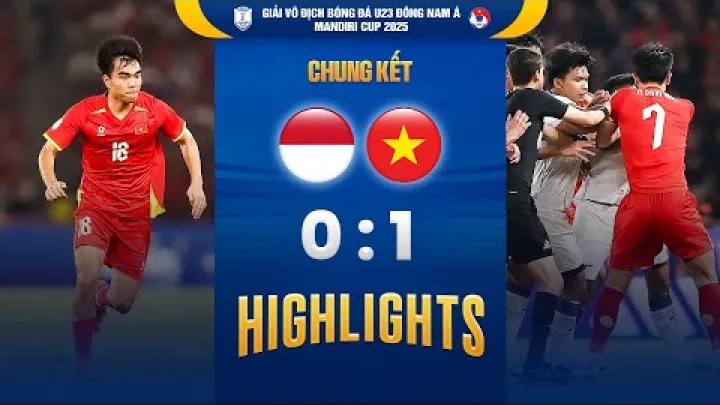
A common example that fuels this attention is a recent regional final meeting where the match remained tight and was decided by a shootout after a draw. Games like that create long-lasting memories because small details matter: who keeps their focus, who avoids unnecessary fouls, and who can execute set pieces under stress. Even when chances are limited, the tactical battle can be intense, with both teams trying to protect central spaces and force attacks wide.
In close finals, several factors often decide the outcome. Defensive organization can reduce clear chances, while set pieces can create the best opportunities because they remove the need for long possession sequences. Game management also matters, including how a team controls tempo, when it presses, and how it uses substitutions. Goalkeeper decision-making is often critical, especially if penalties become necessary.
What to watch in future Vietnam U23 vs Indonesia U23 meetings:
- Pressing triggers: when each team decides to press high versus stay compact
- Transitions: how quickly the teams counterattack after winning the ball
- Set pieces: corners and free kicks as high-value chance sources
- Discipline: yellow cards and emotional control in high-pressure moments
Notable Matches Against Other Opponents
Beyond the headline rivalry, fans frequently search for Vietnam U23 games against opponents such as the Philippines, Laos, Singapore, and Yemen. Search phrases like “vietnam vs philippines u23” or “vietnam vs yemen u23” often appear when qualifiers and group-stage matches are underway. These queries usually reflect a desire for quick confirmation of the result, the goal scorers, and whether the match affects qualification or knockout placement.
Match context is important because group matches and knockout matches require different risk levels. In group stages, coaches may rotate players to manage fatigue or to test tactical options, especially when several matches are played within a short period. That can change the performance level and the scoreline compared with a semifinal or final where the strongest available lineup is more likely. It also explains why a team might look conservative in one match and more aggressive in another, depending on what is needed for the table.
Because this article is not a live scores page, the table below focuses on common contexts rather than specific outcomes. For confirmed outcomes, use official match reports and reputable match centers for the exact score, match stage, and any changes after review.
| Opponent | Common competition context | Typical stage | Why fans search it |
|---|---|---|---|
| Philippines U23 | Regional tournaments and qualifiers | Group stage | Table impact and goal difference questions |
| Laos U23 | Regional tournaments | Group stage | Squad rotation and young player minutes |
| Singapore U23 | Regional tournaments | Group stage | Close scorelines and discipline management |
| Yemen U23 | Asian qualifiers | Qualifiers or group stage | Qualification scenarios and competitive benchmarking |
If you are checking a “today’s result” query, always confirm you are viewing the correct age category and competition. Many platforms display U23 and senior fixtures side by side, and names can look similar when translated.
A Quick Look Back: The 2018 Breakthrough and Its Legacy
Interest in “U23 Vietnam 2018” remains high because that period is widely remembered as a breakthrough moment for Vietnam’s youth football story. In 2018, Vietnam’s U23 team made a widely recognized run to the final of the AFC U23 Championship, which brought major attention from fans across Asia. The tournament became a reference point for how quickly a youth team can grow in confidence and organization when it manages difficult matches well.
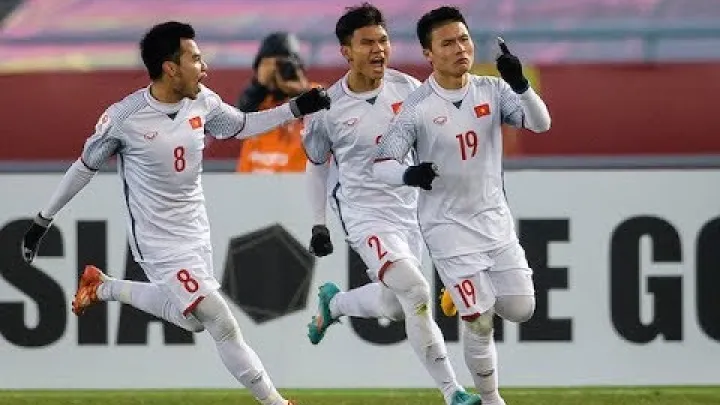
The legacy of that run is partly emotional and partly practical. Emotionally, it raised expectations, increased audiences, and made youth tournaments feel more important to the public. Practically, it encouraged a stronger focus on tournament preparation, including discipline in defending, fitness management, and learning how to survive tight knockout matches. These are skills that matter at both youth and senior levels, even though the senior game is faster and more physically demanding.
Youth success can accelerate professional development because players gain experience under pressure and learn how to handle media attention. It does not guarantee a successful senior career, but it can help a player adapt faster to high-stakes matches. For Vietnam U23 today, the 2018 memory often sets a higher standard, which means each new generation faces more scrutiny about style, chance creation, and consistency.
When comparing eras, it is better to focus on themes rather than direct comparisons of individuals. Opponents, tournament formats, and squad maturity levels change from cycle to cycle. What remains stable is the lesson that strong organization, clear roles, and calm decision-making can produce results beyond what many people expect from a young team.
Squad, Positions, and Players to Watch
Vietnam U23 squads are dynamic because players develop at different speeds and the team’s needs change by tournament. A player can look outstanding at club level but still be a poor fit for a specific match plan, while another player may be selected because their defensive work rate balances a more attacking teammate. For international fans, it helps to watch roles rather than only names. The most important question is often how the pieces fit together: who creates chances, who protects space in midfield, and who organizes the defensive line.
Another factor is eligibility and timing. Youth competitions have strict age limits and sometimes specific rules about over-age players, which changes the available pool. Injuries, travel constraints, and late club commitments can also affect who arrives in camp on time. Because of this, a “final roster” can change shortly before kickoff, and late changes do not always indicate a crisis. They often reflect practical realities of youth football and short preparation windows.
This section explains typical selection logic, what leadership looks like in a youth tournament, and how to identify breakout performers without overreacting to one match. It also addresses the growing topic of overseas-background players and how eligibility is determined through citizenship and football regulations. If you want the most accurate current squad, check the official tournament roster release close to the match day.
How Vietnam U23 Squads Are Selected
Squad selection for Vietnam U23 usually combines several inputs: club form, tactical fit, tournament rules, and balance across positions. Coaches often prioritize players who can execute clear roles under pressure, such as fullbacks who defend one-on-one, midfielders who can resist pressing, and forwards who can press and counterattack. In youth tournaments, the ability to recover quickly between matches is also important, so physical readiness and injury history can influence selection.

Final rosters can include surprises because youth squads are built for specific opponents and short tournament schedules. A player might be left out even if they are talented, simply because the squad already has similar profiles and needs a different type of option from the bench. Late changes can happen due to medical assessments, paperwork, or travel timing. It is more accurate to view these changes as normal tournament management rather than as proof of conflict or poor planning.
If you want a simple way to evaluate a squad announcement, use this checklist:
- Position coverage: at least two options for each key role (center back, fullback, central midfield, striker)
- Balance: a mix of ball-winners, passers, and runners in midfield
- Bench impact: substitutes who change pace or provide defensive stability
- Set-piece roles: players who can deliver corners and free kicks reliably
- Leadership: clear organizers in defense and midfield
This approach helps you understand selection decisions even when you do not know every player in the squad. It also reduces overreaction to individual inclusions or omissions.
Leadership and the Experienced Core
In youth tournaments, leadership is often the difference between a good performance and a stable tournament run. An experienced core helps the team control tempo, communicate defensive assignments, and keep discipline when emotions rise. Captaincy is not only symbolic. A good captain organizes teammates during transitions, speaks to the referee calmly, and helps the team reset after a mistake or a conceded chance.
When a squad announcement identifies a captain and vice-captain, those roles often go to players with more national-team experience, strong communication, or a history of handling pressure. You may also see leadership shared informally, with a center back directing the line, a defensive midfielder managing spacing, and a goalkeeper coordinating set-piece marking. This distributed leadership is common because different situations require different voices on the field.
“Caps” is the common term for national-team appearances. More caps generally means a player has seen more match scenarios, including hostile crowds, tournament fatigue, and knockout pressure. This experience can help in small moments, such as choosing when to clear the ball versus when to pass, or when to slow the game down to protect a lead.
A simple player-role profile template you can use while watching:
- Role: for example, holding midfielder, ball-playing center back, inverted winger
- Strengths: what they do reliably under pressure
- What to watch: one or two decisions that influence the team’s shape
Young Talents and Breakout Performers
Youth teams can change quickly because development is not linear. A player may improve rapidly with regular club minutes, while another may struggle if they change position or face stronger opponents. Tournament roles can also differ from club roles. A club winger might be asked to play as a wing-back for national team balance, or a striker might be selected mainly for pressing rather than finishing.

A “breakout” tournament is often less about highlight goals and more about repeated good decisions. Coaches tend to trust players who follow the game plan, track runners, and stay calm in transitional moments. For international fans, it is useful to focus on actions that translate across levels, such as first touch under pressure, scanning before receiving, and defensive work rate when the team loses the ball.
Signs of a breakout tournament often include:
- Movement: creating space for teammates and timing runs behind the defense
- Decision-making: choosing simple, effective options in tight areas
- Defensive contribution: pressing with discipline and tracking back
- Consistency: repeating good actions across multiple matches
Position responsibilities are also helpful to understand. Forwards must combine finishing with pressing, midfielders connect defense to attack and protect central spaces, defenders manage spacing and clear danger, and goalkeepers organize the box and start attacks. When you evaluate a young player, compare their decisions to these role demands instead of expecting perfect execution every time.
Overseas-Background Players and Eligibility Considerations
Overseas-background players can enter a national-team pool through citizenship and eligibility rules. This can expand options, especially in positions where depth is limited. However, eligibility is not only about heritage. Football eligibility is governed by football authorities and depends on a player’s nationality, documentation, and whether they have represented another association in official matches.

In recent years, Vietnam has discussed and, in some cases, granted citizenship to overseas-born players, which can make them eligible for selection once all requirements are satisfied. Because the process involves legal status and sporting regulations, the timeline can be unpredictable. The safest approach is to rely on official announcements from the federation and tournament organizers when confirming whether a player is eligible to play for Vietnam U23 in a specific competition.
It also helps to separate three concepts that are often mixed together:
- Heritage: family background or descent, which does not automatically equal eligibility
- Citizenship: legal nationality status, which is often required for selection
- Sporting eligibility: permission under football regulations to represent a national team
For international readers, consistent spelling is important when searching names. Some platforms use Vietnamese diacritics, while others remove them, which can affect search results. If you cannot find a player, try both versions of the name and confirm with the federation’s roster release.
Coaching Staff and Tactical Approach
Vietnam U23 coaching decisions shape how the team plays and how quickly players adapt to international football. At U23 level, coaching is not only about winning individual matches. It also includes building a clear identity, preparing players for senior football demands, and managing short tournament cycles where recovery time is limited. Because youth teams often have fewer training sessions than clubs, clarity and repetition in training are especially important.
Many fans focus on formations, but youth tournaments are often decided by simpler and more stable principles. These include defensive spacing, how the team reacts after losing possession, and how it uses set pieces. A team can change shape during a match but still keep the same core approach, such as staying compact without the ball and attacking quickly after regaining it. For Vietnam U23, observers often discuss discipline, transitions, and match management as key themes because they travel well across different opponents.
This section explains what a head coach typically controls, how continuity can help players move toward the senior team, and which tactical concepts are useful when watching Vietnam U23. It also outlines constructive areas to improve without blaming individual players. If you are new to Vietnamese football, these points can help you understand why certain selections and match plans are made.
Head Coach Profile and Management Structure
The head coach of Vietnam U23 is responsible for selecting the squad, planning training camps, setting match strategy, and managing player workload during tournaments. This role also includes communication with clubs, coordination with medical staff, and decisions about how to rotate the lineup across a compressed schedule. Because U23 competitions can be short and intense, preparation often focuses on building a stable base rather than trying to train too many complex patterns.
Management structure can vary by federation and by tournament. Some programs aim for continuity across youth teams and the senior team, while others use separate staffs with shared scouting and performance data. Even without a single coach across levels, continuity can still exist through shared principles such as pressing behavior, defensive spacing, and set-piece routines. This continuity can make it easier for a player to step into the senior environment because the language and expectations feel familiar.
Coaching continuity can benefit transitions in practical ways. Players spend less time relearning terminology, and training sessions can focus on sharper execution rather than basic introductions. It can also help the federation track development over multiple years, seeing whether a player’s improvements are stable or only temporary. For fans, it means the U23 team may resemble the senior team in certain habits, even when the exact lineup changes from tournament to tournament.
When evaluating coaching at U23 level, it helps to consider constraints. Coaches may have limited time with players, uneven club playing time across the squad, and different levels of match fitness. A stable approach can be a rational response to those constraints, especially in knockout tournaments.
What Vietnam U23 Typically Tries to Do on the Field
Vietnam U23 is often discussed in terms of organization and discipline, especially in matches where the opponent has strong individual quality. In youth tournaments, minimizing mistakes can be a winning strategy because one error can decide a knockout game. A compact structure helps protect central areas, makes it harder for opponents to play through the middle, and creates clearer defensive responsibilities for young players still learning international timing.
Transitions are another key theme. When a team regains the ball, it can counterattack quickly before the opponent resets, or it can keep possession to control tempo and reduce risk. Youth teams often choose a balance based on the opponent and the match situation. For example, if the team is protecting a narrow lead late in a match, it may prioritize safe passes and defensive shape. If the team is chasing a goal, it may push fullbacks higher and accept more risk.
Three tactical concepts explained in simple terms:
Pressing is when a team tries to win the ball back quickly by applying pressure to the opponent’s ball carrier and nearby passing options. A good press requires coordination so that one player does not run alone and leave space behind.
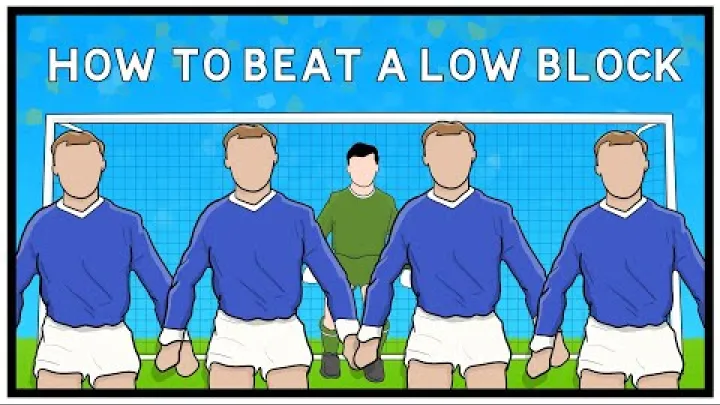
A low block is when a team defends deeper, closer to its own goal, with two compact lines. The goal is to reduce space between defenders and midfielders, forcing the opponent to attack from wide areas or shoot from distance.
A counterattack is a fast attack after winning the ball, often using direct passes into space. It can be effective when the opponent’s defenders are spread out or positioned high up the field.
Tactical questions to ask while watching:
- Where does Vietnam U23 try to win the ball back: high, mid-block, or deep?
- How does the team create chances: through wings, through the middle, or set pieces?
- What changes after halftime: pressing intensity, fullback positions, or striker movement?
Strengths, Critiques, and Areas to Improve
Common strengths often associated with a well-prepared U23 team include defensive solidity, resilience, and composure in tight games. These qualities matter because youth tournaments frequently include close scorelines and unpredictable momentum swings. A team that stays organized when tired and remains disciplined after conceding a chance is more likely to survive a knockout match and reach later rounds.

Critiques of youth teams are often about attacking consistency, not effort. Observers may question finishing efficiency, chance creation patterns, or whether the team has a clear attacking identity against well-organized opponents. These critiques should be treated as viewpoints because tournament context matters. A conservative approach can be strategic in a final or a must-not-lose group match, and it can also reflect the limited training time available to build complex attacking patterns.
Constructive development priorities that do not require inside information include:
- Chance creation: improving the timing of runs and the quality of final passes
- Shot selection: choosing higher-quality shots instead of low-probability attempts
- Set-piece execution: delivering consistent corners and free kicks, and coordinating movement
- Composure: reducing rushed clearances and unnecessary fouls under pressure
- Error reduction: improving spacing and communication during transitions
When you assess progress, look for patterns rather than isolated moments. If the team repeatedly creates similar chances, that usually indicates a training pattern. If the same defensive issue appears across matches, it may point to an area the staff will prioritize in the next camp.
How to Follow Matches, Scores, and Live Updates
Many fans search for Vietnam U23 match information with high urgency, especially during tournaments. Queries like “indonesia vs vietnam u23 live,” “live score indonesia vs vietnam u23,” and “livescore indonesia vs vietnam u23” show that supporters want quick, reliable updates. The challenge is that fast information is not always accurate. Kickoff times can change, venues can be updated, and some platforms may post incomplete lineups or incorrect match stages.
The safest way to follow Vietnam U23 is to build a simple verification routine. Start with official tournament organizers and the national federation for fixtures and roster announcements. Then use reputable match-center platforms for live scores, match events, and basic statistics such as shots, cards, and substitutions. If there is a discrepancy, the official match report is the final authority, and corrections sometimes appear after the match when organizers confirm details.
This section gives practical steps for confirming kickoff times, understanding time zones, and choosing trustworthy live score sources. It also explains how to interpret score searches in a responsible way, especially when matches go to extra time or penalties. These habits help international fans follow Vietnam U23 smoothly without being misled by copied schedules or unofficial posts.
Finding the Official Schedule and Confirmed Kickoff Times
To find the official schedule for Vietnam U23, start with the competition organizer’s website or official channels. Tournament organizers publish fixtures, venues, and kickoff times in local time, and they update these details if there are changes. The Vietnam Football Federation’s official communication channels are also important because they confirm squad announcements, training camps, and matchday information.

After checking official sources, you can use reputable match-center platforms that list fixtures across leagues and tournaments. These platforms are useful because they convert time zones automatically and provide a single page for team results and upcoming matches. However, they can still display outdated information if the organizer updates a schedule late. That is why you should cross-check important details close to match day.
Checklist for verifying a Vietnam U23 fixture:
- Date and local kickoff time
- Venue and city (and whether the venue has changed)
- Competition name and stage (qualifier, group stage, semifinal, final)
- Broadcast region and official viewing options in your country
- Whether extra time and penalties are used in that stage
Avoid relying on copied schedules from random social media posts. These posts can be incomplete, and they often do not include the stage rules or the correct time zone.
Time Zones, Venues, and Travel Context for International Fans
Venues can also change due to operational reasons. Travel context matters because short travel windows can affect recovery, training time, and how quickly players adapt to pitch conditions. While you do not need to predict performance from travel alone, it can explain why some teams look less sharp in early matches of a tournament.
Conversion tips for international fans:
- Use your phone’s world clock and set the match city as the reference
- Add the match to a digital calendar that supports time zone conversion
- Double-check the time zone abbreviation used by the organizer
- Reconfirm the kickoff time on match day in case of late updates
If you are traveling, remember that your device may change time zones automatically. Confirm whether your calendar is showing the match time in your current location or in the match location.
Live Scores and Match Statistics: What to Trust
Live score pages are useful for fast updates, but they are not always the final authority. A live score typically shows current goals, cards, substitutions, and time elapsed, while a final score is confirmed after the match ends. An official match report is the most reliable document because it reflects the organizer’s final decisions, including any corrections to goal scorers, card details, or timing.

If you follow “indonesia vs vietnam u23 live” updates, choose a reputable match-center platform with a history of accurate coverage. Also check official competition channels during major games, because organizers often post confirmations for goals and full-time results. When two sources disagree, treat the official competition report as the reference, especially for disciplinary outcomes like red cards that can affect future match eligibility.
Common data discrepancies happen for neutral reasons. A goal time may be edited after review, a card may be assigned to a different player number, or an own goal may be reclassified. In youth tournaments, player number lists can also vary between platforms if a roster update is not processed quickly. These corrections are normal in football data systems and do not always indicate a problem.
For match statistics, remember that different providers calculate metrics differently. “Shots,” “shots on target,” and “big chances” may not match across platforms. Use statistics as a general guide to match flow, and rely on the official score and disciplinary record for confirmed outcomes.
Understanding Score Searches and Result Summaries
Many fans search for quick result phrases in different languages, such as “skor indonesia vs vietnam u23,” “hasil indonesia vs vietnam u23,” or “berapa skor indonesia vs vietnam u23.” These searches reflect a simple need: confirm the outcome quickly. The risk is that a short phrase can hide important details, such as whether the match was a group game or a final, and whether the winner was decided by penalties.

A responsible result summary should include several elements: the competition name, the stage, the date, and the method of victory if the match did not end in regulation time. This is important because a match can finish level after 90 minutes but still produce a winner by penalties. In some competitions, extra time is played before penalties, while in others penalties happen immediately after a draw, depending on stage rules.
Use this simple template when reading or sharing results:
Opponent + tournament + stage + date + score (and penalties if needed)
Example format without inserting uncertain numbers:
Vietnam U23 vs Indonesia U23 + regional championship + final + match date + draw after regulation, decided by penalties
This structure helps you avoid confusion when multiple Vietnam teams (U20, U23, senior) play around the same time. It also makes it easier to compare performances across tournaments because the stage and competition level are clearly stated.
Youth Development and Academy Pathways in Vietnam
Vietnam U23 does not appear suddenly. It is built through years of youth development, club training, and competitive minutes in domestic football. For international readers, it helps to know that Vietnam’s player pipeline includes independent academies, club academies, and federation youth teams that scout and assemble players for camps. The quality of this pipeline shapes how comfortable young players look in international matches, especially when they face opponents with strong physical development and fast decision-making.
Academies matter because they can provide consistency. A strong academy system offers stable coaching, structured training plans, education support, and a clear progression from youth teams to professional squads. This is especially important in developing football nations where training quality can vary widely between regions. When players receive better facilities, nutrition guidance, and sports science support, they can maintain performance across tournament schedules and reduce preventable injuries.
This section introduces PVF as a widely discussed development institution, explains how club pathways feed the U23 pool, and outlines common challenges such as facilities and individualized planning. It also explains the transition from U23 to the senior team, including why mental demands increase as a player becomes more visible. The goal is not to rank programs, but to describe the building blocks that influence Vietnam U23 performance over time.
PVF Academy and What It Represents
PVF is often referenced as a prominent youth development institution in Vietnam. For many observers, PVF represents an approach that emphasizes structured coaching, long-term development planning, and an environment designed specifically for youth training. When a program is organized, players can repeat fundamentals daily, build physical capacity safely, and develop tactical understanding step by step rather than relying only on natural talent.

Academy training can also combine education and football development. This matters because youth players must manage school, training, and travel. A well-run environment can help reduce burnout and improve learning speed, since players have consistent routines and support systems. For national teams like Vietnam U23, academies help by producing players who are used to coaching detail, video review, and positional responsibilities.
Why academies matter in emerging football nations:
- Consistency: players learn the same principles repeatedly over multiple years
- Facilities: access to training pitches and recovery spaces improves preparation
- Coaching education: academies can raise the overall coaching standard
- Planning: long-term physical development reduces injury risk
PVF is one part of a larger landscape, and it should be viewed as a model of structured development rather than a guarantee of national-team success. Players still need professional minutes, role clarity, and the ability to adapt to different coaches and match environments.
Club Academies and Domestic League Pathways
Club academies and domestic league pathways are critical for turning youth potential into national-team readiness. A player can train well in an academy, but they need competitive minutes to learn match timing, contact intensity, and decision-making under pressure. Domestic leagues provide the environment where players face different tactical systems weekly, which helps them develop solutions rather than memorized patterns.
Multiple clubs contribute to the Vietnam U23 talent pool, and the pathway can differ by position. A center back may develop through consistent starts and learning defensive communication, while a winger may need repeated chances to refine crossing, pressing angles, and final decisions. The competition level and coaching stability at club level influence how ready a player looks when they arrive in a national-team camp. It also affects how quickly they can learn a tournament-specific role that differs from their club role.
What to look for in a strong development pathway:
- Minutes played: regular match time against professional opponents
- Role clarity: a stable position and consistent responsibilities
- Coaching stability: fewer major changes in playing model and expectations
- Progressive challenge: moving from youth leagues to senior minutes at the right pace
- Adaptability: experience in more than one tactical system
For fans, club context helps explain why a player may perform differently in a national-team tournament. A player who rarely starts for their club may struggle with rhythm, while a regular starter may handle tournament tempo more comfortably.
Common Development Challenges: Facilities, Nutrition, and Individual Plans
Player development is influenced by structural factors, not only talent. Common challenges include uneven pitch standards for younger ages, limited nutrition support, and a lack of individualized development planning in some environments. These issues can affect technical repetition, physical growth, and injury prevention. When young players do not have reliable training surfaces or recovery routines, they may struggle to maintain consistent performance across a tournament.
Nutrition and sports science support matter because international youth football can be physically demanding. Players need energy for repeated sprints, concentration for decision-making, and recovery between matches. Individual plans also help because players mature at different speeds. One player may need strength development, another may need mobility work, and another may need extra technical repetition under pressure. Without tailored planning, progress can be slower and less stable.
Constructive improvement ideas that federations and clubs typically use:
- Coach education programs and shared training curriculum across age groups
- Standardized fitness testing and injury-prevention routines
- Nutrition guidance and hydration planning during camps and tournaments
- Better match scheduling for youth leagues to reduce overload
- Video analysis habits to improve tactical learning speed
These improvements are long-term projects, and progress is often incremental. For Vietnam U23, the visible outcome is a team that can sustain intensity longer, reduce unforced errors, and execute a clear plan even when fatigue increases.
From U23 to the Senior Team: How Players Make the Jump
Players usually move from Vietnam U23 to the senior team through a combination of standout tournaments, consistent club form, and tactical fit for the senior coach. A strong U23 tournament can raise a player’s profile, but senior football requires consistency across many months. Coaches also consider whether a player’s skills fill a specific need, such as a defensive midfielder who protects space or a forward who can press aggressively.

Some players gain senior exposure early, but it is not guaranteed. Competition for places is often intense, and a player may need time to develop physically and mentally. Even when a player is technically ready, the senior level demands faster decisions, stronger duels, and more stable performance under pressure. The U23 level is a key stepping stone, but it is only one part of a longer pathway.
The mental demands increase during this transition. Media attention grows, mistakes are discussed more widely, and expectations can become heavy for young players. Professional habits such as sleep, recovery, and emotional control become more important. For fans, it is helpful to view U23 performance as evidence of potential rather than a final judgment of a player’s career trajectory.
A practical way to track the jump is to watch club roles after a U23 tournament. If a player earns more minutes, takes more responsibility, and performs consistently, they often become a stronger candidate for senior selection over the next cycle.
AFC U23 Asian Cup and International Benchmarking
The AFC U23 Asian Cup is an important benchmark because it exposes Vietnam U23 to a wider range of football styles and a higher overall competitive standard. Regional dominance or strong regional results can build confidence, but Asian competition tests whether a team can sustain tempo, handle physical duels, and create chances against compact and well-coached opponents. For international fans, this is often the tournament context where Vietnam U23 is measured beyond Southeast Asia.
Qualification campaigns also matter because they reveal preparation quality under pressure. A team must often earn results in a small number of matches, and goal difference, discipline, and game management can decide who advances. Fans sometimes describe a “favorable group” when the draw looks manageable, but the reality is that qualifiers can be unpredictable due to travel, limited preparation, and the rapid improvement of youth teams. The most reliable information comes from the official draw, group listings, and the published regulations for that edition.
This section explains how qualification and group standings typically work, what Vietnam U23 can improve to compete with top Asian teams, and what realistic success can look like over the next cycle. The focus is on stable, measurable factors rather than predictions. That approach helps you evaluate progress even when tournament dates, hosts, or formats change.
How Qualification and Group Draws Work
AFC U23 qualification is usually organized through groups where teams play several matches and earn points for results. Teams are ranked by points, and tie-breakers can include goal difference, goals scored, and head-to-head results, depending on the regulations. Advancing from qualifiers to the finals tournament is a significant achievement because it places the team in a concentrated event against stronger opposition and higher pressure.

Group draws are important because they influence travel demands and the relative difficulty of opponents. When fans talk about a “favorable group,” they usually mean fewer long trips, familiar opponents, or fewer teams perceived as tournament favorites. However, youth football changes quickly, and a team that was less competitive in one cycle can improve in the next. That is why it is best to treat the draw as a starting point and focus on performance readiness rather than assumptions.
Below is a generic example of how group standings are often displayed. Numbers will differ by tournament and matchday, so use it as a format guide.
| Team | Played | Won | Drawn | Lost | Goals For | Goals Against | Points |
|---|---|---|---|---|---|---|---|
| Team A | 0 | 0 | 0 | 0 | 0 | 0 | 0 |
| Team B | 0 | 0 | 0 | 0 | 0 | 0 | 0 |
Always confirm the latest regulations for the edition you are following. Some tournaments adjust qualification slots or hosting arrangements, which can change the advancement rules.
What Vietnam U23 Must Improve to Compete with Top Asian Teams
To compete consistently with top Asian U23 teams, performance needs to improve in measurable areas. Tempo is one key factor, meaning how quickly the team can circulate the ball, press, and recover shape after transitions. Physicality also matters, not only in strength but in repeat sprint ability and durability across tight schedules. Against stronger opponents, small mistakes in positioning can lead to high-quality chances conceded.
Chance conversion is another common difference between levels. At regional level, a team may get multiple good chances in a match, while at Asian level, clear chances can be rare. That makes finishing and final decision-making more important. Error reduction is also critical because higher-level opponents punish mistakes more often. This includes unnecessary fouls near the penalty area, poor clearances, and risky passes in central zones.
Performance indicators fans can track across tournaments:
- Shots on target and the quality of chances created
- Set-piece goals scored and conceded
- Big chances conceded, especially from turnovers
- Discipline record: avoidable cards and suspensions
- Second-half performance: whether intensity and focus stay stable
Progress is often incremental across cycles. A team may first aim to reduce conceded chances, then improve chance creation, and later develop more flexible attacking patterns. Evaluating one cycle in isolation can be misleading, so it helps to look for repeated improvement signs across multiple windows.
Upcoming Tournaments and What Success Could Look Like
Vietnam U23 typically targets a mix of regional multi-sport events and the next AFC U23 cycle, depending on the calendar. Because hosts, dates, and formats can shift, it is best to treat “upcoming tournaments” as a rolling plan rather than a fixed timeline. In general, preparation involves training camps, friendly matches, and squad evaluation windows where coaches test combinations and build fitness. For international fans, official announcements close to the event provide the most reliable schedule and roster information.
Realistic definitions of success can include consistent qualification for Asian finals tournaments, reaching knockout rounds more often, and developing multiple players ready for senior roles. Winning a regional tournament can be valuable, but long-term progress is also shown by improved performance against stronger opponents and better game control in difficult moments. Another practical success marker is squad depth, meaning the team can rotate without losing structure or discipline.
A planning-style preparation list that many U23 programs use:
- Pre-tournament camps focused on fitness and defensive organization
- Friendly matches to test pressing, transitions, and set pieces
- Squad stability to build chemistry in key partnerships
- Rotation strategy for group stages to manage fatigue
- Set-piece routines rehearsed for knockout scenarios
Rather than predicting titles, it is more helpful to watch how well Vietnam U23 prepares and how consistently it executes across different match types. If the team can maintain structure under pressure and create higher-quality chances, that usually indicates progress, even if results vary across tournaments.
Frequently Asked Questions
Is Vietnam U23 the same as Vietnam U22?
Vietnam U23 and Vietnam U22 often refer to the same age-group generation, but the label depends on tournament rules. Some events use an under-22 cutoff, while others use under-23 rules. Always check the specific competition regulations and roster announcement for the age category used.
Where can I find the official Vietnam U23 match schedule?
The most reliable schedule is published by the tournament organizer and the Vietnam Football Federation’s official channels. Use reputable match-center platforms as a second step for time zone conversion and reminders. Reconfirm kickoff time on match day because late changes can happen.
How should I read a result that includes penalties?
A penalties result means the match was level after regulation time and the winner was decided by a shootout. A correct summary should include both the regulation score and the penalty outcome. Always include the tournament stage because rules differ between group matches and finals.
Why do live score sites sometimes change goal times or scorers?
Live data can be corrected after review by the organizer or data provider. Goal times, scorer attribution, and card details can be updated to match the official match report. When there is a conflict, the official competition report is the best reference.
How can I follow Indonesia vs Vietnam U23 safely without unofficial streams?
Follow official competition channels for kickoff confirmations and results, and use reputable match-center platforms for live events and statistics. Check legal broadcast options in your country through official broadcaster listings. Avoid relying on copied links or unofficial stream pages because they are often unreliable and can be unsafe.
What is the best way to track which Vietnam U23 players may reach the senior team?
Track consistent club minutes, stable roles, and repeated strong performances across multiple windows. A single youth tournament can raise attention, but senior selection usually depends on long-term form and tactical fit. Watch whether a player earns more responsibility at club level after a U23 tournament.
Conclusion: What to Watch Next
Vietnam U23 remains a major focus for fans because it sits at the intersection of youth development and senior national-team ambition. Understanding the basics of U23 eligibility helps you interpret why the same generation may appear as U23 in one tournament and U22 in another. Knowing the main competition types also helps you judge match context, since regional tournaments and Asian qualifiers test different skills and produce different levels of pressure. When you read results, it is important to confirm the competition, stage, and whether penalties or extra time were involved.
Looking ahead, the most useful things to watch are stable patterns rather than single scorelines. Does the team remain organized when tired? Does it create higher-quality chances against compact opponents? Does it manage set pieces and discipline in tight games, especially in high-interest matchups like Vietnam vs Indonesia U23? These questions apply across tournament cycles even when dates and hosts change.
The sections below summarize key takeaways and a simple routine for following Vietnam U23 without missing important updates. The goal is to keep information accurate, translation-friendly, and practical for international fans who may not have local context.
Key Takeaways About Vietnam U23 Today
Vietnam U23 is best understood as a transition-level national team that prepares players for senior football while competing for results in regional and Asian tournaments. The U23 label depends on tournament regulations, so confirming eligibility rules and roster announcements is an important habit. Regional tournaments help build tournament routines and mental resilience, while Asian competitions provide a higher benchmark in tempo, physicality, and error punishment.
Squad evaluation is easier when you focus on roles and balance rather than only names. Leadership, defensive organization, and set-piece execution often decide tight games in youth football. When you follow search-heavy topics like “Indonesia vs Vietnam U23” or “live score,” it is also important to separate fast updates from confirmed reports and to rely on official sources for final outcomes and disciplinary decisions.
Recap:
- Eligibility varies by tournament, so always confirm cutoff rules
- Regional success builds confidence, but Asian tournaments raise the benchmark
- Watch team patterns: organization, transitions, set pieces, and discipline
- Use official schedules and match reports to avoid incorrect information
If you keep these points in mind, you can follow Vietnam U23 with clearer expectations and better context, even when you are watching from outside Vietnam.
How to Keep Following the Team Without Missing Updates
A reliable routine makes it easier to follow Vietnam U23 across changing tournament calendars. Start with official federation announcements for squad news and official tournament channels for fixtures and regulations. Then use reputable match centers for time zone conversion, lineup confirmation close to kickoff, and basic statistics. This approach works well for high-interest matches such as Indonesia vs Vietnam U23 because information volume increases and mistakes spread faster online.
Before match day, follow a simple set of steps so you do not miss updates or misread the schedule. This is especially helpful when you are in a different time zone and when venues can change late. Avoid relying on unofficial stream listings, and instead focus on confirmed viewing options and official match reports for final results.
- Check the official fixture list and confirm the match stage
- Convert kickoff time using a calendar tool and set reminders
- Confirm venue and kickoff time again on match day
- Look for confirmed lineups close to kickoff from official channels
- After the match, verify the final score and any penalties in the official report
This routine keeps your information accurate and reduces confusion when multiple Vietnam teams are playing in different competitions. It also helps you interpret “score” searches correctly by anchoring every result to the tournament and stage.
Select area
Create a post
Posting is free and no registration is required.