- Tay Son Heaven and Earth Esplanade: Historic Shrine in Quy Nhon
- Quang Trung Museum: Tay Sơn History & Culture in Quy Nhon
- Banh It Cham Towers: Ancient Heritage & Photography in Quy Nhon
- The Thon Beach in Cat Tien: Clean Shores & Affordable Watersports
- Linh Phong Pagoda in Quy Nhon: The Sacred Mountain Temple
Vietnam National Day: Date, History and Celebrations
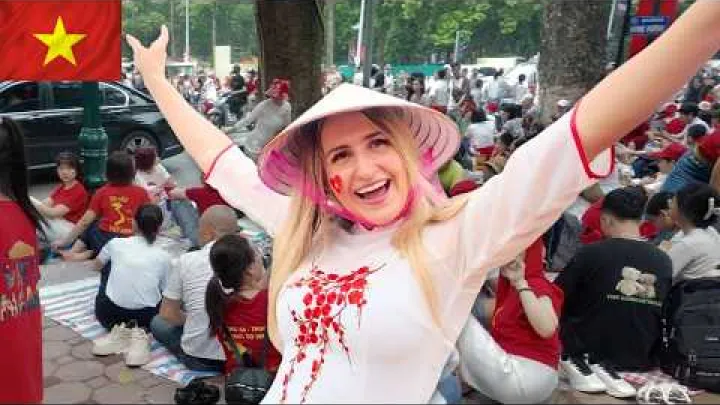
Vietnam National Day is one of the most important dates in the country’s modern history and public calendar. Each year on 2 September, Vietnam marks the 1945 Declaration of Independence with official ceremonies, family activities and large public events. For travelers, students and remote workers, understanding this national day helps make sense of how daily life changes around early September. It also offers a window into how Vietnamese people remember the past and imagine their shared future. This guide explains the history, symbols and celebrations of the Vietnam National Day holiday, with special attention to the 80th anniversary in 2025.
Introduction to Vietnam National Day for International Readers

Why Vietnam National Day matters to travelers, students and remote workers
Learning about Vietnam National Day is useful for anyone planning to visit, study or live in the country, because this holiday shapes public life every early September. Flights, trains and buses become busy, offices close and major city centers fill with flags and crowds. If you arrive without knowing what is happening, it can be confusing to find streets blocked, government offices closed or fireworks exploding above you on a random night.
For travelers, awareness of the national day helps with simple but important choices: which dates to book, whether to stay in Hanoi, Ho Chi Minh City or a quieter town, and how to plan around possible traffic restrictions for parades and fireworks. It also helps you understand local etiquette, such as why people may wear red shirts, display the national flag in front of their homes or stand still when the national anthem is played.
For international students, Vietnam National Day often marks a turning point in the academic calendar. Many universities schedule orientation activities or welcome events near this date, and the public holiday can fall just before or during the start of the semester. Knowing this in advance makes it easier to coordinate visa appointments, housing moves and course registration, especially because some offices and banks may close for several days if the holiday is combined with a long weekend.
For remote workers and business professionals based in Vietnam, the national day has implications for contracts, payroll, deliveries and deadlines. It is a statutory public holiday, so local colleagues and partners may be unavailable, and some companies plan annual team trips or internal events around it. Understanding cultural expectations, such as not scheduling important meetings on the main holiday or being respectful when colleagues share personal or family stories linked to the day, helps maintain good working relationships. More broadly, National Day is a central part of modern Vietnam’s identity, and taking time to learn about it can deepen your experience of living and working in the country.
Quick overview of the Vietnam National Day holiday
Vietnam National Day is a nationwide public holiday held every year on 2 September. It commemorates the 1945 Declaration of Independence read by Ho Chi Minh in Hanoi, which announced the end of colonial rule and the birth of the Democratic Republic of Vietnam. Today, the day combines official state ceremonies with popular celebrations in cities and villages across the country.
On and around 2 September, you can expect to see the red flag with the yellow star displayed almost everywhere. Houses hang flags at their doors, streets are lined with banners and public buildings are decorated with large portraits and slogans. In major cities such as Hanoi and Ho Chi Minh City, authorities may organize parades, wreath-laying ceremonies, cultural performances and evening fireworks. Families often use the Vietnam National Day holiday to gather for shared meals, short trips to the countryside or the beach and informal get-togethers with friends. In many places, the combination of patriotic rituals and relaxed leisure time produces a festive atmosphere that is visible from early morning until late at night.
What Is Vietnam National Day?
Date and basic facts
Vietnam National Day is celebrated on 2 September each year and is recognized as a national public holiday across the entire country. It marks the declaration of independence in 1945 and serves as a central symbol of modern Vietnamese statehood. Because of its importance, the date is fixed and does not change, unlike some other holidays that follow the lunar calendar.

In official terms, the holiday is known as the National Day of the Socialist Republic of Vietnam. It is a state holiday established in 1945, immediately after the independence declaration, and has been observed in different political and historical contexts since then. The main official events are concentrated in the capital, Hanoi, particularly at Ba Dinh Square and around the Ho Chi Minh Mausoleum, but commemorations take place in every province and city.
The following simple facts table summarizes key information about the Vietnam National Day holiday:
| Item | Detail |
|---|---|
| Official name | National Day of the Socialist Republic of Vietnam |
| Common English name | Vietnam National Day |
| Date | 2 September every year |
| Type of holiday | National public holiday |
| First celebrated | 1945 |
| Main location of official ceremonies | Ba Dinh Square and nearby areas, Hanoi |
| Main organizing bodies | Central and local government agencies, mass organizations |
The Vietnam National Day holiday is often linked to a longer break. In many years, the government issues a notice that adjusts workdays so that employees can enjoy a three- or four-day weekend. For example, if 2 September falls on a Tuesday or Thursday, extra days off may be added before or after the date, with make-up working days arranged elsewhere in the calendar. This means that each year’s actual holiday period can differ, and it is important for residents and visitors to check that year’s official announcement.
For international readers searching for when Vietnam National Day is and whether it is a public holiday, the key points are simple. The date is always 2 September, and it is always a nationwide day off for public offices and most private workplaces. However, the length of the break around that date depends on annual government decisions, so if you are planning travel, study or work deadlines, it is wise to confirm the current year’s schedule.
Why September 2 is Vietnam’s national holiday
The choice of 2 September for Vietnam National Day comes from a specific event in 1945. On that day, in Hanoi’s Ba Dinh Square, Ho Chi Minh, who was the leader of the independence movement, read a Declaration of Independence to a large crowd. In this declaration, he announced the formation of the Democratic Republic of Vietnam and stated that Vietnam would no longer accept colonial rule. The event took place shortly after the Second World War ended in Asia, during a period of major political change.
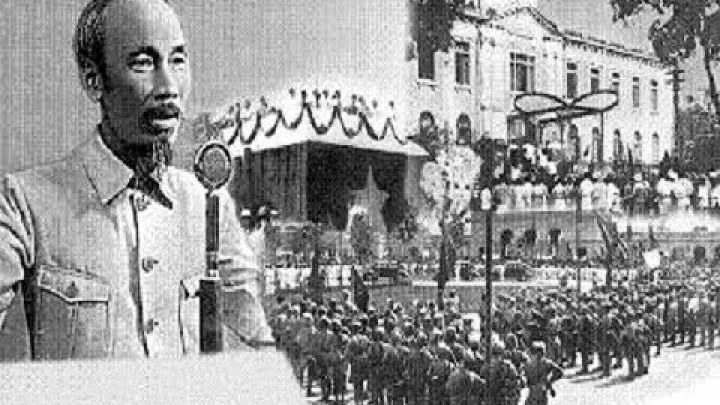
The declaration drew on widely known ideas of national self-determination and human rights. It referred to the suffering experienced under French colonial administration and to the wish of the Vietnamese people to manage their own affairs. By reading this statement in the center of the capital and in front of representatives of different social groups, Ho Chi Minh presented the new republic as the legitimate political authority in Vietnam.
For many Vietnamese people, 2 September symbolizes the end of a long period of foreign domination, which had included both French colonial rule and Japanese military presence during the Second World War. The date is seen as the birth of a new political era in which Vietnamese leaders claimed independent control over their territory, even though further conflicts would follow. The emphasis on independence also connects the holiday to broader global movements in which colonized societies demanded similar recognition.
Later events in Vietnamese history, such as the division between North and South after 1954 and the reunification of the country in 1976, did not change the status of 2 September as the central national day. Instead, they added new layers of meaning. For some, the holiday now also calls to mind the sacrifices of the long wars that followed the 1945 declaration and the final unification of the country under one government. As a result, Vietnam National Day functions both as a commemoration of the specific moment at Ba Dinh Square and as a broader symbol of national resilience and continuity.
Historical Background of Vietnam National Day
From French colonial rule to the August Revolution
To understand why Vietnam National Day is linked so strongly to independence, it is useful to look briefly at the period before 1945. In the late nineteenth century, France established control over large parts of mainland Southeast Asia, forming a colonial entity often referred to as French Indochina. Vietnam, together with neighboring territories, was administered under this system, with French officials and local collaborators managing political and economic life.

Colonial rule brought new infrastructure and institutions but also led to significant tensions. Land policies, tax systems and labor practices caused hardship for many rural communities. At the same time, new forms of education and communication helped spread political ideas about nationalism, social reform and anti-colonial resistance. From the early twentieth century, different groups, including monarchists, reformists and radicals, began to organize movements that called for greater autonomy or full independence.
During the Second World War, the situation in Vietnam became even more complex. Japan occupied the territory while allowing the French colonial administration to continue in a limited form. This dual structure weakened existing power arrangements and created space for underground organizations. One of the most significant groups was the Viet Minh, a broad-based front led by Ho Chi Minh and other nationalists, which aimed for Vietnamese independence.
In 1945, as Japan prepared to surrender, a power vacuum emerged across the region. The Viet Minh moved quickly to organize what became known as the August Revolution. In many cities and provinces, revolutionary committees took control of local administration, disarmed remaining authorities and raised the red flag with the yellow star. These rapid shifts in power set the stage for the events of 2 September in Hanoi, when the new leadership formally announced the creation of an independent Vietnamese state.
By focusing on these key moments—French colonial rule, the rise of independence movements, the impact of Japanese occupation and the August Revolution—we can see why the founders of the new republic chose to make the independence declaration the core event behind Vietnam National Day. The holiday thus reflects not only a single speech but also decades of political struggle and social change that made the speech possible.
Ho Chi Minh’s Declaration of Independence in 1945
The central historical scene behind Vietnam National Day took place at Ba Dinh Square in Hanoi on 2 September 1945. On that morning, large numbers of people gathered in the square and along nearby streets. Many participants carried flags and banners, and loudspeakers broadcast music and announcements. Representatives from different social groups, including workers, youth organizations and local officials, joined foreign guests and journalists in the crowd. The atmosphere combined expectations of change with formal ceremonial elements.
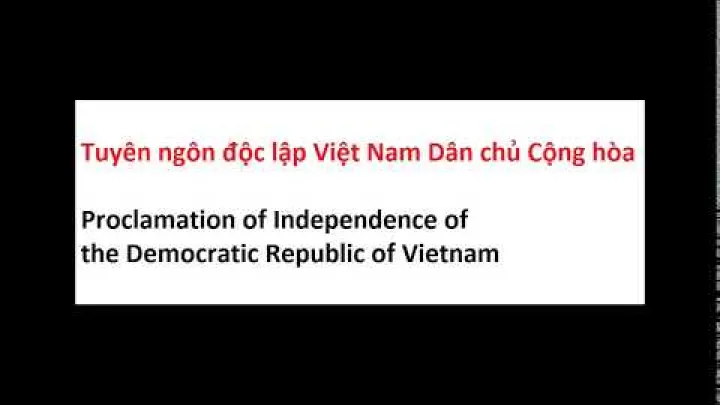
Ho Chi Minh appeared on a simple platform and read the Declaration of Independence in a clear and direct style. He introduced the document as an announcement that Vietnam was now an independent and free country. The text cited well-known statements about human rights and national self-determination, then applied these principles to Vietnam’s own experience under colonial rule. It described the suffering caused by economic exploitation, political repression and wartime hardship, and argued that these conditions justified the Vietnamese people’s decision to assert full sovereignty.
The declaration also stated that the new state would be called the Democratic Republic of Vietnam, indicating a commitment to republican forms of government rather than monarchy or colonial administration. At the end of the speech, Ho Chi Minh asked the assembled crowd whether they supported the independence of Vietnam, and people reportedly answered in unison. This call-and-response moment is often highlighted in later accounts as a sign of popular approval for the new political order.
Although the declaration did not by itself guarantee international recognition or lasting peace, it is remembered as a founding moment of modern Vietnam. The scene at Ba Dinh Square appears in textbooks, documentaries, museum displays and public art. Each year on Vietnam National Day, references to this event are common in speeches, television programs and school activities. By presenting a clear starting point for the state that exists today, the 1945 declaration gives the holiday a specific historical anchor that is easy to explain to younger generations and international visitors.
From independence to division and later reunification
The story of Vietnam National Day does not end with the 1945 declaration. After independence was proclaimed, the country entered a complicated period marked by negotiations, war and shifting international alignments. The First Indochina War broke out between forces of the Democratic Republic of Vietnam and the returning French, who sought to reassert colonial control. This conflict lasted until 1954, bringing significant human and material costs.

In 1954, the Geneva Accords were signed, ending the First Indochina War. These agreements recognized the independence of Vietnam but also temporarily divided the country into two zones along the 17th parallel. The northern zone was administered by the government based in Hanoi, while the southern zone formed a separate political entity backed by different foreign partners. The division was presented as temporary, with plans for nationwide elections, but in practice it became the starting point for deeper polarization and a new phase of conflict.
Fighting involved not only Vietnamese groups but also major foreign powers. The war ended in 1975 with the fall of Saigon and the collapse of the southern government. The next year, in 1976, the country was officially reunified as the Socialist Republic of Vietnam, with Hanoi as its capital.
These later events changed how Vietnam National Day was understood but did not replace it with a new date. Reunification in 1976 gave additional meaning to the 1945 declaration, since the original statement of independence was now seen as the first step in a long process that finally produced a fully unified state. Another important date, 30 April, which marks the end of the war in 1975, is also widely commemorated, but 2 September remains the primary national day.
In contemporary celebrations, official speeches and media programs often link 1945, 1954, 1975 and 1976 as parts of a single historical narrative. For many people, Vietnam National Day therefore represents both the initial break with colonial rule and the eventual reunification after years of conflict. At the same time, individual experiences vary, and memories of war and division are complex. The holiday provides a structured occasion to remember these different phases while focusing on themes of independence, unity and development.
Symbols and Places Connected to National Day
The red flag with the yellow star
One of the most visible symbols of Vietnam National Day is the national flag. The design is simple and distinctive: a red rectangular background with a large yellow five-pointed star in the center. This flag first appeared during the struggle for independence and was later adopted as the official state flag. Its clear colors and geometric form make it easily recognizable both inside and outside the country.

The red background of the flag is commonly interpreted as representing revolution and the blood shed in the fight for independence. The yellow star is said to stand for the Vietnamese people, with each of its five points symbolizing a key social group: workers, peasants, soldiers, intellectuals and small businesspeople. These elements together convey an image of a united population working toward common national goals. These interpretations are widely shared in Vietnam and emphasized in official explanations and school materials.
During Vietnam National Day, the scale of flag use is very striking. In cities and towns, local authorities often distribute small flags to households, and many people also buy their own. Flags are hung outside apartments, on balconies, on motorbikes and along main roads. Public buildings such as schools, government offices and cultural centers display larger flags and banners. Digital versions appear on news websites, social media profiles and television programs that run special National Day content.
For visitors, seeing the extensive use of the red flag with the yellow star can be a powerful way to sense the importance of the holiday. It also has practical uses, since streets decorated with flags and banners usually indicate that a ceremony, parade or community event is taking place nearby. When taking photos, it is generally fine to include the flag, but it is respectful to treat it carefully, avoid damaging or stepping on it and be mindful when posing in front of official displays.
Ba Dinh Square and the Ho Chi Minh Mausoleum
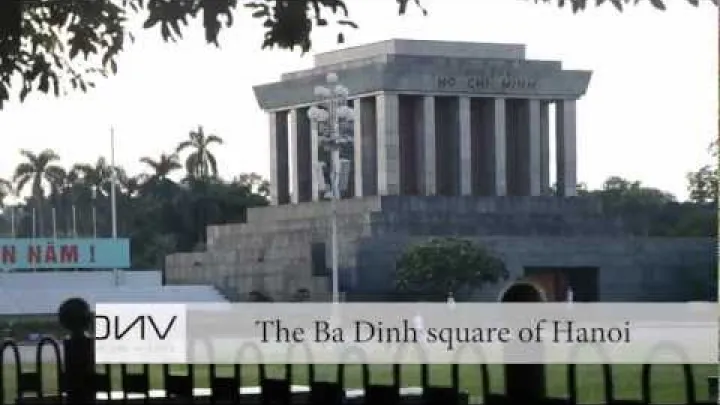
Ba Dinh Square in Hanoi is the main physical location associated with Vietnam National Day. This open square, surrounded by government buildings and tree-lined avenues, is where Ho Chi Minh read the Declaration of Independence on 2 September 1945. Over time, it has become a central ceremonial space for the Vietnamese state. National parades, flag-raising events and wreath-laying ceremonies often take place here, especially on major anniversaries.

On the western side of Ba Dinh Square stands the Ho Chi Minh Mausoleum, a large structure built in the 1970s to house Ho Chi Minh’s preserved body. The mausoleum is part of a larger complex that includes memorial gardens, a museum and the stilt house where Ho Chi Minh lived and worked during his later years. This complex plays an important role in official rituals on Vietnam National Day, such as visits by high-level delegations, offerings of flowers and moments of silence.
For most of the year, visitors can line up to enter the mausoleum under strict rules: modest clothing, quiet behavior and no photography inside the main chamber. The surrounding areas, including the square itself and nearby monuments, are popular stops on city tours. However, around National Day and especially during large parades, access patterns can change. Security perimeters expand, some paths are closed and certain areas may only be open to invited guests or registered participants.
International visitors who plan to be in Hanoi during the Vietnam National Day holiday should be prepared for these adjustments. It is common for roads around Ba Dinh Square to close several hours before major ceremonies begin, and checkpoints may be set up where bags are inspected. Standing in unofficial areas or blocking movement can lead to polite but firm instructions from security personnel. To enjoy the experience, it is best to arrive early, follow guidance from officials and be ready to watch from a distance if the core area is restricted.
How Vietnam National Day Is Celebrated Today

Official ceremonies and military parades in Hanoi
Official state ceremonies in Hanoi form the core of Vietnam National Day each year. Early in the morning, flag-raising events take place at Ba Dinh Square and other key locations. Senior leaders lay wreaths at the Ho Chi Minh Mausoleum and at war memorials, often accompanied by honor guards in white uniforms. These ceremonies are usually broadcast live on national television and covered extensively in other media, allowing people around the country to follow them even if they are far from the capital.
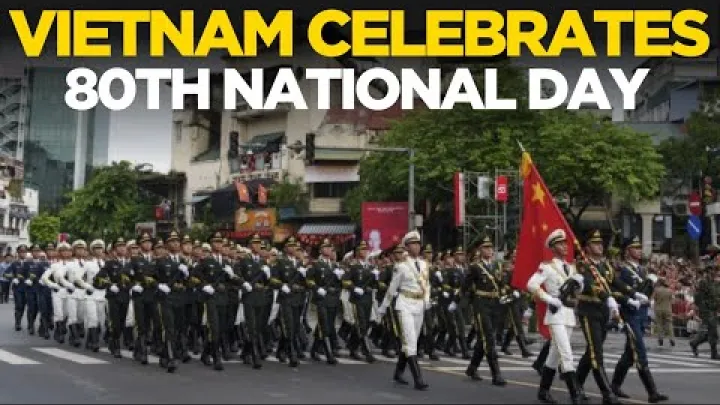
In addition to formal rituals, Vietnam National Day in Hanoi sometimes includes large-scale military and civil parades. These parades typically feature formations of soldiers from different branches of the armed forces, police units, youth volunteers, students and representatives of various professions. Colorful floats, historical displays and traditional costumes may appear alongside modern vehicles and equipment. However, it is important to note that full-scale national parades of this kind do not occur every year; they are usually reserved for major anniversaries such as the 60th, 70th or 80th years since independence.
When a major parade is scheduled, the route often passes through or near Ba Dinh Square and along wide avenues such as Hung Vuong Street. Viewing areas are designated for invited guests, while the general public watches from sidewalks some distance away. For security reasons, access is controlled, and people may be asked to move if they stand in restricted zones. National and local media provide information about which streets will be closed and when rehearsals and main events will take place.
Visitors who want to see an official Vietnam National Day parade in Hanoi should keep several practical tips in mind:
- Arrive early, as good viewing spots fill quickly, especially near major intersections and open spaces.
- Bring water, light snacks and protection from sun or rain, since standing times can be long.
- Follow instructions from security officers and avoid crossing the parade route or entering blocked streets.
- Use public transport or walk, because many roads close and parking options are limited.
- Be prepared for the possibility that the parade will focus on official guests, making it harder to see from a distance.
By approaching the event with patience and respect, international spectators can gain a meaningful view of how the state presents history, national unity and development to its citizens on this important day.
Fireworks, concerts and urban festivities
While official ceremonies are concentrated in the morning, urban celebrations for Vietnam National Day often reach their peak in the evening. Many major cities organize public fireworks shows, concerts and light displays either on 2 September itself or on a nearby date if weather or scheduling requires flexibility. These events attract large crowds and give the holiday a festive atmosphere that appeals to families, couples and groups of friends.
![Preview image for the video "Spectacular fireworks light up the sky over Ho Chi Minh City for Vietnam National Day [4K]".](/sites/default/files/styles/media_720x405/public/oembed_thumbnails/2025-12/Hit_XzplSkslFzOVw0iytEyRmFVv5_VuNj1xAknMT1k.jpg.webp?itok=5rRDuWAm "Preview image for the video \"Spectacular fireworks light up the sky over Ho Chi Minh City for Vietnam National Day [4K]\".")
In Hanoi, a common focus for National Day nightlife is the area around Hoan Kiem Lake and the Old Quarter. Streets may be turned into walking zones, with food stalls, live music stages and cultural performances. Fireworks are often launched from lakeside or riverside locations, creating reflections on the water. In Ho Chi Minh City, the Saigon River waterfront, Nguyen Hue pedestrian street and central parks are popular gathering places, with people arriving hours in advance to secure a good view.
Da Nang, known for its modern bridges and beach, also organizes Vietnam National Day fireworks and related activities. Shows may take place near the Han River or along the coast, accompanied by music and other entertainment. Other cities, including Hai Phong, Can Tho and Nha Trang, arrange their own programs, sometimes combining National Day with local festivals or tourism promotions. Exact schedules and locations vary each year and are usually announced by city authorities or tourism departments closer to the date.
For residents and visitors alike, the urban festivities present both opportunities and challenges. On the positive side, they offer a chance to experience local food, music and street culture in a concentrated way. Many people wear red shirts, wave flags or carry glow sticks, and the atmosphere is generally lively and friendly. On the other hand, traffic congestion, crowded sidewalks and occasional sudden rainstorms can make movement difficult.
Travelers who want to enjoy Vietnam National Day fireworks and concerts can prepare by checking local announcements, choosing a viewing spot early, and agreeing on meeting points with companions in case mobile networks are slow. It is wise to keep valuables secure and to stay aware of your surroundings, as in any large public gathering. Comfortable clothing and footwear, as well as a light raincoat, are practical choices in Vietnam’s early September weather.
Family traditions and community activities across the country
Beyond the capital and major cities, Vietnam National Day is also a family and community-focused occasion. Many people use the public holiday to spend time with relatives, especially when the date is part of a longer break. Shared meals at home are common, often featuring favorite local dishes rather than a fixed traditional menu.
In many residential areas, houses display the national flag at their gates or balconies, and local committees may organize neighborhood-level decorations and games. Children sometimes take part in drawing contests or simple performances that relate to the national day, learning songs and stories linked to independence. In some communities, teachers and elders tell younger generations about local experiences of war, hardship or reconstruction, adding a personal layer to national history.
Community activities also include cultural shows, sports tournaments and visits to memorials. Local cultural houses or schools may host traditional dance and music performances, while sports fields hold football or volleyball matches. Groups of residents visit cemeteries for fallen soldiers or pay respects to veterans, often bringing flowers or small gifts. These activities vary from place to place but share an emphasis on collective participation and remembrance.
There are noticeable differences between urban and rural celebrations. In large cities, entertainment and travel can dominate the day, with many people taking advantage of the Vietnam National Day holiday to visit shopping centers, tourist sites or restaurants. In rural areas, where travel budgets may be smaller and community ties more concentrated, events at the village level can be more prominent. Regions such as northern Vietnam, the central provinces and the Mekong Delta each bring their own cultural styles to the holiday, from local music traditions to distinctive foods.
For international visitors staying with host families or in homestays, participating in these everyday forms of celebration can be as informative as attending big city events. Simple activities, such as helping to hang a flag, joining a family meal or accompanying neighbors to a local performance, provide insight into how ordinary households connect national symbols with their own lives.
Vietnam National Day in 2025 and the 80th Anniversary
Why the 80th anniversary is important
In 2025, Vietnam National Day will mark the 80th anniversary of the 1945 Declaration of Independence. This milestone is significant because it highlights the long period that has passed since the founding of the Democratic Republic of Vietnam and allows people to reflect on major transformations in politics, society and the economy. Eight decades is a substantial span in any country’s history, and for Vietnam it covers colonial collapse, wars, reunification and rapid development.
Major anniversaries of Vietnam National Day are often occasions for the state to review past achievements and outline future priorities. In 2025, official speeches and media programs are expected to emphasize both the struggle for independence and post-war reconstruction. Documentaries, exhibitions and special publications may revisit the events of 1945 and the experiences of different generations since then. These activities aim to connect younger citizens, who were born long after the wars ended, with the memories of older people.
Because 2025 is the 80th anniversary, it is likely that events will be larger and more widely covered than in regular years. National and international media may pay closer attention to Vietnam National Day in 2025 than in previous years, reporting on parades, cultural programs and official messages. For the Vietnamese diaspora and for foreign observers, the anniversary provides a clear time marker to discuss the country’s path and its current role in the region.
For travelers and students who are considering a visit, 2025 offers a concentrated opportunity to experience Vietnam National Day in its most elaborate form. However, the same factors that make the anniversary special also mean there will be heightened security, greater crowds and higher demand for accommodation and transport. Understanding the importance of the 80th anniversary helps set realistic expectations for both the opportunities and the practical constraints of being in Vietnam at that time.
Planned parades, fireworks and cultural programs in 2025
As with any future event, specific details for Vietnam National Day 2025 will only be finalized and announced closer to the date. However, based on patterns from earlier major anniversaries, it is reasonable to expect an expanded program of parades, fireworks and cultural activities across the country. Hanoi, as the capital and the original site of the independence declaration, will be the main focus of official ceremonies.
For the 80th anniversary, authorities are likely to organize a large national parade at or near Ba Dinh Square. This could include a wide range of participants: military units from different branches, police forces, representatives of ministries and mass organizations, youth groups, students and performers in traditional costume. Floats or displays may illustrate historical episodes, achievements in science and technology, and regional cultural heritage. In addition to the parade, there will probably be a high-level meeting or gathering in a nearby hall, where leaders deliver speeches marking the anniversary.
Fireworks displays in 2025 are also expected to be broader than in a typical year. In previous major anniversaries, Hanoi and Ho Chi Minh City have hosted multi-point fireworks shows, with rockets launched from several lakes, rivers and stadiums at the same time. Da Nang, Hai Phong and other major cities often join with their own shows. Cultural programs may include concerts in central squares, special theater performances, film screenings and exhibitions on topics such as the August Revolution, reunification or economic reforms.
Because plans can change and new events can be added, travelers who wish to see Vietnam National Day 2025 celebrations should monitor reliable sources as the date approaches. These include official government or city websites, reputable news outlets and large travel information platforms. Hotels and local tour agencies often receive early information about traffic closures and performance schedules, so asking staff on arrival can be helpful. Keeping expectations flexible is important, since weather conditions or operational needs may lead to adjustments even at short notice.
To summarize likely patterns for 2025 without making precise promises, visitors can reasonably expect:
- Large official ceremonies and possibly a national parade in Hanoi on or around 2 September 2025.
- Extended and more intense fireworks shows in major cities compared with an ordinary year.
- Special cultural and artistic events focused on the 80th anniversary theme.
- Increased media attention and commemorative publications highlighting Vietnam’s historical path.
Parade rehearsals and how the public can take part
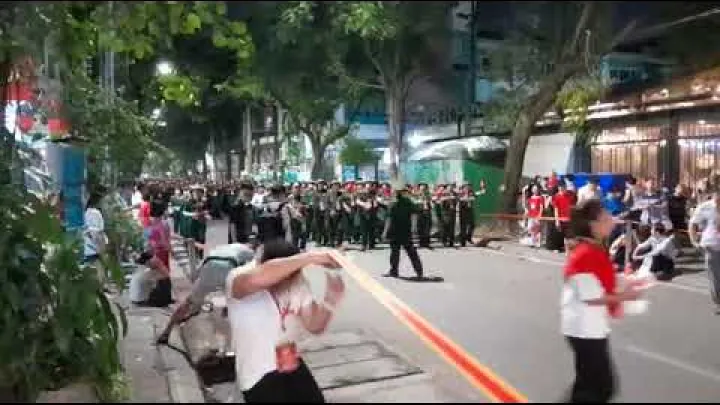
In years when a major Vietnam National Day parade takes place in Hanoi, rehearsals are an important part of preparations. These rehearsals are usually held at night or early in the morning on main streets around Ba Dinh Square and along key avenues. They allow organizers to test timing, formations, sound systems and lighting, and they give participants a chance to practice marching and coordinating large groups in a realistic setting.
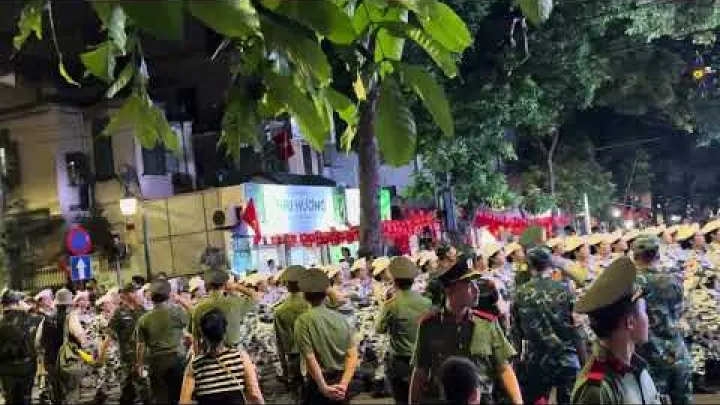
Residents and visitors sometimes watch these rehearsals because they provide a less crowded and more relaxed way to see marching units and performances. You may encounter groups of soldiers, police, students or performers moving through the streets, accompanied by vehicles and music. The rehearsals can be impressive in their own right, even though some parts of the full parade, such as official speeches or the complete sequence of floats, may be missing.
However, access to rehearsal areas is still controlled. Streets may close temporarily, and sidewalks near sensitive locations can be restricted. Spectators are expected to stand behind barriers, follow directions from security personnel and avoid interrupting the movements of parade units. Taking photos and videos is generally tolerated in public areas, but it is wise to avoid pointing cameras directly into security checkpoints or at individual officers in a way that could cause concern.
For international visitors, watching a parade rehearsal for Vietnam National Day 2025 can offer several advantages: it may be easier to find a viewing spot, the temperature may be cooler at night or early morning, and the overall mood may be calmer than during the main event. To make the most of this opportunity while staying safe and respectful, consider the following guidelines:
- Check local news, social media channels of city authorities or hotel information boards for rehearsal dates and times.
- Plan your transport, as some bus routes and taxi access may be affected by partial road closures.
- Dress modestly and comfortably, and bring a light jacket if the rehearsal extends into cooler night hours.
- Keep a respectful distance from formation lines and equipment, even if other spectators move closer.
- Follow any spoken or signaled instructions from security and event staff without argument.
By observing these simple rules, members of the public can enjoy close views of parade preparations while contributing to a safe and orderly environment for participants and organizers.
Visiting Vietnam During National Day
Best cities and sites to experience the holiday
Choosing where to be on Vietnam National Day can shape your experience of the holiday. Different cities and regions offer distinct combinations of official ceremonies, cultural activities and leisure options. For international visitors, it is helpful to compare these destinations before finalizing travel plans, especially in a busy anniversary year such as 2025.

Here you can visit Ba Dinh Square, the Ho Chi Minh Mausoleum and nearby historical sites, and you are most likely to witness high-level state ceremonies and, in special years, national parades. The areas around Hoan Kiem Lake and the Old Quarter also host evening festivities, making Hanoi a good choice if you are interested in both history and street life.
While the main national ceremonies occur in Hanoi, Ho Chi Minh City organizes its own parades, cultural performances and fireworks, often centered on the Saigon River waterfront and Nguyen Hue pedestrian street. The city’s large population and strong food and nightlife scenes mean that Vietnam National Day becomes part of a wider festival-like atmosphere.
Da Nang is known for its bridges and riverside skyline, which form a striking backdrop for fireworks and light shows. Hoi An, a UNESCO-listed town about an hour away, tends to offer smaller-scale but charming lantern-lit evenings and cultural performances. Combining both in one trip is common around the national day break.
While its Vietnam National Day events are less large-scale than in Hanoi or Ho Chi Minh City, Hue’s citadel, royal tombs and pagodas create a strong sense of connection to earlier eras of Vietnamese statehood. Visitors may find that smaller crowds and slower rhythms allow for more reflective experiences of the holiday.
You may not see major parades or huge fireworks shows, but you can still observe flag displays, local cultural events and family celebrations. This approach suits travelers who want to experience National Day traditions while avoiding the most intense urban congestion.
The comparison below summarizes typical activities by city in a way that can later be adapted into a more formal table if needed:
- Hanoi – main state ceremonies, possible national parade, large fireworks, historic sites.
- Ho Chi Minh City – big-city nightlife, riverfront fireworks, concerts and street activities.
- Da Nang / Hoi An – riverside and beach fireworks, modern cityscape plus heritage town atmosphere.
- Hue – historical ambiance, moderate-scale events, space for reflection.
- Smaller towns and rural areas – local flags, community events, quieter family gatherings.
Travel logistics, closures and practical tips
Visiting Vietnam during the national day period requires some extra planning because of increased travel demand and public holiday schedules. Flights, trains and long-distance buses can become fully booked several weeks in advance, especially on routes to and from major cities. Hotels in popular destinations such as Hanoi, Ho Chi Minh City, Da Nang and Nha Trang may raise prices or fill up quickly as both domestic and international travelers plan trips around the long weekend.

To manage these factors, it is wise to make reservations early and to double-check booking details before departure. If your plans are flexible, arriving a few days before the main holiday or leaving a few days after can reduce the pressure. Within cities, ride-hailing services and taxis remain available, but traffic delays are common near parade routes, fireworks sites and entertainment districts. Walking or using public transport where possible can save time.
However, restaurants, shops, markets and tourist attractions in central areas often stay open, sometimes with reduced or extended hours depending on the business.
Lightweight, breathable clothing, comfortable shoes and a small umbrella or raincoat are practical choices. If you plan to stand outside for parades or fireworks, sun protection such as hats and sunscreen is also important. Evening temperatures in northern highland areas may be cooler, so a light jacket can be useful.
Cultural respect and personal safety should guide your behavior during Vietnam National Day celebrations. During official ceremonies or when the national anthem is played, people usually stand still and face the flag or stage; following this practice is a simple sign of respect. Clothing that is neat and modest is appropriate, particularly near important sites like Ba Dinh Square or the Ho Chi Minh Mausoleum. Avoid loud or disruptive behavior in solemn spaces or during moments of silence.
In crowded public events, standard safety practices apply: keep your valuables secure, stay aware of exits, and agree on meeting points with friends in case you are separated. Parents with young children may wish to choose less dense viewing spots or watch from a distance. By preparing for logistics, closures, weather and etiquette, visitors can enjoy the Vietnam National Day holiday while minimizing stress and misunderstandings.
Contemporary Views and Debates
How different generations see Vietnam National Day
Vietnam National Day carries different meanings for different generations and social groups. For many older people, especially those who experienced war or the early years of independence, the holiday is closely linked to memories of struggle, loss and rebuilding. Veterans and their families often view 2 September as a time to honor fallen comrades and to reflect on the sacrifices required to secure national sovereignty.
Some older citizens may attend official ceremonies, visit war cemeteries or watch televised coverage with particular attention to historical references. They may share personal stories with children and grandchildren about conditions under colonial rule, the hardships of wartime or the efforts involved in post-war reconstruction. For them, the symbolism of the flag, the national anthem and the scenes from Ba Dinh Square can evoke strong emotions connected to lived experience.
Younger generations, including many urban youth and students, often encounter Vietnam National Day in a somewhat different way. For them, the day is both a civic event and an opportunity for leisure. Concerts, fireworks, travel, shopping and social media activities play a central role in how they experience the holiday. While they learn about the historical background in school and through media, their direct memories are likely shaped more by festivals, gatherings with friends and temporary breaks from study or work.
This does not mean that younger people are uninterested in history or national identity. Many are curious about their country’s past and engage with it through documentaries, online discussions and museum visits. At the same time, they may interpret Vietnam National Day in the context of contemporary concerns such as education, employment, environmental issues or international connections. Emotions and views about the holiday can differ even within the same age group, depending on family background, regional identity and personal experiences.
Between these generations, there is often dialogue as well as difference. Family gatherings during the national day break can be occasions for storytelling and reflection, where older relatives explain the significance of events like the August Revolution or reunification. Younger relatives might share their perspectives on modernization, digital life or global links. Vietnam National Day thus serves as a regular moment in the year when different generations can negotiate shared understandings of the past and present.
Patriotism, state ceremonies and public discussion
Official Vietnam National Day events emphasize themes such as patriotism, unity, gratitude to earlier generations and confidence in future development. Parades, speeches, documentaries and public art often highlight national heroes, historical milestones and achievements in areas like education, healthcare and infrastructure. These presentations aim to foster a sense of shared identity and continuity across different regions and social groups.
At the same time, public discussions, especially online, sometimes include more diverse perspectives on how the holiday is organized and represented. Some people express pride in large parades and fireworks, seeing them as fitting displays for an important national occasion. Others raise questions about the cost of such events, suggesting that resources could also be directed to social programs, environmental projects or support for people in difficult circumstances. These conversations appear on social media, in informal forums and in everyday talk among friends and colleagues.
Another area of discussion involves the style of public communication around Vietnam National Day. Some viewers appreciate traditional forms of patriotic messaging, such as posters and state media programs, while others prefer newer formats, including documentaries that feature multiple voices or cultural events that blend historical themes with modern music and art. Debates over these styles reflect broader changes in media habits, generational tastes and expectations about public expression.
Despite these differing views, many people experience Vietnam National Day in a practical way as well as a symbolic one. For some, it is primarily a chance to rest, travel, shop or spend time with family, regardless of their degree of political interest. For others, it is a moment of solemn reflection on the country’s difficult path to independence and reunification. Still others combine both approaches, attending a ceremony or watching a historical program in the morning, then enjoying fireworks and entertainment in the evening.
Understanding this range of experiences and debates helps international readers avoid simplistic assumptions about how “everyone” in Vietnam feels on National Day. As in any country, attitudes toward national symbols and holidays are varied and changing. Vietnam National Day remains a central event in the national calendar, but its meanings are negotiated continuously in everyday life.
Frequently Asked Questions
Common questions about the Vietnam National Day holiday
Many international readers have similar questions about Vietnam National Day, especially when they are planning travel, study or work around early September. They want to know the exact date, whether it is a public holiday, how people celebrate and how the holiday affects daily life and business operations.
The following FAQ section collects concise answers to some of the most common queries, including when Vietnam National Day is, why it is important, how parades and fireworks work and what visitors should expect. This structure allows you to quickly find specific information without reading the entire article, while also reinforcing key points discussed in more detail above.
When is Vietnam National Day and what does it commemorate?
Vietnam National Day is celebrated every year on 2 September. It commemorates Ho Chi Minh’s Declaration of Independence in 1945, which announced the end of French colonial rule and the founding of the Democratic Republic of Vietnam. The day is seen as the birth of modern Vietnamese statehood and is central to the country’s national identity.
Is Vietnam National Day a public holiday and how long is the break?
Vietnam National Day is a nationwide public holiday. Workers and students normally receive at least one paid day off on or around 2 September. In many years, the government arranges a long weekend of three or four days by shifting days off or adding substitute days when the holiday falls on a weekend. Public offices, banks and some businesses close, while essential services and many shops continue to operate.
How do people in Vietnam usually celebrate National Day?
People in Vietnam celebrate National Day with flag displays, official ceremonies, fireworks and family gatherings. In big cities there are often parades, concerts and light shows in main squares and along rivers. Families may share special meals at home, travel together to tourist destinations or join community events such as cultural performances and sports matches. Many people also watch televised coverage of ceremonies in Hanoi.
Where is the main National Day parade held in Vietnam?
The main National Day parade, when one is organized, is held in Hanoi at Ba Dinh Square, in front of the Ho Chi Minh Mausoleum. This is the same place where Ho Chi Minh read the Declaration of Independence in 1945. Large parades with troops, students and cultural groups march past the square and nearby streets, especially on major anniversaries such as the 80th in 2025. Smaller parades and processions may take place in other cities and provinces.
What is special about Vietnam National Day 2025 and the 80th anniversary?
Vietnam National Day 2025 marks the 80th anniversary of the 1945 Declaration of Independence. The government is expected to organize a very large program of events, including a major national parade in Hanoi, expanded fireworks shows in major cities and special concerts and cultural programs. The anniversary is presented as a time to honor the long struggle for independence and to highlight Vietnam’s development in the decades since the war.
Is Vietnam a good place to visit during National Day and what should travelers prepare?
Vietnam can be an exciting place to visit during National Day because you can see parades, fireworks and lively street life. Travelers should book flights and hotels early, expect crowds and some road closures near event areas and arrive in advance for major ceremonies or fireworks. Wearing simple red or neutral clothing, respecting security rules, standing still during the national anthem and planning for warm, possibly rainy weather will help visitors enjoy the atmosphere comfortably and respectfully.
What is the meaning of the red flag with the yellow star used on National Day?
The red background represents revolution and the blood shed for independence, while the yellow star stands for the Vietnamese people. Its five points are commonly said to symbolize workers, peasants, soldiers, intellectuals and small businesspeople united in the national cause.
Are shops and tourist attractions open on Vietnam National Day?
Many shops, restaurants and tourist areas remain open on Vietnam National Day, especially in major cities and popular visitor destinations. Government offices, banks and some smaller businesses close for the public holiday and any additional days announced around it. Travelers should check opening hours for specific sites such as museums or the Ho Chi Minh Mausoleum, which may adjust schedules because of official ceremonies or security requirements.
Conclusion and next steps for learning about Vietnam National Day
Key takeaways about Vietnam National Day
Vietnam National Day, held every year on 2 September, marks the 1945 Declaration of Independence in Hanoi and the birth of the modern Vietnamese state. Its historical roots lie in the transition from colonial rule through the August Revolution and later through war, division and reunification. Central symbols, such as the red flag with the yellow star and Ba Dinh Square with the Ho Chi Minh Mausoleum, connect contemporary ceremonies directly to this past.
Today, the Vietnam National Day holiday combines official rituals, including ceremonies and occasional large parades, with fireworks, concerts, family gatherings and community activities across the country. The 80th anniversary in 2025 will give special prominence to these themes and is likely to feature larger events than usual. For international visitors, students and remote workers, understanding the date, meaning and common practices of National Day is essential for navigating public life and appreciating Vietnam’s modern identity.
How readers can prepare, visit or study further
Anyone planning to be in Vietnam around early September can benefit from checking current-year holiday calendars, transport availability and event announcements, since details such as long weekend arrangements and parade schedules change from year to year. Learning a few basic Vietnamese greetings and simple phrases related to the holiday, such as “Chúc mừng Quốc khánh” (Happy National Day), can make interactions during the celebrations more pleasant.
Those interested in going deeper can explore more detailed sources on Vietnamese history, including works on colonialism, the August Revolution, the wars of the mid-twentieth century and post-war reforms. Reading about other important dates, such as Liberation Day on 30 April and the Lunar New Year (Tết), also helps place Vietnam National Day within the broader annual cycle of remembrance and celebration. By observing the holiday with attention and respect, international readers can gain a clearer understanding of how Vietnam remembers its past and imagines its future.
Select area
Create a post
Posting is free and no registration is required.