- Tay Son Heaven and Earth Esplanade: Historic Shrine in Quy Nhon
- Quang Trung Museum: Tay Sơn History & Culture in Quy Nhon
- Banh It Cham Towers: Ancient Heritage & Photography in Quy Nhon
- The Thon Beach in Cat Tien: Clean Shores & Affordable Watersports
- Linh Phong Pagoda in Quy Nhon: The Sacred Mountain Temple
Vietnam Restaurant Guide: Best Vietnamese Food, Pho, and How to Find Restaurants Near You
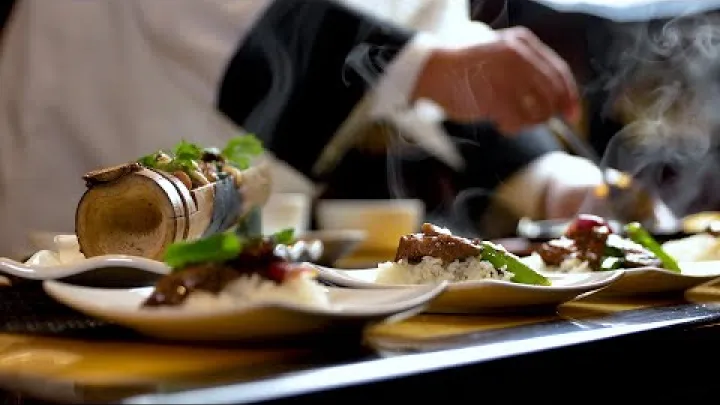
Vietnam restaurants have become some of the most searched and visited places for people who want fresh, balanced, and flavorful meals. Whether you are typing “Vietnam restaurant near me” into your map app or planning a trip across Vietnam, it helps to understand what to expect. This guide explains the main types of Vietnamese restaurants, the dishes you are most likely to see, and how to judge quality and value. It also covers health aspects, regional differences, and practical tips for finding a good Vietnam food restaurant wherever you live or travel.
Introduction to Vietnam Restaurants and Modern Vietnamese Cuisine
Why Vietnam restaurants are gaining global popularity
In many major cities today, it is easy to find at least one Vietnam restaurant or dedicated pho shop. People search online for phrases like “Vietnam restaurant nearby” or “Vietnam pho restaurant near me” because they associate Vietnamese food with comfort, freshness, and good prices. This interest appears both in large immigrant communities and in places where Vietnamese cuisine is still relatively new.
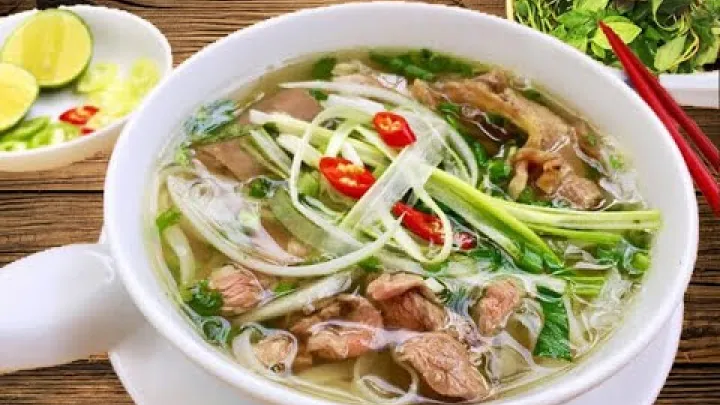
One reason for this growth is the way Vietnamese food balances flavors and textures. Typical dishes combine fresh herbs, crunchy vegetables, light rice noodles, and grilled or simmered meats. Compared with some other restaurant cuisines that rely heavily on oil, cream, or cheese, many Vietnamese dishes feel lighter while still being satisfying. Travelers who visit Vietnam often return home with strong memories of street stalls and family eateries, and they look for similar experiences in their own countries. At the same time, migration and international study have helped Vietnamese owners open restaurants abroad, while social media shares images of steaming pho bowls, colorful banh mi, and fresh spring rolls with audiences worldwide.
How this guide helps you choose a great Vietnam food restaurant
This guide is designed to help you make confident choices when you look for a Vietnam restaurant, either in your hometown or while traveling. It explains what typical dishes mean, how they are served, and what ingredients they usually include. You will also learn how to interpret menus, how to recognize healthier options, and how to ask for simple changes if you have dietary needs.
The information is especially useful for tourists, international students, and remote workers who move to new cities and want reliable places to eat. Sections walk through restaurant types, common menu items, and signs of quality, then show you how to use search phrases like “Vietnam food restaurant near me” in map applications. You will also see short examples from different cities in Vietnam, such as Hoi An and Hue, to understand how regional dishes can influence what you find in restaurants around the world.
What Is a Vietnam Restaurant?
Definition and types of Vietnamese restaurants
A Vietnam restaurant is a dining place where Vietnamese cuisine is the main focus of the menu, cooking style, and overall concept. It is different from a generic “Asian” restaurant that combines dishes from several countries without a clear culinary identity. In a true Vietnamese restaurant, you will usually find core items such as pho, rice or noodle bowls with fresh herbs, and stir-fried or grilled dishes that follow Vietnamese flavor traditions.

Vietnamese restaurants appear in many formats, from small pho shops to large fine-dining venues. Some focus on one specialty, like noodle soup, while others offer a broad range of regional dishes. Below is a simple comparison of common types you may see, including the “Vietnam house restaurant” style that aims to feel like a traditional home.
| Restaurant type | Service style | Typical menu size | Price level |
|---|---|---|---|
| Pho shop | Fast, casual, often counter service | Short; mainly pho and a few side dishes | Low to medium |
| Family-style Vietnamese restaurant | Table service, shared dishes | Medium to large; soups, stir-fries, rice, noodles | Low to medium |
| Vietnam house restaurant | Table service in home-like setting | Focused menu with regional or home-style recipes | Medium |
| Street-food-inspired bistro | Casual, sometimes counter plus table service | Medium; banh mi, snacks, small plates | Medium |
| Fine-dining Vietnamese restaurant | Full service, reservations often recommended | Curated menu or tasting sets | Medium to high |
When this article refers to a “pho shop,” it means a restaurant where the highlight is pho and other noodle soups. “Family-style Vietnamese restaurant” describes places where groups share several plates with rice. The term “Vietnam house restaurant” is used for venues that recreate the feeling of a traditional Vietnamese home through decor and recipes. A “street-food-inspired bistro” usually brings popular street dishes into a clean, comfortable indoor space, while “fine-dining Vietnamese restaurant” refers to high-end, chef-driven concepts with more formal service.
Global growth and why Vietnamese cuisine is popular
Vietnamese cuisine has expanded across North America, Europe, Asia, and Australia over the last few decades. In cities such as Paris, Berlin, London, Sydney, Toronto, and Los Angeles, it is common to see concentrated areas where several Vietnam restaurants operate close to each other. Many people regularly search for “Vietnam restaurant near me” or “Vietnam food restaurant” when they want a meal that feels both comforting and relatively light.
The appeal comes from several factors. Dishes like pho offer a warm, aromatic broth that feels similar to home-style soups found in many cultures, making them easy for new diners to accept. At the same time, generous use of herbs such as basil, mint, and cilantro, together with lime and chili, provides a bright and refreshing profile. The cuisine also includes many rice-based dishes and gluten-free options, which helps guests with certain dietary needs. As delivery apps and online reviews have grown, it has become easier for small Vietnamese businesses to reach local customers, and searches like “Vietnam pho restaurant near me” show the strong demand for convenient, high-quality noodle soups in many neighborhoods worldwide.
Key Vietnamese Dishes You Will Find in Most Restaurants
Pho and other Vietnamese noodle soups
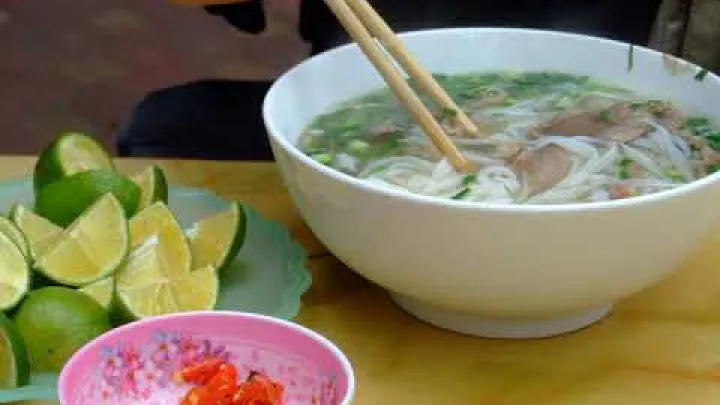
Pho is one of the most famous dishes you will encounter in any Vietnam restaurant, both inside and outside Vietnam. It is a noodle soup that usually contains a clear yet rich broth, flat rice noodles, and slices of beef or chicken. On the side, restaurants often provide a plate of fresh herbs, bean sprouts, lime wedges, and chili so you can adjust the flavor to your taste. The broth is typically simmered for many hours with bones, onions, ginger, and spices such as star anise and cinnamon, resulting in a deep but gentle flavor.
Besides pho, there are several other important Vietnamese noodle soups. bun bo Hue comes from Hue in central Vietnam and has a spicy, lemongrass-scented broth with thicker round rice noodles and beef or pork. It is usually richer and bolder than typical pho. Hu tieu, popular in southern Vietnam, uses clear noodles that may be made from rice or a rice-tapioca mix and can be served in a light pork or seafood broth, or “dry” with broth on the side. Mi refers to wheat-based egg noodles often used in dishes with a slightly heavier, savory broth, especially in Chinese-influenced parts of Vietnam.
When ordering pho in a Vietnam restaurant, you can often choose between beef (pho bo) and chicken (pho ga). Under the beef category, menus may list options such as thinly sliced rare steak, brisket, tendon, tripe, or meatballs. If you are unsure, you can start with a mixed bowl that includes two or three beef cuts. Many restaurants allow you to choose a smaller or larger portion, and some let you adjust how spicy the soup is by adding chili sauce or sliced fresh chili yourself.
To simplify the differences among main noodle soups, you can think of pho as a mild, aromatic beef or chicken broth with flat rice noodles; bun bo Hue as a spicier, central-style soup with round noodles and a stronger flavor; hu tieu as a southern, often clearer soup with flexible toppings; and mi as an egg noodle option with a slightly chewier texture. Understanding these basic contrasts helps you decide what to order when you see several soups listed on the same menu.
Banh mi and Vietnamese street food favorites
Banh mi is another iconic item you will often find in a Vietnam food restaurant or street-food-inspired bistro. It is a sandwich served in a short, crisp baguette that reflects French influence from the colonial period. The bread is usually light and airy inside with a thin, crunchy crust, making it easy to bite. A classic banh mi typically includes a spread such as pork liver pâté or mayonnaise, slices of cold cuts or grilled meat, pickled carrot and daikon (a type of white radish), fresh cucumber, cilantro, and chili.
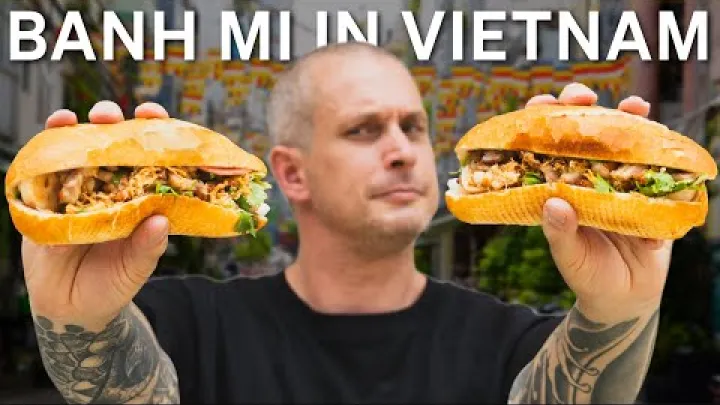
Modern versions may feature fillings like grilled chicken, lemongrass pork, fried egg, tofu, or even fusion ingredients, but they usually keep the key elements of crunchy bread, pickled vegetables, and fresh herbs. In many overseas cities, a Vietnam restaurant that focuses on quick meals will sell banh mi as a takeaway option because it travels well and is relatively affordable. Some menus explain ingredients in local language, but if not, you can ask staff to describe components such as “pâté” (a smooth, rich meat spread) or “pickles” (vegetables preserved in a mild vinegar solution).
Other street-food-inspired dishes also appear frequently. Bun cha is a Hanoi specialty that serves grilled pork patties and slices in a bowl of light, savory-sweet sauce with herbs and rice noodles on the side. Com tam, or broken rice, is common in southern Vietnam and usually comes with grilled pork chop, shredded pork skin, fried egg, and pickles over rice made from broken grains. Many Vietnam restaurants also serve grilled meat skewers, crispy pancakes, and small rice cakes as snacks or appetizers.
For travelers who want a quick and affordable meal, these street-food dishes are practical options. When you enter a Vietnam restaurant nearby at lunchtime, you can look for banh mi, com tam, or bun cha on the menu if you prefer something that is easy to eat and not too heavy. If you do not eat pork, you can often ask for chicken, beef, or tofu versions. Because names may be unfamiliar, it can be helpful to point to photos on the menu or display case when ordering.
Fresh rolls, salads, and plant-forward options
Fresh rolls and salads are key reasons many people consider Vietnamese cuisine to be light and plant-forward. Fresh spring rolls, also called rice paper rolls or “goi cuon,” are made by dipping thin sheets of rice paper briefly in water, then wrapping them around fillings such as lettuce, herbs, rice noodles, shrimp, pork, or tofu. The rolls are not fried, so they keep a clean, fresh texture. They are usually served with dipping sauces such as nuoc cham (a balanced mixture of fish sauce, lime or vinegar, sugar, garlic, and chili) or a peanut-based sauce that combines ground peanuts, hoisin sauce, and sometimes chili.

Vietnamese salads and rice noodle bowls also highlight fresh vegetables and herbs. Dishes like “bun thit nuong” (grilled meat with rice noodles) or “bun cha gio” (noodles with fried spring rolls) are often served at room temperature with lettuce, cucumber, pickled vegetables, and a generous amount of herbs. A small bowl or pitcher of nuoc cham is poured over the top to create a light dressing. These meals give a good balance of carbohydrates from noodles, protein from grilled meat or tofu, and fiber from vegetables, and they are easy to customize based on hunger level.
Many of these dishes can be adapted for vegetarian or vegan diets. For example, fresh rolls can be made with tofu, mushrooms, or only vegetables instead of shrimp and pork. Salads and noodle bowls can replace grilled meat with marinated tofu or extra vegetables, and the dressing can be adjusted to remove fish sauce if needed. When you read a menu in a Vietnam restaurant, look for symbols that indicate vegetarian options, or ask whether a dish can be prepared without animal products.
If you are trying to eat more plant-based meals, you can focus on sections of the menu that list fresh rolls, salads, and rice noodle bowls. These items tend to contain a high proportion of vegetables and herbs, and they are typically prepared with gentle cooking methods. Asking for extra greens or less sauce can make them even lighter. In many cities, Vietnam restaurants are ahead of other cuisines in offering clear vegetarian and vegan choices, which makes them a useful option for mixed groups where some people eat meat and others do not.
Health and Nutrition in Vietnamese Restaurants
Why Vietnamese food is considered a healthy choice
Many people view a Vietnam restaurant as a healthier choice compared with certain other casual dining options, but it is important to understand why and also where limits exist. Typical Vietnamese meals combine a large share of vegetables and herbs with moderate amounts of lean protein and carbohydrates from rice or noodles. Fresh herbs like mint, basil, and cilantro are used not just as garnish but as an essential part of the dish, increasing both flavor and plant content.

Common cooking methods in Vietnamese restaurants also support a lighter profile. Dishes are often boiled, steamed, grilled, or quickly stir-fried, which normally requires less oil than deep-frying or baking with rich sauces. Pho and other soups rely on broth rather than cream, and grilled meats are frequently served with raw vegetables and rice instead of heavy side dishes. However, health profiles can vary a lot depending on what you order and how large the portion is. A clear broth soup with plenty of vegetables is very different nutritionally from a large plate of fried spring rolls, even though both belong to the same cuisine.
There are also some factors to consider carefully. Broths and dipping sauces, especially nuoc cham and soy-based sauces, can be relatively high in sodium. If you are watching salt intake, you can taste your food before adding extra sauce and request less broth if you do not plan to drink all of it. Some grilled dishes may include fatty cuts of meat or added sugar in the marinade, which contributes to calories. As with any restaurant cuisine, balance matters: combining a richer dish with a side of fresh rolls or a salad can help keep the overall meal moderate.
When choosing lighter options in a Vietnam restaurant, you can focus on fresh spring rolls, clear soups with vegetables, steamed dishes, and grilled items served with salad or plain rice. Avoiding too many deep-fried appetizers and limiting sugary drinks will also help. By paying attention to how a dish is cooked and how many sauces and condiments you use, you can enjoy Vietnamese flavors while still matching your own nutrition goals.
Vegetarian, vegan, and special-diet options
Vietnamese restaurants are often friendly places for vegetarian and sometimes vegan diners, but availability can differ by city and by individual restaurant. Many menus include tofu pho made with vegetable broth, stir-fried mixed vegetables, and fresh rolls filled with tofu or mushrooms instead of meat. Some Vietnam restaurants, especially those influenced by Buddhist cooking traditions, offer entire sections or separate menus dedicated to plant-based dishes.

If you follow a vegetarian or vegan diet, it is useful to know a few common ingredients. Fish sauce is widely used in Vietnamese cooking, both in dipping sauces and as a seasoning in stir-fries. For a vegetarian meal, you can ask the staff if they can remove fish sauce and use soy sauce or salt instead. Some places already offer vegetarian fish sauce substitutes made from mushrooms or seaweed. For pho, you can request “vegetable broth” or “no meat broth” and confirm that it does not contain bones or animal-based seasonings.
People with gluten sensitivity or those who limit sugar or calories can also find suitable choices in many Vietnamese restaurants. Rice noodles, rice paper, and steamed rice are naturally gluten-free, though it is still wise to ask about soy sauce or other seasonings that may contain wheat. Broth-based soups, fresh rolls, and grilled meat or tofu with vegetables tend to be lower in added sugar and fat compared with fried or heavily sauced dishes.
Simple, clear phrases help when explaining dietary needs, especially if language is a barrier. Examples include: “No fish sauce, please,” “Vegetable broth only, no meat,” “No soy sauce with wheat, gluten-free please,” or “No sugar in the drink.” You can show these sentences on your phone if pronunciation is difficult. Most Vietnam restaurants are used to making small changes such as leaving off certain sauces or swapping meat for tofu, and polite requests are usually welcomed when the kitchen has the ingredients.
How to Choose a Good Vietnamese Restaurant
Reading online reviews and ratings
In many countries, the easiest way to find a good Vietnam restaurant is to use online maps and review platforms. Typing phrases such as “Vietnam restaurant near me” or “Vietnam food restaurant near me” into a map application will usually show several options with ratings and user photos. This first list can be a starting point, but understanding how to read the details will help you choose more wisely.

When you open a restaurant listing, look at both the average rating and the number of reviews. A place with a high score and many reviews over a long period is often more reliable than a new restaurant with only a few very positive comments. Pay attention to recent reviews to see if quality has changed. Guests often mention flavor, portion size, service friendliness, and cleanliness, which are all important indicators.
It is also useful to read reviews on more than one platform if possible, such as a major map app plus a local food forum. Look for patterns: if many people praise the pho broth or the freshness of herbs, that is a good sign. If several comments mention issues like inconsistent taste, long delays, or hygiene concerns, you may want to consider other options.
At the same time, you should be careful about suspicious or unhelpful reviews. Very short comments that only say “good” or “bad” without explanation may not tell you much. A sudden group of extremely positive reviews that all appear within a few days and use similar wording could be less trustworthy. Likewise, a single very negative review should be balanced against the overall picture. Focusing on detailed, balanced reviews from users who seem familiar with Vietnamese food will usually give you the clearest picture.
Signs of quality, authenticity, and good value
Once you arrive at a Vietnam restaurant, there are several visible signs that can help you judge quality and value. Cleanliness is fundamental: floors, tables, and restrooms should look cared for, and staff should handle food in a hygienic way. Busy but organized service, where tables turn over reasonably quickly, often indicates that ingredients are fresh and that local customers trust the place.

Fresh herbs and vegetables are central to Vietnamese cuisine, so look at the plates being served around you. Herbs should appear bright and not wilted, and vegetables should be crisp rather than dull or soggy. When your dish arrives, the broth in soups like pho should be clear rather than heavy with oil, and it should have a balanced aroma without one spice overpowering all others.
Menu structure can also provide clues. A high-quality Vietnam restaurant usually focuses on a core set of Vietnamese dishes rather than offering an extremely long list of items from many unrelated cuisines. For example, seeing pho, bun (rice noodle bowls), com (rice plates), and a few specialties is normal. A menu that jumps from sushi to pizza to pho may indicate that the kitchen is not specialized in any one cuisine.
Authenticity can mean different things to different guests. Some people want dishes that closely match what they tasted in Vietnam, while others are comfortable with modern or local adaptations. It is helpful to remember that authenticity is not the only measure of a good restaurant. Quality ingredients, safe food handling, reasonable pricing, and warm hospitality are equally important. A restaurant that clearly explains its style—traditional, home-style, or fusion—and then prepares food well within that style can be a very good choice even if it adjusts flavors slightly for local tastes.
What to expect when you visit a Vietnam restaurant
Understanding the typical flow of a visit can help you feel more relaxed, especially if it is your first time in a Vietnam restaurant. In many places, a staff member will greet you and show you to a table, then bring menus and possibly a pot of tea or glasses of water. Once you order, condiments such as chili sauce, fish sauce, soy sauce, and sometimes sliced chili and garlic are placed on or already available at the table. For noodle soups, a plate of herbs and bean sprouts usually arrives either with the bowl or immediately after.
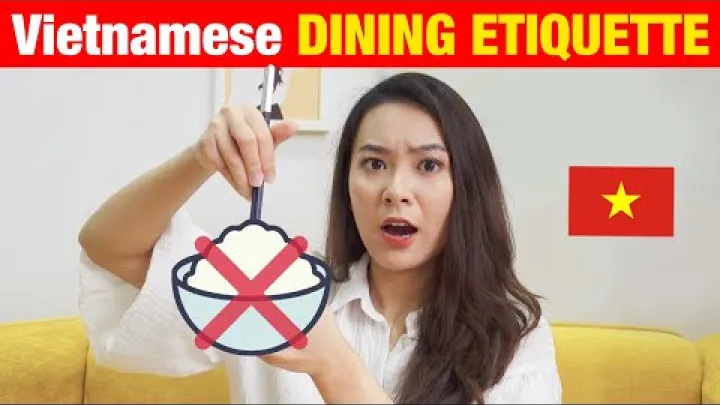
Meals often encourage sharing, especially in family-style Vietnamese restaurants. Groups may order several dishes—such as a soup, a stir-fry, a grilled dish, and a vegetable plate—and share everything with rice in the center. For pho and some street-style dishes, each person usually has their own bowl or plate. A common custom with pho is to taste the broth first before adding sauces. This allows you to appreciate the original balance of flavors that the kitchen prepared.
Chopsticks and spoons are the standard utensils in most Vietnam restaurants, particularly for noodle dishes and rice bowls. If you are not comfortable using chopsticks, many places can provide a fork if you ask. To adjust spice level, you can add chili sauce, sliced chili, or a bit of fresh chili from the condiment selection. It is generally better to add a small amount, taste, and then add more if needed.
Payment and tipping customs depend on the country. In Vietnam, many smaller eateries expect you to go to the counter to pay at the end, and tipping is not always required but may be appreciated in more touristy areas. In North America and some other regions, full-service Vietnamese restaurants usually follow local tipping norms, where you leave a percentage of the bill on the table or add it when paying by card. Service style can also differ: in Vietnam, turnover is often quick and interaction may be brief, while overseas venues may spend more time explaining dishes and engaging with guests. Observing how other customers behave in the same restaurant can help you follow local practice comfortably.
Finding a Vietnam Restaurant Near You
Using near me search and local map results
Modern map applications make it simple to find a Vietnam restaurant nearby, but using them effectively can greatly improve your experience. When you enter search phrases such as “Vietnam restaurant nearby,” “Vietnam restaurant near me,” or “Vietnam pho restaurant near me,” the app will usually show a list of options with distances and ratings.

You can then refine these results with filters to match your needs. Many apps allow you to filter by distance, price range, opening hours, and dietary labels like “vegetarian-friendly.” Some also show whether a restaurant offers delivery, takeaway, or dine-in. Photos of dishes, menus, and interiors can help you quickly see if the atmosphere and food style suit you.
The following simple steps can guide you through the process:
- Open your preferred map app and enable location services if needed.
- Type a search phrase such as “Vietnam restaurant near me” or “Vietnam pho restaurant near me.”
- Use filters to set distance, price level, and opening hours that match your plan.
- Check ratings, review counts, and recent comments for two or three promising options.
- Look at food and interior photos to confirm that the restaurant feels comfortable to you.
- Save your top choice and one backup, in case the first restaurant is full or closed.
By following these steps, you can move from a long, crowded list of results to a short selection of Vietnam restaurants that better fit your preferences, whether you are looking for a quick pho lunch or a longer family dinner.
Tips for tourists eating at restaurants in Vietnam
If you travel to Vietnam itself, you will find a very wide range of places to eat, from tiny street stalls to large air-conditioned restaurants. Choosing where to eat comfortably is mainly about observing the environment. Busy places with many local customers often indicate good turnover of ingredients, which supports freshness. It can be reassuring if you can see part of the cooking area and notice that surfaces and utensils appear clean.

Basic hygiene checks are simple but helpful. You can look at how staff handle money and food, whether tables are wiped regularly, and how quickly empty dishes are cleared. Many travelers feel more comfortable drinking bottled water rather than tap water unless local guidance clearly states that tap water is safe. Decisions about ice, raw vegetables, and street food vary by region and personal comfort; following advice from recent guidebooks or health organizations about the specific area you visit is sensible.
Language can be a barrier in some small restaurants, but you can still order successfully with a few strategies. Pointing to menu items or ready dishes that you see is widely understood. Translation apps on phones can convert basic phrases like “no chili,” “no peanuts,” or “no meat” into Vietnamese. Some restaurants in tourist areas provide bilingual menus, but even if they do not, many dishes are displayed at the front or in photos on the wall, making it easier to communicate through gestures and smiles.
When paying, smaller local places in Vietnam often expect cash, while mid-range and higher-end Vietnam restaurants in large cities may accept cards. It is useful to carry small bills so that you can pay more easily and avoid the need for large amounts of change. Overall, focusing on places that look busy, reasonably clean, and welcoming will usually lead to enjoyable and comfortable meals.
Example searches: best restaurant Hoi An, Hue, and other cities
When planning trips to specific Vietnamese cities, many people search for phrases like “best restaurant Hoi An Vietnam” or “restaurant Hue Vietnam” to decide where to eat. These searches often bring up a mix of map listings, travel blogs, and guidebook summaries. Each city has its own specialties, so understanding the local focus can help you choose restaurants that showcase regional dishes.

Hoi An, for example, is known for dishes such as cao lau (a noodle dish with greens, herbs, and sliced pork) and white rose dumplings. When you search for “best restaurant Hoi An Vietnam,” you will usually find restaurants that highlight these specialties or offer tasting menus with several local dishes. Hue, on the other hand, is famous for bun bo Hue and a variety of small, elegant dishes that were influenced by the former royal court. Searching “restaurant Hue Vietnam” can lead you to places that focus on these central Vietnamese flavors.
Hanoi, in the north, is strongly associated with traditional pho, bun cha, and simple but flavorful rice dishes. Ho Chi Minh City (Saigon), in the south, offers a huge range of com tam, hu tieu, and modern interpretations of classic dishes. Before arriving in each city, you can compare map reviews, travel blogs, and printed guidebooks to create a short list of restaurants that match your budget and food interests. Saving these locations in your map app makes it easy to find them later when you are walking around and ready for a meal.
Keeping descriptions short and focusing on restaurant choice rather than general sightseeing helps you stay focused on the dining experience. Each city will offer many attractions beyond food, but using targeted search phrases and knowing which dishes are most typical can make your restaurant visits especially satisfying.
Business Models of Vietnamese Restaurants
Independent family-run Vietnamese restaurants
Many Vietnam restaurants around the world began as independent, family-run businesses. Owners often bring recipes from their home regions and adapt them gradually to local ingredients and customer preferences. These restaurants commonly serve nearby communities, building a base of regular guests who return for consistent flavors and personal connections.

Typical characteristics of family-run Vietnamese restaurants include direct involvement of owners in daily operations, from cooking to greeting customers. Menus may be shorter and more focused compared with large chains, emphasizing dishes the kitchen prepares especially well, such as pho, bun thit nuong, or a few regional specialties. Because staff know the recipes closely, they are often flexible in customizing dishes, for example by adjusting spice level, changing side vegetables, or omitting certain ingredients upon request.
There are advantages and challenges to this model. On the positive side, personal service and long-term relationships with customers can create a warm atmosphere. Owners can react quickly to feedback, changing recipes or adding new items based on what local diners enjoy. At the same time, independent restaurants usually have limited marketing budgets and depend heavily on word-of-mouth, online reviews, and repeat customers. Their opening hours and offerings may change depending on family needs or supply conditions.
Experiences in family-run Vietnamese restaurants can vary widely, and it is important not to assume that all follow the same pattern. Some operate in simple spaces with minimal decoration, while others invest heavily in design and storytelling. Quality can be excellent or uneven, just as in any other type of restaurant. Using the general signs of freshness, cleanliness, and balanced flavors described earlier in this guide will help you evaluate each place as an individual business rather than relying on stereotypes.
Franchise chains, cloud kitchens, and delivery-only brands
Alongside independent businesses, larger Vietnamese restaurant chains have appeared in many countries. These chains often standardize recipes, branding, and service processes across several locations, making it easy for customers to know what to expect. A chain might specialize in pho, banh mi, or a combination of popular Vietnamese dishes, using centralized training and supply systems to keep offerings similar from one branch to another.
Newer models such as cloud kitchens and delivery-only Vietnam food restaurant brands are also becoming more common. In these setups, there is no dining room at all; the kitchen prepares food exclusively for delivery or pickup via digital platforms and apps. A single physical kitchen may even host several virtual brands, each with its own online menu, for example a “pho-only” brand and a “banh mi-only” brand operating from the same location.
These models offer clear benefits. For customers, they provide convenience and fast access to Vietnamese food without the need to dine in. For business owners, standardized menus and the ability to reach many customers through delivery apps can reduce some risks and allow rapid expansion. Digital platforms support these models by handling ordering, payment, and often part of the marketing through featured listings and recommendations.
However, there are trade-offs. Delivery-only brands may not offer the same personal ambiance, ability to speak with staff about dishes, or cultural storytelling through decor. Temperature and texture of dishes can also change during transport, especially for soups and crisp items like spring rolls. When choosing between a sit-down Vietnam restaurant and a delivery-focused brand, consider whether you value convenience more or wish for a fuller dining experience with context, explanation, and atmosphere.
Experience, Design, and Cultural Storytelling in Vietnam Restaurants
Interior design and ambiance in Vietnamese restaurants
The interior design of a Vietnam restaurant can strongly influence how guests perceive the meal, even when dishes are similar. Some restaurants use very simple layouts that resemble family dining rooms, with practical tables and chairs and minimal decoration. Others choose modern, minimalist designs with clean lines and neutral colors, presenting Vietnamese food in a contemporary setting.

Vietnam house restaurant concepts try to recreate the feeling of traditional Vietnamese homes. They may use elements like wooden furniture, woven mats, and shelves with family-style ceramics to suggest warmth and continuity. Lighting and music also play key roles: soft, warm lighting and gentle background music can encourage longer meals and conversation, while brighter lights and more energetic music may fit quick-service pho shops.
Seating layout can affect comfort and privacy. Tight rows of small tables are common in busy city restaurants, making efficient use of space but offering less distance between groups. Larger restaurants may include both small tables for couples and bigger tables for families or groups. Some Vietnam restaurants also have open kitchens where guests can see chefs preparing pho bowls, grilling meat, or assembling fresh rolls, which adds a sense of transparency and activity.
Decor elements often include bamboo, lanterns, photographs, and artwork. Used thoughtfully, these items can create a sense of place and help guests connect with Vietnamese culture without becoming exaggerated or clichéd. Design approaches differ by country, price level, and owner preference, so you might see very different styles even among restaurants serving similar menus. Observing how space, light, and sound are combined can enrich your understanding of each restaurant’s identity.
Cultural elements, events, and customer experience
Beyond physical design, many Vietnamese restaurants share culture through information and experiences. Menus may include short stories about where certain dishes come from, such as Hanoi, Hue, or the Mekong Delta. Some restaurants add notes that explain ingredients like fish sauce or lemongrass in simple, neutral language so that guests from different backgrounds can understand what they are eating.
Events can also play a role in cultural storytelling. Around major Vietnamese holidays, such as Lunar New Year (Tet), some restaurants offer special dishes or set menus that highlight festive foods. Others organize regional food weeks or tasting menus that focus on one part of Vietnam, allowing guests to try several smaller dishes in one visit. These activities give diners more context about the diversity within Vietnamese cuisine.
Customer experience is not only about food; friendly and patient service makes a big difference, especially for international guests who may be new to the cuisine. Clear, well-organized menus with translations or simple descriptions help people choose confidently. Some restaurants provide multilingual support through staff who speak several languages or through translated menu sections and visual aids like photos.
When staff are open to questions and willing to explain how to eat certain dishes, guests often feel more comfortable experimenting with new flavors. This creates a positive cycle: satisfied customers share their experiences with others, which brings more people to discover Vietnamese food and culture. Over time, these everyday interactions can be as important as formal cultural events in spreading understanding and appreciation.
Frequently Asked Questions
What are the most common dishes to order at a Vietnamese restaurant?
The most common dishes at a Vietnamese restaurant are pho (noodle soup), banh mi (sandwich), fresh spring rolls, and rice or noodle bowls with grilled meats. Pho usually comes with beef or chicken in a clear, aromatic broth. You will also often find dishes like bun cha (grilled pork with noodles), bun bo Hue (spicy beef noodle soup), and various stir-fried or clay pot dishes.
How can I tell if a Vietnamese restaurant is authentic and high quality?
You can judge authenticity and quality by the flavor and clarity of the broth, the freshness of herbs and vegetables, and the balance of sweet, sour, salty, and umami tastes. Many guests also look at local reviews, cleanliness of the dining room, and how consistently busy the restaurant is with repeat local customers. A focused menu with well-prepared core dishes is usually a better sign than a very large, unfocused menu.
Is food at Vietnamese restaurants generally healthy?
Food at Vietnamese restaurants is often considered healthy because it uses many fresh herbs, vegetables, lean proteins, and broth-based dishes. Cooking methods usually involve boiling, steaming, or quick stir-frying with moderate oil instead of heavy cream sauces or deep-frying. However, some dishes can still be high in sodium or calories, so choosing soups, fresh rolls, and grilled items is a good way to keep meals lighter.
Are there good vegetarian or vegan options at Vietnamese restaurants?
Most Vietnamese restaurants offer good vegetarian and sometimes vegan options such as tofu pho, vegetable stir-fries, and fresh rolls filled with vegetables and herbs. In many cases, meat in rice or noodle bowls can be replaced with tofu or extra vegetables on request. If you are vegan, you can ask whether the broth is made with meat and whether fish sauce can be substituted with soy sauce.
How do I find the best Vietnamese restaurant or pho restaurant near me?
You can find the best Vietnamese or pho restaurant near you by searching terms like “Vietnam restaurant near me” or “Vietnam pho restaurant near me” on Google or map apps. Look at ratings, number of reviews, photos of dishes, and recent comments about taste and service. It is also helpful to compare several nearby places and choose one that is consistently praised for broth quality, freshness, and value.
What should I expect to pay for a meal at a typical Vietnamese restaurant?
Prices at Vietnamese restaurants vary by country and city, but a main dish like pho or a rice bowl is often mid-priced compared with other casual dining options. In Vietnam, a local bowl of pho can cost only a few US dollars, while in North America or Europe it is often in the range of USD 10–18. Appetizers, drinks, and desserts can increase the total bill, especially in full-service or premium venues.
Conclusion: Enjoying Vietnamese Restaurants with Confidence
Main takeaways when choosing a Vietnam restaurant
Choosing a Vietnam restaurant becomes easier when you understand the main restaurant types, key dishes, and basic health considerations. Pho shops, family-style eateries, Vietnam house restaurant concepts, bistros, and fine-dining venues each offer different experiences, but all center on the balance of fresh herbs, vegetables, rice, and protein that defines Vietnamese cuisine. Recognizing signature dishes such as pho, bun bo Hue, banh mi, and fresh rolls helps you read menus more confidently.
Practical steps like checking online reviews, evaluating cleanliness and freshness, and using “near me” searches with filters allow you to find a suitable Vietnam restaurant nearby, whether you are at home or traveling. By combining this guide’s advice with your own preferences, you can try new dishes, respect local customs, and enjoy Vietnamese food in a way that matches your taste and comfort wherever you go.
Next steps for exploring Vietnamese food and culture
To deepen your experience, you can explore different regional styles of Vietnamese cuisine—northern, central, and southern—through a variety of restaurants over time. Each region offers its own specialties, from Hanoi’s pho and bun cha to Hue’s bun bo Hue and Hoi An’s cao lau, and tasting them in different settings will broaden your understanding of the cuisine.
As you discover places that suit your budget and location, you may build a personal list of favorite Vietnam food restaurants and share respectful feedback through reviews or recommendations to friends. Continuing to learn about specific dishes before future trips to Vietnam, or when new Vietnam restaurants open near you, will help you enjoy this cuisine with growing knowledge and appreciation.
Select area
Create a post
Posting is free and no registration is required.