Ca Mau Where to Stay: Best Areas and Accommodation
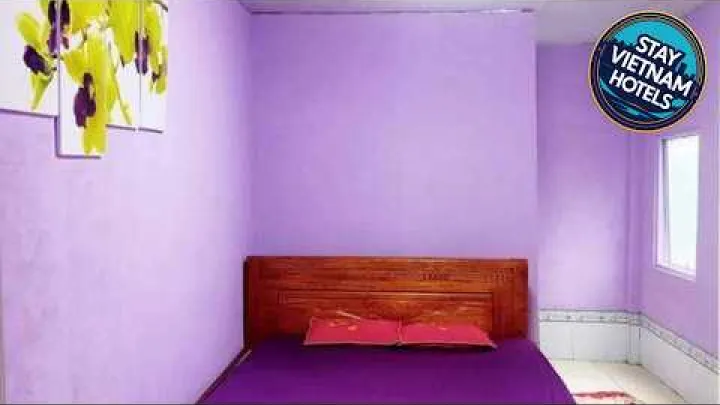
Choosing where to stay in Ca Mau is mainly a decision about your route. Central Ca Mau City is the best default for most first-time visitors because it has the broadest choice of hotels, food, transport, and everyday services. Dat Mui, Xom Mui, Nam Can, and towns near U Minh Ha are better suited to travelers who have a focused nature itinerary and are prepared for simpler logistics. This guide compares the main bases, lodging styles, and practical factors such as bus access, evening walkability, and remote overnights.
The Best Place to Stay in Ca Mau for Most Visitors
Ca Mau is the southernmost provincial capital on mainland Vietnam and a useful gateway to the province's mangroves, waterways, and Cape Ca Mau. The provincial capital offers the most flexible starting point for visitors who want to combine local city life with day trips south or west. Vietnam's national tourism information highlights the province's combination of natural landscapes and local culture, including attractions beyond the city center.
Why Central Ca Mau City Is the Default Base
For a first visit, stay in central Ca Mau City, ideally near Phan Ngoc Hien Square, Ca Mau Market, the riverfront, or a main commercial road. This area gives you the clearest access to restaurants, coffee shops, pharmacies, taxis, banks, and a wider range of hotels than rural parts of the province. It is also the least restrictive base when your plans change after arrival.
A city hotel works especially well for one- or two-night stays. You can explore local food in the evening, arrange onward transport during the day, and return to a room with more predictable facilities. It is a practical choice for travelers who want to visit southern attractions such as Dat Mui or plan a separate excursion toward U Minh Ha National Park without moving luggage every night.
Central does not mean that every property is equally walkable. Check the map pin rather than relying on a broad city label, then compare the route to the market, square, restaurant area, or transport point that matters to you. A hotel on a major road may be convenient for taxis but farther from the streets where you expect to spend the evening.
When a Remote Stay Is Worth the Extra Logistics
Choose Dat Mui, Xom Mui, or Nam Can when the main purpose of your trip is the southern coast, Cape Ca Mau, mangrove scenery, rivers, or a slower rural setting. A remote overnight can reduce the need to travel back to the provincial capital after a long day of sightseeing. It also creates more time for an early start or a less rushed local itinerary.
The tradeoff is substantial. Accommodation outside Ca Mau City is usually less standardized, with fewer rooms, fewer dining choices, and less extensive reception support. Properties may be homestays, guesthouses, or small farmstays rather than conventional hotels. This can be rewarding for travelers who value a local setting, but it is not the easiest solution for a short visit, a late arrival, or a traveler who needs several services nearby.
Think of a remote stay as an itinerary choice, not as a better version of a city hotel. Stay in the city if you want flexibility. Add a rural overnight if being close to a specific southern landscape matters more than having a large selection of restaurants, shops, and room types.
A Simple Decision Rule for Choosing Your Base
Start with your arrival point and number of nights. If you arrive by bus or air and have only one or two nights, choose central Ca Mau City. If you have a longer route focused on the cape, a city stay followed by one remote overnight can be more efficient. Travelers visiting U Minh Ha should treat it as a separate direction from the southern cape route rather than trying to cover everything from a single remote base.
| Travel priority | Best base | Why |
|---|---|---|
| First visit or short stay | Central Ca Mau City | Hotels, food, services, and flexible transport |
| Bus arrival or early departure | Ward 6 or a main-road hotel | Convenient access to the bus-station corridor |
| Cape Ca Mau focus | Dat Mui or Xom Mui | Closer to a southern nature itinerary |
| Southern river route | Nam Can | Useful intermediate small-town base |
| Mixed city and nature trip | City plus remote overnight | Balances services with time near the target area |
Best Areas to Stay in Ca Mau City
Ca Mau City is not a city where neighborhood names alone guarantee the same experience. Street position, room orientation, and the exact distance to your planned transport point often matter more than the ward name. The following areas are useful orientation zones for comparing listings.
Central Market and Phan Ngoc Hien Square
The area around Ca Mau Market and Phan Ngoc Hien Square is the strongest all-round choice for visitors who want to be near food, public activity, and everyday services. It is a useful place to begin looking because the central streets have a concentration of hotels and are easier to use without a private vehicle. The market and square are practical landmarks to enter into a map when checking a property's actual position.
Walkability is an advantage here, but it is not a promise of quiet. Market-facing streets, food areas, and locations near public events can have traffic, voices, deliveries, and activity early in the morning. Noise-sensitive travelers should read recent guest comments for the specific room type and ask for a room away from the busiest street side when possible.
Major-road hotels can offer a useful distance benchmark. A review of Song Hung Hotel describes it as being on a major road, illustrating why road access and the precise walking route are more informative than a general central label. See the local perspective from Nomadic Notes when comparing central-road lodging with quieter side-street options.
Ward 5 and Ward 6 for Hotels and Bus Access
Ward 5 is a useful area to search for city lodging, while Ward 6 is commonly associated with the Ly Thuong Kiet bus-station corridor. These areas suit travelers whose first priority is a straightforward arrival or departure by long-distance bus. A property near a main road can also make taxi pickup easier when carrying luggage.
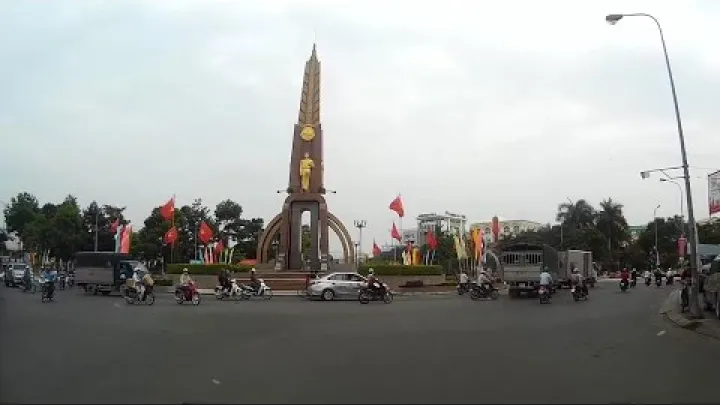
The main advantage is functional convenience rather than scenery. If your bus leaves early, being near the corridor can remove the need for a long cross-city transfer at the start of the day. In return, rooms facing active roads may have more vehicle noise than a hotel on a quieter central lane.
Do not assume that every Ward 5 or Ward 6 listing is within easy walking distance of the station. Ward boundaries cover more than one block. Open the map, trace the route from the hotel entrance, and consider whether the distance remains comfortable in rain or with bags.
Ward 7, Ward 8, and Other Main-Road Options
Ward 7 and Ward 8 can be useful reference areas for travelers interested in riverside markets, seafood activity, and evening food options. These locations may feel more locally active than a purely hotel-oriented street. They can be appealing if you enjoy being close to trading areas and want easy access to casual meals.
The same activity can be a disadvantage for light sleepers. Market trading, delivery vehicles, and early-morning preparation can affect rooms on nearby streets, while a riverfront label does not automatically mean a quiet waterside view. Assess the exact block, room direction, and recent comments rather than judging by the ward alone.
Newer commercial roads and quieter main-road properties can be a better match for visitors who prefer direct taxi access and less market activity. They may be less convenient for a spontaneous evening walk, so compare the surrounding streets with your preferred restaurants and points of interest before deciding.
Where to Stay Outside Ca Mau City
Outside the provincial capital, lodging becomes more route-specific. Rural bases can save time near a target attraction, but the smaller accommodation supply and simpler local services make them best for travelers with a clear reason to be there.
Dat Mui and Xom Mui for Cape Ca Mau
Dat Mui and Xom Mui are the most relevant places to consider for travelers whose main goal is Cape Ca Mau and the surrounding mangrove and coastal landscapes. Staying nearby can make more sense than repeatedly returning to Ca Mau City when the cape is the central part of your itinerary. It also allows a more relaxed schedule around local waterways and southern viewpoints.

Expect a more limited and locally oriented lodging market than in the city. Rooms may be simpler, online inventory may be smaller, and facilities can vary widely from one homestay or farmstay to another. This is a good fit for travelers who are comfortable trading hotel-style standardization for a place-based experience.
Do not choose this area simply because it is the province's most famous southern destination. For a brief trip with uncertain timing, central Ca Mau remains easier. Choose Dat Mui or Xom Mui when proximity to the cape is important enough to justify a dedicated overnight.
Nam Can for a Southern River and Mangrove Route
Nam Can is a specialized base for a southern route through river and mangrove settings. Its position can make it useful as an intermediate stop for travelers moving toward the cape rather than returning directly to Ca Mau City. The town atmosphere is generally more local and smaller in scale than the provincial capital.
Stay in Nam Can if the route itself is part of the trip and you prefer to break up travel through the south. It is less suitable for visitors who want a broad selection of hotels, international-style facilities, or several evening dining choices close together. Current listings may be limited, so it is best treated as a focused route base rather than a general substitute for central Ca Mau.
U Minh Ha Trips: City Base or Local Town
U Minh Ha National Park lies in a different travel direction from Dat Mui, so it deserves separate planning. Ca Mau City is usually the more flexible base if you want wider hotel choice, access to services, and the ability to change plans. A nearby local town can reduce the distance to the area, but accommodation is likely to be simpler and transport options narrower.
Do not assume that there is a suitable visitor room inside or immediately beside the protected area. For an U Minh Ha-focused day, establish the access point, local transport option, opening arrangements, and return plan before choosing a rural overnight. A city hotel is often the sensible choice when the park is only one part of a broader Ca Mau itinerary.
Ca Mau Accommodation Types and Price Expectations
Ca Mau has a practical lodging market rather than a resort-heavy one. Prices change with date, room type, booking channel, and local demand, so comparing facilities and location is more useful than treating any published nightly rate as permanent.
Full-Service and Luxury City Hotels
Full-service city hotels are the best choice when you want a private room, a staffed reception, reliable on-site facilities, and a more familiar booking experience. They suit business travelers, families, visitors arriving late, and anyone who values a restaurant, pool, or help arranging local transport over the lowest possible rate.
Muong Thanh Luxury Ca Mau is a documented example at the upper end of the city market. Its current Booking.com listing describes Wi-Fi, a restaurant, and a year-round outdoor pool. See Booking.com for the live room and facility details, while recognizing that this is an example rather than a universal recommendation.
Compare the exact room category, breakfast inclusion, location, cancellation conditions, and recent reviews. A star label is useful as a broad signal, but it does not guarantee that every service level or room feature will match expectations from another country.
Midrange Business Hotels
Locally oriented midrange hotels are often the best value for a short sightseeing stay. They commonly focus on private rooms and useful basics such as air conditioning, Wi-Fi, and sometimes breakfast. They can suit solo travelers, couples, families, and business visitors who want a central location without paying for extensive leisure facilities.
Within this category, the details matter more than the name. Compare the hotel entrance on a map, room photos from recent guests, bathroom condition, lift access if needed, breakfast hours, and whether reception is staffed when you expect to arrive. A room on a quiet back side of a modest hotel may be a better fit than a larger property facing a busy road.
Budget Guesthouses and Motels
Budget guesthouses and motels can work well for travelers who mainly need a clean room for one night and expect to spend most of the day outside. They are often found on commercial streets and can be useful near transport corridors. The value proposition is simple: lower cost and a local location, with fewer extras.
Quality and information consistency can vary. Before paying, compare whether the booking is for a private room, whether the bathroom is private, whether air conditioning is included, and whether recent reviews mention cleanliness. Also check the address, reception hours, payment method, and the terms for changing a booking. Low price alone is not a sign of poor conditions; clear, current property information is the more useful indicator.
Homestays and Farmstays Near the Cape
Homestays and farmstays near Dat Mui can offer a more local experience than a city hotel. They may appeal to travelers looking for garden settings, home-style meals, or a closer connection to the southern rural landscape. Privacy, room finish, and service style can be very different from one property to another.
This lodging type is best for guests who are comfortable with simpler facilities and a smaller scale of operation. It may be less suitable for travelers who need a late-night front desk, multiple nearby restaurants, or highly standardized rooms. Consider a homestay as part of the experience of a focused cape itinerary, not merely as a cheaper city alternative.
Choose Your Ca Mau Base by Travel Purpose
The best area depends less on a list of named hotels than on the purpose of your stay. Matching the base to your route prevents unnecessary transfers and helps you choose the right level of comfort.
Best Base for First-Time Sightseeing
For first-time sightseeing, book a central Ca Mau City hotel near Ca Mau Market, Phan Ngoc Hien Square, or a main commercial street. This gives you the easiest access to evening food, short local walks, taxis, and practical services. It is particularly effective for visitors with one or two nights who want to see the city while keeping options open for day trips.
This is a recommendation for convenience, not a claim that every central hotel has the same standards. Use the area as a starting filter, then select a specific property based on room condition, recent comments, and the walking route to the places you expect to use.
Best Base for Transit and Short Stays
For a transit stop or very short stay, prioritize Ward 6 and nearby main-road areas if you are using the bus-station corridor. This can be more useful than choosing a scenic remote location that adds another transfer. A central hotel may also work well if its location and service hours suit your timetable.
Separate bus convenience from airport convenience. A hotel near the bus corridor is not necessarily ideal for an air arrival, and an airport-oriented choice may leave you farther from restaurants and city services. For late arrivals or early departures, plan around luggage handling, the expected reception hours, and the availability of a taxi rather than relying only on a property description.
Best Base for Nature-Focused Trips
Nature-focused travelers should choose between flexibility and proximity. Central Ca Mau City is better if you want to combine more than one attraction or retain a wider choice of dining and lodging. Dat Mui or Nam Can becomes more attractive when a southern river, mangrove, or cape route is the clear priority and you want to reduce repeated road travel.
U Minh Ha should remain a separate decision because it is not on the same route as the cape. A city base may be sufficient for an excursion, while a local-town overnight makes more sense only when the park area is the core of a longer plan.
Transport, Walkability, and Night Conditions
Transport access should influence the exact hotel address, not only the broad area you select. Ca Mau's compact urban services are easiest to use from the city, while rural lodging requires a more deliberate route plan.
Arriving by Long-Distance Bus
The Ly Thuong Kiet bus-station corridor is the key reference point for overland arrivals and departures. A nearby hotel can reduce transfer friction when you arrive with bags, leave early, or do not want to navigate across the city after a long journey. Ward 6 and adjacent main-road areas are therefore worth comparing for transit-oriented stays.
Bus schedules, operators, arrival points, and journey lengths can change. Check the current operator details for your specific route, and compare the hotel entrance with the station on a live map. A property listed in the same ward may still require a taxi rather than a comfortable walk.
Arriving by Air
Ca Mau Airport, identified by the code CAH, makes airport pickup, taxi access, and flexible check-in more relevant than they are for a purely overland trip. The best hotel is usually the one that fits the rest of your itinerary, not automatically the one marketed as closest to the airport. A central stay may be more practical if you plan to eat out, explore the city, or leave by bus the following day.
Flight patterns and airport transfer options are not permanent. Before booking an airport-oriented stay, confirm the current flight schedule and whether the property can provide or reliably arrange the transfer you need. Route planning tools such as Rome2Rio can help frame the wider road-and-air access picture, but should not replace current airline and transfer information.
Walking at Night, Market Activity, and Taxis
Central markets, Phan Ngoc Hien Square, and riverside food areas are the most useful zones for evening activity and short walks. Their public activity can make it easier to find food and orient yourself, but market streets can also be crowded, noisy, or affected by rain and uneven walking conditions.
There is no need to make broad claims about individual streets from a hotel listing. Judge a night walk by the lighting, visible foot traffic, weather, your comfort level, and the route back to the property. If a route feels isolated, poorly lit, or unclear after dark, use a well-lit central route or a reputable taxi instead of relying on an unverified shortcut.
How to Book and Plan a Ca Mau Stay
Ca Mau rewards careful comparison more than quick ranking-based booking. Listings can be fragmented, especially outside the city, so a few focused checks can prevent the most common arrival and room surprises.
How to Verify a Ca Mau Property Before Booking
Use the map pin first. Confirm that the address is in the area you intended and that the entrance is close enough to your preferred market, transport point, or attraction. Then compare the listed room type with recent guest photos, paying attention to private bathroom access, air conditioning, Wi-Fi, bed configuration, lift access, breakfast, and parking if relevant.
Read recent reviews for recurring comments about cleanliness, noise, room condition, and staff availability. Check the stated check-in and reception hours, cancellation terms, payment conditions, and whether the booking platform and the property's own contact details describe the same location and facilities. Reconfirm the property's address, room facilities, reception hours, and cancellation terms on a current booking channel before committing to the stay.
Weather, Road Conditions, and Flexible Remote Stays
Heavy rain, humidity, drainage issues, and changing road conditions can have a larger effect on a rural stay than on a city hotel. Outdoor plans may become less comfortable, and the final part of a route can take more effort than expected. If your itinerary depends on several outdoor or rural transfers, a flexible central stay gives you more alternatives for food, transport, and a change of plan.
Before choosing a non-refundable remote overnight, check the current forecast and road conditions for the route you will actually use. This is particularly important for Dat Mui, Xom Mui, Nam Can, and any stay arranged around outdoor activities. Let the current access situation determine whether a remote overnight remains worthwhile.
How to Combine a City Hotel With a Remote Overnight
A split stay is often the most balanced option for a longer Ca Mau trip. Spend the arrival night in central Ca Mau City, where you have easier access to transport and services, then move south for a Dat Mui, Xom Mui, or other remote overnight only when the itinerary has a clear reason for it. Return to the city if you need a straightforward onward departure.
Pack a smaller overnight bag for the rural section when possible and leave unnecessary luggage at the city hotel only if that service has been agreed in advance. Plan the departure time, meals, and return route around the remote property's operating rhythm rather than treating it like a full-service urban hotel. Confirm the final transfer route and check-in time with the remote property before leaving Ca Mau City.
Final Recommendation: Build Your Ca Mau Stay Around Your Route
For most visitors, central Ca Mau City is the best place to stay: it offers the strongest balance of hotel choice, food, transport, and flexibility. Choose the market, square, riverfront, or main-road zone according to whether you value local activity, bus access, or a quieter room position. Move to Dat Mui, Xom Mui, or Nam Can only when a southern nature route is the main reason for your trip. The most successful Ca Mau stay is not necessarily the most remote one; it is the base that makes the rest of your route simpler and more enjoyable.
Select area
Create a post
Posting is free and no registration is required.