- Tay Son Heaven and Earth Esplanade: Historic Shrine in Quy Nhon
- Quang Trung Museum: Tay Sơn History & Culture in Quy Nhon
- Banh It Cham Towers: Ancient Heritage & Photography in Quy Nhon
- The Thon Beach in Cat Tien: Clean Shores & Affordable Watersports
- Linh Phong Pagoda in Quy Nhon: The Sacred Mountain Temple
Vietnam President: Current Leader, Powers, History Explained

The President of Vietnam is one of the most visible figures in the country’s political system and often the first leader foreign audiences learn about. In a socialist one-party state, however, the formal title of “president” does not always equal supreme political power. This overview brings together current information, constitutional rules, and historical background in a way that travelers, students, and professionals can easily use.
Introduction: Why the President of Vietnam Matters Today
Understanding the role of the Vietnam president in a one-party system
The office of the Vietnam president attracts international attention because it combines symbolic status with important legal powers. At the same time, Vietnam is a socialist republic led by the Communist Party of Vietnam (CPV), which means that real decision-making is based on collective party leadership rather than on one individual. For readers used to presidential systems where the head of state is also the main political leader, this difference can be confusing.
In Vietnam’s constitutional structure, the president is the head of state, commander-in-chief of the armed forces, and a senior figure in official ceremonies at home and abroad. Yet the president operates within a broader network of top leaders, especially the General Secretary of the Communist Party, the prime minister, and the chair of the National Assembly. Major national policies, appointments, and reforms are discussed and agreed in party bodies such as the Politburo and Central Committee, which the president is usually part of but does not control alone.
For travelers and new residents, knowing who the president is can help interpret news headlines, state visits, and public speeches during important anniversaries. For students and researchers, understanding how the presidency fits into Vietnam’s one-party system is essential for studying law, international relations, or comparative politics. Business professionals and remote workers also benefit from knowing which institutions shape economic policy, security, and foreign investment, and how the president’s role relates to these areas.
Key questions people ask about the President of Vietnam
Many people first search for information about the Vietnam president with very direct questions such as “who is the current president of Vietnam?” and “is the president of Vietnam powerful?” Others want to know how the president is chosen, what the main constitutional powers are, or how the office compares with that of the prime minister. There is also strong interest in historical questions, including “who was the first president of Vietnam?” and “who was president during the Vietnam War?”
This article is structured to respond to those common questions in a clear and logical way. It begins with quick facts on the current President of Vietnam and the basic features of the office. It then presents a compact biography of the current officeholder, followed by a more detailed examination of the president’s constitutional powers and limits. Later sections explain the wider political system, the selection process, and the historical development of the presidency in both North and South Vietnam, as well as the role of U.S. presidents during the Vietnam War. Finally, it looks at the early foreign policy role of the current president and closes with a concise FAQ and summary for easy reference.
Quick facts about the President of Vietnam
Who is the current President of Vietnam?
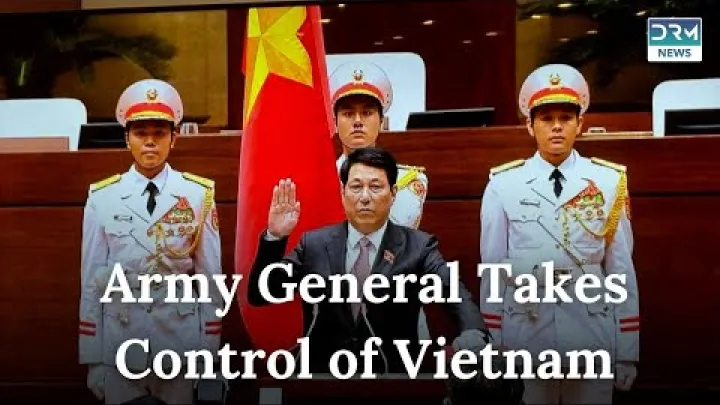
As of late 2024, the current President of Vietnam is Lương Cường. He is a senior leader in the Communist Party of Vietnam and holds the rank of four-star army general in the People’s Army of Vietnam. Before becoming president, he built his career mainly within the military’s political system and the party’s central leadership.
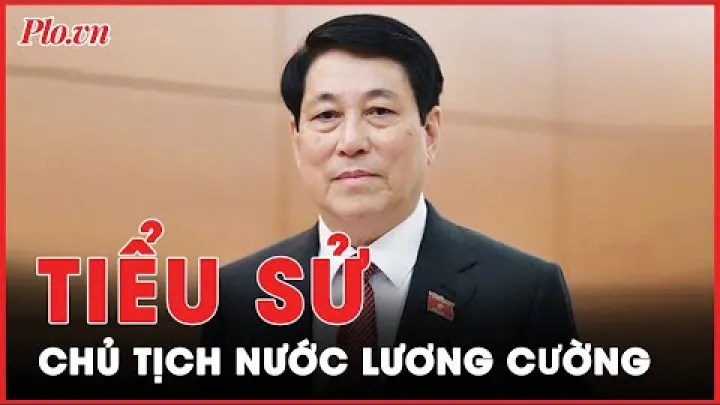
Lương Cường was elected President of the Socialist Republic of Vietnam by the National Assembly in October 2024 for the remainder of the 2021–2026 term. His election followed a period of rapid leadership changes linked to anti-corruption efforts and institutional adjustments. Besides serving as head of state, he is also a member of the Politburo, which is the country’s top policy-making body, and he has previously served as Permanent Member of the Party Secretariat, a post that oversees the day-to-day work of the party apparatus.
Basic facts about the presidency of Vietnam
The presidency of Vietnam is defined in the constitution as the institution that represents the Socialist Republic of Vietnam internally and externally. The president is head of state and commander-in-chief of the armed forces, chairs the National Defense and Security Council, and plays a role in appointing or proposing many top state officials. However, the president exercises these powers in close coordination with the National Assembly and under the overall leadership of the Communist Party.
Presidents are elected by the National Assembly from among its deputies for a five-year term that normally matches the Assembly’s own term. In practice, candidates are leading party figures who have already been approved by party decision-making bodies. The president works at the Presidential Palace and other state offices in Hà Nội, and represents Vietnam at state ceremonies, treaty signings, and meetings with foreign leaders.
| Item | Details |
|---|---|
| Official title | President of the Socialist Republic of Vietnam |
| Current officeholder (late 2024) | Lương Cường |
| Constitutional status | Head of state; commander-in-chief; chair of National Defense and Security Council |
| Term length | 5 years, normally matching the National Assembly’s term |
| Selection method | Elected by the National Assembly from among its deputies by secret ballot |
| Political system | Socialist one-party system under the leadership of the Communist Party of Vietnam |
| Main office location | Hà Nội (Presidential Palace and related offices) |
Biography and political profile of President Lương Cường

Early life, military career, and rise in the Communist Party
Lương Cường’s background is closely linked with the People’s Army of Vietnam and the Communist Party. He was born in the northern province of Phú Thọ, a region with a strong revolutionary tradition that has produced several prominent party and state leaders. Growing up after the end of the Vietnam War, he entered public service at a time when the country was focusing on reconstruction and later on economic reforms known as Đổi Mới.
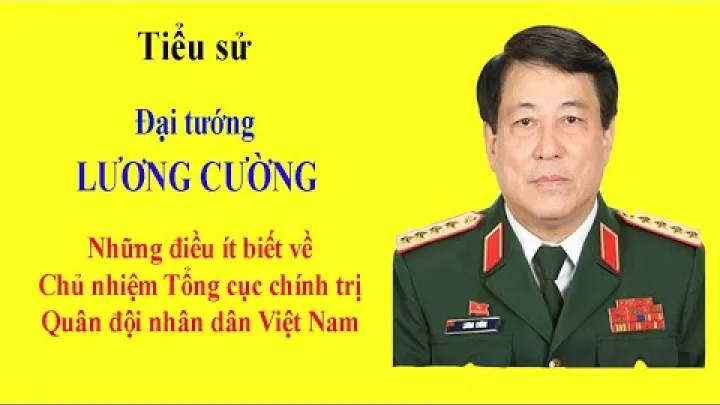
He joined the military and advanced steadily through positions in the army’s political system, which is responsible for ideological education, personnel work, and party activities within the armed forces. Over time, he became a four-star general and head of the General Political Department of the People’s Army of Vietnam, one of the most important institutions linking the military and the party. This role gave him influence over officer promotions, political training, and the overall orientation of the armed forces, and it also increased his visibility in national leadership circles.
In parallel with his military career, Lương Cường rose through the ranks of the Communist Party. He became a member of the Party Central Committee and later joined the Politburo, which sets major policy directions for the country. Before his election as president, he served as Permanent Member of the Party Secretariat, a post that coordinates between the Politburo and lower-level party organizations, and oversees sensitive areas like internal discipline and cadre work. These milestones in both the army and the party built the profile of a leader trusted with national-level responsibilities, including the presidency.
Election to the presidency and transfer of office
Lương Cường was elected President of Vietnam by the National Assembly in October 2024, during its ongoing 2021–2026 term. In line with Vietnam’s institutional practice, members of the Assembly voted by secret ballot after party bodies had agreed on his nomination. Once the vote result was announced, he took the oath of office, pledging loyalty to the country, the people, and the constitution, as required by law.
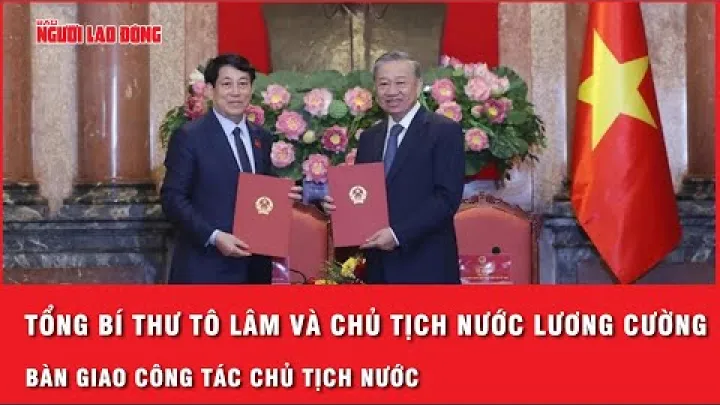
His election took place in a context of several presidential turnovers within a few years, following resignations and leadership reshuffles connected to anti-corruption campaigns and questions of political responsibility. Despite these changes, the actual transfer of office followed the formal norms of the system: the National Assembly accepted the predecessor’s resignation, the Communist Party proposed a new candidate, and the Assembly then elected that candidate. This process is designed to maintain continuity and stability, even when individual officeholders change.
Policy priorities and early actions in office
Although the president in Vietnam does not set policy independently, early speeches and activities can indicate areas of emphasis and how the officeholder interprets his role. In his initial public statements, Lương Cường has underlined loyalty to the Communist Party’s leadership, the importance of national defense and security, and commitment to continuing anti-corruption efforts. He has also referred to socio-economic development, social stability, and the need to improve the lives of ordinary citizens as key themes that guide the state’s work.
As a former top political officer in the military, he is expected to pay close attention to the readiness and political reliability of the armed forces, as well as to defense cooperation with partners in the region and beyond. Early months in office typically include receiving credentials from new foreign ambassadors, participating in major domestic ceremonies, and representing Vietnam at regional summits or high-level visits. While specific initiatives will become clearer over time, his background suggests a strong focus on defense, discipline within the state apparatus, and consistent implementation of policies decided by the party leadership.
Constitutional role and powers of the President of Vietnam
Formal status, term length, and accountability
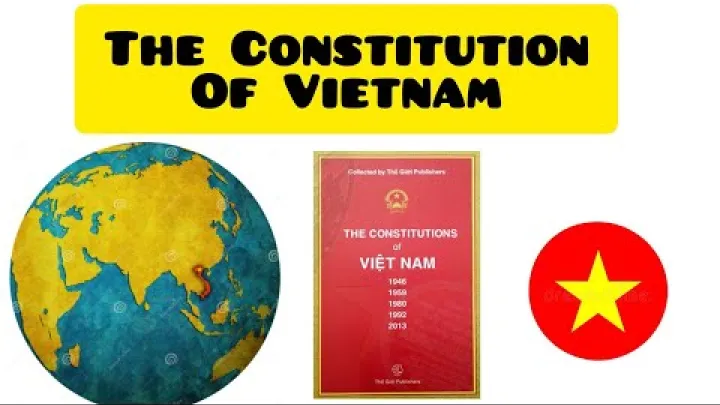
The constitution of the Socialist Republic of Vietnam defines the president as the head of state, representing the country in internal and external affairs. This status includes symbolic functions, such as presiding over national celebrations, and substantive roles, such as signing laws and decisions on behalf of the state. The president is also described as representing the will and aspirations of the people and safeguarding the constitution and legal system.
The presidential term is five years and normally coincides with the term of the National Assembly, which is also five years. The Assembly elects the president from among its own members, and in principle a president can be re-elected, as long as he or she remains a deputy and meets party and legal requirements. The constitution and relevant laws also outline situations in which the president may resign, be removed, or be dismissed, such as health reasons or violations of obligations. In such cases, the National Assembly plays the central role in approving a resignation or voting on dismissal.
Accountability is a key element of the constitutional design. The president is responsible to the National Assembly and must report on the performance of duties when the Assembly requests it. At the same time, in a one-party system, the president is also politically accountable to the Communist Party of Vietnam, particularly the Central Committee and Politburo. This dual accountability means that evaluations of a president’s work consider both legal performance and adherence to party resolutions and internal rules.
Legislative and executive responsibilities of the president
In the legislative sphere, the president’s most visible function is to promulgate laws passed by the National Assembly. After a law is approved by the Assembly, the president signs an order publishing it so that it officially takes effect. The president can also propose laws to the National Assembly, particularly in areas related to national defense, security, and foreign affairs, and may request the Assembly to reconsider certain matters when necessary.
On the executive side, the president has important responsibilities regarding the appointment and dismissal of top state officials. The president submits to the National Assembly candidates for prime minister, chief justice of the Supreme People’s Court, and procurator general of the Supreme People’s Procuracy. Once these positions are approved by the Assembly, the president issues appointment or dismissal decisions. The president also appoints and relieves deputy prime ministers, ministers, and other members of the government on the basis of proposals from the prime minister and approval by the Assembly.
These responsibilities overlap with those of other bodies, but in a structured way. For example, while the president signs the appointment of a minister, the prime minister manages that minister’s daily work, and the National Assembly can vote to approve or remove ministers. Decisions about who is nominated in the first place are taken within the Communist Party’s personnel system. Thus, the president’s role is both procedural and political, acting as a bridge between the party’s choices and the state’s formal institutions.
Defense, security, and emergency powers
The president’s powers are especially significant in national defense and security. As commander-in-chief of the armed forces, the president has authority over strategic defense decisions, though these are shaped by party and government consultation. The president chairs the National Defense and Security Council, a body that includes other top leaders and coordinates policies on military affairs, internal security, and related issues.

During states of emergency or war, the president’s legal authority expands. The president can propose to the National Assembly or its Standing Committee declarations of war, states of emergency, or general or partial mobilization of forces. In urgent situations when the Assembly is not in session, the president may decide on certain emergency measures and later report to the Assembly for approval. These decisions are not made in isolation; they are based on inputs from the government, the Ministry of National Defense, the Ministry of Public Security, and party bodies responsible for security policy.
In practice, Vietnam’s leadership emphasizes collective decision-making even in crisis situations. The president plays a central coordinating and representative role but works within frameworks that aim to keep military, security, and political institutions aligned. This helps explain why, despite strong constitutional language about command of the armed forces, observers often view the president’s defense role as part of a shared leadership system rather than a purely personal command.
Diplomatic functions and sovereignty-related powers
Diplomacy is one of the areas where the president of Vietnam is most visible to international audiences. The president receives credentials from foreign ambassadors, hosts visiting heads of state, and conducts state and official visits abroad. In speeches and bilateral meetings, the president expresses Vietnam’s positions on regional cooperation, global issues, and bilateral relations, often highlighting principles such as independence, self-reliance, diversification of partnerships, and respect for international law.
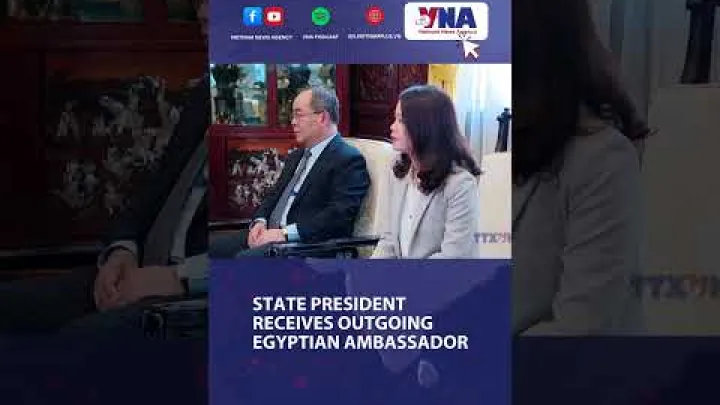
The president also has legal powers related to treaties and diplomatic appointments. The president can sign or ratify international agreements in certain fields, subject to approval procedures in the National Assembly or its Standing Committee, depending on the treaty’s importance. In addition, the president appoints and recalls Vietnamese ambassadors and heads of permanent missions to international organizations, following recommendations from the government and the Ministry of Foreign Affairs. These actions reflect the president’s role in asserting Vietnam’s sovereignty and international personality.
Over recent decades, Vietnamese presidents have used foreign visits and participation in summits such as ASEAN, APEC, and the United Nations to support economic cooperation, attract investment, and strengthen security ties. For example, presidential trips may coincide with the signing of trade agreements or strategic partnership documents. While the Ministry of Foreign Affairs and other agencies handle much of the detailed work, the president’s presence and statements can help signal continuity, reliability, and high-level attention to key relationships.
Legal powers versus real political influence
On paper, the President of Vietnam holds wide-ranging powers across legislation, appointments, defense, and foreign affairs. However, real political influence depends on how these powers operate within the Communist Party’s leadership system. In Vietnam, the General Secretary of the Communist Party is generally regarded as the most powerful figure, because the party sets overall policy and controls the selection of top officials in all branches of state.
The Politburo, which usually includes the president, prime minister, and other key leaders, makes collective decisions on important issues. This means the president rarely acts unilaterally on major questions; instead, the office applies and represents decisions reached by party bodies. The balance of influence can vary depending on an individual president’s seniority, reputation, and networks within the party. Some presidents have simultaneously held the post of General Secretary, which concentrated greater power in one person, while others have focused more on ceremonial duties and external representation. Overall, understanding the difference between constitutional language and actual political practice is essential for accurately assessing the president’s role.
Vietnam’s political system and the president’s place in the four pillars
Overview of Vietnam’s one-party political system
Vietnam is a socialist republic organized under the leadership of the Communist Party of Vietnam, which is recognized in the constitution as the ruling party. The state power structure includes the National Assembly as the highest representative body, the government as the executive, the courts and procuracies as judicial organs, and institutions such as the presidency and the Fatherland Front. All these bodies operate under the guidance of party decisions.
The National Assembly passes laws, approves the budget, and elects or dismisses key officials like the president, prime minister, and chief justice. The government, headed by the prime minister, manages day-to-day administration and implements policies in areas such as economy, education, health, and infrastructure. Courts and procuracies are responsible for adjudication and prosecution, although their leadership, like that of other branches, is selected through party processes.
A central concept in Vietnam’s political system is “collective leadership,” which means that major decisions are discussed and agreed in party committees rather than being made by single individuals. This principle aims to prevent excessive concentration of power and to ensure that decisions reflect a broad consensus within the leadership. The president is one of several top figures in this system, sharing responsibilities with the General Secretary, the prime minister, and the chair of the National Assembly.
Role of the General Secretary and party supremacy
The General Secretary of the Communist Party of Vietnam is widely regarded as the country’s most powerful leader because he stands at the top of the party structure. The General Secretary chairs the Politburo and the Party Secretariat, presides over meetings of the Party Central Committee, and shapes the agenda for key policy debates. Through these roles, he has significant influence over the direction of economic development, foreign policy, defense, and internal party discipline.
Party organs such as the Politburo and the Party Central Committee set major policy lines and decide on appointments, transfers, or disciplinary actions involving high-ranking officials. These decisions are then translated into state actions through the National Assembly, the presidency, the government, and the courts. The president, prime minister, and National Assembly chair are expected to carry out party resolutions and are assessed not only on constitutional performance but also on loyalty to party guidelines.
This system of party supremacy means that when observers assess the power of the president of Vietnam, they must consider party positions in addition to state titles. A president who is also a very senior party figure, or closely aligned with the General Secretary, may wield more influence than another president with the same formal powers but less internal standing. Nonetheless, all leaders are bound by the collective decisions and long-term strategies adopted by the party’s highest organs.
How the president compares to the prime minister and National Assembly chair
In Vietnam, the president, prime minister, and chair of the National Assembly each hold different but complementary roles, and together with the General Secretary they are often described as the “four pillars” of national leadership. Understanding their functions helps clarify how state power is divided and how the president fits into the overall picture.
The president is head of state, with duties focused on representation, defense and security leadership, and important appointment powers. The prime minister is head of government and leads the executive branch, managing ministries and provinces and overseeing implementation of laws and economic policies. The chair of the National Assembly presides over parliamentary sessions, organizes legislative work, and represents the Assembly in domestic and international contacts. While all three are influential, they differ in day-to-day responsibilities and areas of focus.
The list below summarizes key contrasts in simple form:
- President: Head of state; promulgates laws; chairs the National Defense and Security Council; appoints ambassadors; proposes and appoints top officials with Assembly approval.
- Prime minister: Head of government; directs ministries and provincial administrations; prepares and implements socio-economic plans and budgets; responsible for everyday governance.
- Chair of the National Assembly: Leads the legislature; organizes law-making and oversight; chairs Assembly and Standing Committee meetings.
- General Secretary: Heads the Communist Party; guides overall strategic direction; oversees party discipline and major personnel decisions.
These roles are interdependent, and each leader works within both constitutional rules and party structures. The president is therefore one important pillar among several, rather than the single dominant figure in the system.
How the President of Vietnam is selected
Formal election process in the National Assembly
The formal process for choosing the President of Vietnam is defined by the constitution and the Law on Organization of the National Assembly. It starts with the principle that the president must be a deputy to the National Assembly, meaning that he or she has been elected by voters in a constituency and is part of the national legislature. Once a presidential vacancy occurs or a new term begins, the National Assembly organizes an election at one of its sessions.

The procedure can be described in several clear steps:
- Nomination: The National Assembly’s leadership, following guidance from the Communist Party, introduces a candidate or candidates for the presidency from among the deputies.
- Discussion: Deputies receive background information about the nominee and may comment or discuss in their groups or in plenary session.
- Voting: The Assembly conducts a secret ballot in which deputies vote for or against the proposed candidate.
- Announcement: The results are counted and announced; if the candidate receives the required majority, he or she is elected president.
- Oath of office: The new president takes an oath before the National Assembly, pledging to be loyal to the country, the people, and the constitution.
The presidential term normally matches the term of the National Assembly, but if a president is elected mid-term to replace a predecessor, he or she serves only for the remainder of that term. The selection process emphasizes continuity and legal formality, even though political decisions about the candidate are made earlier within the party.
Real role of the Communist Party in choosing presidents
While the National Assembly formally elects the president, the decisive selection takes place within the Communist Party of Vietnam. The Party’s Central Committee and Politburo evaluate potential candidates based on their political reliability, experience in leading positions, regional balance, age, and other criteria. These bodies also consider how a candidate would fit with the rest of the leadership team and with long-term strategic goals.
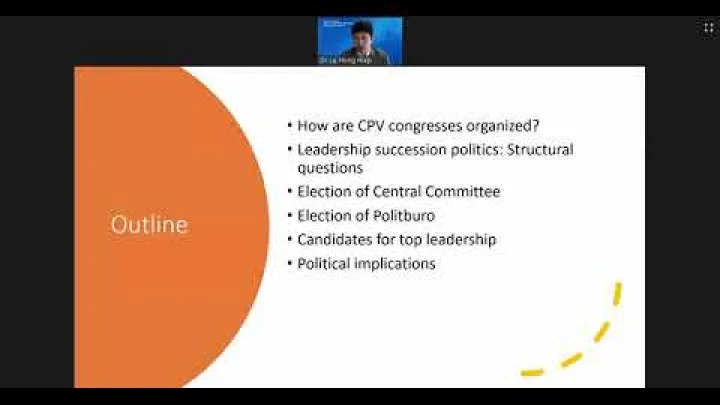
Once the party has identified a preferred candidate, it communicates this choice to the National Assembly’s leadership. The Assembly then organizes the election based on the party’s decision, and the candidate usually stands unopposed. Because nearly all National Assembly deputies are party members or closely aligned with the party, the outcome of the vote almost always confirms the party’s choice. Public information about these internal deliberations is limited, so outside observers must rely on official announcements and observable patterns rather than detailed accounts of internal debates.
This dual structure—party decision followed by legislative election—means that when people ask “how is the president of Vietnam elected?” the full answer must include both the constitutional process and the party’s role. It also explains why presidential elections in Vietnam do not involve nationwide campaign competitions between multiple candidates, as seen in multi-party systems.
Why recent presidents have changed so frequently
Since 2021, Vietnam has experienced an unusually rapid turnover of presidents compared with earlier periods. Several presidents have resigned before completing their terms, and acting presidents or successors have been elected to finish the remainder of the term. These changes have drawn international attention and raised questions about stability and internal politics.
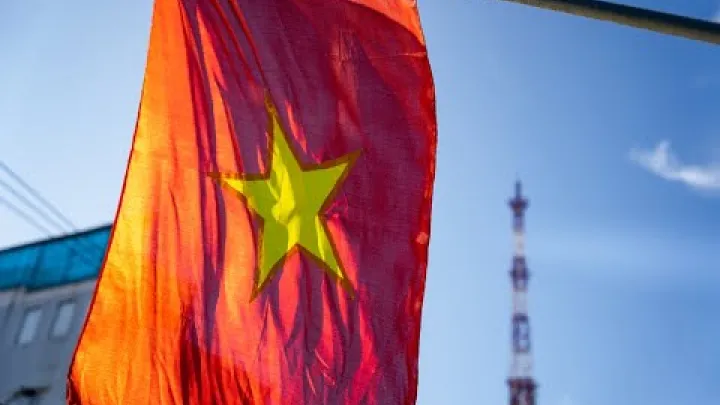
According to official explanations, these resignations are linked to the Communist Party’s intensified anti-corruption campaign and the principle of “political responsibility.” Leaders may leave office when subordinates or agencies under their oversight are found to have committed serious violations, even if they are not personally accused of wrongdoing. During this period, the party has emphasized discipline and accountability across the state apparatus. The result has been a series of leadership adjustments, including at the presidential level, that aim to protect the overall system while addressing specific problems. Lương Cường’s election in 2024 should be seen against this background of institutional tightening and renewed focus on integrity in public service.
Historical evolution of the presidency in Vietnam

From Hồ Chí Minh to the abolition of the presidency (1945–1980)
The office of president in Vietnam dates back to the founding of the Democratic Republic of Vietnam in 1945, when Hồ Chí Minh became the country’s first president. At that time, Vietnam was emerging from colonial rule and entering a period of resistance wars and national unification. The presidency in this era was strongly associated with revolutionary leadership and the struggle for independence, rather than with a stable peacetime constitutional system.

Hồ Chí Minh served as president through the First Indochina War and the early years of the division between North and South Vietnam. After his passing in 1969, Tôn Đức Thắng became president of the Democratic Republic of Vietnam. The presidency continued to exist during the final years of the Vietnam War and the 1976 reunification of North and South into the Socialist Republic of Vietnam.
A major institutional change came with the 1980 constitution, which abolished the individual office of president and replaced it with a collective State Council. This reflected a preference at the time for more collective forms of leadership and aligned with similar structures in some other socialist countries. Under the State Council model, a group of leaders collectively performed head-of-state functions, and individual authority was more diffuse.
Restoration of the presidency after Đổi Mới (since 1992)
The office of president was restored by the 1992 constitution, adopted after the launch of Đổi Mới economic reforms in the late 1980s. These reforms aimed to shift Vietnam from a centrally planned economy toward a more market-oriented one, while maintaining one-party political leadership. The new constitution reintroduced separate state offices, including the presidency, prime ministership, and chairmanship of the National Assembly, within a clearer institutional framework.
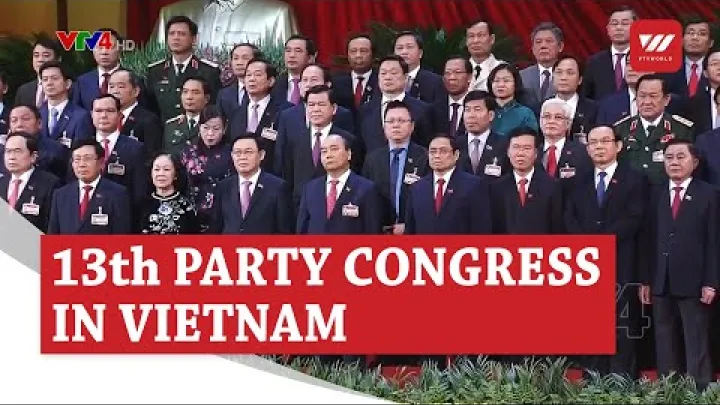
Since the early 1990s, a series of presidents have served during a period of economic opening and international integration. Leaders such as Lê Đức Anh, Trần Đức Lương, Nguyễn Minh Triết, Trương Tấn Sang, Trần Đại Quang, and Nguyễn Phú Trọng (who held both the presidency and the party General Secretary position for a time) have overseen Vietnam’s accession to the World Trade Organization, expansion of foreign investment, and deepening of regional and global partnerships. During these decades, the presidency has functioned as an important symbol of national unity and a key player in foreign policy, while remaining integrated into the party’s collective leadership.
The restoration of the presidency also reflected a broader adjustment within Vietnam’s political system toward more clearly defined roles for individual offices. However, the basic principle of party supremacy remained unchanged. The president’s functions were thus shaped both by constitutional texts and by the evolving needs of a country undergoing rapid economic and social transformation.
Rapid turnover and anti-corruption campaigns (2021–2024)
The years from 2021 to 2024 stand out in the history of Vietnam’s presidency because of the number of changes in a relatively short time. During this period, several presidents either resigned or served only part of a term. The sequence included the resignation of President Nguyễn Xuân Phúc, the subsequent election and later resignation of President Võ Văn Thưởng, and the brief presidency of Tô Lâm before the focus shifted to another leadership arrangement and the election of Lương Cường.
These events occurred in parallel with a broad anti-corruption campaign led by the Communist Party, which targeted abuses of power, mismanagement, and violations of party regulations in various sectors, including diplomacy, health, and business. Official statements emphasized the need for leaders to take “political responsibility” for shortcomings under their authority, even if they were not directly implicated in specific cases. As a result, changes at the top, including at the presidential level, became part of a larger process of internal party discipline and state restructuring. While this created an impression of instability to some observers, the constitutional framework continued to function, with the National Assembly and party bodies organizing orderly transfers of office.
Presidents of South Vietnam and the Vietnam War context

Who was the president of South Vietnam during the Vietnam War?
When people ask about the “South Vietnam president” or “Vietnam president Diệm,” they are usually referring to the leaders of the Republic of Vietnam, the state that existed in the southern part of the country from 1955 until 1975. This state was distinct from the Democratic Republic of Vietnam in the North and later from the unified Socialist Republic of Vietnam that exists today. Understanding who led South Vietnam helps place the Vietnam War in proper context.
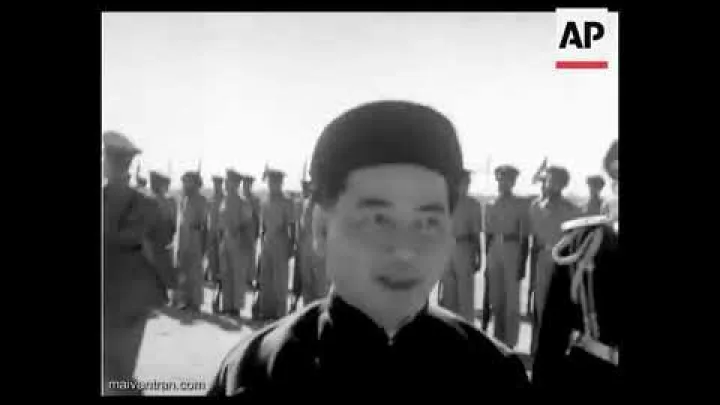
The most prominent South Vietnamese president was Ngô Đình Diệm, who served from 1955 until his overthrow and assassination in 1963. Diệm consolidated power, opposed communist forces, and relied heavily on support from the United States, but his government faced internal opposition and escalating conflict. After Diệm’s fall, South Vietnam went through a period of political instability with several leaders, including short-lived military juntas. In 1967, Nguyễn Văn Thiệu became president and remained in office until 1975, leading the country through the height of U.S. military involvement and then the gradual withdrawal and final collapse. Thiệu’s leadership, including his relations with U.S. leaders and decisions on negotiation and war strategy, shaped the last years of the Republic of Vietnam.
Which U.S. presidents were in office during the Vietnam War?

The question “who was the president during the Vietnam War?” often refers to U.S. presidents, because American policy decisions significantly influenced the conflict’s course. Several U.S. presidents held office during different phases of the war, from limited advisory missions to large-scale combat and eventual withdrawal. Each administration made choices about escalation, negotiation, and troop levels that affected both the battlefield and diplomatic arenas.
The main U.S. presidents associated with the Vietnam War can be listed in approximate chronological order:
- Dwight D. Eisenhower (1953–1961): Oversaw early U.S. support to French forces and then to South Vietnam after the Geneva Accords.
- John F. Kennedy (1961–1963): Increased the number of U.S. military advisers in South Vietnam and expanded assistance.
- Lyndon B. Johnson (1963–1969): Directed major escalation, including large-scale deployment of U.S. combat troops and intensive bombing campaigns.
- Richard Nixon (1969–1974): Initiated “Vietnamization,” sought to shift combat duties to South Vietnamese forces, and pursued negotiations leading to the Paris Peace Accords.
- Gerald Ford (1974–1977): Was president when North Vietnamese forces captured Saigon in April 1975, marking the end of the war and the fall of the Republic of Vietnam.
These leaders are central to many histories of the war, although other U.S. political figures, military commanders, and diplomats also played important roles in decision-making and implementation.
Presidents linked to the start and end of the Vietnam War
Historians sometimes disagree on when the Vietnam War “started” and “ended,” which affects answers to questions like “who was president at the start of the Vietnam War?” and “who was president at the end?” Some scholars focus on early conflicts in the 1950s, while others emphasize the period of large-scale U.S. combat involvement that began in the mid-1960s. Similarly, some mark the end of the war at the 1973 Paris Peace Accords, while others focus on the fall of Saigon in 1975.
If we define the start of major U.S. involvement as the period of heavy troop deployment and combat operations, then U.S. President Lyndon B. Johnson and South Vietnamese President Nguyễn Văn Thiệu are closely associated with that phase. Johnson presided over the decision to send large numbers of combat troops, while Thiệu led the South Vietnamese state during expansion of the war. For the end of the conflict, U.S. President Richard Nixon, who signed the Paris Peace Accords in 1973, and his successor Gerald Ford, who was in office when Saigon fell in 1975, are key figures. On the South Vietnamese side, Thiệu resigned shortly before the final collapse, and short-term successors held office in the last days of the Republic. These distinctions show that identifying one “start” and one “end” president simplifies a complex, multi-phase conflict.
Early foreign policy role of President Lương Cường
First overseas trips and diplomatic priorities
Foreign policy is one of the main areas where international audiences can observe the actions of a new president. After taking office in October 2024, President Lương Cường is expected to participate in regional and multilateral events, as well as pay state or official visits to key partner countries. These activities signal Vietnam’s foreign policy priorities and how the new president intends to represent the country abroad.
Although detailed schedules may change, early trips typically focus on neighboring Southeast Asian states, major powers with strong economic and strategic ties to Vietnam, and important multilateral gatherings such as ASEAN, APEC, or UN-related meetings. In his foreign policy messaging, Lương Cường is likely to emphasize continuity with Vietnam’s established line: independence and self-reliance, diversification and multilateralization of relations, and active participation in regional and global institutions. Participation in summits and bilateral meetings provides opportunities to reaffirm strategic partnerships, support trade and investment, and discuss security cooperation in areas such as maritime issues and peacekeeping.
The president’s role in Vietnam’s broader foreign policy
Vietnam’s foreign policy is developed and implemented through close coordination among the Communist Party, the state, and specialized ministries. The president plays a leading but not solitary role in this framework. Party documents adopted by the Central Committee and Politburo provide the strategic orientation, while the Ministry of Foreign Affairs, other ministries, and provincial authorities handle detailed implementation. The government, led by the prime minister, negotiates treaties and manages economic diplomacy, and the National Assembly approves or ratifies important international agreements.
Within this system, the president serves as the country’s top diplomatic representative, especially for ceremonial and high-profile events. The president receives visiting heads of state, participates in state banquets, and gives speeches that present Vietnam’s views on global and regional issues. The president also uses foreign visits to support trade promotion, scientific and educational exchanges, and defense cooperation, often accompanied by delegations of ministers and business representatives.
In practice, the presidency can help strengthen Vietnam’s international reputation by projecting stability, continuity, and a clear commitment to established foreign policy principles. For President Lương Cường, who has a strong defense background, this may include a particular focus on security dialogues, peacekeeping contributions, and cooperation on non-traditional security challenges such as disaster relief and humanitarian assistance. However, as in other areas, his actions will align with broader strategies agreed within the party and state leadership.
Frequently Asked Questions
Who is the current President of Vietnam?
The current President of Vietnam is Lương Cường, elected by the National Assembly in October 2024 for the 2021–2026 term. He is a four-star army general and senior member of the Communist Party of Vietnam’s Politburo. Before becoming president, he led the General Political Department of the People’s Army and served as Permanent Member of the Party Secretariat.
What are the main powers of the President of Vietnam under the constitution?
The President of Vietnam is head of state, commander-in-chief of the armed forces, and chair of the National Defense and Security Council. The president promulgates laws, proposes and appoints key state officials, grants amnesties, and represents Vietnam in foreign relations. However, all these powers are exercised within decisions made by the Communist Party leadership and under the oversight of the National Assembly.
How is the President of Vietnam elected and by whom?
The President of Vietnam is elected by the National Assembly from among its deputies for a five-year term that matches the Assembly’s term. The vote is held by secret ballot but usually confirms a single candidate chosen beforehand by Communist Party bodies. In practice, the Party’s Central Committee and Politburo decide who becomes president before the formal vote in the Assembly.
Is the President of Vietnam the most powerful leader in the country?
The President of Vietnam is not the most powerful leader; that role generally belongs to the General Secretary of the Communist Party. The General Secretary leads the party, sets strategic direction, and oversees major personnel and disciplinary decisions. The president is influential, especially in defense and foreign policy representation, but operates within the party’s collective decisions and the broader leadership system.
Who was the president of South Vietnam during the Vietnam War?
The most prominent president of South Vietnam during the Vietnam War was Ngô Đình Diệm, who served from 1955 until his overthrow in 1963. After a period of instability, Nguyễn Văn Thiệu became president in 1967 and led the Republic of Vietnam until shortly before the fall of Saigon in 1975. These leaders headed the anti-communist South Vietnamese state, which no longer exists today.
Which U.S. presidents were in office during the Vietnam War?
Several U.S. presidents served during the Vietnam War era, including Dwight D. Eisenhower and John F. Kennedy in the early advisory phase. Major escalation occurred under Lyndon B. Johnson, while Richard Nixon oversaw the “Vietnamization” policy and the Paris Peace Accords. Gerald Ford was president when Saigon fell in 1975, marking the end of the war and the collapse of the Republic of Vietnam.
Why have there been several Vietnamese presidents in a short time?
Vietnam has had unusually frequent presidential changes since 2021 due to resignations linked to the Communist Party’s anti-corruption campaign and the principle of political responsibility. Presidents Nguyễn Xuân Phúc and Võ Văn Thưởng both stepped down after issues arose in areas under their oversight, according to official explanations. Tô Lâm then briefly served as president before the leadership configuration changed again and Lương Cường was elected in 2024.
What is the difference between the President of Vietnam and the Prime Minister?
The President of Vietnam is head of state, focusing on constitutional representation, appointments, defense and security leadership, and foreign policy roles. The prime minister is head of government, responsible for managing ministries, implementing laws, and directing socio-economic policy. In everyday governance, the prime minister has more direct administrative power, while both offices work under the Communist Party’s overall leadership.
Conclusion: Understanding the President of Vietnam in context
Key takeaways about the office and current president
The position of President of Vietnam combines constitutional authority with symbolic representation in a one-party political system. As of late 2024, Lương Cường, a four-star general and senior party leader, serves as head of state for the 2021–2026 term, after a long career in the military’s political system and the Communist Party. His role includes promulgating laws, proposing and appointing key officials, leading the National Defense and Security Council, and representing Vietnam in foreign relations.
At the same time, the presidency operates within a framework where the Communist Party, especially the General Secretary and Politburo, sets the main policy directions. The president is one of the “four pillars” alongside the General Secretary, prime minister, and National Assembly chair, and real influence depends on party structures as much as on constitutional powers. Historical developments, from Hồ Chí Minh’s presidency through the abolition and restoration of the office and the recent period of rapid turnover, show how the role has adapted to changing circumstances while remaining embedded in collective leadership.
Further perspectives for travelers, students, and professionals
For international readers, understanding who the president of Vietnam is and how the office works provides a useful entry point into the country’s political system. Travelers may better interpret news about state visits, national holidays, or high-level meetings they see during their stay. Students and researchers can place current events, such as anti-corruption campaigns or leadership reshuffles, within a longer historical and institutional narrative.
Professionals who plan to work with Vietnamese partners or invest in the country can use this knowledge to follow leadership developments and understand how decisions flow from party bodies to state institutions. By viewing the presidency not in isolation but as part of a broader “four pillars” and one-party framework, readers gain a clearer picture of how Vietnam is governed and how its leaders interact with the region and the wider world.
Select area
Create a post
Posting is free and no registration is required.