Ca Mau Budget: Daily Travel Costs, Prices, and Saving Tips

A Ca Mau budget can be modest when you stay in Ca Mau City, eat at local restaurants, and choose low-cost activities. Costs increase most sharply when you add long-distance travel, a trip to Dat Mui, private boats, guided forest experiences, or higher-category hotels. This guide separates everyday spending from one-off trip costs so you can build a realistic total in Vietnamese dong. All figures are planning ranges rather than fixed quotes, since availability, inclusions, and travel dates can change the final price.
Ca Mau Budget at a Glance
Ca Mau is generally a manageable destination for independent travelers, but it is not a place where every nature attraction can be treated as a cheap city outing. The entrance fee may be small, while the transport needed to reach mangrove and forest areas can be the larger expense. Start with a daily spending tier, then add arrival costs and special excursion costs separately.
Indicative Daily Budgets in VND
For one person, a practical Ca Mau travel budget is about 600,000–900,000 VND per day for a budget trip, 900,000–1,500,000 VND for a mid-range trip, and 1,500,000–2,500,000 VND or more for a comfortable trip. These estimates include a place to sleep, food, ordinary local transport, and some activity spending. They do not automatically include a flight, an intercity bus, or a private boat and guide.
| Travel style | Daily range | Typical choices |
|---|---|---|
| Budget | 600,000–900,000 VND | Simple room, local meals, buses or motorbike, low-cost activities |
| Mid-range | 900,000–1,500,000 VND | Comfortable hotel, more seafood, a shared excursion |
| Comfortable | 1,500,000–2,500,000+ VND | Higher-category hotel, guided activity, taxis or private services |
The largest differences between these tiers are lodging, seafood dining, boat travel, and guided tours. A traveler who eats simply can still spend heavily on a Dat Mui tourist area outing, while a traveler staying centrally may have a comfortable day without paying for an organized experience. If converting VND to another currency, use a current exchange rate only when you are ready to set your final trip total.
These are per-person working figures, not room rates. They assume that the accommodation cost is allocated sensibly: a solo traveler may pay the full price of a basic room, while two people sharing a room can divide that line between them. They also assume ordinary city days rather than a private vehicle, premium boat, or full-day guide. Use the upper end when traveling alone, booking late, or visiting a remote attraction; use the lower end when sharing transport and choosing simple local services.
Daily Costs Versus One-Off Trip Costs
A daily budget is useful for comparing travel styles, but it is not the same as the total cost of visiting Ca Mau. Your arrival and departure by air or long-distance bus are one-off costs. A day at Dat Mui or U Minh Ha National Park can also create a separate cost for transport, a boat, a guide, or a bundled activity.
A simple calculation is: total trip cost = daily spending × number of nights + intercity transport + special excursions + a small contingency. For example, three city-based days at 750,000 VND equal 2,250,000 VND before adding the cost of reaching Ca Mau and any major nature trip. A shared room, shared boat, or shared vehicle can lower the per-person result. Solo travelers should allow more where a service is priced per vehicle or boat rather than per passenger.
Accommodation Costs in Ca Mau
Accommodation is often the easiest cost to control because Ca Mau City has the broadest range of bookable rooms. Rural stays and Dat Mui-area accommodation can be valuable for access to nature, but the room rate alone does not show the full cost or convenience.
Ca Mau City Hotel Price Ranges
Basic guesthouses and local hotels are the main low-cost option in Ca Mau City. A reasonable planning range is roughly 200,000–450,000 VND per room per night, especially when booking simple accommodation away from premium facilities. Typical 2–3 star or more comfortable city hotels commonly fit an approximate 400,000–800,000 VND range, depending on date, room type, and demand.

Higher-category properties can rise above 1,300,000 VND per night and can reach several million VND during busy periods or for larger rooms. Hotel search results summarized by Agoda also show how widely nightly rates can vary between budget, mid-range, and higher-end listings. Treat online prices as a snapshot, not a promised rate.
Before selecting the cheapest listing, compare whether breakfast, air conditioning, a private bathroom, parking, and cancellation are included. Location matters as well: a room near Ca Mau Square, restaurants, or convenient transport can reduce small but repeated taxi costs. A low room rate far from your intended activities may not be the lowest total-cost choice.
For two people sharing a room, compare the per-room rate with the per-person budget rather than assuming that a room costing 600,000 VND creates a 600,000 VND lodging cost for each traveler. Conversely, a solo traveler should not divide a private room rate by two unless another person is actually sharing it. This simple distinction makes the budget tiers more realistic for couples, friends, and solo visitors.
Homestays Near Rural Areas and Dat Mui
Homestays can be a practical middle option, particularly if you want a quieter setting or an experience closer to mangrove and rural areas. Available platform listings have included examples around 450,000 VND and 855,000 VND per night, but these are reference points rather than standard prices for every homestay. The selection shown by Booking.com illustrates why a homestay should be compared by its actual inclusions, not just its headline amount.
Some community-oriented stays may quote per person, while others sell a room or a package that includes meals, a local activity, or transport. Supply can be limited near Dat Mui, so availability and package details may matter more than the nightly price. Ask directly whether the quoted amount includes meals, boat rides, transfers, air conditioning, and a private bathroom. Do not assume that an older community-tourism price still applies.
Choosing a Base for Different Budgets
Ca Mau City is usually the strongest base for travelers who want choice: more hotels, casual restaurants, access to Ca Mau bus station, and better chances of finding a motorbike rental or taxi. It suits a low-cost trip with day outings and is also convenient for travelers arriving through Ca Mau Airport.
A rural base or accommodation nearer Dat Mui can reduce travel time to a nature activity, but there may be fewer rooms, fewer independent dining options, and more package-based pricing. For a short trip, moving accommodation may cost more in time and transport than remaining in the city. For a trip focused almost entirely on mangroves, a closer base may be worth the premium.
- Lowest overall cost: stay in Ca Mau City, use a simple room, and plan one major paid outing.
- Best convenience: choose a central city hotel with breakfast and easy access to food and local transport.
- Nature-first itinerary: compare a rural or Dat Mui stay against the city room plus return transport, meals, and the risk of limited services.
Food, Seafood, and Everyday Spending
Food can remain inexpensive in Ca Mau when you use markets, breakfast stalls, and casual local restaurants. Seafood is a highlight of the area, but it is also the category most likely to move a frugal food budget into a mid-range or comfortable one.
Local Meals and Low-Cost Food
For travelers relying mainly on local eateries, a frugal food allowance of about 150,000–250,000 VND per person per day is a sensible starting point. Basic breakfasts may be around 20,000–30,000 VND, while a simple noodle soup or rice meal may be around 30,000–50,000 VND. Add drinks, fruit, coffee, snacks, and a second substantial meal, and the daily total rises steadily.
Look for small breakfast shops, market food counters, and casual restaurants rather than planning every meal around a seafood venue. This approach gives room in the budget for one better meal later. The amount is for ordinary local meals, not a full seafood dinner with drinks or multiple shared dishes.
In Ca Mau City, compare the prices and portions at city markets, small breakfast shops, and neighborhood eateries before settling on a daily routine. Around rural attractions, the choice may be narrower and a meal may be bundled with a homestay or activity. If you are leaving the city for a full day, carry enough VND for food and drinks rather than assuming a card or an ATM will be available at every stop.
Cash is useful for small food purchases and local transport. Larger hotels and some restaurants may accept cards or electronic payments, but travelers should not rely on card acceptance at every stall, rural stop, or small service provider. Carry modest denominations and keep enough cash for a day outside the city.
Seafood Restaurants and Higher Food Budgets
Seafood is the main reason food spending can exceed the basic allowance. A comfortable food budget of roughly 250,000–400,000 VND per person per day allows for a better meal or more drinks. Travelers who order seafood frequently should consider 400,000–600,000 VND or more per day, especially when choosing crab, shrimp, squid, shellfish, or larger shared hotpots.
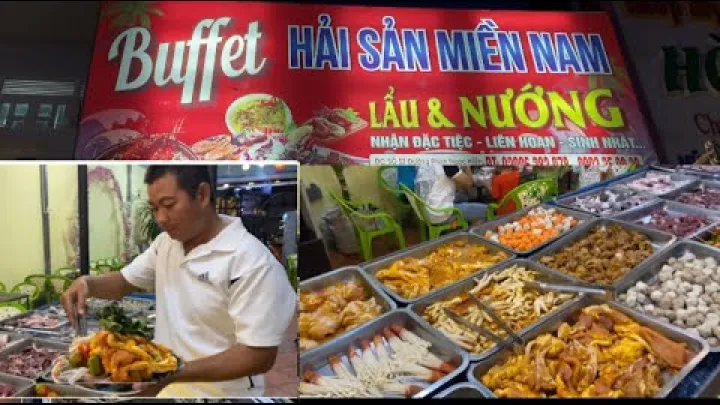
Local food guides describe Ca Mau restaurants serving items such as snails, crab, shrimp, squid, octopus, and shellfish; Ilaca is one example of the breadth of seafood commonly available. The final bill depends on species, portion size, preparation, side dishes, drinks, and how many people share the order.
Before ordering, establish whether seafood is priced by dish, portion, or weight. A group can make a seafood meal good value when several people share dishes; a solo diner may prefer one prepared dish rather than ordering by weight. If you want both local food and cost control, alternate simple meals with one planned seafood experience rather than treating every dinner as a specialty meal.
Transport Costs for Reaching and Exploring Ca Mau
Transport should be divided into three categories: reaching Ca Mau, moving around Ca Mau City, and paying for water or road access to major nature attractions. This division prevents a low daily city budget from creating a misleading total for a trip that includes Dat Mui or U Minh Ha.
Flights and Long-Distance Buses
Flying to Ca Mau Airport is the quicker option when schedules suit your itinerary, while a long-distance sleeper bus can be the lower-cost choice from southern Vietnam. Fares vary considerably by route, operator, travel date, seat type, and demand, so it is safer to treat any published fare as a planning example rather than a guaranteed price. Can Tho can also function as a regional gateway, though onward travel adds its own time and cost.
For planning, enter the intercity ticket as its own VND line rather than folding it into a daily allowance. Published fares are date-sensitive, so use the operator's price for your intended departure instead of relying on a generic starting fare. If you fly, add the cost of getting between Ca Mau Airport and your accommodation, plus any baggage charges. If you take a bus, compare the terminal location, pickup arrangements, departure time, and onward taxi or motorbike cost. A ticket that looks cheaper can produce a higher trip total if it requires a long transfer or an additional night.
Compare the full journey cost, not only the ticket price. Include baggage rules, transport to and from terminals, departure and arrival times, and whether an inconvenient connection requires another night of accommodation. Before booking, confirm the current fare, schedule, baggage allowance, pickup point, and availability directly with the airline or bus operator. This is especially important around weekends and holiday travel.
Local Buses, Motorbikes, and Taxis
Local buses are the lowest-cost benchmark for suitable city and nearby journeys. Reported Ca Mau bus fares are approximately 8,000–15,000 VND per ride depending on route length and destination, according to Vexere. Their value is strongest when the route and timing match your plans; they are less useful when you have limited time or need to reach dispersed attractions.
| Option | Budget unit | Best use |
|---|---|---|
| Local bus | About 8,000–15,000 VND per ride | Low-cost scheduled journeys |
| Motorbike rental | About 80,000–150,000 VND per day | Flexible city and nearby exploration |
| Taxi | Distance-based fare | Short trips, luggage, inconvenient routes |
Motorbike rental can be economical for one full day, with automatic models often costing more than basic manual models. Add fuel to the rental quote and compare the total with several taxi trips. Check rental terms, the deposit, identification requirements, fuel level, lights, brakes, tires, and visible damage before accepting a motorbike. Use this option only if you are legally able and confident to ride in local conditions.
Boat Transfers and Shared Water Transport
In the Dat Mui and mangrove areas, water transport may be both a way of getting somewhere and part of the experience. One indicative planning example is about 140,000 VND per passenger for a Ca Mau-to-Dat Mui boat and about 50,000 VND for an additional local transfer. These examples are useful for budgeting, but they are not a timetable or a fixed public fare.
Budget for the return journey, not only the outward ride. Shared canoe or boat services can bring down the per-person cost, whereas private hire can become expensive for one traveler and much better value for a group. Before relying on a water route, confirm the operator, departure point, return option, total fare, and whether the quote includes the final transfer to the tourist area.
Attraction Fees and Activity Costs
Attraction budgets in Ca Mau are often less about gate tickets and more about access, services, and the kind of experience you choose. Separate admission from external transport, internal transfers, boats, guides, meals, and optional activities before deciding whether an outing fits your budget.
Dat Mui and Mui Ca Mau National Park Costs
The reported entrance fee for Dat Mui is about 30,000 VND for adults, 15,000 VND for children above the stated height threshold, and free entry for smaller children. These figures are listed by Intour and should be treated as current-reference amounts rather than permanent rates.
The gate ticket is only one part of a Dat Mui day. Your actual cost may also include transport from Ca Mau City or Nam Can, a boat or shared water transfer, internal transport, food, and any guide. A useful sample breakdown is admission of about 30,000 VND, plus external return transport, then any internal service as a separate line. This makes it clear why a low entrance fee does not necessarily mean a low-cost excursion.
U Minh Ha National Park and Bundled Experiences
U Minh Ha National Park requires especially careful comparison because reported prices can describe very different things. Some basic-entry references may show approximately 20,000–30,000 VND, while a much higher quote may include a boat, fishing, a guide, canoe activity, food, transport, or a full package. These should not be presented as interchangeable prices or as a universal current gate fee.
An independent visit may work for travelers who can arrange transport and join shared activities, while a bundled day experience can be easier for those who value predictable planning. The package can be good value only when its inclusions replace services you would otherwise buy separately. Ask whether a quoted U Minh Ha amount covers only entry or also includes boats, guides, fishing, meals, or other activities. Then compare like with like before choosing.
For a solo traveler, the key comparison is often not the lowest advertised entry amount but the total cost after reaching the park and adding an activity. For a couple or group, a shared boat or guide may make an organized experience more competitive. Request the total per person, the minimum group size, the departure and return arrangements, and the list of included services so that a basic ticket is not mistaken for a complete day out.
Free and Low-Cost Things to Do
A low-cost Ca Mau itinerary does not need a paid boat trip every day. Markets, public areas around Ca Mau Square, riverside walks, pagodas, village walks, and roadside food stops can provide a useful contrast to a major nature outing. These activities may have little or no admission charge, although transport, snacks, donations, events, or facility use can still add costs.
One practical approach is to set aside about 50,000–300,000 VND per person for activities on an ordinary day, then reserve a separate amount for one forest or mangrove experience. This keeps the budget flexible: spend very little on a city day, then put more toward the activity that matters most. Check locally for temporary event charges or changed access rather than assuming every public place is always free.
Sample Ca Mau Daily Budgets
The examples below show how individual choices combine. They are not package prices and exclude international travel. Replace each line with your own booking quote, food preferences, and transport plan.
Budget Traveler in Ca Mau City
A budget city day can approach 600,000 VND when you keep accommodation and paid activities simple.
| Item | Example cost |
|---|---|
| Basic room | About 250,000 VND |
| Local meals and drinks | 150,000–230,000 VND |
| Bus, fuel, or short local travel | 30,000–80,000 VND |
| Free or inexpensive activity | 0–80,000 VND |
| Indicative total | About 430,000–640,000 VND |
Adding a buffer for coffee, snacks, or an unplanned taxi brings the working daily allowance closer to 600,000 VND. This example assumes simple accommodation, local dining, and no major paid excursion. A Dat Mui trip should be added separately, and a solo traveler may not be able to share a private vehicle or boat.
Mid-Range Traveler Visiting Dat Mui
A mid-range traveler combining a comfortable city hotel with a Dat Mui excursion should expect a larger day total. A typical calculation might include a hotel at 400,000–700,000 VND, meals at 220,000–370,000 VND, return transport and water access, and admission of about 30,000 VND.
| Item | Planning range |
|---|---|
| Hotel | 400,000–700,000 VND |
| Meals | 220,000–370,000 VND |
| Return access to Dat Mui | About 330,000 VND or more |
| Entrance | About 30,000 VND |
| Indicative total | About 1,040,000–1,510,000 VND |
The transport line is illustrative and can change with the chosen route, shared service, and internal transfer. Breakfast included with the room and shared transport can move the result toward the lower end. This estimate excludes international travel, private boats, and premium tour upgrades.
Comfortable Traveler Using Guided Experiences
A comfortable day can exceed 2,000,000 VND and can pass 3,000,000 VND when premium accommodation and a bundled guided experience are combined. A higher-category hotel may take a large share of the budget, followed by a forest or mangrove package, private transfers, seafood dining, and drinks.
A useful worksheet is a room above 1,300,000 VND, food at roughly 400,000–600,000 VND or more, the quoted cost of a guided U Minh Ha or similar activity, and a separate allowance for local extras. Add private transport, a premium room, or seafood ordered by weight as explicit plus items rather than hiding them inside the daily range. Read the tour inclusion list carefully: if lunch, transport, entrance, and boat activity are included, do not add them again as separate expenses. The higher total is usually driven by accommodation and organized experiences rather than ordinary local meals.
What Changes the Price and How to Save
Ca Mau costs are flexible, but the biggest savings usually come from lodging choices, long-distance access, and shared activity arrangements. Food and short local transport matter, yet they usually have less impact than a costly room, last-minute arrival ticket, or private boat.
Seasonal Demand, Weekends, and Activity Availability
Hotel and tour prices can change with weekends, public holidays, local events, booking lead time, and general demand. Limited accommodation can make popular dates more expensive even in a destination where ordinary weekday rates are moderate. Shifting a stay to weekdays or reserving earlier can therefore have a larger effect than trying to save a small amount on meals.
Weather can also affect boat trips and forest activities, so a lower room rate does not always represent the same activity availability or experience. Keep one flexible activity day if a water or forest outing is important. Before booking a boat trip or forest activity, check current weather and attraction operating updates so you can decide whether to proceed, change the day, or choose a city-based alternative.
Practical Ways to Reduce a Ca Mau Budget
Start with the decisions that have the largest likely effect. Book limited budget lodging early, compare weekday rates, and choose a room with breakfast when the price difference is small. Next, compare the total cost of flights and buses, including transfers and the value of your time, rather than choosing on ticket price alone.
- Control tours and boats: join a shared service when appropriate instead of hiring a private boat or vehicle alone.
- Choose the right base: compare a Ca Mau City room plus return transport with the cost of staying nearer Dat Mui or a rural attraction.
- Plan food deliberately: use local breakfast shops and casual meals most of the time, then choose one seafood meal you genuinely want.
- Use transport by purpose: take local buses when routes fit, rent a motorbike only when a full day of flexibility justifies it, and use taxis for short or awkward journeys.
- Keep a small reserve: allow for snacks, rain-related changes, fuel, and an extra local transfer.
Before committing money, review the room inclusions, cancellation terms, current intercity fare, attraction admission, tour inclusions, departure arrangements, and operating status. This short comparison protects your budget better than relying on one advertised starting price.
Final Ca Mau Budget Takeaways
A realistic Ca Mau budget begins around 600,000–900,000 VND per day for a simple city-based trip, while 900,000–1,500,000 VND gives more comfort and room for a major outing. The essential planning step is to separate daily living costs from the one-off cost of reaching Ca Mau and accessing Dat Mui or U Minh Ha. Stay in Ca Mau City for choice and easy spending control, or pay more for a rural base only when it meaningfully improves your nature-focused itinerary. With clear comparisons of accommodation, transport, and activity inclusions, Ca Mau can suit both careful budget travelers and visitors seeking a more comfortable guided experience.
Select area
Create a post
Posting is free and no registration is required.