- Tay Son Heaven and Earth Esplanade: Historic Shrine in Quy Nhon
- Quang Trung Museum: Tay Sơn History & Culture in Quy Nhon
- Banh It Cham Towers: Ancient Heritage & Photography in Quy Nhon
- The Thon Beach in Cat Tien: Clean Shores & Affordable Watersports
- Linh Phong Pagoda in Quy Nhon: The Sacred Mountain Temple
Vietnam Travel Guide: Places, Itineraries, Costs, Visas, and Safety

Vietnam travel planning is easier when you decide on a route, a pace, and a few strong “base” cities before you book. The country is long and varied, so weather, transport time, and budget can change a lot from north to south. This guide walks through practical Vietnam travel places to consider, realistic itinerary ideas, and what costs usually drive a trip up or down. It also covers common entry and visa planning points, plus everyday culture, food, and safety habits that help you travel with confidence.
Plan Your Vietnam Trip: Key Decisions Before You Book
The most common Vietnam planning problems are not about finding places to visit. They are about trying to do too much in too few days, booking the wrong transport for your comfort level, or choosing dates that do not match your activities. If you decide your route, style, and flexibility early, it becomes much easier to compare flights, hotels, and tours without stress.
Pick a Route That Matches Your Time and Interests
Vietnam’s geography is long and narrow, so most routes naturally group into three travel zones: the North, the Center, and the South. Many first-time trips focus on Northern Vietnam around Hanoi, with side trips to places like Ha Long Bay, Sapa, and Ninh Binh. Central Vietnam often centers on Hoi An, Da Nang, and Hue. Southern Vietnam usually starts in Ho Chi Minh City, with options for the Mekong Delta and coastal or island add-ons.

Vietnam’s geography is long and narrow, so most routes naturally group into three travel zones: the North, the Center, and the South. Many first-time trips focus on Northern Vietnam around Hanoi, with side trips to places like Ha Long Bay, Sapa, and Ninh Binh. Central Vietnam often centers on Hoi An, Da Nang, and Hue. Southern Vietnam usually starts in Ho Chi Minh City, with options for the Mekong Delta and coastal or island add-ons.
A simple way to choose is to start with your main priority and then select one region that supports it well. If you want dramatic landscapes, the North has mountains and limestone scenery. If you want beaches and a slower pace, consider a Central or island-focused plan. If you want big-city energy and modern food scenes, the South can fit well. Many travelers search for “vietnam travel places” and then try to connect them all, but long transfers can reduce time on the ground.
Set expectations about pace. Vietnam rewards slower travel because each region has its own food, history, and daily rhythm. Instead of moving every one or two nights, choose fewer bases and add day trips. This approach can also be more inclusive for travelers who prefer fewer stairs, less walking with luggage, or more predictable rest breaks.
- If you have 7 days, choose one region and add one or two day trips.
- If you have 10 days, connect two regions with one flight or a comfortable overnight option.
- If you have 14 days, you can cover three regions, but plan at least one flex day.
- If you dislike frequent packing, build the trip around two or three “base” cities.
Decide Your Travel Style: Independent, Semi-Guided, or Fully Guided
In Vietnam, “independent travel” usually means you book your own hotels and transport, then explore on foot or with simple local trips. This style works well if you like flexibility and you are comfortable adjusting plans when weather changes. It also suits travelers who want to spend extra time in cafés, markets, or neighborhoods without fixed schedules.

A “semi-guided” style is common and practical. You stay in one base city and add day tours for harder logistics, such as cruises, countryside routes, or mountain viewpoints. This can be a good balance for first-time visitors, students on a short break, or remote workers who want reliable day structures while keeping evenings free.
“Fully guided” usually means a multi-day itinerary arranged in advance with transfers and a guide. Many travelers consider a vietnam travel package or compare vietnam travel packages when they want predictable logistics, limited planning time, or a single price that bundles major items. Packages often include hotels, intercity transfers, a guide, and specific activities such as a bay cruise or heritage-site visits.
No style is automatically better. The right choice depends on your time, comfort with language barriers, and how much planning you enjoy. Even if you plan independently, you can still use local guides for a few experiences where context, safety, or navigation matters.
Set Realistic Expectations for Booking, Crowds, and Flexibility
Prices and availability in Vietnam can shift with seasonality and major holidays. Popular routes can sell out earlier than you expect, especially experiences that have limited capacity such as overnight cruises or certain sleeper services. If your dates are fixed, booking key items earlier can reduce stress, while leaving space for local decisions keeps the trip enjoyable.
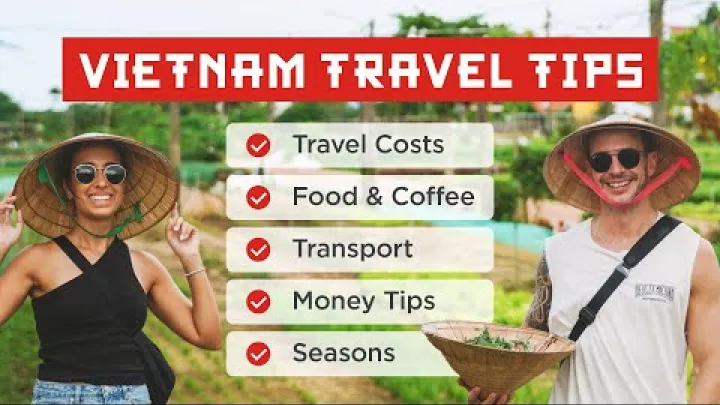
A practical planning timeline is to book international flights and your first nights of accommodation first, then lock in any high-demand activities next. Many travelers also pre-book intercity flights if they connect far-apart regions. Other details, like city food tours, museum visits, or short day trips, can often be arranged locally once you see the weather and your energy level.
Flexibility is a safety and comfort strategy, not just a convenience. Buffer days help when rain changes outdoor plans or when you want more time in one place. Travel insurance can be helpful if you need to adjust due to illness, missed connections, or activity changes, but coverage varies, so it is worth reading the terms. When possible, refundable or changeable bookings can reduce financial risk and help you adapt without rushing.
Best Places to Visit in Vietnam
Vietnam’s highlights are not only famous landmarks. Many trips become memorable because of small daily moments, such as morning coffee, local markets, and quiet countryside roads. The places below are common anchors for first-time visitors because they are well connected and offer varied day-trip options, but you can shape them to your budget and mobility needs.
Northern Vietnam Highlights: Cities, Mountains, and Limestone Landscapes
Many travelers focus on the Old Quarter for walking and street food, then add a few museums or major monuments for historical context.

Travelers usually experience it as a long day trip from Hanoi or as an overnight cruise that includes time on the water, meals, and short activities such as kayaking or visiting caves.
It can suit hikers and photographers, but conditions vary by season, and trails can be muddy. If you prefer a gentler plan, you can still enjoy the region with shorter walks, viewpoints, and local village visits arranged at a comfortable pace.
Ninh Binh is popular for inland limestone scenery and calm boat routes through river valleys. It can be an easier nature add-on for travelers who want dramatic landscapes without going as far as the mountains. Many visitors allocate one or two nights to avoid day-trip fatigue and to enjoy early mornings when it is cooler and quieter.
Central Vietnam Highlights: Heritage Towns, Beaches, and Day Trips
Hoi An is a heritage-focused base that many visitors enjoy for its walkable old town, lantern-lit streets, and riverside atmosphere. Typical activities include relaxed walking, visiting historic houses and small museums, and joining a cooking class. It is also known for tailoring, but timelines and quality vary, so it helps to allow extra days for fittings if that matters to you.

Hoi An can be walking-heavy, especially in warm months. If heat is a concern, plan early starts, midday breaks, and evenings for outdoor time. If you have limited mobility, you can still enjoy the town by focusing on shorter loops, café stops, and a small number of key sites rather than long walks across the whole area.
Da Nang is a modern coastal hub with a wide choice of hotels, restaurants, and transport links. It can be practical if you want a beach-city base with easy access to day trips. Travelers often use it as a gateway for nearby mountains, viewpoints, and coastal drives, choosing activities based on weather and personal energy.
Hue is a history-focused stop that many travelers combine with Hoi An and Da Nang. It is often visited for imperial-era architecture and cultural sites. If you like history, you may want extra time for guided context. If you prefer a lighter schedule, a focused visit to a smaller number of sites can still be meaningful without feeling rushed.
Southern Vietnam Highlights: Big City Energy and River Life
Ho Chi Minh City is a common southern base for museums, markets, and food exploration. Many visitors balance historical and cultural stops with neighborhood wandering, coffee breaks, and evening street-food areas. The city’s pace can feel intense, so staying in a well-located area can reduce travel time and make it easier to return to your hotel for rest.
Day trips from the city often focus on historical sites outside the center or on countryside experiences. The right choice depends on your interests and tolerance for travel time. If you prefer to avoid long road days, you can still build a full schedule inside the city with museums, architecture walks, and guided food tours.
The Mekong Delta is a region of waterways, farms, and river towns. Typical experiences include early morning starts, boat rides, visits to local workshops or fruit farms, and markets that may be busier at certain times of day. Some travelers prefer a short day trip, while others enjoy an overnight stay to see more rural life with less rushing.
The best southern plan depends on whether you want city culture, food discovery, history, or slower countryside time. It also connects to logistics and safety. In busy areas, keep phones secure and plan transport carefully, and in rural areas, allow extra time for transfers and changing conditions.
Islands and Coastal Escapes: When to Add Beaches
Vietnam’s beaches and islands can be a strong addition if you want recovery time between cities or after trekking. Phu Quoc is a common island option for beach days, snorkeling boat trips, and resort stays. Some travelers use it as a quiet end point after a faster multi-city route, while others build an entire trip around slower island time.

Beach plans work best when you give them enough nights to feel restful. If you only have one or two nights, transfers can take a large part of your time. With three or more nights, you can enjoy a mix of rest and short activities without feeling that every day is a schedule.
Nha Trang is another coastal option, often described as a beach city with island outings and spa-style experiences such as mud baths. Travelers choose it for straightforward beach access and a broad hotel range. As with many beach areas, the experience can vary based on season, local holidays, and how central your accommodation is.
To decide whether to add beaches, consider your total days, your preferred pace, and the weather patterns for your travel months. If your core trip already has many transfers, a beach add-on may be more enjoyable if it replaces another stop rather than being added on top of everything.
Best Time to Travel to Vietnam
Weather affects not only comfort but also visibility, sea conditions, and how pleasant it feels to walk in cities. A good planning approach is to start with the region you will visit, then match your key activities to typical seasonal patterns.
Vietnam Weather Basics by Region
Vietnam’s weather is often discussed in regional terms: the North, Central coast, and the South. The North typically has cooler periods and hotter periods, and visibility in mountains can change quickly with cloud and mist. If you plan trekking or scenic viewpoints, it helps to keep expectations flexible and to choose routes that still feel worthwhile in mixed conditions.
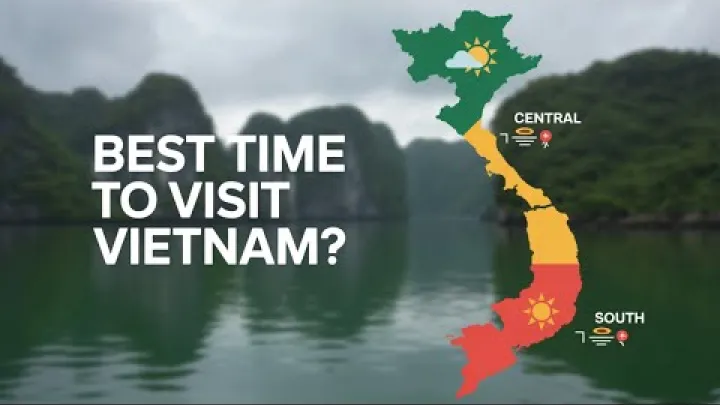
The South is often planned around wet and dry season patterns rather than big temperature shifts. Rain can come in short, intense periods, especially in some months, which may change outdoor timing but does not always stop travel. City sightseeing can still work well if you structure days with indoor breaks, such as museums or cafés.
Central Vietnam can have its own rain patterns and, at times, higher storm risk. That matters for beach time, coastal drives, and some water-based activities. Because these patterns vary, it is wise to check local forecasts close to your travel dates and to avoid planning a trip where a single outdoor activity is the only reason you will enjoy the destination.
Weather should connect to what you want to do. Cruises can be affected by wind and visibility. Trekking is more comfortable in cooler conditions and less pleasant in heavy rain. Cities are easier when you can walk without extreme heat, so early mornings, shaded routes, and midday breaks become useful tools.
Shoulder Seasons and Peak Seasons: What Travelers Usually Prefer
Many travelers aim for broadly comfortable periods, often from later in the year through early spring, because some regions can feel less hot and humid during these months. Shoulder seasons can also be attractive because you may find fewer crowds in popular areas, while still having decent conditions for a mix of city and nature activities.
Peak demand periods often come with higher accommodation prices and tighter transport availability, especially around major holidays. This is one reason people frequently ask about the best time to travel to vietnam. The practical answer is to match your trip to your region and priorities, then book earlier if you are traveling during a known high-demand period.
If your dates are flexible, you can choose a period that balances comfort and availability. If your dates are fixed, you can still plan a strong trip by choosing destinations that fit the season and by keeping a few indoor or covered activities ready in case weather changes your original plan.
| Season planning focus | What often works well | Common adjustments |
|---|---|---|
| Cooler periods in the North | City walking, food exploration, some mountain trips | Bring layers and plan for mist in high areas |
| Hotter periods | Early starts, beach time, shorter outdoor blocks | Use midday breaks and choose shaded routes |
| Rainier periods in some regions | Museums, cooking classes, flexible city plans | Build buffer time and keep indoor backups |
Planning Around Heavy Rain, Storm Risk, and Backup Options
Heavy rain can change the practical shape of a Vietnam trip. Mountain views may disappear behind cloud, road travel can become slower, and some water-based activities may be rescheduled for safety. In cities, rain can make crossings and sidewalks more challenging, and it can increase traffic congestion. These effects are manageable if you plan with flexibility instead of treating every day as fixed.
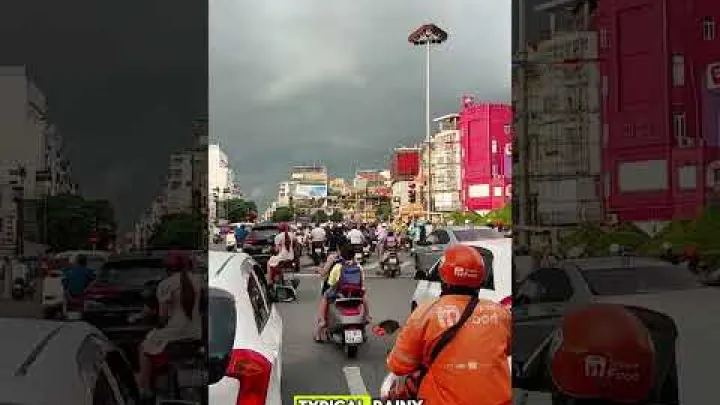
A useful strategy is to build “modular” days where one main activity can move to another time slot. For example, if rain is strongest in the afternoon, do outdoor sightseeing early and switch to indoor activities later. Buffer days help if you have a specific highlight like a cruise or a trek, because you can shift it by a day when conditions are better.
If you must travel in a specific month due to school or work schedules, you can still have a good trip by choosing destinations that are less sensitive to weather and by managing expectations about perfect views. It can also help to choose accommodation that you enjoy spending time in, since you may take more breaks than usual.
- Visit a history museum or a smaller local museum in your base city.
- Book a cooking class or a coffee workshop that runs indoors.
- Do a guided food tour in areas with covered seating options.
- Plan a market visit early, then return before heavier rain.
- Use the time to organize photos, laundry, and transport tickets for the next leg.
Vietnam Travel Itinerary Ideas
A good itinerary is not only a list of places. It is a schedule that respects transfer time, allows rest, and leaves room for local discoveries. The sample plans below show how to structure a vietnam travel itinerary without relying on exact train times or fixed tour schedules. Use them as frameworks you can adjust for season, flight availability, and personal energy.
7-Day Vietnam Itinerary: One Region Done Well
With 7 days, the most comfortable approach is to pick one region and explore it deeply. You will spend less time in airports and stations, and more time enjoying meals, neighborhoods, and day trips. This can work well for first-time visitors who want a clear structure, families who prefer fewer transfers, and travelers who want time to recover from jet lag.
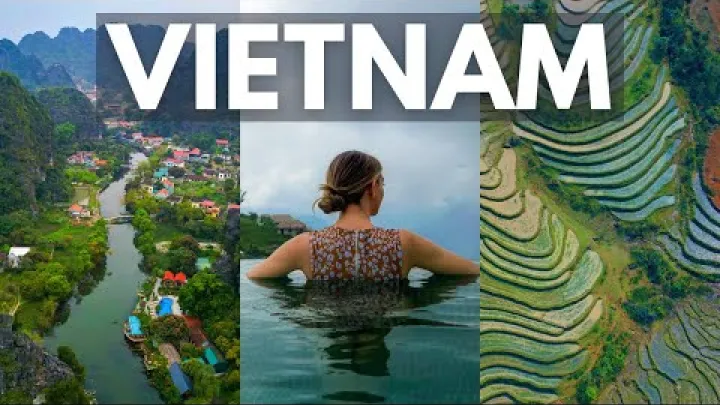
Below are three region-based options. Each one keeps transfers limited and uses day trips to add variety. You can swap days based on weather, but try to keep at least one slower day with no long travel.
- Option A (North): Day 1 arrive Hanoi and settle in. Day 2 Hanoi walking and museums. Day 3 day trip to Ninh Binh. Day 4 travel to Ha Long Bay area. Day 5 cruise or bay experience. Day 6 return to Hanoi with a flexible afternoon. Day 7 depart.
- Option B (Central): Day 1 arrive Da Nang and transfer to Hoi An. Day 2 Hoi An old town and relaxed evening. Day 3 countryside cycling or cooking class. Day 4 beach or rest day. Day 5 day trip to Hue or a heritage-focused day. Day 6 flexible day for tailoring, cafés, or nearby sights. Day 7 depart from Da Nang.
- Option C (South): Day 1 arrive Ho Chi Minh City. Day 2 museums and market areas. Day 3 guided food tour and neighborhood walk. Day 4 day trip to the Mekong Delta. Day 5 slower city day or another short excursion. Day 6 optional historical day trip outside the city. Day 7 depart.
If you feel tempted to add another region, compare the time you will lose to transfers against the time you gain. In many cases, one extra “moving day” costs you two relaxed mornings and a good evening meal in your base.
10-Day Vietnam Itinerary: Balanced Highlights
With 10 days, many travelers connect two regions for variety while still keeping the pace realistic. A common structure is to spend 4 to 6 nights in one region, then move once and spend the remaining nights in the second region. This approach gives you the feeling of “seeing Vietnam” without turning the trip into constant packing.

One balanced example is North plus Central: start in Hanoi with a bay or limestone countryside add-on, then fly or take an overnight option to the Da Nang and Hoi An area. Another balanced example is Central plus South: begin with heritage and beaches, then finish with Ho Chi Minh City and the Mekong Delta. The best pairing depends on season, because a beach-focused second half can feel very different in different months.
Transfers are where fatigue builds. Flying often reduces total travel strain when you are connecting far-apart regions, especially if you prefer to sleep in a hotel bed rather than on overnight transport. Overnight trains or buses can be useful when they replace one hotel night, but comfort varies, and late arrivals can affect the next day’s energy.
Keep optional day trips modular. Examples include a bay cruise, a countryside boat route, a heritage-site day, or a food-focused walking tour. If you only pre-book one or two “fixed” highlights, you can choose the rest after you see local weather and how you feel.
14-Day Vietnam Itinerary: North to South With Flex Days
With 14 days, you can travel north to south (or the reverse) with enough time to include three regions and at least one flex day. The key is to avoid adding too many secondary stops that create extra transfers. A classic structure is 4 to 5 nights in the North, 4 to 5 nights in Central Vietnam, and 3 to 4 nights in the South, plus one day kept open for rest or weather changes.

A modular north-to-south outline can look like this: begin in Hanoi with a side trip to Ha Long Bay or Ninh Binh, then transfer to the Hoi An and Da Nang area with the option to add Hue, then finish in Ho Chi Minh City with or without the Mekong Delta. You can swap destinations based on season. For example, if mountains are cloudy, you might choose Ninh Binh over longer mountain trekking, or add a museum-heavy day in a city.
Optional extensions can match different profiles. Trekking-focused travelers can add more time in mountain areas and reduce city days. Beach-focused travelers can add an island or coast extension and shorten the middle. Food-focused travelers can add city nights and guided market tours. History-focused travelers can add more time in Hue and major museums in Hanoi and Ho Chi Minh City.
For remote workers or longer stays, constant movement can reduce productivity and increase costs. Consider choosing two or three bases with reliable internet, comfortable workspaces, and practical transport links, then adding short side trips. This structure keeps your schedule stable while still giving you weekend exploration options.
Vietnam Travel Cost and Budgeting
Vietnam can fit many budgets, but costs vary by season, comfort level, and travel style. Some travelers spend little day-to-day and then add one or two big-ticket items such as a cruise, a private driver, or domestic flights. Others choose consistent mid-range comfort across the trip. Planning is easier when you separate daily spending from “big expenses” that can change the total quickly.
What Vietnam Travel Usually Costs: Daily Budgets and Big Expenses
The core cost categories are accommodation, food and drink, local transport, intercity transport, activities, and visas. Many travelers find daily spending predictable once they choose their lodging style and how often they book paid activities. The phrase travel cost vietnam is often searched because prices can look very different depending on whether you stay in hostels and eat locally or choose higher-end hotels and private tours.

Comfort level is the main driver. Budget travel often means shared rooms or simple private rooms, local meals, and buses or trains. Mid-range travel often means private hotel rooms, a mix of local and international restaurants, and more frequent use of domestic flights. Higher-end travel can increase quickly with premium hotels, private drivers, high-end cruises, and curated experiences with smaller groups.
Big expenses that commonly raise the total include domestic flights, bay cruises, multi-day treks with guides, and private transfers between cities. Shopping, tailoring, and beach resorts can also add up depending on your preferences. It helps to decide in advance which “splurges” matter most to you, then keep the rest of the trip simple.
| Style (estimates) | Typical accommodation | Food approach | Transport and activities |
|---|---|---|---|
| Budget | Hostels or basic guesthouses | Mostly local eateries and street food | Buses or trains, a few paid sights, limited flights |
| Mid-range | Comfortable hotels in central areas | Mix of local and international meals | Some domestic flights, guided day tours, occasional private transfers |
| Higher-end | Upscale hotels or resorts | Frequent restaurant dining and curated experiences | Private drivers, premium cruises, more paid activities and convenience services |
Accommodation Choices: Hostels, Hotels, and Homestays
Accommodation in Vietnam ranges from social hostels to business-style hotels and rural homestays. Hostels can be cost-effective and helpful for meeting other travelers, but noise and shared bathrooms can be drawbacks. Hotels usually offer more privacy and predictable comfort, which can matter if you have early transport days or you need quiet for work.
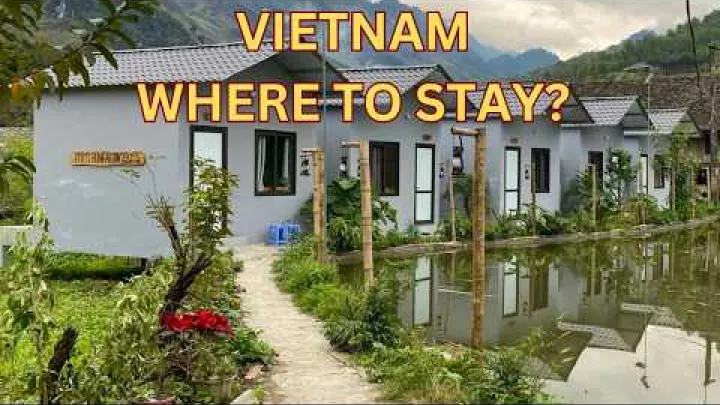
Homestays can add cultural value, especially in rural areas where local hosts share meals, farming routines, or neighborhood insights. They can be an excellent choice if you want a slower experience and are comfortable with simpler facilities. In major cities, hotels may be more practical for logistics, workspace reliability, and quick access to transport hubs.
A cheap room that is far from where you want to walk can cost more in time and transport. Look for clear room photos, check whether windows are real or internal, and confirm what is included in the price, such as breakfast, elevator access, or airport transfers.
- Check the map location and walking distance to the areas you will use most.
- Read recent reviews for noise, cleanliness, and staff support.
- Confirm cancellation terms in case your dates change.
- Review room photos for window, bed size, and bathroom setup.
- Ask about Wi-Fi reliability if you will work remotely.
Food and Drink Budget: Eating Well Without Overspending
Many travelers eat very well in Vietnam without spending much by focusing on street food and casual local restaurants. International restaurants and hotel dining often cost more, which can be worth it when you want a specific cuisine or a quieter environment. A balanced approach is to enjoy local meals most days and plan a few “comfort meals” when you want air-conditioning, longer seating, or familiar options.

Food safety is usually about simple habits rather than fear. Choose busy stalls where food turns over quickly, prefer items cooked to order, and drink sealed bottled water if you are unsure about local water in a specific area. In hot weather, staying hydrated matters as much as avoiding any particular dish, so carry water and take breaks during midday heat.
Coffee culture is a daily highlight for many visitors, and it is easy to budget for one or two café stops per day. If you drink alcohol, costs can increase depending on venue type and location. Tipping practices vary; in many casual places, it may not be expected, but rounding up or leaving a small extra amount can be appreciated, especially on guided services.
If you have dietary restrictions, planning ahead helps. Vegetarian options are common in many areas, but ingredients like fish sauce can appear in unexpected dishes, so it helps to ask clearly. For allergies, keep a simple written note in Vietnamese if possible, and choose restaurants that seem comfortable answering questions.
Tours and Vietnam Travel Packages: How to Compare Value
Tours in Vietnam range from short city-based day tours to multi-day itineraries that cover several regions. Common formats include bay cruises, trekking tours, countryside cycling or boat routes, and private driver plans that connect cities while stopping at viewpoints and smaller attractions. A vietnam travel package can be appealing when you want one booking that organizes hotels, transfers, and key activities without daily planning.
When comparing vietnam travel packages, focus on what is included and what is not. Check accommodation level, group size, guide language, meals, entrance fees, and whether tips are assumed. Cancellation terms matter because weather can affect certain activities, and different providers handle changes differently. Some travelers also search by origin, such as “vietnam travel package from india,” because flight connections and start cities can change the total trip design.
Packages can save time and reduce planning work, but they can also reduce flexibility. DIY planning can feel more local and adaptable, but it requires more coordination and comfort with changes. The best choice depends on whether you value control or convenience more for this particular trip.
| Factor | DIY planning | Packages and guided trips |
|---|---|---|
| Cost predictability | Varies; you pay as you go | Often clearer total cost upfront |
| Flexibility | High; easy to change plans | Medium; changes depend on terms |
| Time saved | Lower; more research and booking | Higher; logistics are arranged |
| Local depth | High if you explore neighborhoods and local venues | High if the itinerary includes local guides and smaller-group experiences |
Getting Around Vietnam: Flights, Trains, Buses, and Local Transport
Transport choices shape your trip pace as much as destinations do. Vietnam has a wide network of flights, trains, and buses, and most travelers use a mix depending on time, budget, and comfort. The most practical approach is to choose the safest, least stressful option for long distances, then use simple local transport for daily exploring.
Domestic Flights: When They Make Sense
Domestic flights can be the best option when you are connecting far-apart regions and you have limited time. A flight can turn a multi-day overland transfer into a single travel block, which often preserves energy for sightseeing. This is especially useful on 10- to 14-day itineraries that include both North and South or combine Central with one far end.

Practical flight planning starts with baggage rules. Low-cost airlines may have strict cabin and checked baggage limits, so confirm what your ticket includes before arriving at the airport. It also helps to plan airport transfers in advance, especially for early morning departures, and to keep extra buffer time for traffic in large cities.
To reduce stress, some travelers prefer morning flights because delays can compound later in the day, but any time can work if you keep your schedule realistic.
Build a backup plan for arrival day. If a delay causes you to miss a tour, choose flexible evening activities such as a neighborhood walk or a casual food stop instead of trying to “catch up” by rushing.
Train Travel: A Slower but Scenic Option
Vietnam’s rail corridor connects many major cities in a north-to-south line, and travelers often use it for scenic daytime segments or overnight trips that reduce hotel nights. Train travel can feel calmer than road travel for some people, and it offers a different view of the countryside. It is also useful if you prefer to avoid flying and you have time for a slower rhythm.

Seats and sleeper options vary by comfort and privacy. Some travelers choose soft seats for day travel, while others prefer sleeper berths for overnight segments. The main tradeoffs are price, noise, and how well you sleep. If you are sensitive to motion or light, you may want to keep your schedule lighter the day after an overnight ride.
For booking, use reputable platforms and check station names carefully, because cities can have multiple stations or similar names. Plan around the possibility of late arrivals by choosing accommodation that can handle late check-in and by keeping your first hours in the new city flexible.
- Pack layers because cabin temperatures can feel different across seasons and routes.
- Bring snacks and water in case station stops are brief.
- Carry earplugs and an eye mask if you are a light sleeper.
- Keep valuables on your person or secured in a small day bag.
Bus and Sleeper Bus Travel: Coverage and Comfort Tradeoffs
Buses reach many destinations that trains do not, and they can be cost-effective for shorter segments. Comfort and safety can vary by operator, road conditions, and time of day. If you are comparing options, consider not only price but also pick-up location, drop-off location, and how many stops the route makes.

Sleeper buses are designed with reclining seats or berth-like layouts. They can suit some travelers for medium-length routes, but long overnight rides are not comfortable for everyone. If you are tall, have back issues, or struggle to sleep in moving vehicles, a daytime bus, train, or flight may be a better choice even if it costs more.
For booking, choose reputable operators and confirm pick-up points clearly, because “office addresses” and actual pick-up locations can differ. Keep valuables secure and close to you rather than in easy-to-access pockets. If you check a bag, keep essentials, documents, and electronics with you.
If you are unsure about a route, ask your accommodation to help you confirm the details in simple terms. This can reduce misunderstandings about timing and location and can help you avoid last-minute changes.
Local Transport in Cities: Ride-Hailing, Taxis, and Motorbikes
Within cities, many travelers mix walking with ride-hailing apps, licensed taxis, and motorbike taxis. Walking can be ideal in central areas, but sidewalks may be uneven or busy, so good footwear helps. Ride-hailing can add price transparency and reduce negotiation, while licensed taxis can work well when you use established companies and confirm that the meter is used when appropriate.

Street safety habits matter most in busy traffic areas. Keep phones and wallets secure, especially near roads, and carry bags in a way that reduces snatch-and-grab risk. When crossing roads, move predictably, watch traffic flow, and avoid sudden steps backward. If you feel unsure, cross near locals and follow their pace while still checking your surroundings.
Motorbike rental is common in some destinations, but it requires careful consideration. Licensing requirements and insurance coverage vary by nationality and policy, so check requirements for your situation rather than assuming a license or coverage is valid. Many travelers prefer hiring drivers or using ride-hailing motorbikes because it reduces navigation stress and road risk.
- Wear a properly fitted helmet every time you ride.
- Download offline maps before you go out.
- Share your route with a friend or keep an emergency contact accessible.
- Confirm the destination on the app or in simple words before starting.
- Keep your bag closed and positioned away from the road side.
Vietnam Travel Visa and Entry Requirements
Entry rules can change, so the safest approach is to treat visa planning as a checklist task rather than a last-minute detail. Many travelers use Vietnam’s e-visa system, while others may qualify for short visa-free entry depending on passport nationality and current policy. Start early enough to correct mistakes, because most problems at the border come from mismatched details or rushed applications.
Vietnam E-Visa Basics: What It Is and How It Works
Rules and eligibility can change, so you should verify current requirements on official government sources before applying. In recent years, travelers have often seen options such as single-entry and multiple-entry e-visas, with different fees depending on entry type.

The application process typically involves entering personal information, uploading required images, and selecting an intended entry port. Approval time can vary, so it is wise to apply with a conservative timeline rather than assuming a fixed processing window. Once approved, save a digital copy and print a copy if possible, because you may need to show it during check-in or on arrival.
Small errors can cause big problems. Names, passport numbers, and dates must match your passport exactly, including spacing and order when applicable. If you renew your passport after applying, the e-visa tied to the old passport details may not work for entry.
- Confirm your passport validity and condition before you apply.
- Prepare compliant photo and passport scan files in advance.
- Select the correct intended entry port, if required by the system.
- Double-check spelling, passport number, and date formats before submitting.
- Save and print the approval document and keep it with your travel records.
Visa Exemptions and Short Stays: Who Might Not Need a Visa
Some nationalities may be eligible for visa-free entry for short stays, usually for tourism and within a limited number of days. These policies are updated periodically, and conditions can include limits on length of stay, entry purpose, and required documents. Because rules differ by passport and can change, confirm your specific situation close to travel dates.

In recent years, Vietnam has adjusted visa-free arrangements for certain countries, including longer stays for some passports beginning in 2023. Even if you have used visa-free entry before, do not assume the same rules still apply. Airline check-in staff may follow the most current guidance, and they can deny boarding if your documents do not match requirements.
Confirm rules based on your passport, the purpose of travel, and how you will enter. Land crossings can have different practical requirements than flying, and planned re-entry can change whether you need a multiple-entry solution. If your trip includes nearby countries, check whether your Vietnam plan requires a visa that matches your entry pattern.
If you are uncertain, plan conservatively. It is often easier to adjust a trip early than to solve entry issues at the airport or border.
Entry Documents, Border Crossings, and Common Mistakes to Avoid
At entry, travelers are commonly expected to present a valid passport and either a visa approval or proof of eligibility for an exemption, depending on their nationality. Some travelers are also asked for basic trip details, such as an address for the first accommodation night and onward or return plans. Requirements can vary in practice, so it helps to keep key documents organized and accessible.

Common issues include name mismatches between the application and the passport, choosing the wrong entry port where selection matters, and applying too late to correct errors. Passport validity can also create problems if it is close to expiration. Keep your documents consistent across bookings, because airline systems can be sensitive to spelling differences.
Be cautious about unofficial visa websites that imitate official pages. To reduce scam risk, use official government channels for applications and verify web addresses carefully. If you use an agent, confirm what they are doing on your behalf and what documents you will receive.
- You submit an application with a name that does not match the passport exactly.
- You choose an entry port you do not actually plan to use, when selection matters.
- You apply too close to departure and have no time to fix errors.
- You travel with a passport that is close to expiration or damaged.
- You use an unofficial website and do not receive valid documentation.
Visa Planning for Longer Stays, Study, and Remote Work
Longer stays usually require more planning than short tourism. Study programs, internships, and extended remote work can involve different visa categories, documentation, and compliance steps than a standard holiday. Because categories and eligibility rules can change, treat this as an administrative project and start earlier than you think you need.
For longer-stay categories, speak with official sources or qualified providers who can explain current requirements for your nationality and purpose. Avoid relying on informal advice from social media, because outdated information is common. If you are combining study with travel, confirm whether you need a specific visa type and whether entry and re-entry rules affect your plan.
Practical planning helps regardless of category. Keep digital and printed copies of your passport, approval letters, and key bookings. Use a simple folder structure on your phone and email, and keep emergency contacts and consulate details easy to find. A conservative timeline reduces stress if you need to correct a document or reschedule travel.
If you plan to work remotely, also review your insurance coverage and your personal risk tolerance for activities like motorbikes or trekking, because these can affect both health and documentation planning.
Culture, Food, Etiquette, and Safety in Vietnam
Vietnam is welcoming to visitors, and most daily interactions are straightforward. At the same time, cultural habits, traffic patterns, and common scams can feel unfamiliar if it is your first trip in Southeast Asia. A few simple etiquette and safety routines will help you feel comfortable while showing respect in public and in cultural sites.
Vietnamese Food Culture: How to Explore Confidently
Many travelers eat through a mix of street food, casual local restaurants, and small family-run places. Meals can be quick and practical, and shared dishes are common in group settings. Regional differences are part of the fun, so the same dish concept can taste different in the North, Central, and South due to local herbs, sauces, and cooking styles.

Ordering can be simple even with language barriers. You can point, use pictures, or ask your accommodation to write down a few common foods you want to try. In many casual places, you pay at the end, but in some settings you may pay at a counter, so watch what locals do. Carry small cash amounts for convenience, and do not feel pressured to order too much on the first try.
Food safety is mostly about choosing places that handle food well and timing your choices. Busy stalls are often a good sign because ingredients are used quickly. Choose items cooked fresh and served hot, and be cautious with items that have been sitting at room temperature for long periods. If you have a sensitive stomach, bring basic remedies and plan lighter meals on transfer days.
- Start with one busy stall and order one freshly cooked item.
- Drink sealed bottled water if you are unsure about local water.
- Carry hand sanitizer and use it before eating.
- Ask for less spice if you are not sure about heat levels.
- Keep a short list of “safe favorites” for days when you feel tired.
Everyday Etiquette: Dress, Greetings, and Respectful Behavior
In non-beach settings, modest dress is a practical default, especially in smaller towns and more formal places. Light clothing that covers shoulders and knees can be comfortable and respectful at the same time. In hot weather, breathable fabrics help you stay comfortable without needing to dress in a way that may feel out of place in certain environments.
Communication norms often value calm behavior in public. If there is a misunderstanding, it usually helps to speak softly, stay patient, and ask for clarification rather than raising your voice. Negotiations can be part of markets and informal services, but it is best to keep them friendly and to accept “no” without conflict.
When interacting with older people, a respectful tone and simple greetings are appreciated. If you are invited to a home, a small gift such as fruit or snacks can be a polite gesture, but it is not always necessary. You can also show respect by removing shoes if your host does so and by following their seating and dining cues.
You can do these things: You can greet people with a simple hello and a smile, and you can say thank you after being helped. You should avoid these things: You should avoid public confrontation, and you should avoid touching people in ways that could feel too familiar, especially with elders.
Temple and Cultural Site Etiquette: What Visitors Should Know
Religious and cultural sites often have clear expectations about clothing and behavior. Covering shoulders and knees is a common guideline, and you may need to remove shoes where signs indicate it. Voices are usually kept low, and visitors are expected to move calmly, especially when ceremonies or prayers are happening.

Photography rules vary by site. In many places you can take photos in outdoor areas, but flash photography or photos inside certain rooms may be restricted. It is respectful to ask permission before photographing individuals, especially monks, elders, and people engaged in worship. If you are unsure, follow posted instructions and watch what local visitors do.
Practices can differ between temples, pagodas, and other heritage sites. Some locations may provide cover-up items at entrances, while others expect you to arrive appropriately dressed. Planning ahead avoids awkward moments and helps you focus on learning rather than worrying about rules.
- Wear clothing that covers shoulders and knees before you arrive.
- Remove shoes where required and place them where directed.
- Lower your voice and silence your phone before entering.
- Ask before photographing people, and avoid disrupting ceremonies.
- Follow signs and local cues even if other tourists do not.
Health and Personal Safety: Insurance, Petty Theft, and Common Scams
Travel medical insurance is a practical safety net, especially if your trip includes trekking, motorbike riding, or time in remote areas where transport to care can be slower. Coverage terms differ, so confirm what activities are included and what documentation is required if you need help. Even on a city-only itinerary, insurance can reduce stress if you face illness, accidents, or unexpected changes.

Common safety issues in busy areas can include petty theft and snatch-and-grab incidents, especially when phones are used near roads. Transport-related issues can include overcharging or meter confusion with informal taxis. These risks are not unique to Vietnam, but simple habits reduce your exposure, such as using reputable transport options and keeping valuables secured rather than visible.
If something goes wrong, act quickly and calmly. Contact your accommodation for help with translation and next steps, and use local customer support within ride-hailing apps when applicable. For lost cards, freeze them immediately using your banking app and keep backup payment methods separate from your main wallet.
- You keep your phone in a secure grip and avoid standing close to the road edge while using it.
- You carry a crossbody bag closed and positioned toward the front in crowded areas.
- You use established ride-hailing or licensed taxis when possible, especially at night.
- You keep passport originals secured and carry a copy for daily use when appropriate.
- You check bills and prices calmly before paying and ask for clarification when needed.
Conclusion: Build Your Personal Vietnam Travel Plan
A strong Vietnam plan is personal. It reflects your preferred pace, your comfort with logistics, and the activities that matter most to you. When you build the trip around a few well-chosen bases, you keep daily life simple while still seeing a wide range of landscapes and culture.
How to Choose Your Best Vietnam Plan Based on Priorities
Start by choosing your main priorities, then match them to regions. If you want mountains and dramatic landscapes, the North can be a good anchor. If you want a mix of heritage and coastline, Central Vietnam often fits well. If you want city energy and river life, the South can be a practical focus. Your season matters because it affects comfort and the reliability of outdoor activities.
Next, set your pace by choosing two or three bases and adding day trips rather than moving constantly. This structure reduces fatigue, helps with laundry and work needs, and makes weather changes easier to handle. It can also support travelers with different mobility levels because you can plan shorter daily loops and return to a familiar accommodation.
Then match transport style to your comfort. Flights can protect your time on long distances, trains can be a calmer experience for some travelers, and buses can connect destinations where other options are limited. Finally, set a budget comfort level and decide where you want to spend more, such as a cruise, a nicer hotel, or a private guide.
When these decisions align, the trip feels smoother and more enjoyable, even when small changes happen.
A Final Checklist for Vietnam Travel Planning
Last-minute problems usually come from missing documents, rushed transfers, or unclear expectations. A simple checklist prevents most issues and keeps your travel days calmer. It also helps if you are traveling during high-demand periods, including major holidays such as the Lunar New Year, when transport and accommodation can be more crowded.
- You confirm your passport validity and keep digital and printed copies of key documents.
- You verify current visa rules on official sources and apply early enough to correct errors.
- You book the first nights of accommodation and any limited-capacity highlights you care about most.
- You keep a realistic itinerary pace with buffer time for weather and rest.
- You arrange travel medical insurance that matches your planned activities.
- You plan how to handle money and keep backup cards and cash separate.
- You save emergency contacts and your accommodation details for each stop.
- You review basic etiquette for temples and public spaces and pack modest clothing options.
Frequently Asked Questions
How many days do I need for a first Vietnam trip?
Ten to fourteen days is enough for a first trip that feels varied without constant rushing. With 7 days, it is usually better to focus on one region and add day trips. If you have more time, add a second or third region with flights to reduce fatigue.
Is it better to travel north to south or south to north?
Either direction works, and the best choice depends on flight prices, weather, and what you want to do first. North to south can feel like a gradual shift from cooler areas to warmer areas in some seasons, but conditions vary by month. Choose the direction that gives you the best timing for your priority activities, such as trekking or beach days.
Do I need to book tours in advance in Vietnam?
You only need to pre-book the items that have limited capacity or fixed dates, such as some cruises and certain transport segments. Many city tours and day trips can be arranged locally once you see the weather and your energy level. If you travel during major holidays, booking earlier can reduce stress.
What are common mistakes when applying for a Vietnam e-visa?
The most common mistake is entering passport details that do not match exactly. Another frequent issue is selecting an entry point that does not match your actual travel plan when selection matters. Applying too late is also a problem because it leaves no time to correct errors.
How do I reduce petty theft risk in big cities?
Carry your phone and bag in a way that keeps them away from the road side. Use reputable transport options and avoid showing expensive items in crowded areas. Keep your passport secured and carry a copy for daily use when appropriate.
Are Vietnam travel packages worth it?
Vietnam travel packages can be worth it if you value convenience, clear logistics, and a predictable schedule. DIY planning can be better if you want flexibility and you enjoy organizing details. Compare inclusions, group size, guide language, and cancellation terms before deciding.
What should I wear at temples and cultural sites?
Wear clothing that covers shoulders and knees and follow posted signs at each site. Remove shoes where required and keep your voice low. Ask before photographing people and avoid interrupting ceremonies.
Vietnam trips work best when you match region, season, and transport to your real preferences, then leave enough time to enjoy daily life. If you choose a few strong bases and add flexible day trips, you can travel comfortably while staying ready for weather and schedule changes.
Select area
Create a post
Posting is free and no registration is required.