Chau Doc Where to Stay: Best Areas and Lodging

Deciding where to stay in Chau Doc is mainly a choice between central convenience and a quieter setting near Sam Mountain or the countryside. For most first-time visitors, the compact riverfront and city-center area is the easiest base for markets, food, boat travel, and day trips. Nui Sam is better when mountain shrines, views, and a relaxed property stay are the main purpose. This guide compares Chau Doc’s practical lodging areas, accommodation types, transport access, walkability, and booking priorities.
The Quick Answer: The Best Base for Most Visitors
Chau Doc is not a city where visitors need to search for a large number of distinct districts. The useful choice is between the central urban area around the Hau River and Chau Doc Market, the separate Nui Sam area, and more rural stays outside town. Pick the base that reduces the transfers you will actually make, rather than choosing only by the room rate or view.
Stay in the Riverfront or City Center for the Best All-Round Base
For most people asking where to stay in Chau Doc, choose the riverfront or nearby city-center streets. This compact area puts you close to the Hau River waterfront, Chau Doc Market, everyday restaurants, shops, banking services, and the main places where transport can be arranged. It is particularly useful for a one- or two-night visit, travelers carrying luggage, and anyone combining town sightseeing with a trip to Tra Su Cajuput Forest or Sam Mountain.
A central hotel does not need to be directly on the water to be convenient. A location within easy reach of the market and riverfront often gives better access to local food and services than an isolated scenic property. It also makes it simpler to return between activities without planning every journey by taxi or motorbike.
The tradeoff is that central lodging is practical rather than secluded. River views, a pool, or a quiet resort atmosphere may require a higher room rate or a location farther from town. Choose a different base if you expect to spend much of your stay at mountain shrines, want a rural hosting experience, or value still evenings more than immediate access to restaurants and transport.
Choose Sam Mountain for Views, Quiet, and Spiritual Sites
Sam Mountain, also known as Nui Sam, is the specialized choice for visitors focused on pagodas, shrines, mountain scenery, and time at their accommodation. The setting feels separate from central Chau Doc and is more suitable for a slower stay than for frequent trips between the market, waterfront, and transport points.

Properties such as Victoria Nui Sam Lodge and MerPerle Nui Sam Resort illustrate the location choice rather than a hotel ranking. A published listing for MerPerle Nui Sam Resort notes nearby pagodas, food options, and access toward Sam Mountain, while also placing Chau Doc Market about 5 kilometres away. That difference matters if you plan to eat in town, use the riverfront, or leave early for a boat connection. See the current location details on Agoda.
Choose Nui Sam when the mountain is the main focus and you are comfortable using a taxi, hired driver, or motorbike for town visits. Choose central Chau Doc instead when Sam Mountain is only one stop in a wider itinerary. The mountain base can be peaceful, but its quieter evenings also mean fewer walk-out dining and shopping choices beyond the property or immediate local area.
Choose a Countryside or Island Homestay for Local Immersion
Rural properties and homestays, including options associated with Khanh Hoa Island, suit travelers who see the accommodation experience as part of the trip. They can offer a calmer environment, more space, host interaction, and a closer sense of daily life than a standard city hotel.
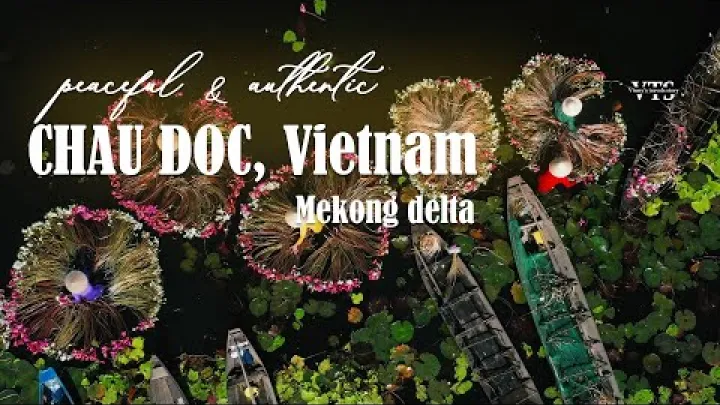
Choose this option if: you have more than one night, enjoy quiet surroundings, and are happy to plan meals and transport in advance. Consider avoiding it if: you want to walk to a wide choice of restaurants, need flexible late arrivals, or expect to make repeated trips to the market, riverfront, and boat pier.
A countryside stay is not automatically the best sightseeing base. It is best for immersion; central Chau Doc is usually more efficient for a mixed itinerary. Expect fewer nearby services, less useful night-time walkability, and greater reliance on a host, driver, or motorbike. Before reserving a remote property, confirm its exact map location, road access, reception arrangements, and whether a transfer can be organized.
Chau Doc Areas Compared
The boundaries between Chau Doc’s central areas overlap, so think in terms of practical zones rather than formal neighborhoods. The riverfront and market core are close enough that many visitors can use both on foot during the day. Nui Sam and rural properties are separate bases with their own advantages and limitations.
Riverfront and City Center
The Hau River waterfront and adjacent central streets form the most versatile lodging zone. This is the best area for short stays because it combines hotels, restaurants, local services, Chau Doc Market, and access toward the boat pier near Victoria Hotel. It is also the most forgiving location if a tour, meal, or transport plan changes during the day.
Daytime walkability is the strongest here. You can normally reach food, shops, and the riverside without arranging transport for every small task. At night, the area is usually calmer than a major Vietnamese city; central access should not be mistaken for a large nightlife district. Its appeal is convenience and a local urban atmosphere rather than late-night entertainment.
Cost positioning ranges from simple guesthouses and mini-hotels on inner streets to more polished riverfront accommodation. Rooms facing busy roads or active commercial streets may be less quiet than those set back from the main frontage. This base is best for first-time visitors, independent travelers, short stopovers, and anyone departing by boat or arranging several excursions.
Market and Commercial Core
The area around Chau Doc Market is the functional heart of town. It is easy to orient yourself here, and nearby commercial streets provide access to local meals, shopping, pharmacies, and everyday services. Lodging can be more budget-oriented and practical than a riverfront hotel, while still being close enough to the waterfront for a daytime walk or short ride.
The market core overlaps with the broader center, but it has a different feel. Choose it when local activity and value matter more than a scenic room. It can be especially helpful for travelers who want to buy supplies, eat casually, or stay near a visible local landmark rather than rely on a resort restaurant.
Morning activity can bring vehicle noise, deliveries, and early movement. Sensitive sleepers should request a room away from the street, ask about windows and sound insulation, or choose a property a few blocks from the busiest market frontage. This is a comfort consideration, not a reason to avoid the area altogether.
Sam Mountain and Nui Sam
Nui Sam is a distinct accommodation node several kilometres from central Chau Doc. Its resorts and lodges are oriented toward mountain views, religious sites, and a quieter pace. It makes sense when you want to visit shrines and pagodas over more than a brief stop, or when a peaceful property setting is central to your trip.
The access tradeoff is clear in current accommodation listings. Victoria Nui Sam Lodge is listed at roughly 3.3 miles from Chau Doc’s center and about 4.3 miles from Chau Doc Market and the river. These figures are useful for understanding separation, not for predicting a fixed journey time, which depends on route and transport. See the current property information on Agoda.
Use a simple test: choose Nui Sam when the mountain is the main focus of your days; choose central Chau Doc when you plan multiple city meals, river activities, market visits, and transport connections. Evening choices outside a lodge or resort are generally more limited than in the center, so plan for dinner at the property or arrange your return transportation.
Countryside, Islands, and Outer Roads
Outer-road accommodation, island stays, and rural homestays can feel more spacious and less commercial than the center. They can be rewarding for travelers who want a slower pace, cycling or rural scenery, and more interaction with a host. They are less suitable for visitors who want maximum flexibility after arriving by bus or for those using Chau Doc as a compact transport hub.
The practical cost is distance from markets, restaurants, the riverfront, and arranged departures. A lower nightly rate may not be a saving if it creates repeated transport costs or limits the times when you can comfortably leave the property. Remote listings also vary widely in how clearly they describe access.
Use the map pin as a starting point, not a complete answer. Check whether the road is accessible in your planned vehicle, whether staff will be present at your arrival time, and whether the property can help with transfers. These are logistical checks rather than assumptions about any particular outer area.
Which Type of Accommodation Should You Choose?
Chau Doc has a mix of city hotels, budget lodging, resorts, and homestays. The right type depends less on a label and more on location, room standards, and how self-sufficient you want to be during the stay.
Hotels and Mini-Hotels for Convenience and Value
City hotels and mini-hotels are often the most balanced option for couples, families needing private rooms, and travelers on a short stop. They tend to offer the basic private-room features that matter in Chau Doc: air conditioning, a private bathroom, a staffed reception, and easy access to food and transport. For a schedule focused on the market, riverfront, boat travel, or day trips, a central address may matter more than a long facility list.
Price examples found on accommodation pages should be treated as date-specific, room-specific illustrations rather than a market promise. A TravelFish listing shows a range from simple local rooms priced in Vietnamese dong to higher-priced hotel stays, which demonstrates the breadth of the city’s options. Check current availability and terms through TravelFish.
When comparing listings, prioritize the exact location, air conditioning, bathroom type, reception hours, luggage storage, and the dates of recent reviews. These details usually affect a short Chau Doc stay more than broad marketing descriptions.
Hostels and Budget Guesthouses
Hostels and simple guesthouses work well for solo travelers, brief stopovers, and visitors whose priority is a low nightly cost. They may offer dormitory beds, private rooms, or both. Do not assume that a displayed dormitory price applies to a private room; compare the specific room category, occupancy rules, and included facilities.
Hero Hostel & Billiards is one current example of a centrally positioned budget option: its listing describes it as being in the heart of Chau Doc and offering private accommodation as well as hostel-style facilities. Its value is the location profile rather than a guarantee of a particular rate or service level. Review its current details on Hostelworld.
Budget inventory can differ substantially in maintenance, room size, window access, and service. Read the most recent reviews for the exact room type, especially when arriving late, needing secure luggage storage, or relying on staff for onward transport information.
Resorts and Lodges for Views and On-Site Relaxation
Resorts and lodges are appropriate when scenery, an on-site restaurant, a pool, attentive service, or quiet time at the property is worth paying for. A central riverfront property can provide a more convenient upscale stay, while a hillside lodge exchanges central access for views and proximity to Nui Sam’s spiritual sites.
Higher-priced accommodation is better value when you genuinely plan to use its facilities. A guest spending afternoons at the pool and evenings dining on site may benefit from a resort. A guest leaving early for tours and eating in town may get better value from a simpler central hotel with a good location.
Do not equate a resort category with the best position for every itinerary. Compare the property’s map location against the places you will visit most, then decide whether its setting reduces or adds transport needs.
Homestays for Host Interaction and Local Atmosphere
Homestays are usually smaller and more personal than hotels. They may provide local advice, home-style meals, and a domestic setting, but they can also have fewer standardized services and less flexible reception than a hotel. An urban homestay can retain central convenience, while a rural or island homestay offers more immersion at the cost of easy access.
Ask hosts a few clear questions before arrival: What is the latest practical check-in time? Are meals available or are restaurants nearby? Can transport be arranged from the bus station or town? Is the room fully private, and what bathroom arrangement applies? These answers help prevent a mismatch between a welcoming local stay and a traveler’s practical needs.
Where to Stay Based on Your Chau Doc Itinerary
Your daily plan should determine the base. Chau Doc is compact enough for central accommodation to support many activities, but specialized trips can justify a stay closer to Nui Sam or in the countryside.
For First-Time Sightseeing and a Short Visit
Stay near the riverfront or city center for a first visit of one or two nights. This gives you the easiest access to Chau Doc Market, the riverside, local food, and transport for surrounding sights. It also reduces the number of transfers required after checking in or before continuing your journey.
Use this quick decision path: if you have one night, choose central Chau Doc. If you have two nights and prefer walking for meals and services, remain central. If you have several nights, do not mind taxis, and want the mountain or a quiet property to shape your stay, consider Nui Sam or a rural homestay. This is an access recommendation, not a claim that every central property offers the same room quality.
For the Phnom Penh Speedboat or Border Transit
The riverfront and central area are the logical bases for travelers using the Phnom Penh boat connection, especially when a departure is early. The commonly referenced boat pier is near Victoria Hotel, so a nearby hotel can make luggage handling and a morning transfer simpler than staying at Sam Mountain or outside town.
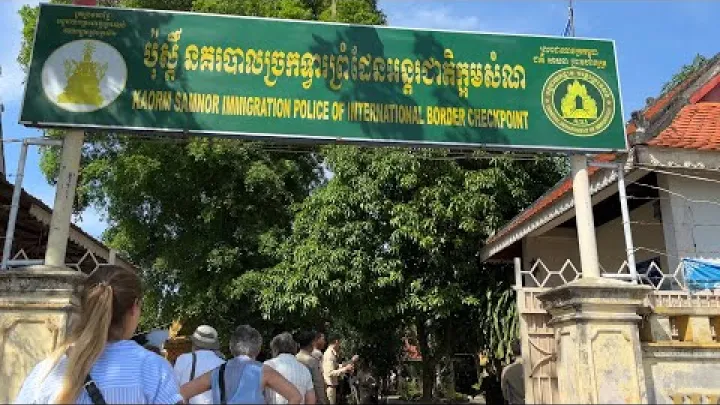
Prioritize being able to reach the correct departure point easily over choosing a more scenic room far from the pier. Before travel, reconfirm the boat operator, departure time, meeting point, luggage instructions, passport requirements, and nationality-specific border documentation directly with the operator. Schedules and procedures can change, and traveler reports on social media should be treated as provisional rather than as a fixed timetable.
For Tra Su Cajuput Forest
For most visitors, Chau Doc is a practical day-trip base for Tra Su Cajuput Forest. Central lodging lets you combine the forest visit with the market, riverside, and Sam Mountain rather than committing your entire stay to a rural location. It also gives more flexibility for meals and other activities after the excursion.
A countryside property may appeal if quiet rural surroundings are a primary goal, but it is not automatically more convenient for the forest. Confirm the exact location and the transport plan before choosing a remote stay for this purpose. Avoid relying on old journey-time estimates or unconfirmed forest-side hotel rankings.
For Spiritual Visits and Quiet Evenings
Choose Nui Sam if your main purpose is visiting pagodas, shrines, and mountain sites, or if you want quiet evenings at a lodge. This base keeps the mountain environment at the center of your stay and reduces the need to travel back and forth after visiting nearby religious places.
Choose central Chau Doc if spiritual sites are one part of a wider plan that also includes the market, river activity, and local dining. A split stay can work for visitors with enough time who value both experiences, but it is not usually worthwhile for a very short trip because changing hotels adds an extra transfer.
Access, Walkability, and Booking Checks
Transport points in Chau Doc are not all in the same place. Understanding the difference between the bus station, central riverfront, and boat pier helps you select a room that matches your arrival and departure plans.
Arriving from Chau Doc Bus Station
Chau Doc bus station is outside the central area, on the approach from Long Xuyen, rather than beside the market or riverfront. Most visitors do not need to stay near it: a short onward transfer can place them in a much more useful base for the stay. TravelFish describes the station as a little over two kilometres southeast of town, which explains why central hotels are normally preferable for sightseeing. See the route context on TravelFish.

A property farther out may be cheaper or convenient for a transit-specific plan, but it can create extra trips for meals and sightseeing. Before booking outside the center, confirm current pickup options from the bus station. Ask the accommodation whether it can arrange a taxi or ride service, accommodate a late arrival, and help with luggage.
Reaching the Boat Pier and Other Transport Points
The boat pier near Victoria Hotel and the bus station serve different needs. Travelers heading to Phnom Penh generally benefit from central or riverfront lodging, while bus arrivals can use a short transfer to reach the same area. Do not select a hotel based only on being close to one transport node if your next journey uses another.
For any boat departure, check the current departure time, exact meeting point, operator instructions, luggage rules, passport, and border requirements directly before leaving. Carry essential documents where they are easy to access, and allow time for a location change or operator instruction that may not appear on an older listing.
Walkability, Night-Time Movement, and Noise
The market and riverfront area is the most practical zone for walking to food, shops, and services during the day. It is useful in heat or rain because you can complete basic errands without making a long trip from the mountain or countryside. Central Chau Doc is generally quieter in the evening than Vietnam’s largest cities, so choose it for convenience rather than for an extensive nightlife scene.
Noise patterns differ by location. Market-facing streets can be active in the morning, while hillside and rural properties may be quieter but offer few places within walking distance after dark. Because available information is not a current official safety assessment, use practical judgment based on lighting, activity, distance, and the route back to your accommodation. When returning late from an isolated area, use a hotel-arranged taxi or ride service rather than walking unfamiliar side streets.
How to Check a Listing Before Booking
Small properties can change quickly, so review the listing as a current travel document rather than relying on an old ranking. First, inspect the map pin against your real destination: Chau Doc Market, the riverfront, the boat pier, Nui Sam, or your tour pickup point. Then review current photos and recent comments for the exact room category.
- Confirm the room type, air conditioning, bathroom arrangement, windows, and bed configuration.
- Check reception hours, late-arrival procedure, luggage storage, and whether staff can help with local transport.
- Read recent reviews for cleanliness, noise, location accuracy, and service consistency.
- Compare the full current price, displayed taxes or fees, cancellation terms, and payment conditions.
- Measure the property against your main destination, not just against the city name on the booking page.
Compare total price and terms before paying, particularly for a remote or small local property. A low headline rate can be less attractive if cancellation is restrictive, fees are added later, or repeated transport is required.
How Long Should You Stay in Each Area?
The shorter the stay, the more useful a central base becomes. Longer stays give you more opportunity to trade convenience for scenery, quiet, or a more personal accommodation experience.
One-Night Stopover Versus a Multi-Night Visit
For a one-night stopover, stay centrally. You will minimize transfers, remain close to the riverfront and market, and have easier access to onward transport. This is especially helpful after a bus arrival or before an early boat departure.
With multiple nights, Nui Sam or a countryside homestay becomes more attractive if the setting itself is part of your trip. You have time to visit town without making every journey feel inefficient. A split stay is optional for travelers who strongly want both central access and a quiet mountain or rural setting, but it should be reserved for an itinerary long enough to justify moving luggage.
Match the Base to Your Budget and Mobility
Budget is not only the room price. Consider taxis or motorbike rides, time spent transferring, luggage, heat, rain, and how comfortable you are arranging local transport. The table summarizes the most common fit.
| Area | Lodging type | Access | Night-time convenience | Cost position | Best fit |
|---|---|---|---|---|---|
| Riverfront and center | Hotels, hostels, guesthouses | Best for market, food, pier | Strong for meals and services | Low to higher | First visits and short stays |
| Market core | Guesthouses, mini-hotels | Excellent for daily needs | Practical, can be noisy early | Often value-focused | Budget and local activity |
| Nui Sam | Lodges and resorts | Needs rides to town | Quiet, fewer choices nearby | Mid to higher | Views and spiritual visits |
| Countryside or island | Homestays and rural stays | Transport usually needed | Limited walk-out options | Varies with transfers | Immersion and longer stays |
Final Recommendation
For the simplest and most flexible Chau Doc stay, book near the Hau River waterfront, Chau Doc Market, or the surrounding city-center streets. This base works best for first-time visitors, short itineraries, local food, day trips, and boat or bus connections. Select Nui Sam when mountain sites and quiet time are your priority, and choose a countryside or Khanh Hoa Island homestay only when local atmosphere outweighs the convenience of being in town.
Once you have chosen the area, focus on the details that affect your actual stay: the exact map pin, the room type, current reviews, arrival arrangements, and the full booking terms. That approach will usually produce a better Chau Doc base than choosing a hotel only by headline price or photographs.
Select area
Create a post
Posting is free and no registration is required.