- Tay Son Heaven and Earth Esplanade: Historic Shrine in Quy Nhon
- Quang Trung Museum: Tay Sơn History & Culture in Quy Nhon
- Banh It Cham Towers: Ancient Heritage & Photography in Quy Nhon
- The Thon Beach in Cat Tien: Clean Shores & Affordable Watersports
- Linh Phong Pagoda in Quy Nhon: The Sacred Mountain Temple
Vietnam Traditional Dress: Áo Dài, Wedding Wear & Regional Styles

Vietnam traditional dress is far more than beautiful fabric. It weaves together history, identity, and everyday life from the Red River Delta to the Mekong Delta. The iconic áo dài is the best-known national costume, but it is only one piece of a much wider story that includes regional garments and more than 50 ethnic minority styles. This guide explains the main types of traditional dress in Vietnam, when they are worn, and how visitors can appreciate them with respect. It is written for travelers, students, and professionals who want clear explanations and practical examples rather than fashion jargon.
Introduction to Vietnam Traditional Dress
Why Vietnam’s traditional dress matters for visitors and learners
When you see a student in a white áo dài, a bride in a red silk outfit, or a woman in the Mekong Delta in a plain áo bà ba, you are also seeing stories about gender roles, climate, belief, and local pride. For many Vietnamese, traditional garments are a visible way to honour ancestors, mark important life events, and maintain continuity during fast social change.

For visitors and learners, recognising these meanings makes encounters in Vietnam feel more respectful and less superficial. Knowing the difference between the national costume and local or ethnic outfits can prevent misunderstandings, such as wearing a festive color to a mourning ceremony or confusing a performance costume with everyday wear. It also helps you read social situations: a group in coordinated family áo dài at Tết is different from staff wearing áo dài as a hotel uniform. When you understand how clothing varies by region, occasion, and community, you are better prepared to connect in a thoughtful way, whether you are a tourist taking photos, a student joining a campus event, or a professional attending a ceremony.
How this guide to traditional dress in Vietnam is organized
This guide is designed as a step-by-step overview of traditional dress in Vietnam, from the most famous national costume to lesser-known regional and ethnic styles. It begins with an overall picture of what counts as “traditional dress in Vietnam,” then moves into history, the structure of the áo dài, and other Kinh (ethnic Vietnamese) outfits. Later sections explore ethnic minority costumes, color symbolism, wedding clothing, materials and craft villages, and modern trends that shape how Vietnamese people dress today.
Different sections will be more useful to different readers. Travelers planning a trip may focus on the overview, regional outfits, and the FAQ to understand what they are seeing in markets and on the street. People invited to a Vietnamese wedding or ceremony will find the wedding dress and color sections especially practical, since they explain what to wear and what to avoid. Students and long-term residents may pay more attention to the history, craft villages, and sustainability sections, which explain how Vietnam traditional dress has changed and how it is produced. Throughout the article, you will find clear terminology, examples of occasions, and simple tips so you can recognise garments and behave appropriately around them.
Overview of Vietnam’s Traditional Dress
Traditional dress in Vietnam includes a national costume, regional outfits of the ethnic majority Kinh people, and a rich variety of ethnic minority costumes. While the áo dài is often the first image people have, it sits within a wider system of clothing used for work, ritual, and celebration. Understanding this overview will help you place each garment in its right context.
There are three main layers to keep in mind. First is the áo dài, viewed today as the national costume and worn across the country at formal and semi-formal events. Second are Kinh regional clothes such as the northern áo tứ thân, the central Huế-style áo dài, and the southern áo bà ba, which grew out of local lifestyles and environments. Third are the costumes of non-Kinh ethnic groups, many of which use handwoven textiles, embroidery, and distinctive headgear. Each layer reflects different historical influences, from Chinese and royal courts to Indian Ocean trade and highland farming traditions.
These clothes also vary by function. Some were originally workwear, designed for rice fields, river travel, or mountain paths, and therefore use dark, durable fabrics and simple cuts. Others evolved as ceremonial dress associated with festivals, weddings, and ancestor worship, and they tend to use brighter colors, silk, and costly decoration. Performance costumes, used in folk theatre or tourist shows, may exaggerate features like sleeves or hats for visual impact. When people speak about “traditional dress of Vietnam,” they may mean only the áo dài or this whole spectrum; this guide uses the broader meaning while still explaining the special status of the national costume.
What is the Vietnam traditional dress called?
When people ask for the Vietnam traditional dress name, the direct answer is “áo dài.” This is the most widely recognised national costume and is often the first garment shown in textbooks, airports, and cultural festivals. In simple terms, the áo dài is a long, fitted tunic with high collar and long sleeves, split into two panels from the waist or hip down, and worn over loose trousers. It is worn by women and men, although women’s versions are more common in public life today.
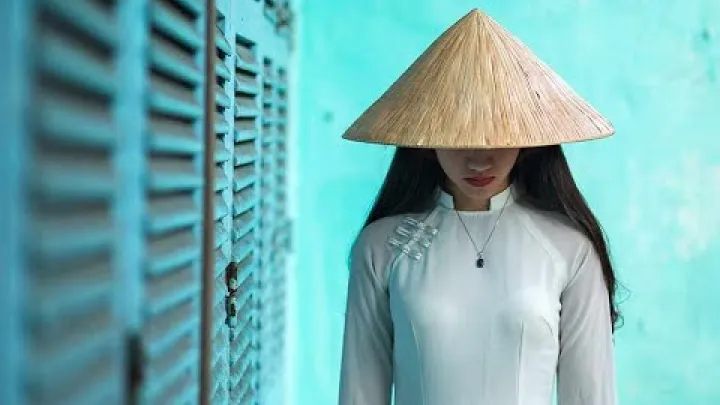
These are the same garment, just written without Vietnamese accents. It is important to remember that Vietnam traditional dress is not limited to this one style. Other named garments include the áo tứ thân (four-part gown of the North), áo ngũ thân (five-part gown that preceded the modern áo dài), and áo bà ba (simple southern shirt and trousers). However, when someone says “traditional dress of Vietnam” in a global context, they almost always mean the áo dài.
Beyond the Áo Dài: Variety of Vietnamese traditional clothing
Although the áo dài is the national costume, traditional dress in Vietnam also includes many regional and ethnic outfits. Among the Kinh majority, the main regional styles developed around different environments and historical centres. In the Red River Delta and northern countryside, the áo tứ thân with its layered panels and sash was once typical village dress for women. In central Vietnam, especially Huế, the áo dài took on an elegant, court-influenced style associated with the former imperial capital. In the South, the lightweight áo bà ba became a practical uniform for life along the rivers and canals of the Mekong Delta.

Alongside Kinh clothing, the country’s many ethnic minorities maintain their own textile traditions, which are also part of Vietnam traditional dress. These include the bright, heavily embroidered outfits of Hmong communities in the northern mountains, the indigo and black garments of Tay and Dao peoples, and the tube skirts and shoulder cloths of Cham and Khmer women in central and southern regions. It is useful to distinguish between three levels: the national costume (the áo dài, promoted as a symbol of the whole nation), regional clothes of the ethnic majority (like áo tứ thân or áo bà ba, linked to particular landscapes and livelihoods), and ethnic minority dress (often tied to distinct languages, beliefs, and rituals). For visitors, recognising these differences prevents the common mistake of thinking that every colourful outfit is a variant of the áo dài.
History and Evolution of Vietnamese Traditional Dress
The history of Vietnam traditional dress stretches from ancient agricultural villages through dynastic courts and colonial cities to socialist uniforms and modern fashion shows. Each period left traces in how garments are cut, which fabrics are chosen, and when people wear them. Understanding this evolution helps explain why the áo dài looks the way it does today and why some older forms survive only in festivals or museums.

Historians rely on a mix of archaeological finds, temple carvings, written records, and later paintings to reconstruct past clothing. In early times, before strong outside influence, people in the Red River Delta used simple wraps, skirts, and shirts made from plant fibres and, later, silk. Long periods of Chinese rule introduced new collar shapes, layered robes, and ideas about appropriate dress for officials versus commoners. Vietnam’s own dynasties adapted these influences while trying to distinguish local styles from those of the northern empire. In the early modern period, economic and cultural contact with Europe and other parts of Asia added further variation, especially in port cities.
The modern áo dài, which many people now see as timeless, is actually the result of gradual changes, especially from the 18th to the 20th century. Earlier multi-panel robes worn at court and in wealthy families evolved into the áo ngũ thân, the five-panel garment that later designers re-cut into the sleek silhouette we recognise. War, socialism, and market reforms all left marks on how often and where people wore traditional dress. Today’s revival of heritage clothing in tourism, weddings, and cultural events is one more chapter in this ongoing story.
Early garments and Chinese influence on traditional dress in Vietnam
Early clothing in northern Vietnam, especially around the Red River Delta, was shaped by a warm, wet climate and rice agriculture. Archaeological evidence from ancient sites suggests that people used simple wraps, skirts, and tunics made from plant fibres and early forms of silk. These garments were practical for working in flooded fields and moving between village and river. Findings such as bronze drums and stone carvings show stylised human figures wearing short skirts and bare upper bodies, but the details are often general rather than precise.
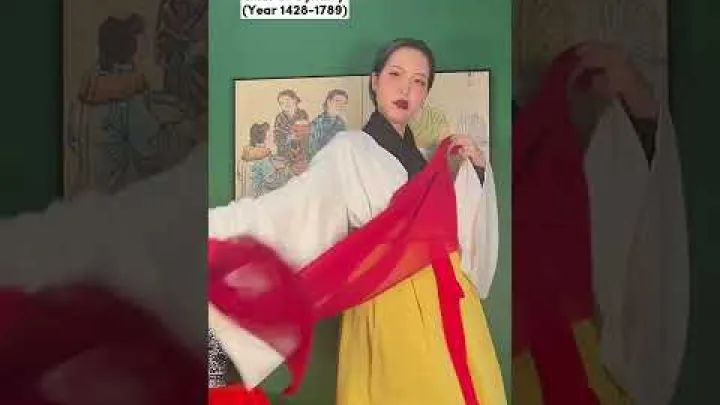
Later written records from periods of Chinese rule describe more structured garments, particularly for the elite. Chinese administration brought new ideas about official uniforms, collars, sleeves, and robe lengths. High collars, overlapping front panels, and layered robes entered court dress and spread gradually to wealthy families in Vietnam. At the same time, commoners continued to wear simpler, looser garments suited to manual work, such as short shirts and skirts or trousers tied with cloth belts. It is important to separate archaeological evidence, which shows how people actually dressed at different times, from later historical descriptions that often focus on the elite and may project later fashions backwards. Over centuries, local adaptation of Chinese forms produced distinct Vietnamese garments that eventually led to styles like áo tứ thân and áo ngũ thân.
From Áo Ngũ Thân to the modern Áo Dài
The áo ngũ thân, or “five-body” tunic, is a key ancestor of today’s áo dài. Its name refers to its construction from five main fabric panels: two in the front, two in the back, and a hidden fifth panel representing the wearer and their four parents (parents and parents-in-law in some interpretations). This design created a dignified, slightly loose robe that fell to the knee or lower, worn over trousers. It usually had a high collar and buttoned down the front, with side slits that allowed the wearer to move comfortably. In the 18th and 19th centuries, it was associated with the urban and rural elite, appearing in family portraits and festivals.
Over time, the five-panel structure was simplified, but the long front and back flaps and side slits remained. Without overwhelming you with dates and names, it is enough to say that by the mid-20th century the modern áo dài silhouette—close-fitting through the bodice and hips, with flowing panels over trousers—had become established. This form is now recognised worldwide as the classic Vietnamese women’s traditional dress.
War, socialism, and the revival of traditional dress
Wars against colonial powers and then between North and South required practical, durable clothing suited to hard labour, military activity, and shortages of fabric. Many women switched to simple shirts and trousers, while formal áo dài were kept for rare special occasions, if at all. In socialist North Vietnam after 1954, political emphasis on equality and practicality also discouraged highly decorative dress for ordinary life, especially in rural areas.
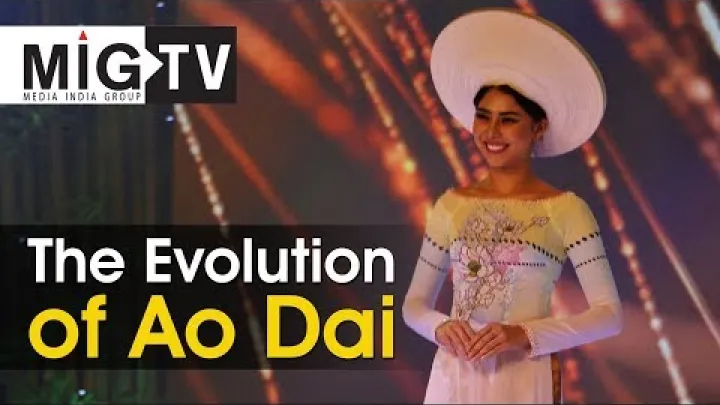
After reunification and especially from the economic reforms of the late 1980s onward, traditional garments began to reappear more visibly in public life. Local festivals started to showcase regional dress, and ethnic minority costumes appeared in cultural performances and tourism marketing. Today, while modern clothing dominates daily life, the revival of traditional dress in ceremonies, weddings, and heritage events shows how important these garments remain for expressing identity and pride.
Áo Dài: Vietnam’s Iconic National Costume
Understanding its design, variants, and occasions of use will help you recognise why it is so important.
Today’s áo dài varies in colour, fabric, and details, but its structure follows a few consistent principles. It is worn by schoolgirls, professionals, brides and grooms, and sometimes by men at formal and religious events. Modern designers balance heritage and innovation, updating necklines and fabrics while maintaining the key profile of long, split panels over trousers. For visitors who wish to try or buy one, knowing how it is constructed and when it is worn makes the experience more meaningful and respectful.
Design, structure, and common fabrics of the Áo Dài
The basic structure of the áo dài is simple to describe but sophisticated in effect. It is a long tunic that usually reaches mid-calf or ankle, with a high stand-up collar and long sleeves. The tunic is fitted through the shoulders, bust, and waist, then splits into two long panels at either the waist or the hip, creating front and back flaps that move as the wearer walks. Underneath, the wearer has loose, straight-cut trousers that allow easy movement and create a vertical line from shoulder to hem. A well-cut áo dài appears to skim the body rather than cling, with enough room for the wearer to sit, walk, and ride a motorbike comfortably.
Common fabrics for áo dài include silk, satin, and various synthetic blends. Traditional silk and high-quality brocade give the dress a soft drape and subtle shine, making them popular for weddings, festivals, and photography. However, they can be warm and more delicate to care for. These blends still allow flowing movement but are more affordable and durable. When choosing a fabric, people consider climate, frequency of use, and formality of the occasion: breathable, lighter materials suit hot weather and daily wear, while heavier, richer fabrics are reserved for cool evenings and special ceremonies.
Women’s, men’s, and modern variants of Áo Dài
Vietnam women’s traditional dress is most commonly represented by the female áo dài. Women’s versions are usually more form-fitting than men’s, emphasising a curved waist and long, narrow sleeves. They come in a wide range of colours, from pure white for school uniforms to bright floral prints and deep jewel tones for formal events. Decoration can include embroidery, hand painting of landscapes or calligraphy, or printed motifs such as lotus, bamboo, or cranes. For weddings and major ceremonies, women may choose heavily embroidered or sequined áo dài in red, gold, or royal blue, often combined with a large circular headpiece called khăn đóng.

Vietnam traditional dress for male wearers uses a related form but with notable differences. Men’s áo dài are generally cut looser, with straighter lines that do not closely follow the body shape. Colours are often darker or more subdued, such as navy, black, or deep brown, although grooms sometimes wear bright or matching colours with the bride. Men’s outfits may have fewer decorative motifs or use simple geometric patterns instead of florals. In everyday life, most men choose Western-style shirts and trousers for convenience, so male áo dài are mainly seen at weddings, ancestor worship, religious events, or cultural performances. Modern variants for both women and men include shorter tunic lengths, three-quarter sleeves, open-back designs, or fusion garments that mix áo dài panels with Western dresses or jackets. These innovations aim to make modern Vietnam traditional dress more versatile for the office, evening events, or travel while still being recognisably Vietnamese.
When do Vietnamese people wear Áo Dài today?
In contemporary Vietnam, most people do not wear áo dài every day, but it remains common at important moments. Key occasions include Tết (Lunar New Year), when many families dress in bright áo dài for temple visits and family photos, and weddings, where the bride, groom, and close relatives often wear elaborate versions. Graduations and school events are another typical setting, especially for girls in secondary school and university, who may wear white áo dài on designated days. Government ceremonies, cultural festivals, and diplomatic events also often feature people in áo dài to underline national identity.

Beyond these formal occasions, the áo dài appears as a uniform in various sectors. Some secondary schools and universities use it as part of their official female student uniform, usually in white or school colours. Airlines, particularly Vietnam Airlines, dress female cabin crew in variations of the áo dài in colours such as blue or teal, instantly signalling Vietnamese identity to international passengers. For visitors who wish to wear an áo dài themselves, it is generally appropriate to do so at cultural experiences such as photoshoots, festivals, or when specifically invited (for example, at a wedding or themed event). It is wise to avoid wearing a very bright or bridal-style áo dài to a wedding unless you are part of the family, so that the couple stands out. Choosing modest cuts, comfortable fabrics, and colours that fit the occasion shows respect for local customs.
Other Kinh Vietnamese Traditional Outfits by Region
Beyond the national áo dài, Kinh Vietnamese communities developed regional outfits that reflect local climate, agriculture, and history. These garments are less visible in big cities today but remain important in festivals, folk performances, and rural areas. They help explain how people dressed before the nationwide spread of the modern áo dài.
Three notable Kinh regional styles illustrate this variety. In the North, the multi-layered áo tứ thân is linked with village festivals and folk songs. In central Vietnam, especially the former imperial capital Huế, a refined version of the áo dài with particular colours and styling emerged from royal culture. In the South, the simple áo bà ba became standard rural wear in the Mekong Delta due to its comfort and practicality. Understanding these outfits helps visitors see that traditional dress of Vietnam is not one single design but a family of garments adapted to different ways of life.
North Vietnam: Áo Tứ Thân and village dress
The áo tứ thân, or “four-part dress,” is closely associated with the rural North and its folk culture. Traditionally worn by women, it consists of a long outer gown made from four panels: two at the back and two at the front that can be tied or left open. Underneath, the wearer has an inner bodice or blouse, often in a contrasting colour, and a long brown or black skirt. A bright sash is tied around the waist, and the loose panels of the gown create graceful movement during walking and dancing. This outfit is frequently seen in images of quan họ (antiphonal folk singing) and village festivals, symbolising warmth and hospitality.
![Preview image for the video "Ao Tu Than: Beautiful Symbol of Vietnamese Women [Vietnam Cultural Travel]".](/sites/default/files/styles/media_720x405/public/oembed_thumbnails/2025-12/LRXGlHNUtaxN8sa9f439SZvIuqjqUgGqfTGU5xD45uM.jpg.webp?itok=t8ru1bsT "Preview image for the video \"Ao Tu Than: Beautiful Symbol of Vietnamese Women [Vietnam Cultural Travel]\".")
Accessories complete the typical northern village look. A flat, round palm-leaf hat called nón quai thao is often worn with the áo tứ thân during performances and festivals, held in place by colourful chin straps. Simple cloth belts, scarves, and sometimes wooden clogs add to the ensemble. Compared with the áo dài, the áo tứ thân is less tightly fitted and involves more visible layering. Its panels can be rearranged, tied, or left loose, giving the wearer flexibility in movement and warmth. Socially, it is linked to rural traditions rather than urban modern life, so today it appears mainly in cultural events, heritage villages, and tourism shows rather than everyday workwear.
Central Vietnam: Huế style and the purple Áo Dài
Central Vietnam, and particularly the city of Huế, has a special place in the story of Vietnam traditional dress. As the former imperial capital, Huế nurtured a refined version of the áo dài associated with court culture and scholarly families. This style is usually characterised by soft, flowing lines, high collars, and understated but elegant decoration. The climate in central Vietnam, with both hot periods and cooler, rainy seasons, encouraged the use of light yet modest fabrics that could be layered when needed.
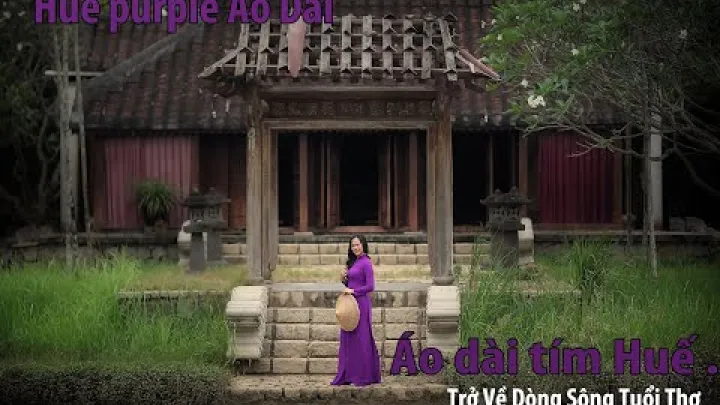
One of the most iconic images of Huế is the purple áo dài. Purple in this context is often linked to loyalty, faithfulness, and quiet elegance, reflecting the city’s royal history and poetic reputation. While people in Huế wear áo dài in many colours, gentle shades of purple are strongly associated with local identity in literature, songs, and tourism images. Central styling may also emphasise higher collars and slightly more flowing sleeves compared to some southern cuts, contributing to a graceful silhouette. For visitors, seeing schoolgirls or women in purple áo dài cycling along the Perfume River has become a visual shorthand for Huế’s blend of history and beauty.
South Vietnam: Áo Bà Ba and rural practical wear
In South Vietnam, especially the Mekong Delta, the áo bà ba is the classic example of practical rural clothing. This outfit consists of a simple, collarless shirt that buttons down the front and a pair of straight-cut trousers. The shirt usually has long sleeves and a slightly loose fit for ease of movement and ventilation, while the trousers allow people to walk, squat, and row boats comfortably. Traditionally, the outfit was made from dark cotton or other sturdy fabrics that could handle mud, water, and sun without showing stains easily.

The áo bà ba reflects the daily realities of river-based life: fishing, farming, and moving by boat through canals. It offers protection from the sun while remaining cool enough for a tropical climate. Today, many rural women and men still use áo bà ba for everyday activities, though modern T-shirts and jeans have also become common. In tourism, the áo bà ba often appears in cultural shows, homestays, and photo opportunities that present an image of the gentle, hard-working southern countryside. For example, you may see performers in áo bà ba singing cải lương (reformed theatre) or welcoming guests on river cruises. This southern Vietnam traditional dress contrasts with the more formal áo dài, but both are key parts of the country’s clothing heritage.
Ethnic Minority Costumes and Textile Traditions
Alongside Kinh clothing, Vietnam traditional dress includes the costumes of more than 50 officially recognised ethnic minority groups. These communities live mainly in mountainous and border regions, and many have maintained distinctive textile techniques and outfit styles. Their clothing carries information about age, marital status, beliefs, and clan identity.
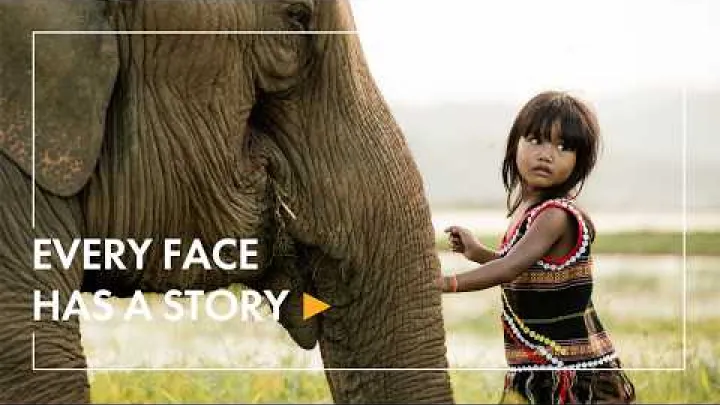
Ethnic minority costumes are especially visible in markets, festivals, and rituals in northern provinces such as Lao Cai and Ha Giang, in the Central Highlands, and in parts of the central and southern coast. For visitors, these outfits are often among the most visually striking elements of a trip. It is important, however, to approach them respectfully, seeing them not as exotic curiosities but as the result of skilled handwork adapted to specific environments and spiritual worldviews.
General features of minority dress in Vietnam
Many ethnic minority costumes in Vietnam share several general features, even though each group has its own patterns and details. Handwoven fabrics are common, produced on backstrap or frame looms using cotton, hemp, or silk depending on local resources. Bright embroidery and applique work often decorate sleeves, hems, and collars, adding colour and texture. Silver jewellery—necklaces, earrings, and heavy torque-like collars—may signal wealth or act as protective amulets. Headpieces such as turbans, hats, or elaborate hair wraps are important parts of a complete outfit, especially for women.
Geography and livelihood strongly shape clothing design. Communities living in high, cold mountains may wear multiple layers, thick indigo-dyed cloth, and leg wraps for warmth and protection while farming on steep slopes. Groups in warmer, lower areas may use lighter, shorter garments and bare legs. Farming style also matters: people who cultivate rice paddies may prioritise clothes that can be hitched up or washed easily, while swidden farmers (who clear and burn small plots) may favour durable coverings that protect skin from brush and smoke. Beliefs influence motifs: some patterns represent ancestral stories, protective spirits, or important animals. Describing these features in terms of materials, techniques, and functions helps avoid stereotypes and highlights the deep skill involved in making each costume.
Dao, Tay, and Hmong costumes
Dao women, for example, often wear dark indigo or black jackets decorated with red embroidery, tassels, and silver ornaments. Some subgroups, often called Red Dao in English, are easily recognised by their striking red headscarves or large red turbans. Their outfits may include complex cross-stitching and patterns along hems and cuffs, worn with trousers or skirts depending on subgroup tradition.

Tay people typically wear simpler, elegant outfits in deep indigo or black, often consisting of long-sleeved tunics and trousers with minimal decoration. This understated style reflects both aesthetic preferences and a focus on practicality for farming and river life in the northern valleys. Hmong groups, by contrast, are known for very colourful, heavily decorated clothing. Different Hmong subgroups (often labelled Flower Hmong, Black Hmong, etc.) have their own combinations of pleated skirts, embroidered panels, batik-dyed cloth, and leg wraps. In markets around Sapa or Bac Ha, you may see women wearing layered skirts with vivid geometric motifs and large headcloths. Some elements are still used daily in villages, while more elaborate versions are reserved for festivals, weddings, and New Year celebrations. For visitors, asking local guides which outfits are everyday wear and which are ceremonial helps you understand what you are seeing.
Ede, Cham, and Khmer traditional clothing
In central and southern Vietnam, ethnic groups such as the Ede, Cham, and Khmer have textile traditions influenced by both mainland Southeast Asia and older Indic and Austronesian cultures. Ede communities in the Central Highlands often wear dark, handwoven garments with red and white bands. Women may use tube-like skirts (sarong style) and long-sleeved tops, while men wear simple shirts and loincloths or trousers, depending on context. Geometric patterns and stripes along hems and chest areas are common, and clothing is adapted to life in upland farming and forest environments.
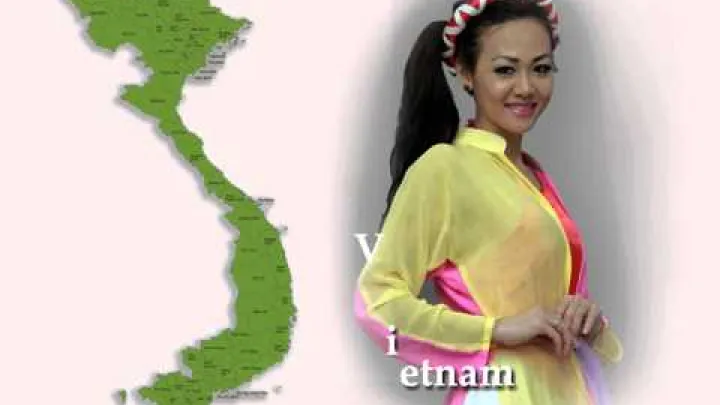
Cham and Khmer groups, living mainly along the south-central coast and in the Mekong Delta respectively, share some clothing forms with related communities across the borders. Cham women traditionally wear long, fitted dresses or skirt-and-blouse combinations, often with headscarves that reflect Islamic or Hindu-influenced customs, depending on the community. Khmer women commonly wear the sampot, a wrapped skirt similar to those found in Cambodia and Thailand, paired with blouses and sometimes lightweight shawls. Religious and cultural influences from Hinduism, Buddhism, and Islam shape colours, motifs, and modesty norms in these outfits. Visitors can see these costumes in provinces such as Ninh Thuan and An Giang, especially during local festivals and temple events.
Colors and Their Meanings in Vietnam Traditional Dress
Colour choices in Vietnam traditional dress are rarely random. They draw on long-standing associations from folklore, religion, and social customs. While individual taste and fashion trends also matter, certain colours come up again and again in weddings, funerals, festivals, and uniforms.

Understanding common colour meanings helps visitors choose suitable garments and avoid misunderstandings. It also reveals how Vietnamese people communicate feelings and hopes through clothing, from red wedding áo dài to white school uniforms and purple Huế dresses. It is important to remember that meanings can shift by region and context, especially for colours like white and black, which carry both positive and negative associations.
Symbolism of red, yellow, white, black, and purple
Red is one of the most powerful colours in Vietnam traditional dress. It is widely associated with luck, happiness, and celebration, making it a natural choice for weddings and Tết. Brides often choose red áo dài or other red garments to attract good fortune and joy into the marriage. During Lunar New Year, red clothing and decorations are used to welcome positive energy and chase away bad spirits. As a result, red is generally avoided in mourning contexts.
Yellow, especially golden yellow, was historically reserved for royalty and the imperial court. Today it still suggests prosperity, success, and high status, and it remains a popular colour for festive clothing and important ceremonies. White has more complex meanings. It can represent purity, youth, and simplicity, which is why white áo dài are common for schoolgirls and graduation photos. At the same time, white is also associated with mourning and funerals in Vietnamese culture, where relatives of the deceased may wear white headbands or clothing. Black traditionally signals seriousness, depth, and in some cases mystery; it is common in workwear and in the base colour of many ethnic minority costumes. Purple often conveys loyalty, lasting love, and refined elegance. In Huế, gentle shades of purple are strongly tied to the city’s poetic and royal image. Because colour meanings can vary by region and event, it is helpful to ask local hosts if you are unsure.
Choosing colors for weddings, Tết, and ceremonies
When selecting colours for Vietnam traditional dress at special events, it helps to follow a few broad guidelines. For weddings, red and gold are classic choices for the bride and often the groom, symbolising happiness and prosperity. Pink, pastel tones, and soft gold are also common for bridesmaids and close female relatives. Guests usually avoid wearing exactly the same bright red as the bride, so that she remains the visual focus. Instead, they may choose softer warm colours, elegant blues, or neutral shades. Deep black outfits are often avoided at weddings because of their association with seriousness and, in some contexts, mourning.
For Tết, bright and cheerful colours such as red, yellow, light green, and royal blue are widely used. Families may coordinate áo dài in complementary shades for holiday photos and temple visits. At religious ceremonies or official events, darker or more subdued tones can signal respect, while small touches of red or gold still bring a festive note. For funerals and memorial rituals, guests typically wear plain, dark clothing or white outfits without bright decorations, depending on local custom. To make decisions easier for non-local readers, you can think in terms of example combinations: a red or gold áo dài for the bride, soft pink or pastel áo dài for female relatives, navy or charcoal suits or dark áo dài for male guests, and colourful but not overly bright áo dài for Tết. When in doubt, ask your host about any colours to avoid for that specific event.
Vietnam Traditional Wedding Dress
Vietnam traditional wedding dress blends symbolism, family values, and evolving fashion. While styles vary by region and community, many couples choose áo dài-based outfits for at least part of the ceremony. These garments express hopes for happiness and prosperity while linking the couple to their cultural roots.
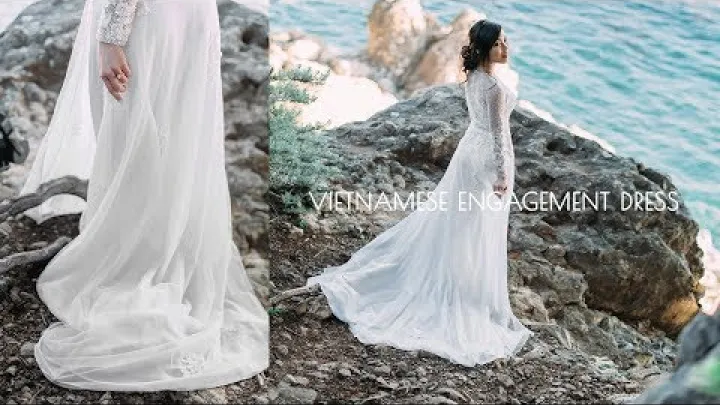
Modern weddings in cities often combine traditional and Western clothing: couples may wear áo dài for the engagement ceremony and family rituals, then change into suits and white dresses for the reception. In rural or strongly traditional families, áo dài or other regional garments may be the main outfits throughout the celebration. Understanding typical styles and expectations can help guests and foreign partners navigate these events in a respectful way.
Bride and groom: Vietnam traditional wedding dress styles
For the bride, the most typical Vietnam traditional wedding dress is a richly decorated áo dài, usually in red, crimson, or gold. The dress may be made of heavy silk or brocade, with embroidery of dragons, phoenixes, lotuses, or peonies, all symbols of good fortune and harmony. Many brides also wear a matching khăn đóng, a round, turban-like headpiece that frames the face and reinforces the ceremonial feel. In some families, brides may wear a regional garment instead, such as áo tứ thân in a northern village or ethnic minority costume in highland communities.
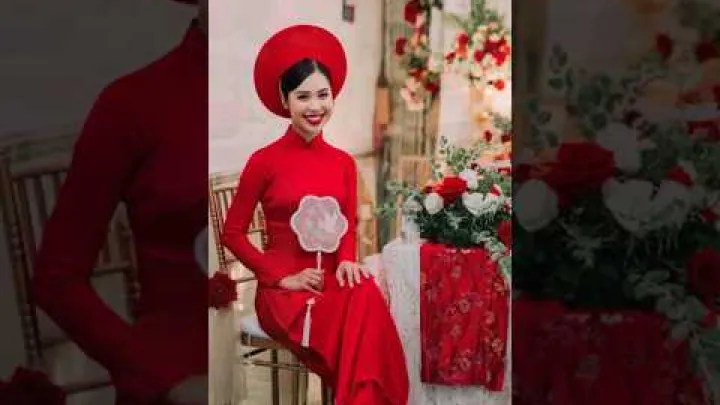
The groom’s traditional outfit often mirrors the bride’s in colour and form. A groom may wear a male áo dài in red, blue, or gold brocade, sometimes with a matching khăn đóng or hat. The design is usually less ornate than the bride’s but still clearly festive, signalling his role alongside her. Modern Vietnam traditional dress for weddings sometimes mixes elements: for example, the groom may wear a tailored Western-style suit in a coordinating colour while the bride wears an áo dài, or both may change into Western outfits later in the day. Colour choices remain strongly symbolic: red stands for happiness and strong love, gold suggests wealth and success, and blue or white can add balance and freshness. Couples often choose designs that honour tradition while still reflecting their personal taste.
Family and guest dress code at Vietnamese weddings
Parents and close relatives of the couple often wear coordinated áo dài in softer or slightly different shades from the bride and groom. For example, if the bride’s áo dài is bright red with gold details, her mother might wear a deep burgundy or soft gold version. This visual harmony underlines family unity while still allowing the couple to stand out. Male relatives may wear suits, shirts and trousers, or male áo dài, depending on the family’s preference and the formality of the event. In some regions, older family members may include specific traditional accessories linked to local customs.
For foreign guests, a safe approach is to dress in neat, semi-formal or formal clothing, taking care not to overshadow the couple. Women can wear dresses, skirts with blouses, or modest áo dài if they own or rent one, choosing colours that are festive but not identical to the bride’s primary colour. Men can wear collared shirts with trousers, or suits for more formal receptions. City weddings, especially in big hotels, tend to be more flexible about Western-style clothing, while rural weddings or those with strong traditional elements may expect slightly more conservative dress and fewer revealing cuts. In all cases, avoiding very casual items like shorts, flip-flops, or slogan T-shirts shows respect for the hosts and the seriousness of the occasion.
Materials, Craft Villages, and Craftsmanship
The beauty of Vietnam traditional dress depends not only on design but also on the materials and skills behind each garment. From smooth silk áo dài to thick handwoven minority skirts, fabrics and techniques tell stories about local resources, trade routes, and artisan knowledge passed down through generations.

Vietnam has long been known for its silk and brocade, with specialised craft villages supplying cloth for both everyday and ceremonial clothing. In recent decades, synthetic fabrics and mass printing have become more common, making traditional-style garments more affordable but raising questions about authenticity and sustainability. For visitors, learning about materials and production methods can make buying decisions more informed and respectful of the people who produce these clothes.
Silk, brocade, and other fabrics used in Vietnam traditional dress
Silk is the most famous fabric associated with áo dài and other high-status garments in Vietnam. It is valued for its soft texture, natural sheen, and ability to drape beautifully, which enhances the flowing panels of an áo dài. Brocade, a thicker fabric with woven patterns, is often used for wedding outfits, ceremonial áo dài, and some ethnic costumes, because its rich appearance suits important occasions. However, silk and brocade can be more expensive and warmer, making them less practical for daily use in a hot, humid climate.
To balance beauty and practicality, many modern Vietnam traditional dress designs use satin, polyester blends, or other synthetic fabrics. These materials are more affordable, resistant to creasing, and easier to wash and dry, which is helpful for uniforms and regular wear. For hot weather, travellers usually find that lighter, breathable fabrics such as fine silk, cotton blends, or high-quality synthetic chiffons are more comfortable than heavy polyester or brocade. In ethnic minority areas, you may encounter hemp or cotton fabrics dyed using indigo or natural pigments, which are durable and suited to outdoor work. Fabric choice influences not just comfort and price but also the visual effect and cultural meaning of a garment, so many people select different materials for daily wear, festive events, and weddings.
Famous silk villages supplying traditional dress
Vietnam’s silk production is concentrated in several well-known craft villages, where families have worked with mulberry trees, silkworms, and looms for generations. One of the most famous is Vạn Phúc, located near Hanoi, often simply called “Silk Village.”
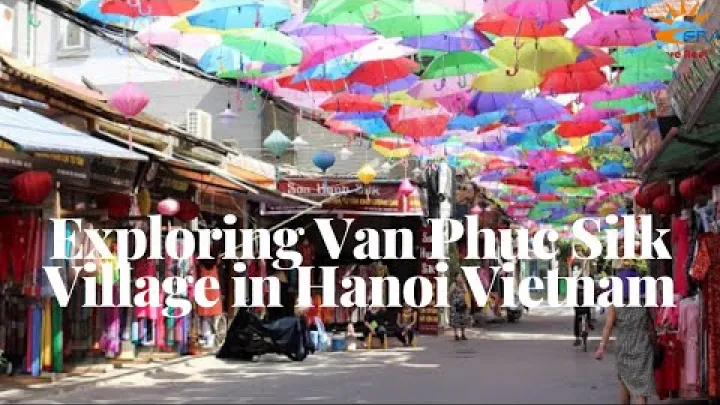
Visitors can walk through its streets to see shops selling silk fabrics and ready-made clothing, and sometimes small workshops where weaving still takes place. Many people come here to buy fabric for custom áo dài or scarves as souvenirs.
Hoi An, a historic trading town in central Vietnam, is another key destination for silk and tailoring. The Hoi An Silk Village and many tailor shops in the old town offer a range of fabrics and made-to-measure services, often within a short time frame. In both Vạn Phúc and Hoi An, quality and authenticity can vary, since some products are blends or synthetics sold as pure silk. Asking about the origin of the fabric, checking the texture and weight, and comparing several shops can help you make better choices. Some other regions, including parts of the Central Highlands and northern provinces, also have weaving villages that supply brocade and handwoven cloth for ethnic costumes and contemporary fashion.
Embroidery, hand-painting, and decorative techniques
Decoration is a key part of many Vietnam traditional dress styles, adding symbolic and aesthetic depth to basic cuts. Embroidery is widely used on áo dài, minority costumes, and ceremonial garments. On áo dài, embroidery often features flowers, birds, or landscapes running along the chest, sleeves, or lower panels, stitched in silk or synthetic threads. On minority costumes, dense geometric or floral embroidery may cover entire sleeves, collars, and skirts, representing clan patterns or protective motifs.
Hand-painting is another popular technique for modern áo dài, where artists paint bamboo, lotus ponds, or cityscapes directly onto the fabric, turning each garment into a wearable painting. Batik and resist dyeing appear especially in Hmong textiles, where wax is applied to fabric before dyeing to create detailed patterns. Mass-printed fabrics, produced using industrial methods, imitate many of these looks at lower cost. While handwork usually increases the time and price of a garment, it also reflects individual craftsmanship and local tradition. Both artisan techniques and printed designs have a place in today’s clothing market; the key difference lies in how they are made and how closely they connect to specific cultural practices.
Modern and Global Trends in Vietnam Traditional Dress
Vietnam traditional dress is not frozen in the past. Designers, wearers, and diaspora communities constantly reinterpret garments such as the áo dài and áo bà ba for contemporary life. This includes changes in silhouette, fabrics, and contexts of use, from office wear to international fashion weeks.
At the same time, many people prefer more classic, conservative styles for religious or family events, so modernisation coexists with tradition rather than completely replacing it. Understanding these trends can help visitors see why a short, fashion-show áo dài might appear next to a very traditional one at the same festival, and how communities negotiate between innovation and respect.
Modern Vietnam traditional dress designs and innovations
Modern Vietnam traditional dress designs often maintain the key features of the áo dài—long tunic, side slits, trousers—while experimenting with details. Some designers lower or reshape the collar, replacing the classic high, round neck with V-necks, boat necks, or even off-the-shoulder cuts for evening events. Sleeves may be shortened or made transparent with lace or mesh, and tunic lengths can vary from knee-length to floor-length depending on the intended use. In some fashion-forward versions, back panels are opened or layered to create dramatic movement, especially on the runway.
Fabrics and patterns are another area of innovation. Designers mix traditional silk with denim, organza, or even technical fabrics to create pieces that work for office wear or travel. Capsule collections might offer muted, solid-colour áo dài suitable for corporate environments, embellished evening versions for parties, and simplified styles for daily urban wear. Despite these changes, many designers and wearers set boundaries, especially for events in temples, family ancestor rituals, or official settings, where more conservative cuts and less revealing designs are preferred. This balance allows modern Vietnam traditional dress to evolve without losing the key elements that make it culturally recognisable.
Uniforms, tourism, and the Vietnamese diaspora
The áo dài has become a visual ambassador for Vietnam through its use in uniforms and tourism. Many schools have specific days when girls wear white áo dài as part of their uniform, creating a strong association between the dress and youth, education, and national pride. Hotels, restaurants, and travel agencies also use áo dài uniforms for reception and customer-facing staff, especially in heritage or luxury properties.
Responsible use involves choosing reputable rental shops, treating garments carefully, and avoiding disrespectful or overly sexualised photo poses in sacred or solemn locations.
Sustainability and the future of traditional clothing in Vietnam
Like fashion industries worldwide, the production of Vietnam traditional dress faces environmental and social challenges. Mass-produced garments made from synthetic fibres contribute to pollution and can undercut the livelihoods of small-scale weavers and embroiderers. On the other hand, purely handcrafted outfits may be too costly or time-consuming for many consumers, leading to a risk that some skills will disappear if they are not supported.
In response, some young designers and craft villages are exploring more sustainable approaches, such as using organic or locally grown fibres, natural dyes, and slower production cycles. They may collaborate directly with ethnic minority weavers or silk producers to create collections that respect traditional techniques while meeting modern style preferences. For readers who want to support ethical makers when buying traditional dress, simple steps include asking where and how the fabric was made, choosing fewer but better-quality garments, favouring items with clear links to specific craft communities, and being cautious with extremely cheap products that may rely on poor working conditions. These choices help encourage a future in which Vietnam traditional dress continues to evolve in ways that respect both people and the environment.
Frequently Asked Questions
Common questions about Vietnam traditional dress for new visitors
New visitors to Vietnam often have similar questions about traditional clothing. They want to know the name of the national costume, when people actually wear it, how male and female versions differ, and what colours are appropriate at events like weddings or funerals. Many also ask where they can see authentic garments, buy áo dài, or experience ethnic minority dress without causing offence.
This FAQ section gathers short, direct answers to these common questions. It covers the main Vietnam traditional dress name, differences between áo dài and other garments, typical wedding wear, male participation in traditional dress, modern usage patterns, colour meanings, changes over time, and suggestions on where to find or purchase authentic outfits. The goal is to provide quick guidance that complements the more detailed explanations in the rest of the article and helps you prepare for trips, study programs, or ceremonies in Vietnam.
What is the traditional dress of Vietnam called?
The most widely recognised traditional dress of Vietnam is called the áo dài. It is a long fitted tunic with side slits, worn over loose trousers by both women and men. Other traditional garments include the áo tứ thân in the North and the áo bà ba in the South, but áo dài is seen as the national costume.
What is the difference between áo dài and other traditional Vietnamese dresses?
The áo dài is a long, high-collared tunic with side slits worn over trousers, usually for formal, ceremonial, or professional occasions. The áo tứ thân is a four-panel gown worn with a skirt and bodice in northern villages, while the áo bà ba is a simple front-button shirt with trousers used in the rural South. Each style reflects different regions, lifestyles, and historical periods.
What do Vietnamese people traditionally wear at weddings?
At traditional Vietnamese weddings, the bride and groom usually wear ornate áo dài, often in red, gold, or other rich colours, sometimes with matching headpieces. Parents and close relatives also commonly wear áo dài in coordinated but less striking colours. Guests may wear áo dài or formal modern clothing, avoiding the bride’s exact colour so she stands out.
Do men also wear Vietnam traditional dress, or is it only for women?
Men also wear Vietnam traditional dress, although less frequently than women. Male áo dài are usually looser and less form-fitting, often in darker or solid colours, and are worn mainly at weddings, Tết, religious events, and cultural performances. In daily life, most men prefer modern clothing for practicality.
When do people in Vietnam wear traditional dress today?
Today, most Vietnamese people wear traditional dress on special occasions rather than every day. Common times include weddings, Tết (Lunar New Year), school or corporate uniform days, cultural festivals, and formal ceremonies. In tourism and cultural shows, performers and staff also wear traditional outfits to represent Vietnamese heritage.
What are the main colours used in Vietnam traditional dress and what do they mean?
Red symbolises luck, happiness, and celebration and is common in weddings and Tết. Yellow was once royal and now suggests prosperity and success, while white represents both purity and mourning, so it is used for school uniforms and funerals. Black is linked to seriousness and depth, and purple is associated with loyalty and refined elegance, especially in Huế.
How is modern Vietnam traditional dress different from historical styles?
Modern Vietnam traditional dress, especially áo dài, tends to be more fitted, lighter, and varied in necklines, sleeves, and length than historical versions. Designers mix traditional silhouettes with contemporary materials, colours, and cuts to improve comfort and suit modern activities such as riding motorbikes. At the same time, they preserve key features like the long panels and side slits so the dress remains recognisably Vietnamese.
Where can visitors see or buy authentic Vietnamese traditional dress?
Silk villages like Vạn Phúc near Hanoi and the Hoi An Silk Village offer high-quality fabrics and tailoring services. Ethnic markets in areas like Sapa and Ha Giang are good places to see and purchase minority costumes and textiles.
Conclusion and Next Steps
Key takeaways about traditional dress in Vietnam
Each garment reflects specific histories, landscapes, and social roles, from imperial Huế to the Mekong Delta and the northern highlands. The áo dài stands at the centre as the national costume, but it gains fuller meaning when seen alongside village dresses and handwoven minority textiles.
When choosing what to wear or buy, context, colour, and fabric all matter. Colours like red, yellow, white, black, and purple carry particular associations that change with weddings, Tết, or funerals. Fabrics range from fine silk and brocade to practical cotton and synthetics, balancing comfort, price, and symbolism. Modern innovations and sustainability efforts show that traditional dress in Vietnam is still evolving, maintaining cultural identity while adapting to contemporary needs.
How to explore Vietnam traditional dress respectfully
Exploring Vietnam traditional dress is most rewarding when it is combined with curiosity about the people and places behind each garment. Visiting museums, heritage sites, and craft villages can provide context about how clothes were used in the past and what they mean today. Custom tailors and responsible shops in cities and silk villages can help you learn about fabrics and cuts while creating pieces suited to your body and lifestyle.
When photographing, trying on, or purchasing traditional clothing, it is helpful to ask permission, avoid interrupting rituals, and handle garments carefully, especially handmade pieces. Listening to local explanations about when and how to wear certain outfits shows respect for both wearers and makers. In this way, traditional dress becomes not only a visual attraction but also a bridge to deeper understanding of Vietnamese culture.
Select area
Create a post
Posting is free and no registration is required.