- Tay Son Heaven and Earth Esplanade: Historic Shrine in Quy Nhon
- Quang Trung Museum: Tay Sơn History & Culture in Quy Nhon
- Banh It Cham Towers: Ancient Heritage & Photography in Quy Nhon
- The Thon Beach in Cat Tien: Clean Shores & Affordable Watersports
- Linh Phong Pagoda in Quy Nhon: The Sacred Mountain Temple
Vietnam Flights: Routes, Airports, Airlines, and How to Find Better Deals

Vietnam flights can look similar on a search page but feel very different on travel day. Your arrival city, connection strategy, baggage needs, and ticket flexibility will shape your total cost and how smoothly you reach your hotel or your next domestic flight. This guide explains the main routes into Vietnam, what to expect from common airline types, and how major airports are set up for transfers. You will also learn practical steps to compare fares, avoid common booking mistakes, and plan domestic flights within Vietnam with fewer surprises.
Introduction: What to Know Before Booking Vietnam Flights
Booking flights to Vietnam is easier when you decide what matters most for your trip: price, total travel time, or predictability. Many travelers focus only on the lowest fare, then discover extra costs for baggage, seat selection, payment methods, or tight connections that increase stress. A clearer plan helps you compare options fairly and avoid last-minute changes that can disrupt hotels, tours, or onward travel.
Because schedules, visa rules, and airline policies can change, treat any itinerary as “current information” rather than permanent truth. Always confirm the latest details with the airline and the airport close to departure, especially if you have a connection, checked baggage, or a domestic flight on the same day. The sections below help you make decisions in the right order, so you can book Vietnam flights confidently.
Who this guide is for and what it will help you decide
This guide is for international travelers planning Vietnam flights for tourism, study, relocation, or business. It is designed to help you decide four common priorities: the lowest realistic total cost, the shortest door-to-door travel time, the easiest arrival into the city, and the smoothest setup for domestic connections. It also helps you compare full-service airlines and low-cost carriers using the same checklist, so you do not compare “base fare” on one ticket to “total price” on another.
It will not replace airline notices or government entry updates, because those can change. In the final week before travel, check your airline’s “Manage booking” page and the departure and arrival airport websites for terminal updates, check-in rules, and schedule changes. If you are connecting, confirm whether you must re-check baggage and whether your connection is protected under one ticket.
Common booking mistakes to avoid:
- Buying the cheapest fare without checking baggage limits and fees.
- Choosing a very short connection without confirming terminal changes and immigration steps.
- Booking separate tickets for an international and domestic flight on the same day without enough buffer time.
- Entering a name that does not match your passport exactly.
- Assuming visa rules are the same for all nationalities and all arrival airports.
The core choices that shape your itinerary
Most Vietnam flight planning comes down to a small set of choices. First, decide your departure region and how much travel time you can tolerate. Next, choose nonstop versus one-stop options based on your comfort with layovers and your need for schedule reliability. Then select the best arrival city, because it affects your first day logistics, the likely cost of airport transfers, and whether you will need a domestic flight immediately.
A final decision is airline type: full-service versus low-cost. Full-service tickets often include more bundled items, while low-cost tickets often start cheaper and then add costs for bags, seats, and changes. Your baggage needs matter more than many travelers expect, especially if you are staying for several weeks, carrying gifts, or traveling with sports or work equipment.
A simple decision framework you can follow:
- If you are time-sensitive, prioritize nonstop flights or one-stop flights with comfortable connection times.
- If you are budget-sensitive, compare one-stop options but calculate total cost including bags and seat selection.
- If you are planning north, central, or south Vietnam first, choose the arrival city that reduces backtracking.
- If you will connect to a domestic flight, prefer a flexible ticket and a longer buffer on arrival day.
Why prices and travel times vary so much
Prices for flights to Vietnam vary because demand and supply change by season, route competition, and how far in advance you book. Weekend-heavy travel patterns, holiday periods, and school breaks can raise prices quickly. Some routes offer many daily options, while others rely on limited schedules that sell out earlier. Travel time also varies based on layover length, airport congestion, and whether your connection requires changing terminals or re-clearing security.
Low fares can be real, but they may exclude important items. On many low-cost carriers, the advertised price may not include checked baggage, larger carry-on allowances, seat selection, meals, or certain payment methods. Even on full-service airlines, basic or light fare types can reduce flexibility. If you compare tickets without matching assumptions, you can end up paying more than expected.
Total trip cost checklist (use it before you pay):
- Base fare plus taxes and any booking or payment fees.
- Carry-on and checked baggage allowances you actually need.
- Seat selection if you need to sit together or want extra legroom.
- Airport-to-city transport costs, especially for late-night arrivals.
- Connection risk costs: extra buffer time, possible hotel night, or travel insurance.
If you are balancing cost and reliability, aim for fewer segments, longer connections, and tickets that allow changes at a predictable fee. A slightly higher fare can be the cheaper option if it prevents a missed connection or a forced overnight stay.
Vietnam Flight Routes: Nonstop Options, One-Stop Connections, and Best Arrival Cities
Route planning for Vietnam flights is easier when you start with one question: where do you need to be on your first full day? Your answer determines whether you should fly into Hanoi, Ho Chi Minh City, or Da Nang, and whether a nonstop or one-stop itinerary is the best match. For many travelers, the “best” route is not the shortest flight time, but the route that reduces airport stress and protects important onward plans.
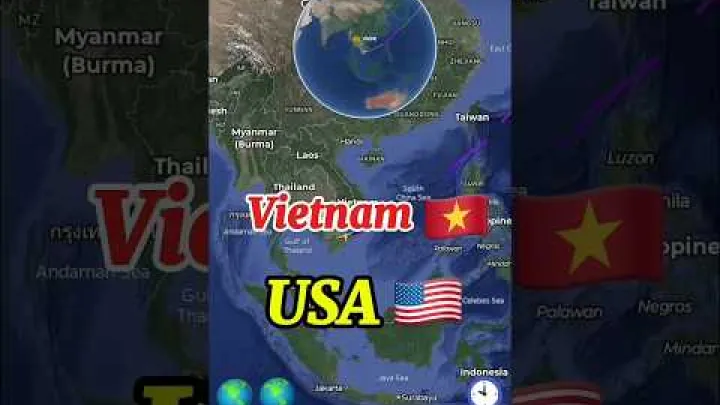
Nonstop options can reduce risk and fatigue, while one-stop connections often provide more departure cities and more price points. The right choice depends on your tolerance for layovers, whether you are traveling with family, and whether you have checked baggage. The next sections explain how to choose between nonstop and one-stop, then how to select an arrival city that fits your itinerary.
Nonstop versus one-stop flights to Vietnam
Nonstop flights are often worth prioritizing when you value time, want to reduce jet lag, or need to lower the chance of missed connections. With one boarding process and one arrival, you also reduce complexity around baggage rules and transit steps. This can be especially helpful if you are arriving late, traveling with children, carrying fragile items, or planning a same-day domestic flight after landing.

One-stop flights can be a better fit when you want more departure city choices, prefer a specific airline alliance, or need a lower total price. They may also let you choose a layover city that breaks up a long journey. Some travelers discuss nonstop service between the United States and Vietnam, but schedules can change, and nonstop availability depends on current airline planning and regulatory approvals. Always confirm the latest schedule and aircraft details directly before committing to a plan built around a specific nonstop route.
Connection planning matters as much as the fare. Minimum connection time depends on the airport layout, whether you must change terminals, and whether you must pass immigration or security again. If you are checking bags, confirm whether the airline checks them through to Vietnam or whether you must collect and re-check during the connection. On some itineraries, the rule can differ depending on whether you are on one ticket or separate tickets.
Questions to ask before booking a tight connection:
- Is the trip on a single ticket, or is it split into separate tickets?
- If you miss the second flight, is the connection protected by the airline?
- Do you need to change terminals, and how do you transfer between them?
- Will you have to clear immigration or re-clear security during transit?
- Will checked baggage be transferred automatically, or do you need to re-check it?
Choosing your arrival city: Hanoi, Ho Chi Minh City, or Da Nang

Think about what you want to do in the first 24 hours: rest, start sightseeing, or connect onward. If you land late at night, consider how easy it is to reach your accommodation and whether domestic flights still operate to your next destination. During peak travel periods, domestic flights and airport transport can become crowded, so a simple plan with fewer same-day steps can reduce stress.
| Arrival city (airport) | Best for | Typical use cases | Onward connections |
|---|---|---|---|
| Hanoi (Noi Bai) | Culture, northern itineraries | First stop for north-focused trips | Good base for domestic hops to other regions |
| Ho Chi Minh City (Tan Son Nhat) | Business, southern itineraries | First stop for south-focused trips | Major hub for domestic connections and regional flights |
| Da Nang (Da Nang International) | Central coast, beaches | Start in central Vietnam with fewer transfers | Useful for connecting within central and to major cities |
Popular routes people search for and what they imply
Common searches for Vietnam flights often reflect where large travel volumes exist and where airlines have built frequent schedules. Travelers frequently look for routes from Australia (such as Sydney, Perth, and Brisbane), Europe (such as London), North America (such as Los Angeles and Toronto), and major hubs in Asia and the Middle East (such as Manila and Dubai). Many searches are also city-specific, focusing on flights to Hanoi or flights to Ho Chi Minh City because travelers already know which region they want to visit first.
Popularity can imply more schedule choice and sometimes more competitive pricing, but it does not guarantee low fares. A route may be popular yet expensive during peak demand, while a less common route can occasionally offer good value through one-stop connections. Use popularity as a planning signal: popular routes often provide more backup options if a flight is delayed or retimed.
Region-by-region planning tip: choose your best arrival city first, then compare one-stop routes into that city. This keeps comparisons consistent. For example, if your trip starts in the north, compare options into Hanoi before considering an itinerary that lands in the south and adds a domestic flight.
Also compare alternate airports and nearby travel dates. If you can depart a day earlier or later, or fly from a nearby city, you may find better combinations of price and travel time. Use the same tools you will use later for price tracking, and keep your assumptions consistent on baggage and cabin type when comparing.
Airlines for Vietnam Flights: Full-Service, Low-Cost, and What to Expect
Airlines serving Vietnam include full-service carriers, low-cost carriers, and hybrid models that sit between the two. The biggest practical differences for most travelers are not the aircraft type, but the rules around baggage, changes, refunds, and how support is handled during disruptions. Understanding these differences helps you avoid paying more than expected, especially if you need checked baggage or flexibility.
It is also useful to separate “airline brand” from “fare type.” The same airline can sell multiple fare families, and the cheapest option may have strict change rules. Before you book, focus on the terms that matter for your trip: baggage, connection protection, and what happens if your plans change.
Vietnam Airlines: network coverage and long-haul positioning
International routes and frequencies can change, especially around seasonal demand and operational planning. The most reliable place to confirm what is currently operating is the airline’s official route map and current schedules on its website. If you are planning a complex itinerary, confirm whether the flights are operated by the airline you expect or by a partner, because baggage and service rules can differ.
Cabin choice matters most on long-haul segments. Economy usually offers the lowest cost, while premium economy or business can reduce fatigue on long flights and may provide more flexible conditions depending on the fare rules. Do not assume specific onboard features are guaranteed, since aircraft and cabin configurations can vary by route and date. Instead, check the aircraft type shown for your specific flight and review the fare conditions for baggage, seat selection, and changes.
If you are prioritizing reliability, compare how each fare family handles rebooking, no-show rules, and customer support channels. Even within full-service airlines, the lowest fare types can be restrictive.
VietJet Air and Bamboo Airways: budget and hybrid options
Low-cost carriers often advertise attractive base fares, then charge for add-ons. This model can be a good fit if you travel light, have flexible timing, and are comfortable managing your booking details carefully. VietJet Air is widely recognized as a major low-cost operator in Vietnam and the region, while Bamboo Airways has been positioned in some markets as a hybrid-style option with a mix of service approaches depending on route and timing. Because airline networks and schedules evolve, always check current routes and policies close to booking.

The main planning skill with low-cost and hybrid tickets is calculating the final price. Common add-ons that change the total cost include checked baggage, carry-on upgrades, seat selection, priority boarding, changes to travel dates, and sometimes payment processing fees. If you need to bring more than a small carry-on, the cheapest fare can become less competitive after you add baggage.
Practical examples of add-ons to check before purchase:
- Checked baggage: price depends on weight tier and whether you buy in advance.
- Carry-on rules: size and weight limits can differ by fare and route.
- Seat selection: important for families or travelers needing aisle access.
- Change fees: can exceed the fare difference on low base fares.
To reduce scam risk, buy tickets through official airline channels or well-known, trusted booking platforms. If you use a third party, confirm who will handle changes and refunds, and keep a copy of the fare rules and payment receipt.
Fare types, baggage rules, and ticket flexibility
Fare type determines many of the rules that affect real-world travel. Two tickets on the same airline can have different baggage allowances, different change fees, and different refund conditions. Full-service airlines often include some baggage on many international fares, but “light” or “basic” fares may reduce inclusions. Low-cost tickets often start with minimal baggage and require you to add what you need. Always verify the exact allowance on your confirmation, not just the airline’s general policy page.

Ticket flexibility should match your risk tolerance. If your travel dates are fixed and you are attending an important event, a more flexible fare can be safer. If you are connecting to a domestic flight or traveling during storm-prone months, flexibility can reduce the cost of disruptions. If you are confident in your dates and traveling with only a small bag, a restrictive fare might be acceptable.
Before you pay, use this checklist:
- Baggage: carry-on and checked limits, and fees for adding more later.
- Name spelling: match your passport exactly, including middle names if required.
- Passport details: ensure validity meets entry and transit requirements.
- Transit rules: confirm if a visa is needed for your connection airport.
- Change and refund rules: review fees, deadlines, and no-show conditions.
Keep documentation in case disputes arise. Save confirmation emails, payment receipts, and screenshots or PDFs of fare rules at the time of purchase. Store them offline on your phone and in an email folder you can access while traveling.
Vietnam Airports: Terminals, Transfers, and Getting into the City
Vietnam’s main international gateways are designed to handle large passenger volumes, but the experience can vary by terminal layout, time of day, and seasonal crowds. A smooth arrival depends on knowing which terminal you will use, how you will move between terminals if needed, and how long ground transport may take in heavy traffic. Planning these details early is especially helpful if you have a domestic connection soon after landing.

Airport processes also differ depending on whether you are arriving internationally and continuing domestically, or flying point-to-point within Vietnam. Checked baggage, immigration lines, and security re-screening can add time. The best approach is to plan for buffers rather than assuming everything will be fast.
Major international gateways and how they are set up
These airports commonly separate domestic and international operations by terminal or by distinct areas, which can affect how you transfer. Even when terminals are close, the walking route, shuttle availability, and signage can make a difference, especially if you are tired after a long flight or traveling with heavy bags.

For domestic connections, build in extra time for immigration, baggage claim, and re-checking luggage if required. Some itineraries allow baggage to be checked through, while others require you to collect and re-check at the transfer airport, particularly if flights are on separate tickets. If you have a tight schedule, consider booking an itinerary where your international and domestic segments are on one ticket, or plan an overnight stop before continuing.
Airport-specific planning prompts to check before travel:
- Which terminal does your airline use for departure and arrival?
- If you need to change terminals, is there a shuttle, walkway, or required landside transfer?
- What is your airline’s check-in deadline for domestic flights?
- Do you need to re-check baggage, and where is the baggage drop?
If you are transferring with checked baggage, confirm the baggage tag destination at check-in and keep the claim tags. If you must collect bags during transit, plan enough time for baggage delivery and possible lines at the domestic check-in counters.
Airport to city transport: taxis, ride-hailing, and public options
Getting from the airport to the city is usually straightforward, but your best option depends on arrival time, luggage, and comfort level. Common choices include metered taxis, ride-hailing apps, and airport buses. Taxis and ride-hailing are often easiest late at night or when you have multiple bags. Public options can be cost-effective during daytime, but may require more walking and local navigation.

Traffic variability is a major factor in both Hanoi and Ho Chi Minh City. A trip that feels quick at one time of day can take much longer during rush hours or heavy rain. If you have a hotel check-in deadline, a meeting, or a domestic flight later, plan a buffer. If you see pricing examples online, treat them as estimates that can change and confirm current rates in the app or at official transport counters.
Arrival safety practices that work well in most airports:
- Use official taxi stands or verified ride-hailing pickup points.
- Avoid unverified solicitations inside or outside the terminal.
- Confirm the license plate and driver details in the app before entering.
- Keep luggage in view and do a quick seat and trunk check before leaving.
- Prefer in-app or official payment methods when possible for clearer records.
If you are arriving very late, consider pre-booking an airport transfer through your accommodation or a reputable provider. This can reduce decision-making when you are tired and can help if you do not have local mobile data immediately.
Airport growth and new infrastructure to watch
Vietnam’s aviation infrastructure continues to evolve, and new capacity can change how Vietnam flights are routed and how crowded certain airports feel. Long Thanh International Airport is often described as a major project planned for phased development, with widely reported target timelines for initial operations. Because timelines and operational details can change, travelers should verify the current status before making plans that depend on a specific airport opening or a route moving.
New airport capacity can affect the Ho Chi Minh City region in several ways: airline route planning, congestion at existing terminals, and ground transport options. Even before a new airport fully opens, airlines may announce future changes to terminals, check-in areas, or ground links. These changes can affect where you need to go and how early you should leave for the airport.
What to do if your ticket shows an unfamiliar airport code or a newly opened terminal:
- Confirm the airport code and terminal in your airline’s official booking management page.
- Check the airport website for maps, ground transport information, and terminal guidance.
- Re-check your ground transfer plan and travel time, especially if the airport is farther than expected.
- If you booked through a third party, confirm who will notify you of changes and how.
As projects progress, monitor airline announcements for airport switches and terminal changes. Do this again in the final week before departure, because last-minute operational adjustments can occur.
How to Find Cheap Flights to Vietnam Without Missing Important Details
Finding cheap flights to Vietnam is not only about searching widely. It is about comparing like-for-like itineraries and focusing on total cost, total travel time, and risk. Many travelers save money by being flexible on dates and airports, but lose those savings later through baggage fees, missed connections, or nonrefundable tickets that cannot be changed.
A better approach is to set your constraints first, then use tools to compare routes and monitor prices. If you know your acceptable layover length, baggage needs, and preferred arrival city, you can filter options quickly and avoid false “deals” that do not match your real trip.
Timing: when to book and when to fly
Timing affects both price and availability, especially on long-haul Vietnam flights. A common pattern is that booking months ahead offers more seat choice and more itinerary options, while last-minute deals are less reliable for long-distance travel. This is not a guarantee, but it reflects how airlines often price seats as flights fill and as travel dates approach. If you have fixed dates, starting early gives you time to compare routes and watch for price changes.
Seasonality also matters. Peak holiday periods and school breaks typically increase demand, while shoulder seasons can offer better value and lighter crowds. Weather patterns also influence demand in different regions of Vietnam, which can affect flight prices and hotel costs. When you select travel dates, consider both your preferred activities and how much disruption risk you can accept.
Planning checklist for timing:
- Select your travel month based on your itinerary and weather tolerance.
- Identify your preferred arrival city and a backup arrival city.
- Monitor prices for a few weeks with consistent search settings.
- Book when the itinerary meets your constraints on time, baggage, and flexibility.
- Re-check policies for changes and cancellations before final payment.
Frame timing as a pattern, not a promise. Your best booking moment depends on route competition, seat inventory, and special events, so a monitoring habit is often more useful than a single rule.
Tools to compare fares and track price changes
Comparison tools help you see options across airlines and routes in one view. Platforms such as Google Flights, Skyscanner, and Expedia often allow you to filter by layover duration, number of stops, total travel time, and departure and arrival times. They can also help you visualize price differences across nearby dates, which is useful if you can move your trip by one or two days.

After you shortlist options, check the airline’s website directly. This is important for confirming fare rules, baggage allowances, and what is included in the price. Airline websites are also the primary source for schedule updates, and they may provide clearer information about change fees and customer support channels. If the price differs between a platform and the airline site, review what is included before deciding.
A step-by-step process that stays consistent:
- Search your route with exact dates and cabin class.
- Filter by stops, total travel time, and reasonable layover length.
- Compare baggage assumptions: include the bags you will actually bring.
- Set a price alert for your preferred itinerary and a close alternative.
- Re-check on the airline website to confirm inclusions and fare rules.
To avoid false comparisons, keep searches consistent across tools: same dates, same cabin, same passenger count, and the same baggage assumptions. If you change multiple variables at once, it becomes hard to know what caused the price difference.
Money-saving tactics that usually work
Several tactics tend to improve value for Vietnam flights across many routes. Flexible dates are often the biggest lever, because changing your departure by one day can shift you into a different pricing bucket. Accepting a layover can also reduce cost, especially if you choose a connection airport with frequent service. Comparing nearby departure airports can uncover better options when one airport has more competition or better connections to Vietnam.

Other common tactics include choosing red-eye flights, using multi-city searches for open-jaw itineraries, and booking domestic flights separately when it reduces cost. Each tactic has a trade-off: more segments mean more chances for delay, and separate tickets increase the risk that you must buy a new flight if the first segment is late. Consider travel insurance or buffer days for complex itineraries, especially if you have prepaid plans.
Scenarios where paying more is often safer:
- You have a same-day onward domestic flight after landing internationally.
- You are traveling for a wedding, conference, or fixed-date event.
- You have a tight visa timeline or must enter before a specific date.
- You are traveling with family and need predictable seating and baggage.
If you book separate tickets, plan your connection like a self-transfer. Allow time for immigration, baggage collection, and re-checking. If the connection airport is unfamiliar, add extra buffer for terminal transfers and security lines, and avoid the last flight of the day if missing it would force an overnight stay.
Domestic Flights in Vietnam: Planning Fast, Efficient Travel Between Cities
Domestic flights in Vietnam can save significant time because the country stretches long from north to south. For travelers with limited vacation days, flying can make it realistic to see more than one region without spending many hours in transit. Domestic air travel is also useful when you need predictability, such as arriving in time for a meeting or connecting to an international departure.
However, domestic flying is not automatically faster door-to-door. Airports require check-in time, security screening, and transfers to and from the city. The best plan compares the full journey time and considers disruption risk, especially during busy travel periods or storm-prone seasons.
When to fly domestically instead of using ground transport
Domestic flights are most helpful when you are crossing regions, such as moving between the north and the south, or when your itinerary includes multiple stops across distant areas. A common travel pattern is a split trip that starts in one major city and ends in another, using one or two domestic flights to avoid long overland journeys. This can be especially beneficial if you are traveling with family, have limited mobility, or need to keep a predictable schedule.
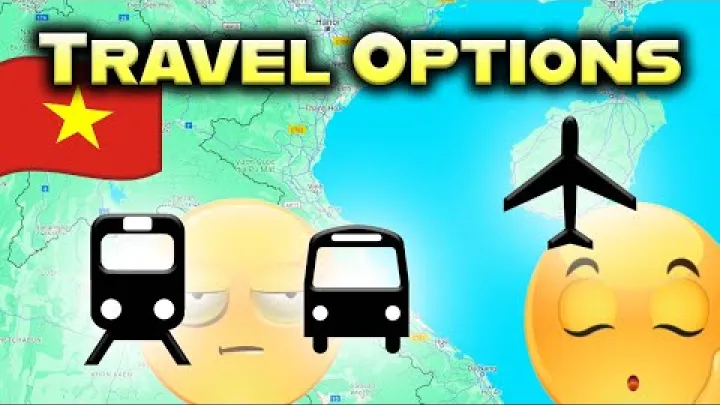
Ground transport can still be a good choice for shorter distances or when you want to see scenery and avoid airport procedures. When deciding, compare door-to-door time: travel to the airport, recommended arrival time, flight duration, baggage wait, and transfer to your accommodation. If your accommodation is far from the airport, the transfer time can reduce the advantage of flying.
Examples of typical patterns (durations vary by schedule and location):
- North-to-south split: start in Hanoi, fly to central Vietnam, then fly to Ho Chi Minh City (or the reverse).
- Central base: arrive in Da Nang, explore nearby areas, then fly to Hanoi or Ho Chi Minh City.
- Business plus leisure: fly into Ho Chi Minh City for meetings, then take a domestic flight to a beach destination.
For short trips, a single domestic flight can be the difference between seeing two regions and seeing only one. For longer trips, flying can still help, but you may prefer fewer flights to keep the pace comfortable.
How to book domestic flights smoothly
Smooth domestic booking starts with baggage planning and accurate passenger details. Domestic fares may include different baggage limits than international segments, and low-cost models may require you to add baggage during booking to avoid higher airport fees. Name matching is essential: use the same spelling as your passport, and keep your booking confirmation accessible in case you need to re-enter details during check-in.

If you are combining an international arrival with a domestic hop, allow extra time for immigration and baggage collection. Even when flights appear close together on a schedule, real arrival time can vary, and baggage delivery can take time. If possible, book an itinerary with a longer buffer or consider staying overnight in the arrival city. This is especially helpful if a missed domestic flight would disrupt hotel check-ins or tours.
Mini checklist for day-of-flight (domestic):
- Documents: passport, any required visa documentation, and your booking reference.
- Terminal: confirm the correct terminal for domestic departures.
- Baggage: re-check carry-on size and weight limits before leaving your hotel.
- Batteries and power banks: follow airline rules for lithium batteries in carry-on baggage.
- Boarding time: arrive early in busy periods to avoid missing boarding cutoffs.
Download confirmations and store them offline. Connectivity can be inconsistent in transit, and having a PDF or screenshot helps if you need to show booking details at the airport.
Building simple domestic itineraries that reduce backtracking
Backtracking is one of the most common reasons travelers feel rushed in Vietnam. A simple way to reduce it is to use an open-jaw structure: arrive in one city and depart from another. This avoids returning to your starting point just to catch an international flight. Another approach is to use a hub city, such as Hanoi or Ho Chi Minh City, for a short domestic hop in the middle of the trip, then continue onward without repeating the same route.

Popular domestic destinations often reached by air include major cities and leisure areas that are far apart by road. The exact frequency of flights can change by season, so treat schedules as variable and confirm close to travel. If you plan to visit an island or a smaller airport, confirm baggage limits and check-in cutoffs, which can be stricter on certain routes or aircraft types.
Itinerary templates you can adapt:
- Point-to-point: Arrive Hanoi, travel south with one domestic flight, depart Ho Chi Minh City.
- Three-region loop (with limited flights): Arrive in the north, fly to central, then fly to the south and depart.
- Hub-and-spoke: Arrive Ho Chi Minh City, take a domestic round trip to a leisure destination, then continue.
Try to avoid one-day plans with multiple flights unless you have strong buffers. Fewer same-day segments reduce the chance that a single delay creates a chain of missed connections and extra costs.
Practical Planning: Entry Rules, Safety, Sustainability, and Weather
Beyond routes and prices, practical planning protects your trip from avoidable problems. Entry rules vary by nationality and can change, so documentation checks should happen before you buy nonrefundable tickets. Safety planning for aviation is mostly about traveler actions: packing correctly, arriving early, and understanding how to respond to disruptions.
Weather and sustainability are also part of modern trip planning. Seasonal storms can disrupt flights, and sustainability programs are evolving across the aviation industry. You do not need to be an expert, but you should know what to check and how to plan buffers when conditions are less predictable.
Visas and entry documentation basics
Because policy details can change, confirm requirements using official government sources and the airline’s travel documentation guidance before booking, and verify again close to departure.

Some travelers plan around special entry concepts, such as visa-exemption arrangements associated with specific destinations like Phu Quoc for eligible arrivals under certain conditions. Treat these as policy-dependent and verify the exact terms and eligibility before you book nonrefundable flights or plan onward domestic connections. Airlines can also apply document checks before boarding, so meeting airline requirements is as important as meeting border control requirements.
Documentation pitfalls to avoid:
- Passport validity that does not meet required remaining months at entry.
- Name mismatch between passport and ticket, including missing middle names where required.
- Incorrect passport number or date of birth on the visa application.
- Not meeting onward travel requirements where applicable for your nationality.
If you are transiting through another country, also check transit visa rules for that airport and nationality. A valid Vietnam visa does not automatically cover transit requirements elsewhere.
Aviation safety and what travelers can do
Aviation safety involves regulators, airlines, and airport operations working together, and Vietnam’s aviation authority maintains national planning and oversight frameworks. For travelers, the most practical focus is how to reduce personal risk and stress. Follow baggage rules, respect cabin crew instructions, and plan realistic connection times so you are not forced into rushing through terminals or cutting it close to boarding.
Disruptions such as delays, cancellations, or schedule changes can happen in any country and on any airline. The best preparation is knowing your rebooking channels and keeping records. If you booked directly with an airline, start with the airline’s official app, website, or airport service desk. If you booked through an online travel agency, the agency may control changes, so confirm in advance who issues rebookings and refunds.
Steps that help during disruptions:
- Use the airline app or official site first to confirm the current status.
- Keep receipts for additional costs if your fare rules or local rules allow claims.
- Ask whether you are being rebooked on the next available flight and what options exist.
- If you have separate tickets, notify the second airline if you will miss check-in.
Avoid relying on rankings or changing claims about which airline is “best.” Instead, choose based on clear policies, reasonable connections, and fare rules that match your flexibility needs.
Sustainability changes that may affect flying
Sustainability in aviation is evolving through fuel efficiency improvements, reporting frameworks, and optional passenger programs. Some airlines offer carbon offsetting options during booking, and international schemes such as CORSIA influence how emissions are accounted for and reported over time. For most travelers, the immediate impact is that sustainability-related options may appear during checkout or in airline communications, and costs and availability may vary by route and year.
Some airlines have introduced Sustainable Aviation Fuel usage on selected routes, but availability is route-specific and depends on supply chains and airport infrastructure. Do not assume that an airline’s general announcement applies to your specific flight. If sustainability is important to you, verify claims using the airline’s current disclosures for the route, aircraft, and time period you are flying.
Neutral ways travelers can reduce impact without complicating the trip:
- Choose fewer flight segments when possible, because takeoff and landing are emissions-intensive phases.
- Prefer itineraries with reasonable load factors and fewer repositioning legs, when you can compare like-for-like.
- Select voluntary offsets only where offered transparently, and keep the receipt for your records.
Keep expectations realistic. Sustainability practices differ by airline and can change, so treat sustainability information as something to review at booking time rather than a fixed feature.
Weather and season planning by region
Travelers sometimes assume the whole country shares the same season, but conditions can differ significantly across regions in the same month. These differences matter for Vietnam flights because weather can influence delays, reroutes, and the need for buffer days when you have tight plans.

Storm seasons and heavy rain periods can increase disruption risk, especially for itineraries with multiple segments or small buffer times. If you must travel during storm-prone months, plan with flexibility: choose fares that allow changes, avoid tight domestic connections, and consider travel insurance that covers weather-related disruptions under clear terms. The goal is not to avoid travel, but to design an itinerary that can absorb a delay without collapsing.
| Region | Typical planning focus | Flight planning suggestion |
|---|---|---|
| North (e.g., Hanoi region) | Seasonal temperature changes | Allow buffer for fog or low-visibility periods when relevant |
| Central (e.g., Da Nang region) | Coastal weather shifts | Avoid stacking multiple flights in one day during storm-prone periods |
| South (e.g., Ho Chi Minh City region) | Wet and dry season patterns | Plan extra time for airport transfers during heavy rain and traffic |
If your itinerary includes more than one region, plan your flights and hotel bookings with changeability in mind. A small buffer day can protect expensive plans like cruises, events, or international departures.
Frequently Asked Questions
What is the best arrival airport for a first trip to Vietnam?
The best arrival airport is the one closest to your first main region: Hanoi for the north, Ho Chi Minh City for the south, and Da Nang for the central coast. This reduces backtracking and saves time and money on domestic flights. If you are unsure, compare flight schedules and ground transfer convenience, then choose the option with the simplest first day.
Are one-stop flights to Vietnam safe and practical for most travelers?
Yes, one-stop flights are practical for most travelers when the connection time is realistic and the itinerary is on a single ticket. Choose a connection that allows time for terminal changes, security, and possible delays. If you book separate tickets, treat it as a self-transfer and add several hours of buffer or an overnight stop.
Do cheap flights to Vietnam usually include checked baggage?
No, many of the cheapest fares do not include checked baggage, especially on low-cost carriers. Always check both carry-on and checked baggage limits before paying. Add baggage during booking if you need it, because airport add-ons can be more expensive.
Should I book an international flight and a domestic Vietnam flight on the same day?
It is possible, but it is risky unless you have a long buffer and understand the transfer steps. After arriving internationally, you may need time for immigration, baggage claim, and re-checking luggage. If your domestic flight is on a separate ticket, missing it can mean buying a new ticket, so an overnight stop is often safer.
How can I compare Vietnam flights fairly across different booking sites?
Compare the same dates, cabin type, and baggage assumptions across all searches. Use a tool to shortlist routes, then confirm the final price and fare rules on the airline website. Save the fare conditions and your receipt so you can reference what you purchased.
What should I do if my Vietnam flight schedule changes after I book?
Check your booking in the airline’s official app or website and confirm the new times and terminals. If the change breaks your connection or arrival plan, contact the seller that issued your ticket, which may be the airline or a travel agency. Keep screenshots of the change notice and your original itinerary to support rebooking discussions.
Conclusion: A Simple Checklist for Booking Vietnam Flights Confidently
Vietnam flights are easiest to manage when you decide the trip structure first, then shop for fares inside those constraints. Start with the arrival city that matches your itinerary, then choose between nonstop and one-stop options based on time, budget, and connection tolerance. Finally, select a fare type that matches your baggage needs and flexibility requirements, and plan airport transfers so your first day is simple.
The checklist below focuses on actions you can take before booking and in the final days before departure. Using it consistently helps you avoid common problems such as unexpected baggage fees, tight self-transfers, and documentation errors that can prevent boarding.
Key takeaways to apply before you book
Before you pay, confirm the essentials that drive real cost and real convenience: arrival city, number of stops, and whether the connection is protected on one ticket. Then verify baggage allowances and change rules for your specific fare type, not just the airline in general. A deal is only a deal if it fits your trip constraints, including onward travel and the time you need to rest after landing.
Use this pre-booking checklist for Vietnam flights:
- Arrival city: Hanoi, Ho Chi Minh City, or Da Nang based on your first region.
- Stops: nonstop versus one-stop, with realistic connection time.
- Ticket structure: one ticket versus separate tickets for connections.
- Baggage: carry-on and checked allowances you actually need.
- Flexibility: change and refund rules, including no-show conditions.
- Passenger details: names match passport exactly.
- Entry and transit rules: visa requirements for Vietnam and any transit country.
- Ground plan: airport-to-city transport option for your arrival time.
If two itineraries look similar, choose the one with fewer risk points: fewer segments, longer buffers, and clearer rules. This often saves money and time later, even if the base fare is slightly higher.
Final preparation for travel day
In the final days before departure, focus on confirmation and backups. Re-check your terminal and airport details, because airlines can change terminals or retime flights. Confirm your visa or entry documents, and ensure your passport details match what you entered in your booking. Download boarding passes and confirmations when available, and store copies offline so you can access them without mobile data.

If your itinerary includes a connection or a domestic flight, plan contingencies. Identify what happens if your first flight is delayed: the next available flight options, whether your connection is protected, and whether you might need an overnight stay. If you are traveling as a group, align everyone’s documents and baggage plans so check-in is faster.
Troubleshooting: what to do if your flight is changed, re-timed, or moved to a different terminal:
- Confirm the change on the airline’s official channels, not only via email.
- Check whether the change affects your connection time or ground transport plan.
- Contact the ticket issuer (airline or agency) to request alternatives if the change makes the itinerary impractical.
- Update any domestic flights, hotels, or transfers that depend on the new arrival time.
Keep key information accessible offline: passport photo page copy (where appropriate), visa confirmation, itinerary PDFs, and hotel addresses. This reduces stress at check-in and on arrival, especially if you face long lines or limited connectivity.
Select area
Create a post
Posting is free and no registration is required.