- Tay Son Heaven and Earth Esplanade: Historic Shrine in Quy Nhon
- Quang Trung Museum: Tay Sơn History & Culture in Quy Nhon
- Banh It Cham Towers: Ancient Heritage & Photography in Quy Nhon
- The Thon Beach in Cat Tien: Clean Shores & Affordable Watersports
- Linh Phong Pagoda in Quy Nhon: The Sacred Mountain Temple
Vietnam Garden Guide: Traditions, Design Ideas, Plants, and Practical Tips
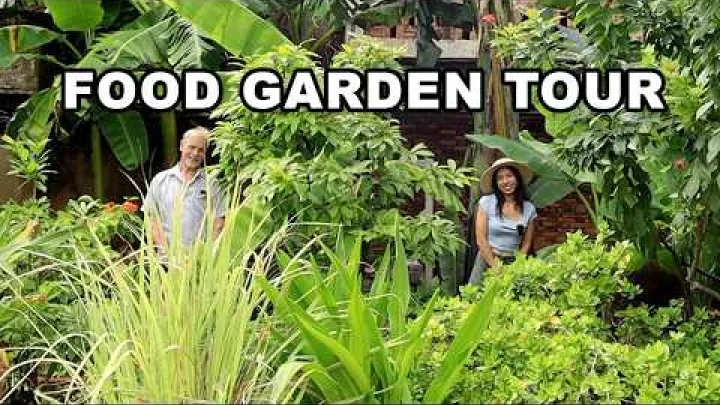
A Vietnam garden can be a grand heritage landscape, a temple courtyard, a city rooftop full of pots, or even a local listing for a business using the name. This guide explains Vietnamese garden traditions and the design ideas that often repeat across regions: water and stone, layered planting, and calm spaces for movement and reflection. You will also find practical, apartment-friendly steps for building a Vietnamese-inspired garden at home, including herbs used in everyday Vietnamese cooking. If you are searching online for a place named Vietnam Garden, a later section helps you confirm locations, read menus, and interpret reviews carefully.
What a Vietnam Garden Can Refer To
The phrase “Vietnam garden” is broad. Some people mean traditional Vietnamese garden design, while others mean a place to visit in Vietnam, such as a landscaped park or a flower-growing attraction. In many countries, “Vietnam Garden” is also a common business name, especially for restaurants, so search results can look unrelated to cultural gardens. Understanding the context helps you find what you actually need, whether that is travel planning, cultural background, or ideas for your own outdoor space.
A practical definition: from heritage landscapes to home spaces
In the most practical sense, a Vietnam garden can refer to several different settings. It can mean heritage landscapes connected with palaces, mausoleums, or historic homes, where water, stone, and carefully chosen plants create an ordered and symbolic space. It can also mean temple grounds and pagoda courtyards, where gardens support quiet walking, offerings, and community gatherings. For everyday life, it can refer to home gardens that prioritize edible herbs, small fruit trees, and pots arranged for light and airflow.
Travelers may also encounter “Vietnam garden” as a label for a tourist attraction, a flower park, or a photo-friendly landscaped complex. In addition, you may see “Vietnam Garden” used as a restaurant or café name, which is a different category entirely. This article focuses mainly on Vietnamese garden traditions and practical inspiration for home and travel. Later, it also explains how to interpret local listings for places named “Vietnam Garden” so you can confirm you have the correct location before you visit.
Many Vietnamese-inspired garden spaces share recurring themes: harmony with nature, balance between solid forms (rocks, walls, pavilions) and soft forms (plants, water), and symbolism in plant choices. These themes can be scaled down to small spaces, including balconies and rooftops, by using containers, compact water bowls, and a few strong focal points. You do not need a large yard to borrow the feeling of a Vietnamese garden.
| Type of “Vietnam garden” | Main purpose | Typical elements | Where you may encounter it |
|---|---|---|---|
| Heritage or imperial-style landscape | Ceremony, reflection, heritage preservation | Ponds, pavilions, framed views, curated plantings | Historic districts and heritage sites |
| Temple or pagoda garden | Quiet movement, spiritual atmosphere | Courtyards, shade trees, incense areas, water bowls | Sacred sites and community spaces |
| Home, balcony, rooftop garden | Food, comfort, microclimate cooling | Containers, herbs, small trees, simple seating | Urban neighborhoods and apartments |
| Market or flower display area | Buying plants, seasonal decorating | Potted ornamentals, seasonal trees, supplies | Flower markets, especially near holidays |
| Business named “Vietnam Garden” | Dining or commerce | Menus, reviews, photos, operating hours | Many cities worldwide |
How geography and climate shape garden styles in Vietnam
Vietnam stretches across a long range of latitudes and landscapes, so garden choices are strongly influenced by local conditions. In cooler northern areas, seasonal changes can be more noticeable, which affects bloom cycles and how quickly tender plants recover from cold snaps. In the warmer south, tropical and subtropical plants can grow continuously, which changes pruning rhythms and increases the need for airflow and pest monitoring. Coastal cities often deal with wind and salt exposure, while highland regions can have cooler nights that favor different ornamentals and vegetables.

Seasonal display culture is especially visible around Lunar New Year (Tet), when many households and public spaces decorate with flowers, ornamental trees, and potted plants. The exact timing of blooms varies by region and weather, so it is best to think in terms of “seasonal windows” rather than fixed dates. Urban density also shapes garden style. When ground space is limited, people use containers, rooftops, narrow courtyards, and vertical supports, which encourages practical plant choices and compact design elements.
If you want Vietnamese-inspired planting outside Vietnam, focus on matching conditions rather than copying a specific plant list. Use this checklist to adapt ideas to your location:
- Temperature range: note your usual winter lows and summer highs, and choose plants that can tolerate them.
- Rainfall and humidity: plan for drainage and airflow if your climate is humid, or for watering support if it is dry.
- Light: measure direct sun hours on your balcony or yard; many herbs need bright light, while some ornamentals prefer filtered sun.
- Space and weight limits: rooftop and balcony gardens must respect building rules and structural limits.
- Maintenance time: choose fewer, stronger focal plants if you travel often or work long hours.
Who this guide is for and how to use it
This guide is written for international readers who want a clear, practical understanding of the Vietnam garden idea. Travelers can use it to recognize common features in heritage sites, temples, markets, and landscaped attractions, and to visit respectfully. Students preparing to study abroad can use it as cultural background that explains why certain plants and layouts appear repeatedly in public spaces. Remote workers and relocating professionals can use it to build a comfortable home environment, even in an apartment, by borrowing simple Vietnamese-inspired design elements.
The sections are arranged so you can read according to your goal. The history and philosophy section explains why gardens are designed for movement, contemplation, and changing viewpoints. The design and plants sections turn those ideas into recognizable elements such as water features, rocks, lotus symbolism, and seasonal flowers. The practical section focuses on containers, herbs, routine care, and small water features that work in compact spaces. A later section addresses online searches for places named “Vietnam Garden,” including how to confirm listings and read menus and reviews carefully.
Quick start reading paths:
- If you want design ideas for home: start with “Design Principles and Signature Elements” and “How to Create a Vietnamese-Inspired Garden at Home.”
- If you want cultural context: start with “Historical and Philosophical Roots of Vietnamese Gardens” and “Plants and Symbols in Vietnamese Garden Culture.”
- If you are planning travel: start with “Modern Garden Culture and Places to Experience in Vietnam” and “Respectful visiting.”
- If you searched a business name: go to “Finding a Place Named Vietnam Garden.”
Historical and Philosophical Roots of Vietnamese Gardens
Vietnamese gardens did not develop as a single uniform style. They reflect layers of philosophy, local materials, climate, and the practical realities of daily life. Still, many gardens share a consistent intention: to shape nature without overpowering it, and to create a space that feels calm, balanced, and meaningful. For visitors and home gardeners, learning the basic ideas behind layout and symbolism makes it easier to recognize Vietnamese influences even in small courtyards or modern public parks.

Core influences: Confucian order, Taoist balance, and Buddhist meaning
Vietnamese garden-making has been influenced by multiple belief systems over centuries, and many spaces combine them without strict separation. Confucian ideas can be seen in a preference for order, clear boundaries, and a sense of hierarchy, especially in formal or ceremonial spaces. This may appear as a main axis, symmetrical arrangements, or a deliberate sequence of entrances and courtyards. Even when a garden feels natural, it is often organized to guide movement in a respectful way.
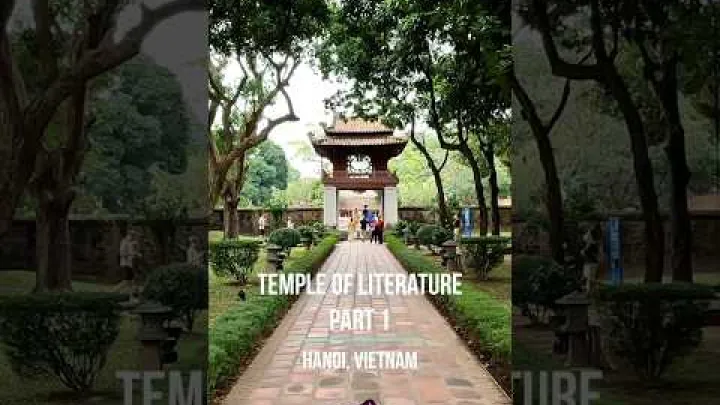
Taoist thinking emphasizes balance and harmony with natural forces, which supports the use of contrasting elements: water and rock, shade and light, open space and enclosure. Buddhist meaning often connects gardens with quiet reflection and the reminder that beauty is temporary and seasonal. In practical terms, this can appear as a calm sitting corner, a path designed for slow walking, or a framed view that changes as you move.
Feng Shui is frequently used as a planning lens in Vietnamese contexts, especially for orientation, flow, and balance of elements. It is best understood as a set of principles rather than fixed rules. Observable examples include placing water as a visual focus, using plants to soften hard edges, and avoiding clutter so the space feels breathable. When you visit or design a Vietnamese-inspired garden, pay attention to how the layout encourages a sequence of views instead of revealing everything at once.
Imperial and mausoleum gardens as a heritage model
Heritage landscapes associated with Vietnam’s imperial history offer a useful reference point for understanding garden aesthetics, even if you never plan to replicate them. These complexes often combine ceremonial space with residential and reflective areas, showing how gardens can serve multiple functions. The same landscape may support formal gatherings, daily rest, and quiet contemplation, depending on where you stand and how you move through it.

In broad terms, the heritage model often emphasizes controlled composition. Water is used not only for beauty but also for reflection and temperature moderation. Curated plantings create seasonal rhythm, while pavilions and covered walkways offer shelter from sun and rain. Rock and stone features provide permanence and contrast, anchoring the softer growth of trees and flowering plants.
Without relying on site-specific measurements or restoration claims, it is still safe to say that heritage gardens there often highlight layered courtyards, water elements, and framed viewpoints. What visitors typically notice includes:
- Water surfaces used as a central calm element
- Pavilions or shaded structures positioned as viewing points
- Stone steps, paths, and thresholds that control pacing
- Curated plants that create a sense of season and symbolism
Miniature landscapes and rock-water compositions
A distinctive ornamental tradition in Vietnam is the miniature landscape composition often searched as “hòn non bộ.” The idea is to represent a larger natural scene in a smaller space using scaled rocks, plants, and sometimes water. It can appear in courtyards, temples, gardens, and private homes, acting as both decoration and a focus for quiet observation. Even when it is small, it can carry the feeling of mountains, islands, or river scenery.
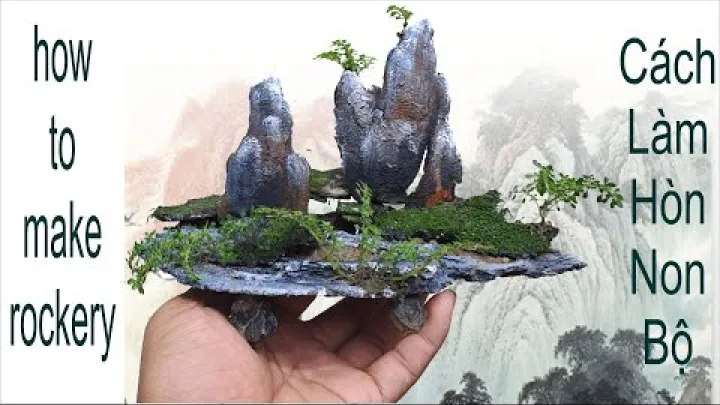
These compositions typically rely on contrast and proportion. Rocks provide the “bones” of the scene, while plants soften edges and create a sense of age and weathering. If water is included, it adds sound, reflection, and movement. The goal is not to create a perfect replica of nature, but to create a balanced micro-landscape that feels believable from a short distance.
If you want to try a simple, beginner-friendly version at home, you can build a small rock-and-water composition without specialized tools:
- Choose a stable container: a wide, shallow pot or waterproof bowl that will not tip easily.
- Create a base: add a layer of gravel for drainage if you are planting, or keep it sealed if you are making a water-only bowl.
- Place one main stone first: pick a stone that is heavier than the rest and set it slightly off-center for a natural look.
- Add supporting stones: keep them lower, and ensure every stone sits firmly without wobbling.
- Add a small plant or two: choose compact, slow-growing plants suitable for your light conditions.
- Optional water element: use a small recirculating pump or refresh water often to reduce algae.
For safety and maintenance, treat any standing water as a responsibility. Keep water clean, prevent mosquito breeding by moving or changing water regularly, and place the feature where spills will not damage floors. If children or pets can access the area, choose shallow designs and avoid loose stones that could be pulled down.
Design Principles and Signature Elements
Vietnamese-inspired garden design is often easy to recognize because it uses a few strong elements with clear roles. Water cools and reflects; stone adds structure; paths control pace; and simple structures create shade and viewpoints. These elements can be used in a large yard, a compact courtyard, or even a balcony, as long as the design stays intentional and uncluttered. The most successful spaces usually prioritize comfort, safe movement, and a calm visual rhythm rather than filling every corner.
Water features: function, atmosphere, and placement logic
Water features appear in many Vietnamese garden contexts because they do several jobs at once. Water can cool the immediate area, provide gentle sound, and create reflection that makes a small space feel larger. Common forms include ponds, narrow channels that suggest a stream, simple fountains, and small cascades. Even a shallow water bowl with floating plants can create the same calming effect if it is kept clean.

In Feng Shui-based thinking, water is often associated with positive flow and balance, but it should still be approached as general guidance rather than a strict rulebook. Practically, the “logic” of placement is about experience and maintenance. Place water where you can see it from a seating area or main entry, and where you can easily reach it for cleaning. Avoid placing water where it will constantly collect leaf litter or where overflow could damage walls and floors.
Before installing any outdoor water feature, consider circulation, cleanliness, and safety. Stagnant water tends to attract algae and insects, so either keep it moving or refresh it often. Households with children or pets may prefer shallow basins, covered reservoirs, or pondless systems. In apartments, also consider balcony weight limits, electrical safety for pumps, and any building rules about drainage or water runoff.
| Water feature type | Pros | Cons | Typical maintenance level |
|---|---|---|---|
| Pond | Natural look, supports aquatic plants, strong reflection | Higher safety responsibility, more cleaning, may need filtration | Medium to high |
| Fountain | Good sound, water movement reduces stagnation, compact options | Can splash, pump needs care, mineral buildup possible | Medium |
| Pondless recirculating feature | Lower drowning risk, hidden reservoir, often easier to clean | Still needs pump access and cleaning, setup planning required | Low to medium |
| Sealed water bowl | Simple, affordable, fits balconies, easy to reposition | Needs frequent refreshing, can warm quickly in sun | Low if refreshed often |
Rocks, paths, and framing: creating depth in small spaces
Stone and rock elements give a Vietnamese-inspired garden a sense of permanence. They also create contrast: hard texture against soft leaves, stillness against the movement of water, and simple geometry against organic growth. In small spaces, a few well-chosen stones can do more than many small decorative objects. Stones can act as anchors for planting, edging for water bowls, or visual markers that guide the eye through the space.
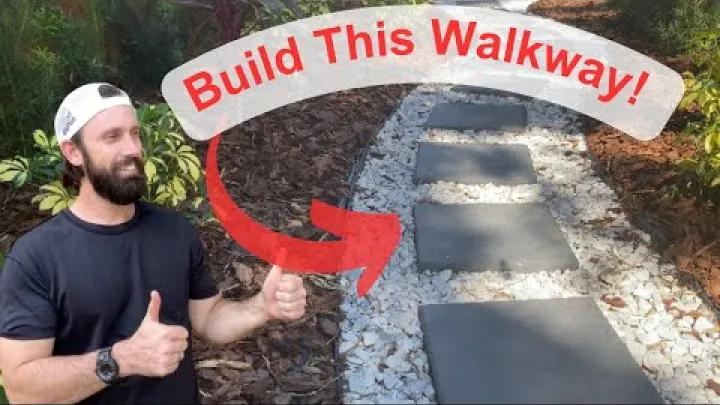
Paths and stepping stones help set the pace of movement, which changes how a garden feels. A slow, deliberate path encourages observation and makes a compact courtyard feel larger. A straight path can feel formal, while a slightly curved path can feel more natural. If your space is very small, a single stepping stone leading to a chair can still create a “journey” that separates the garden from the rest of the home.
A useful concept is “borrowed scenery,” meaning you frame a view that includes something outside your garden, such as a distant tree canopy, a sky view, or a neighboring wall softened by vines. You can also create framed viewpoints inside the garden by using a tall plant or screen to partially hide what is beyond, then revealing it as you move. This approach is translation-friendly: it is simply the idea of showing the garden in stages.
Stone selection and safety checklist:
- Size: choose stones heavy enough to be stable, especially near paths.
- Texture: avoid very slippery surfaces where people will step, especially in rainy climates.
- Placement: set stones into the soil or gravel so they do not rock underfoot.
- Drainage: do not block drainage paths; water should have a safe route away from buildings.
- Balance: use one or two main stones as focal points, then fewer supporting stones.
Garden structures: pavilions, bridges, and courtyard composition
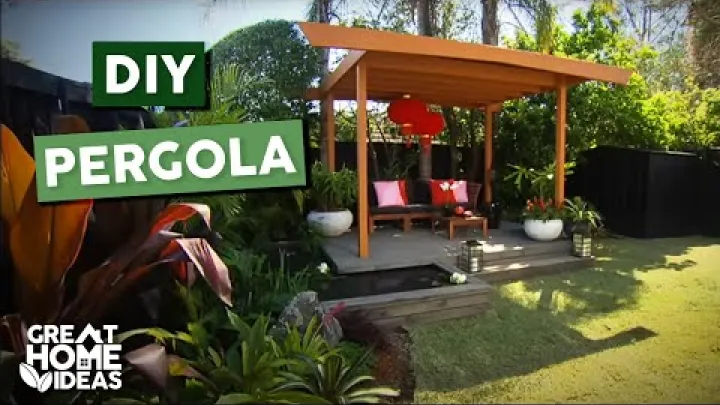
Simple structures often define how Vietnamese garden spaces are used. A pavilion, covered corner, or shaded bench provides a place to sit during heat or sudden rain. It also creates a clear purpose for the garden: not just something to look at, but a place to spend time. In heritage contexts, pavilions can be positioned to face water or to capture breezes. In homes, a small covered seating area can serve the same function without major construction.
Bridges, even small ones, act as transitions. They can cross a pond, a narrow water channel, or even a dry gravel bed that suggests water. Visually, a bridge can become a focal accent that breaks up a wide open area. Functionally, it helps guide walking routes so visitors follow a natural sequence rather than cutting through planting beds.
Modern alternatives can scale from apartments to larger gardens. Consider a pergola, a simple awning, a privacy screen, or balcony shade cloth to create a comfortable sitting area. In tight courtyards, vertical screens can provide “walls” that frame views and support climbing plants. For accessibility and safety, prioritize non-slip surfaces, stable steps, and appropriate lighting for evening movement. If you add rails to steps or bridges, choose a height and spacing that is safe for children, and check local building requirements before installing permanent structures.
Plants and Symbols in Vietnamese Garden Culture
Plants in Vietnamese garden culture are often chosen for both practical and symbolic reasons. Some plants are valued because they thrive in local conditions and provide shade, fragrance, or food. Others are valued because they carry cultural meaning connected to purity, prosperity, or seasonal renewal. For international readers, it helps to separate meaning from horticultural care: you can appreciate symbolism even if you choose a different plant that suits your climate.
Lotus and aquatic planting as cultural symbols
The lotus is widely recognized as a major cultural symbol in Vietnam, often associated with purity and calm presence. Lotus imagery appears in art, architecture, and public decoration, which is one reason water gardens are so prominent in Vietnamese visual culture. In garden design, lotus and other aquatic plants also create a distinct atmosphere: broad leaves, quiet reflections, and a sense of coolness that contrasts with surrounding heat.
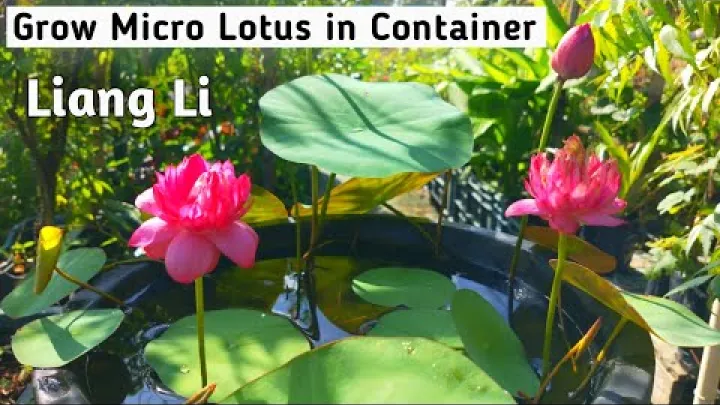
Aquatic planting can be functional as well as symbolic. Floating and emergent plants can shade water, which may help reduce excessive warming and limit some algae growth. Leaves and stems create habitat for small aquatic life, and the combination of water and plant form can soften hard lines in a courtyard. Even if you do not grow lotus, water plants with similar leaf forms can provide a related visual effect.
For home gardeners, the simplest approach is a container water bowl placed where it receives appropriate light. Use a sturdy container, keep it level, and plan for safe water changes. Ethical purchasing matters with aquatic plants because some species can be invasive in certain regions. Buy from reputable sellers, avoid releasing plants into natural waterways, and check local guidance if you are unsure. If your area has strict rules about aquatic species, choose non-invasive ornamentals or focus on a dry rock-and-plant composition instead.
New Year flowers and seasonal displays
The exact timing of blooms varies by region and weather, so it is best to think in terms of “seasonal windows” rather than fixed dates. Plants frequently associated with Tet include peach blossoms (often referenced in northern contexts), yellow apricot blossoms (often referenced in southern contexts), kumquat trees, chrysanthemums, and marigolds. These displays are usually temporary, and many are sold as potted plants that can be kept for weeks with good care. What matters most is timing your purchase so the plant looks healthy and holds its display through the holiday period.

If you buy a seasonal potted plant, focus on stable care basics: bright light, consistent watering without waterlogging, and protection from temperature extremes. Indoors, keep flowering plants away from direct heat sources and drying drafts. If you have a cool night climate, bring sensitive plants inside or provide shelter. Avoid heavy fertilizer during peak flowering unless the seller gives clear instructions, because overfeeding can shorten blooms in some ornamentals.
| Seasonal display plant (common reference) | Visual highlight | Care difficulty (general) | Often suitable indoors? |
|---|---|---|---|
| Peach blossom branches or potted peach | Soft pink flowers | Medium (timing-sensitive) | Sometimes, in bright cool rooms |
| Yellow apricot blossom (mai) | Yellow flowers | Medium | Sometimes, with strong light |
| Kumquat | Orange fruit display | Medium | Short periods, if very bright |
| Chrysanthemum | Dense, colorful blooms | Low to medium | Often, in bright rooms |
| Marigold | Warm yellow-orange blooms | Low | Better outdoors, but can work in bright spots |
Bamboo, ornamental trees, and the role of pruning
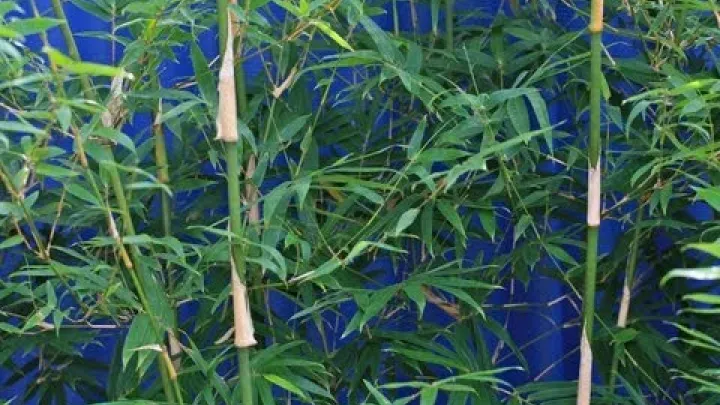
Bamboo is visually common in Vietnamese landscapes because it can provide screening, movement, and sound as wind passes through leaves. It can also create a strong vertical accent that contrasts with low rocks and water surfaces. In home gardens, bamboo can serve as a privacy screen on a balcony or courtyard edge, but it must be chosen carefully because some types spread aggressively if planted in open ground.
Ornamental tree shaping is also visible in Vietnamese public spaces and temple areas. You may see bonsai-style trees in pots and topiary forms that emphasize clear structure. These practices highlight form, proportion, and the patient shaping of growth over time. For beginners, it is important to keep goals modest. Light pruning to remove dead or crossing branches is safer than heavy shaping, and it is better to learn plant-specific timing before making major cuts.
Containment strategies for bamboo and vigorous plants can keep maintenance manageable:
- Use large pots or planters for containment rather than open ground.
- If planting in soil, consider a physical barrier designed to limit spreading roots, and monitor edges regularly.
- Choose clumping varieties when possible, since they are generally easier to manage than running types.
- Keep pruning tools clean and sharp for safe cuts and reduced disease risk.
As a general safety rule, do not prune near power lines, and avoid working on ladders in wet conditions. If a tree is large or close to structures, professional help is safer than attempting major pruning yourself.
Culinary herbs as a living part of the garden
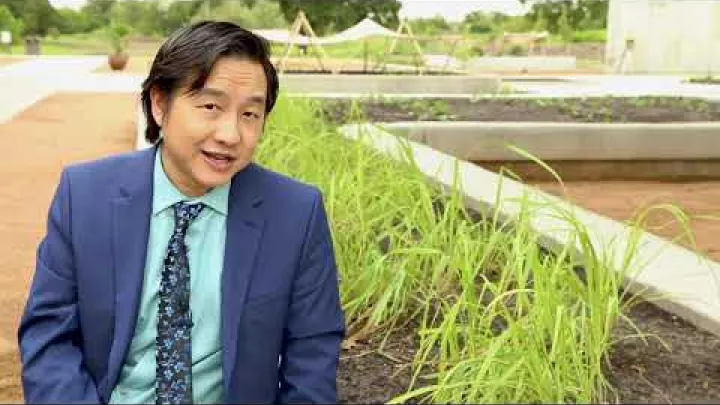
Fresh herbs add fragrance and balance to meals, and many can be grown in small containers near a kitchen window, on a balcony, or on a rooftop. For international readers, growing a few Vietnamese cooking herbs can make home cooking easier and reduce dependence on specialty shopping.
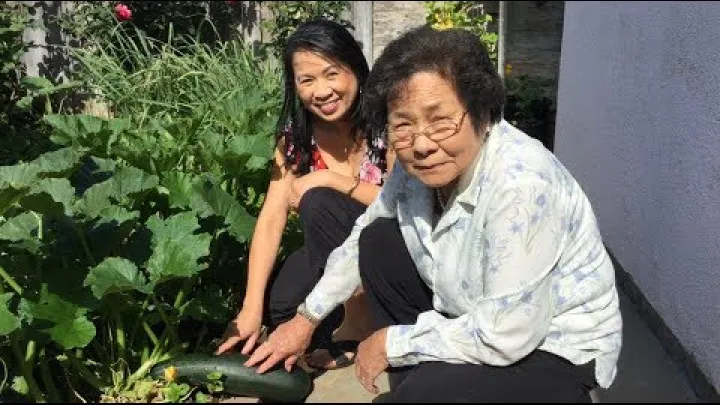
Common examples used in Vietnamese cooking include mint, Thai basil, cilantro, Vietnamese coriander (often called rau ram), perilla (tia to), lemongrass, and chives. Availability and names vary by country, and correct identification matters because some herbs have look-alikes. If you are buying seeds or seedlings, confirm the plant label carefully and avoid harvesting from unknown sources.
A simple starter herb set for beginners focuses on plants that are often forgiving in containers:
- Mint (best kept in a pot to prevent spreading)
- Basil or Thai basil
- Cilantro (often prefers cooler conditions)
- Chives
An expanded set for experienced growers can include lemongrass (needs space), Vietnamese coriander (can spread in warm weather), perilla, and other regional greens. Use pesticide products with caution and follow local regulations; for edible plants, many gardeners prefer non-chemical methods like hand removal of pests, washing leaves, and improving airflow. If you have allergies or medical dietary restrictions, confirm ingredients and plant identity with extra care.
How to Create a Vietnamese-Inspired Garden at Home
You can create a Vietnamese-inspired garden in almost any living situation by focusing on a few core principles: one clear focal point, layered planting, and practical maintenance. Many Vietnamese home gardens are container-heavy, which makes them adaptable to apartments and rooftops. Instead of trying to copy a large heritage garden, aim to capture the experience: a calm corner with water or stone, edible herbs you will actually use, and a small place to sit and observe.
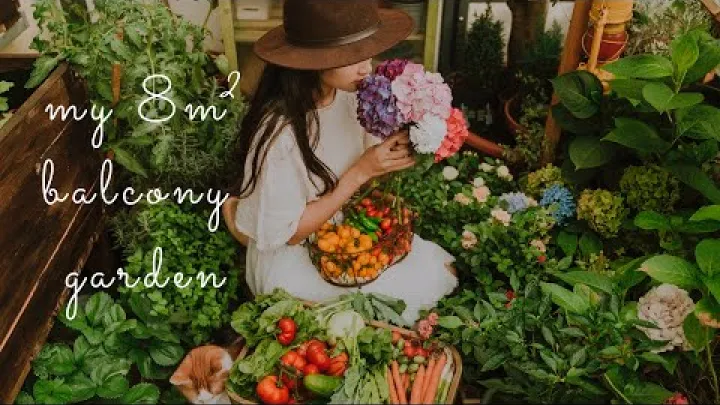
Container gardening for balconies, rooftops, and courtyards
Container gardening fits Vietnamese-style home gardening because it works well in dense cities and allows flexible plant placement. Containers let you control soil quality, drainage, and sun exposure, and they make it easier to reorganize your space as seasons change. They also help contain vigorous plants like mint and some types of bamboo. For renters and people living abroad, containers are often the simplest way to create a garden without permanent changes.
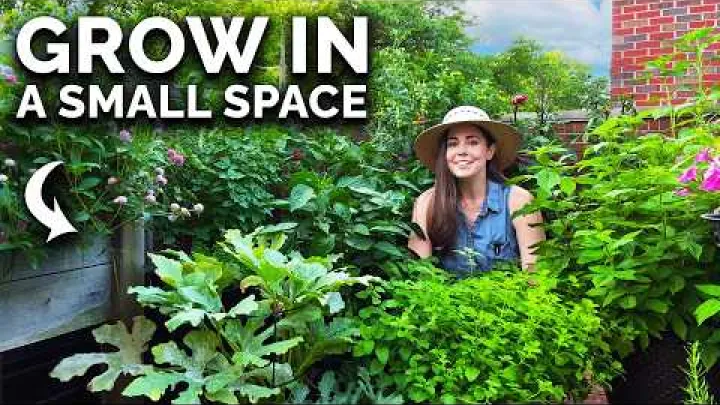
Start with fundamentals: choose containers with drainage holes, use a stable potting mix suitable for your plant types, and elevate pots slightly so excess water can escape. Match plant selection to your light. If you have limited sun, prioritize shade-tolerant ornamentals and leafy greens that can handle lower light. In very hot sun, use mulch and consistent watering to reduce stress.
A simple Vietnamese-inspired layout approach works in small spaces:
- One focal element: a water bowl, a tabletop fountain, or a striking stone arrangement.
- Layered plants: tall screen plants at the back, medium shrubs or herbs in the middle, and low groundcover-like pots near the front.
- A small seating spot: even a single chair that faces the focal element.
Weekend setup plan:
- Day 1: Measure sun and shade, confirm weight limits, and decide where drainage water can safely go.
- Buy or reuse containers: prioritize stability and drainage over matching styles.
- Day 2: Arrange the focal element first, then place large pots, then fill gaps with smaller herbs.
- Water thoroughly, check runoff, and adjust spacing for airflow.
- Write down what you planted and where, so you can track what performs best.
Growing Vietnamese cooking herbs outside Vietnam
Growing Vietnamese cooking herbs outside Vietnam is realistic when you focus on general care patterns rather than assuming every herb behaves the same everywhere. Many culinary herbs prefer bright light, regular watering, and frequent harvesting. Some, like cilantro, may bolt quickly in heat, while others, like basil, often thrive in warm conditions. The best approach is to start with two to four herbs, learn how they respond in your space, and expand gradually.
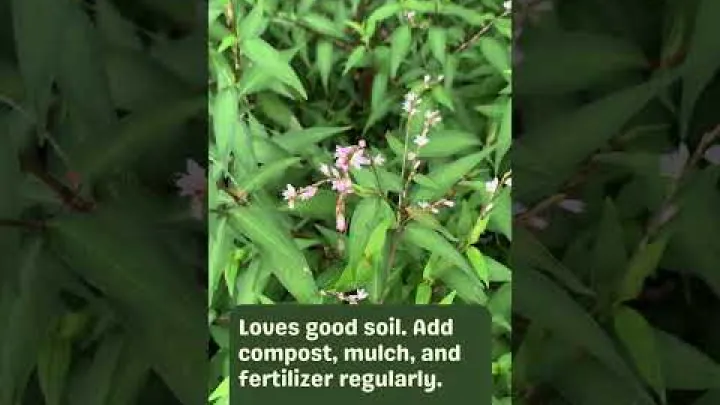
Sourcing can include local nurseries, specialty grocers with live herbs, seed sellers, and community plant sharing. If you travel internationally with plants or seeds, check local import and plant health rules, since many regions restrict plant materials to protect agriculture and ecosystems. When buying, look for healthy leaves, firm stems, and no obvious pest damage. Choose smaller, younger plants if you plan to repot, because they often adapt faster than root-bound plants.
To maintain continuous harvest in containers, use simple routines: pinch growing tips to encourage branching, re-sow fast herbs in small batches, and rotate pots so each plant gets even light. If you have different microclimates on a balcony, place heat-loving herbs in the sunniest spot and move more sensitive herbs to filtered light.
Troubleshooting common herb problems:
- Wilting in midday: likely heat stress or dry soil; water early, add shade during extreme heat, and consider a larger pot.
- Yellowing leaves: often overwatering or poor drainage; check holes, reduce watering frequency, and improve airflow.
- Bolting (fast flowering): common in heat for some herbs; harvest early and replant in cooler seasons or provide afternoon shade.
- Chewed leaves: likely insects; inspect undersides, remove pests by hand, and keep the area clean of fallen leaves.
Routine care: pruning, watering, and pest management basics
A container-heavy garden stays healthy when you follow a steady rhythm of small tasks rather than occasional major interventions. Weekly checks can prevent most problems from becoming severe. In humid conditions and tight courtyards, airflow matters because dense foliage can trap moisture and encourage disease. Spacing pots slightly apart and pruning lightly can make a noticeable difference.

A simple routine can look like this. Weekly: check soil moisture, remove dead leaves, inspect for pests, and rinse dust from leaves if your area is polluted or very dry. Monthly: refresh mulch, clean saucers and drip trays, check for root-bound plants, and clean water features. Seasonally: repot fast-growing herbs, replace tired soil in top layers, and prune shrubs for shape and light penetration.
Integrated pest management is a practical approach that starts with prevention and uses the least disruptive method first. Improve plant health with correct light and watering, remove damaged leaves, and isolate new plants for a short period if possible to avoid spreading pests. If you use treatments, choose targeted options appropriate for edible plants and follow local guidance carefully. Avoid routine spraying “just in case,” since it can harm beneficial insects and create resistance.
| Symptom | Likely cause | First response |
|---|---|---|
| Leaves droop but soil is wet | Overwatering or poor drainage | Pause watering, improve drainage, increase airflow |
| Brown leaf edges | Heat, wind, or salt stress | Add shade, move pots, flush soil with clean water if appropriate |
| White powdery coating | Possible fungal issue in stagnant air | Remove affected leaves, space plants, avoid wetting foliage late in day |
| Sticky residue on leaves | Aphids or scale insects | Wipe off, rinse, inspect regularly, isolate plant if needed |
| Small flying insects near soil | Often fungus gnats from wet soil | Let top soil dry slightly, improve drainage, reduce organic debris |
Small water features: low-maintenance options and safety
Small water features can deliver the most “Vietnam garden” feeling in the least space, but they require thoughtful planning. Apartment-friendly options include tabletop fountains, sealed water bowls, and pondless recirculating features where water is stored in a hidden reservoir. These options reduce the risk of spills and can be easier to clean than open ponds. For a calm visual effect, pair water with one or two stones and a compact plant rather than many decorations.
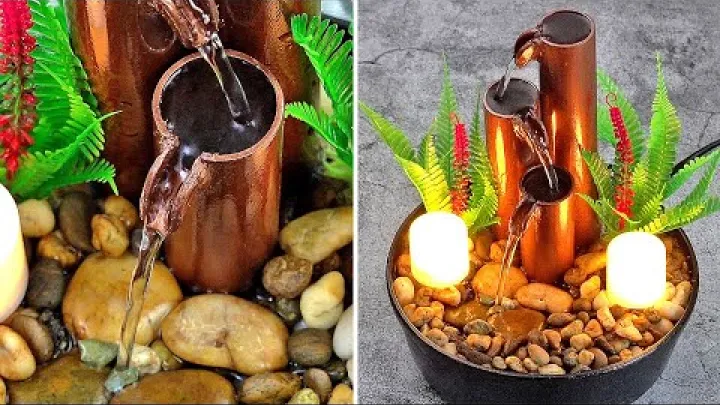
Maintenance priorities are simple: keep water moving or refreshed, keep surfaces accessible for cleaning, and reduce mosquito breeding risk. Moving water can help, but it is not a guarantee, so the safest practice is to refresh water regularly and avoid neglected standing water. If algae forms, reduce direct sun exposure, clean surfaces, and consider adding shade from plants or a screen. Always use outdoor-rated electrical equipment where relevant, and keep cords and plugs protected from rain.
Before installing any water feature, use this checklist:
- Weight: confirm balcony or rooftop load limits, including water weight and heavy stones.
- Electricity: ensure safe access to a protected outlet and keep cords out of walking paths.
- Drainage: plan where overflow or cleaning water will go without damaging neighbors’ spaces.
- Cleaning access: you should be able to reach the basin and pump without moving heavy objects.
- Child and pet safety: choose shallow designs, stable placement, and avoid small loose stones.
If you are unsure about building rules or safety, choose a sealed bowl with frequent water changes instead of a pumped installation. This still provides reflection and a cooling visual effect with minimal risk.
Modern Garden Culture and Places to Experience in Vietnam
Modern Vietnam has a strong public culture around flowers, plants, and seasonal decoration. Even if you are not a dedicated gardener, you can experience “Vietnam garden” culture through markets, public displays, and landscaped attractions that highlight local plant production. For travelers, these experiences can add context to daily life and festivals. For students and relocating professionals, they can also be a practical way to learn local plant names, compare pot sizes, and see what thrives in the region.
Flower markets and how plant buying works
Some markets operate very early in the morning or late at night because flowers and plants move quickly and benefit from cooler temperatures. The atmosphere can be busy, with vendors arranging bundles, watering pots, and preparing seasonal displays.

Visitors can often expect to see cut flowers, potted ornamentals, seasonal flowering branches, small trees, and basic garden supplies such as pots and soil. Around major holidays, especially Tet, markets may expand with larger seasonal trees and more decorative items. If you plan to buy plants while traveling, consider how you will transport them back to your accommodation, and whether your lodging has a balcony or window with enough light to keep the plant healthy.
Practical travel tips include asking before taking close-up photos, avoiding blocking walkways, and handling plants gently. Vendors may be working quickly, so short, clear questions help. Useful questions to ask include:
- How much sun does this plant need each day?
- How often should I water it in this weather?
- Is it better indoors or outdoors?
- How long will the flowers usually last after purchase?
- Does it need repotting soon?
Garden attractions and flower-growing regions
Beyond markets, Vietnam includes dedicated flower gardens, landscaped tourist sites, and regions known for flower and vegetable production. These places range from formal displays designed for visitors to working areas where local growers supply cities with ornamentals. Seeing large-scale planting can help you understand color preferences, common plant combinations, and how people handle dense plant displays in humid or rainy conditions.
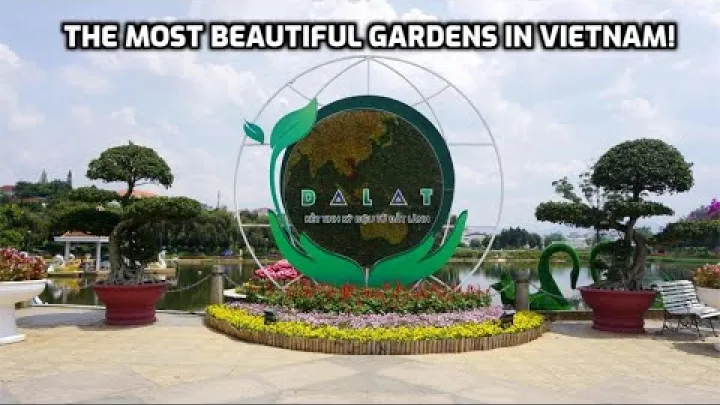
Travelers may also encounter large landscaped complexes in various regions that feature fountains, themed plantings, and walking paths. It is best to treat any list of attractions as non-exhaustive, since gardens change over time and new sites appear. Instead of chasing a single “best” place, choose based on your route and interests, such as photography, botany, or seasonal festivals.
When planning visits, think about seasonality and time needed. Markets are fast and practical, while garden attractions may take several hours. Weather can affect bloom quality and comfort, especially during heat or heavy rain. Verify current conditions through official sources when possible, such as venue websites, verified profiles, or local tourism offices, and be prepared for maintenance closures or temporary restrictions.
Respectful visiting: heritage sites, temples, and public gardens
Many Vietnamese garden spaces are connected with heritage or sacred sites, so respectful behavior matters. Common expectations include modest clothing at temples and pagodas, quiet movement, and following posted signs. Gardens may include fragile stone features, old trees, and water edges that can be damaged by climbing or by stepping off paths. Even in public parks, plantings can be carefully maintained, so avoid picking flowers or trimming leaves.

Responsible tourism also includes leaving no litter, staying on designated paths, and respecting local rules about drones, tripods, or commercial photography. In wet weather, stone surfaces can be slippery, so footwear with good grip is practical. In hot weather, plan hydration and shade breaks, especially if you are visiting midday. If you have mobility needs, look for routes with fewer steps and ask staff about accessible entrances when available.
Quick do and do not list:
- Do follow marked paths and respect barriers.
- Do speak quietly in sacred areas and near people who are praying.
- Do ask before photographing individuals or close-up ritual spaces.
- Do not climb on rock features, walls, or garden structures.
- Do not feed animals unless signage clearly allows it.
- Do not assume rules are the same everywhere; check posted signage on site.
Finding a Place Named Vietnam Garden: Restaurants, Photos, Menus, and Reviews
Many people search “Vietnam Garden” because they want a specific place, often a restaurant, in their city or while traveling. Because the name is common, results can easily mix multiple businesses, outdated information, and photos from different locations. A careful approach helps you avoid wasted trips and reduces the chance of relying on old menu images or incorrect hours. The goal is not to distrust listings, but to verify the details that matter before you go.
Why many local listings share the name and how to avoid confusion
As a result, multiple listings can appear across different neighborhoods, cities, and even countries. Search results may show map panels, photo galleries, and review summaries that look similar, which increases the chance of mixing up addresses or assuming the first result is the correct one.

To avoid confusion, confirm the basics before you travel. Match the address and phone number across at least two sources, and check the business category so you know whether it is a restaurant, a plant shop, or a garden attraction. Look for recent updates such as holiday hours, a recent post, or new photos that show the current storefront. When available, treat an official website or a verified business profile as more reliable than an old reposted menu image.
Verification checklist before visiting any place named Vietnam Garden:
- Confirm the full address, including neighborhood or postal code.
- Check the phone number and call if hours are uncertain.
- Verify the category (restaurant, café, venue, attraction) to match your intent.
- Look at the most recent photos to confirm the entrance and signage.
- Check for recent updates on hours, especially around holidays.
How to evaluate a menu and handle dietary needs
When people search phrases like “Vietnam Garden menu” or “Vietnam Garden restaurant menu,” they often find screenshots or photos that may be outdated. Prices, items, and portion sizes can change with season, supplier availability, and staffing. A good evaluation starts with checking whether the menu image has a visible date or whether it appears in a recent post. If no date is shown, compare several sources and assume the menu may have changed.
For dietary needs, direct confirmation with staff is the safest approach because recipes can vary by kitchen and even by day. Vegetarian and vegan options may be available, but broths and sauces sometimes include fish sauce or meat-based stock. Halal considerations can depend on sourcing and cross-contact in the kitchen. People with allergies to peanuts, shellfish, or other common allergens should ask clear questions and explain the severity of their allergy.
Helpful questions to ask a restaurant about ingredients and allergens:
- Does this dish contain peanuts, peanut oil, or other nuts?
- Is the broth made with meat or seafood stock?
- Can you make this dish without fish sauce, shrimp paste, or egg?
- Is there a separate area or process to reduce cross-contact with allergens?
- What is in the dipping sauce for this item?
If you have severe allergies, professional medical advice and a cautious dining plan are important. Even well-intentioned kitchens may not be able to guarantee an allergen-free environment.
Using photos and reviews to judge quality and fit
Photos and reviews can help you decide whether a Vietnam Garden listing matches your preferences, but they need careful interpretation. Customer photos may look different due to lighting, camera quality, and changes in plating over time. Portion size can vary between dine-in and takeout, and seasonal items may appear only for a limited period. Instead of focusing on a single photo, look for patterns across multiple recent images.
Reviews are most useful when they describe consistent experiences rather than only giving a star rating. Look for comments about service speed, cleanliness, and how the restaurant handles busy periods. It also helps to see whether the business responds politely and clearly to complaints, since that often indicates how issues are handled. If your priority is quiet dining, family-friendly seating, or reliable delivery, search within reviews for those specific mentions.
Quick review rubric for decision-making:
- Recent reviews (last few months): best for current staffing, hours, and consistency.
- Older reviews: useful for long-term patterns, but less reliable for current menus.
- Look for specific details: wait times, dish names, and context about when they visited.
- Be cautious with extremes: very positive or very negative reviews without details are less useful.
- Compare multiple sources: one platform can be skewed by a single event or trend.
Planning a visit: timing, reservations, and practical logistics
Planning a visit to a place named Vietnam Garden is easier when you assume peak times and plan around them. Many restaurants get busiest during lunch and dinner hours, and weekends can be crowded in family-oriented neighborhoods. If you are traveling with a group, making a reservation can reduce waiting and helps the restaurant prepare. For takeout, ask about expected pickup times so you do not arrive too early or too late.

International readers may also need to consider payment methods, language comfort, accessibility, and transportation. Some places accept only certain cards or prefer cash, and some may have limited wheelchair access depending on building layout. If you rely on public transit or need parking, check the area in advance. On holidays or festival periods, hours can change, so it is wise to confirm hours on the day of your visit.
Pre-visit checklist:
- Confirm today’s hours and whether reservations are needed.
- Check payment options and bring a backup method if possible.
- Note key dietary needs and prepare clear questions for staff.
- Plan your route and allow extra time during peak periods.
Post-visit note for leaving a helpful review: mention the date and time you visited, whether you dined in or took out, and what you ordered. Focus on facts others can use, such as wait time, noise level, and how dietary requests were handled, rather than personal disagreements.
Frequently Asked Questions
What is a Vietnam garden in simple terms?
A Vietnam garden is a garden space influenced by Vietnamese culture, often using water, stone, layered plants, and calm seating areas. It can be a heritage landscape, a temple courtyard, or a practical home garden focused on herbs and containers. The term can also refer to businesses that use “Vietnam Garden” as a name, especially restaurants.
Do I need a large yard to create a Vietnamese-inspired garden?
No, you can create a Vietnamese-inspired garden in a small balcony or courtyard. Start with one focal element such as a water bowl or stone composition, then add a few containers of herbs and one taller plant for screening. Keep the layout uncluttered and prioritize safe drainage.
What are common design elements used in Vietnamese garden design?
Common elements include water features, rocks or stone edging, stepping-stone paths, and shaded seating. Many gardens also use framed views, where plants or screens reveal the space in stages. The combination of solid structure and soft planting is often more important than any single plant choice.
How can I reduce mosquito risk with small water features?
You reduce mosquito risk by keeping water moving, refreshing water regularly, and avoiding neglected standing water. Clean containers and pumps so algae and debris do not accumulate. If regular maintenance is difficult, use a sealed bowl refreshed frequently instead of a permanent pond.
Which Vietnamese cooking herbs are easiest for beginners?
Mint, basil or Thai basil, chives, and cilantro are common starting points because they grow well in containers in many climates. Give them bright light, good drainage, and harvest often to encourage new growth. Cilantro may prefer cooler conditions, so it can be easier in mild seasons.
Why do search results show many places named Vietnam Garden?
Vietnam Garden is a common business name, so multiple listings can exist in different cities and neighborhoods. Confirm the correct one by matching address, phone number, and recent photos, and by checking the category such as restaurant or attraction. When possible, verify hours through an official or recently updated channel before traveling.
Conclusion and Next Steps
A Vietnam garden is best understood as an experience rather than a single fixed style. Across heritage sites, temples, and home spaces, you often see a balance of water, stone, and plants arranged to create calm movement and changing viewpoints. Symbolic plants like lotus and seasonal Tet displays add cultural meaning, while everyday herbs keep the garden practical. With containers and a few strong design choices, these ideas can be adapted to many climates and living situations.
Summary: what defines a Vietnamese garden experience
Several features appear repeatedly in Vietnamese garden culture. Water is used for cooling, reflection, and atmosphere, while rock and stone provide structure and a sense of permanence. Plant choices often combine symbolism with practicality, which is why you may see both ornamental displays and edible herbs in everyday gardens. Paths, thresholds, and seating corners guide movement and help the space feel intentional.
This guide also addressed the ambiguity of the phrase “Vietnam Garden.” It can mean cultural gardens and design traditions, but it can also refer to restaurants and other businesses using the name. By separating garden tradition from business listings, you can search and plan with fewer surprises and more confidence.
Memorable points to keep in mind:
- One clear focal point is stronger than many small decorations.
- Water and stone create instant structure and calm when maintained safely.
- Layered planting and airflow matter, especially in humid or tight spaces.
- Seasonal displays are flexible and region-dependent, so plan around conditions.
- For places named “Vietnam Garden,” verify address, hours, and recent updates.
Action ideas: start small, observe, and adapt
Starting small makes Vietnamese-inspired gardening practical and sustainable. A container herb corner can deliver daily value, while a small water bowl or tabletop fountain can add the feeling of a Vietnamese garden even in an apartment. If you enjoy composition, a miniature rock-and-plant landscape can become a long-term project that improves as you learn what works in your light and climate. For travelers, visiting a flower market or a landscaped garden site can quickly build understanding of local plant culture and seasonal preferences.
Adaptation is more important than copying. Choose plants that match your temperature, rainfall, and available light, and select materials that are safe and stable in your space. Keep a simple garden journal of watering frequency, sun exposure, and plant performance, especially during seasonal changes. Over time, these notes help you prune, repot, and re-arrange with confidence.
Simple starter kit for a small Vietnamese-inspired setup:
- 2 to 6 containers with drainage holes (a mix of medium and small sizes)
- Potting mix suited to herbs and ornamentals
- Starter herbs: mint, basil, cilantro, and chives
- One or two stable stones as visual anchors
- A watering can or small container for controlled watering
- Optional: a sealed water bowl that you can refresh easily
Select area
Create a post
Posting is free and no registration is required.