- Tay Son Heaven and Earth Esplanade: Historic Shrine in Quy Nhon
- Quang Trung Museum: Tay Sơn History & Culture in Quy Nhon
- Banh It Cham Towers: Ancient Heritage & Photography in Quy Nhon
- The Thon Beach in Cat Tien: Clean Shores & Affordable Watersports
- Linh Phong Pagoda in Quy Nhon: The Sacred Mountain Temple
Vietnam Drip Coffee: Complete Guide to Phin Brewing, Taste, and Culture

Vietnam drip coffee has become a favorite for many travelers, students, and remote workers who want a strong yet simple cup they can brew almost anywhere. Whether you enjoy bold black coffee or sweet iced drinks with condensed milk, Vietnam drip offers both tradition and flexibility. This guide explains what Vietnam drip coffee is, how to brew it at home, and why it holds a special place in Vietnamese daily life.
Introduction to Vietnam Drip Coffee
Why Vietnam Drip Coffee Stands Out for Global Coffee Lovers
Vietnam drip and Vietnam drip coffee both refer to the same brewing style that uses a small metal device called a phin filter. Unlike many modern coffee makers, a phin sits directly on top of your cup and lets hot water drip slowly through a bed of coffee grounds. The result is a strong, full-bodied brew that feels concentrated and intense, even when served in a small glass.
For many global coffee lovers, this method stands out because it combines simplicity with character. The slow drip creates a short break in your day while you watch the first dark drops fall into the cup. Students and remote workers like it because the equipment is inexpensive, durable, and portable. With basic technique and no need for paper filters, almost anyone can make Vietnam drip coffee at home using only a phin, hot water, and ground coffee.
What Is Vietnam Drip Coffee?

Definition and Key Characteristics of Vietnam Drip Coffee
Vietnam drip coffee is coffee brewed through a small metal phin filter placed directly over a cup or glass. Hot water drips slowly through medium-fine grounds, usually dark-roasted Robusta or a blend, creating a strong, concentrated drink often served with sweetened condensed milk, either hot or iced.
In simple terms, Vietnam drip coffee is defined more by the brewing tool and style than by a specific brand of beans. The phin filter controls the speed of extraction and keeps the natural oils in the cup because there is no paper filter to absorb them. This gives the drink a heavy body and bold taste that many people find satisfying even in small amounts. When combined with sweetened condensed milk, the strong, sometimes bitter edge of the coffee is balanced by creamy sweetness, creating a flavor that is easy to recognize once you have tried it.
- Brewer: small metal phin filter that sits on top of the cup
- Beans: usually dark-roasted Robusta or Robusta–Arabica blends
- Body: thick, heavy, and intense with noticeable oils
- Serving: black (cà phê đen) or with condensed milk (cà phê sữa), hot or iced
- Style: slow drip, individual portion, often enjoyed as a relaxed ritual
This combination of a simple metal brewer, strong coffee, and flexible serving options is what people refer to when they talk about “vietnam drip” or “vietnam drip coffee” in cafés, recipes, or travel guides. It is easy to recognize, but also open to many personal variations at home.
Short History of Vietnamese Drip Coffee
Over time, coffee cultivation expanded, especially in the Central Highlands region, where the climate and soil suited the robust Coffea canephora species, commonly known as Robusta. Robusta plants are hardy, productive, and more resistant to pests, which made them suitable for large-scale farming under local conditions.
After periods of conflict and economic difficulty, major economic reforms known as Đổi Mới in the late 1980s encouraged private farming and trade. Coffee production grew quickly, and Vietnam became one of the world’s leading coffee exporters, with Robusta as the dominant crop. At home, affordable, strong coffee became part of daily life, and the phin filter emerged as a practical tool that matched local beans and habits. Made from simple metal, it required no paper filters or electricity, so it was accessible for households and small street cafés.
As Vietnam’s cities developed and tourism increased, a rich café culture formed around this brewing style. Traditional sidewalk shops continued to serve phin coffee in small glasses, while newer, modern cafés began offering both classic and specialty versions. International visitors tasted cà phê sữa đá (iced milk coffee) and carried the memory home, helping Vietnam drip coffee gain attention abroad. Today, the image of a phin slowly dripping over a glass has become a recognizable symbol of Vietnamese coffee culture for people around the world.
Why Vietnam Uses the Phin Filter
The phin filter is central to vietnam drip coffee because it fits local needs and local beans remarkably well. A phin is a compact metal brewer with a base plate that sits on a cup, a small chamber to hold the grounds, a perforated insert or press, and a lid. When you pour hot water into the chamber, it passes slowly through the coffee and exits the holes in the base, dripping directly into the cup without any paper filter.
This simple design works especially well with dark-roasted Robusta, which is naturally strong and contains more soluble compounds and caffeine than many Arabica varieties. The slow extraction, usually around 4–8 minutes, allows water to pull out deep flavors, resulting in a rich, heavy-bodied cup. Because the filter is metal, the natural oils from the coffee remain in the drink instead of getting trapped in paper. Compared with a typical paper-drip brewer that might finish in 2–3 minutes, a phin tends to drip more slowly and yields a thicker mouthfeel rather than a clear, tea-like cup.
The phin filter is also practical in everyday Vietnamese life. It is sturdy, inexpensive, and easy to find in markets and shops. It does not need electricity and has no moving parts, so it can be used at a street stall, in a student dorm room, or in a modern café with the same basic technique. Cleaning is as simple as knocking out the used grounds and rinsing the metal parts. These qualities help explain why the phin has remained common even as other brewing methods have appeared.
For international users comparing it with paper-filter methods like electric drip machines, the main differences are in body, clarity, and speed. Paper-filter coffee is usually cleaner and less oily, with a lighter mouthfeel, while phin coffee is thicker and more intense. A typical home drip machine might finish a mug in a few minutes, but a phin encourages you to accept a slightly longer wait in exchange for a more concentrated, characterful cup.
Vietnam Drip Equipment and Coffee Beans

The Phin Filter: Parts and Sizes
Understanding the parts of a phin filter makes it easier to follow vietnam drip recipes and adjust them to your equipment. Although designs vary slightly, most phins share the same basic elements and are simple to assemble and use. Knowing the common sizes also helps you choose the right dose of coffee and the right serving volume for your taste.

Most standard phins include the following parts:
- Base plate: a flat disk with a raised edge that rests on top of your cup or glass and catches the brewed coffee.
- Brewing chamber: the cylindrical part that holds the ground coffee and hot water.
- Perforated insert / press: a small disk with holes that sits on top of the grounds; some people call this the press, insert, or inner filter.
- Lid: a cover that keeps heat inside during brewing and can double as a small saucer for the phin after use.
Phin filters come in various capacities, usually measured by the amount of water or the approximate serving size. Common capacities include about 100 ml (often used for single short shots), 150–170 ml (a very common “standard” size), and 220–250 ml (for larger cups or sharing over ice). A typical 150–170 ml phin works well with around 18–20 grams of coffee, while a smaller 100 ml phin might use 12–15 grams. Larger phins can hold 22–25 grams or more, depending on the design and how strong you prefer your brew.
The size you choose influences strength and brewing time. A smaller phin with less water tends to produce a very concentrated drink suitable for mixing with ice or milk. A larger phin with more water can give you a fuller cup to sip black. In general, more coffee and a finer grind extend brewing time and increase intensity, while less coffee or a coarser grind shorten the drip. When you buy a phin, it is helpful to note the capacity and then match your recipes to that volume.
Choosing the Right Beans for Vietnam Drip
The beans you choose for vietnam drip coffee have a major effect on flavor, aroma, and mouthfeel. Traditional Vietnamese style often uses Robusta-based blends that are roasted quite dark. These beans create a powerful, bitter-sweet cup with low acidity and a heavy body. This style pairs very well with sweetened condensed milk because the bold coffee flavor still stands out after you add sugar and dairy.
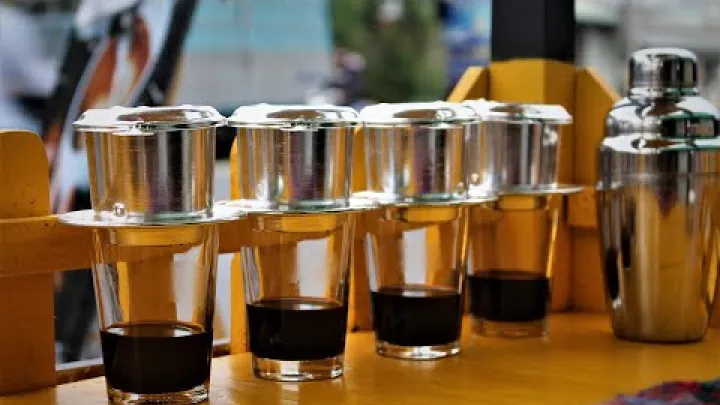
Robusta beans from Vietnam’s Central Highlands, sometimes blended with a smaller portion of Arabica, are common in local markets. When roasted dark, they develop notes that some people experience as chocolate-like, smoky, or earthy. The phin’s metal filter and slow extraction highlight these characteristics, giving you a drink that feels almost syrupy, especially if you use a high coffee-to-water ratio. For many, this is the classic taste of Vietnamese drip coffee, especially in iced milk drinks.
However, you can also brew excellent phin coffee with higher Arabica content or with medium roasts. Arabica typically has more complex aromas and higher acidity, which can create a brighter, more nuanced cup. In a phin, medium roast Arabica may show hints of fruit, nuts, or caramel, with a smoother bitterness compared with dark Robusta. This style works well for people who prefer to drink their coffee black or with a small amount of sugar only.
If you are new to vietnam drip coffee, you might start with two simple options. First, try a traditional dark-roast Robusta or Robusta-forward blend for authentic, strong flavor, especially if you plan to make iced coffee with condensed milk. Second, experiment with a medium or medium-dark Arabica blend for a smoother breakfast cup. By tasting both styles in the same phin, you can quickly understand how bean choice shapes your experience and adjust your future purchases accordingly.
Extra Tools That Make Brewing Easier
One of the advantages of vietnam drip brewing is that you can make it with very simple tools: a phin filter, a cup, hot water, and ground coffee. However, a few additional items can greatly improve consistency and flavor, especially if you want to repeat your favorite recipe or experiment with different beans. It is useful to know which tools are optional and which are strongly recommended for better results.

A basic electric or stovetop kettle is helpful because it lets you heat water quickly and, in some models, control temperature. A digital scale and timer are strongly recommended if you want to keep your coffee-to-water ratio and brew time consistent from one cup to the next. A burr grinder is also important if you grind at home because it produces even particle sizes, which help the phin drip steadily and prevent clogging. If you do not have a grinder, you can ask a roaster or shop to grind your beans for “Vietnam drip” or medium-fine brewing.
Other accessories are helpful but not essential. A thermometer can guide you toward a water temperature around 90–96°C (about just off the boil), which is suitable for most phin brews. Heatproof glasses or short, thick cups that fit your phin’s base plate help keep the drink warm or hold ice safely for iced versions. Many people like clear glasses because they allow you to see the drip and the separation of milk and coffee layers before stirring.
If you are just starting, focus on having a phin, a stable cup or glass, and reasonably fresh coffee. Over time, as you grow more interested in fine-tuning your brew, you can add a scale, timer, or grinder. These tools are not barriers to entry, but rather small upgrades that make it easier to match your taste every time you prepare vietnam drip coffee at home.
Ideal Grind Size, Ratio, and Measurements for Vietnam Drip
Recommended Grind Size for Phin Coffee
Grind size is one of the most important factors in vietnam drip brewing because it controls how fast water passes through the coffee bed. For most phin filters, a medium-fine grind works best. You can imagine it as somewhere between table salt and sand, similar to coarse sand or granulated sugar when you rub it between your fingers.
If your grind is too coarse, water will flow through the phin very quickly, sometimes finishing in just 2–3 minutes. This short contact time can lead to under-extracted coffee that tastes weak, sour, or flat, even if you use a lot of grounds. On the other hand, if the grind is too fine, closer to espresso powder, the water may struggle to pass through. The drip can slow down to a few drops per several seconds, or even stop completely, creating bitter, harsh flavors and an unpleasant, muddy texture.
An ideal phin extraction typically takes about 4–8 minutes from the first drip to the last. If you notice that your brew finishes much faster than this range, try grinding a bit finer next time and check that you are using enough coffee. If it consistently takes longer than 8–9 minutes and tastes overly bitter, adjust by grinding slightly coarser or using a bit less force with the internal press. These small adjustments can bring the drip back to an even pace, roughly around one drop per second during most of the brew.
For people without a grinder at home, it is helpful to tell the shop or roaster that you are brewing with a phin and need a medium-fine grind for Vietnam drip. If you change your phin size or coffee type and notice problems with flow or taste, you can ask for a minor grind adjustment on your next purchase. Over a few brews, you will quickly learn how grind texture, drip speed, and flavor are connected.
Standard Coffee-to-Water Ratios
The coffee-to-water ratio, sometimes called the vietnam drip ratio or takaran vietnam drip, defines how strong your brew will be. In traditional Vietnamese style, phin coffee is often quite concentrated. Ratios around 1:10 to 1:12 (one gram of coffee to 10–12 grams or milliliters of water) are common for strong cups, especially when the drink will be served with condensed milk or poured over ice.

A practical starting point is 18–20 grams of coffee with about 180–220 ml of water in a standard 150–170 ml phin, which may overflow a little as it drips through but will yield a short, intense cup. If you want a slightly lighter drink, especially for black coffee in the morning, you can extend the ratio toward 1:13 or 1:14 by adding a bit more water while keeping the same coffee dose. These numbers are not strict rules, but useful guidelines while you find your preferred balance.
The table below shows sample vietnam drip measurements for different phin sizes:
| Phin size (approx.) | Coffee dose | Water volume | Approx. ratio |
|---|---|---|---|
| 100 ml (small) | 12–15 g | 120–150 ml | 1:10–1:12 |
| 150–170 ml (standard) | 18–20 g | 200–230 ml | 1:10–1:12 |
| 220–250 ml (large) | 22–25 g | 250–300 ml | 1:11–1:13 |
If you do not have a scale, you can estimate with tablespoons. One level tablespoon of ground coffee is usually around 5–7 grams, depending on grind and bean type. For a strong traditional phin, you might use about 3 heaping tablespoons of coffee and fill the phin chamber with hot water until it is near the top, letting it drip through completely. While this method is less precise, it still produces a recognizable vietnam drip taste and can be refined later if you decide to buy a scale.
Remember that these ratios are starting points. Different beans, roast levels, and personal tastes may require small adjustments. Once you find a combination of dose and water that you like, note it down so you can repeat it, then experiment slightly by adding or reducing water to explore lighter or stronger versions of the same recipe.
Adjusting Vietnam Drip Strength to Your Taste
One advantage of brewing vietnam drip coffee with a phin is the ease of adjusting strength to match your preferences. You can change strength by altering the coffee dose, the amount of water, or the grind size, but it is wise to make one change at a time and taste the results. This gradual approach helps you learn how each variable influences both flavor and brewing time.
To make your coffee stronger, you can slightly increase the coffee dose within a reasonable range for your phin size, or keep the dose the same and reduce the water volume. For example, if you normally use 18 grams of coffee with 200 ml of water, you might try 20 grams with the same water, or keep 18 grams and pour only 180 ml. A slightly finer grind can also intensify flavor, but it will usually lengthen the brew, so watch for overly slow dripping. For a lighter, smoother cup, do the opposite: use a bit less coffee, add more water, or grind a bit coarser to shorten extraction and reduce bitterness.
Consider two simple scenarios. For a gentle breakfast cup of black phin coffee, you might choose a medium roast Arabica blend, use a 1:13 or 1:14 ratio, and aim for a total brew time of about 4–6 minutes, resulting in a smoother, easier-drinking cup. For a strong iced drink like cà phê sữa đá, you might favor dark-roast Robusta, a 1:10 or 1:11 ratio, and a full 6–8 minute extraction to produce a dense concentrate that will still taste bold after mixing with condensed milk and ice.
Whatever your goal, make adjustments in small steps rather than dramatic changes. Move the ratio by one or two points, or nudge the grind slightly finer or coarser. Taste each cup and observe both the drip speed and the flavor. Over a short time, you will find a vietnam drip style that suits your daily routine, whether that is a strong afternoon pick-me-up or a softer cup to sip slowly while working.
Step-by-Step: How to Make Vietnam Drip Coffee

Basic Hot Vietnam Drip Coffee (Cà phê đen nóng)
Brewing basic hot vietnam drip coffee, known locally as cà phê đen nóng, is straightforward once you understand the sequence. This version uses only coffee and water, so it clearly shows the flavor of your beans and your brewing technique. Following the same steps each time will help you control strength and repeat the results you enjoy.

Use the following simple method for a standard phin:
- Boil fresh water and let it cool slightly to around 90–96°C (just off the boil).
- Place your cup or glass on a stable surface and pour in a little hot water to preheat it; swirl and discard this water.
- Assemble the phin by putting the base plate on top of the cup and attaching the brewing chamber securely.
- Add about 18–20 grams of medium-fine ground coffee (or roughly 3 tablespoons) to the chamber and tap the phin gently to level the bed.
- Place the perforated insert or press on top of the grounds. Do not push too hard; a light, even press is enough.
- Start blooming the coffee by pouring a small amount of hot water, just enough to wet all the grounds (around 20–30 ml). Let it sit for 20–30 seconds to release gas.
- After the bloom, slowly fill the phin chamber with more hot water up to near the top, then cover it with the lid.
- Watch for the first drips of coffee entering the cup. Adjust the insert very gently if the drip is too fast or too slow.
- Allow the coffee to drip until the chamber is nearly empty and dripping has almost stopped; this usually takes about 4–8 minutes.
- Remove the phin, place it on the upturned lid to catch any remaining drips, and gently swirl or stir the finished coffee in your cup.
The drink is ready when the drip rate slows to almost nothing and you have a small but intense pool of dark coffee in your cup. You can drink it plain for a strong, aromatic experience, or add a small amount of sugar if you prefer. Over time, you may adjust the dose, grind, or water amount, but this basic recipe gives you a reliable starting point for hot vietnam drip coffee at home.
Vietnam Iced Milk Coffee (Cà phê sữa đá)
Vietnam iced milk coffee, or cà phê sữa đá, is one of the most popular ways to enjoy vietnam drip coffee. It combines a strong phin brew with sweetened condensed milk and plenty of ice, creating a drink that is both refreshing and rich. Preparing it correctly involves paying attention to the order of ingredients so that the coffee stays concentrated and does not become diluted too early.
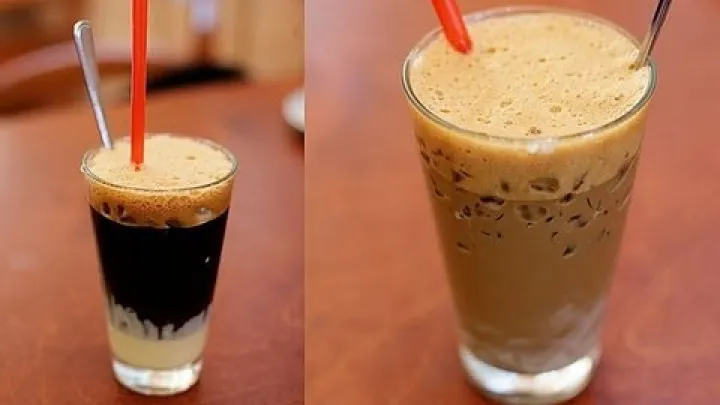
To make a classic glass of cà phê sữa đá at home, follow these steps:
- Take a heatproof glass and add 20–30 grams of sweetened condensed milk to the bottom (about 1–2 tablespoons). Adjust the amount based on how sweet you like your drink.
- Place the phin base plate on top of the glass and attach the brewing chamber.
- Add around 18–20 grams of dark-roast ground coffee to the chamber and level it gently.
- Position the perforated insert on top of the grounds and press lightly to create a flat surface.
- Bloom the coffee by pouring a small amount of hot water over the grounds, just enough to wet them, and wait 20–30 seconds.
- Fill the chamber with hot water up to near the top, cover with the lid, and let the coffee drip slowly directly onto the condensed milk.
- Once dripping stops (after about 4–8 minutes), remove the phin and stir the coffee and condensed milk together until fully mixed.
- Prepare a separate glass filled with ice cubes, then pour the sweet coffee mixture over the ice.
Stir gently and taste. If the drink feels too strong, you can add a little more ice or a small splash of cold water. If it is not sweet enough, you can dissolve a small extra spoonful of condensed milk in a bit of hot coffee next time, but it is easier to start with a modest amount and adjust over several brews. For readers who prefer less sugar, you can reduce the condensed milk to 1 teaspoon and top up with plain milk, or brew a slightly weaker coffee ratio so the drink is smoother while still tasting like vietnam drip.
This method keeps the ice separate until the coffee is fully extracted and mixed with milk, which protects the flavor from early dilution. It also recreates the layered look many travelers recognize from Vietnamese cafés, where dark coffee gradually blends into a lighter, creamy color as you stir.
Common Brewing Mistakes and How to Fix Them
Even though vietnam drip coffee is simple, beginners often meet a few recurring problems. Most issues relate to drip speed, clogging, or unbalanced taste. Learning how to recognize these patterns and correct them will help you quickly improve your phin brewing and avoid wasting coffee.

The points below summarize typical mistakes and practical solutions:
- Drip too fast: If the water runs through in under 3 minutes, the coffee will likely taste weak and thin. Causes include too-coarse grind, too little coffee, or a very loose press. Fix this by grinding finer, increasing the coffee dose slightly, or pressing the insert a bit more firmly, while still allowing air and water to pass.
- Drip too slow or stopping completely: If almost no drops appear or the brew takes more than 8–9 minutes, the grind is probably too fine, or the grounds are packed too tightly. Gently lift the insert to release pressure and stir the top of the coffee bed with a spoon if necessary. For the next brew, grind a bit coarser and avoid pushing hard on the press.
- Uneven or channeling flow: Sometimes water finds narrow paths through the coffee, producing an uneven extraction. This can happen when the grounds are not leveled or when you pour water too quickly in one spot. To reduce this, tap the phin side lightly to level the grounds before brewing and pour water slowly in a circular motion during the main fill.
- Excessive bitterness: Very bitter coffee often comes from over-extraction, too-dark roasting, or water that is too hot. Try reducing the brewing time by grinding slightly coarser, lowering the coffee dose, or letting the water cool a bit longer after boiling. You can also add a touch more water to the final cup to soften the intensity.
- Weak or dull flavor: If the drink tastes flat even though the brew time seems normal, the beans may be too old, ground too early, or under-dosed. Use fresher coffee, raise the dose slightly, or adjust the ratio closer to 1:10–1:11 for a more traditional vietnam drip strength.
As a rough guide, aim for a drip rate of about one drop per second after the first few seconds of brewing. This visual cue, combined with the 4–8 minute total brew time, will help you diagnose problems without any special tools. Over time, these adjustments will become intuitive, and you will be able to correct most issues simply by watching how the coffee falls from the phin into your cup.
How to Drink and Serve Vietnam Drip Coffee
Traditional Ways to Enjoy Vietnam Drip
Vietnam drip coffee offers several serving styles that suit different times of day and different tastes. In many Vietnamese cafés, the same phin brewing method can produce hot or iced, black or milk-based drinks, all from similar beans. Understanding these common variations makes it easier to choose and to order them when you visit a café at home or abroad.

The most basic form is hot black coffee, called cà phê đen nóng. This is usually served in a small glass or cup, sometimes while the phin is still dripping on top. Many people sit and talk as they watch the slow drip, then sip the coffee slowly once it is ready, sometimes adding a spoonful of sugar. Another standard option is hot coffee with condensed milk, known as cà phê sữa nóng, where a layer of milk sits in the bottom of the glass before brewing, then is stirred in for a creamy, sweet drink.
In warmer weather, iced versions are very popular. Cà phê đen đá is iced black coffee, strong and refreshing, while cà phê sữa đá is iced coffee with condensed milk, famous among visitors for its intense yet smooth flavor. Drinks are usually served in short glasses with plenty of ice and a spoon or straw for stirring. Some cafés bring the coffee in one glass and a separate glass of ice, allowing you to pour and adjust dilution yourself.
If you travel in Vietnam or visit a Vietnamese café abroad, you can use simple phrases when ordering. For example, you might say “cà phê đen đá” for iced black coffee, or “cà phê sữa đá” for the sweet iced milk version. Many cafés outside Vietnam also understand “Vietnam drip coffee” or “Vietnamese iced coffee,” especially if they display phin filters on the counter. These traditional ways of drinking highlight both the strength of the coffee and the relaxed pace often associated with phin brewing.
Pairing Vietnam Drip Coffee with Food
The choice of pairing can either soften the coffee’s intensity or highlight it through contrast. You do not need special local ingredients to enjoy these combinations; many everyday items available in supermarkets around the world work very well.

The bitter notes of the coffee balance the mild sweetness and soft texture of baked goods. Biscuits or plain cookies also make good companions because they add a little sweetness without overwhelming the palate. If you prefer iced milk coffee, it pairs beautifully with cakes, rolls, and desserts that are not extremely sugary, since the condensed milk already brings a strong sweet element.
For richer or fried foods, such as savory snacks, sandwiches, or grilled dishes, black vietnam drip coffee can act as a cleansing contrast. Its bitterness and strong aroma help cut through oil and heaviness, refreshing your taste between bites. In some cafés, you might also find coffee served alongside simple savory items like eggs and bread or rice dishes. You can recreate similar pairings at home with whatever local breakfast or snack foods you enjoy.
When choosing food pairings, think in terms of balance: sweet coffee with less sweet food, or strong black coffee with richer dishes. This basic idea makes it easy to experiment with whatever ingredients you have available, whether that is a piece of dark chocolate, a small pastry, or a plate of fried snacks served with a glass of iced vietnam drip.
Vietnam Drip vs Other Brewing Methods

Difference Between Vietnam Drip and V60 Pour-Over
Many coffee drinkers compare vietnam drip with V60 pour-over because both use gravity to draw water through ground coffee. However, the tools, filters, and typical brewing styles lead to quite different cups. Understanding these differences can help you decide which method fits your beans, your taste, and your daily routine.
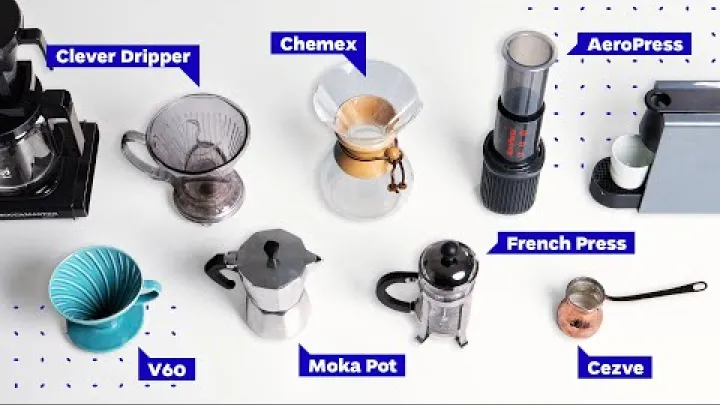
The V60 uses a cone-shaped dripper with a paper filter and usually a controlled pouring technique where you add water in stages. The paper filter captures most oils and fine particles, resulting in a very clean, clear cup with higher focus on acidity and delicate flavors. Vietnam drip, by contrast, uses a flat-bottom metal phin filter with small holes. The water is usually poured more simply, and the metal allows oils to pass through, giving you a thicker body and more intense mouthfeel. While V60 often highlights light to medium roast Arabica, phin brewing is traditionally paired with medium-dark or dark roasts, especially Robusta and blends.
The table below summarizes key distinctions:
| Aspect | Vietnam drip (phin) | V60 pour-over |
|---|---|---|
| Filter type | Metal filter with small holes | Paper filter in cone dripper |
| Typical grind size | Medium-fine (like coarse sand) | Medium (similar to regular sand) |
| Brew time | About 4–8 minutes drip time | Usually 2–4 minutes total |
| Body | Heavy, thick, with more oils | Lighter, cleaner mouthfeel |
| Flavor focus | Bold, bitter-sweet, low acidity | Bright, aromatic, higher acidity |
| Common roasts | Medium-dark to dark, often Robusta | Light to medium, often Arabica |
| Ease of use | Simple to set up; slower, more forgiving | Requires controlled pouring; very adjustable |
Both methods can be used with a wide variety of beans. You can certainly brew light-roast Arabica in a phin or dark-roast blends in a V60. However, in practice, many people choose V60 when they want to highlight subtle floral, fruity, or acidic notes, and they choose vietnam drip when they want a bold, comforting cup or a base for iced milk coffee. Rather than viewing them as competing, it can be useful to see them as complementary tools that serve different moods and occasions.
Vietnam Drip vs French Press and Espresso
Vietnam drip coffee also differs from French press and espresso, even though all three methods produce strong and flavor-rich drinks. The main contrasts involve how the coffee and water interact, how much sediment remains in the cup, and how concentrated the final drink feels. Knowing these differences helps you decide which brewing style matches your texture and intensity preferences.

French press is an immersion method: coffee grounds soak in hot water for several minutes before you push down a metal plunger and pour. This approach often leaves some fine sediment in the cup and creates a full body, similar in some ways to phin coffee. However, french press brews a larger batch at once and tends to be slightly less concentrated, with more visible particles in the drink. Vietnam drip, by contrast, is a percolation method where water passes slowly through the grounds in a fixed filter, resulting in a thick but generally clearer cup than French press, with less sediment if the grind is correct.
Espresso is different again. It uses high pressure and a very fine grind to extract a small, highly concentrated shot in about 25–30 seconds. The crema layer on top and the strong, short serving size define its character. Phin coffee can feel almost as strong in flavor and caffeine per serving, especially when brewed with dark Robusta, but it is less concentrated by volume and lacks crema. The preparation is much simpler because it does not require pumps, electricity, or specialized machines.
In practice, you might choose each method for different reasons:
- Vietnam drip suits drinkers who enjoy a strong, heavy cup and slow ritual, with easy options for hot or iced, black or sweetened coffee.
- French press is good for brewing several cups at once with a rich body, especially when a little sediment does not bother you.
- Espresso is ideal for very short, intense shots or as a base for milk drinks like lattes and cappuccinos, but it requires more complex equipment.
In terms of perceived strength, a full phin of dark-roast Robusta can feel stronger than a regular paper-filter drip coffee and may deliver caffeine similar to several espresso shots, though spread out in a larger volume. People sensitive to caffeine may therefore want to limit their intake or choose smaller servings, regardless of the brewing method they prefer.
Cultural and Economic Background of Vietnam Drip Coffee
Role of Coffee in Everyday Vietnamese Life
Traditional coffee shops and street-side stalls provide spaces where people of different ages gather to talk, read, study, or do informal business. A phin slowly dripping on a low table is a familiar scene, symbolizing a relaxed pace that contrasts with fast takeaway culture in some other places.

Cafés range from very simple plastic chairs on the sidewalk to modern indoor spaces with air conditioning and Wi‑Fi. In both types of venue, vietnam drip coffee often appears on the menu alongside newer drinks like espresso, smoothies, or specialty pour-overs. Many office workers and students visit the same café regularly, using it as a quiet workspace or a meeting point with friends. The act of waiting for a phin to finish can feel like a short rest before the next activity.
These social habits differ from region to region and from person to person, but they share some common themes. People often enjoy stronger coffee in the morning, sometimes with a small snack, then choose lighter or iced drinks later in the day, especially when the weather is hot. Even as international chains grow in large cities, local coffee houses that serve traditional phin brews remain popular because they offer a familiar atmosphere and flavors linked to daily routines.
For international readers, it may help to think of Vietnamese cafés as playing a role similar to neighborhood bakeries, tea houses, or small diners in other cultures: places where regulars are known, conversations flow easily, and time moves a little more slowly around a shared drink.
Vietnam as a Leading Robusta Producer
Vietnam is widely recognized as one of the world’s largest coffee producers, with a particularly strong focus on Robusta beans. Much of this production comes from the Central Highlands region, including provinces such as Dak Lak, Gia Lai, and Lam Dong, where the climate, rainfall, and elevation support large-scale cultivation. Over several decades, coffee has become a key agricultural product, shaping both local economies and the landscapes where it is grown.
Robusta thrives at lower altitudes and warmer temperatures compared with many Arabica varieties. It tends to yield higher crops per tree and shows greater resistance to pests and diseases. These qualities made it suitable for expansion as Vietnam developed its coffee industry, especially during and after the economic reforms that encouraged private farming. Today, Robusta from Vietnam is used both in domestic blends and in many instant and espresso blends worldwide.
This agricultural background helps explain why vietnam drip coffee often uses Robusta or Robusta-heavy mixes. Strong, affordable beans are widely available within the country, and their flavor profile matches the traditional taste preferences for intense, bitter-sweet coffee that stands up to sugar and condensed milk. When you brew a phin at home with dark-roast Robusta, you are directly connected to this wider economic story, where local growing conditions and global demand meet in a small metal filter over your cup.
Health and Nutrition Considerations
As with any coffee, vietnam drip coffee has both enjoyable aspects and points to consider for health and nutrition. Robusta-based brews are generally higher in caffeine than many Arabica-only coffees, and the strong brewing style of the phin can extract a significant amount of that caffeine into each serving. For most healthy adults, moderate coffee intake can fit into a balanced lifestyle, but individual tolerance and medical conditions vary widely.
The use of sweetened condensed milk in many Vietnamese coffee drinks adds another factor. Condensed milk contains a high amount of sugar and calories in a small volume. A typical glass of cà phê sữa đá with 1–2 tablespoons of condensed milk can therefore contribute a noticeable amount of energy to your daily intake. People who drink several sweet coffees every day may wish to adjust the portion size, reduce the milk, or alternate with black coffee to manage sugar consumption.
If you have specific concerns such as heart conditions, sleep issues, or sensitivity to caffeine or sugar, it is important to follow the advice of health professionals rather than relying on general articles. In general, it can be helpful to pay attention to how your body reacts to strong drinks like vietnam drip coffee, limit intake late in the day if it affects your sleep, and drink water regularly to maintain hydration.
Enjoying vietnam drip in moderation, choosing serving sizes that suit your needs, and balancing sweet and unsweetened versions across the week are simple ways to combine pleasure with care for your overall diet and wellbeing.
Frequently Asked Questions
Key Questions About Brewing and Enjoying Vietnam Drip Coffee
This section gathers brief answers to common questions about vietnam drip coffee. It is useful if you need quick guidance on definitions, grind size, ratios, brewing time, or how to drink and serve phin coffee without reading every section in detail. The questions cover both technical points, such as measurements, and practical topics, such as bean choice and comparisons with other brewing methods.
You can refer to these points when you are setting up your phin, adjusting strength, or explaining vietnam drip coffee to friends. For more complete explanations or step-by-step recipes, look back at the earlier sections of this guide on equipment, brewing, and cultural background.
What is Vietnam drip coffee and how is it different from regular coffee?
Vietnam drip coffee is coffee brewed slowly through a small metal filter called a phin, usually using dark-roasted Robusta beans. It differs from regular paper-filter drip coffee by having no paper filter, a longer extraction time, and a thicker, more intense body. The method often pairs the strong coffee with sweetened condensed milk, especially when served iced.
What grind size and ratio should I use for Vietnam drip coffee?
For Vietnam drip coffee, use a medium-fine grind similar to coarse sand or granulated sugar. A common starting ratio is 18–20 g of coffee to 180–220 ml of water (about 1:10–1:12) for a strong traditional cup. You can adjust the ratio slightly weaker (up to about 1:14) if you prefer a lighter taste.
How long should Vietnam drip coffee take to brew with a phin filter?
Vietnam drip coffee should usually take about 4–8 minutes to brew with a phin filter. A typical target is around one drop per second during most of the brew, finishing when the dripping almost stops. If it finishes in under 3 minutes it is often too weak, and if it takes longer than 8–9 minutes it may taste harsh or over-extracted.
Can I use Arabica beans for Vietnam drip coffee or only Robusta?
You can use either Arabica or Robusta beans for Vietnam drip coffee, or a blend of both. Traditional Vietnamese style favors dark-roasted Robusta for a very strong, bold cup that stands out with condensed milk. Arabica will give a smoother, more aromatic cup with higher acidity and less bitterness, which some people prefer for black phin coffee.
What is the best way to drink Vietnam drip coffee, hot or iced?
Both hot and iced versions of Vietnam drip coffee are traditional, and the best way depends on your taste and climate. Hot black coffee (cà phê đen nóng) highlights the intense aroma and warmth, while iced coffee with condensed milk (cà phê sữa đá) is refreshing, sweet, and very popular. Many people enjoy hot coffee in the morning and iced coffee later in the day.
What is the difference between Vietnam drip and V60 pour-over?
Vietnam drip uses a metal phin filter and often medium-dark to dark roasts, producing a heavy, rich cup with more oils and body. V60 pour-over uses a cone-shaped dripper with a paper filter and usually lighter roasts, giving a cleaner, clearer cup with more acidity and subtle flavors. Brew time, pouring style, and typical grind settings also differ between the two methods.
Is Vietnam drip coffee stronger than espresso or regular drip coffee?
Vietnam drip coffee is usually stronger than regular drip coffee and can approach espresso in caffeine per serving, though it is less concentrated by volume. A full phin often contains caffeine similar to several espresso shots because it uses a larger amount of strong Robusta coffee. The flavor is intense and bitter-sweet, especially when brewed dark and served black.
Conclusion and Next Steps
Main Takeaways About Vietnam Drip Coffee
Vietnam drip coffee centers on the simple but effective phin filter, which produces a slow-dripping, strong, and full-bodied cup. The method works especially well with dark-roast Robusta and blends, and it is easy to prepare either black or with sweetened condensed milk, hot or iced. Key technical points include using a medium-fine grind, aiming for a 1:10–1:14 coffee-to-water ratio, and targeting a brew time of roughly 4–8 minutes.
With just a phin, basic tools, and some patience, you can make authentic-tasting vietnam drip coffee at home. Alongside brewing technique, this guide has highlighted how the drink connects to Vietnam’s coffee-growing regions, café culture, and daily routines. Every cup reflects both simple equipment and a broader cultural and economic story that has made Vietnamese coffee known worldwide.
How to Continue Exploring Vietnamese Coffee Culture
Once you are comfortable brewing vietnam drip coffee, you can deepen your experience by trying different beans, roast levels, and ratios in the same phin. Small changes in grind size or water volume can reveal new sides of familiar coffees. You may also want to explore other Vietnamese drinks, such as variations with coconut milk, yogurt, or egg foam, which build on the same tradition in different ways.
Whether you are a traveler, a student abroad, or a remote worker setting up a simple coffee corner, the phin is a compact companion that fits easily into many living situations. With modest equipment and a bit of practice, you can continue discovering new flavors and routines within Vietnamese coffee culture, one slow drip at a time.
Select area
Create a post
Posting is free and no registration is required.