- Tay Son Heaven and Earth Esplanade: Historic Shrine in Quy Nhon
- Quang Trung Museum: Tay Sơn History & Culture in Quy Nhon
- Banh It Cham Towers: Ancient Heritage & Photography in Quy Nhon
- The Thon Beach in Cat Tien: Clean Shores & Affordable Watersports
- Linh Phong Pagoda in Quy Nhon: The Sacred Mountain Temple
Vietnam Hat Guide: Nón Lá, War Veteran Hats & Boonie Hats

The phrase “Vietnam hat” can describe very different headwear, from elegant palm-leaf cones in rice fields to rugged boonie hats in the jungle and embroidered caps worn by veterans. For many families and history readers, it is closely connected to the Vietnam War and those who served. This guide explains each main type, why it matters, and how to choose or wear these hats with respect. By the end, you will understand how culture, history, and modern fashion all meet under the broad idea of a “Vietnam hat.”
Introduction to the Many Meanings of a Vietnam Hat
Why the term "Vietnam hat" covers culture, war history, and modern fashion
When people search for a “Vietnam hat,” they are not all looking for the same thing. Some imagine a farmer standing in a rice paddy, wearing a light, conical straw hat to protect from the sun and rain. Others think of soldiers during the Vietnam War, wearing soft fabric boonie hats or later, baseball-style caps that show they are Vietnam veterans. Fashion shoppers might simply want a stylish wide-brim hat with a “Vietnam era” look.
To make this broad term clearer, it is helpful to divide it into three main categories. The first is the traditional Nón Lá, the famous Vietnam traditional hat, also called the Vietnam farmer hat or straw hat Vietnam in many travel guides. The second group is the Vietnam War boonie hat and other field hats used by troops in the region. The third group is Vietnam War veteran hats, usually dark caps with embroidered words such as “Vietnam Veteran” and service ribbons. This article walks through the function, symbolism, and buying tips for each category so that different readers—travelers, remote workers, students, history fans, and souvenir shoppers—can quickly find the information that matches their interest.
How this Vietnam hat guide is organized for international readers
Because “Vietnam hat” can mean many things, this guide is organized in a simple, step-by-step way that works well for international readers and easy translation. First, you will see an overview that explains what a Vietnam hat is and why the term is used in different ways. Then, there is a detailed section on the traditional conical hat, followed by a section on Vietnam War boonie hats, and another on Vietnam War veteran caps and branch-specific designs.
After these main sections, the guide offers practical advice on buying a Vietnam hat as a souvenir or gift, including how to find authentic pieces and how to care for them. Finally, there is a Frequently Asked Questions section with short, direct answers to common questions such as the Vietnam hat name, the difference between Nón Lá and a Vietnam War boonie hat, and who can wear a Vietnam veteran hat respectfully. Throughout the article, the tone stays neutral and informative, so readers from many countries and backgrounds can feel comfortable learning about traditional culture and sensitive war-related topics side by side.
What Is a Vietnam Hat?
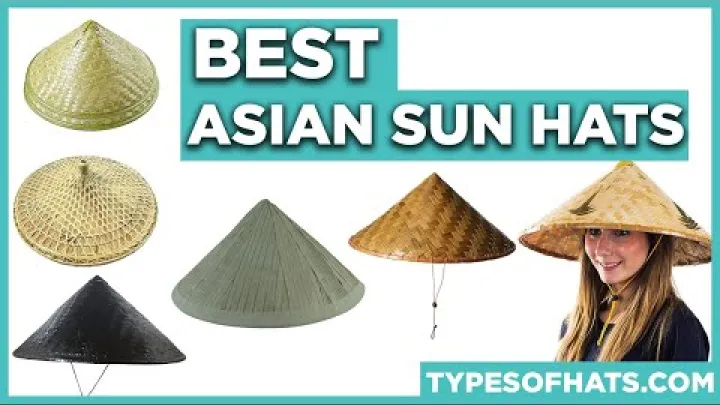
Main types of hats associated with Vietnam today
In everyday language and online searches, a “Vietnam hat” usually belongs to one of three main types. The first and most traditional type is the Nón Lá conical hat Vietnam is widely known for. The second is the fabric boonie hat Vietnam War soldiers used in the field. The third is the Vietnam War veteran hat or Vietnam era hat, which is most often a baseball-style cap showing a person’s military service.
Each of these hat types has a different purpose and context. Nón Lá and similar straw hat Vietnam styles are mainly used for daily life, farming, street vending, ceremonies, and tourism photos. Boonie hats are practical military or outdoor hats designed to protect from sun and rain while helping with camouflage in forests and jungles. Vietnam war veterans hats, in contrast, are about remembrance and identity; they help veterans share their story and connect with others. You can quickly compare these three groups in the list below:
- Traditional Nón Lá / Vietnam farmer hat: Made from palm or similar leaves and bamboo; worn by farmers, vendors, performers, students, and tourists; used in daily life and cultural events.
- Vietnam War boonie hat: Made from cotton or ripstop fabric; worn by US and allied troops during the Vietnam War and now by outdoor users; designed for field use in hot, wet climates.
- Vietnam War veteran hat / Vietnam era hat: Usually a structured or soft baseball cap; worn by veterans and sometimes supporters; used to show service, units, dates, and branches.
Knowing these basic categories makes it easier to understand related search phrases like conical hat Vietnam, Vietnam farmer hat, straw hat Vietnam, boonie hat Vietnam, and Vietnam war veterans hat. The rest of this guide explains each group in more detail so you can recognize them at a glance and choose the right one for your needs.
Why "Vietnam hat" means different things to different people
People connect the words “Vietnam hat” with different images because they come from different experiences and interests. Travelers, exchange students, and remote workers planning a move often think of the traditional Vietnam hat name, Nón Lá. They may remember photos of people cycling through Hanoi or standing in fields in central Vietnam, wearing graceful conical hats. For these readers, a Vietnam hat is mainly a cultural symbol and a practical sunshade for a hot and humid climate.
For veterans, their families, and those who study the Vietnam War, the phrase has another layer of meaning. They might think first of a Vietnam war boonie hat worn in the jungle, or of a cap with the words “Vietnam Veteran” and colored ribbons on the front panel. When such people search online for “Vietnam hat,” they may expect to see military or commemorative items. At the same time, online stores and search engines often show all three types—Nón Lá, boonie hats, and Vietnam war veteran hats—on the same page. This can be confusing, especially for international shoppers. Someone might search for a “straw hat Vietnam” and accidentally open a listing for a veteran cap, or type “Vietnam war veterans hat” and see traditional farmer hats mixed into the results. Understanding these common mix-ups helps you refine your searches and explain more clearly what kind of Vietnam hat you are looking for.
The Traditional Vietnamese Conical Hat (Nón Lá)
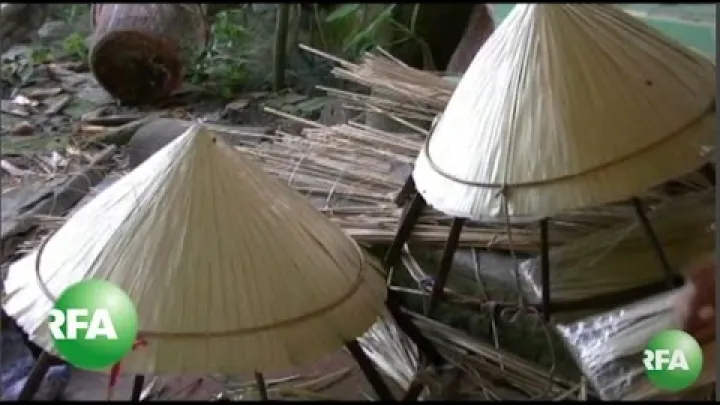
Vietnam conical hat name and origin
The traditional Vietnam hat name is Nón Lá, which translates directly as “leaf hat.” This simple name describes its basic construction: a light, conical frame covered with dried plant leaves. In some regions you may hear related names, such as Nón Tơi, but they all refer to versions of the same family of conical or slightly rounded hats made from natural materials.
The origins of Nón Lá are closely linked to Vietnam’s long history of rice farming and river-based life. For centuries, people needed a hat that could keep off both strong sun and heavy rain while still being cool, light, and cheap to make. The conical shape is practical because water runs off quickly, and the wide brim provides shade for the face, neck, and shoulders. As the hat spread across the country, different regions developed their own styles, but the basic idea stayed the same: a simple, sustainable, and effective Vietnam traditional hat that fits well with daily work in fields, markets, and boats. Over time, Nón Lá also became a cultural symbol, appearing in paintings, poetry, and tourism images as a sign of Vietnamese identity.
Materials and how a Nón Lá is made
The Nón Lá may look simple from a distance, but it requires careful material selection and patient handwork. Most traditional versions use young palm leaves or similar broad leaves that are dried, flattened, and trimmed. The internal frame is usually made from thin strips of bamboo or rattan, which are light yet strong and can be bent into smooth curves. Thread or fine plant fibers hold the layers together, and some hats also include a cloth chin strap for a secure fit.

Although methods vary between villages, the basic process for making a Nón Lá can be described in clear steps:
- Prepare the leaves: Collect young leaves, boil or steam them if needed, dry them in the shade, and press them flat so they become smooth and flexible.
- Shape the frame: Split bamboo into thin strips, bend them into concentric circles, and attach them to vertical ribs to create a stable conical skeleton.
- Layer the leaves: Cut leaves to size and lay them carefully over the frame in overlapping rows, ensuring that there are no large gaps.
- Stitch the layers: Sew the leaves to the bamboo rings with regular, even stitches that follow the circular shape from the tip to the brim.
- Finish and decorate: Trim the brim, add a reinforcing edge, attach a chin strap, and, for finer hats, apply a light varnish or paint delicate patterns or poems inside.
Everyday farmer hats are usually simpler and lighter, with fewer leaf layers and minimal decoration, which makes them cheap and easy to replace. More refined versions may have two or three leaf layers for better water resistance, very precise stitching, and subtle painted images or words visible when the hat is held against the light. These higher-quality Nón Lá hats are often used for festivals, performances, and gifts, and they represent the best of local craftsmanship.
Symbolism, everyday uses, and who wears the Vietnamese traditional hat
Nón Lá is more than a practical tool; it is a symbol of Vietnam’s connection to the land and to simple, resilient ways of life. In many images, the conical hat stands for rural calm, green rice fields, and respect for hard physical work. Its natural materials and hand-made construction also reflect a long tradition of using local resources in thoughtful, low-impact ways. For many Vietnamese people, the sight of Nón Lá can remind them of childhood, family members in the countryside, or traditional festivals.
In everyday life, the Vietnamese traditional hat is worn by a wide range of people. Farmers and fishermen use it while working under the sun or in the rain. Street vendors in big cities like Hanoi and Ho Chi Minh City often wear a conical hat while carrying baskets or pushing carts, because it is cheap, light, and covers a large area of the body. Students sometimes wear Nón Lá during school events or performances that show traditional culture. Tourists buy it as a souvenir or wear it briefly for photos in markets and on boats. The hat also appears in ceremonies and cultural shows, especially when combined with the áo dài, the traditional long dress. In these contexts, Nón Lá adds a graceful, iconic element that instantly signals “Vietnam” to both local and international audiences.
Regional styles of the Vietnam farmer hat and straw hats
While many travelers simply say “Vietnam farmer hat” or “straw hat Vietnam,” there is no single, uniform version across the entire country. Each region has its own preferences for weight, size, and decoration, shaped by local climate and custom. In northern provinces, the conical hat is often a bit sturdier and more closed, which helps keep out cool winds and seasonal rain. In some areas people also use slightly flatter or more rounded shapes that sit lower on the head.

These hats may be slightly thinner but more carefully made, with fine stitching and hidden decorations like poems or patterns that become visible when light passes through the layers. In the hotter southern provinces, people often favor very light, simple farmer hats designed mainly for strong sun and sudden rain, with fewer decorative elements and more focus on ventilation. When visitors talk about a “Vietnam farmer hat” or “straw hat Vietnam,” they are usually pointing to one of these regional Nón Lá or similar straw designs. All of them belong to the same general family of leaf or straw hats, but they show how local conditions and aesthetics shape the look and feel of the traditional Vietnam hat.
Vietnam War Hats and Boonie Hats
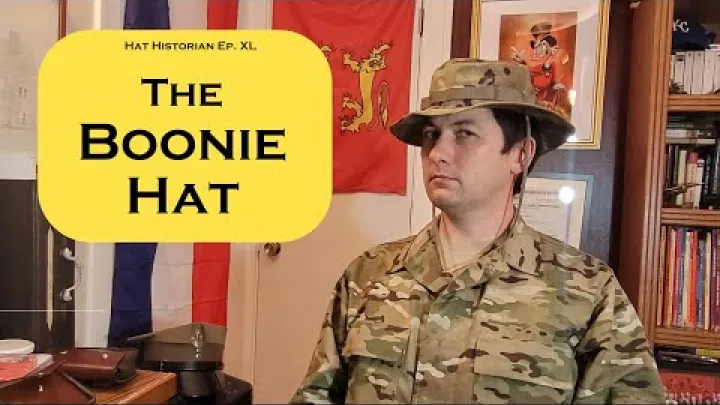
What is a Vietnam War boonie hat?
A Vietnam War boonie hat is a soft fabric field hat with a flat or slightly rounded crown and a wide, flexible brim. It became widely known during the Vietnam War, when US and allied troops used it as a practical alternative to rigid helmets in certain situations.
Unlike the stiff, leaf-based Nón Lá, the Vietnam war boonie hat is made from cloth and folds easily for storage. It usually appears in solid colors such as olive, khaki, or dark green, or in camouflage patterns suited to jungle landscapes. When people search for “boonie hat Vietnam” or “Vietnam war boonie hat” today, they may be looking for original military-issue hats from that period, or for modern reproductions used for hiking, fishing, airsoft games, or everyday outdoor work. In this guide, the focus stays on neutral facts about design and usage rather than on specific battles or military operations.
Design features of Vietnam boonie hats
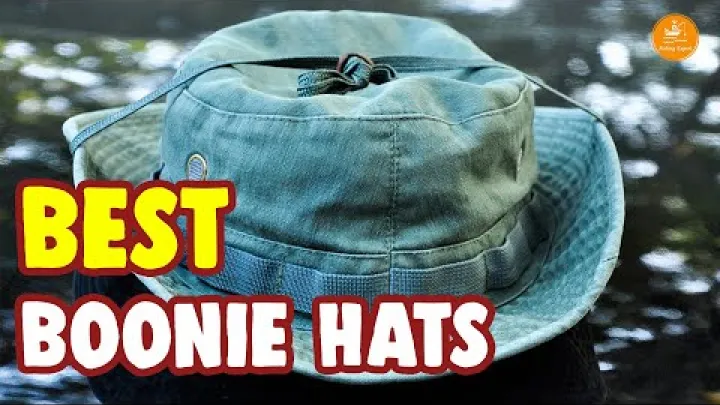
The classic Vietnam boonie hat has several characteristic design features that make it easy to recognize and effective in the field. The main material is usually cotton or a cotton-blend ripstop fabric, which is light, breathable, and relatively quick to dry. Colors are chosen to match outdoor conditions, so shades of green, brown, tan, or camouflage prints are most common. The brim is firm enough to hold its shape but soft and flexible, so it can be folded or bent without breaking.
Many boonie hats, including those inspired by the Vietnam War, share a standard set of practical details. When you look closely, you will often find:
- Ventilation eyelets on the sides of the crown to allow air flow and reduce heat buildup.
- Foliage loops or small webbing bands around the crown for attaching leaves or extra camouflage material.
- A chin strap or cord to keep the hat secure in wind, on boats, or when moving through dense vegetation.
- Stitch-reinforced brims with multiple rows of stitching to strengthen the edge and help the brim hold its shape.
These features support ventilation, concealment, and a stable fit in hot and wet climates similar to much of Vietnam. Modern outdoor boonie hats used by hikers, anglers, and field workers often keep these same elements, even when they are not directly marketed as Vietnam War hats, because the design has proved practical over many years.
Vietnam War era hats versus modern reproductions
When people talk about “Vietnam War era hats,” they may be referring to original items issued during the conflict or to later reproductions that copy the general style. For collectors and museums, original boonie hats and other military headgear from that era have historical value and are judged by details like the age of the fabric, the type of labels, and the specific camouflage pattern used. These pieces often show signs of wear, fading, or repairs, which are part of their story.

Modern reproductions, on the other hand, are made for current needs, such as outdoor sports, casual fashion, or historical reenactments. They may use updated materials, slightly different colors, or modern manufacturing methods that change the weight and texture compared to original issue items. If you are a collector, you may look for features like period-correct manufacturer tags, stitching style, and authentic pattern codes. If you are a casual buyer who simply wants a practical boonie hat Vietnam-style for travel or gardening, it is usually more important to focus on clear product descriptions, comfort, and durability than on authenticity claims. Being aware of this difference helps you decide whether historical accuracy or everyday function is your main goal when shopping.
How to choose a boonie hat for sun and rain protection
Choosing a good boonie hat for sun and rain protection does not require expert knowledge, but it helps to think about your climate, activities, and packing needs. A Vietnam-style boonie hat with the right brim width and fabric can make outdoor work or travel in hot, wet regions much more comfortable. By comparing a few key features, you can quickly find a model that suits both your head and your plans.
When evaluating boonie hats, consider the following points:
- Brim width: Wider brims give more shade to your face and neck but may catch more wind. Medium-width brims are often a good balance for everyday use.
- Fabric weight and breathability: Lightweight cotton or ripstop fabrics are usually cooler. Look for ventilation eyelets or mesh panels if you will be in very hot climates.
- Quick-drying properties: In rainy or humid areas, a hat that dries fast is more comfortable. Many modern boonie hats use blends designed to dry quicker than pure cotton.
- Fit and adjustment: A hat that is slightly too large may blow off easily. Adjustable chin straps, drawcords, or internal size bands help secure the hat while walking, cycling, or boating.
- Packability: If you travel often, choose a soft hat that can be folded or rolled without permanent damage, and avoid stiff inserts that can crack.
For care, rinse your boonie hat in fresh water after exposure to saltwater or heavy sweat, and let it air-dry out of intense direct sun to reduce fading. Avoid hot machine drying, which can shrink fabric or damage stitching. With these simple habits, a good-quality boonie hat can remain a reliable part of your outdoor gear for many years.
Vietnam War Veteran Hats and Commemorative Caps
What is a Vietnam War veteran hat?
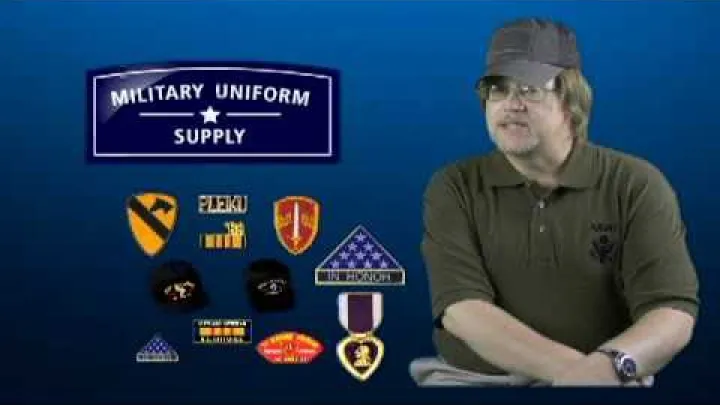
These caps often have the words “Vietnam Veteran,” “Vietnam War Veteran,” or a similar phrase embroidered on the front, sometimes along with the colorful service ribbon that represents the Vietnam Service Medal. They are worn mainly by veterans themselves as a sign of identity and remembrance.

Designs can vary, but many Vietnam war veterans hats share common elements. Caps may include the years of service, branch emblems such as Army, Navy, Air Force, or Marine Corps symbols, and sometimes unit names, ship names, or specific campaigns. Some designs are labeled as “Vietnam era hats,” which may refer to people who served in the armed forces during the Vietnam War period, whether or not they were deployed to Vietnam itself. These hats carry personal meaning, and for many veterans they are a way to connect with others who share similar experiences and to receive recognition in daily life.
Who can wear a Vietnam veteran hat respectfully?
Because Vietnam veteran hats are closely tied to personal military service and sacrifice, there are important norms about who should wear them. In many communities, these hats are primarily intended for people who actually served in the Vietnam War in a way that qualifies them as veterans under their country’s rules. Wearing a Vietnam war veteran hat without having such service can be understood as claiming experiences or honors that are not yours.

Family members and supporters sometimes wish to show respect and solidarity, and there are ways to do this without creating confusion. Instead of wearing a cap that simply says “Vietnam Veteran,” they may choose designs with phrases like “Proud Son of a Vietnam Veteran,” “Vietnam Veteran Supporter,” or more general remembrance symbols. These items make the relationship clear and avoid suggesting that the wearer personally served. For international readers unfamiliar with veteran culture, it is important to know that in many places, using veteran symbols incorrectly can be viewed as misleading or disrespectful, even if no harm is intended. When in doubt, choose a support or remembrance design rather than one that directly claims veteran status.
Vietnam veteran hats made in the USA versus imported options
When shopping for a Vietnam war veteran hat, some buyers pay close attention to where the cap is manufactured. For various reasons, including perceived quality, local employment, or symbolic meaning, a number of veterans and their families prefer a Vietnam veteran hat made in the USA. Others are comfortable buying imported hats as long as they are well constructed and clearly labeled. In either case, it is useful to know what to look for beyond just the production country.
In general, differences between made-in-country and imported hats may appear in details such as stitching, embroidery precision, and material thickness. For example, some caps use heavier fabric and denser embroidery threads that create a more solid, long-lasting logo, while others are lighter and softer but may wear out faster. Instead of focusing only on origin, buyers can consider neutral factors: Does the hat feel comfortable on your head? Does the embroidery accurately reflect the correct ribbons, branch emblems, and wording? Is the label clear about fiber content and place of manufacture? Are the production conditions ethical and transparent? Evaluating these objective characteristics helps ensure that any Vietnam veteran hat you choose, imported or domestic, is a respectful and durable item.
Navy and branch-specific Vietnam veteran hats
Many Vietnam veteran hats are designed to highlight not only service in Vietnam but also the specific branch or type of unit in which a person served. An Army veteran might wear a cap showing both “Vietnam Veteran” and an Army emblem, while a Marine Corps veteran might choose a design with the Marine symbol. Such branch-specific hats allow veterans to express pride in both their overall service and their particular role, and they often become conversation starters among people with similar backgrounds.

A Vietnam navy veteran hat, for example, may feature the name or hull number of a ship, an anchor emblem, or the words “Brown Water Navy” for those who served on river and coastal vessels. Air Force and Marine Corps veteran caps might show aircraft silhouettes or unit numbers, while Army hats could indicate divisions, regiments, or special operations units. These details help veterans identify each other’s experiences at a glance, without ranking or comparing one branch to another. For observers, recognizing that these hats carry specific and personal information can encourage a more thoughtful and respectful response when meeting someone wearing one.
Buying a Vietnam Hat as a Souvenir or Gift

How to choose an authentic Nón Lá or Vietnam farmer hat
Many travelers want to bring home a Nón Lá or Vietnam farmer hat as a reminder of their trip, but the quality of available hats can vary greatly. Some are made quickly for mass tourism, while others come from long-standing craft villages and are designed for regular daily use. Knowing a few basic signs of craftsmanship can help you recognize a well-made conical hat, whether you plan to wear it or display it at home.
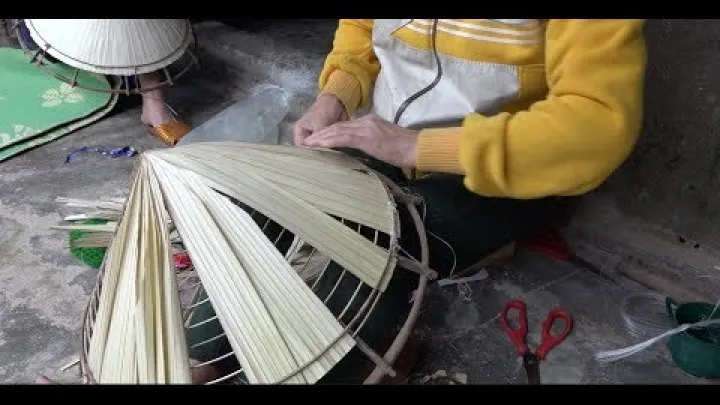
When inspecting a Nón Lá, look carefully at the inner bamboo rings and outer leaf surface. The rings should be evenly spaced and smooth, without sharp edges or large irregularities. The stitching that holds the leaves to the frame should be tight and regular, following neat circular lines from the tip down to the brim. On the outside, the leaf layers should overlap smoothly, with no obvious gaps, holes, or large bumps. A budget-friendly hat may be a bit rougher or lighter, but it should still feel balanced when placed on your head. Higher-quality versions often feel slightly heavier and more solid because they use extra leaf layers and more careful stitching. Comfort also depends on inner straps or padding: some hats include a simple cotton or synthetic strap that helps keep the hat steady, while decorative or performance hats may use softer materials around the contact points.
Where to find Vietnam hats online and within Vietnam
If you are already in Vietnam, you can find traditional hats in many places. In some regions, craft villages specialize in conical hat making, and visiting them lets you see the production process and buy directly from artisans. Museum shops, cultural centers, and curated souvenir stores often offer slightly more expensive but carefully selected hats, including special styles like poetic hats from central Vietnam.
For people shopping from abroad, Vietnam hats are widely available through large online marketplaces and smaller specialty stores focused on traditional crafts or military history. When buying online, it is important to pay attention to clear product photos from multiple angles, descriptions that mention materials and size, and customer reviews that comment on fit and durability. For fragile items like Nón Lá and other straw hat Vietnam designs, ask or check how the hat is packaged for shipping. Good sellers use boxes or supports that protect the cone from crushing during transport. Fabric items such as boonie hats and Vietnam war veteran hats are harder to damage in transit, but they still benefit from accurate size charts and return policies in case the fit is not as expected.
Care, storage, and longevity of straw and fabric Vietnam hats
Once you have your Vietnam hat, basic care will help it last longer and keep its shape. Straw and leaf-based hats like Nón Lá need different treatment from fabric hats such as boonie hats and veteran caps, but the general idea is the same: protect them from extreme moisture, strong direct sunlight for very long periods, and crushing forces.

For Nón Lá and similar straw or leaf hats, try to keep them dry or allow them to dry gently if they become wet. Wipe off light dirt with a soft, slightly damp cloth and let the hat air-dry in the shade, not in direct intense sun, which can cause warping or cracking. Store the hat in a place where it will not be flattened, such as on a hook, a dedicated stand, or the top of a shelf. During travel, you can fill the inner space with soft clothing to help maintain the shape inside a suitcase or carry-on bag. For boonie hats and Vietnam war veteran caps, brushing off dust and occasionally hand-washing with mild soap is usually enough. Avoid hot water or strong cleaners that might damage embroidery or cause colors to run. Let fabric hats air-dry, reshaping the crown and brim with your hands if needed. With simple, regular care, both straw and fabric Vietnam hats can stay in good condition as practical gear or meaningful keepsakes.
Frequently Asked Questions
What is the traditional Vietnamese hat called and what does it mean?
The traditional Vietnamese hat is called Nón Lá, which literally means “leaf hat.” It is a light conical hat made from palm or similar leaves and bamboo, used to protect from sun and rain. Beyond its practical role, it symbolizes Vietnamese rural life, simplicity, and cultural identity, and is often paired with the áo dài traditional dress.
What is the difference between a Nón Lá and a Vietnam boonie hat?
A Nón Lá is a stiff, cone-shaped hat made from leaves and bamboo, while a Vietnam boonie hat is a soft fabric field hat with a flat crown and a flexible brim. The Nón Lá is a cultural and agricultural hat used mainly by civilians in Vietnam, whereas the boonie hat became famous as military gear worn by soldiers during the Vietnam War. They serve similar sun and rain protection functions but come from very different traditions and materials.
Who is allowed to wear a Vietnam veteran hat?
Vietnam veteran hats are intended primarily for people who personally served in the Vietnam War. Family members sometimes wear hats that show support, but they usually avoid designs that directly claim veteran status, such as “Vietnam Veteran” without any qualifier. Wearing a veteran hat without having served can be seen as disrespectful in some communities, so it is best to choose a support or remembrance design if you are not a veteran.
How can I tell if a Vietnam conical hat is handmade and authentic?
You can recognize an authentic handmade Vietnam conical hat by its even bamboo rings, regular stitching, and smooth overlapping leaves. The surface should feel light yet firm, with no obvious glue marks or plastic parts, and the brim edge is usually reinforced with a thin bamboo strip. Many authentic hats show small variations because they are hand sewn, and some may include information about the craft village or region where they were made.
What materials are used to make the Vietnamese conical hat?
The Vietnamese conical hat is traditionally made from young palm leaves or similar plant leaves and a frame of split bamboo. The leaves are dried, softened, pressed flat, and then sewn onto concentric bamboo rings using thread or plant fibers. Some high-quality hats use two or three layers of leaves and a thin natural varnish to improve water resistance and durability.
Are Vietnam War boonie hats still used by soldiers today?
Modern soldiers and outdoor professionals still use boonie hats, although current versions may differ from those used in the Vietnam War. Today’s boonie hats often use updated fabrics, colors, and camouflage patterns but keep the same basic wide-brim design. They remain popular for hot and wet environments and are also widely used by hikers, anglers, and other outdoor enthusiasts.

Conclusion and Next Steps
Comparing the three main Vietnam hat traditions
Nón Lá, Vietnam War boonie hats, and Vietnam veteran caps each represent a different aspect of Vietnam’s story. The conical hat Vietnam is known for reflects rural life, traditional craftsmanship, and daily work in fields and markets. Boonie hats show how military design responded to the realities of a hot, wet landscape, while modern versions continue to serve outdoor workers and travelers. Veteran caps, in turn, focus on remembrance and identity, allowing former service members to recognize each other and share their history in a simple, visible way.
Although these three hat types differ in material, purpose, and symbolism—leaf and bamboo for Nón Lá, fabric and camouflage for boonie hats, and embroidered cotton or blends for veteran caps—they all provide protection from sun and rain in their own contexts. When you think about which Vietnam hat interests you most, you can consider whether you are primarily drawn to cultural heritage, practical outdoor function, or the stories of those who served during the Vietnam War. Understanding these distinctions makes it easier to choose, wear, and talk about Vietnam hats with clarity and respect.
How to continue exploring Vietnam hats with respect and curiosity
Learning about Vietnam hats opens a window onto many parts of Vietnamese life: agriculture, craft traditions, modern tourism, military history, and veteran communities in different countries. If you want to explore further, you might visit craft villages or cultural museums to see how Nón Lá is made, or read more about the daily realities of people who rely on these hats for work. You can also learn about the experiences of veterans and their families, which helps you understand the meaning behind Vietnam war veteran hats and branch-specific caps.
When buying any type of Vietnam hat, thoughtful choices make a difference. Supporting local artisans, checking for accurate and respectful use of veteran symbols, and caring properly for the hats you own all help maintain the traditions and stories they carry. With this knowledge, you can approach Vietnam hats—whether traditional, military, or commemorative—with informed curiosity and consideration for the people whose lives they represent.
Select area
Create a post
Posting is free and no registration is required.