- Tay Son Heaven and Earth Esplanade: Historic Shrine in Quy Nhon
- Quang Trung Museum: Tay Sơn History & Culture in Quy Nhon
- Banh It Cham Towers: Ancient Heritage & Photography in Quy Nhon
- The Thon Beach in Cat Tien: Clean Shores & Affordable Watersports
- Linh Phong Pagoda in Quy Nhon: The Sacred Mountain Temple
Vietnam Massage Guide: Types, Prices, and Best Cities
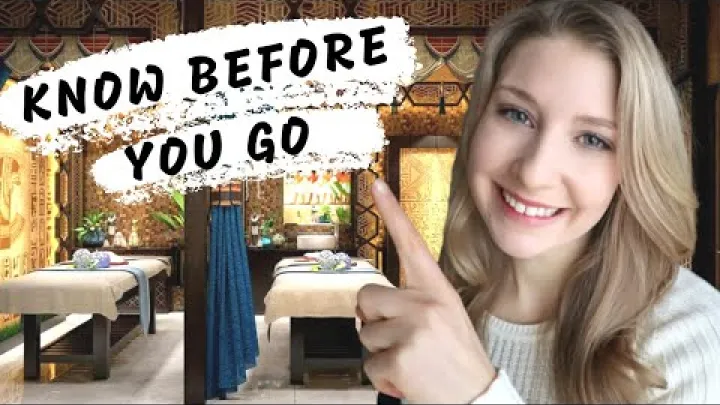
Vietnam massage has become a regular part of travel plans for many visitors who want relaxation, cultural insight, and good value in one experience. Whether you are in Vietnam for a short vacation, a study abroad semester, or a remote work stay, massage in Vietnam can help you recover from long flights and busy days. This guide explains how Vietnamese massage developed, the main techniques you will see on spa menus, and what a typical session feels like. You will also find practical information on Vietnam massage prices, how to choose a reputable massage spa, and where to go in cities such as Hanoi, Da Nang, Hue, Hoi An, and Ho Chi Minh City.
By understanding these basics before you book, you can enjoy the benefits of massage in Vietnam with more confidence, safety, and comfort.
Introduction to Vietnam Massage for International Visitors
Why massage in Vietnam is popular with travelers, students, and remote workers

Massage in Vietnam attracts many different types of visitors because it combines cultural experience, relaxation, and relatively affordable prices. Compared with many Western countries or nearby destinations, Vietnam massage prices are often lower while therapist skills are generally strong. This makes it easy to include regular massage sessions in a travel, study, or work schedule without placing too much pressure on your budget. At the same time, Vietnamese techniques such as Tam Quat and bấm huyệt (acupressure) give you a direct window into local traditional medicine and daily wellness habits.
Exchange students and digital nomads may use a neighborhood massage center once a week to reduce digital fatigue, neck stiffness, and lower back pain from long hours on laptops. City sightseeing in Hanoi, Da Nang, Hoi An, and Ho Chi Minh City usually involves a lot of walking in hot weather, so a simple foot massage or herbal foot bath at the end of the day becomes a small but meaningful routine. In this way, massage serves both as a health support and a calm space to pause during a busy trip.
It is useful to understand the difference between tourist-focused spas and local massage parlours in Vietnam. Tourist-oriented venues, often in old town or beachfront districts, usually offer English-language menus, online booking, and a mix of Vietnamese and international treatments. They may feel more like day spas you know from home, with soft music, herbal tea, and decorative design. Local neighborhood massage centers are often simpler, with less decoration but a strong focus on acupressure and practical pain relief for residents. Many visitors enjoy trying both: resorts or boutique spas for relaxation days, and simpler massage parlours in Vietnam for straightforward, intensive bodywork.
Remote workers and long-stay visitors also appreciate that regular massage in Vietnam can support a healthier routine. Instead of thinking of massage as a rare luxury, the combination of accessible pricing and wide availability allows you to treat it as part of a weekly self-care plan. This helps manage stress, maintain better posture, and stay more productive during an extended stay.
Overview of what this Vietnam massage guide will cover
The next sections describe the main types of Vietnamese massage and spa treatments you are likely to see. These include traditional acupressure, foot reflexology, herbal compresses, hot stone massage, aromatherapy, and traditional “wind” techniques such as cupping and scraping. For each type, you will find explanations of how it feels, when people usually choose it, and what to discuss with your therapist.
You will then see what to expect during a typical Vietnam massage session, from check-in to closing. This section covers session structure, clothing, communication, and etiquette, so you know how to express your needs and maintain clear boundaries. After that, the guide discusses health benefits, safety, and when massage should be avoided or modified for certain medical conditions.
A dedicated part of the guide explains Vietnam massage prices and the main factors that influence the cost, such as city, spa type, and treatment duration. You will find example price ranges for Hanoi, Da Nang, Hue, Hoi An, and Ho Chi Minh City, making it easier to plan your budget. Regional sections then highlight what makes massage experiences in each of these cities special.
Because blind massage in Vietnam plays an important social and therapeutic role, you will read how these centers operate and why many travelers choose them. Finally, the guide shows how to choose a reputable Vietnam massage spa, explores the growing field of wellness tourism, and ends with a frequently asked questions section and a concise summary. You can use the headings as a navigation tool and focus on the parts that match your personal interests and travel plans.
What Vietnam Massage Is and How It Developed
Historical roots in Vietnamese traditional medicine
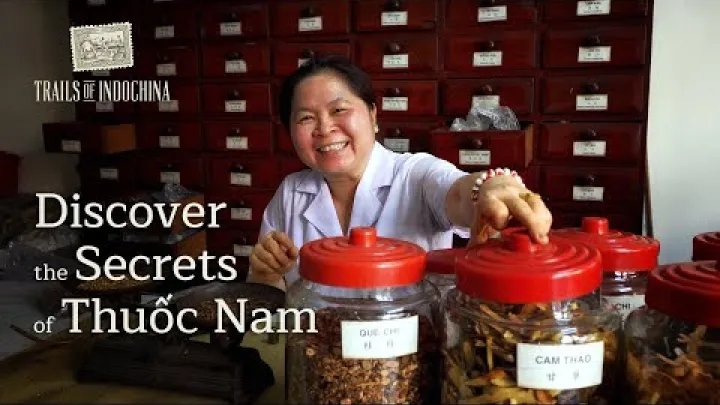
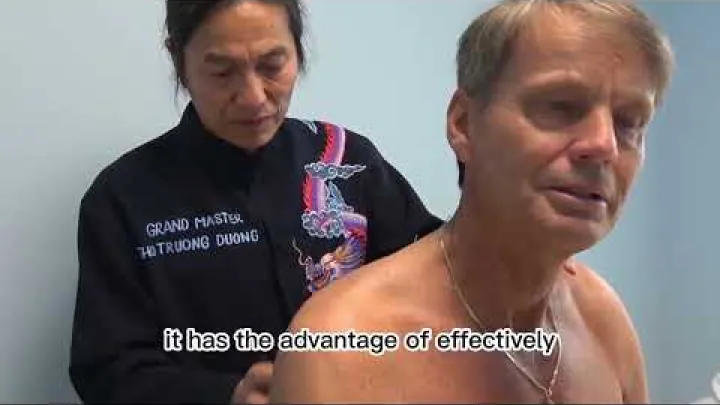
Vietnam massage has deep roots in Vietnamese traditional medicine, which developed over many centuries and was influenced by Chinese medicine and regional Southeast Asian practices. Historically, healers in villages and urban clinics used manual techniques to relieve pain, support recovery from illness, and maintain general vitality. These traditional practitioners combined massage methods with herbal preparations, diet advice, and simple exercises to rebalance the body.
Traditional massage techniques in Vietnam often focused on pressing along specific lines on the body, stretching tight areas, and using rubbing motions to warm the skin and muscles. Healers would sometimes apply herbal oils or balms made from local plants such as lemongrass, ginger, and camphor, which were believed to improve circulation and ease joint stiffness. The aim was not only to reduce symptoms but also to correct underlying imbalances described in terms of energy and elements rather than in modern biomedical language.
As cities like Hanoi and Ho Chi Minh City grew, small family-run massage parlours began serving both local residents and visiting traders. Later, as tourism expanded in places such as Da Nang, Hoi An, and Hue, hotels and resorts started to include Vietnam massage spa facilities as part of their services. The focus shifted from only treating illness and injury to also supporting relaxation, stress relief, and travel comfort.
It is important to recognize the difference between registered medical providers and commercial wellness spas in modern Vietnam. Some hospitals and traditional medicine clinics employ licensed practitioners who use massage as part of a structured treatment plan, often together with acupuncture or herbal medicine. These services are closer to healthcare and may require referrals or medical records. In contrast, most Vietnam massage spas and wellness centers operate as commercial businesses. They are designed for general relaxation and non-medical support, even when they use traditional techniques in their treatments.
For international visitors, this means that a typical “massage in Vietnam” experience will most likely take place in a wellness spa or massage center, not in a medical clinic. While many therapists are highly skilled and may have trained with traditional medicine teachers, they are usually not acting as doctors. If you have a specific health condition, it remains important to consult your own healthcare provider and view massage as supportive rather than primary treatment.
Core concepts: Qi, Yin–Yang, and meridians in Vietnam massage

Many forms of Vietnam massage draw on basic concepts also found in East Asian traditional medicine, including Qi, Yin–Yang balance, and meridians. Qi is often translated as “vital energy” or “life force,” and it is imagined as a flow that moves through the body along defined pathways. These pathways are called meridians. In this understanding, good health depends on smooth, balanced flow of Qi, while pain and illness arise when the flow is blocked or disturbed.
Yin and Yang are a way of describing opposite but connected qualities, such as rest and activity, coolness and warmth, or softness and firmness. In Vietnamese acupressure approaches, a therapist may try to adjust these qualities in the body by applying different levels of pressure, speed, and warmth. For example, stronger, faster pressing may be seen as more Yang, useful for stimulating tired muscles, while slower, gentle techniques may be more Yin, helping calm the nervous system.
During a traditional Vietnamese acupressure session, the therapist often works along meridians that run through the back, legs, arms, and head. They use fingers, thumbs, palms, or sometimes elbows to press on specific points believed to influence internal organs, circulation, or emotional states. Even if you do not personally think in terms of Qi and meridians, you can feel these points as tender spots or areas where pressure creates a noticeable release of tension.
Techniques like Tam Quat and bấm huyệt are directly guided by these concepts. Tam Quat is a structured form of bodywork that uses rhythmic pressing and kneading along meridians, while bấm huyệt focuses more precisely on acupressure points. In practice, a session might include a sequence starting from the back and shoulders, moving down the legs and feet, and then returning to the head and neck. The therapist adjusts their approach based on your feedback about pressure comfort, warmth, and sensitivity.
From a modern scientific point of view, research is still ongoing about how and why these traditional concepts might relate to measurable physical effects. Some explanations highlight improved circulation, muscle relaxation, and changes in the nervous system as likely mechanisms. However, clear evidence linking Qi and meridians to specific anatomical structures is still limited. For visitors, it is helpful to see these ideas as part of the cultural and theoretical background of Vietnam massage, while also appreciating the very real physical sensations and relaxation that can come from skilled, hands-on work.
Main Types of Vietnamese Massage and Spa Treatments

Traditional acupressure and Tam Quat

Traditional acupressure and Tam Quat are core styles that you will often encounter in a Vietnam massage center. Tam Quat is a structured full-body massage that combines rhythmic pressing, kneading, and stretching, usually without oil or with only a small amount. Bấm huyệt, the Vietnamese term for acupressure, focuses more on pushing specific points along meridians to stimulate circulation and relieve pain. Many local clients choose these styles to address chronic back pain, neck stiffness, or fatigue from physical work.
During a Tam Quat session, you will usually lie on a massage table or sometimes on a firm mattress while the therapist works through a fixed sequence. They may start with your back, using the heels of their hands to press along both sides of the spine, then move to the shoulders where they use thumbs and fingers to find tight knots. Pressing can be quite firm, and some visitors describe the sensation as “intense but releasing.” The therapist might then treat the legs and arms with squeezing motions, and finish with the neck, head, and sometimes gentle face massage.
Acupressure (bấm huyệt) can feel more focused and sharper than general massage because the therapist targets small points that may already be sensitive. When they press these points, you might feel local discomfort followed by a spreading sense of warmth or relief. It is important to communicate clearly about pressure levels. Many therapists in Vietnam are accustomed to local clients who enjoy strong pressure, so you may need to say “softer” or “light pressure” if you prefer a gentler experience.
Compared with oil-based Western or Thai-style treatments, traditional acupressure is often chosen when someone wants practical pain relief rather than pure relaxation. Travelers who spend long hours in buses, trains, or airplane seats may prefer Tam Quat to loosen tight lower backs and hips. Students and remote workers who sit at desks for extended periods may appreciate strong work on shoulders and neck. If you are sensitive to oils or do not want to shower after your session, dry acupressure is usually more convenient.
To set realistic expectations, it helps to know that Tam Quat and acupressure can feel quite strong, especially in budget massage parlours where therapists may apply firm pressure as the default. Some common sensations during a session include deep, dull pressure along the muscles, sharper sensations on trigger points, and sometimes mild soreness afterward. Mild soreness that fades within a day or two can be normal, but sharp pain or pain that worsens should be reported immediately. You are always allowed to ask the therapist to reduce or increase pressure, skip certain areas, or stop the treatment.
Foot reflexology and herbal foot baths in Vietnam
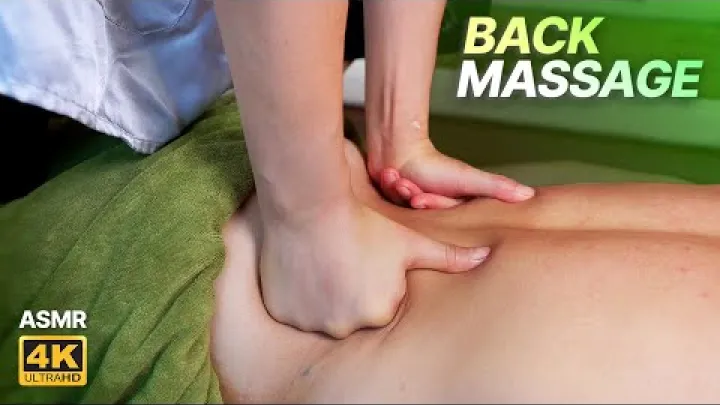
Foot massage and reflexology are among the most accessible forms of massage in Vietnam, especially in busy tourist areas and city centers. Many small Vietnam massage parlours and even street-side shops offer 30- to 60-minute foot treatments, often combined with a shoulder or head massage. These services are popular with both locals and visitors because they are convenient, relatively inexpensive, and do not require undressing.
A typical foot reflexology session begins with a warm herbal foot soak. The therapist brings a basin of warm water that may contain herbs such as lemongrass, ginger, or green tea leaves. This soak softens the skin, warms the feet, and helps you relax after a long day of walking. Some venues add a brief exfoliation using a scrub or pumice stone to smooth rough areas. After drying your feet, the therapist applies oil or cream and starts a structured sequence of pressure along the soles, toes, ankles, and lower legs.
Basic foot massage focuses on general relaxation. The therapist uses thumbs and fingers to knead the arch, heel, and ball of the foot, as well as to stretch and rotate the toes. In contrast, more structured reflexology aims at specific reflex zones believed to correspond to different organs and systems in the body. For example, the arch might be linked to digestive organs, while the base of the toes may be associated with sinuses or the head. When working on these points, pressure can feel stronger and sometimes temporarily uncomfortable.
For city visitors who spend hours exploring old streets and markets, foot reflexology is often the first “massage in Vietnam” they try. It allows you to stay fully clothed while sitting in a reclining chair or simple bed, making it a low-commitment way to test a massage center. Foot treatments are also suitable for friends who want to share the experience side by side. In many Vietnam massage spas, you will see rows of comfortable chairs arranged for this purpose.
In terms of price, foot massages are usually cheaper than full-body treatments. In many cities, a 30-minute basic foot massage might cost roughly half of a 60-minute full-body session. However, prices vary by location and venue category. When choosing between basic foot massage and more detailed reflexology, consider your goals and sensitivity. If you mainly want to relax your legs and feet after walking, a simple massage is usually sufficient. If you are curious about reflex zones and do not mind firmer pressure, you may enjoy a reflexology session. Always inform the therapist if you have foot injuries, neuropathy, or conditions such as diabetes that affect skin sensitivity.
Herbal compress, hot stone, and aromatherapy options

Many Vietnam massage spas, especially in tourist areas and higher-end hotels, offer treatments that use heat and natural products to deepen relaxation. Herbal compress massage, hot stone therapy, and aromatherapy are common options on spa menus. These treatments are often chosen by visitors who want a more luxurious or soothing experience after long workdays, travel, or outdoor activities.
Herbal compress massage involves warmed cloth bundles filled with dried herbs. The exact mix varies, but it often includes ingredients such as lemongrass, ginger, turmeric, and camphor leaves. The compresses are steamed until hot and then pressed or rolled along muscles and joints. The combination of warmth and herbal scent can help the body relax and may ease mild stiffness. Some spas integrate compresses into a full-body oil massage, alternating between traditional hand techniques and gentle stamping with the herbal bundles.
Hot stone massage uses smooth, heated stones placed along the back, shoulders, or other tense areas, and sometimes held in the therapist’s hands during strokes. The steady warmth penetrates into deeper muscle layers, which can be very comforting for people with chronic tension, especially in cooler climates such as northern Vietnam’s winter months. Aromatherapy massage, on the other hand, relies on essential oils diluted in carrier oils. Scents such as lavender, lemongrass, or eucalyptus are chosen either by the therapist or by the client to support relaxation or alertness.
These options are particularly suitable for stress relief after intensive work or travel days. A remote worker who spends many hours in front of a computer may find that aromatherapy massage helps calm the mind while easing shoulder tension. A traveler returning from a trekking excursion near Da Nang or Sapa might enjoy herbal compress or hot stones to soothe tired legs. Many spas also market these treatments as part of special packages that include scrubs, facials, or baths.
Before using oils or heat-based treatments, it is important to mention any skin sensitivities, allergies, or circulatory problems. If you have very sensitive skin, a history of eczema, or known reactions to fragrances, ask for a neutral oil without added essential oils. For hot stones and very warm compresses, people with reduced sensation, diabetes-related neuropathy, or circulation issues should request lower temperatures to avoid burns. Pregnant visitors should always mention their pregnancy, as some essential oils and deep-heat applications are not recommended during certain stages. A professional Vietnam massage spa will welcome this information and adapt the treatment accordingly.
Cupping, scraping, and traditional "wind" techniques
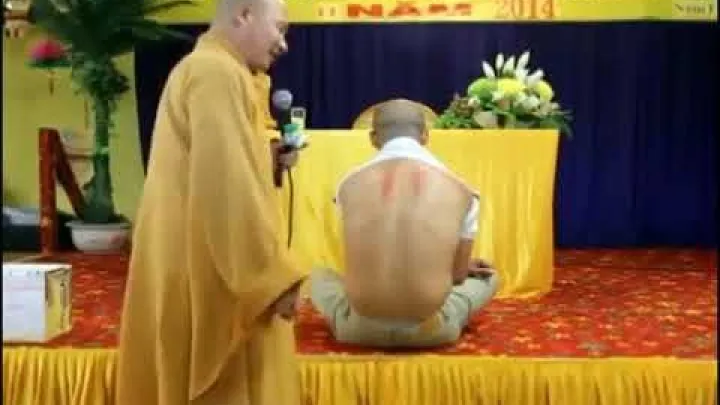
In addition to more familiar massage styles, Vietnam also has traditional “wind” techniques that many locals use when they feel chilled, fatigued, or slightly unwell. Two of the most common methods are cupping (giác hơi) and scraping (often called cạo gió). These practices are based on the belief that “wind” or cold can invade the body and cause pain or illness, and that drawing it out through the skin can restore balance. While they are less common in tourist-focused spas, you may still see them offered in some traditional medicine clinics and small Vietnam massage centers.
Cupping involves placing special cups on the skin to create suction. Historically, bamboo or glass cups and flame were used to remove air before quickly placing the cup on the back or shoulders. Today, many therapists use pump-based plastic cups for more controlled suction. The negative pressure pulls the skin slightly into the cup, increasing local blood flow. Scraping (cạo gió) usually uses a smooth-edged tool, such as a spoon or a dedicated scraping instrument, which is stroked along oiled skin on the back, neck, and shoulders. Both methods commonly leave visible marks: circular red or purple areas from cupping, and long red streaks from scraping.
These marks are not bruises from impact but rather the result of increased blood flow and small capillary leakage near the surface of the skin. They can look dramatic, especially on light skin, and may take several days to fade. Because of this, travelers who plan to swim, wear open-back clothing, or attend professional events should consider timing carefully. If you are not comfortable with visible marks, it is better to avoid cupping and scraping or request very gentle intensity.
For international visitors, cupping and scraping can be an interesting cultural experience, but they are also stronger techniques that may not suit everyone. People with bleeding disorders, those taking blood-thinning medications, or anyone with fragile skin should generally avoid them. It is also wise to skip these methods if you are feeling weak, dehydrated, or recovering from recent illness or surgery. If you decide to try them, choose a reputable Vietnam massage center or clinic that explains the procedure clearly and checks your health status first.
After cupping or scraping, it is common advice in local tradition to keep the treated area covered and avoid cold wind or sudden temperature changes. Some people feel immediate relief in stiffness or headache, while others may feel temporarily tired. Drinking water and resting quietly after the session can help your body adjust. If you experience unusually strong pain, dizziness, or any concerning symptoms, you should seek medical attention and inform the practitioner about the treatment you received.
What to Expect During a Vietnam Massage Session
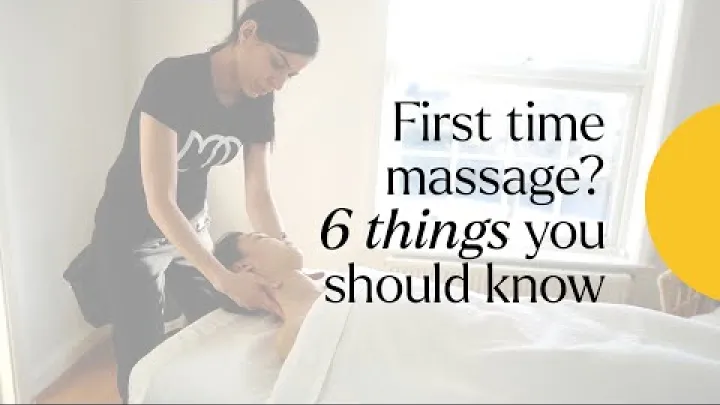
Typical Vietnam massage session structure and duration
Understanding the usual structure of a Vietnam massage session can help you feel more relaxed and in control when you arrive. While details vary between budget massage shops, mid-range spas, and hotel spas, most sessions follow a similar pattern: check-in, preparation, main treatment, and closing. Session lengths commonly range from 30 to 90 minutes, with 60 minutes being the most standard option for full-body work.
Shorter 30-minute sessions are often used for focused areas such as feet, back, or shoulders. A 60-minute massage usually covers the full body, while 90 minutes or more allows for slower pacing, additional techniques like hot stones, or extra focus on problem areas. In many Vietnam massage spas, you will see menus that list these time options alongside treatment types, making it easy to choose based on your schedule and needs.
Below is a simple overview of the steps you might experience during a typical visit to a Vietnam massage spa:
- Arrival and check-in at reception
- Selection of massage type and session length
- Brief health questions and pressure preferences
- Changing into spa clothing or undressing in a private room
- Optional foot wash or shower, depending on venue
- Main massage treatment on table, chair, or recliner
- Short rest, tea or water, and payment at reception
In budget massage shops, the check-in process may be simple. You choose a treatment from a laminated menu, confirm the price, and are led directly to a shared room with curtains. Health questions might be brief or not asked at all, so it is good practice to share important information yourself, such as pregnancy, injuries, or areas to avoid. The environment may be modest but functional, and session timing is usually close to the number of minutes advertised.
Mid-range Vietnam massage spas often have more structured routines. Staff may ask you to fill in a short form about your health, preferences, and any allergies. You might receive a locker key, a robe, and disposable underwear. A short foot wash at the start is common, especially in Da Nang and Hoi An where many clients come straight from walking or the beach. Therapists then guide you through the main treatment, which usually starts with the back and shoulders, then moves to legs, arms, and finally head or feet.
Hotel spas and high-end wellness centers tend to add more steps. You may be offered a welcome drink, a scented towel, or a brief consultation to choose aromatherapy oils. Facilities can include steam rooms, saunas, or hydrotherapy pools that you can use before or after your massage. Session time may be slightly flexible, and staff are generally attentive to small details, such as music volume, room temperature, and draping comfort. These venues cost more, but for some travelers, the added privacy and calm environment are important.
Clothing, communication, and etiquette in Vietnam massage

Clothing and etiquette can differ between countries, so knowing what to expect in a Vietnam massage spa helps you feel comfortable and respectful. For oil-based massages, such as aromatherapy or hot stone treatments, clients typically undress to their underwear or use disposable underwear provided by the spa. The therapist then covers you with towels or a sheet, uncovering only the area being worked on at any time. For dry acupressure like Tam Quat, you may wear loose spa clothes provided by the venue, often a simple T-shirt and shorts. Foot treatments usually require only rolling up your pants while keeping your regular clothes.
Privacy standards vary with venue type, but professional Vietnam massage centers aim to protect your modesty. Changing is usually done in a private room or behind a curtain. If you feel uncertain, you can ask staff what is expected by using simple phrases such as “Keep underwear?” or “This okay?” Many therapists and reception staff in tourist areas have at least basic English, but speaking slowly and using gestures can also help. You are always free to keep more clothing on if that makes you more comfortable, though the therapist may need to adjust techniques slightly.
Communication about pressure and comfort is very important. Some useful phrases include “softer, please,” “stronger, please,” “too hot,” or “no oil, please.” If something feels painful in a bad way, you can say “stop” or “no there” and the therapist should immediately adjust. It is also fine to tell them if you feel cold, if the music is too loud, or if you prefer to avoid certain areas due to personal or medical reasons. Clear communication usually leads to a better experience for both you and the therapist.
Regarding cultural etiquette, maintaining respectful behavior and clear boundaries is essential. Professional Vietnam massage spas provide therapeutic services, not adult entertainment. You should not make sexual comments, gestures, or requests. If a therapist or staff member proposes services that you do not want, you can decline firmly but politely by saying “No, thank you” or “Only massage, please.” If you ever feel uncomfortable or unsafe, it is acceptable to end the session early, get dressed, and speak with reception or your hotel for assistance.
Tipping is discussed later in this guide, but in general, small cash tips are appreciated in many places when you are satisfied with the service. It is also polite to arrive a few minutes before your appointment time, turn your mobile phone to silent, and speak quietly inside treatment areas so that other guests can relax. By following these simple etiquette points and expressing your preferences clearly, you can enjoy Vietnam massage in a way that respects both local customs and your own boundaries.
Health Benefits, Safety, and Contraindications

Physical and mental health benefits of Vietnam massage
Many travelers, students, and remote workers report that regular Vietnam massage supports both physical and mental well-being during their stay. On a basic level, massage helps muscles relax, which can ease tension caused by long flights, unfamiliar beds, or hours spent walking in busy cities. For people who work on laptops in cafes or co-working spaces, focused work on the neck, shoulders, and lower back can reduce feelings of stiffness and discomfort.
Massage is also frequently associated with reduced perceived stress and better sleep quality. A quiet room, gentle music, and soothing touch create a break from crowded streets and demanding schedules. For visitors who are adjusting to a new culture, language, and climate, this calm environment can be especially valuable. Some people find that a massage session in the evening helps them fall asleep more easily and wake up with less fatigue.
From a physical perspective, massage techniques promote local circulation and can encourage gentle stretching of soft tissues. This may support joint mobility and range of motion, which is useful for active travelers who are cycling, diving, or trekking in different parts of Vietnam. Foot massage and reflexology can be particularly helpful for those who spend the day exploring places like the Old Quarter in Hanoi or the historic streets of Hoi An.
For office workers and long-term digital nomads, integrating Vietnam massage into a weekly routine can support better posture habits. Regular feedback from your body, such as noticing tight areas during a massage, may encourage you to adjust your work setup or take more frequent breaks. Over time, a combination of massage, stretching, and ergonomic changes can reduce the risk of chronic neck and back issues.
However, it is important to remember that massage is supportive care, not a substitute for medical treatment. While many people feel real benefits, massage cannot cure serious illnesses or replace professional diagnosis and treatment. If you have ongoing pain, unexplained symptoms, or chronic health conditions, you should consult a qualified healthcare provider. A responsible Vietnam massage spa will not claim to treat medical diseases but will instead present their services as relaxation and general wellness support.
Who should avoid or modify massage in Vietnam
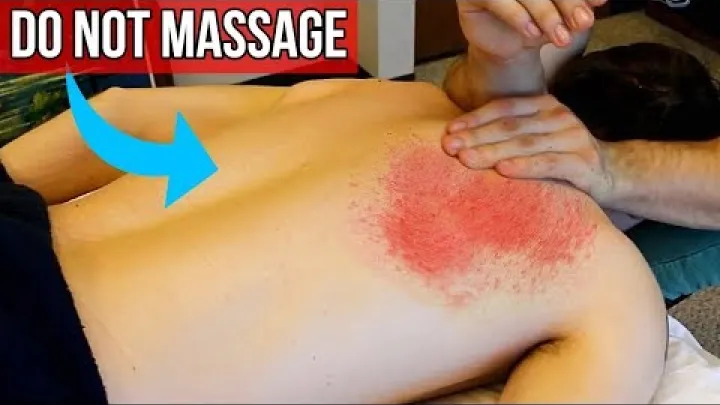
Although most healthy people can safely enjoy massage in Vietnam, some situations require caution, modification, or medical approval before booking. If you have had recent surgery, fractures, or serious injuries, strong pressure on or near those areas can be risky. People with severe cardiovascular issues, such as uncontrolled high blood pressure or recent heart events, should seek medical advice before having deep massage or heat-based treatments like hot stones or herbal compresses.
Certain conditions may require specific modifications. Pregnant travelers, especially in the first trimester, should look for spas that offer prenatal or pregnancy-safe massages with trained therapists. These treatments usually avoid strong pressure on the abdomen and certain acupressure points and use more gentle techniques. Older adults may need lighter pressure and careful attention to joint comfort and balance when getting on and off the table.
People with diabetes, especially if they have reduced sensation in their feet or legs, should be cautious with very strong foot reflexology or heat-based therapies. Skin conditions such as eczema, psoriasis, or open wounds also require special care; oils, scrubs, and strong friction may need to be avoided over affected areas. If you have allergies to common ingredients like essential oils, latex, or certain balms, inform the therapist before the session starts.
It is also wise to mention chronic pain conditions, such as fibromyalgia or long-term lower back pain. A skilled therapist can adapt techniques to avoid flare-ups, using slow, gentle work instead of intense deep tissue pressure. If you are taking blood-thinning medication or have a bleeding disorder, you should avoid cupping, scraping, and very vigorous massage, as these can increase the risk of bruising.
When in doubt, follow guidance from your own healthcare providers at home, who understand your medical history. You can then share any relevant notes or instructions with your chosen Vietnam massage spa. Clear communication helps your therapist plan a safe and comfortable treatment that respects both your health status and local practices. If at any point during the massage you feel unwell, dizzy, or in unusual pain, you should ask to pause or stop the session and seek medical help if needed.
Vietnam Massage Prices and What Affects the Cost
Typical Vietnam massage price ranges and key cost factors

One reason massage in Vietnam is so popular is that it is often more affordable than in many visitors’ home countries. However, Vietnam massage prices vary widely depending on the city, type of venue, treatment style, and session length. Understanding these factors helps you plan a realistic budget and avoid surprises when you see a bill or price menu.
In general, you can think of three main venue categories: stand-alone budget massage parlours, mid-range Vietnam massage spas, and high-end hotel or resort wellness centers. Budget shops focus on core services such as Tam Quat, basic oil massage, and foot reflexology, usually in simple facilities. Mid-range spas add more comfortable interiors, better privacy, and a wider menu that may include aromatherapy, hot stones, and body scrubs. Luxury hotel spas and wellness resorts offer the most elaborate environments, extra facilities like saunas, and branded spa products.
Several key factors influence the cost of massage in Vietnam:
- City and location: Central districts and tourist zones in Hanoi, Da Nang, Hoi An, Hue, and Ho Chi Minh City tend to have higher prices than outlying neighborhoods or smaller towns.
- Venue type: Hotel spas and resorts usually charge more than independent massage centers due to higher operating costs and extra services.
- Session length: Longer treatments cost more, but some places offer better value per minute for 90-minute or package sessions.
- Treatment complexity: Techniques involving oils, herbal compresses, hot stones, or combined rituals are priced higher than simple dry massage or foot massage.
- Inclusions: Use of steam rooms, snacks, or transport can be reflected in higher prices at some wellness resorts.
The table below gives an approximate comparison of typical price tiers for a 60-minute massage in Vietnam. Values are rough ranges and can change over time, but they illustrate how categories differ:
| Venue Type | Typical 60-min Price (VND) | Approximate USD | Common Inclusions |
|---|---|---|---|
| Budget massage parlour | 200,000–350,000 | 8–14 | Basic full-body or foot massage, simple facilities |
| Mid-range Vietnam massage spa | 350,000–650,000 | 14–26 | Private or semi-private rooms, more treatment choices, tea |
| Hotel spa / wellness resort | 700,000–1,500,000+ | 28–60+ | High-end setting, brand products, possible sauna or steam access |
Foot massages are usually cheaper than full-body treatments, sometimes starting from about half the price of a standard 60-minute session in the same venue category. More elaborate packages that combine body massage, scrubs, and facials can extend up to two or three hours and will be priced accordingly.
Because the cost of massage in Vietnam is influenced by many variables, it is wise to confirm the exact price before the session and check whether taxes or service charges are included. Clear menus and printed price lists are a good sign of professionalism. If a venue cannot give you a clear final price in advance, consider choosing another Vietnam massage spa for more transparency.
Example prices in Hanoi, Da Nang, Hue, Hoi An, and Ho Chi Minh City

Prices can differ between cities, though the relative differences between venue categories are usually similar. Below are approximate ranges for a standard 60-minute full-body massage and a basic foot treatment in major destinations. These examples are for illustration only; actual rates change over time and depend on exact location, season, and individual businesses.
In Hanoi, especially around the Old Quarter and Hoan Kiem area, you will find many Vietnam massage spas that serve both tourists and locals. A 60-minute massage in a modest shop might fall in the lower range, while boutique spas near central lakes and high-end hotels in the business districts charge more. Foot massage prices also vary but remain attractive compared with many other capitals.
Da Nang, with its mix of city and beachfront areas, usually has mid-level prices. Beachfront venues and hotel spas along My Khe Beach are often at the higher end, especially during the high travel season. In contrast, small massage parlours in inner districts may offer more economical rates. Hoi An, as a historic town with heavy tourist traffic, features a wide range of options from small family-run spas to luxury resort wellness centers along the coast. Hue, generally quieter and more traditional, tends to have slightly lower average prices than Da Nang and Hoi An, especially outside of top hotels.
Ho Chi Minh City (Saigon) offers everything from very inexpensive massage shops in local neighborhoods to some of the most luxurious urban spas in Vietnam. Central districts commonly see higher prices than outlying areas, but competition is strong, so value can still be good. For a rough comparison across cities, you can think in terms of broad bands rather than precise numbers.
The following table summarizes typical approximate price bands for a 60-minute standard massage and a 45–60-minute basic foot treatment in these cities:
| City | 60-min Massage (VND) | Approximate USD | Foot Massage (VND) | Approximate USD |
|---|---|---|---|---|
| Hanoi | 250,000–700,000 | 10–28 | 150,000–350,000 | 6–14 |
| Da Nang | 250,000–750,000 | 10–30 | 150,000–400,000 | 6–16 |
| Hoi An | 250,000–800,000 | 10–32 | 150,000–400,000 | 6–16 |
| Hue | 220,000–600,000 | 9–24 | 130,000–300,000 | 5–12 |
| Ho Chi Minh City | 250,000–800,000+ | 10–32+ | 150,000–400,000 | 6–16 |
Again, these are illustrative ranges. Beachfront locations, luxury brands, and peak travel periods can push prices upward, while promotions or off-peak hours sometimes reduce them. When checking Vietnam massage prices online, pay attention to how recent reviews are, and expect some variation between listings and final in-person quotes. Still, the overall cost of massage in Vietnam remains competitive compared with many other popular travel destinations.
Regional Highlights: Best Cities for Massage in Vietnam
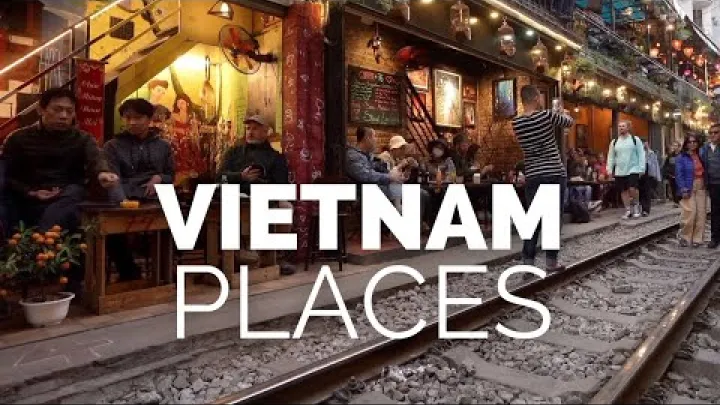
Hanoi and northern Vietnam massage experiences
Typical services in Hanoi include Tam Quat, Vietnamese-style oil massage, foot reflexology, and herbal treatments. Many spas draw on northern traditions, which value warming techniques and herbal compresses, especially in the cooler months from late autumn to early spring. A hot herbal foot bath followed by strong acupressure on shoulders and back can feel especially welcome after walking through narrow streets and markets in cold, damp weather.
Visitors looking for reputable Hanoi Vietnam massage options can start in a few key areas. The Old Quarter, while busy, hosts many well-reviewed spas that cater to international guests with English-speaking staff and clear menus. The French Quarter and areas near West Lake have a growing number of mid-range and higher-end wellness centers that offer more space and quieter environments. For a more local experience, some travelers explore residential neighborhoods a short ride away, where prices may be lower and the atmosphere less tourist-oriented.
Hanoi and northern Vietnam’s cooler climate also influences treatment choices. Hot stones, steamed herbal compresses, and warming essential oils such as ginger or cinnamon are popular in winter. These treatments can be especially appealing to long-stay visitors who feel the cold more strongly. Budget travelers can find straightforward massage parlours with basic facilities but often very capable therapists, while those seeking more comfort can book boutique spas or hotel facilities that emphasize privacy, decor, and additional services like saunas.
Da Nang and Hoi An: beach and spa culture
In Da Nang, Vietnam massage offerings blend city convenience with beachside relaxation. Along My Khe Beach and other coastal stretches, you will find both simple open-front massage shops and more polished spas attached to hotels and resorts. City districts host numerous massage centers that serve local residents and visitors with treatments like foot reflexology, Tam Quat, and aromatherapy. Many travelers enjoy a foot massage or leg treatment in the late afternoon after time at the beach or exploring the Marble Mountains.
Hoi An has a dense concentration of small local spas located in and around the Ancient Town. These venues often offer a warm, personal style of service, with a focus on relaxation for tourists who spend their days walking, cycling, and visiting nearby rice fields and beaches. Vietnam massage spas in Hoi An frequently promote packages that combine full-body massage with herbal foot baths, facials, or body scrubs. Some resorts along the coast near Hoi An operate full wellness centers with yoga sessions, hot stone therapies, and long treatment rituals.
There are clear differences between tourist-heavy central areas and calmer residential districts in both Da Nang and Hoi An. In the most visited parts of Hoi An’s Ancient Town and Da Nang’s beach road, prices tend to be higher and staff are more accustomed to serving international guests. In quieter streets a few blocks away, you may find lower Vietnam massage prices and a more local clientele. Regardless of location, it is wise to look for clear price boards, clean towels, and professional conduct before booking.
Common experiences in this region include post-beach foot massage, sunset spa packages, and treatments timed around sunrise or sunset walks. Many visitors remember lying in a quiet room after a day of swimming, feeling sea salt on their skin and warm stones on their back while listening to distant waves. For digital nomads using Da Nang as a base, regular visits to nearby Vietnam massage centers can also create a healthy rhythm between work sessions and body care.
Hue and imperial-style wellness traditions

Hue, the former imperial capital of Vietnam, offers a quieter and more reflective environment for massage and wellness compared with larger coastal resorts. The city’s heritage as the seat of Nguyen Dynasty emperors influences some spa themes and treatment names, although not every “royal” or “imperial” label refers to a direct historical practice. Instead, many Vietnam massage spas in Hue blend local herbal traditions with a calm atmosphere inspired by the city’s temples, rivers, and gardens.
Typical massage experiences in Hue include full-body Vietnamese massage, herbal bath rituals, and sometimes treatments described as inspired by royal court practices. Herbal baths may use local plants such as green tea, lemongrass, and medicinal leaves in large wooden tubs, followed by massage in a private room. Some spas highlight the use of traditional medicine knowledge from Hue’s long cultural history, but it is good to view highly romantic marketing language with healthy skepticism and focus on actual service quality.
Compared with Da Nang and Hoi An, Hue often has a slower pace and lower average noise levels, which suits visitors who want to combine sightseeing with quiet rest. Many wellness seekers choose Hue as a stop on north–south journeys partly because of this atmosphere. Vietnam massage centers here may feel less commercial than in heavy tourist zones, and staff often have more time to talk through treatment choices and adapt to individual preferences.
In terms of pricing, Hue generally offers good value, with many mid-range spas and some higher-end hotel facilities. Budget travelers can find simple local massage parlours that provide straightforward Tam Quat and foot massage. Those looking for more comfort can select boutique spas that play on imperial themes through decor and naming while still delivering practical, modern treatments. By choosing venues based on cleanliness, professionalism, and clear pricing, visitors can enjoy Hue’s unique balance of heritage and wellness without relying on exaggerated historical claims.
Ho Chi Minh City and southern Vietnam massage options

In central districts, you will find a dense mix of Vietnam massage spas, from budget Tam Quat shops to elegant wellness centers. Many digital nomads and business travelers schedule regular massages to manage the strain of long workdays and frequent meetings. Foot reflexology, head and shoulder massage, and aromatherapy treatments are especially popular for quick stress relief.
When exploring massage in Ho Chi Minh City and other southern areas, it is useful to gently distinguish between professional wellness venues and nightlife-focused businesses. Professional spas clearly present themselves as health and relaxation centers, with reception desks, treatment menus, and staff uniforms. They focus on massage, spa treatments, and sometimes beauty services, and they respect clear boundaries. Nightlife-oriented venues may combine massage with bar-like atmospheres, loud music, or suggestive advertising.
Visitors who want therapeutic or relaxation-focused massage should look for signs of professionalism such as certificates on the wall, clean linens, and transparent pricing. Reading recent reviews from other travelers can help identify reliable places. Many reputable Vietnam massage spas are located in central business districts and popular expat areas, where clients expect clear standards and consistent quality.
Southern Vietnam’s warm weather also shapes treatment choices. Cooling oils, gentle aromatherapy, and indoor air-conditioned rooms are appreciated by many. After days exploring markets, museums, and street food, a calm massage session in Ho Chi Minh City can become a welcome daily or weekly habit for long-stay visitors.
Blind Massage in Vietnam: Social and Therapeutic Role
How blind massage centers operate in Vietnam
Blind massage centers in Vietnam play an important role both in community health services and in providing stable employment for visually impaired people. These centers usually employ therapists who are blind or have low vision, and who have completed dedicated training programs in massage techniques and anatomy. Training may occur through local associations for visually impaired people, vocational schools, or traditional medicine institutes that offer adapted courses.
The training emphasizes hands-on skills, body mechanics, and safe pressure application. Because therapists cannot rely on sight, they develop strong tactile sensitivity and detailed knowledge of muscle structures and acupressure points. Many clients, both local and foreign, feel that therapists in blind massage centers quickly find areas of tension and work with consistent, focused pressure.
Operationally, blind massage centers often keep things straightforward and transparent. Treatment menus typically include full-body massage, foot reflexology, and sometimes head and shoulder sessions. Prices are usually clearly posted at reception and are often in the budget to mid-range category. Appointments can be made by phone, by walking in, or, in some cities, through online platforms. Reception staff may be sighted or visually impaired, but in either case, they are accustomed to helping visitors who are new to the environment.
The social impact of these centers is significant. In many countries, including Vietnam, visually impaired people can face barriers to employment. Blind massage centers provide meaningful work that values touch and body-awareness skills rather than sight. By supporting these businesses, visitors contribute directly to community inclusion and economic independence for therapists. Many centers also build a strong sense of mutual respect between clients and staff, where therapy is viewed as a professional exchange rather than charity.
Facilities in blind massage centers may be simpler than in luxury spas, with basic treatment rooms, modest decor, and practical equipment. However, many visitors find that the quality of touch and the authentic, focused nature of the service more than compensates for a lack of spa-style extras. As always, it remains important to check cleanliness, communication, and comfort regardless of venue type.
Why many travelers choose blind massage in Vietnam
Many travelers choose blind massage in Vietnam because they value both the therapeutic results and the opportunity to support inclusive employment. Visitors often report that visually impaired therapists have a refined sense of touch that helps them locate tight muscles and sensitive points quickly. This can result in very effective sessions, especially for people with chronic neck, shoulder, or back tension.
At the same time, it is important to avoid assuming that blind massage is automatically superior to all other forms of massage. The quality of any treatment depends primarily on individual skill, training, experience, and communication. Some sighted therapists are excellent, and some blind therapists are still learning, just like in any profession. The main point is that visually impaired therapists bring a particular set of strengths and perspectives that many clients appreciate.
Choosing blind massage can also align well with ethical and responsible tourism values. Instead of spending only on large chains or international hotel brands, visitors can direct part of their budget toward community-based services that provide real opportunities to people who might otherwise have fewer employment options. This approach allows travelers to experience genuine local practices while contributing positively to social inclusion.
To find authentic blind massage centers, you can search online for terms such as “blind massage” along with the city name or ask hotel staff and local residents for recommendations. Many reputable centers clearly state their mission and employ trained visually impaired therapists. When you arrive, you can expect straightforward facilities and a focus on the quality of the massage rather than luxury extras.
Inside the center, the basic process is similar to other Vietnam massage spas: you choose a treatment, confirm the price, and are shown to a treatment room or area. Because some therapists may speak limited English, keeping communication simple and clear is helpful. You can use short phrases like “soft,” “strong,” “pain here,” or “no legs” to express needs. Most centers welcome feedback, and building mutual trust through respectful interaction makes the experience rewarding for both sides.
How to Choose a Reputable Vietnam Massage Spa
Signs of professional training, hygiene, and clear pricing
With so many massage parlours and spas in Vietnam, knowing how to recognize a professional, trustworthy venue is essential. Clear signs of good training, hygiene, and transparent pricing can significantly improve your experience and reduce the risk of misunderstandings. Whether you are booking a simple foot massage or a full day of treatments, these indicators remain the same.
One of the first things to look for is the general appearance of the reception and common areas. A professional Vietnam massage spa usually has an organized front desk, clean floors, and neatly arranged seating. Clean linens, such as towels and sheets, should be visible, and used items should be separated from fresh ones. If treatment rooms are visible, they should look tidy and well-maintained, without strong unpleasant odors or clutter.
Visible certificates, training documents, or business licenses on the wall can also be reassuring, though not all good therapists display them prominently. Staff uniforms, name tags, and polite greetings are additional signs of a structured workplace. Therapists should wash their hands before and after treatments and use fresh linens for each client. If you feel that hygiene standards are low or that equipment is not properly cleaned, it is better to leave politely and choose another venue.
Transparent menus and clear Vietnam massage prices are another key factor. A reputable spa provides printed or digital menus that list treatments, durations, and full prices in Vietnamese dong, and sometimes in another currency for reference. Taxes and any service charges should be clearly explained. You should not feel pressured to choose more expensive options, and staff should be willing to answer questions calmly before you agree to a session.
Online reviews can be useful when selecting a Vietnam massage center. Recent comments on platforms such as maps and travel sites may mention cleanliness, therapist skill, and overall atmosphere. Look for patterns rather than focusing on one extreme review. In addition, asking your hotel, homestay host, or local friends for recommendations can point you toward reliable places that they use themselves.
Finally, trust your own instincts. If something about a location feels unsafe, disorganized, or uncomfortable when you arrive, you are under no obligation to stay. A short, respectful exit at that stage is far easier than dealing with problems later in a session.
Red flags, boundaries, and how to avoid problems
While many massage experiences in Vietnam are positive, there are some red flags that should prompt caution or a decision to walk away. Being aware of these warning signs helps you maintain clear boundaries and enjoy massage as a healthy, respectful activity. Calm, neutral judgment is helpful here; the goal is not to criticize cultural differences but to protect your own comfort and safety.
One common red flag is unclear or shifting pricing. If a venue cannot show you a written price list, or if staff hesitate when you ask about the full cost, including any possible extras, proceed carefully. Pressure to buy additional services, products, or extended time once you are already on the table is another concern. You have the right to decline and to stick with the service you originally chose.
Overly aggressive street solicitation can also indicate a venue that prioritizes quick sales over quality. While it is normal in some tourist areas for employees to invite you in, repeated insistence, touching, or following you along the street is not a good sign. Inside, if staff seem to ignore hygiene basics, use dirty linens, or rush clients in and out without proper cleaning, consider leaving.
It is also important to distinguish professional therapeutic massage from adult services. Reputable Vietnam massage spas focus on health, relaxation, and wellness. If a menu or conversation includes sexual suggestions or coded phrases that you do not understand, and this is not what you want, you should clearly state “No, thank you” and, if needed, leave the venue. You are never obliged to accept any service that makes you uncomfortable.
If something feels wrong during a session, such as inappropriate touch, unsafe pressure, or any other boundary concern, you can take practical steps. You may say “stop,” sit up, and indicate that you want to end the treatment. After getting dressed, you can pay for the portion of time that was reasonably used, if you feel safe doing so, and then leave. If you are staying in a hotel, telling reception or the concierge what happened can help them avoid recommending that place to others and may help you handle any conflicts.
In more serious cases where you feel threatened, harassed, or harmed, contacting local authorities or your embassy may be necessary. Such situations are not common, but knowing you have options can give you more confidence. Overall, choosing well-reviewed venues, confirming details in advance, and listening to your instincts are the best ways to avoid problems and ensure that massage in Vietnam remains a positive part of your trip.
Vietnam Massage and Wellness Tourism
Why Vietnam is becoming a leading spa and wellness destination
Vietnam is increasingly recognized as an appealing destination for spa and wellness travel, and Vietnam massage is central to this development. A combination of skilled therapists, reasonable pricing, and diverse natural landscapes makes the country attractive to people seeking both rest and exploration. From mountain regions to coastal resorts, visitors can integrate massage and spa treatments into a wide variety of travel plans.
One practical advantage is value. The cost of massage in Vietnam is generally lower than in many Western countries and some neighboring destinations, while quality can be high, especially in areas with strong competition. This allows wellness-focused travelers to book multiple sessions over a stay, rather than treating massage as a rare luxury. At the same time, local traditional medicine and herbal knowledge give Vietnamese treatments a distinct character compared with generic international spa menus.
Vietnam massage fits into a broader wellness tourism picture that includes hot springs, herbal traditions, and healthy cuisine. Some regions, such as the central highlands and parts of northern Vietnam, are known for natural mineral springs where bath and spa facilities have developed. Herbal products made from local plants are used in scrubs, wraps, and baths, and many visitors appreciate Vietnamese food for its balance of fresh vegetables, herbs, and moderate use of oil.
Compared with other regional destinations in general terms, Vietnam offers a mix of growing infrastructure and relatively less crowded wellness sites in many areas. While some coastal towns are busy, others still feel more low-key, giving visitors room for quiet reflection after spa sessions. This combination of cultural heritage, natural scenery, and accessible massage services supports both short spa visits and longer wellness-oriented stays.
Rather than viewing Vietnam only as a place for fast-paced sightseeing, more travelers are choosing to include dedicated days for massage, yoga, and slow exploration. This shift benefits local wellness providers and helps visitors maintain better balance during extended trips across multiple countries.
Retreats, yoga holidays, and extended wellness stays in Vietnam
Beyond single massage appointments, Vietnam now hosts increasing numbers of retreats, yoga holidays, and long-stay wellness programs. These offerings vary by region and provider, but many share a common structure: daily or frequent bodywork, regular movement or meditation sessions, healthy meals, and time in nature. Such formats are especially attractive to remote workers, digital nomads, and students who want to reset their routines or build healthier habits.
Typical wellness retreats may take place in coastal areas near Da Nang and Hoi An, in mountain settings, or on islands. Programs often combine Vietnam massage, yoga, and meditation with activities such as cycling, hiking, or cultural workshops. Some retreats emphasize detox or plant-based cuisine, while others focus more simply on relaxation and digital disconnection. Because individual offerings change over time, it is best to view these descriptions as general patterns rather than a fixed list of options.
For digital nomads and remote workers living in cities like Ho Chi Minh City, Da Nang, or Hanoi, extended wellness stays may not involve a single retreat but rather a personal routine. This can include weekly visits to a favorite Vietnam massage spa, regular yoga classes at a local studio, and short weekend trips to nature areas. Over weeks or months, such a routine can significantly improve comfort, stress levels, and productivity compared with treating wellness as an occasional treat.
When planning a retreat or extended wellness stay, consider several points. First, think about which region best suits your climate and environment preferences: beach, mountains, or city. Second, check retreat credentials, including teacher backgrounds, therapist training, and safety policies. Third, consider how you will balance work, study, and rest. If you are working remotely, ensure that internet connections and quiet workspaces are available alongside wellness activities.
Keeping expectations flexible is helpful because specific retreat programs and centers may open, close, or change focus over time. Instead of focusing on one particular brand, think in terms of the elements you want: regular Vietnam massage, time in nature, healthy food, and supportive community. With these priorities clear, you can evaluate current offerings and adapt if plans change, while still maintaining your overall wellness goals during your stay in Vietnam.
Frequently Asked Questions
Key questions about Vietnam massage, prices, and safety
This frequently asked questions section provides quick, direct answers to common concerns about Vietnam massage for new visitors. It is designed as a fast reference to use together with the more detailed explanations in the main sections above. Topics include differences between Vietnamese massage and other styles, typical Vietnam massage prices, safety considerations, tipping, preparation, and blind massage centers.
Use these questions to clarify specific points while planning your trip or choosing between massage options in different cities. For more context and examples, you can refer back to the relevant headings, such as pricing, session structure, regional highlights, and blind massage.
What is Vietnam massage and how is it different from Thai or Swedish massage?
Vietnam massage is a traditional therapy that focuses on deep acupressure points, rhythmic pressing, and sometimes herbal heat to balance energy and improve circulation. Compared with Thai massage, it usually involves less stretching and more focused pressure on muscles and meridians, often on a table rather than a floor mat. Compared with Swedish massage, it tends to be firmer, with more point work and fewer long, flowing strokes. Many Vietnam massage spas also blend local techniques with Thai and Western methods in one treatment.
How much does a massage cost in Vietnam on average?
A standard one-hour massage in Vietnam usually costs about 200,000–350,000 VND (around 8–14 USD) in budget shops and 350,000–650,000 VND (about 14–26 USD) in mid-range spas. Luxury hotel or resort spas often charge 700,000–1,500,000 VND or more (about 28–60+ USD) per hour, depending on the brand and location. Foot massages can be cheaper, from about 150,000–400,000 VND (around 6–16 USD), while hot stone or complex spa rituals are at the higher end.
Is massage in Vietnam safe for tourists?
Massage in Vietnam is generally safe for tourists when you choose a reputable, licensed spa that follows good hygiene practices and clear pricing. Professional centers use clean linens, trained therapists, and organized reception areas, and they do not pressure clients to buy unwanted extras. Travelers with medical conditions, pregnancy, or recent surgery should inform the therapist and avoid very strong pressure or risky techniques like cupping. If a venue feels unclean, disorganized, or makes you uncomfortable, it is better to leave and select another Vietnam massage spa.
Where can I find good massage places in Hanoi, Da Nang, Hue, and Hoi An?
You can find good massage places in these cities by checking recent reviews on online maps or travel sites and asking accommodation staff for recommendations. In Hanoi, the Old Quarter and nearby districts have many reputable spas that offer traditional and herbal treatments. Da Nang features both city and beachside Vietnam massage centers, while Hoi An has numerous small spas around the Ancient Town and on nearby beaches. Hue offers quieter venues with herbal and “imperial” themes. In all cities, look for clear price lists, clean facilities, and professional staff before booking.
Do you need to tip for a massage in Vietnam, and how much is normal?
Tipping for massage in Vietnam is not legally required, but it is commonly appreciated and sometimes expected in tourist areas. A typical tip is about 5–10% of the treatment price in mid-range and high-end spas. In budget massage parlours, many visitors give 20,000–50,000 VND (around 1–2 USD) directly to the therapist if they are satisfied. Some hotel spas may include a service charge in the bill; in that case, extra tipping is optional and based on your personal preference.
What should I wear and how do I prepare for a massage in Vietnam?
For most oil or aromatherapy massages, the spa will provide disposable underwear and towels, and you undress to your comfort level while remaining covered with drapes during the session. For dry acupressure or foot massage, you can usually wear loose, comfortable clothing or simple garments provided by the spa. It is best to avoid heavy meals and alcohol for a few hours before the session and to arrive 10–15 minutes early to discuss any health issues. During the massage, tell the therapist if the pressure is too strong or too light so they can adjust.
Are blind massage centers in Vietnam a good choice?
Blind massage centers in Vietnam are often an excellent choice for effective therapeutic work and social support. Many visually impaired therapists receive structured training and develop very sensitive touch, which helps them find tension and acupressure points precisely. These centers usually offer clear prices and focus on honest, skill-based service rather than luxury decor. Choosing a blind massage center also supports employment and inclusion for people with disabilities in the local community, though quality still depends on individual skill and training.
Conclusion and Practical Next Steps
Main takeaways about Vietnam massage for international guests
Vietnam massage brings together traditional bodywork, modern spa settings, and accessible pricing, making it a valuable part of many travel, study, and work experiences. From Tam Quat acupressure and foot reflexology to herbal compress, hot stone, and aromatherapy treatments, visitors can choose from a wide variety of techniques that suit different preferences and needs.
Key points to remember include selecting reputable venues with good hygiene and clear pricing, understanding basic session structure and etiquette, and communicating openly about pressure, comfort, and health conditions. By doing so, you can enjoy the physical and mental benefits of massage in Vietnam while respecting cultural norms and your own boundaries.
Massage also plays a supportive role in maintaining comfort, posture, and balance during longer stays, especially for students and remote workers. When combined with healthy food, regular movement, and adequate rest, Vietnam massage becomes one part of a broader approach to well-being rather than a one-time treat.
How to plan your first or next massage in Vietnam
Planning a massage in Vietnam can be simple when you approach it step by step. The process involves choosing where you will be, what kind of treatment you want, and which venue best matches your health, budget, and comfort requirements. Taking a few minutes to think through these points before booking can improve your overall experience.
You can use the following steps as a quick planning checklist:
- Select your city or region: Decide whether you will be in Hanoi, Da Nang, Hoi An, Hue, Ho Chi Minh City, or another area, and consider the local style and climate.
- Choose the type of massage: For deep tension, consider Tam Quat or acupressure; for gentle relaxation, oil or aromatherapy; for tired legs and feet, reflexology or foot massage; for cultural curiosity, you may explore herbal compress or, with caution, cupping and scraping.
- Set your budget and session length: Decide how much time and money you want to spend, using the price and duration ranges in this guide as a reference.
- Find a reputable spa or massage center: Check recent reviews, look for clear menus and clean facilities, and consider blind massage centers if you want to support social inclusion.
- Review your health status: Think about any conditions, allergies, or recent injuries and be ready to inform the therapist so they can adapt the treatment.
- Maintain your boundaries: During the session, communicate about pressure, comfort, and any concerns, and remember that you can always say “no” or stop the treatment if needed.
By following these steps and keeping an open mind toward local traditions while respecting your own comfort level, you can make Vietnam massage a safe, rewarding, and memorable part of your time in the country.
Select area
Create a post
Posting is free and no registration is required.