Phu Quoc Budget: Daily Costs, Prices, and 5-Day Planning Guide
Phu Quoc can suit a low-cost beach break, a comfortable independent trip, or a high-end resort holiday, but the total changes sharply with your base, travel dates, and paid activities. A simple local-food-and-guesthouse itinerary can be far less expensive than a stay in an integrated resort zone with daily attractions and on-site dining. This guide separates normal on-island spending from arrival costs and occasional large tickets, so that your Phu Quoc budget is realistic. All figures are planning ranges in Vietnamese dong, with US dollar equivalents rounded for orientation.
Phu Quoc Budget at a Glance
Start with a daily style of travel, then add costs that occur only once, such as getting to the island and major attraction tickets. The following ranges assume one person, a private room unless stated otherwise, ordinary local meals, and a reasonable amount of local travel.
Daily budget tiers for budget, mid-range, and comfortable travel
| Travel style | Daily planning range | Typical approach |
|---|---|---|
| Budget | VND 800,000–1,200,000 About USD 25–45 | Dorm or basic room, local food, walking or scooter sharing, mostly free activities |
| Mid-range | About USD 80–150 | Private hotel, cafés and restaurants, taxis or scooter, selected paid activities |
| Comfortable resort | About USD 250–450 or more | Resort room, on-site meals, private transfers, spa or premium activities |
A budget day may allocate roughly VND 300,000–550,000 to a dorm bed or basic private room, VND 250,000–400,000 to food and drinks, VND 100,000–200,000 to local movement, and a modest amount for incidental spending. Travelers sharing a room can reduce the accommodation amount per person. A mid-range planning split might put approximately USD 35–70 toward a private room, USD 25–50 toward food and drinks, USD 10–25 toward local transport, and the balance toward activities or incidentals. For comfortable resort travel, the room can account for roughly USD 150–300 or more, with meals, private transfers, and paid experiences using much of the remainder. These are budgeting allocations, not quoted tariffs, and couples can lower the per-person room share.
These are planning bands, not fixed island prices. A single day at VinWonders Phu Quoc, Vinpearl Safari, or the Hon Thom cable car can exceed a normal budget activity allowance. A recent planning overview from Fasttrack Vietnam similarly places a solo backpacker near USD 30 per day, while more comfortable travel for a couple is materially higher.
What a Phu Quoc trip budget includes and excludes
The daily ranges cover ordinary spending after arrival: lodging, meals, routine local transport, small purchases, and low-cost sightseeing. They do not automatically include flights, ferry tickets, mainland transfers, travel insurance, shopping, visas where applicable, diving packages, private boat charters, or expensive attraction entry. Treat those as separate trip costs rather than forcing them into an artificially low daily average.
Breakfast included with a room, a shared taxi, and double occupancy all lower the daily cost per person. Conversely, a room rate that looks low may exclude breakfast and place you far from affordable food or transport. For a five-day plan, use this formula: five times your selected daily range, plus arrival and departure costs, plus the full cost of each planned premium activity, plus a contingency amount. This method is more useful than one universal “five-day Phu Quoc price.”
As a simple illustration, five ordinary island days work out to about VND 4,000,000–6,000,000 for the budget tier, before flights, ferries, and major tickets. The mid-range equivalent is about USD 400–750, while a resort-oriented five-day stay can reach roughly USD 1,250–2,250 or more before arrival costs and optional extras. A theme park, safari, or cable-car day should be added at its full planned cost rather than averaged invisibly across the trip. If two people share a room and transfers, their combined total will not simply equal two solo room budgets.
Accommodation Prices and the Best Areas for Different Budgets
Phu Quoc accommodation ranges from hostel beds to villas and international resort complexes. Date, room type, beach access, cancellation flexibility, and the distance from food and attractions matter as much as the advertised nightly minimum.
Hostels, guesthouses, and budget hotels
Dorm beds and simple guesthouses are the lowest-cost choices, particularly for solo travelers. Basic private rooms can also be good value when two people share. Cheap-hotel listing snapshots have shown an island average around USD 35, but that is not a guaranteed rate for every date or property. The Agoda cheap-hotel page has shown area differences as well as changing promotional prices.
Compare more than the room total. Air conditioning, reliable Wi-Fi, a private bathroom, breakfast, beach access, airport pickup, cancellation terms, and a usable location can change the value substantially. A very low nightly rate in an isolated location can lead to repeated taxi rides and resort-area meal prices. Promotional minimums and an individual listing are useful starting points, not dependable island-wide averages. Search your exact dates, including weekends and holiday periods, before deciding that a room is truly cheap.
How accommodation costs differ by Phu Quoc area
Duong Dong and the west coast usually offer the strongest combination of accommodation choice, local restaurants, markets, and easy access to everyday services. This makes the central area practical for travelers who plan to walk often and use only occasional taxis. It may not have the quietest beach setting, but its convenience can lower the total trip cost.

Ong Lang is often chosen for a quieter west-coast base with a mix of smaller hotels and beach-oriented stays. Cua Lap and Duong To, south of the central area and closer to Phu Quoc International Airport, can offer a broad hotel selection and convenient airport access. Listing snapshots have shown cheap-hotel averages near USD 37 in Cua Lap and Duong To, while Bai Thom in the north has appeared lower, around USD 23. These figures are date-specific listing indicators, not promises.
An Thoi is a sensible base when southern islands, the cable car, or southern beaches are the priority. Bai Thom and other northern locations can suit travelers focused on the north, but they may increase travel time and transport spending for central dining or southern activities. Choose a base around the places you will visit most, not solely the lowest visible room price.
As a practical comparison, a central room with a slightly higher nightly rate may be cheaper over five days if it lets you walk to breakfast, the Phu Quoc Night Market, and routine services. Ong Lang can be a value compromise for travelers who prioritize a quieter beach but still want west-coast access. An Thoi or a northern resort base makes more financial sense when several planned activities are nearby; otherwise, repeated transfers can erase the room-rate saving.
Resorts, villas, and monthly apartments
Four- and five-star resorts can make Phu Quoc feel simple: a pool, beach, breakfast, shuttle, and family facilities may be on one property. The premium is not limited to the room. Resort meals, cocktails, spa services, airport transfers, and package activities can move a trip into the comfortable tier quickly. A resort can still represent good value when its included benefits replace costs you would otherwise pay separately.
For a longer stay, a monthly apartment or serviced apartment may lower the effective nightly accommodation cost and allow some self-catering. Local long-stay guidance has suggested tight monthly living budgets can be lower than hotel-style travel, but rental arrangements vary widely. Consider utility bills, a deposit, cleaning, laundry, kitchen equipment, location, and the loss of hotel services before comparing a monthly rate with a five-night hotel booking.
Food and Drink Costs on Phu Quoc
Food is one of the most flexible parts of a Phu Quoc travel budget. Local breakfasts and simple noodle meals can be inexpensive, while seafood selections, beach clubs, imported products, and resort dining can make the same day much more costly.
Local meals, seafood, and night-market spending
A basic local meal often falls around VND 30,000–80,000, depending on the dish and venue. A sit-down local restaurant usually costs more but can still be moderate compared with resort dining. Dishes such as bún quậy and bún kèn can be an affordable way to try local flavors when the menu price is clear.
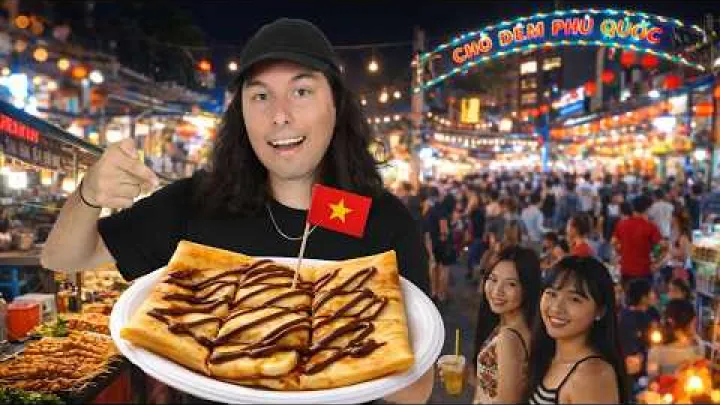
Phu Quoc Night Market in Duong Dong is useful for browsing snacks, fruit, grilled food, and seafood, but it is not automatically a fixed-price budget dinner. Seafood spending depends on the species, weight, preparation, side dishes, and drinks. Before ordering, look for the displayed per-weight price, ask about the portion and cooking charge, and confirm the expected total. A simple meal and a multi-item seafood feast should never be treated as the same price category.
Coffee, water, beer, and resort drinks
Drink spending depends strongly on where you buy it. Convenience shops and ordinary local cafés are usually the low-cost end, while beach bars, hotel restaurants, and minibars occupy a higher price level. A local coffee can be a modest daily pleasure, but repeated specialty coffees, cocktails, and imported alcohol can add more to a five-day total than several basic meals.
A practical approach is to enjoy cafés intentionally, buy water and simple drinks from ordinary shops when convenient, and reserve resort or beach-bar drinks for occasions that matter to you. At hotel and resort venues, look at the final bill structure rather than only the menu figure; taxes or service charges may be added. This is not a reason to avoid local dining or beach experiences, but it helps keep the food budget aligned with your chosen tier.
Build a daily food budget that matches your travel style
A low-cost food day can be built around a local breakfast, a simple noodle or rice lunch, a street-food or market dinner, fruit, water, and limited alcohol. Allow roughly VND 250,000–400,000 for this style if you make deliberate venue choices. A sample day might be coffee and breakfast, a bowl-based lunch, and grilled food with a non-alcoholic drink in the evening.
A mid-range food day may include hotel breakfast, one café stop, a sit-down lunch, a seafood dinner, and a beer or cocktail. An allocation around VND 600,000–1,200,000 is more realistic for this mix, with the upper end easy to exceed at tourist-oriented venues. Resort buffets, Western menus, frequent alcohol, and every meal on-site require a separate higher allowance. Keep food distinct from activity tickets and transport when building your daily plan.
For a five-day food estimate, multiply the food-only allowance by five rather than using the full travel tier. A careful local-food plan would therefore start around VND 1,250,000–2,000,000 per person, while a mixed restaurant-and-seafood plan starts around VND 3,000,000–6,000,000. These examples assume ordinary portions and do not cover premium seafood, minibar purchases, or repeated cocktails. If breakfast is included, move that saving toward a meal you value or leave it as contingency rather than automatically upgrading every other meal.
Transport Costs to and Around Phu Quoc
Transport is inexpensive for some central itineraries and a major expense for travelers who stay far from their activities. Separate the cost of reaching the island from the cost of moving around it.
Flights and ferries from the Mekong mainland
Flights to Phu Quoc International Airport are an arrival cost, not a normal daily island expense. Travelers using the Mekong mainland may instead connect through Ha Tien or Rach Gia and take a ferry. A ferry can have a lower base passenger fare than a flight, but the real comparison must include reaching the port, travel time, baggage allowances, departure times, and onward transfer on Phu Quoc. Vehicle transport is usually charged separately from the passenger ticket.

Check current flight and ferry prices, schedules, baggage rules, and vehicle charges before fixing the itinerary. Ferry-dependent plans also need room for weather-related schedule changes, especially when timing connections or booking a non-refundable first night. The best option is the one with the lowest complete arrival cost for your dates, not necessarily the lowest advertised fare.
Motorbikes, taxis, buses, and resort shuttles
A scooter can be economical for a couple or an independent traveler making several stops in one day. Operator listings can show low starting daily rates: Motorbike Rental Phu Quoc has listed examples from roughly VND 66,700–73,400 per day for selected models. In practice, vehicle type, rental length, delivery, fuel, availability, and season can change the quote, so use this as an operator example rather than a typical guaranteed rate.

Taxis and ride-hailing are convenient for airport transfers and short stays. One local airport-taxi guide has estimated fares around VND 150,000–220,000 depending on distance and demand. Split between two or more passengers, a taxi may compare well with individual transport costs. Buses and attraction-area shuttles can be cheaper, and some resort complexes operate free services on selected routes, but their coverage and schedules vary.
Choose transport according to your base and group size
A central Duong Dong stay may allow walking to food, the night market, and services, with occasional taxi trips for beaches or attractions. That can cost less overall than an isolated hotel with a lower room rate. A scooter can be efficient for travelers with flexible plans and light luggage, while taxis are often simpler for a short break, families, or travelers who prefer not to manage a vehicle.
Private cars can make financial sense for families and groups on a multi-stop day because the fare is shared. Visitors staying outside the northern Grand World and United Center area may find an attraction shuttle useful, but should confirm current stops and operating times before choosing accommodation on that basis. Match transport to party size, luggage, planned distances, and the number of paid transfers you are likely to need.
To compare options, estimate transport for the whole stay rather than one isolated journey. A solo traveler near Duong Dong may need only airport transfers and occasional taxis; a couple touring beaches may find a scooter more economical; and a family with luggage may value a private car even when its total fare is higher. Include delivery, fuel, parking, return transfers, and any unused rental days when comparing the alternatives.
Attraction Prices and Low-Cost Activities
Phu Quoc has enough beaches, food experiences, and scenery for low-cost days, but its large commercial attractions can materially change a five-day budget. Plan them as intentional purchases.
VinWonders, Vinpearl Safari, and the Hon Thom cable car
VinWonders Phu Quoc, Vinpearl Safari, and the Hon Thom cable car are among the island’s most significant single-day expenses. A ticket may be only the starting point: add transport, meals, drinks, lockers, water-park items, or other optional purchases to estimate the realistic day total. Combination packages can be useful when you genuinely intend to use both parts, but they are not automatically a saving.
The Hon Thom cable car is often sold with different inclusions, including possible water-park combinations. The current options shown by RootyTrip illustrate why travelers should compare the actual product rather than relying on an old headline price. Confirm the official current ticket price, opening hours, inclusions, age or height rules where relevant, and refund conditions directly with the attraction or ticket operator.
Beaches, markets, nature, and other lower-cost activities
Beach time, sunset watching, local markets, fishing-village visits, and self-guided exploration can fill several low-cost days. These options make it possible to enjoy Phu Quoc without purchasing a major ticket every day. They also leave room in the budget for one priority experience, such as a cable-car visit or a seafood dinner.
Snorkeling, national-park outings, and boat trips should be priced as guided experiences rather than assumed free nature activities. Compare what each operator includes: boat transfer, equipment, guide, lunch, entrance fees, insurance, hotel pickup, and cancellation policy. A low advertised tour figure may exclude costs that another operator bundles. Natural access conditions and tour availability can vary.
Plan occasional splurge days without losing control of the budget
Use a separate activity fund for expensive days. For example, a traveler following a VND 1,000,000 normal daily budget may spend considerably more on a cable-car or theme-park day once ticket, transport, and food are included. Instead of pretending the whole trip remains at the baseline, offset that day with a guesthouse, local meals, free beach time, and lower-cost sightseeing on other days.
For a five-day stay, many travelers are happier choosing one or two paid priorities than buying every package. Solo visitors may place more weight on ticket cost, while couples and families may gain more from shared transfers or bundled convenience. The correct choice is the experience you value enough to fund openly.
A useful five-day pattern is to reserve one full day for a major attraction, one day for a paid boat or snorkeling experience if conditions suit, and leave the remaining days flexible for beaches, markets, and local food. That structure prevents a ticket-heavy itinerary from becoming the default. If weather changes or an attraction is closed, a free west-coast beach day or central market visit can preserve the trip's value without adding another expensive booking.
What Makes a Phu Quoc Trip More Expensive
The largest budget surprises usually come from timing, distance, and charges that were not visible in the first price comparison. Understanding these drivers helps you choose where to spend rather than simply cutting costs.
Seasonality, weekends, holidays, and weather
Accommodation demand and rates commonly rise during the broadly favored dry-season travel period. Weekends, Christmas and New Year travel, Lunar New Year, public holidays, local events, and late booking can create separate price pressure even outside the busiest period. In wetter months, promotions may be easier to find, but lower prices are not guaranteed for every hotel or date.
Compare exact dates across Duong Dong, Ong Lang, Cua Lap, Duong To, An Thoi, and northern areas rather than assuming one part of the island is always cheapest. Check the current forecast and cancellation terms before booking ferries, boat trips, or other weather-dependent activities. Rain or storms can affect ferry operations and the value of outdoor plans, so refundable or flexible arrangements can be worth a modest premium.
Resort zones, distance, and integrated attraction spending
Resort and attraction zones can offer real convenience: pools, beaches, planned entertainment, shuttles, meals, and nearby family activities. However, the same convenience can lead to higher restaurant prices, extra transfers, and impulse spending. A hotel near the northern United Center and Grand World may suit visitors focused on VinWonders or Vinpearl Safari, while An Thoi can reduce travel time for the Hon Thom cable car.
By contrast, Duong Dong often gives easier access to independent dining and daily services. The lowest room rate is therefore not always the lowest trip cost. Compare the full stay: room, breakfast, transport to planned activities, restaurant options, and any package benefits. Do not assume every resort bundle includes the same transfers, meals, or tickets.
Check taxes, service charges, deposits, inclusions, and exchange rates
Use a short price-check list whenever you compare offers:
- Does the hotel total include taxes, service charges, breakfast, and airport transfer?
- Is a deposit required, and when is it returned?
- Does an attraction price include transport, equipment, meals, or a shuttle?
- Are restaurant menu prices final, especially at hotels and beach venues?
- Do flight and ferry quotes include baggage and vehicle charges?
- What are the cancellation and refund terms?
VND-to-USD figures are rounded planning conversions, not the amount your card provider or exchange service will necessarily charge. Verify whether quoted prices include taxes, service charges, breakfast, transfers, deposits, and any payment or exchange-rate surcharge. Treat a live supplier total as the decision price and a converted estimate as a budgeting tool.
Ways to Save on a Phu Quoc Travel Budget
The best savings usually come from a few major decisions: timing, location, room type, and the number of premium attraction days. Small daily choices then protect that plan.
Save through timing, location, and accommodation choices
If your dates are flexible, compare weekdays with weekends and look at lower-demand periods, while accepting that weather and promotions vary. Booking early can improve choice in popular periods; a refundable rate can be worthwhile if your plans may change. Compare the final price, not just a crossed-out promotion figure.
Stay near the mix of food, beach, and attractions you actually want. Duong Dong works well for convenience and independent dining. Ong Lang can suit a quieter west-coast stay. An Thoi is practical for southern priorities, while northern resort areas work best when their attractions are central to the trip. A hostel, guesthouse, apartment, or breakfast-included hotel can all save money in the right circumstances; compare transport and included meals before deciding.
Save on food, drinks, and local transport
Mix local breakfasts, simple lunches, markets, and occasional seafood rather than eating every meal at a resort or beach club. This approach preserves the island’s food culture while keeping the average meal cost manageable. Water and simple drinks from ordinary shops can limit daily spending, leaving room for the café, sunset drink, or seafood meal you value most.
Transport savings begin with the base. Walk when your hotel is near daily needs, share taxis when the group size makes sense, and use buses or available shuttles for suitable routes. A scooter can be economical only if it replaces enough taxi trips to justify the full rental cost and practical effort. Over five days, repeated airport-area transfers, beach-club taxis, and casual drinks are often more important than one low-cost meal.
Choose paid attractions strategically
Choose the one or two attractions that matter most to your group, then give the remaining days to beaches, markets, local food, and self-guided exploration. Before purchasing, compare single-entry tickets, combination options, meal bundles, transfer arrangements, and the validity period. A bundle is useful only when every included component fits your actual itinerary.
Consider weather flexibility and trip length before reserving a fixed date for a boat trip or outdoor attraction. Keep souvenirs, spa treatments, premium dining, and private excursions outside the basic daily budget so they remain optional rather than becoming an unexpected overrun.
The Bottom Line for a Phu Quoc Budget
Phu Quoc can be manageable at roughly VND 800,000–1,200,000 per person per day for a careful budget traveler, while a more comfortable independent trip commonly needs a higher allowance and resort-focused travel can rise quickly. Build your five-day total from daily spending, arrival costs, and separate premium activity funds. Choose your base by the places you will use most, compare complete prices rather than headline rates, and reserve your spending for the beach, food, and attractions that matter most to you.
Select area
Create a post
Posting is free and no registration is required.