Ca Mau Getting There: Flights, Buses & Practical Routes
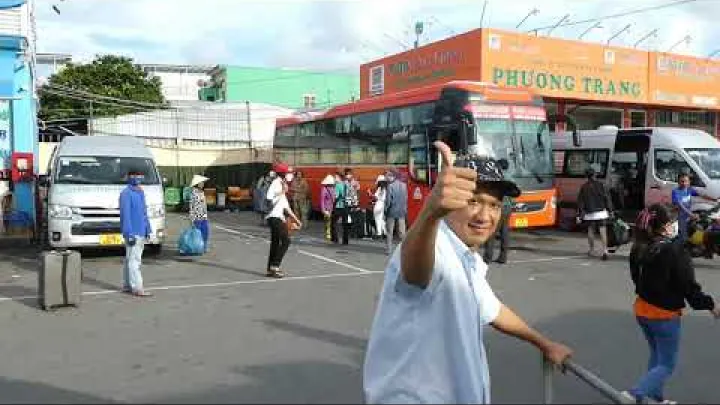
Getting to Ca Mau means planning for Vietnam’s far-southern Mekong Delta rather than arriving at a large national transport hub. Most visitors come overland from Ho Chi Minh City, travel south from Can Tho, or use a confirmed domestic flight when one is available. Ca Mau City is the main road arrival point, but Ca Mau Cape is a separate destination that usually needs an additional road-and-boat journey. This guide compares the main gateways, explains what to confirm before booking, and helps you choose a route that fits your time, budget, and tolerance for connections.
Start with the Main Gateways to Ca Mau
For long-distance travel, think of Ca Mau as the final southern segment of a wider Vietnam or Mekong Delta itinerary. The practical choice is usually between starting from Ho Chi Minh City, beginning from Can Tho after exploring the delta, or traveling independently by road. Your arrival point matters because a ticket to Ca Mau City does not automatically include travel onward to the cape or remote coastal areas.
Ca Mau Airport and Ca Mau Bus Station as Arrival Anchors
The two names most useful when searching are Ca Mau Airport, with the code CAH, and Ca Mau Bus Station. The airport is a small regional facility in Ca Mau Province; its code and identity are listed in this Ca Mau Airport reference. Treat that as a location reference, not confirmation that a scheduled passenger flight is operating on your date.

For road arrivals, look for Ca Mau Bus Station, commonly associated with Ly Thuong Kiet Street in Ca Mau City. This is the important interprovincial road anchor when a booking site uses slightly different wording such as “Ca Mau,” “Ca Mau station,” or a named operator office. Read the ticket carefully: the city name, a bus terminal, and a local drop-off office are not always the same place.
Neither anchor should be confused with Ca Mau Cape. The city is a useful base for accommodation, food, and arranging the next leg, while the cape lies farther south and requires separate transport planning. Leaving room between these stages is more useful than trying to treat Ca Mau as a simple one-stop destination.
Choose Between Ho Chi Minh City, Can Tho, and Overland Gateways
For many international travelers, Ho Chi Minh City is the simplest first gateway. It has the largest range of international and domestic connections, a well-known long-distance bus corridor to Ca Mau, and historically the main air connection to CAH. It is usually the best choice if you want the clearest set of booking options and do not mind a long road journey.
Can Tho is often the better gateway for travelers already moving through the Mekong Delta. It can reduce backtracking and makes sense after visiting Can Tho, Soc Trang, or nearby delta destinations. The trade-off is that the onward bus market can be less straightforward for a visitor connecting from another flight, tour, or local service.
Use a simple decision rule. Choose Ho Chi Minh City when availability and simpler long-distance connections are the priority. Choose Can Tho when your itinerary is already moving south through the delta. Choose a private car when you value stops and control over the day more than the convenience of a scheduled departure. In every case, allow for the fact that the final route to Ca Mau Cape is separate from reaching Ca Mau City.
| Starting point | Best for | Typical next step | Main trade-off |
|---|---|---|---|
| Ho Chi Minh City | Broadest access | Direct long-distance bus or confirmed flight | Long road journey |
| Can Tho | Southbound delta itinerary | Regional bus to Ca Mau | Connection timing |
| Ca Mau City | Base for the province | Road and boat planning to the cape | Not the final cape destination |
| Private car | Flexible stops | Drive through the delta | Navigation and driving responsibilities |
Getting to Ca Mau by Air
Flying can be the shortest travel mode on paper, but it is also the option most dependent on the live operating schedule. A small regional airport and a limited route are very different from a large airport with many daily alternatives. Build your itinerary around a flight only after it appears as bookable through a current airline channel.
What to Know About the Ca Mau Airport Route
Ca Mau Airport has historically been linked with Tan Son Nhat Airport in Ho Chi Minh City through VASCO and the Vietnam Airlines group. This has been a limited regional connection, not a high-frequency route with many backup departures. Older route descriptions and travel listings can therefore remain online even when the schedule, aircraft operation, or ticket availability has changed.
There is an important distinction between airport infrastructure and an operating passenger service. Historical airline material may describe the Ho Chi Minh City–Ca Mau route, while current reporting or booking results may indicate a changed service situation. Before treating air travel as available, search the current airline booking system for your exact date and confirm any notice through an official airport or aviation channel. Do not rely on a search-result fare, an old review, or an airport code alone.
If a flight is bookable, confirm the origin airport is Tan Son Nhat in Ho Chi Minh City, the destination is CAH, and the itinerary is a direct scheduled flight rather than an indirect suggestion. Keep enough time on either side of the flight because a small route offers fewer alternatives if a departure changes.
When Flying Makes Sense
Flying makes most sense for travelers who place a high value on reducing travel time and can work around a fixed departure. The airborne portion may be brief, but the complete journey also includes travel to the airport, check-in, baggage collection, and transport after landing. A flight is not automatically the fastest door-to-door option if it requires a long wait, an inconvenient airport transfer, or an overnight stay.
Airfares can vary widely with date, demand, and fare rules. A price shown by an online travel seller is only a snapshot, particularly on a route with limited capacity. Compare the total cost with a bus ticket plus the cost of reaching the bus terminal, rather than comparing the ticket price alone.
Road travel is the more flexible fallback when flights are unavailable or do not fit the day. It offers more potential departure choices and can be easier to combine with an evening arrival in Ho Chi Minh City. Conversely, a confirmed flight can be attractive for a short visit, provided you avoid building a tight same-day connection to a tour, boat, or onward long-distance transport.
Getting to Ca Mau by Bus from Ho Chi Minh City
For most independent travelers, the Ho Chi Minh City–Ca Mau bus corridor is the core overland route. It is long, but it avoids the uncertainty of depending on a limited air service and gives travelers a range of daytime or overnight possibilities. The key is to identify the real boarding point and the exact arrival point before leaving your accommodation.
Departing from the Western Bus Station
Ho Chi Minh City’s Western Bus Station, also known locally as Ben xe Mien Tay, is the principal terminal anchor for services toward Ca Mau. The station’s route listing identifies the Ca Mau route and gives its address as 395 Kinh Duong Vuong; use the Western Bus Station listing as a useful starting point when matching a route with a terminal.
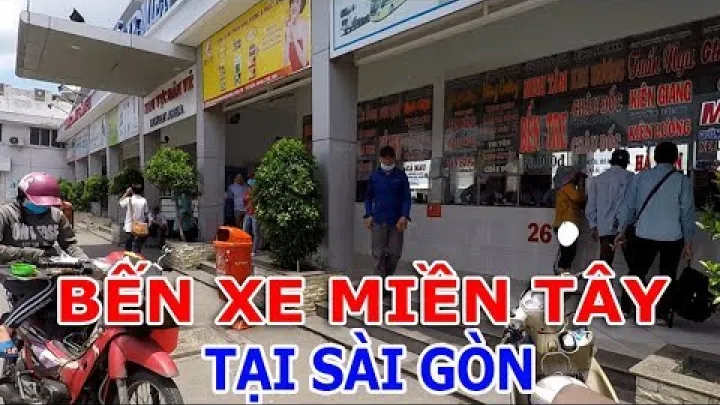
Regional carriers, including companies commonly marketed as Phuong Trang or Futa Buslines, may serve parts of the wider southern network. A named operator can have a station departure, an office pickup, or both. Do not assume every company listed on a route comparison has the same departure point, vehicle standard, or directness on the day you travel.
When booking, match four details: “Ho Chi Minh City” or “Saigon” as the origin, Western Bus Station or the stated pickup office, “Ca Mau” as the destination, and the final drop-off location. This matters because online descriptions sometimes use city names where the actual ticket is for a terminal, and sometimes call an operator office a station. A direct interprovincial bus is generally simpler than an itinerary that quietly includes a mid-route vehicle change.
Day and Overnight Bus Choices
Day buses let you see the changing delta landscape and arrive while local services are still active. They are a good choice if you prefer to orient yourself on arrival, have a hotel check-in planned, or do not sleep well on buses. Their disadvantage is that they use most of a daytime travel period.
Overnight buses can preserve the day for sightseeing and may suit travelers arriving in Ho Chi Minh City during the afternoon or evening. However, an early arrival in Ca Mau can be inconvenient if your room is not ready or if your onward plans begin later. Sleeper buses and standard seated buses vary by operator; sleeper layouts, berth width, luggage arrangements, and onboard facilities are not standardized.
Published route listings suggest regular service on this corridor, but schedules, fares, vehicle types, and travel duration are operational details rather than permanent facts. Confirm the departure time, boarding point, fare, service type, and expected arrival time with the operator or station before travel. Also ask about checked luggage, the allowed cabin baggage, and whether the advertised pickup is the terminal itself or a separate office transfer.
For a smoother trip, arrive early enough to locate the correct counter and boarding area. Save the ticket confirmation offline, carry the operator name in a note, and make sure the destination reads Ca Mau rather than a similarly named intermediate city. If the bus reaches an operator office rather than the central terminal, use that address as the basis for your arrival plan.
Getting to Ca Mau from Can Tho and Other Delta Cities
Traveling from Can Tho or another delta city can make Ca Mau part of a continuous southbound route instead of a return trip from Ho Chi Minh City. This approach is attractive for a slower Mekong Delta itinerary, but it rewards travelers who treat every segment as its own booking and connection problem.
Can Tho to Ca Mau by Bus
Can Tho is a practical staging point because it is a major delta city with domestic transport links and accommodation options. From there, a bus to Ca Mau can be more logical than returning north to Ho Chi Minh City, especially if you have already visited Can Tho’s riverfront or surrounding delta areas.
Booking platforms list transport between Can Tho and Ca Mau and can help identify possible departure windows. For example, 12Go shows this as an available search corridor, but its displayed fares and timings should be treated as indicative. Third-party listings can combine vehicle types, use different pickup points, or change as seats are released.
Road improvements in the delta, including the reported Can Tho–Ca Mau expressway development, may influence particular operators and routes. They do not guarantee the same journey time for every bus, because traffic, terminal access, rest stops, and the operator’s routing still affect the day. Recheck the Can Tho departure list and route duration close to the travel date rather than relying on a static online listing.
Allow extra time if you are connecting from a flight, a floating-market excursion, or another regional bus in Can Tho. A separate ticket means a missed first leg may not be protected by the next operator. An overnight stay in Can Tho can be more relaxed than attempting a narrow same-day transfer.
Rach Gia and Other Regional Connections
Ca Mau also fits into broader Mekong Delta travel from places such as Rach Gia, Soc Trang, Ha Tien, and provincial centers along the western and southern delta. These routes can be useful when combining Ca Mau with a coastal itinerary or an island ferry plan. The important point is that reaching a nearby city does not prove that a direct Ca Mau bus is available on every date.
Regional operators and booking sites may advertise sleeper buses, limousine-style vans, private cars, or group transport. These labels describe a service category, not necessarily a consistent level of comfort or a direct route. Check the exact terminal, destination city, pickup instruction, luggage policy, and whether the trip includes a transfer before paying.
If your wider itinerary includes a port or ferry, arrange that connection separately. A bus to Rach Gia, for example, is not a ferry ticket, and a ferry schedule can have its own check-in rules. Build the plan as distinct legs: regional city to Ca Mau, Ca Mau City to your next departure point, then any boat or ferry segment. This makes a disrupted leg easier to manage.
Driving from Ho Chi Minh City or Through the Delta
A private car gives the most control over stops, meal breaks, and the order in which you visit Ho Chi Minh City, Can Tho, and Ca Mau. It can suit families, small groups, photographers, or travelers carrying equipment. The road journey follows the Mekong Delta highway network, with routing shaped by current access, toll roads, urban congestion, and the vehicle you are using.
Driving is not automatically faster than a bus. Time can be lost leaving Ho Chi Minh City, finding fuel or parking, taking breaks, and navigating provincial centers. Use a current mapping service on the day for the actual route and do not assume that a newly opened road section removes every delay on the journey.
Motorbike travel is a different proposition from car travel. It is best limited to experienced riders who understand Vietnamese traffic, hold the appropriate licence, have insurance that covers their riding, and know the vehicle restrictions that may apply on expressway sections. A motorbike rider should plan conservatively for rain, fatigue, traffic, and limited daylight rather than treating this as a fast alternative to a scheduled bus.
Using Rail and Long-Distance Connections
Rail can be part of a longer Vietnam itinerary, but it does not solve the final approach to Ca Mau. Understanding that limitation prevents one of the most common planning mistakes: booking something described as a train route and discovering that the essential southern leg is actually by road.
Why Ca Mau Is Not a Direct Rail Destination
Ca Mau is not a direct rail destination with a continuous passenger train ending at a Ca Mau station. Travelers cannot take a national railway service all the way into the city and then simply walk out of a station. Any rail-based plan requires a separate road or air connection after the train portion.
Some itinerary platforms use broad labels such as “Hanoi to Ca Mau by train” for a combined journey. That can be useful for comparison, but it can conceal the difference between the rail endpoint and the final bus, car, or flight segment. Inspect each leg and identify its actual transport mode: train, bus, flight, private transfer, or local taxi.
Before purchasing an itinerary labelled as travel from Hanoi to Ca Mau by train, verify the actual rail endpoint and the separate road or air segment. A rail ticket may cover only the first part of the journey, leaving you with a long unbooked transfer. Rail works best as a supporting choice for travelers who enjoy an overland trip and are prepared to plan the final southern connection independently.
Arriving from Hanoi or Central Vietnam
From Hanoi or central Vietnam, flying south is usually the least complicated pattern. One option is to fly to Ho Chi Minh City and continue to Ca Mau by a long-distance bus or an available confirmed flight. Another is to fly to Can Tho and continue by regional bus. The first often offers more alternative connections; the second can fit a Mekong Delta-focused itinerary.
A train to a southern railhead followed by road travel is possible as a multi-stage overland journey, but it is normally the most complex option. It may appeal to travelers who want the train experience, yet it should not be chosen solely because an aggregator displays a single combined price or duration. The transfer, terminal change, and overnight timing can be more important than the train portion itself.
For international visitors, Ho Chi Minh City is commonly the simplest connection point because it has a broad air network and the clearest road corridor toward Ca Mau. Whichever pattern you choose, leave generous connection time between flights, rail services, buses, and local transport. Separate suppliers may not assist if an earlier leg is delayed.
Continuing from Ca Mau City to Ca Mau Cape
Many travelers say “Ca Mau” when their real goal is Ca Mau Cape, Vietnam’s southernmost-point experience. Reaching the city is only the first stage. Plan the cape journey separately, with time for local arrangements and the possibility that the water leg will not line up neatly with your interprovincial arrival.
Combine Road and Boat Travel to the Cape
The trip toward Ca Mau Cape is commonly a combined road-and-water journey. You first travel from Ca Mau City, or another point in the province, toward a departure area and then continue by boat. The exact starting point and sequence can depend on the route selected locally, so do not assume a long-distance bus ticket includes this part.
Vietnam Tourism describes motor-boat services toward the southern tip and wooden boats that may provide a more flexible alternative. This is useful evidence that water access has been part of the route, but it is not a complete current timetable. The type of boat, departure arrangement, and service pattern should be confirmed as a separate local booking.
Build a buffer between your arrival in Ca Mau and the cape leg. This protects you from a late bus, an airport delay, or the simple time needed to reach the relevant local departure point. It also gives you the option of staying in Ca Mau City rather than forcing a rushed connection after a long journey.
Plan Around Boat Availability and Conditions
Scheduled motor boats can be appealing when their departure time matches your plan. Wooden-boat services may offer more flexibility where they are available, but flexibility is not the same as an immediate guaranteed departure. Passenger demand, local operating decisions, tides, and weather can all affect what is practical on a particular day.
Avoid a tightly timed same-day connection from a long-distance bus or flight to the cape. Ask the local boat operator or a recognized tourism information point about same-day departures and weather conditions before leaving for Ca Mau Cape. That direct check is more reliable than treating an older online description of regular service as a promise.
Carry drinking water, sun and rain protection, and secure protection for phones or cameras for the water portion. Tell your accommodation or local contact your expected return plan if you are traveling independently. These are sensible preparations for a remote water journey, not a substitute for following the crew’s safety instructions or postponing travel when conditions are unsuitable.
Booking and Verifying Your Ca Mau Journey
Ca Mau transport is easiest to book when you use comparison tools for discovery and official or recognized channels for the final details. The goal is not to find the first low price displayed online; it is to hold a ticket that names the right day, direction, operator, and boarding location.
Compare Booking Channels
Airline booking systems are the best starting point for a flight because they show whether the route can actually be purchased. For buses, operator websites, recognized station listings, ticket counters, and established aggregators each have different strengths. Aggregators can be helpful for comparing routes in English, while station and operator channels are often better for the final boarding instruction.
A practical two-step workflow is simple. First, compare likely routes, broad departure periods, and vehicle types. Second, confirm the final departure time, fare, vehicle type, and boarding location with the operator or terminal named on the ticket. The Western Bus Station route information is particularly useful when checking whether a Ho Chi Minh City departure is tied to a recognized terminal rather than an unclear pickup address.
When online information is incomplete, a local ticket counter or operator hotline may clarify the day’s service. Keep the confirmation on your phone and check that it shows the correct city, station or office, direction of travel, date, and passenger name. A ticket for “Ca Mau to Ho Chi Minh City” is not interchangeable with one going south, even if the operator is the same.
Avoid Common Ticketing and Arrival Problems
Busy terminals can have unsolicited sellers, vague boarding instructions, and offers of taxis or motorbike rides that were not part of your booking. This does not mean every offer is unsafe, but it is easier to avoid confusion when you use the named operator counter, a recognized station channel, or a reputable booking platform.
Buy tickets through those channels and decline unsolicited transport offers. Keep the booking confirmation, operator name, departure point, and destination visible on your phone or in a translated note. At the terminal, ask uniformed station or operator staff where the correct vehicle boards instead of following someone who approaches you outside.
If you arrive late at night, decide in advance how you will reach your accommodation. Save its address, arrange a pickup if the property offers one, or use a clearly identified transport option. Do not accept an unbooked ride simply because it is waiting outside the station and you are tired after a long journey.
Select a Route by Time, Price, and Reliability
There is no single best way to get to Ca Mau. Choose air when a current flight is confirmed, speed matters, and a fixed schedule is acceptable. Choose the Ho Chi Minh City bus corridor when you want broad overland availability and a straightforward major-city departure. Choose Can Tho when you are already traveling south through the Mekong Delta and can manage a separate regional connection.
Choose private driving for flexibility, planned stops, and group travel, while recognizing that it brings responsibility for route planning and road conditions. Treat rail as an indirect supporting mode, not a direct arrival option. If Ca Mau Cape is your goal, add a distinct road-and-boat stage after reaching Ca Mau City.
Before departure, confirm your selected gateway, the exact terminal or airport, the operator or airline, the travel date, the final arrival point, and a realistic buffer before any next connection. With those details in place, Ca Mau is a manageable final destination on a Mekong Delta journey rather than a difficult last-minute transport puzzle.
Select area
Create a post
Posting is free and no registration is required.