- Tay Son Heaven and Earth Esplanade: Historic Shrine in Quy Nhon
- Quang Trung Museum: Tay Sơn History & Culture in Quy Nhon
- Banh It Cham Towers: Ancient Heritage & Photography in Quy Nhon
- The Thon Beach in Cat Tien: Clean Shores & Affordable Watersports
- Linh Phong Pagoda in Quy Nhon: The Sacred Mountain Temple
Vietnam Plug Types, Voltage and Adapters: Complete Guide

Before you pack your chargers, laptop, or hair dryer for Vietnam, it is important to understand what plug types and voltage you will find there. Vietnam uses a 220V electrical system and several plug shapes that may differ from those in your home country. If you arrive without the correct Vietnam plug adapter or voltage knowledge, you may not be able to charge your devices safely. This guide explains Vietnam plug types, plug sockets, and voltage in clear language so you can prepare with confidence. It is written for tourists, students, and remote workers planning short visits or long stays.
Introduction: Why Vietnam Plug Types Matter for Your Trip
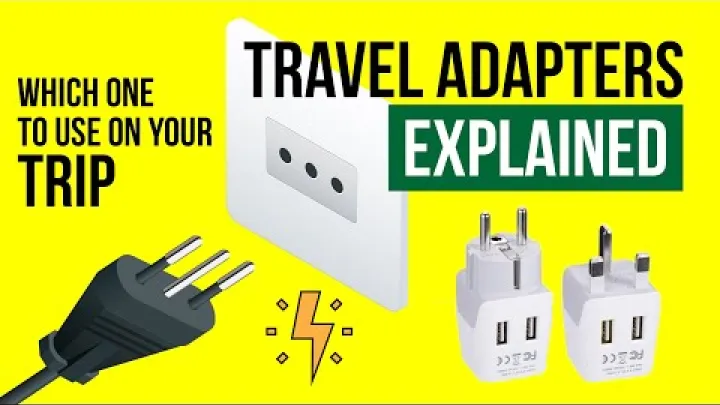
Avoiding power surprises when you arrive in Vietnam
When travelers search for information about the “Vietnam plug” or “power plug Vietnam,” they usually want one thing: to be sure their devices will work safely when they land. Vietnam uses 220 volts and 50 hertz, and the main plug types are A, C, and F. If you come from a country that uses different plug shapes or 110–120 volts, your chargers may not fit the outlets or may not be designed for the higher voltage. A few minutes of planning can prevent a lot of inconvenience.
It is useful to understand the difference between a plug adapter and a voltage converter right from the start. A plug adapter only changes the shape of your plug so it fits into the wall socket in Vietnam; it does not change the voltage. A voltage converter or transformer changes the voltage going into your device, for example from Vietnam’s 220V down to 110V for a device that cannot handle higher voltage. For many modern electronics, an adapter is enough because they are already made for 100–240V. However, some older or high‑power devices may need a converter, or should simply stay at home.
Planning for Vietnam plugs is relevant for all types of trips. Short‑term holidaymakers want to charge phones and cameras without stress. Students and remote workers on long stays must keep laptops, routers, and backup drives powered every day. People on multi‑country routes across Southeast Asia need a setup that works not only in Vietnam, but also in nearby countries that use similar 220V systems with slightly different plugs. By checking plug types, voltage, and adapter needs before departure, you avoid unsafe work‑arounds such as forcing plugs into loose sockets or borrowing random adapters of unknown quality.
How this guide helps you choose the right Vietnam plug adapter
This guide is designed as a practical reference for anyone who wants to understand plug sockets in Vietnam without studying electrical engineering. It explains Vietnam’s standard voltage and frequency, the plug types you will actually see in hotels and apartments, and what kind of Vietnam plug adapter you may need depending on your home country. Instead of long technical descriptions, you will find simple definitions, quick examples, and comparison tables that you can read in a few minutes.

To make decisions easy, the guide includes short checklists for phones, laptops, and common travel gadgets. You will learn when a simple travel plug adapter for Vietnam is enough, when a voltage converter may be required, and when it is easier to buy or rent a local appliance. The explanations use clear, translation‑friendly language and avoid complex jargon so they can be quickly understood or translated into other languages.
There is also a dedicated Frequently Asked Questions section that answers common queries such as “What plug type is used in Vietnam?”, “Does Vietnam use 110V or 220V?”, and “Can I use European plugs in Vietnam?”. Whether you are a first‑time visitor, an exchange student, or a digital nomad relocating to Vietnam, you can use this guide as a step‑by-step tool to choose the safest and most convenient power setup for your stay.
Quick Facts About Electricity and Plugs in Vietnam
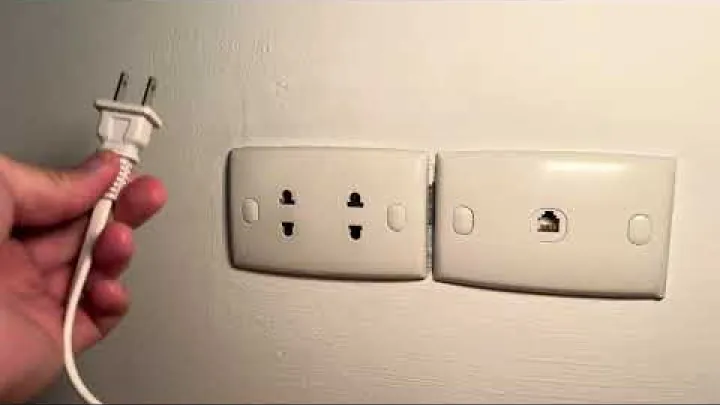
Standard voltage and frequency in Vietnam (220V, 50Hz)
Vietnam’s electrical system follows a national standard of 220 volts and 50 hertz (220V, 50Hz). This means that the normal voltage in the wall sockets is about 220 volts, and the current alternates 50 times per second. Many countries in Europe, Asia, and Africa use similar standards, but this is very different from the 110–120V, 60Hz system that is common in North America and parts of Japan. Understanding this difference is important so you do not damage sensitive devices by plugging them directly into the wrong voltage.
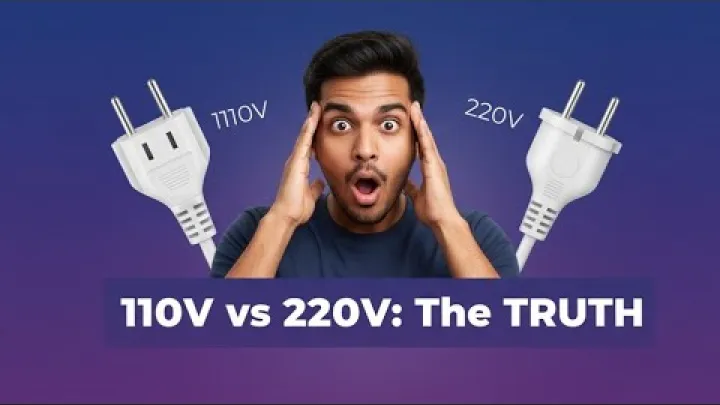
If you are from the United States, Canada, Mexico, or some parts of Central and South America, your home system is likely 110–120V at 60Hz. Plugging a 110V‑only device, such as some hair dryers or older shavers, into a 220V outlet in Vietnam without a converter can cause the device to overheat, fail quickly, or even become a fire risk. On the other hand, if your device is rated for a wide input range, such as 100–240V and 50/60Hz, it can handle Vietnam’s voltage and frequency safely as long as you have the correct plug adapter.
To check compatibility, look at the label on your charger or appliance. For laptops and phones, this information is often printed on the power “brick” or on the small text near the plug pins. You might see something like “Input: 100–240V ~ 50/60Hz 0.5A”. This means the charger can work anywhere within that voltage and frequency range, including Vietnam’s 220V, 50Hz system. Another example could be “Input: 110V 60Hz only”; in this case, the device is single‑voltage and not designed for Vietnam’s higher voltage.
Most modern chargers for smartphones, tablets, laptops, e‑readers, and many digital cameras are dual‑voltage and support 100–240V, 50/60Hz. This design allows manufacturers to sell the same charger worldwide. For these devices, you do not need a voltage converter in Vietnam; a simple Vietnam plug adapter that matches the socket shape is enough. Still, you should check each device individually instead of assuming, because some older or cheaper accessories may not follow this pattern.
Summary of plug and socket types used in Vietnam
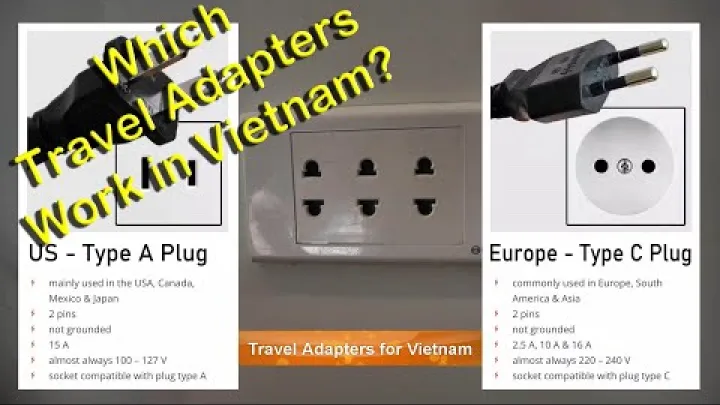
When people ask “What plug type is used in Vietnam?”, the short answer is that Vietnam mainly uses plug types A, C, and F. Type A has two flat parallel pins and is common in older buildings and some budget hotels. Type C, often called the Europlug, has two round pins and is widely used across Europe and many other regions. Type F, sometimes called the Schuko plug, also has two round pins but is thicker and includes grounding contacts on the side. Modern Vietnamese installations often support Type C and Type F plugs together.
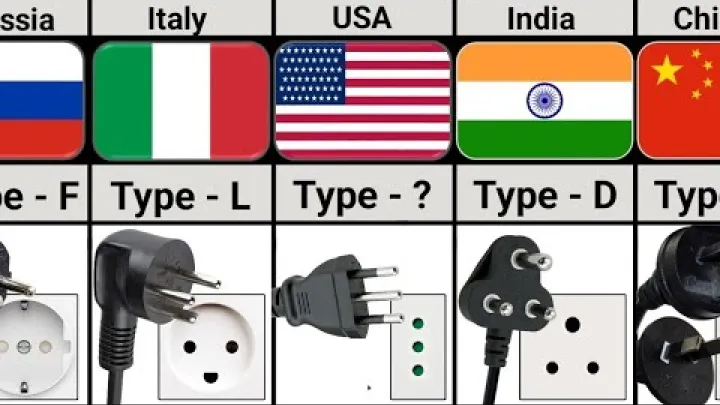
Besides these main types, you may also see a few older Type D sockets with three round pins in a triangular pattern, especially in very old buildings. Some hotels and offices install “universal” sockets that accept several plug shapes, including A, C, F, and sometimes G (the large three‑rectangle‑pin plug used in the UK). Universal sockets can be very convenient, but their quality and fit may vary. Because of this mix, it is wise to carry a Vietnam plug adapter that can handle both Type A and Type C/F sockets.
The following table gives a quick overview of Vietnam’s power standards and plug types at a glance:
| Item | Vietnam Standard |
|---|---|
| Voltage | 220 V |
| Frequency | 50 Hz |
| Main plug types | Type A, Type C, Type F |
| Less common / older plugs | Type D, some universal sockets |
| Typical US / Canada plugs | Need adapter; check 110V vs 220V compatibility |
| Typical European plugs (Type C/F) | Often fit directly; adapter still useful |
| Typical UK plugs (Type G) | Require adapter |
| Typical Australian / New Zealand plugs (Type I) | Require adapter |
In summary, Vietnam’s electric plug system is friendly to many European devices and less friendly to North American, UK, and Australian devices in terms of plug shape. Voltage is 220V everywhere, so travelers from 110–120V countries must pay extra attention to device ratings. A small, reliable Vietnam plug adapter that can accept your home plug and fit Vietnamese Type A/C/F sockets is the simplest solution for most visitors.
What Plug Types Are Used in Vietnam?
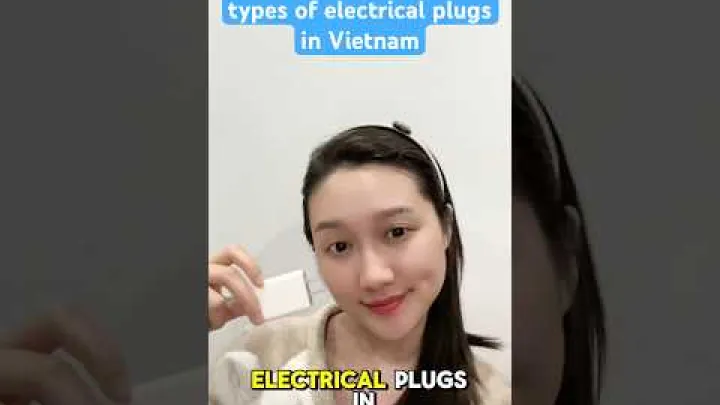
Type A plugs and sockets in Vietnam
Type A plugs are easy to recognize by their two flat, parallel pins. This plug shape is widely used in North America and parts of Asia, and it also appears in Vietnam, especially in older buildings. You may find Type A sockets in budget guesthouses, family‑run shops, or apartments that were wired many years ago. For some local devices, such as simple fans or older televisions, Type A is still common.

If you are traveling from the US, Canada, Japan, or another country that uses Type A plugs, it may look like your plug will fit directly into some outlets in Vietnam. Often this is true, but you should not rely on it. Many installations are a mix of Type A and Type C sockets, and some Type A outlets in older buildings can be worn or loose. Even if the plug fits, poor contact can lead to overheating or unstable charging, which is not ideal for valuable electronics such as smartphones and laptops.
Another point to remember is that Type A plugs in North America normally expect 110–120V, while Vietnam provides 220V at the socket. The plug shape may match, but the voltage may not. If your device or charger is not dual‑voltage, you should never plug it directly into a Vietnamese outlet, even if the Type A plug seems to fit perfectly. This is a common source of confusion for travelers who assume that a familiar plug shape means full compatibility.
In older accommodation, you might encounter Type A outlets that have become loose from long use. You may notice that plugs do not grip firmly, or that they fall out easily. In such cases, avoid balancing heavy adapters or multiple chargers from one weak socket. If possible, ask for another room, use a different outlet, or connect through a small power strip that can rest on a stable surface. Treat familiar‑looking Type A sockets with the same caution as any foreign outlet: check the condition, confirm the voltage requirements of your device, and use a suitable adapter if necessary.
Type C (Europlug) and Type F (Schuko) in modern buildings
In many modern Vietnamese hotels, offices, and newly built apartments, you will find sockets that accept round‑pin Type C and Type F plugs. Type C, also known as the Europlug, has two thin round pins and is common across continental Europe and many other regions. Type F, sometimes called Schuko, also uses two round pins but is slightly thicker and includes metal grounding clips on the sides. These plug types are associated with 220–240V systems, so they naturally match Vietnam’s voltage.
Many newer Vietnamese outlets are designed to accept both Type C and Type F plugs. The socket holes are shaped to fit the round pins of Type C and the slightly thicker pins and grounding features of Type F. As a result, travelers from much of Europe can often plug their chargers directly into sockets in Vietnam without needing a shape‑changing adapter. This is convenient for laptop chargers, phone chargers, and other small electronics that already support 220–240V.
Even so, it is wise for European travelers to carry a compact Vietnam plug adapter. Not every building is modern, and you may encounter older Type A sockets or mixed installations where your Type C/F plug does not fit well. An adapter that allows a European plug to connect to Type A, C, and F sockets gives you flexibility in guesthouses, cafés, and coworking spaces across different cities.
When using Type C and Type F sockets, make sure the plug is fully inserted and sits firmly in place. If you feel strong resistance, do not force the plug; instead, try another outlet or use an adapter. Some universal sockets look like they accept many plugs, including C and F, but the contact area inside may be small or misaligned. For safety, use well‑built adapters and avoid low-quality or damaged outlets whenever possible.
Older or less common plug types (Type D and universal sockets)
Besides the main Vietnam electric plug types A, C, and F, you may occasionally see Type D sockets, especially in older buildings or very old office blocks. Type D has three round pins in a triangular pattern and is more common in some parts of South Asia than in Vietnam. It is not part of the current standard, but older installations can remain in service for a long time. Most modern travel plug adapters include a way to connect to Type D sockets, so if you have a universal adapter, you are usually covered.
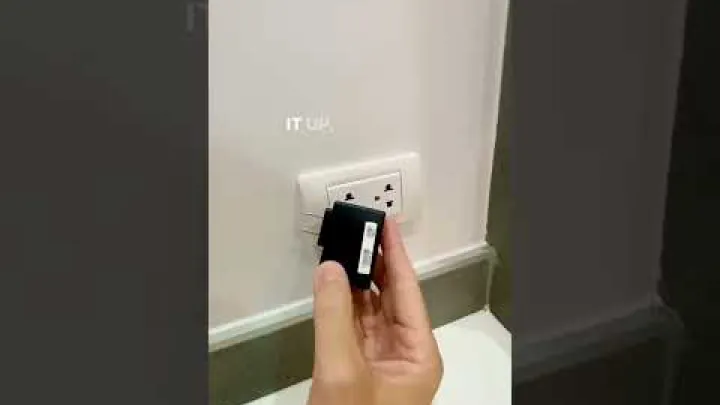
In many city hotels and new apartments, you may also see “universal” sockets. These are outlets designed to accept several plug shapes in one plate, including Type A (flat pins), Type C and F (round pins), and sometimes Type G and I. Universal sockets are very attractive for international travelers because they often allow direct plug‑in without a separate adapter, especially if your device is dual‑voltage. However, the internal design and build quality of universal sockets can vary a lot between properties.
One issue with some universal sockets is that they may not grip the plug firmly. Because they are trying to fit many shapes at once, the holes can be wide, and the metal contacts may not press tightly against the plug pins. This can cause loose connections, heat build‑up, or intermittent power. For light devices like phone chargers, this is often just annoying, but for heavier adapters or power strips, it can be a safety concern.
For these reasons, you should not rely completely on finding universal sockets everywhere in Vietnam, even in big cities. Consider them a bonus rather than your main plan. Bring at least one standard Vietnam plug adapter compatible with Type A/C/F outlets, and use universal sockets when they look clean, undamaged, and solid. If a universal socket feels loose or shows burn marks, choose another outlet or use a different adapter setup to protect your devices.
Plug compatibility with European, US, UK, and Australian devices
Travelers from different regions face different challenges when using plug sockets in Vietnam. European visitors often have an easier time with plug shape, because their Type C and Type F plugs are similar to the round‑pin systems used in many modern Vietnamese buildings. However, US, Canadian, UK, and Australian travelers usually need a Vietnam plug adapter because their home plug shapes do not match Type A/C/F exactly, and their voltage expectations may be different as well.

To make cross‑region compatibility easier to scan, the following list summarizes typical situations:
- Continental Europe (Type C/F, 220–240V): Plug shape often fits modern Vietnamese sockets directly. Voltage is compatible. A compact Vietnam plug adapter is still useful for older outlets or mixed installations.
- United Kingdom, Ireland, some former UK territories (Type G, 230V): Plug shape does not fit Vietnamese sockets. Voltage is compatible. A plug adapter is almost always required.
- United States, Canada, Mexico (Type A/B, 110–120V): Plug shape may fit some Type A sockets but not reliably. Voltage is different; many devices are dual‑voltage, but some are 110V‑only. A plug adapter is necessary, and some devices may also need a voltage converter.
- Australia, New Zealand (Type I, 230V): Plug shape does not match Vietnamese outlets. Voltage is compatible. A plug adapter is required, but most modern chargers work fine with 220V.
- Japan (Type A/B, mainly 100V): Plug shape is similar to Type A and may fit some outlets. Voltage is lower than in Vietnam. Many chargers are dual‑voltage, but older devices may be 100V‑only and need a converter.
In general, travelers from regions that already use 220–240V, such as Europe and Australia, mainly need to solve the plug shape issue by carrying a suitable adapter. Travelers from 110–120V regions must pay attention to both plug type and voltage. Before you leave home, check each device label to see if it supports 100–240V. If it does, you only need a plug adapter in Vietnam. If it does not, consider leaving that device at home or using a voltage converter.
Do You Need a Plug Adapter in Vietnam?
Adapter needs by traveler origin (US/Canada, Europe, UK, Australia, Japan)
Whether you need a travel plug adapter for Vietnam depends on two main things: the plug type used in your home country and the voltage rating of your devices. Because Vietnam’s electric plug system uses 220V and mainly Type A, C, and F sockets, some travelers can plug in directly, while others always need an adapter. It is helpful to think about your situation by region.
The following bullet‑point overview shows typical adapter needs:
- US and Canada: Standard plugs are Type A and Type B. Voltage is 110–120V. You usually need a Vietnam plug adapter because many sockets are Type C or F. Most modern electronics (phones, laptops) are dual‑voltage and only need an adapter, but some appliances are 110V‑only and may require a voltage converter or should stay at home.
- Continental Europe (non‑UK): Standard plugs are Type C and Type F. Voltage is usually 220–240V. Many plugs will fit Vietnamese Type C/F sockets directly. However, carry a compact adapter since you may encounter Type A sockets or different outlet designs.
- United Kingdom and Ireland: Standard plugs are Type G. Voltage is 230V. Plug shape does not fit Vietnamese sockets, so a Vietnam plug adapter is almost always necessary. Voltage is compatible for most devices.
- Australia and New Zealand: Standard plugs are Type I. Voltage is 230V. The plug shape is different from Vietnam’s Type A/C/F, so a plug adapter is required even though the voltage is compatible.
- Japan: Standard plugs are Type A and Type B with 100V. Some Type A plugs may fit into Vietnamese Type A sockets, but you should not rely on this. Check your device voltage: many modern chargers are 100–240V and only need an adapter; older 100V‑only devices may need a converter.
In summary, most travelers should plan to bring at least one Vietnam plug adapter, especially if they expect to stay in different types of accommodation. Even if your plugs seem compatible in theory, actual sockets in hotels, cafés, and homestays can vary by age and condition. A small adapter adds flexibility and reduces the temptation to force plugs into outlets or use unsafe work‑arounds.
When a simple plug adapter is enough
Many people worry that they must buy a heavy voltage converter for every international trip. In practice, a simple plug adapter is enough for most everyday electronics, as long as the device is dual‑voltage. A device that is marked “100–240V, 50/60Hz” can safely handle Vietnam’s 220V, 50Hz power without a converter. The adapter’s job is only to make the physical connection between your plug and the Vietnamese socket.

Typical dual‑voltage devices include smartphones, tablets, laptops, e‑readers, digital cameras, Bluetooth headphones, power banks, and many USB wall chargers. For example, an iPhone or Android phone charger usually has a label like “Input: 100–240V, 50/60Hz”. Most modern laptop chargers from brands around the world have similar labels. Power banks and multi‑port USB chargers also often support 100–240V, but you should still read the label to be sure.
For these devices, the best solution is usually one compact Vietnam plug adapter or a universal travel adapter that fits Type A/C/F sockets. You plug the adapter into the wall, then plug your charger into the adapter. This keeps your travel bag light and avoids the noise and extra heat that can come from a voltage converter. A single, good‑quality adapter can support most of your daily charging needs when combined with a small power strip or a multi‑port USB charger.
However, do not assume that every device with a small power brick is dual‑voltage. Some older speakers, external hard drive power supplies, or budget electronics may still be rated for one voltage only. Before your trip, check the label on each charger. If the label does not clearly show a range like “100–240V”, treat the device as single‑voltage and plan accordingly. It is better to discover this at home, where you have more time to choose the safest option.
When you may need more than one adapter
Many travelers focus on buying one adapter, then discover on the road that they need more. If you are traveling alone with only a phone and a small laptop, a single Vietnam plug adapter may be enough, especially if you rotate charging. But families, groups of friends, and digital nomads with multiple devices often benefit from carrying two or more adapters.
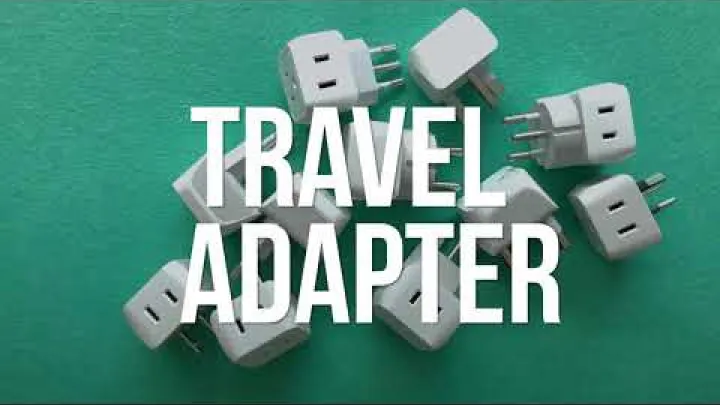
If you plan to charge a phone, laptop, camera, and power bank each evening, you may quickly run out of outlets, especially if your room has only one or two sockets. With more than one adapter, you can spread your devices across multiple outlets, avoid overloading a single socket, and keep charging time shorter. This is particularly useful if one outlet is in an awkward position or if you need to charge in the bathroom and the bedroom at the same time.
A practical approach is to combine one or two plug adapters with a small, lightweight power strip. You plug the adapter into the wall and the power strip into the adapter, then connect several chargers to the strip. This works best if the power strip is designed for 220–240V and ideally has surge protection. Make sure the total power draw of all connected devices does not exceed the strip’s maximum rating, which should be marked on the device.
Another reason to carry a spare Vietnam plug adapter is variation in socket types between accommodations. One hotel may provide convenient Type C/F outlets and even a built‑in adapter, while a homestay in a rural area may have only one old Type A outlet per room. If one adapter fails or is lost, having a backup prevents you from being unable to charge essential devices until you find a replacement. A second, simple adapter is small insurance for a smoother trip.
Voltage in Vietnam: Do You Need a Converter or Transformer?
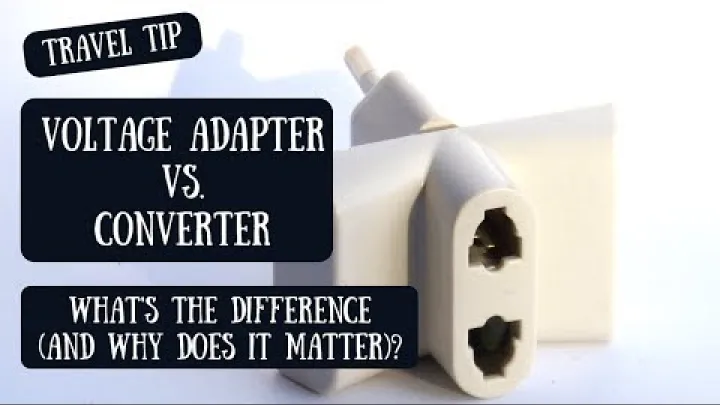
Dual-voltage vs single-voltage devices (how to check labels)
Understanding whether your devices are dual‑voltage or single‑voltage is the key step in deciding if you need a voltage converter in Vietnam. A dual‑voltage device is designed to work safely across a wide input voltage range, usually from about 100V up to 240V. A single‑voltage device is designed for one specific voltage, such as 110V or 230V, and may be damaged or unsafe if used at a different voltage.
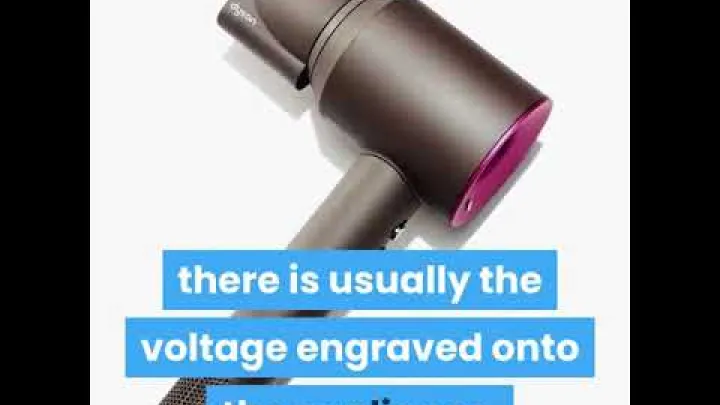
To find this information, look closely at the label on your device’s power brick, plug, or back panel. For small electronics like phones and tablets, the text is often printed in fine letters near the prongs or on the charger body. For laptops, the rating is usually printed on the larger power brick. On the label, search for the word “Input” followed by numbers and the letter “V” for volts and “Hz” for hertz.
Examples of common label text include:
- “Input: 100–240V ~ 50/60Hz” – This device is dual‑voltage and supports both 110–120V and 220–240V systems. It is safe to use in Vietnam with a plug adapter.
- “Input: 110V 60Hz” or “AC 120V 60Hz only” – This device is single‑voltage and is not designed for Vietnam’s 220V. Plugging it in directly without a converter can damage it.
Before you travel, make a list of the devices you plan to take: phone, laptop, camera, e‑reader, power bank, hair dryer, shaver, and so on. Next to each item, write down its voltage range from the label. Mark which ones are dual‑voltage and which ones are single‑voltage. This quick pre‑trip checklist helps you decide which devices are safe to use with just a Vietnam plug adapter and which ones may need a converter or should be left at home.
Devices that usually do not need a converter (phones, laptops)
Most modern electronic devices used for communication and entertainment are designed to be dual‑voltage. This includes smartphones, laptops, tablets, e‑readers, many camera battery chargers, Bluetooth headphones, and many gaming handhelds. These devices almost always carry labels like “Input: 100–240V, 50/60Hz”, meaning they can work normally on both 110–120V and 220–240V systems around the world.

If your devices show this dual‑voltage range, they do not need a voltage converter in Vietnam. A simple, reliable Vietnam plug adapter is enough to connect them to the local 220V sockets. For example, you can plug your laptop charger into a Type C/F socket with an adapter, and it will automatically adjust to the local voltage. The same is true for most phone chargers, camera chargers, and USB power bricks.
Power banks and many multi‑port USB chargers are also usually dual‑voltage. However, because some cheaper models may not be, it is still important to check the label. When charging valuable electronics, it is wise to use a quality adapter and, if possible, a surge protector. This does not change the voltage, but it helps protect your devices from short spikes or fluctuations that sometimes occur in electrical networks.
By focusing on dual‑voltage devices for your trip, you can avoid the need for heavy converters. This makes your luggage lighter and reduces the risk of overheating equipment. Always double‑check each charger’s label so that you can be confident that a simple plug adapter is truly all you need.
Devices that often need a converter or should be left at home
Some travel appliances are more problematic in Vietnam because they are often single‑voltage and draw a lot of power. Common examples include older hair dryers, curling irons, straighteners, hot rollers, some electric shavers, and certain kitchen devices like kettles or small irons. If these are designed only for 110–120V and you plug them directly into Vietnam’s 220V outlets, they can overheat, break quickly, or create a fire hazard.

High‑power single‑voltage devices can sometimes be used with a heavy‑duty voltage converter or transformer rated for their wattage. However, these converters are often bulky and add weight to your luggage. They can also become hot in use and are not always convenient in small hotel rooms with limited outlets. In many cases, it is more practical and safer to leave such appliances at home and use local equipment instead.
For example, most hotels, especially in big cities, provide hair dryers in the room or at the reception desk. Electric kettles are common in hotel rooms and apartments, so you usually do not need to bring your own. If you truly need a specific type of styling tool or appliance, consider buying a dual‑voltage model designed for international travel rather than carrying a heavy converter.
When deciding whether to buy a converter, compare the cost and convenience. Ask yourself how often you will use the device, how heavy a suitable converter will be, and whether alternatives exist in Vietnam. For many travelers, the best combination is to bring dual‑voltage electronics plus a good Vietnam plug adapter and rely on local appliances for high‑power needs.
Frequency differences (50 Hz vs 60 Hz) and what they mean
Besides voltage, electrical systems also differ by frequency, which is measured in hertz (Hz). Vietnam uses 50Hz, while countries like the US and Canada use 60Hz. Frequency describes how many times per second the current changes direction. For most modern electronic devices, this difference is not a serious concern because they are designed to accept both 50Hz and 60Hz.
If a device label shows “50/60Hz” along with the voltage range, it means the device can handle either frequency safely. This is common for phone chargers, laptop power supplies, camera chargers, and many other electronics. For these devices, you only need to worry about voltage and plug shape, not about frequency.
However, a few older or specialized devices, especially those with motors, timers, or some types of clocks, may behave differently at 50Hz compared to 60Hz. For example, a mechanical clock designed for 60Hz might run slightly slow on 50Hz power. Some older record players or motorized tools might not perform as intended either. These devices often have labels showing a single frequency, such as “60Hz only”.
In general, frequency differences are less critical than voltage differences for typical travelers. Most people do not carry frequency‑sensitive motors or industrial tools on holiday. Still, if you rely on an older device that mentions a specific frequency, check with the manufacturer or consider leaving it at home. For phones, laptops, and common travel gadgets, Vietnam’s 50Hz system is normally not a problem.
Recommended Adapter and Power Setup for Vietnam
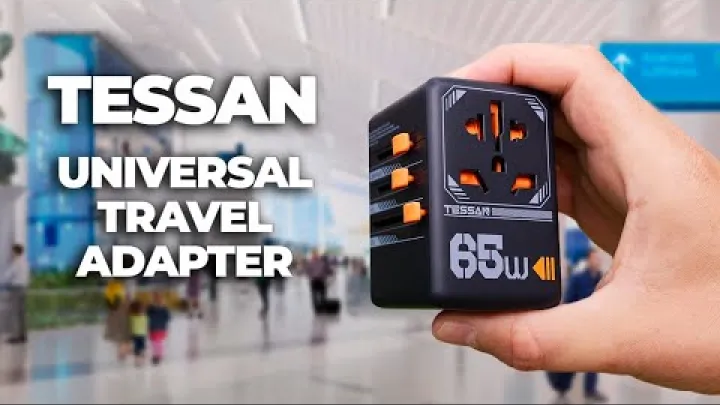
Best type of travel plug adapter for Vietnam
Choosing the best travel plug adapter for Vietnam starts with knowing the socket types you will meet. Since Vietnam mainly uses Type A, C, and F outlets, your adapter must be able to plug into these socket shapes securely. At the same time, it should accept your home plug type on the input side, whether that is Type A/B, C/F, G, or I. A good adapter is the link between your existing chargers and the local power system.
Look for a Vietnam plug adapter that is compact and lightweight, especially if you travel often or move between cities. Simple, single‑country adapters are usually small and easy to pack. For multi‑country trips, a universal adapter that covers several regions can be more convenient. Many universal models have sliding or folding plug pins that let you connect in Vietnam and neighboring countries like Thailand, Cambodia, or Laos.
Safety is important when selecting an adapter. Choose models that are clearly marked for the voltage and amperage they support, and, where possible, look for safety certifications from recognized testing organizations. Avoid very cheap adapters with no labeling, loose parts, or thin plastic, as they may overheat or fail. A quality adapter will have firm contacts, a solid feel, and clear instructions.
For trips that include several countries, a single universal adapter that supports multiple plug types (A, C, F, G, I) can be very useful. This way, you do not need to carry a separate adapter for each destination. Just remember that the adapter changes only the plug shape, not the voltage. You still need to confirm that your devices are dual‑voltage before using them in Vietnam or anywhere else.
Using universal travel adapters and USB chargers
Universal travel adapters are designed to work in many countries by using interchangeable or sliding plug pins. You plug the universal adapter into the wall outlet, then connect your device’s plug to the adapter. For travel across Southeast Asia or around the world, one well‑chosen universal adapter can replace several single‑country adapters and simplify your packing.

Many modern universal adapters include built‑in USB ports, often a mix of USB‑A and USB‑C. This allows you to charge multiple devices—such as a phone, tablet, and e‑reader—at the same time without carrying separate USB wall bricks for each one. For many travelers, a universal adapter plus a USB charging cable for each device is enough to keep everything powered in Vietnam.
When choosing a universal adapter, check its maximum power rating and the total output of the USB ports. Make sure it can handle the devices you plan to charge. Some adapters are designed mainly for small electronics and not for high‑power appliances. If you connect too many devices or a powerful appliance, you could exceed the rating, causing overheating or automatic shut‑off.
It is also wise to avoid very cheap, uncertified universal adapters, especially those with many features packed into a small body. Poor design or weak materials can lead to overheating, loose connections, or short circuits. Choose adapters from reputable brands, read user reviews if possible, and inspect the adapter before first use. A reliable universal adapter is a long‑term investment for safe charging in Vietnam and beyond.
Whether to buy your adapter at home or in Vietnam
Travelers often wonder whether it is better to buy a Vietnam plug adapter before departure or after arrival. Both options can work, but they have different advantages. Buying an adapter at home lets you read instructions in your own language, compare models more easily, and check for familiar safety marks. You will also arrive in Vietnam ready to plug in your phone or laptop without searching for a store.
On the other hand, simple plug adapters are widely available in major Vietnamese cities. Electronics shops, supermarkets, travel stores, and some convenience stores sell basic adapters that fit local sockets well. These units are usually inexpensive and specifically shaped for Vietnam’s common plug types. If you forget your adapter or lose it during your trip, you can usually buy a replacement without much trouble in cities like Hanoi, Ho Chi Minh City, or Da Nang.
There are some situations where arriving with an adapter already is strongly recommended. If you land late at night, travel directly to a rural area, or join a tour that leaves the city quickly, you may not have an easy chance to shop for electronics. For long‑term stays, buying a higher‑quality adapter or universal travel adapter in your home country can provide peace of mind because you can check warranty terms, safety certifications, and product reviews more easily.
When deciding where to buy, consider not only price but also safety standards, build quality, and your own familiarity with the product. A few dollars saved on a very cheap adapter is not worth the risk to an expensive laptop or camera. For many people, the best balance is to bring at least one good adapter from home and treat locally bought adapters as backups if needed.
Example packing list for electronics and adapters
Creating a simple packing list for electronics and power accessories helps ensure that nothing important is forgotten. Start by listing all the devices you plan to use in Vietnam and grouping them by importance. Essential items are those you rely on every day, while optional items add comfort or convenience but are not critical.
For a short trip, an essential electronics packing list might include:
- Smartphone and charging cable
- Laptop or tablet and charger
- Camera and battery charger (if you use a separate camera)
- Power bank for charging on the go
- One or two Vietnam plug adapters or a universal travel adapter
- Short extension cable or compact power strip (rated for 220–240V)
- Optional small surge protector, especially for laptops and cameras
For longer stays, study abroad, or remote work, you may want extra gear:
- Additional USB cables and spare chargers
- Laptop stand or docking hub (if you use an external monitor)
- Noise‑canceling headphones or headset for calls
- External hard drive or SSD for backups, plus its power supply
- Two or more reliable Vietnam plug adapters, especially if you have many devices
- A slightly larger surge‑protected power strip with space for several chargers
Organize your cables, chargers, and adapters in a dedicated pouch or small organizer. This prevents tangles, protects connectors, and makes it easy to move everything between your backpack, hotel room, and coworking space. Labeling your chargers can also help if you share accommodation, so devices do not get mixed up with others’ equipment.
Safety Tips for Using Plugs and Sockets in Vietnam
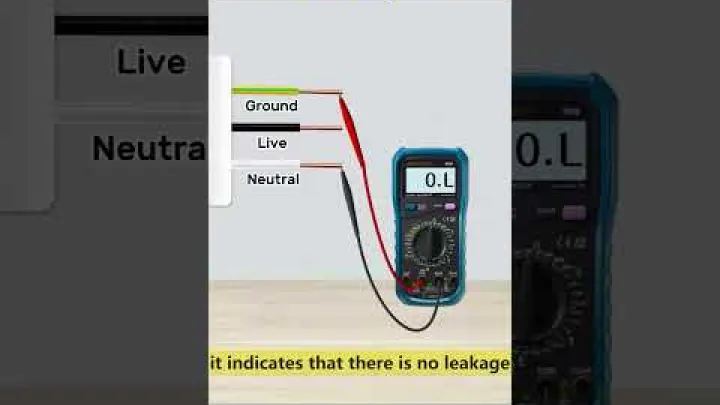
How to check outlets and avoid unsafe sockets
Electrical safety is an important part of using the Vietnam electric plug system, especially in older buildings or rural areas. Before you connect valuable electronics like laptops or cameras, take a few seconds to inspect the outlet. A quick visual check can help you avoid damaged sockets that could cause poor connections, overheating, or surges.

Look for signs such as burn marks around the socket, cracked or broken plastic, loose faceplates, or exposed wires. If the outlet looks darkened, smells burnt, or feels hot to the touch, do not use it. Instead, ask your hotel or host for another room or another socket. Inserting and removing plugs gently is also important, especially in older Type A sockets that may already be worn or slightly loose.
When you first arrive in a new room, it is a good idea to test the outlet with a low‑value device, such as a simple phone charger, before connecting more expensive equipment. If the outlet works normally and the plug stays firmly in place without sparks or noises, you can feel more confident about using it for laptops and cameras. If the connection feels unstable or the plug falls out easily, try another outlet or use a power strip to create a more stable connection.
By taking these small steps, you reduce the risk of damage to your devices and improve your own safety. It is always better to skip a questionable outlet than to risk an expensive repair or data loss due to power problems.
Surge protection and power quality considerations
Sensitive electronics such as laptops, cameras, and network equipment benefit from surge protection to reduce the impact of sudden voltage spikes.

A small, travel‑friendly surge‑protected power strip or adapter can be a good addition to your Vietnam power plug setup. You plug the surge protector into the wall (using a suitable adapter if necessary) and then connect your chargers to the protector. While surge protection does not correct voltage differences between 110V and 220V, it helps limit short spikes that could damage power supplies or cause system crashes.
When choosing a surge protector, look for clear labeling of the maximum load (in watts or amps) and any safety certifications. Do not overload it by connecting high‑power appliances beyond this limit. Focus surge protection on devices where data loss or equipment damage would be most serious, such as laptops, cameras, and external drives. Simpler devices like phone chargers are usually more tolerant of minor fluctuations.
Remember that surge protection is an extra layer of safety, not a replacement for correct voltage and adapter use. You still need to confirm that each device is dual‑voltage before plugging it into a 220V outlet in Vietnam. A good Vietnam plug adapter plus a reliable surge protector provides a balanced approach to power quality and device safety during your trip.
How to check outlets and avoid unsafe sockets
Electrical safety is an important part of using the Vietnam electric plug system, especially in older buildings or rural areas. Before you connect valuable electronics like laptops or cameras, take a few seconds to inspect the outlet. A quick visual check can help you avoid damaged sockets that could cause poor connections, overheating, or surges.

Look for signs such as burn marks around the socket, cracked or broken plastic, loose faceplates, or exposed wires. If the outlet looks darkened, smells burnt, or feels hot to the touch, do not use it. Instead, ask your hotel or host for another room or another socket. Inserting and removing plugs gently is also important, especially in older Type A sockets that may already be worn or slightly loose.
When you first arrive in a new room, it is a good idea to test the outlet with a low‑value device, such as a simple phone charger, before connecting more expensive equipment. If the outlet works normally and the plug stays firmly in place without sparks or noises, you can feel more confident about using it for laptops and cameras. If the connection feels unstable or the plug falls out easily, try another outlet or use a power strip to create a more stable connection.
By taking these small steps, you reduce the risk of damage to your devices and improve your own safety. It is always better to skip a questionable outlet than to risk an expensive repair or data loss due to power problems.
Surge protection and power quality considerations
Sensitive electronics such as laptops, cameras, and network equipment benefit from surge protection to reduce the impact of sudden voltage spikes.
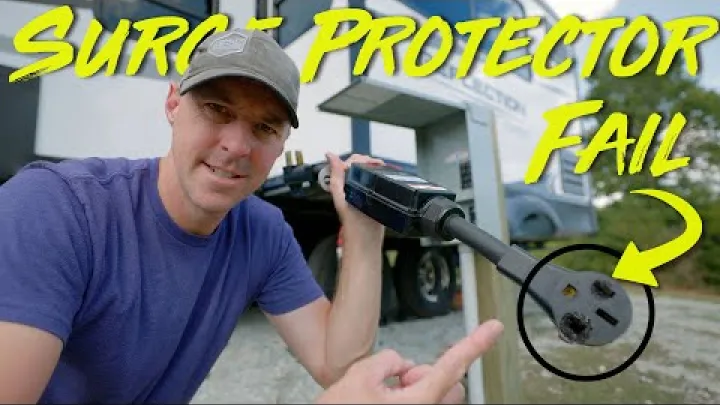
A small, travel‑friendly surge‑protected power strip or adapter can be a good addition to your Vietnam power plug setup. You plug the surge protector into the wall (using a suitable adapter if necessary) and then connect your chargers to the protector. While surge protection does not correct voltage differences between 110V and 220V, it helps limit short spikes that could damage power supplies or cause system crashes.
When choosing a surge protector, look for clear labeling of the maximum load (in watts or amps) and any safety certifications. Do not overload it by connecting high‑power appliances beyond this limit. Focus surge protection on devices where data loss or equipment damage would be most serious, such as laptops, cameras, and external drives. Simpler devices like phone chargers are usually more tolerant of minor fluctuations.
Remember that surge protection is an extra layer of safety, not a replacement for correct voltage and adapter use. You still need to confirm that each device is dual‑voltage before plugging it into a 220V outlet in Vietnam. A good Vietnam plug adapter plus a reliable surge protector provides a balanced approach to power quality and device safety during your trip.
Extra care with high-power and medical devices
High‑power appliances such as kettles, irons, portable heaters, and large hair styling tools draw much more current than small electronics. In some buildings, especially those with older wiring, plugging in a high‑wattage device may trip a circuit breaker or cause noticeable dimming of lights. Use these devices with care, and avoid running several high‑power items at the same time on the same outlet.
If you rely on essential medical devices, such as a CPAP machine for sleep apnea or other life‑supporting equipment, careful planning is even more important. Many medical devices have specific voltage and frequency requirements and may have built‑in power supplies that can handle a range of inputs. Always check the device manual and labels, and if you are unsure, contact the device manufacturer before traveling.
It can also be wise to talk with your healthcare provider about your travel plans. They may advise bringing spare parts, additional batteries, or a backup device, especially if you will spend time in rural areas where power cuts are more common. If your medical device uses an external power brick, confirm that it is rated 100–240V, 50/60Hz, and test any plug adapters or converters at home before your trip.
For critical equipment, have a backup plan in case of power failure, such as battery operation, manual alternatives, or staying in accommodation with a more reliable power supply. Taking extra care with high‑power and medical devices ensures that your focus in Vietnam can remain on your activities and not on emergency power problems.
Differences Between Cities and Rural Areas in Vietnam

What to expect in big cities and modern hotels
In international‑standard hotels, serviced apartments, and many newer office buildings, you will often find Type C/F sockets, some Type A outlets, and sometimes convenient universal sockets. These buildings are more likely to follow recent wiring standards and have better maintenance.
In big city hotels, you may even find USB charging ports built into the desk or bedside lamps, allowing you to charge phones and tablets without any adapter at all. Some properties provide Vietnam plug adapters as part of the room equipment or at the front desk. Descriptions on booking websites sometimes mention “universal power outlets” or “international sockets,” which signal that the property is geared toward international guests.
Even in cities, it is still wise to bring your own adapter because not every outlet will match your plug type and not every hotel provides adapters. When booking accommodation, you can check the room photos for visible outlet types or send a short message to the host asking which plug sockets are available. This is especially helpful if you must connect multiple devices for work and need to plan your power setup in advance.
Overall, city environments in Vietnam are usually the easiest places to manage your power needs. Stores selling adapters, power strips, and replacement chargers are common, and technicians can help with basic electrical issues. A good Vietnam plug adapter and possibly a small power strip are usually all you need in these areas.
What to expect in rural areas and homestays
You may find a mix of Type A and Type C outlets, sometimes in older condition. The number of available sockets per room is often low, and outlets may be located in less convenient positions. Universal sockets are less common, and electrical maintenance may be more basic.

In some remote areas, power cuts and voltage fluctuations occur more often, especially during storms or peak demand times. This makes surge protection and backup batteries more valuable. If you plan to rely on electronic devices for navigation, work, or communication in these areas, consider bringing a fully charged power bank and charging your devices whenever power is available.
For rural travel, bring at least one reliable Vietnam plug adapter and preferably a second as a backup. A small power strip can multiply your available outlets if there is only one socket in the room. Ensure that any power strip you bring is compatible with 220–240V systems. A surge‑protected strip is particularly helpful when you plug in laptops, cameras, or other sensitive electronics in areas with less stable power.
It can also be useful to plan your charging schedule. Try to charge phones, cameras, and power banks earlier in the day, when power is more likely to be stable, rather than waiting until late at night. In homestays, you can ask the host if there are typical times when power cuts happen, so you can plan around them. Simple habits like these help keep your devices ready even in locations with limited infrastructure.
Planning for multi-country trips in Southeast Asia
Many visitors combine Vietnam with other countries in Southeast Asia, such as Thailand, Cambodia, Laos, or Malaysia. Most of these countries also use 220–240V and 50Hz, which is similar to Vietnam’s power standard. However, plug types can differ slightly from place to place, so planning a flexible adapter solution can save time and reduce confusion.
For example, Thailand and Cambodia commonly use a mix of flat‑pin and round‑pin sockets, and some outlets are designed to accept multiple plug types. Laos and Cambodia often use similar plugs to Vietnam, but the exact combination of socket types can vary between buildings. Because of these differences, a universal travel adapter that covers Type A, C, F, G, and I can be very helpful for a regional trip.
Understanding that most of the region uses 220V, 50Hz systems means you only need to learn the voltage rules once. Once you confirm that your devices are dual‑voltage, you can move between countries without repeated research about converters. Your main task is then to match plug shapes using your universal adapter or local equivalents.
When planning, check each country’s common plug types and confirm that your adapter supports them. Pack one or two universal adapters plus any region‑specific ones you already own, such as a Type G adapter if you started your journey in the UK. This approach lets you move through Southeast Asia smoothly without worrying about whether each new hotel will support your devices.
Frequently Asked Questions

What plug type is used in Vietnam and is it the same everywhere?
Vietnam mainly uses plug types A, C, and F on a 220V, 50Hz system. In modern hotels and buildings you may also find universal sockets that accept several plug shapes. Older or rural buildings may only have Type A or Type C and sometimes worn outlets, so you should not expect the same sockets everywhere in the country.
Do I need a plug adapter for Vietnam if I am from the US, UK, or Europe?
Most travelers from the US, UK, and Australia will need at least one plug adapter for Vietnam, because their home plug shapes do not match local sockets. Many continental European plugs (Type C and some Type F) can often fit Vietnamese sockets directly, but an adapter is still useful when outlets differ. A compact universal travel adapter that works with Type A, C, and F outlets is a safe choice for all regions.
Does Vietnam use 110V or 220V, and will my devices work safely?
Vietnam uses 220V at 50Hz, not 110V. Most modern phone, laptop, and camera chargers are rated 100–240V, 50/60Hz and will work safely with only a plug adapter. Single‑voltage 110V‑only devices from North America or Japan must not be plugged in directly and may need a suitable voltage converter or a different charger.
Do I need a voltage converter in Vietnam for my phone, laptop, or camera?
You usually do not need a voltage converter in Vietnam for phones, laptops, tablets, or many camera chargers. These chargers are normally dual‑voltage (100–240V, 50/60Hz) and only require a plug adapter to fit the socket. Always check the label on each charger; if it shows only 110V or 120V, you will need a converter or a compatible replacement charger.
Can I use European or UK plugs in Vietnam without an adapter?
Many European Type C plugs fit directly into Vietnamese Type C or Type F sockets, and often into some universal sockets as well. UK Type G plugs do not fit Vietnamese outlets and always require an adapter. Even for European plugs, carrying at least one compact Vietnam plug adapter is recommended for older or mismatched outlets.
Are power outlets in Vietnam safe, and should I use a surge protector?
Most outlets in modern Vietnamese hotels and city buildings are reasonably safe, but some older or rural installations can be loose or worn. It is wise to visually check for damage or burn marks before use and to avoid suspect sockets. A small travel power strip with surge protection is recommended for valuable electronics such as laptops and cameras.
Can I buy a plug adapter or voltage converter easily in Vietnam?
You can buy simple plug adapters easily in Vietnamese cities at electronics shops, supermarkets, and some convenience stores. They are usually inexpensive and designed to fit local sockets well. Good‑quality voltage converters are less common in regular tourist areas, so if you need a specific type of converter, it is better to bring it from your home country.
What is the best travel plug adapter to bring for Vietnam?
The best travel plug adapter for Vietnam is a universal adapter that can plug into Type A and Type C/F sockets and accept your home plug type. Look for a compact model with at least one USB‑A and one USB‑C port, built‑in surge protection, and clear safety markings. If you plan to visit several countries, choose a model that also supports Type G and Type I outlets for extra flexibility.
Conclusion and Practical Next Steps for Using Plugs in Vietnam

Main takeaways on Vietnam plug types, voltage, and adapters
Vietnam uses a 220V, 50Hz electrical system and mainly Type A, C, and F plug sockets, with some older Type D and universal outlets in certain buildings. Many travelers, especially from the US, Canada, UK, Australia, and Japan, will need a Vietnam plug adapter to match local sockets. Visitors from continental Europe may sometimes plug in directly, but an adapter remains useful for mixed or older installations.
The most important step is to check the voltage labels on each of your devices before you travel. If a device is marked 100–240V, 50/60Hz, it is dual‑voltage and will usually work safely in Vietnam with only a plug adapter. If it is marked only for 110–120V or 100V, it is single‑voltage and may need a voltage converter or should be left at home. Remember that a plug adapter changes only the plug shape, while a voltage converter changes the voltage level.
By preparing a simple packing list, choosing one or two reliable Vietnam plug adapters, and using surge protection for valuable electronics, you can avoid most power‑related problems. Understanding the difference between adapters and converters, checking outlets for safety, and planning for different conditions in cities and rural areas will help keep your devices running smoothly throughout your trip.
Final tips for confident and safe device use in Vietnam
Before departure, create a checklist of your devices and mark which are dual‑voltage and which are not. Pack a suitable Vietnam plug adapter, and consider a universal adapter if you will visit several countries in Southeast Asia. Include a small surge‑protected power strip if you expect to connect multiple devices or work remotely.
Review your accommodation details to understand what outlets and adapters may already be provided, especially in international hotels or serviced apartments. During your stay, avoid using damaged or loose sockets, and test new outlets with low‑value devices first. With a small amount of planning and attention to safety, you can use your electronics comfortably and confidently throughout your time in Vietnam.
Select area
Create a post
Posting is free and no registration is required.