- Tay Son Heaven and Earth Esplanade: Historic Shrine in Quy Nhon
- Quang Trung Museum: Tay Sơn History & Culture in Quy Nhon
- Banh It Cham Towers: Ancient Heritage & Photography in Quy Nhon
- The Thon Beach in Cat Tien: Clean Shores & Affordable Watersports
- Linh Phong Pagoda in Quy Nhon: The Sacred Mountain Temple
Vietnam Places to Visit: A Practical Guide to the Best Destinations by Region

Planning Vietnam places to visit can feel difficult because the country offers major cities, quiet countryside, beaches, mountains, and heritage towns in one long stretch. This guide organizes the best places to visit in Vietnam by region and explains what each destination is like in real travel terms. You will also find practical advice on timing, transport, food, culture, and responsible choices that fit different budgets and comfort levels. Use it to build a route that matches your interests without trying to see everything at once.
Introduction: How to Use This Vietnam Travel Guide
It focuses on widely visited highlights plus a few nature-focused areas that many travelers add for variety. You can read it from top to bottom, or jump to the region you plan to visit first and then use the planning sections to connect the pieces.
What makes Vietnam worth visiting for different types of travelers
Vietnam is worth visiting because it offers a wide range of experiences in a relatively compact travel map. You can spend one day in a busy city with museums and architecture, and the next day in a rural landscape with rivers, rice fields, or limestone mountains. Many travelers also combine cultural stops like old towns and temples with coastal time for rest, which helps balance active sightseeing.
This guide is for first-time visitors, students, short-term travelers, and remote workers who want a clear overview of Vietnam places to visit without rushing. In practice, “places to visit in Vietnam” can mean famous sights, walkable neighborhoods, day trips from a base city, and larger regions that deserve multiple nights. Instead of trying to list every possible stop, it explains how people commonly connect destinations so you can build your own plan with realistic travel days.
A quick map of Vietnam by region: North, Central, and South
Planning by region makes Vietnam easier because travel times and weather patterns change as you move north to south. A route that works well in one season in the north may not feel comfortable in the central coast at the same time. Thinking in regions also helps you avoid long transfer days that reduce time for exploring.
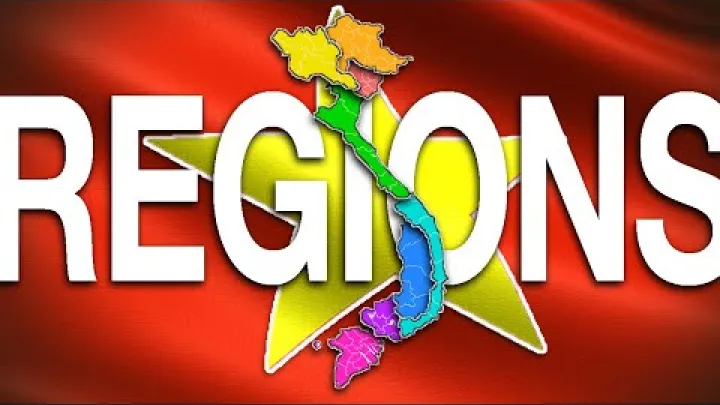
In Northern Vietnam, many trips center on Hanoi and nearby nature areas such as Ha Long Bay, Ninh Binh, and the northern highlands around Sapa. Central Vietnam often includes heritage and coast, with common bases such as Hoi An, Da Nang, Hue, and nature-focused areas like Phong Nha. Southern Vietnam trips frequently combine Ho Chi Minh City with the Mekong Delta and beach time on islands or coastal cities such as Phu Quoc and Nha Trang. Conditions vary by season, and the planning section later in the guide explains how to choose dates based on priorities rather than expecting one perfect month for the entire country.
What this article covers (and what it does not)
This guide covers major destinations and practical travel planning: what each place is known for, how travelers typically experience it, and how to connect stops without constant packing. It includes cities, heritage towns, beaches, and nature regions that fit common trip goals such as culture, food, history, trekking, and relaxation.
The structure is simple: regional highlights first, then food and culture, then practical planning, then a FAQ section, and finally flexible route examples to help you combine the best places to visit in Vietnam at your own pace.
How to Choose Places to Visit in Vietnam Based on Your Trip Goals
Choosing where to go is easier when you start with your goals and then match them to regions that support those goals. Vietnam can deliver very different trips depending on whether you want museums and architecture, outdoor landscapes, beach time, or daily-life experiences in rural areas. Many travelers also have mixed goals, so the most useful approach is to pick a few anchor destinations and then add short side trips that do not require frequent hotel changes.
The suggestions below are intentionally flexible. They help you narrow options without locking you into exact schedules or assuming specific transport times. As you read, note which places are best as a base for day trips, which ones deserve multiple nights, and which ones are more weather-dependent.
Start with your travel style: culture, nature, beaches, food, or history
If you enjoy culture and city life, large hubs are a practical starting point because they offer museums, architecture, markets, and easy day trips. If your priority is nature, you may prefer landscapes such as limestone valleys, bays, and mountain areas where the scenery is the main event and your days revolve around boats, hikes, or viewpoints. For beaches, many travelers look for a base that supports simple routines: swimming, relaxed meals, and one or two excursions rather than constant movement.
History-focused trips usually pair older heritage sites (temples, imperial-era monuments, old towns) with modern museums that provide context for recent events. Trade-offs are normal: famous areas can be crowded, remote areas can require longer transfers, and weather can shape what is comfortable, especially for trekking, cruises, and island boat trips.
Food-focused travelers often do best in cities and heritage towns, where street food, markets, and cooking classes are easy to find. History-focused trips usually pair older heritage sites (temples, imperial-era monuments, old towns) with modern museums that provide context for recent events. Trade-offs are normal: famous areas can be crowded, remote areas can require longer transfers, and weather can shape what is comfortable, especially for trekking, cruises, and island boat trips.
Planning by time: what you can realistically see in 7, 10, and 14 days
Travel time matters in Vietnam because distances can be long and transfers can take more energy than you expect. Even when a route looks short on a map, you may still lose time to check-ins, traffic, and connecting transport. A slower pace often improves the experience because you have time for mornings, local meals, and rest, rather than only moving from one photo stop to the next.

With about 7 days, many travelers choose one region and add one or two easy side trips from a main base. With around 10 days, you can often combine two nearby areas, such as a city plus a nature region, without feeling rushed. With about 14 days, you may have room for two regions, or a lighter version of three regions if you accept a few longer transfer days. For weather-dependent activities like bay cruises, outdoor trekking, and island boats, build buffer time so you can adjust plans if conditions change.
Choosing between famous highlights and quieter alternatives
Iconic highlights are popular for a reason: they are accessible, visually impressive, and well supported by tours and accommodation. At the same time, many travelers enjoy Vietnam more when they balance a few famous stops with quieter countryside time. This approach can reduce fatigue, especially if you are sensitive to noise, crowds, or frequent bargaining in tourist-heavy areas.
To reduce crowd stress, consider early mornings, weekdays, and staying one night longer so you can visit key sights at calmer times. You can also choose nearby alternatives that are often less crowded, such as smaller villages outside a main base or nature areas that are not the single most famous viewpoint. Helpful decision questions include: Are you comfortable with early starts? Do you want photography time without rushing? Do you prefer step-heavy viewpoints or flatter walks? Do you want independent travel, or do you prefer guided context and organized transport?
Northern Vietnam Places to Visit
Northern Vietnam is a strong choice if you want a mix of city culture and dramatic landscapes. Many routes start in Hanoi and then branch to a bay cruise, limestone countryside, or mountain areas for trekking. Weather can vary more in the north than in the south, so it helps to plan flexible outdoor days and bring simple layers for cooler mornings.
The destinations below are often combined in one trip, but you do not need to visit all of them. A common strategy is to use Hanoi as a base first, then add one nature-focused overnight experience, then return for a final city day before moving on.
Hanoi: historic neighborhoods, key landmarks, and city experiences
The Old Quarter is known for narrow streets, small shops, and a street-food rhythm that changes from morning to night. A slower walking pace helps you notice small details such as courtyards, cafes, and lakeside paths, and it also makes crossing busy streets feel more manageable.

Many visitors build a city day around Hoan Kiem Lake, the Temple of Literature, and the Ho Chi Minh Mausoleum area, choosing a few key sites rather than trying to cover everything. Traffic is active, so plan routes with simple walking loops and take breaks during the hottest part of the day. At memorial or historical areas, dress modestly when requested and keep your voice low, especially in indoor spaces. Hanoi also pairs well with short trips to nearby nature regions described later, which can add scenery without a complicated travel plan.
Ha Long Bay: cruises, caves, and how to plan around weather
Ha Long Bay is best known for boat-based scenery among limestone islands and calm waters. Travelers commonly choose between a day cruise and an overnight cruise, depending on whether they want a quick taste or a slower experience that includes sunrise and evening time on the water. Typical activities include viewing the landscape from the deck, visiting caves, and short shore stops that may involve stairs or uneven ground.

Planning needs flexibility because visibility and sea conditions can change with mist, rain, or storms, and schedules may shift for safety reasons. If the bay is a priority, consider building a buffer day into your route and staying open to small itinerary changes. When choosing an operator, look for clear communication about waste practices, group size, and what is included, because these choices affect both comfort and environmental impact. Avoid expecting perfect weather or empty viewpoints, and focus instead on the overall experience of being on the water.
Ninh Binh: limestone landscapes, river rides, and viewpoints
Ninh Binh is known for limestone scenery, green valleys, and calm river routes that pass through cave-like passages and narrow waterways. Many visitors come for boat rides where you can watch daily life near the water and enjoy quiet views that feel very different from a busy city. Viewpoints are also a major draw, often reached by stairs or short hikes that reward you with wide panoramas over fields and karst formations.

Alongside nature, the area includes temples and large cultural complexes that some travelers add for history and architecture. It is easy to visit from Hanoi, either as a long day trip or a more comfortable overnight that allows early mornings. To reduce crowds and heat, aim for an early start, choose midweek when possible, and plan shade or cafe breaks after active climbs. Instead of comparing it to other destinations, it helps to think of Ninh Binh as a nature-focused complement to Hanoi’s museums and street life.
Sapa and the northern highlands: trekking, villages, and seasonal conditions
Trekking routes often pass villages linked to local ethnic minority communities, and many trips include simple homestay-style nights for travelers who want slower mornings and countryside meals. The best experiences usually come from matching the route to your fitness level and choosing a pace that allows conversation and observation, not only photos.

Conditions vary by season, with changing visibility, rain patterns, and trail surfaces that can become muddy or slippery. Pack practical items such as comfortable shoes with grip, a light rain layer, and a warm layer for cooler evenings, and keep valuables protected from moisture. Responsible travel matters here: ask before taking close-up photos, keep interactions respectful, and buy crafts only when pricing and quality are clear to you. If you hire local guides, choose arrangements that communicate the route clearly and support fair payment for the time and effort involved.
Central Vietnam Places to Visit
Central Vietnam is often where travelers feel the strongest blend of heritage, food culture, and coastline. The distances between key stops can be manageable when you choose one or two bases, and the region supports a mix of relaxed beach time and full cultural days. Central weather can also be different from the north and south, so it is useful to check seasonal patterns and keep some flexibility for rainy days.
This region is especially good for travelers who want walkable old-town evenings and day trips that do not require constant hotel changes. Many routes combine Hoi An and Da Nang for heritage and beaches, then add Hue for imperial-era history, and optionally include Phong Nha for nature-focused travel.
Hoi An: heritage streets, lantern evenings, and local crafts
Hoi An is widely visited for its preserved Old Town atmosphere and easy walking routes along heritage streets. Many travelers enjoy slow afternoons exploring historic houses, assembly halls, and riverfront areas, then return in the evening when lanterns and lights change the mood. Because the center is compact, it suits travelers who prefer exploring on foot and building a day around short stops, cafes, and simple photo walks.

Craft-focused experiences are common, including tailoring, local markets, and cooking classes that introduce regional flavors in a practical way. Shopping is easier when you set clear expectations on fabric, timeline, fitting steps, and final pricing before you commit. In heritage and religious sites, wear respectful clothing and follow any posted rules about photography and noise. Hoi An also works well as a base for short day-trip extensions, so you can add variety without moving accommodation every night.
Da Nang: beaches, city sights, and Ba Na Hills day trips
It offers a long city beach, a range of accommodation options, and straightforward transport connections compared with smaller towns. This makes it appealing for remote workers and travelers who want comfort, stable services, and a mix of city dining with easy seaside time.

Popular nearby excursions include Ba Na Hills and the Golden Bridge, often visited as a day trip with an early start to reduce crowd pressure. Because it is well known, it can be busy, so plan for queues and focus on a few main areas rather than trying to see every corner in one day. Da Nang generally fits travelers who want beach access with city convenience, while people who prefer quiet streets and a smaller-town pace may choose a heritage-focused base instead. Keep your day flexible in case weather affects visibility in higher areas.
Hue: imperial heritage and royal-era monuments
Hue is known as a former imperial center and is a key stop for travelers who want historical context in central Vietnam. Visitors often explore citadel areas, river scenery, and royal-era monuments that show how earlier dynasties shaped architecture and city planning. The pace in Hue can feel calmer than larger cities, which helps if you want time to read signage, take photos, and reflect on what you are seeing.

Many sites involve walking and some stairs, so it helps to space them across a day and plan water and shade breaks. If you want more context, a guide can make the experience clearer by explaining what different areas were used for, but self-guided visits can also work if you read captions carefully. During hot periods, aim for early mornings and lighter midday plans, such as a cafe break or a shorter riverfront walk. In religious and memorial spaces, keep a quiet tone and avoid treating the visit as only a photo stop.
Phong Nha and cave regions: nature-focused travel and guided adventures
Phong Nha and nearby cave regions are a strong alternative to city-hopping when you want outdoor scenery and national-park style travel. The area is known for rivers, forested landscapes, and cave-focused excursions that range from easy visits to more challenging adventures. Even if you do not choose an intensive trip, simple guided cave tours and relaxed river time can add variety to a Vietnam itinerary that is otherwise focused on towns and beaches.

Some cave experiences require reputable guides and appropriate equipment, so it is important to choose providers that explain route difficulty, safety steps, and what is included. Do not assume access is guaranteed for every route, since conditions and regulations can affect what is available at the time of your visit. Environmental care matters in sensitive landscapes: stay on marked paths, avoid touching fragile formations, and carry out your own waste. Plan for slower days here, since outdoor activities often take more energy than expected, especially in humid weather.
Southern Vietnam Places to Visit
Southern Vietnam is often chosen for fast-paced city energy, river regions, and beach recovery time. Many travelers start in Ho Chi Minh City for history and food, then add the Mekong Delta for a different daily rhythm, and finish with coastal or island days. The south can feel warmer and more humid for much of the year, so pacing and hydration are important.
If you have limited time, it is usually better to pick one beach base and one inland add-on rather than trying to sample every coastline. The places below are popular options, and each supports a different type of trip: city culture, river life, island relaxation, and an urban beach setting with nearby excursions.
Ho Chi Minh City: landmarks, museums, and neighborhood energy
Many visitors focus on central districts for colonial-era buildings, broad boulevards, and markets where you can see daily commerce up close. The city rewards travelers who plan shorter activity blocks and include breaks, because heat, traffic, and noise can be tiring during a full day on foot.

Museums are a core part of the experience, including the War Remnants Museum, which many travelers choose for context on modern history. It can be emotionally heavy, so it is reasonable to decide based on your comfort level and to take breaks if you need them. A balanced day plan often includes one or two major cultural stops, a market visit, and a calm meal in a quieter side street. You may also see the name “Saigon” used in conversation and signage, and it is also searched online as “places to visit in Saigon Vietnam.”
The Mekong Delta: floating markets and everyday life on the water
The Mekong Delta is known for waterways where boats function as transport, work spaces, and sometimes homes. A floating market is a place where trade happens boat-to-boat, often focused on produce and daily goods, and many visits start early in the morning to see the most activity. The experience is usually less like a staged show and more like observing a working environment where tourism is present but not always central.

Many trips add canal rides, village stops, gardens, and short homestay-style experiences to understand the region beyond a single market. The market and river economy are living systems that change with modernization and tourism, so it helps to arrive with curiosity rather than expecting an unchanged past. A day trip can give a quick overview, while a multi-day visit can feel calmer and allows time for cycling or longer boat routes. For photography, keep respectful distance, ask when you want close portraits, and remember that people are working, not performing.
Phu Quoc: beaches, island days, and what to consider in rainy season
Phu Quoc is a common choice for travelers who want an island break after city travel. Many trips revolve around choosing a beach area that matches your style, such as quieter stretches for reading and swimming or busier areas with more restaurants. Days can be simple and restful, with optional add-ons like local market visits, short nature outings, or basic water activities depending on sea conditions.

Seasonal rain can affect the sea, visibility, and boat trips, so it is helpful to keep plans flexible and avoid scheduling all key activities on one fixed day. Instead of trying to find a single “best beach,” focus on preferences like shade, walkability, and how close you want to be to dining options. To avoid repetitive beach days, plan one or two short inland activities, such as a local food stop, a viewpoint, or a quiet morning exploring a less-developed area. Always confirm conditions locally before committing to longer boat excursions.
Nha Trang: city beach breaks, islands, and wellness activities
Nha Trang is a coastal city that combines an urban beachfront with easy access to island excursions and water-focused days. Travelers often enjoy the convenience of a city setting where hotels, restaurants, and transport are close together, while still being able to schedule short boat trips for swimming or snorkeling. Because it is a city beach, the atmosphere can feel busier than a remote island, which suits travelers who want both comfort and activity options.

Wellness-style experiences such as mud baths are also well known in the area and are usually approached as relaxation rather than medical treatment. Plan enough time to move slowly, bring basic items like water and a change of clothes, and expect shared facilities in many places. For snorkeling and boat tours, choose reputable operators that offer clear safety briefings and maintain equipment in good condition. A short stay can work well if you focus on one island day, one beach day, and one slower wellness or market day.
Food, Culture, and Experiences That Make the Trip Feel Complete
Vietnam is often remembered through everyday experiences: a simple breakfast on a small street, a market visit, a calm temple courtyard, or a long evening walk in a heritage town. Food and culture are not separate from sightseeing; they are part of how you understand each place. Even if you only have a week, adding a few hands-on activities can make your route feel more connected.
The ideas in this section are designed for international readers who want practical steps. They focus on choices you can make in any region, without needing to chase a specific vendor or trend. Use them to add depth to a list of places to visit in Vietnam, especially if you want more than photos.
Vietnamese street food basics: how to eat well with confidence
Street food is part of daily life in many Vietnamese cities and towns, and it often follows a simple rhythm: early breakfast stalls, busy lunch spots, and evening areas where people gather after work. Travelers can eat well by staying observant and choosing places where ingredients look fresh and turnover is steady. It is also smart to pace yourself in hot weather, drink enough water, and try smaller portions of new dishes at first.
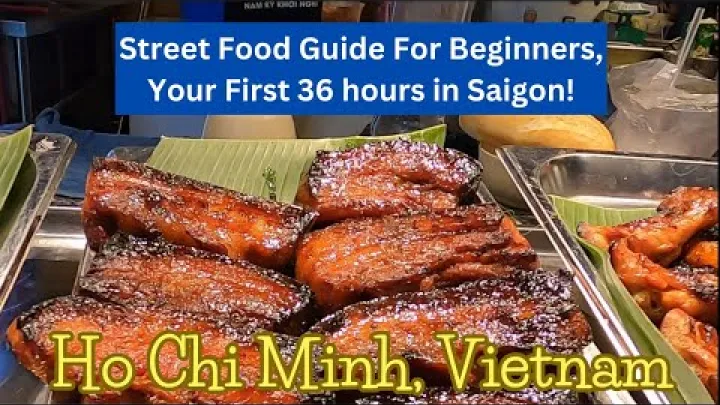
Approachable entry points include noodle soups, rice plates with grilled items, and Vietnamese sandwiches, which are widely available and easy to customize. Since every traveler has a different stomach and comfort level, it is better to focus on practical habits rather than making absolute safety promises. A small checklist can help you decide quickly and consistently.
- Choose stalls that are busy with local customers, especially at meal times.
- Look for ingredients that are stored neatly and cooked to order when possible.
- Prefer filtered or sealed drinks if you are adjusting to the climate.
- Start mild with spice and add more after tasting.
- Carry tissues and hand sanitizer for convenience, not as a guarantee.
Markets and cooking classes: practical ways to understand local cuisine
Markets are useful because they show how ingredients connect to daily meals, from herbs and noodles to tropical fruit and fresh seafood. Walking through a market can help you recognize flavors you later taste in street food, and it can also teach you regional differences in produce and seasoning. Many travelers find that even a short market visit builds confidence when ordering food, because familiar items start to stand out.

Cooking classes turn that market exposure into practical skills and cultural context. A typical class day might include a short ingredient introduction, a guided shopping walk, and then a hands-on session where you learn a few dishes and how to balance salty, sour, sweet, and spicy flavors. When choosing a class, consider language support, group size, and whether they can handle dietary needs such as vegetarian requests or allergies. Communicate restrictions politely and clearly at booking time so the instructor can adjust recipes and avoid misunderstandings.
Heritage sites and museums: learning Vietnam’s history respectfully
A rounded Vietnam trip often includes both older heritage and more recent history. Ancient heritage can include temples, preserved old towns, and imperial-era sites, while museums can add context for the country’s modern timeline and social change. Pairing these experiences helps travelers understand that Vietnam’s culture is not only one period, but many layers across centuries.
Some museums and memorial sites cover difficult topics, so respectful behavior matters. Keep your voice low, read the context before entering sensitive rooms, and take breaks if the content feels intense. If captions, audio guides, or guided tours are available, they can reduce misunderstanding by explaining names, dates, and cultural practices in a structured way. A neutral approach is usually best: focus on learning and observation rather than drawing quick conclusions from a short visit.
Hands-on cultural activities beyond sightseeing
Hands-on activities can make destinations feel more personal, especially when you have limited time. Options include lantern evenings in heritage towns, craft workshops, tailoring sessions, guided neighborhood walks, and simple riverfront time that lets you observe daily life. These experiences are often memorable because they involve small interactions and skills, not only monuments.
Ethical choices are practical, not perfect, and they start with clarity. Ask what is included, confirm pricing before you begin, and avoid experiences that pressure you into uncomfortable interactions. For photography, ask for consent when you want close portraits and be cautious around children and private homes. Instead of searching for one “authentic” activity, choose experiences that feel respectful, well explained, and aligned with your interests and comfort level.
Practical Planning: Weather, Transport, Budgeting, and Responsible Travel
Good planning is not about controlling every detail; it is about reducing avoidable stress. Vietnam travel can involve weather shifts, traffic, and changes to outdoor plans, especially for boats and mountain areas. If you plan with flexibility, you can still enjoy key destinations even when a day does not go exactly as expected.
This section covers four planning topics that most travelers face: when to go by region, how to move between destinations, how to choose accommodation for your pace, and how to make responsible choices without overcomplicating your trip. The goal is a practical foundation you can adapt to your route.
Best time to visit Vietnam by region (with a simple comparison table)
The north can have cooler periods and more noticeable seasonal changes, central areas can have distinct rainy periods, and the south often stays warm while still having wet and dry phases. Because of this, the best time to visit Vietnam depends on what you plan to do and which region matters most for your trip goals.
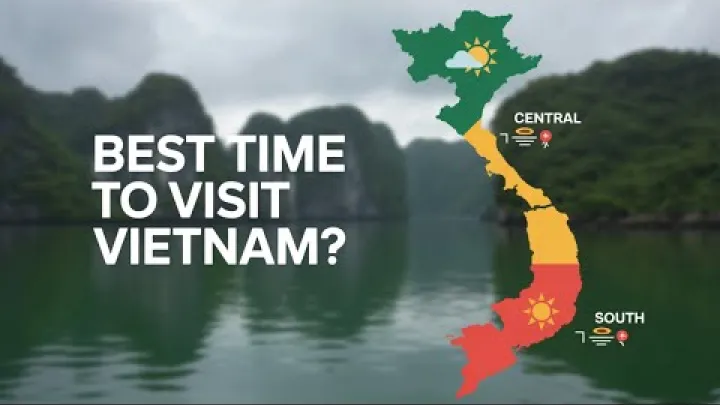
A useful way to choose dates is to prioritize one or two weather-sensitive activities and plan around them. For example, trekking comfort depends on trail conditions and visibility, while beach and island time depends on sea conditions and rain patterns. If you plan a cruise, hike, or boat day as a highlight, add buffer time so you can swap days if weather changes. The table below is intentionally general and designed to stay useful even when yearly patterns vary.
| Region | Typical weather considerations | Often a good fit for |
|---|---|---|
| North (Hanoi, Ha Long Bay, Ninh Binh, Sapa) | More noticeable seasonal shifts; mist and rain can affect views; mountains can feel cooler than cities. | City culture plus scenery, limestone landscapes, and trekking when trails are comfortable. |
| Central (Hoi An, Da Nang, Hue, Phong Nha) | Rainy periods can be stronger in some months; storms can affect coastal plans; heat can be intense in dry periods. | Heritage towns, food-focused travel, and mixing beach days with cultural sites. |
| South (Ho Chi Minh City, Mekong Delta, Phu Quoc, Nha Trang) | Often warm and humid; wet season can bring heavy short rain; sea conditions can vary for islands. | City energy, river life, and beach recovery days with flexible scheduling. |
Getting around: flights, trains, buses, and local transport options
Buses and vans are commonly used for budget routes or shorter links, especially when trains are not convenient for a specific pairing.

Within cities, short rides by taxi or app-based car and motorbike services are common, and walking works best in compact areas like old towns and lakeside neighborhoods. A common planning mistake is underestimating transfer time: reaching a station, finding the right platform or pickup point, and checking into accommodation can take longer than you expect. Build buffer time when connecting to flights or tours, and avoid stacking major activities immediately after a long transfer day. If you are sensitive to motion or tiredness, plan a lighter first evening after arrival so you can enjoy the next day more fully.
Budget, accommodation, and comfort: how to plan for your travel pace
Costs can vary widely depending on whether you stay in a major city center, a heritage zone, a countryside homestay area, or a beach resort region. Your travel style matters as much as the destination: budget travel may prioritize location and simple rooms, mid-range travel often prioritizes comfort and quiet, and higher-comfort travel may prioritize space, services, and flexible transport. Instead of focusing on a single number, plan around your daily rhythm and how much time you expect to spend in your room versus exploring.
For longer trips, laundry access and storage space can make a real difference, and remote workers may want stable Wi-Fi, a desk, and a quiet environment for calls. Recent reviews are useful for identifying construction noise, service changes, and neighborhood shifts that older guides may not mention. If you have mobility considerations, look for details on elevators, stairs, and distance to main sights, and plan rest periods into your day to keep the trip comfortable.
Responsible travel and community-based tourism choices
Community-based tourism usually means locally run experiences where a larger share of your spending stays with local families or community groups. In Vietnam, this can include homestays, locally guided walks, small craft workshops, and village-based meals. The benefit for travelers is often deeper context and a slower pace, while communities can benefit when tourism supports local livelihoods in a transparent way.

Practical responsible choices start with simple questions and habits. You can ask who runs the activity, where fees go, and what behavior is expected in homes and religious spaces. Reducing waste matters in sensitive environments such as bays, caves, wetlands, and mountain trails, so carry a refillable bottle when possible and avoid leaving trash behind. Responsibility is not about perfection; it is about being aware, communicating clearly, and choosing experiences that respect local rules and protect the landscapes you came to see.
Frequently Asked Questions
What are the best places to visit in Vietnam for a first trip?
The best places to visit in Vietnam for a first trip usually include one major city base plus one nature or heritage add-on. Many travelers choose Hanoi with a side trip to Ha Long Bay or Ninh Binh, or Ho Chi Minh City with a Mekong Delta day. If you want a balanced first route, add one walkable heritage town like Hoi An and keep transfers limited.
Is it better to travel Vietnam north to south or south to north?
Either direction works, so choose based on flights, weather priorities, and your preferred ending style. Ending at a beach destination can feel restful after city and history days. The most important factor is grouping nearby places to reduce packing and long transfer fatigue.
How many days do I need to see Vietnam without rushing?
You need about 10 to 14 days to see a meaningful sample without rushing. In that time, many travelers visit two regions with a mix of city and nature, or a lighter version of three regions with a few longer transfers. If you only have 7 days, focus on one region and choose one or two easy side trips.
Which Vietnam destinations are most weather-dependent?
Bay cruises, island boat trips, and mountain trekking are the most weather-dependent. Mist can reduce views, and storms or heavy rain can change schedules for safety. Plan buffer time and avoid placing all key outdoor activities on one fixed day.
What is a good way to combine cities, nature, and beaches?
A good pattern is city first, nature second, and beach last. For example, start with Hanoi or Ho Chi Minh City for museums and food, add a nature area like Ninh Binh, Ha Long Bay, or Phong Nha, and finish with a beach base such as Phu Quoc or a coastal city. This structure balances energy levels and makes long travel days feel more worthwhile.
How can I travel responsibly in Vietnam as a visitor?
Travel responsibly by respecting local rules in homes and religious sites, asking before close-up photography, and reducing waste in sensitive landscapes. Choose guides and tours that explain safety steps and environmental practices clearly. Also plan your spending thoughtfully, such as using locally run activities when they match your comfort level.
Conclusion: Building Your Vietnam Itinerary With Confidence
Building a strong Vietnam route is easier when you choose a few anchor destinations and connect them with short, practical side trips. This approach helps you enjoy Vietnam places to visit without constant packing or unrealistic travel days. The examples below are flexible models that you can adjust based on weather, energy, and interests.
Many travelers remember small daily moments just as clearly, especially when they leave space for local meals, calm mornings, and unexpected discoveries.
A flexible 7 to 10 day first-time route
A flexible first-time route for 7 to 10 days usually works best when it focuses on one region, or two closely connected areas, rather than trying to cover the entire country. A common approach is to choose one main city base for culture and food, then add one nearby nature destination for contrast. This keeps transfers simpler and gives you time to learn the local rhythm.

To keep the plan realistic, choose 2 to 3 anchor destinations and add 1 to 2 day trips that do not require changing hotels. For example, you might anchor your trip around Hanoi and add a nature overnight, or anchor around Ho Chi Minh City and add the Mekong Delta plus one additional nearby experience. Balance active days with lighter days, and keep at least one flexible block for weather-dependent plans such as bay cruises, outdoor hikes, or island boats.
A flexible 14 to 21 day route to see North, Central, and South
With 14 to 21 days, a north-to-south or south-to-north route can include representative stops from each region without trying to include everything. A practical structure is to start with one major city, add a signature nature area, then move to a central heritage base, and finish with a southern city and a beach or island recovery block. Grouping nearby destinations reduces the feeling of constant packing and helps you enjoy evenings and slower mornings.
Beach recovery days are most effective when you choose one beach base instead of switching between several coastal stops. You can also swap destinations based on your goals: choose either a bay experience or a mountain trek in the north, choose either a heritage-focused base or a nature-focused cave region in central Vietnam, and choose either an island or an urban beach city in the south. Keep the route neutral and adaptable, and adjust the order based on seasonal conditions and your preferred pace.
Final checklist before you go
Before you finalize bookings, confirm that your dates match your top priorities, such as trekking comfort, beach conditions, or a bay cruise. Then narrow your route to a manageable set of places to visit in Vietnam, with enough nights in each stop to avoid constant transfers. This is especially important for international travelers who may also be managing jet lag or remote work schedules.
Use a simple checklist to keep decisions clear and evergreen, and set realistic expectations for crowds and changing weather. A calm plan with space for rest often leads to a better trip than an ambitious plan that leaves no margin.
- Pick 3 to 6 key places to visit and confirm they fit your season and interests.
- Decide your transport style: fewer long transfers, or more coverage with flights.
- Reserve buffer time for weather-dependent activities and recovery mornings.
- Check recent accommodation reviews for noise, construction, and service updates.
- Plan respectful behavior for heritage sites, museums, and village visits.
- Pack for heat, rain, and walking comfort based on your regions, not only one city.
A confident Vietnam itinerary is one that matches your goals, respects travel time, and stays flexible. When you plan by region and prioritize a few core experiences, you can enjoy a trip that feels complete without trying to do everything in one visit.
Select area
Create a post
Posting is free and no registration is required.