Chau Doc Travel Guide: Plan Your Mekong Delta Stay
Chau Doc is a river city in An Giang, near Vietnam's border with Cambodia, and one of the Mekong Delta's most distinctive overnight stops. It combines the Hau River, working river communities, pilgrimage sites around Sam Mountain, and wetland excursions beyond the center. This Chau Doc travel guide explains who will enjoy the city, how it compares with other Delta bases, where to stay, and how to plan transport without overloading your itinerary. It is best approached as a place to slow down for at least one night rather than as a quick substitute for every Mekong Delta experience.
Chau Doc at a Glance
Chau Doc is laid out around its riverside center and market area, with the Hau River shaping daily movement and views. Major visitor sites are spread beyond the compact core, so choosing a central base and planning transport matters more here than in a single walkable historic district.
What Chau Doc Is Like
Chau Doc is an An Giang city on the Hau River, close to the Cambodian border. Its appeal comes from several different landscapes and communities: the riverside core, Chau Doc Market, the floating village across the water, Sam Mountain's religious sites, and wetland areas such as Tra Su Cajuput Forest. The city can also be a practical pause for travelers continuing between the Mekong Delta and Phnom Penh.
Expect a functioning regional city rather than a resort town. The central riverside is useful for meals, a stroll, ferries, and arranging local outings, but attractions are not gathered in one ticketed zone. English is more common at hotels and transport-facing businesses than in residential areas. A little patience with boats, ferries, pickup points, and local transport will make the visit more rewarding.
Who Should Visit Chau Doc
Chau Doc is a strong fit for travelers interested in river-based livelihoods, wetlands, active religious places, and a route toward Cambodia. It also suits visitors who have time to stay overnight and prefer a smaller Delta city with several different day-trip options rather than one headline attraction.
It may be less suitable for a very short Vietnam itinerary, especially if you want easy airport access, a large restaurant scene, or a highly organized canal tour. Ben Tre, My Tho, or Can Tho can be easier choices in that situation. Chau Doc works best for independent travelers who are comfortable confirming arrangements, using a taxi or hotel-arranged car beyond town, and accepting that small local services may not run on a standardized timetable.
How Chau Doc Fits into a Mekong Delta Trip
The best Mekong Delta base depends on the experience you want and how much road travel you can accept. Chau Doc is not necessarily the most convenient first stop from Ho Chi Minh City, but it offers a useful combination of border location, river culture, pilgrimage landscape, and access to wetlands.
Chau Doc Compared with Can Tho, Ben Tre, and My Tho
| Base | Best for | Travel style | Main trade-off |
|---|---|---|---|
| Chau Doc | Wetlands, pilgrimage, border route | Independent overnight stay | Longer road access |
| Can Tho | Large Delta hub and services | Flexible multi-night base | More urban setting |
| Ben Tre | Canals and countryside | Short rural break | Less useful for Cambodia onward travel |
| My Tho | Convenient Delta introduction | Day trip or structured tour | Often a quicker visit |
Can Tho is the larger hub, with more accommodation, dining, and onward transport choices. It is a sensible base if you want urban convenience alongside Delta outings. Ben Tre and My Tho are often selected for a shorter canal-and-countryside experience from Ho Chi Minh City, especially for travelers who prefer organized day trips or a brief overnight stay.
Choose Chau Doc when Sam Mountain, the floating village, Cham cultural visits, Tra Su, or a Cambodia connection are central to your route. Do not choose it simply because it is in the Delta: the road journey is a meaningful part of the trip. For many first-time visitors, Can Tho plus Chau Doc creates a more varied itinerary than trying to see both places on consecutive rushed day trips.
How Many Days to Spend and Where It Fits
One night is enough for a useful introduction: arrive, settle into the riverside area, visit the market or riverfront, and choose one nearby activity if timing permits. Two days are better for combining town and river life with either Sam Mountain or Tra Su. A longer stay is worthwhile if you want a slower pace, a rural stay, cultural visits, or a carefully planned Cambodia departure.
A practical domestic sequence is Ho Chi Minh City to Can Tho, then Chau Doc, before returning by road. Travelers heading to Cambodia can instead use Chau Doc as the final Vietnam stop. Build your route around transfer days first: avoid assuming that a long road arrival leaves enough time for an extensive boat outing, and leave room for early departures when wetlands or cross-border travel are involved.
If your onward departure is fixed, treat the day before it as a logistics buffer: a central hotel makes a domestic road departure easier, while a Cambodia-bound traveler should have documents and the boat booking settled before the morning of travel. If those arrangements are uncertain, an extra night is more useful than another distant attraction.
When to Visit Chau Doc
Season affects comfort, water scenery, and how easy it is to move between sights. Use seasonal patterns as a planning framework, not a guarantee for a particular day.
The Drier Season for General Sightseeing
The broad period from November to April is generally more convenient for travelers who prioritize riverfront walks, temple visits, and road-based sightseeing. Drier conditions can make it simpler to schedule Sam Mountain, market time, and travel between town and outer attractions. Heat can still be intense, so plan strenuous outdoor activity for earlier or later in the day and keep the middle of the day for meals or a rest.
Vietnamese public holidays can affect room demand, transport availability, and business hours. Major holiday periods may bring a livelier atmosphere but require more planning. Check a current weather forecast before fixing your dates, particularly if a wetland excursion or boat trip is the main reason for visiting.
High Water, Rain, and Festival Timing
The wetter and higher-water period can be appealing for greener wetland landscapes and boat-based scenery at Tra Su Cajuput Forest. The trade-off is rain, humidity, wet surfaces, and a greater chance that an outdoor plan needs to be shortened or rearranged. Pack quick-dry clothing, a rain layer, footwear with grip, and mosquito protection.
Ba Chua Xu Temple at Sam Mountain is a major pilgrimage destination. Around its annual lunar-calendar festival, the area can be especially busy and accommodation may be harder to secure. This is a good time for travelers seeking a powerful religious atmosphere, but not for those who want quiet access and simple logistics. Confirm current festival dates and room availability directly before committing to travel. For Tra Su or other wetland visits during high-water months, check the current forecast and operating conditions before committing to the excursion.
How to Get to Chau Doc
Most visitors arrive by road. Transport choices vary in comfort, pickup arrangements, and flexibility, so the right option depends on whether you value cost, directness, or control over stops.
Traveling by Bus or Road from Ho Chi Minh City
Intercity buses from Ho Chi Minh City, commonly associated with the Mien Tay Bus Station area, are the main independent overland option. Listings such as Omio can provide a broad starting point for identifying the route, but operator names, terminals, vehicle types, fares, and schedules can change.
Before booking, confirm the exact departure terminal, the drop-off point in Chau Doc, the luggage policy, and whether the service makes rest stops. A late arrival is much easier if your accommodation can arrange a pickup or if you know how you will reach the hotel from the arrival point. Keep the operator's contact details and your hotel address available offline.
Connecting from Can Tho and Other Delta Bases
Chau Doc connects with Can Tho and other Delta bases by bus, minibus, private transfer, and some multi-day tours. Shared transport is usually the lower-cost approach but may involve less clear pickup locations and variable stop patterns. A private car gives more control over timing and luggage, while a packaged tour reduces coordination but limits the time you can spend in each place.
If you are changing vehicles, allow a buffer rather than planning a tightly timed connection. Ask where a smaller bus will collect and drop you off, especially if your hotel is outside the central riverside area. This simple detail can determine whether an arrival feels straightforward or complicated.
For a self-guided connection, compare the full door-to-door plan rather than the advertised vehicle time: include the trip to the pickup point, waiting time, luggage handling, and the final transfer to your hotel. A private transfer is most valuable when it protects a fixed onward booking or lets you stop at an agreed place; otherwise shared transport may be adequate.
Crossing by River to or from Phnom Penh
A speedboat between Chau Doc and Phnom Penh is a distinctive way to continue a Mekong journey. Hang Chau Tourist is one operator reference for this route and describes a Chau Doc–Phnom Penh service, but a published service should not be treated as a guarantee of current operation.
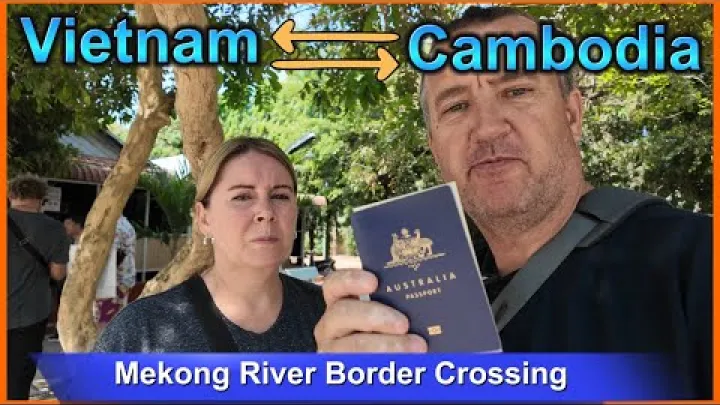
Plan the crossing as a border process, not only as a scenic boat ride. First, confirm with the operator where to report, the departure pier, the expected end point in Phnom Penh, baggage arrangements, payment methods, total travel time, and what the ticket includes. Then separately confirm your Vietnam exit eligibility and Cambodia entry eligibility through official immigration sources. Visa or e-visa rules, accepted documents, fees, and border procedures vary by nationality and can change. Do this before booking a non-refundable ticket.
Where to Stay in Chau Doc
Your base determines how easily you can reach restaurants, boat arrangements, religious sites, and early departures. For most first-time visitors, staying centrally is the simplest choice.
Riverside and Downtown Stays
The riverside and downtown area is the default base for first-time visitors. It puts you near Chau Doc Market, riverfront walks, everyday dining, local ferries, and a wider range of transport help. The town has mini-hotels, guesthouses, standard hotels, and some riverside-oriented options; Travelfish notes the concentration of mini-hotels in the downtown area.
The trade-off is that a central stay may feel busier and less secluded than a rural property. Compare recent guest feedback with the actual map pin, not only a listing's neighborhood label. Check air conditioning, check-in time, noise comments, and whether staff can help arrange a car, boat, or onward ticket.
Sam Mountain Stays
Staying near Sam Mountain suits visitors who want to focus on Ba Chua Xu Temple and the wider religious landscape. It can be particularly practical for an early temple visit or for people who prefer to be outside the central market area in the evening.
The compromise is reduced convenience for the riverfront, downtown restaurants, and many boat departures. Arrange transport in advance if you expect to return after dark, leave early, or do not plan to use a motorbike. This area is best chosen for pilgrimage and mountain-site priorities rather than as the most convenient all-purpose base.
Rural Stays, Homestays, and Booking Timing
A rural stay or homestay can add value through host contact, river surroundings, and a closer view of local routines. It can work well for travelers who want a quieter night and are comfortable planning meals and transfers around the property.
However, a listing described as being in Chau Doc may be well outside the town center. Verify the exact map pin, transfer options, check-in time, dining nearby, and room availability directly with the property. This is especially important during public holidays and pilgrimage periods, when demand and transport can be less predictable.
Best Things to Do in Chau Doc
Chau Doc's best experiences are varied rather than concentrated. Balance river life, worship sites, and nature according to your interests, weather, and available transport.
Floating Village, Fish Rafts, and Chau Doc Market
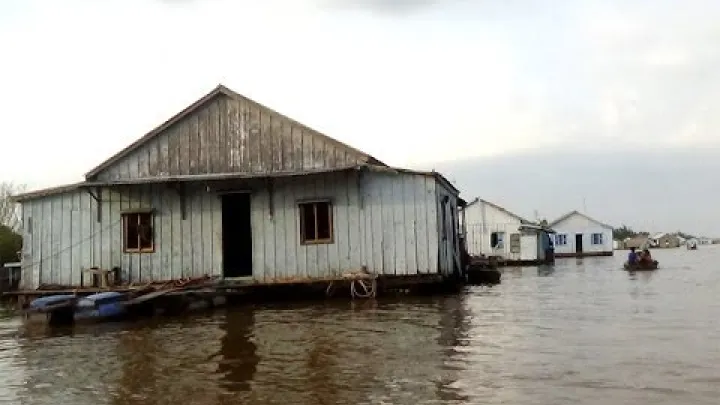
Chau Doc floating village is in An Phu District, near the city center, with floating homes and adjacent fish rafts on the water. The basic location and character are described by Vietnam Tourism. A boat visit offers a view of a working river environment, but it is important to remember that people live and work here; it is not a purpose-built attraction.
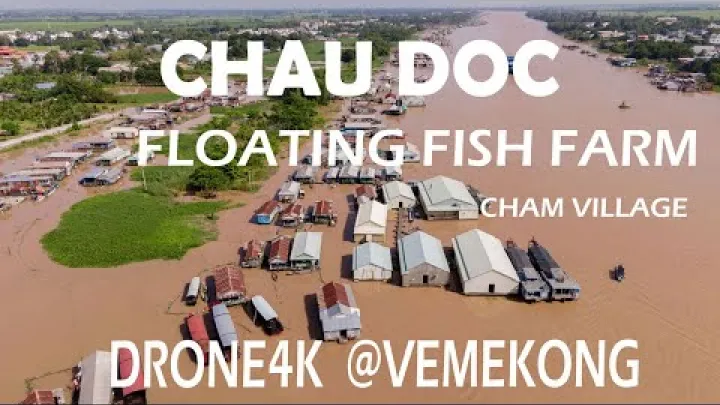
This is different from a formal floating market. A floating village centers on homes and fish farming, while Chau Doc Market is land-based and is best experienced on foot. Combining a short boat visit with the market gives a clearer sense of the city than treating either as a quick photo stop. Arrange visits respectfully, avoid pointing cameras into homes without consent, and ask locally about current boat access and activity.
Sam Mountain and Ba Chua Xu Temple
Sam Mountain is one of Chau Doc's defining landmarks, and Ba Chua Xu Temple is an active center of worship within its pilgrimage landscape. Visit with the understanding that this is a religious site before it is a sightseeing stop. Outside major pilgrimage periods, the experience may be calmer; during busy seasons, crowds, devotional activity, and traffic can shape the visit.
Wear modest clothing that covers shoulders and knees, speak quietly in worship areas, and do not block people making offerings. Ask before taking close photographs of worshippers, monks, or private rituals. Current access arrangements, festival dates, and any visitor restrictions can change, so check locally when planning your visit.
Chau Phong Cham Village and Cultural Visits
Chau Phong Cham Village is a nearby cultural stop associated with Cham communities, riverine settlement, mosques, and everyday craft or household life. It can add important context to a Chau Doc itinerary, but it should be approached as a residential community rather than a staged display.
Arrange a visit through a trusted local contact if you want interpretation, a craft visit, or transport by boat. Dress conservatively around religious spaces, follow any request about mosque access, and seek permission before photographing people, homes, or work. Cham residents are not a single uniform group, so allow local hosts to explain their own community and practices.
Tra Su Cajuput Forest and Wetland Excursions
Tra Su Cajuput Forest is the principal nature outing from Chau Doc. Its cajuput woodland and waterways are usually experienced through a combination of land access and boat-based wetland viewing. The character of the trip changes with rainfall, water level, season, time of day, crowds, and the practical condition of routes leading there.
Before leaving, confirm the current entrance arrangement, boat inclusions, weather, opening details, and how you will return to Chau Doc. If rain or water conditions shorten a boat route, treat the visit as a forest-and-waterway excursion rather than expecting one guaranteed visual effect. A driver or guided trip can be useful when you want a confirmed return, while independent travelers should be clear about pickup timing and the final meeting point.
Practical Travel Tips for Chau Doc
Chau Doc is manageable independently when you match transport and spending choices to the distance between sights. The central area is comparatively easy; outer attractions require more preparation.
Getting Around Town and Nearby Attractions
The riverside core, Chau Doc Market, and nearby streets can be explored on foot. Sam Mountain, Tra Su, villages, and ferry crossings need additional transport. For short town trips, a taxi or hotel-arranged car is often the simplest option. A bicycle or motorbike provides independence for confident riders, while small boats and ferries are useful where water crossings are part of the route.
Choose a transport method by distance, confidence, and comfort, not only by apparent cost. If renting a motorbike, assess your road experience, helmet quality, and the road conditions you will face. For a boat, understand the route, life-jacket availability, weather outlook, and return arrangement before departure. Ride-hailing coverage and informal vehicle availability may vary, so do not depend on a last-minute return ride from a remote attraction.
Typical Costs and Budget Planning
Budget for accommodation, meals, local transport, boat trips, attraction entry, longer road transfers, and optional guides. Chau Doc can suit modest budgets, but the final cost changes significantly with your room type, the number of private transfers, whether a wetland boat is included in an excursion, and whether you take the Phnom Penh speedboat.
Use broad tiers rather than relying on old published prices. A basic plan may use a central guesthouse, local meals, and shared transport. A mid-range plan may add air-conditioned accommodation, taxis, and a guided wetland outing. A higher-cost day can include a private driver, a riverside property, and specialized boat arrangements. Ask for the current total price and included fees for boats, entrance, transfers, and rooms; clarify what must be paid separately and carry enough cash for small local purchases.
Safety, Health, and Cultural Respect
Use normal urban travel precautions: keep valuables secure, use extra care around traffic, and avoid riding a motorbike unless you have the confidence and appropriate licensing for local conditions. On boats, follow crew instructions and use provided safety equipment. Heat and humidity can cause fatigue quickly, so carry water, take shade breaks, and use sun protection. Protect against mosquito bites, especially for evening and wetland activities, and make conservative food and water choices if you are unsure.
Respect is part of safe travel in Chau Doc. Keep clear of worshippers at temples, dress appropriately at mosques and religious sites, and ask before photographing residents in markets, floating homes, or villages. Review current official travel health and safety guidance before your trip, since conditions and recommendations can change. For late movement, choose a known transport arrangement rather than assuming that a convenient ride will be available.
Sample Chau Doc Itineraries
These outlines are designed to be adjusted around your arrival, weather, and confirmed transport. Treat them as priorities rather than fixed schedules.
A One-Night Stopover
After arriving by road, check into a downtown or riverside stay and keep the first afternoon simple. Walk the riverfront, visit Chau Doc Market, and have dinner near your hotel. If you arrive early and have confirmed boat arrangements, add a brief floating-village visit; otherwise, save water-based activity for the following morning.
For a late arrival or delayed transfer, omit distant attractions rather than trying to rush to Sam Mountain or Tra Su. The next day can begin with a short central activity before a domestic transfer or a prepared Cambodia departure. This makes Chau Doc a useful transition point rather than an exhausting overnight stop.
A Two-Day Chau Doc Itinerary
On the first day, focus on the riverside core. Explore Chau Doc Market, take a respectful floating-village visit if conditions and boats allow, and consider Chau Phong Cham Village with local guidance. Use the hottest part of the day for lunch and a rest, then return to the riverfront in the evening.
On the second day, choose your main priority. Select Sam Mountain and Ba Chua Xu Temple if you are interested in worship, hill scenery, and pilgrimage culture. Select Tra Su Cajuput Forest if wetland landscapes are your priority and conditions are suitable. A guide or driver can reduce coordination for the wetland day; independent travel gives more control if you are confident about transport and return arrangements. If rain disrupts the forest plan, use the alternative of a slower temple and market day.
A Longer Delta or Cambodia Connection
With two or more nights, Chau Doc becomes less rushed. You can dedicate one day to the city, market, floating village, and cultural visits, and another to Sam Mountain or Tra Su. An additional night is useful when you want a rural property, need recovery time after a long road journey, or are preparing for a cross-border boat.
A broader route can link Can Tho, Chau Doc, and Cambodia, but treat the international segment separately from domestic travel planning. Choose this longer route when you have enough time to absorb a delayed transfer, changing weather, and border formalities without losing every planned activity. If time is limited, choose either a compact Chau Doc overnight or a more accessible Delta base rather than attempting all stops at speed.
Final Takeaways
Chau Doc is most rewarding for travelers who want more than a standard canal excursion: it brings together the Hau River, floating homes, active pilgrimage traditions, Cham cultural context, and wetland landscapes. Stay near the riverside for the easiest first visit, allow at least one night, and choose one major outer attraction per day. With realistic transport planning and respect for the communities and religious places you visit, Chau Doc can be one of the Mekong Delta's most memorable stops.
Select area
Create a post
Posting is free and no registration is required.