- Tay Son Heaven and Earth Esplanade: Historic Shrine in Quy Nhon
- Quang Trung Museum: Tay Sơn History & Culture in Quy Nhon
- Banh It Cham Towers: Ancient Heritage & Photography in Quy Nhon
- The Thon Beach in Cat Tien: Clean Shores & Affordable Watersports
- Linh Phong Pagoda in Quy Nhon: The Sacred Mountain Temple
Vietnam Rainy Season Guide: When It Happens, What to Expect, and How to Travel Well
The Vietnam rainy season is real, but it is not the same everywhere in the country. Many travelers expect nonstop rain, yet in many places it arrives as short, heavy showers with long breaks in between. The timing also changes by region, so a single national calendar can lead to avoidable surprises.
Introduction: Why Vietnam Has More Than One Rainy Season
Vietnam stretches a long distance from north to south, with mountains, deltas, and a long coastline. This geography means the country does not have one simple wet season that fits every city. In practice, you plan better by thinking in regions first, then choosing months and activities that match those regional patterns. The sections below start with a simple definition of what “rainy season” usually means, then explain the causes, then give region-by-month guidance, followed by packing, safety, and activity ideas.
A practical definition of the Vietnam rainy season
In travel terms, the Vietnam rainy season usually means higher humidity, more frequent rain, and a greater chance of thunderstorms. It does not always mean rain all day. Many days still include clear periods, and showers often come in strong bursts that pass quickly. This matters for planning because you can often schedule outdoor time around the most common rain hours.

It is also important to define the rainy season by region. A search for “rainy season in Vietnam” or “rainy season Vietnam” often suggests one set of months, but Vietnam’s north, central coast, and south can peak at different times. If you are asking “when is Vietnam rainy season,” the most useful answer is “it depends on where you will be.” This guide is written for travelers, students, and remote workers who want a realistic plan, including backup options and flexibility rather than weather promises.
This article is structured so you can skim. First, you will learn what drives Vietnam’s rain patterns and why they change across the map. Next, you will see the typical wetter months by region and a planning table you can screenshot. Then, you will get practical advice on what rainy-season weather feels like, how to book transport and hotels safely, what to pack, and how to reduce common risks.
How to use this guide to choose dates and destinations
Use a simple decision order: choose your region first, then pick your month range, then choose activities that still work if rain arrives. For example, mountain trekking needs different timing and flexibility than city food tours. If you build your plan around a realistic weather pattern, a rainy week becomes an inconvenience you manage, not a trip you lose.
Even in a normal rainy month, severe storms and local flooding can temporarily change plans. Roads in mountainous areas can be affected after prolonged rain, and coastal transport can change during storm warnings. The goal is not to predict exact weather but to reduce the impact when conditions shift. A good itinerary has “buffer days” and indoor alternatives ready.
- Planning priorities at a glance: region first, then month, then activities.
- Transport: expect occasional delays for boats, flights, and mountain roads.
- Insurance: review coverage for weather disruption and medical care.
- Daily timing: plan outdoor blocks early when showers are often later.
What Causes the Rainy Season in Vietnam
Vietnam’s rain patterns are mainly shaped by seasonal wind shifts and the way moist air interacts with the country’s mountains and coastline. These patterns are often described as monsoons, but you do not need technical knowledge to plan well. What matters for travel is that the “wettest” months are not identical across the country, and different wind directions can bring either warm, humid rainfall or cooler, damp conditions.
The summer monsoon and why it brings most annual rainfall
During the warmer part of the year, winds often bring moist air toward Vietnam. When that humid air rises, it cools and forms clouds and rain. This is why many areas experience their most frequent heavy showers in the late spring and summer months, with thunderstorms that can be intense but short.
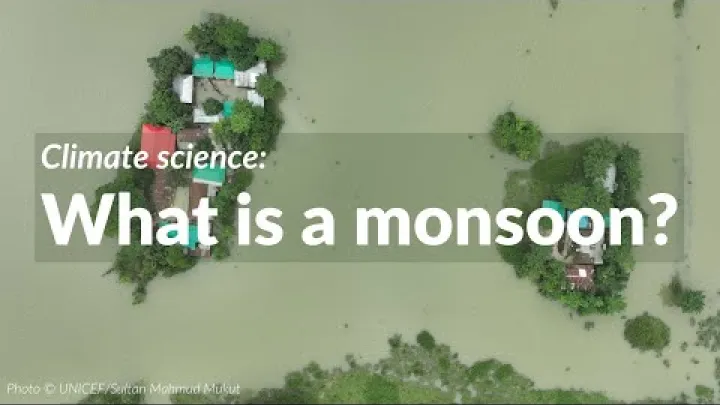
For travelers, the common outcomes are predictable: higher humidity, sudden downpours, and occasional lightning storms. Even when the rain stops quickly, streets can stay wet and the air can feel heavy. Many places receive a large share of their yearly rain during these months, but the exact amount depends on the local geography and the specific year, so it is better to plan around the pattern than to rely on a single number.
The winter monsoon and why the north can feel cold and damp
In the cooler season, the north of Vietnam can be influenced by cooler winds that change how the weather feels. Instead of hot, tropical showers, you may notice more overcast days and a damp chill, especially in the north and in higher elevations. This can create a different kind of “wet” experience that surprises people arriving from the south.

A common late-winter to spring pattern in the north is light drizzle and persistent cloud cover rather than dramatic storms. You might not see heavy rain every day, but the humidity and lack of sun can make it feel colder than expected. For comfort, this is why packing for Hanoi, Sapa, or Ha Giang can require light layers even when other parts of Vietnam feel warm.
In plain language, the south is often warmer year-round, and wet months there may still feel like summer. The north has more noticeable seasonal change, so “rainy season” planning is also “temperature and comfort” planning. If your trip includes both ends of the country, pack to handle both humid heat and cool dampness.
Why geography creates different rainy-season calendars
Vietnam’s geography shapes where and when rain falls. Mountains can force moist air to rise, which increases rainfall on one side and can reduce it on the other. The coastline also matters because storms and weather systems arrive from the sea, and coastal cities can experience different timing than inland areas.

This creates microclimates. A highland town can have cooler temperatures and sudden fog, while a nearby coastal area may have stronger winds and more direct storm exposure. A simple example is that a beach destination and a mountain destination can feel like different countries on the same day. This is why the next section separates the rainy season months by northern, central, and southern Vietnam instead of offering one nationwide schedule.
Rainy Season Months by Region
Vietnam’s wet months vary by region, and the best planning approach is to match your route to the most typical patterns. The months below are general guidance, not guarantees. If you are planning far ahead, including searches like “Vietnam rainy season 2025,” treat any calendar as a baseline and keep flexibility for local forecasts and sudden storm periods.
Northern Vietnam: typical wet months and what it means for travel
Northern Vietnam typically has its main wetter period from roughly May to October, with mid-summer often feeling the most humid and stormy. Heavy showers and thunderstorms are more common in this window, while late autumn and winter can be drier but sometimes cooler and damp. The exact start and end can shift, so consider this a planning range rather than a fixed rule.

For Ha Long Bay cruises, weather can influence visibility and sea conditions, and schedule changes can happen when safety requires it.
Packing in the north often works best with light layers plus rain protection. A thin waterproof layer and quick-dry clothing help during summer downpours, while a light sweater or long-sleeve layer can be useful during cooler, damp periods. If your plans include trekking, bring footwear with good grip and expect mud after heavy rain.
Central Vietnam: later rains, storm risk, and coastal flooding concerns
Hoi An’s old town is low-lying in places, so high water can occasionally disrupt walking routes and shop access. The risk and severity vary by year and by neighborhood, so the practical approach is to plan for wet-day alternatives and to avoid schedules that require perfect weather every day.
During peak storm months, flexible bookings become more valuable. Consider refundable stays when possible, and keep an eye on official local alerts and accommodation messages. If a storm warning is active, it can be safer to stay put, adjust travel days, or temporarily switch to a less affected region rather than pushing through with a fixed plan.
Southern Vietnam: predictable showers and a clear wet-dry pattern
Southern Vietnam often has a clearer wet-dry rhythm than other regions. A common pattern is a wetter season from roughly May to November and a drier season from around December to April. In wet months, rain often arrives as a strong afternoon downpour followed by clearer periods, rather than continuous rain all day.

If you start early, you can often finish outdoor activities before the most common shower hours. In the Mekong Delta, higher water can change the scenery and canal levels, and operators may adjust routes based on conditions. For islands like Phu Quoc, rain can be more variable, so plan sea-dependent days with extra flexibility.
To plan day trips around afternoon rain, schedule outdoor markets, walking tours, and boat departures earlier. Keep a simple rain plan ready so you do not lose the day when showers arrive. Many travelers find that a predictable downpour is easier to manage than uncertain, multi-day rain.
- Rain-day alternatives in the south: museums, covered markets, cafes, cooking classes.
- Good timing habits: early starts, mid-day breaks, flexible evening plans.
- Comfort tip: keep a dry shirt in your day bag for after a heavy shower.
A region-by-month planning table you can screenshot
The table below is a practical overview of typical patterns. Use it as a fast planning tool, then confirm with local forecasts as your dates get closer. Year-to-year variability is normal, so treat “wetter” as “more likely to have frequent rain” rather than “guaranteed rain every day.”
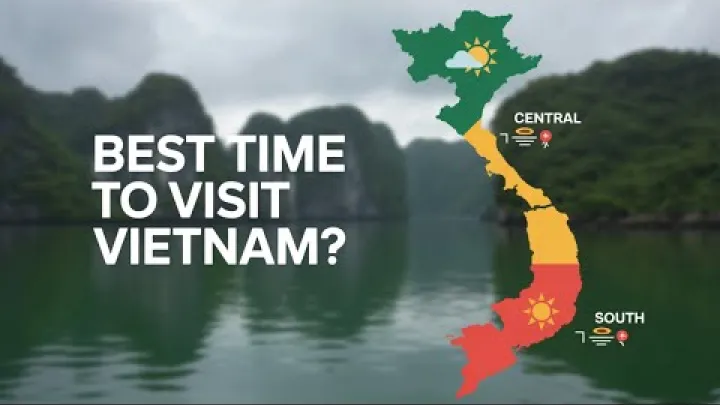
Legend: D = drier (typical), S = shoulder or mixed, W = wetter (typical). “Main risks” lists the most common concerns to plan around, not certainties.
| Region | Jan | Feb | Mar | Apr | May | Jun | Jul | Aug | Sep | Oct | Nov | Dec | Best daily timing | Main risks |
|---|---|---|---|---|---|---|---|---|---|---|---|---|---|---|
| North (Hanoi, Ha Long, Sapa, Ha Giang) | D/S | D/S | S | S | W | W | W | W | W/S | S | D/S | D/S | Early mornings for outdoor views when possible | Thunderstorms, reduced visibility, muddy trails, occasional cruise disruption |
| Central (Da Nang, Hoi An, Hue) | D/S | D/S | D/S | D/S | S | S | S | S | W | W | W | W/S | Plan indoor culture midday; keep buffers during storm alerts | Tropical storms, intense rain events, localized flooding risk |
| South (Ho Chi Minh City, Mekong Delta, Phu Quoc) | D | D | D | S | W | W | W | W | W | W | W/S | D/S | Outdoors in the morning; indoor breaks after lunch | Afternoon downpours, street flooding in spots, high humidity |
What the Weather Feels Like During the Rainy Season
Knowing the calendar helps, but daily experience matters more. Rainy-season travel is usually about timing and comfort: when the rain tends to fall, how humid it feels, and what storms can change at short notice. If you understand the typical patterns, you can plan your days to reduce disruption and still enjoy outdoor experiences.
Rain patterns: short downpours, multi-day rain, and local differences
Rain in Vietnam can arrive in different forms. In many places, especially in the south, you may see short, heavy showers that last from minutes to a couple of hours, then clear again. In other situations, a weather system can bring persistent rain over multiple days, which affects visibility, road conditions, and energy levels.
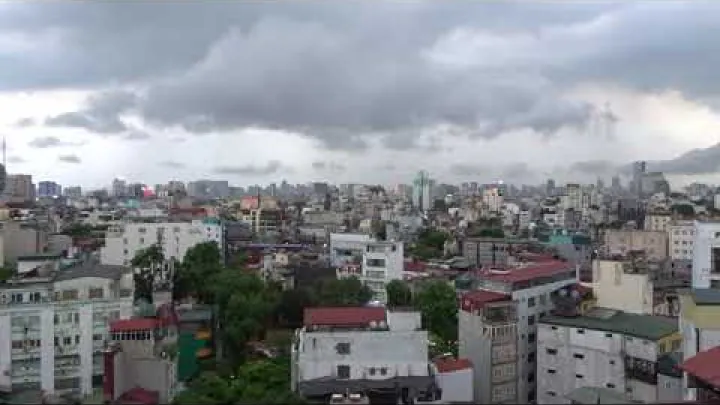
Local geography changes the experience. Cities may drain quickly and keep operating normally, while mountain areas can become muddy and foggy. Coastal areas can feel windier, and sea conditions may limit boat trips. Instead of assuming “rainy season equals rain all day,” check hour-by-hour forecasts and observe local patterns after you arrive.
A practical day structure often works like this: plan outdoor sightseeing early, schedule lunch and indoor activities during the most likely shower hours, and keep evenings flexible. This does not apply everywhere every day, but it is a useful default approach in many wet-season destinations. If you have one “must-do” outdoor activity, try to schedule it early in your stay so you have backup days.
Heat and humidity: comfort, clothing, and hydration
Humidity can affect you as much as rain. Even when temperatures are not extreme, humid air can make you feel hotter and more tired, especially when walking in cities or climbing stairs at heritage sites. You may sweat more, and clothing can feel damp even when it is not raining.

Breathable, quick-dry fabrics can improve comfort significantly. If you wear heavy cotton or denim, it can stay wet longer and feel uncomfortable. Hydration also matters: carry water, take air-conditioned breaks when available, and pace your walking during the most humid hours. UV exposure can still be strong on cloudy days, so sun protection remains useful even when the sky looks gray.
- Comfort tips: start early, rest midday, and use indoor breaks to cool down.
- Hydration habits: drink regularly, consider electrolytes after long sweaty days, and avoid waiting until you feel thirsty.
- Clothing habits: change into dry layers when possible to reduce chills in air-conditioning.
Storm season and typhoons: what travelers should watch for
Tropical storms can affect travel plans, especially along the central coast and at sea. When storms approach, operators may cancel ferries, adjust boat tours, and change flight schedules for safety. Strong wind and heavy rain can also impact roads, cause temporary power disruptions, and slow down city transport.
The best approach is calm preparedness. Follow official weather warnings and local guidance from accommodations and operators. If a storm affects one coastline, a practical contingency is to switch regions if your schedule allows, such as moving inland or changing north-to-south routing. Keeping a flexible plan is often more effective than trying to “push through” uncertain conditions.
- Storm-day checklist: stay indoors when advised, avoid coastal edges, and do not enter floodwater.
- Confirm transport status: call or message operators before leaving for terminals.
- Protect essentials: keep phones charged, keep cash available, and store documents in waterproof protection.
Travel Planning During the Vietnam Rainy Season
Rainy-season travel can be enjoyable if you plan for flexibility. Many people avoid wet months, which can change crowd levels and availability, but it also means you need to accept occasional disruptions. Good planning is less about finding “perfect weather” and more about choosing the right mix of destinations, buffer time, and activity types.
Pros and cons: prices, crowds, and the travel experience
One common advantage of traveling during the Vietnam rainy season is that some places can feel less crowded. That can make museums, food tours, and popular old towns more comfortable. Hotels and tours may also have better availability, and in some destinations prices can be more competitive, although this varies widely by location and by holiday periods.
The trade-offs are also real. You may need to change plans when heavy rain hits, accept occasional delays, and adjust your expectations for beach time and long-distance views. Photography can still be excellent, but you may work around clouds and haze instead of relying on bright skies. If you approach wet months as “flexible travel time” rather than “ruined travel time,” the experience is often positive.
Sample itineraries that work well in wet months
Each one balances indoor culture, food experiences, and nature options that can tolerate rain. The goal is to avoid placing the most weather-sensitive days back-to-back with no buffers.

Itinerary idea 1 (South-focused wet months, around May to November): Ho Chi Minh City for museums and food, then the Mekong Delta for river scenery, then a flexible island or coastal stop if forecasts look stable. Plan outdoor tours in the mornings and keep afternoons for cafes, markets, and covered attractions. This fits the common pattern of frequent but often time-limited showers in the south.
Itinerary idea 2 (North in shoulder periods, flexible by week): Hanoi as a base with day trips, then Sapa or Ha Giang with extra buffer days for clearer views. Add Ha Long Bay only when the marine forecast looks calm and visibility is acceptable for your preferences. This itinerary works best when you can move activities by a day or two without losing bookings.
Itinerary idea 3 (Central coast during mixed or drier periods): combine Hue and Hoi An with indoor-friendly heritage sites, workshops, and food experiences, plus beach time on the clearest forecast days. If traveling in the later part of the year, keep your central segment shorter and maintain an option to shift south or north if storm alerts increase. This reduces the risk of getting stuck with multiple coastal-only days during unsettled weather.
Transport and bookings: where flexibility matters most
Some bookings are more sensitive to weather than others. Boats and ferries depend on sea conditions, and mountain road travel can be affected after heavy rain. When your trip includes these elements, build extra time and avoid tight, same-day connections.
Where possible, choose refundable or changeable rates, especially during storm-prone periods in coastal regions. Communicate clearly with tour operators about safety thresholds and cancellation rules, and confirm plans the day before departure during wet months. Travel insurance can help in some disruption scenarios, but coverage varies, so review policy terms before you rely on it.
- Confirm before departure: cancellation rules, change fees, and what counts as a weather cancellation.
- Ask operators: safety policies for storms, high waves, or heavy rain, and how they notify guests.
- Plan buffers: add flexible days before major flights or long overland transfers.
What to Pack for Vietnam in the Rainy Season
Packing for the rainy season is about staying comfortable, drying fast, and protecting essentials. You do not need heavy equipment for most trips, but a few choices make a big difference: quick-dry clothing, reliable rain protection, and a simple system to keep electronics and documents dry. Because conditions vary by region, it helps to pack a base kit that works everywhere, then add one or two region-specific items.
Clothing basics: fabrics and layering by region
In humid wet months, quick-dry and breathable fabrics are usually more comfortable than heavy cotton. When clothing dries fast, you can handle sudden showers and sweat without carrying a large wardrobe. Heavy denim and thick cotton can stay wet longer and feel heavy, which is inconvenient if you are moving between cities or taking overnight transport.
Layering matters most in the north and in higher elevations, where damp air can feel cool, especially in the evening or during overcast spells. A thin long-sleeve layer can help with comfort and mosquito protection, and a light outer layer can reduce the chill in air-conditioned buses and restaurants. For temples and more formal settings, a light scarf or cover-up helps you dress modestly without overheating.
- Simple capsule wardrobe: 2 to 3 quick-dry tops, 1 long-sleeve layer, 2 lightweight bottoms, 1 packable rain layer, 1 set of sleepwear, and 1 modest cover-up.
- Practical extras: a small laundry line or clips, and a thin towel that dries quickly.
Rain gear and footwear that handles downpours
Rain gear is most useful when it is easy to carry and fast to deploy. A compact rain jacket works well for wind and steady rain, while a poncho can cover you and a backpack during short downpours. Umbrellas are convenient in cities, especially for short walks, but can be less useful in strong wind or crowded streets.

Footwear choices should match your main activities. Wet tiles and smooth sidewalks can be slippery, and puddles can hide uneven surfaces. Quick-drying shoes or sandals can be easier than shoes that absorb water. If you bring closed shoes for comfort, consider how quickly they dry and whether they have good traction.
- Footwear decision guide: city walking favors comfortable soles and grip; trekking favors traction and ankle support; boat trips favor easy-on footwear that can handle splashes.
- Common wet-season problem: waterlogged shoes. Plan at least one backup option so you can rotate pairs.
Protecting electronics, documents, and cash in wet weather
Humidity and sudden rain are the main threats to electronics and important documents. A small dry bag or waterproof pouch can protect your phone, passport, power bank, and key cards during downpours. Even in cities, sudden rain can soak a day bag quickly, especially on motorbike rides or while crossing open streets.
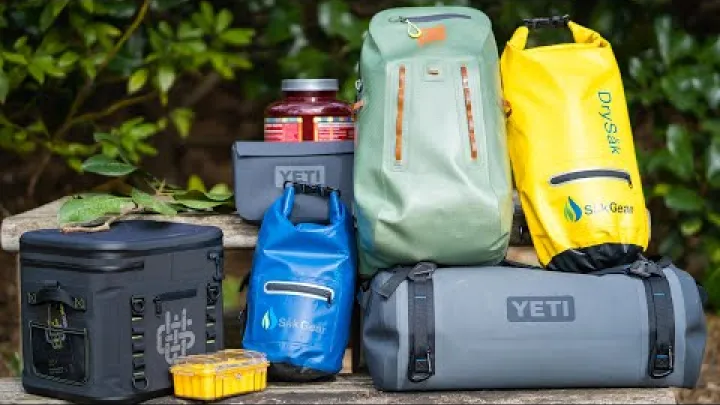
Digital backups add resilience when papers get wet. Keep photos or scans of key documents in a secure storage option and keep a second copy accessible offline. For money management, separate cash and cards so that one wet or lost wallet does not stop your trip. After a rainy day, let devices and cables dry before sealing them into an airtight bag to reduce trapped moisture.
- Copy-ready checklist: waterproof pouch, zip bags, document scans, spare card stored separately, and a small cloth to wipe screens.
- Simple habit: dry items fully in your room before packing them overnight.
Health and comfort kit: insects, skin care, and recovery
Wet months can bring more insects and more friction from damp clothing. A basic comfort kit often includes insect repellent, an option for covering arms and legs in high-bite areas, and simple skin protection such as anti-chafe balm. If you are walking long distances in wet shoes, blister care supplies can prevent small problems from becoming trip-limiting.
Keep the kit simple and focused on prevention and recovery. In hot, humid conditions, routine habits help: drink regularly, cool down during the day, and prioritize sleep after long travel days. For remote workers, also plan for device protection and connectivity: carry a waterproof sleeve for a laptop, keep chargers dry, and consider a backup connectivity option in case heavy weather causes temporary outages.
Health and Safety During the Rainy Season
Most rainy-season risks are manageable with everyday precautions. The key themes are preventing mosquito bites, avoiding unnecessary road exposure during heavy rain, and making conservative decisions when storms are active. If you approach safety as a normal part of planning, wet-month travel can be smooth and comfortable.
Mosquitoes and dengue risk: prevention that fits daily travel
Mosquito activity often increases during wet months because standing water can become more common. This does not mean you will definitely get sick, but it does mean prevention is worth daily attention. Simple steps reduce bites significantly, especially in the early morning and late afternoon when mosquitoes may be more active.

Use repellent as part of your routine, and wear light long sleeves or long pants when you will be outdoors for extended periods. Choose accommodations with screened windows when possible, and use nets if provided or if you are staying in areas with more insects. If you feel unwell during or after travel, seek professional medical care rather than trying to self-diagnose.
- Do: apply repellent, cover up at dawn and dusk, and keep doors and windows closed or screened.
- Do: reduce standing water around your room if you can do so safely.
- Do not: ignore fever or unusual fatigue while traveling.
Road safety: rain, flooding, and mountain landslides
Heavy rain reduces visibility and traction, which increases accident risk for cars, buses, and motorbikes. Wet road paint and metal covers can be slippery, and sudden puddles can hide holes or uneven surfaces. If you are renting a motorbike, consider whether your experience level matches wet-road conditions, especially outside cities.
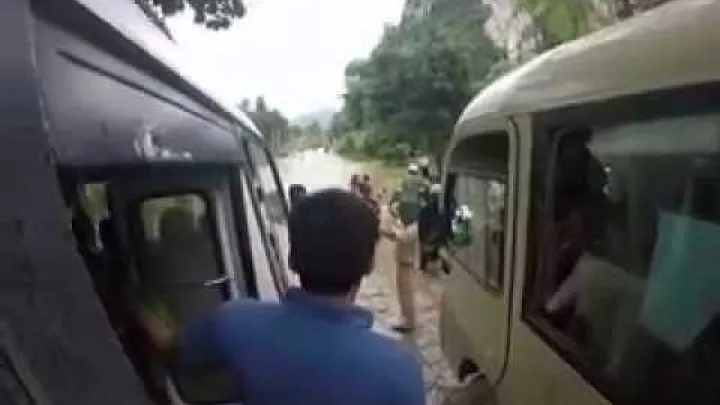
Floodwater is risky because you cannot see what is under the surface, and currents can be stronger than they look. Avoid walking or driving through floodwater, and take detours even if they add time. In mountainous regions, prolonged rain can increase landslide and rockfall risk, and roads can be blocked without much warning.
Clear guidance helps decision-making: if rain is heavy enough that you cannot see well, or if local advisories warn about flooding or landslides, pause travel and wait. A delay is usually cheaper than dealing with injury or damaged equipment. Choose reputable drivers and operators who are comfortable changing plans when conditions are unsafe.
Lightning, storms, and coastal conditions
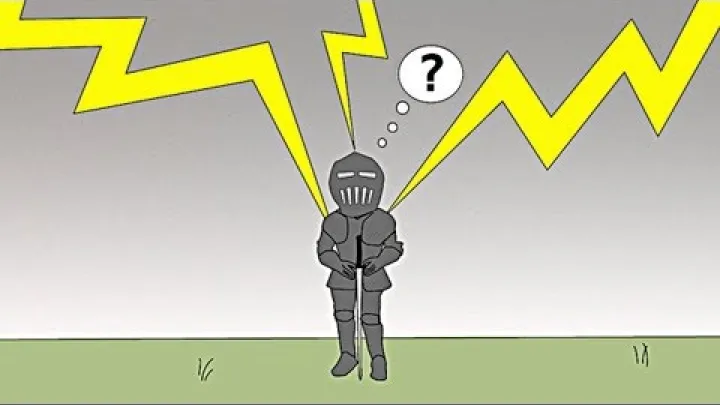
Thunderstorms are common in wet months, and lightning is a serious hazard. If you hear thunder, treat it as a sign to move away from open areas and water and to avoid exposed viewpoints. In cities, this often means stepping into a building and waiting for the storm to pass rather than continuing a walk in the open.
Coastal and marine safety also matters. Rough seas can affect ferries and boat tours, and operators may cancel departures when conditions are not safe. Respect closures and safety decisions even if the sky looks clear at the moment, because sea conditions can change quickly.
- Boat-day checklist: confirm departures the same day, bring waterproof layers, and keep a backup indoor plan.
- During storms: avoid swimming, avoid piers and sea walls, and follow local instructions.
Water and food hygiene when rainfall is heavy
Heavy rain and flooding can affect local water quality in some areas, especially where drainage systems are strained. This does not mean you must avoid local food, but it does mean paying attention to drinking water sources and basic hygiene. In many cities, travelers rely on bottled or filtered water, and similar caution can be useful during wet months.
Choose safe drinking water and be thoughtful about ice if you are unsure of the source. Wash produce with safe water, and prefer busy food vendors with high turnover, which often correlates with fresher ingredients. Infrastructure and standards can differ between urban and rural areas, so adapt your habits to where you are staying.
A translation-friendly rule is simple: if you can confirm a source is treated or sealed, it is usually the safer option. If you cannot confirm, choose a different source. This approach keeps decisions practical without requiring you to research local systems in detail.
Best Things to Do in Vietnam During the Rainy Season
Wet months do not remove your options; they shift which activities are most comfortable and reliable. Many of Vietnam’s best experiences are indoors, partially covered, or flexible in timing. If you plan a mix of culture, food, and weather-tolerant nature, you can enjoy rainy-season travel without feeling that you are waiting for the sun.
Indoor culture: museums, workshops, and food experiences
Indoor and covered activities work well in any region and reduce the stress of planning around showers. Museums, galleries, and some heritage sites offer meaningful experiences even when it is raining. Rainy months can also make these places feel calmer, which helps if you want to take your time reading exhibits or learning local history.

Availability varies by location, so smaller towns may have fewer formal classes, but most cities offer a range of indoor options.
- Indoor activity categories: museums, markets with covered areas, workshops, cooking classes, cafes, and spas.
- Planning tip: schedule indoor activities for the rainiest forecast hours.
- Comfort tip: carry a small towel or cloth to dry hands and phone screens.
River and delta scenery: when higher water improves the view
Rainy months can change landscapes dramatically. Rivers and canals can look fuller, vegetation is often greener, and rural scenes can feel more vibrant. In the Mekong Delta, seasonal water levels can influence which routes are scenic or accessible, and tours may adjust timing to reduce exposure to afternoon storms.
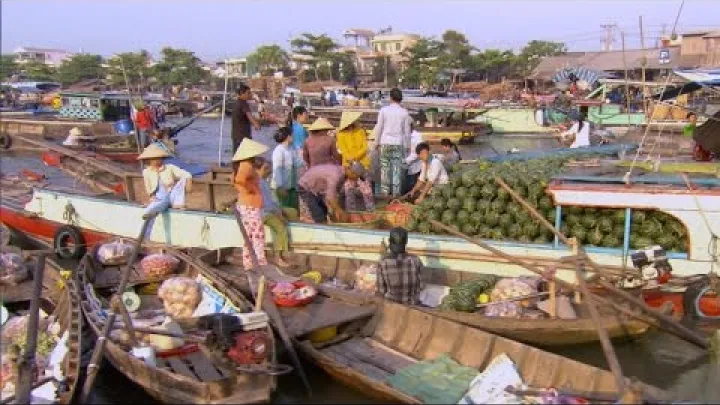
Boat activities require safety and flexibility. Morning departures can reduce the chance of being on the water during common afternoon downpours in some southern areas. Conditions vary by day, and not every tour runs in all weather, so treat scheduling as cooperative rather than fixed. If visibility is poor or storms are forecast, a reputable operator may shorten or reschedule a trip.
- Questions to ask before booking: what weather triggers a delay, what safety gear is provided, and how the operator communicates changes.
- What to bring: waterproof pouch for phone, light rain layer, and a dry bag for spare clothes.
Caves and sheltered nature: weather-resistant adventures
Caves and sheltered sites can be strong rainy-day options because they do not depend on clear skies. They can also offer relief from heat and humidity. In many regions, you can find nature experiences that remain enjoyable with light rain, such as covered viewpoints, forest walks under thick canopy, or sheltered waterfalls where access remains safe.

However, high water levels can change what is possible. Some cave routes and river-adjacent trails may be modified, restricted, or closed when conditions are unsafe. This is where guided options can help, because local guides and operators are better positioned to judge conditions and follow safety rules. Respect closures and conservation guidance, even if you see other travelers taking risks.
Photography and city atmosphere in wet weather
Rain changes city atmosphere in practical ways. Wet streets create reflections, colors can look more saturated, and cloud cover can soften harsh light. This can be useful for street photography, architecture, and food scenes. You may also find that popular streets are less crowded during a shower, which gives you cleaner compositions.

Simple gear habits protect your equipment. Carry a lens cloth, keep a basic rain cover for cameras or phones, and avoid changing lenses in active rain. Be patient with timing and look for sheltered shooting positions such as doorways or covered balconies. Do not treat storms or flooded areas as photo opportunities if it puts you or others at risk.
- Photography safety reminders: do not stand in floodwater, avoid exposed bridges during lightning, and protect electronics from sudden downpours.
- Workflow tip: dry and clean gear at the end of each day to prevent moisture buildup.
Climate Change and Extreme Weather: Planning for Uncertainty
Weather patterns can vary from year to year, and extreme events can happen in any season. For travel planning, the practical takeaway is to build flexibility and monitor conditions rather than relying on a fixed calendar alone. This is especially relevant for students and remote workers who may have less freedom to change dates at the last minute.
What can change from year to year within the rainy season
Within the Vietnam rainy season, start and end timing can shift, and heavy rain can cluster into shorter, more intense periods in some years. You might visit during a “wet month” and experience mostly manageable showers, or you might encounter a week that is unusually stormy. This variability is normal and is one reason broad monthly averages cannot predict your exact experience.
For students and remote workers, uncertainty can affect daily life. Commutes, power stability, and internet reliability can be impacted during severe weather, even if only temporarily. Planning around this means choosing housing with good drainage and building management, keeping work equipment protected, and avoiding critical deadlines that depend on one single travel day.
What this means for your trip is straightforward: keep a small buffer in your schedule, avoid stacking “must-do” outdoor activities on consecutive days, and choose routes with alternatives. If conditions deteriorate, the best decision is often a simple one, such as staying an extra night and traveling the next day rather than taking unnecessary risks.
How to monitor conditions and make safe decisions
Routine monitoring reduces surprises. Check local forecasts daily, pay attention to official warnings, and watch for messages from your accommodation and transport operators. In severe weather, local guidance is often more relevant than a general forecast because it reflects road closures, flooding points, and transport changes.

Use clear triggers to adjust plans. Repeated heavy-rain alerts, landslide warnings in mountainous areas, and coastal storm advisories are all reasons to slow down and reassess. Keep offline access to key documents, addresses, and booking details in case your phone signal weakens or power is interrupted.
- Check the forecast and any official warnings in the morning.
- Confirm transport and tours on the day of travel.
- If alerts escalate, prioritize shelter and delay non-essential movement.
- Switch to indoor activities and keep your schedule flexible.
- Resume travel when conditions improve and operators confirm safe operation.
Responsible travel during wet months
Responsible behavior is especially important during heavy rain because local systems may be under pressure. Follow closures, respect safety barriers, and avoid risky shortcuts through flooded streets or restricted areas. Your choices affect not only your safety but also the workload of local responders and service staff.
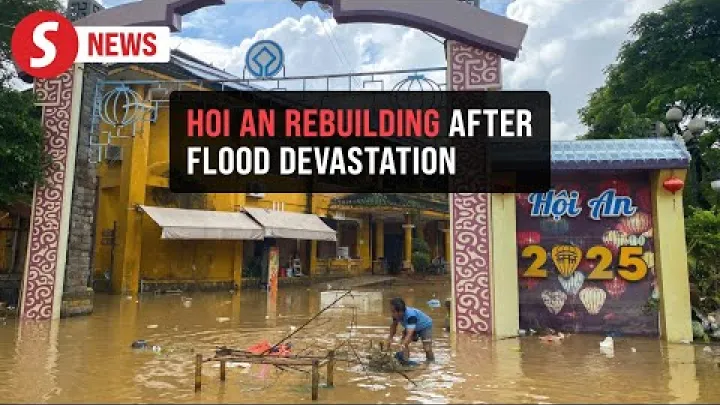
If disruptions occur, support local communities in practical ways: be patient with delays, communicate clearly, and choose local businesses when services resume. Avoid demanding unsafe departures from drivers or boat operators. Ethical travel during wet months often looks like calm flexibility and respect for safety decisions.
Environmental habits can also be easier than people expect. Refill water where available, carry a reusable bottle, and reduce single-use plastics when you can. Keep waste secured during windy rain so it does not wash into drains and waterways.
Frequently Asked Questions
When is the Vietnam rainy season?
The Vietnam rainy season depends on the region, not one national date range. The south often has wetter months from roughly May to November, while the central coast commonly sees heavier rain later in the year. The north is often wetter from around May to October, with additional cool, damp periods possible in other months.
Does the rainy season in Vietnam mean it rains all day?
No, it often rains in short, heavy bursts with dry periods between. In many southern destinations, rain is more common in the afternoon, leaving mornings usable for sightseeing. Some weeks can have multi-day rain, so flexible planning is still important.
Which region is best to visit during wet months?
The best region depends on your month and activity priorities. If central coastal storms are a concern during your dates, you can choose the north or south where patterns may be more manageable for your plans. The most reliable approach is to match your route to the regional calendar and keep backup activities.
What should I book with flexibility during the rainy season?
Book weather-sensitive items with flexibility when possible, especially boats, ferries, and mountain road transfers. Refundable accommodation can be helpful in storm-prone periods on the coast. Confirm tour and transport status the day before and the day of departure during wet months.
What is the most useful item to pack for rainy-season travel in Vietnam?
A waterproof pouch or small dry bag is one of the most useful items because it protects your phone, passport, and cash during sudden downpours. A packable rain layer is also important for comfort. Quick-dry clothing helps you recover fast after getting wet.
Is Vietnam rainy season 2025 expected to be different?
Year-to-year timing and intensity can vary, so specific outcomes cannot be guaranteed far in advance. The most practical plan is to use typical regional patterns as a baseline and monitor forecasts and warnings as your travel dates get closer. Keeping buffer days and alternative routes is the most reliable way to handle uncertainty.
What should I do if a storm warning affects my route?
Stay put and follow official guidance and your accommodation’s updates. Confirm the status of flights, ferries, and tours directly with operators before leaving for terminals. If your schedule allows, switch to indoor activities and resume travel when conditions improve and services confirm safe operation.
Vietnam’s rainy season is not one simple period, and the best trips start with region-based planning. Expect humidity and frequent showers rather than constant rain, and use daily timing, indoor alternatives, and buffer days to protect your schedule. Pack quick-dry clothing, reliable rain protection, and waterproof storage for essentials. With cautious storm awareness and flexible bookings, wet-month travel can still be comfortable, productive, and memorable.
Select area
Create a post
Posting is free and no registration is required.