- Tay Son Heaven and Earth Esplanade: Historic Shrine in Quy Nhon
- Quang Trung Museum: Tay Sơn History & Culture in Quy Nhon
- Banh It Cham Towers: Ancient Heritage & Photography in Quy Nhon
- The Thon Beach in Cat Tien: Clean Shores & Affordable Watersports
- Linh Phong Pagoda in Quy Nhon: The Sacred Mountain Temple
Vietnam Capital: Hanoi Facts, History, Map and Travel Guide

Many international visitors know the name but are not sure how it compares with Ho Chi Minh City, or what it means to live, work or study in the Vietnamese capital. Understanding Hanoi’s role as the political center of the country helps travelers plan their routes, students choose universities, and remote workers select neighborhoods and workspaces. It is designed to give you a clear, practical overview of Vietnam’s capital city before you arrive or make long‑term decisions.
Introduction: Hanoi and the Role of Vietnam’s Capital City
Why the Capital of Vietnam Matters for Travelers, Students and Remote Workers
Knowing that Hanoi is the capital of Vietnam is more than a geography fact; it can strongly shape your experience in the country. For travelers, the capital city often sets the tone for a trip, because it concentrates museums, historic monuments, government buildings and major transport hubs. For students and remote workers, understanding Hanoi’s political and administrative role helps when dealing with visas, documents, universities, and international organizations that are usually based in the capital.
For tourists, Hanoi acts as a gateway to northern Vietnam, including Ha Long Bay, Ninh Binh and the northern highlands. Many visitors choose to land in Hanoi, explore the historic core and nearby landscapes, and later fly or take a train south to experience Ho Chi Minh City’s busy commercial energy. This combination allows you to see both political and economic hearts of the country.
International students benefit from understanding the capital’s status because most national universities, research institutes, and scholarship offices are headquartered in Hanoi. If you apply for a government scholarship, attend a cultural exchange program, or join a regional conference, there is a high chance the main events will be held in Hanoi. Living in the capital can also give you better access to national libraries, diplomatic missions, and language schools, which are valuable for academic and professional development.
Remote workers and business professionals will find that Hanoi’s role as the Vietnam capital influences the type of work opportunities available. Many headquarters of ministries, state enterprises, and international organizations are located here, so jobs in policy, development, education, and administration are widely concentrated in the city. At the same time, modern office towers, co‑working spaces and technology parks are growing quickly, making Hanoi an increasingly practical base for digital work, especially for those who also want access to Vietnam’s political and diplomatic networks.
Common Confusion Between Hanoi and Ho Chi Minh City
Many people outside Vietnam are unsure whether Hanoi or Ho Chi Minh City is the capital. This confusion is understandable, because Ho Chi Minh City (formerly Saigon) is larger in population and is often more visible in business news and international trade. In addition, some travel itineraries begin in Ho Chi Minh City, which can give visitors the impression that it is the national capital. Online discussions sometimes repeat this misunderstanding, especially when they focus on economic size rather than political status.
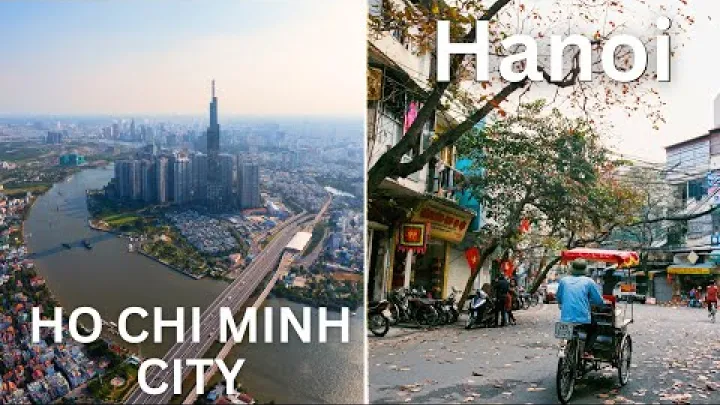
In reality, Hanoi is the official capital of Vietnam and serves as the political and administrative center of the country. Ho Chi Minh City is the biggest city and the leading economic hub, but it is not the capital. Hanoi hosts the National Assembly, the Presidential Palace, the Prime Minister’s offices, and almost all central ministries. Ho Chi Minh City, by contrast, is home to many banks, trade companies, technology firms and industrial zones. Understanding this distinction helps you read news about Vietnam more accurately, because political decisions usually come from Hanoi while many economic developments are centered in Ho Chi Minh City.
Hanoi and Ho Chi Minh City also differ in size, population and general atmosphere. Hanoi, located in the north, has a municipal population of roughly nine million people and a large administrative area that includes rural districts and satellite towns. Ho Chi Minh City, in the south, has a slightly larger urban population and is more densely built‑up, with a clear focus on commerce and services. For visitors, Hanoi often feels more traditional with its lakes, temples and cooler climate, while Ho Chi Minh City feels more tropical and fast‑paced. Both cities are important, but only Hanoi is recognized as the Vietnam capital city.
Quick Answer: What Is the Capital of Vietnam?
Direct Definition of Vietnam’s Capital and Core Facts
The capital of Vietnam is Hanoi, a historic city in the Red River Delta region of northern Vietnam. Hanoi functions as the political and administrative center of the country, housing the main national government institutions, including the offices of the president and prime minister and the National Assembly. It is the place where key national policies are drafted, debated and implemented, and where most ministries and central agencies are headquartered.
Hanoi became the capital of unified Vietnam in 1976 after the reunification of North and South Vietnam. Before that, it had already served as the capital of North Vietnam and, for many centuries, as an important imperial center under earlier dynasties. Today, when people ask “what is the capital of Vietnam” or search for the Vietnam capital name, the accurate and official answer is Hanoi. The city combines modern government infrastructure with a long historical legacy that reflects its central role in the country’s development.
Key Facts at a Glance About Hanoi, Vietnam’s Capital City
For readers who need quick reference information about the Vietnam capital city, it is helpful to look at the basic facts in a simple list. These details give an overview of Hanoi’s position within the country and its main characteristics. Because population and other data change over time, the figures are presented as approximate but still useful for general understanding and planning.
- Country: Vietnam
- Capital city name: Hanoi
- Region: Northern Vietnam, in the Red River Delta
- Approximate population (municipal): around 8–9 million people
- Total area: roughly 3,300–3,400 square kilometers, making it one of the larger capital cities by area in Asia
- Distance from the coast: about 90 kilometers inland from the Gulf of Tonkin
- Political status: Capital of unified Vietnam since 1976, seat of the National Assembly, central ministries and major courts
- Main economic role: Second‑largest economic hub after Ho Chi Minh City, with strengths in government services, education, manufacturing and technology
- Key geographic feature: Located on and around the Red River, known as a “city of lakes” with Hoàn Kiếm Lake and West Lake among its best‑known landmarks
These concise facts help answer both simple and more detailed questions, such as “vietnam capital city population” or “where is Hanoi located in Vietnam.” They also highlight how Hanoi’s geography, size and political role combine to shape its identity as the capital of Vietnam.
Key Facts About Hanoi, the Capital City of Vietnam
Location and Geography of Hanoi
Hanoi’s location is one of the reasons it has been an important capital for many centuries. The city lies in northern Vietnam, mainly within the fertile Red River Delta. On a map of Vietnam, you will find Hanoi in the upper half of the country, a little inland from the coast, roughly aligned with the narrowest part of the “S‑shaped” outline. It is situated about 90 kilometers west of the Gulf of Tonkin and connected to the sea by the Red River and its distributaries.

The Red River plays a central role in the city’s geography and even in its name. “Hà Nội” can be translated as “inside the river,” referring to the lands lying between the main arms of the river system. Over time, the Red River and smaller rivers have shaped the city’s layout through flooding, sedimentation and the creation of natural lakes. Dikes and levees protect large parts of the modern city, while bridges connect urban districts on different banks.
Hanoi is often described as a “city of lakes,” which is immediately clear when you look at a detailed local map. In the central area, Hoàn Kiếm Lake is a small but iconic body of water that serves as a focal point for walking, socializing and cultural events. To the northwest, West Lake (Hồ Tây) is the largest lake in the city, with a long shoreline that hosts temples, cafés, residences and recreational paths. There are also many smaller lakes and ponds scattered throughout various districts, adding to the city’s green spaces and microclimates.
The broader territory of the Hanoi municipality includes lowland plains, agricultural fields, new urban zones and some hilly areas to the west and southwest. This diversity of landscapes means that within one administrative unit, you can observe dense old neighborhoods, modern high‑rises, quiet villages and rice paddies. For visitors, the mix of water and greenery helps soften the impression of a busy capital, and for residents, it provides important environmental benefits such as cooler temperatures around lakes and parks.
Population, Area and Economy of Vietnam’s Capital
Hanoi is one of the largest cities in Vietnam in both area and population. The municipal population is commonly estimated at around 8–9 million people, and it has grown quickly over the past few decades due to urbanization and migration from other provinces. This makes Hanoi the second most populous urban center in the country after Ho Chi Minh City, while still having many lower‑density suburban and rural districts within its borders.
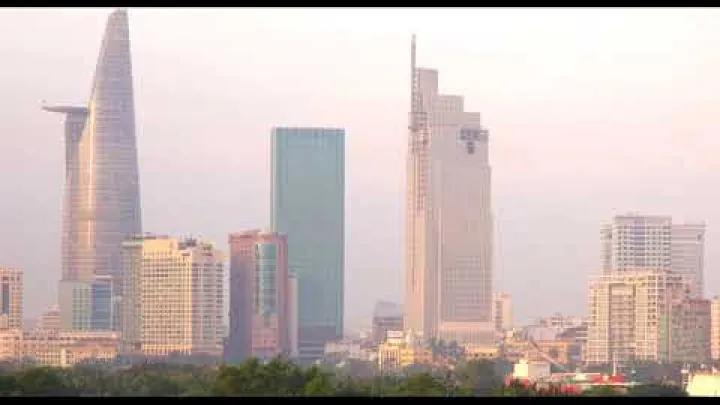
In terms of land area, Hanoi covers approximately 3,300–3,400 square kilometers, a size that places it among the larger capital cities in Asia by administrative area. This figure increased notably after the 2008 expansion, when surrounding territories were merged into the capital region. As a result, Hanoi now includes agricultural land, towns, craft villages and industrial zones in addition to the central urban core. For planners, this large area offers room for future development but also presents challenges for infrastructure and public services.
Economically, Hanoi is the second‑most important hub in Vietnam, behind Ho Chi Minh City. The city’s economy is diverse, with strong contributions from government and administrative services, education and research, finance, tourism, construction and manufacturing. Several industrial and high‑tech parks on the outskirts of Hanoi host electronics, automotive and other export‑oriented factories. At the same time, the service sector continues to grow rapidly, driven by retail, hospitality, information technology and business process outsourcing.
Because Hanoi serves as the Vietnam capital city, many national and international organizations locate their headquarters or representative offices there. This includes state‑owned enterprises, development agencies, diplomatic missions and regional headquarters of foreign companies. For students and remote workers, this concentration of institutions can create a wide range of professional opportunities. For the national economy, Hanoi’s role balances the powerful commercial activities of Ho Chi Minh City, contributing to a more even distribution of growth between north and south.
Political Role and International Presence of Hanoi
Hanoi’s identity as the capital of Vietnam is most clearly visible in its political institutions. The city is the seat of the National Assembly, which is Vietnam’s legislative body. It also hosts the Presidential Palace, where the president carries out ceremonial and constitutional duties, and the offices of the prime minister and government, which manage the executive branch. Most central ministries, from foreign affairs and finance to education and public security, maintain their main headquarters in Hanoi, often in or near central districts like Ba Đình and Hoàn Kiếm.
This concentration of government offices means that major national decisions are typically discussed, drafted and announced in Hanoi. Important party congresses and state ceremonies also take place in the capital. For visitors, this political role has practical effects: certain areas have higher levels of security, some streets may close during official events, and public buildings such as the National Assembly House or the Presidential Palace are prominent landmarks in the city’s landscape.
Hanoi also has a strong international presence. Almost all foreign embassies to Vietnam are located in the capital, often in districts such as Ba Đình, Tây Hồ and Cầu Giấy. Embassies and consulates offer consular services, cultural programs, and scholarships, making Hanoi an important place for diplomatic and educational exchanges. Numerous international organizations, non‑governmental organizations and development agencies operate from Hanoi as well, coordinating projects in governance, health, environment and economic development across the country.
For residents and long‑term visitors, this international and political environment creates a unique mix of local and global influences. You may see delegations and international conferences in major hotels, foreign language institutes serving diplomatic communities, and events celebrating national days of different countries. At the same time, the city maintains its Vietnamese cultural character. Understanding this balance helps explain why Hanoi holds a special position not only within Vietnam but also in the wider region.
Historical Overview: How Hanoi Became the Capital of Vietnam
Early Settlements and Imperial Capitals in Northern Vietnam
The story of Hanoi as the Vietnam capital begins long before the modern city received its current name. The Red River Delta has been a center of Vietnamese civilization for many centuries, due to its fertile soils and strategic waterways. One of the earliest known political centers in this region is the Cổ Loa citadel, located northeast of today’s Hanoi. Cổ Loa served as the capital of the ancient Âu Lạc kingdom around the third century BCE, and its remains still attract archaeologists and visitors interested in early Vietnamese state formation.

The decisive step toward establishing a long‑lasting capital in the area came in the year 1010. Emperor Lý Thái Tổ, the founder of the Lý Dynasty, moved the capital from Hoa Lư (in modern Ninh Bình province) to a new site on the Red River plain. He named this place Thăng Long, which means “Rising Dragon,” symbolizing prosperity and strength. According to historical records, the move was inspired by the desire for a more open, accessible location suitable for a growing kingdom. Thăng Long quickly developed into the political and cultural heart of Đại Việt, the medieval Vietnamese state.
For many centuries after 1010, Thăng Long remained the main imperial capital under successive dynasties, including the Lý, Trần and early Lê. The city hosted royal palaces, administrative offices, temples and markets. Its status as the seat of the court attracted scholars, craftsmen and traders from across the region. Over time, the urban area expanded around the royal citadel, forming neighborhoods that specialized in different trades and services. These early patterns laid the foundation for parts of Hanoi’s later Old Quarter.
The importance of Thăng Long as an imperial capital directly shapes the identity of present‑day Hanoi. Many historical and archaeological sites, such as the Imperial Citadel of Thăng Long, remind visitors that the modern Vietnam capital city stands on layers of royal and administrative history. When you walk through central Hanoi today, you are moving through spaces that have played key roles in Vietnamese governance for almost a millennium.
From Thăng Long to Hanoi and the French Colonial Capital
Over the centuries, the city we now call Hanoi went through several name changes that reflected political shifts. After periods of upheaval, it was known at different times as Đông Đô and Đông Kinh, names that can be translated as “Eastern Capital.” These titles underlined its status as a major center within regional and dynastic structures. Although the exact boundaries and internal organization changed, the area along the Red River continued to serve as an important urban and administrative zone.
In the early nineteenth century, the Nguyễn Dynasty unified Vietnam and chose Huế, further south, as the imperial capital. As a result, Hanoi was no longer the top political center, but it remained one of the country’s most significant cities. It served as a regional administrative seat for northern Vietnam (then called Tonkin), and it retained its economic and cultural importance. The city continued to develop markets, craft villages and educational institutions, linking the delta region with mountain areas and coastal trade routes.
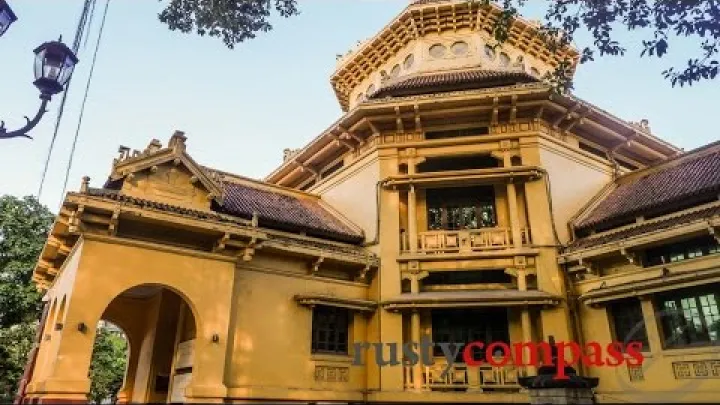
The next major turning point came with French colonial expansion in the late nineteenth century. After establishing control over large parts of Vietnam, the French chose Hanoi as the capital of French Indochina, which included present‑day Vietnam, Laos and Cambodia. This decision led to extensive changes in the city’s layout and architecture. French planners introduced wide boulevards, tree‑lined streets, administrative buildings and villas in what is now known as the French Quarter. They also built infrastructure such as railways, bridges and modern ports along the Red River.
During this period, the city’s name was standardized as Hà Nội, meaning “inside the river,” and it became a key center for colonial administration, trade and education. Many of the colonial buildings constructed at that time, including the Hanoi Opera House, government offices and churches, still stand and provide a visible record of this era. For modern visitors, the contrast between the narrow, crowded streets of the Old Quarter and the spacious avenues of the French Quarter reflects the layered history of Thăng Long–Hà Nội as it transitioned from an imperial seat to a colonial capital and eventually to the capital of an independent state.
Modern Era, War, Reunification and Today’s Capital
The modern political history of Hanoi as the capital of Vietnam is closely linked to the country’s struggle for independence and reunification. On 2 September 1945, at Ba Đình Square in central Hanoi, President Hồ Chí Minh read the Declaration of Independence, proclaiming the establishment of the Democratic Republic of Vietnam. This event marked Hanoi’s renewed role as the capital of a sovereign Vietnamese state, although foreign powers soon challenged this independence, leading to years of conflict.
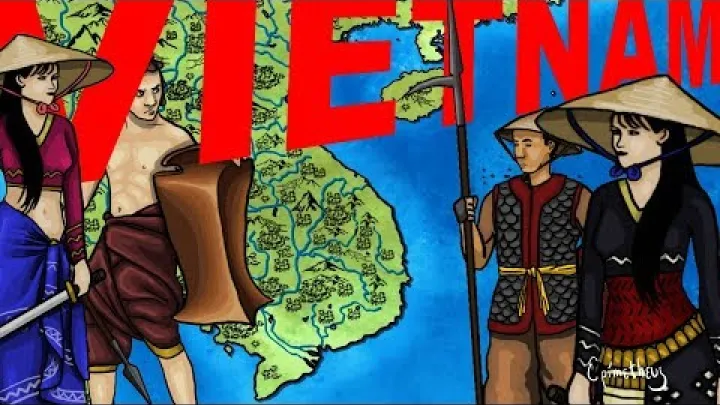
After the First Indochina War, the 1954 Geneva Accords resulted in the temporary division of Vietnam into North and South. Hanoi became the capital of North Vietnam, while Saigon (now Ho Chi Minh City) served as the capital of South Vietnam. During this period, Hanoi functioned as the political and administrative center of the socialist north, directing war efforts and reconstruction while enduring air raids and economic hardship. Many of the government buildings in the capital date from or were expanded during this era.
In 1975, the Vietnam War ended with the fall of Saigon and the effective reunification of the country. In 1976, the Socialist Republic of Vietnam was officially established, and Hanoi was confirmed as the capital of unified Vietnam. Ho Chi Minh City continued to grow as the largest economic and population center, but Hanoi retained the political and symbolic leadership role based on its long historical tradition and strategic northern location. This division of functions explains why, even today, some people still ask whether Hanoi or Ho Chi Minh City is the capital of Vietnam.
In 2008, Hanoi underwent a major administrative expansion, incorporating nearby provinces and districts to form a much larger capital region. This expansion aimed to support long‑term urban planning, infrastructure projects and economic development. Today’s Hanoi is therefore a mix of historic urban cores, colonial neighborhoods, new high‑rise districts and rural communes, all governed under a single municipal structure. Understanding this recent growth helps explain both the opportunities and challenges facing Vietnam’s capital in the twenty‑first century.
Climate of Hanoi, Best Time to Visit and When to Go
Understanding Hanoi’s Four-Season Climate
Hanoi has a humid subtropical climate with four noticeably different seasons, which is somewhat unusual in tropical Southeast Asia. This four‑season pattern is important for travelers, students and remote workers because it affects clothing choices, housing comfort and daily activities. Unlike southern Vietnam, where temperatures remain more consistently hot, Hanoi’s weather can range from cool and damp in winter to hot and humid in summer.

Winter in Hanoi generally runs from December to February. During this period, temperatures often range from about 10–20°C, with some colder days and nights, especially when northern winds bring in cool air. The weather can feel colder than the thermometer suggests because of high humidity and the common lack of central heating in homes and smaller accommodations. Light rain and mist are frequent, and skies can remain cloudy for days.
Spring, from March to April, is a transitional season with gradually rising temperatures and continued humidity. Daytime temperatures often sit between 18–28°C. Spring can be a beautiful time when flowers bloom and trees turn bright green, but it can also bring occasional drizzle. Summer, from May to August, is hot and humid, with frequent showers and thunderstorms. Temperatures commonly reach 30–35°C or higher in the hottest months, and combined with high humidity, the heat can feel intense, especially in crowded urban areas.
Autumn, from September to November, is widely considered one of the most pleasant times in the Vietnam capital. Temperatures usually fall to a more comfortable range of around 22–30°C, rainfall decreases compared to the peak summer months, and the air can feel clearer. Many visitors and residents enjoy walking around lakes and parks during autumn, when the combination of mild warmth and soft light makes Hanoi’s historic streets and tree‑lined boulevards especially attractive.
Best Months to Visit Hanoi for Comfortable Weather
Choosing the best time to visit Hanoi depends on your preferred activities and tolerance for heat or cool conditions. In general, the periods from April to early June and from late September to December offer the most comfortable balance of temperature and humidity for outdoor sightseeing. These months avoid the coldest winter days and the peak of summer heat, making it easier to walk through the Old Quarter, explore temples, and enjoy lakeside promenades.
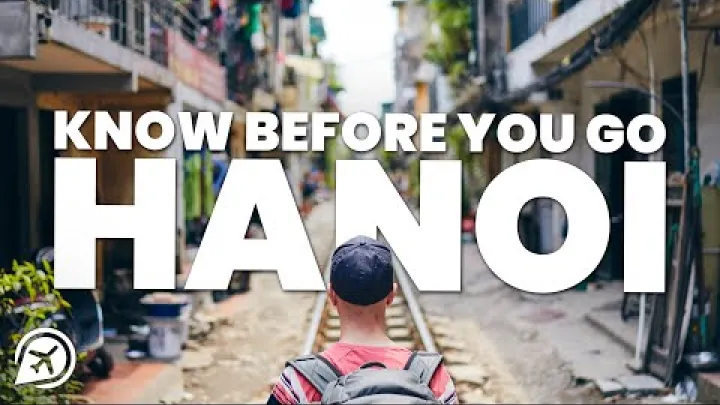
During April and May, you can expect warm but usually manageable temperatures, although some days may already feel quite hot. The city’s trees are full of leaves and flowers, giving parks and lakes a fresh appearance. From late September through November, the weather often turns pleasantly mild, with fewer heavy showers than in the peak rainy season. These conditions are ideal for photography, strolling in the French Quarter, and making short trips from the capital to surrounding attractions.
Visiting in winter (December to February) has its own pros and cons. On the positive side, temperatures are rarely extreme, and many people appreciate being able to explore the city without strong heat. However, the combination of cool air and high humidity can feel uncomfortable if you do not have appropriate clothing, and some days may be grey and misty. Summer visits (May to August) offer long daylight hours and a lively atmosphere, but high temperatures and sudden rains can disrupt outdoor plans, especially in the afternoon.
To help you decide, the following simple list summarizes the advantages and challenges of each season:
- Spring (March–April): Pleasant temperatures and blooming trees; possible light drizzle and high humidity.
- Summer (May–August): Long days and energetic street life; strong heat, high humidity and frequent heavy showers or thunderstorms.
- Autumn (September–November): Often the best weather for walking and photography; still some warm days but generally comfortable.
- Winter (December–February): Cooler air and fewer insects; can feel damp and chilly indoors without heating, with overcast skies.
When planning a trip to the Vietnam capital city, consider both the climate and your own schedule. If you are sensitive to heat, aim for autumn or late winter. If you enjoy tropical weather and do not mind carrying an umbrella, summer can still be rewarding, especially when combined with indoor museum visits and evening walks around the lakes.
Main Districts and Urban Development in Vietnam’s Capital
Historic Core: Old Quarter and French Quarter
The historic center of Hanoi is divided into several distinct areas, of which the Old Quarter and the French Quarter are the most famous. These two districts sit close to each other near Hoàn Kiếm Lake, yet they represent different periods in the city’s development. Together, they offer a clear picture of how Hanoi grew from an old craft town into a colonial capital and then into the modern capital of Vietnam.
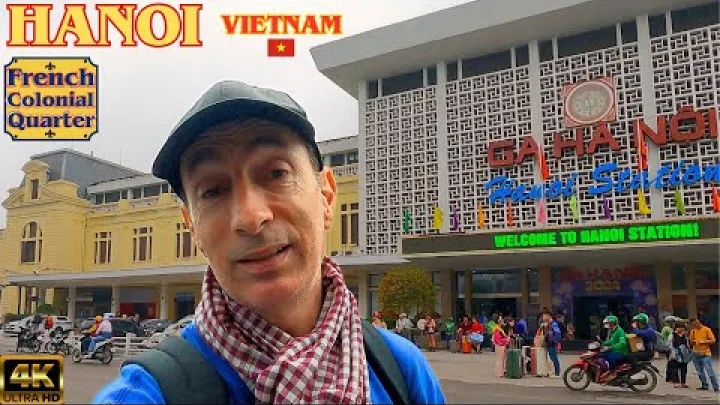
The Old Quarter, located to the north and west of Hoàn Kiếm Lake, is known for its dense network of narrow streets and traditional shop houses. Historically, many streets were associated with specific guilds or trades, and their names still reflect this pattern, such as “Silk Street” or “Silver Street” when translated into English. Buildings typically have a narrow frontage but extend deep into the block, with living spaces above ground‑floor shops. The sidewalks are busy with food stalls, parked motorbikes and small businesses, creating a lively but sometimes chaotic atmosphere.
Within the Old Quarter, Đồng Xuân Market stands out as a major wholesale and retail center. It serves both local residents and visitors with products ranging from textiles and household items to souvenirs and food. Nearby, many smaller alleys and covered passages host specialized stalls for flowers, electronics, or street snacks. For a first‑time visitor, it can be easy to get disoriented, so a simple navigation tip is to use Hoàn Kiếm Lake as a reference point: if you walk downhill or follow streets leading southeast, you will usually return toward the lake and modern boulevards.
South and east of Hoàn Kiếm Lake lies the French Quarter, an area shaped mainly during the French colonial period. Its wide, tree‑lined streets, large villas and imposing public buildings contrast sharply with the compact, irregular layout of the Old Quarter. Here you will find landmarks such as the Hanoi Opera House, built in a European style inspired by the Paris Opera, and several important government buildings and hotels. Side streets host embassies, cultural institutes and upscale shops, reflecting the area’s role as an administrative and diplomatic district.
Although the Old Quarter and French Quarter developed in different eras and styles, both remain active urban centers today. The Old Quarter is crowded with small hotels, cafés and shops catering to tourists and locals alike, while the French Quarter serves as a center for culture, high‑end commerce and official functions. Walking between these two districts in the capital of Vietnam offers a quick but vivid lesson in how architecture and urban design reflect changing political powers and social structures over time.
New Urban Areas and Modern Expansion of Hanoi
While Hanoi is well known for its historic core, much of the city’s population growth and economic activity now takes place in newer urban areas. A key moment in this development was the 2008 administrative expansion, when several neighboring districts and the former Hà Tây province were merged into the capital. This move roughly tripled Hanoi’s area and integrated many towns, villages and industrial zones into a single municipal framework.

Since then, new residential and business centers have grown rapidly, especially in western and southwestern districts. Mỹ Đình, for example, has developed into a modern zone with high‑rise apartment complexes, office buildings and the national sports complex. The area is popular with both local middle‑class families and international residents because of its relative openness, newer housing and improving transport links. Large planned complexes such as Royal City and Times City combine apartments, shopping malls, entertainment facilities and schools in integrated environments, reflecting a trend toward mixed‑use, privately developed neighborhoods.
In the north and northwest, zones like Ciputra and parts of Tây Hồ district offer spacious housing compounds, international schools and recreational facilities that attract diplomats, expatriates and higher‑income Vietnamese families. Further out, new industrial and technology parks provide space for manufacturing and high‑tech companies. These developments show how the Vietnam capital is adapting to economic growth and urbanization, expanding beyond the dense core to create a more polycentric city structure.
This rapid modernization presents both opportunities and challenges. On the one hand, new infrastructure such as ring roads, bridges and metro lines helps connect distant districts and reduces some pressure on inner‑city streets. On the other hand, real estate development can place stress on older neighborhoods and heritage sites if planning and preservation are not carefully managed. For visitors and new residents, it is useful to understand that Hanoi is not only the Old Quarter; the city also includes wide new boulevards, shopping centers, modern offices and suburban communities that play an increasing role in daily life in the capital of Vietnam.
Top Landmarks in Hanoi, Capital of Vietnam
Ba Đình Square and the Hồ Chí Minh Mausoleum
Ba Đình Square is often described as the political heart of Hanoi and, by extension, of Vietnam. It was here that Hồ Chí Minh declared the country’s independence in 1945, an event that still shapes national identity. The large open square is used for official ceremonies, military parades and public gatherings, and it is a symbolic space where many visitors start to explore the political history of the Vietnam capital city.

On the western side of Ba Đình Square stands the Hồ Chí Minh Mausoleum, a monumental structure where the body of President Hồ Chí Minh is preserved. The Mausoleum is one of the most visited sites in Hanoi, drawing both Vietnamese citizens and international tourists who wish to pay their respects or better understand the country’s modern history. Nearby are the Presidential Palace, originally built during the French period, and the modern National Assembly House, which underline the area’s continuing role in state affairs.
Visitors should be aware of basic rules when entering the Mausoleum and surrounding complex. Appropriate dress is important: shoulders and knees should be covered, and clothing should be neat and respectful. Inside the Mausoleum, photography and talking are usually not allowed, and visitors are expected to move quietly in a line. Security screening is standard, and opening hours may change depending on maintenance schedules or official events, so it is wise to check information locally before planning a visit.
Temple of Literature: Vietnam’s First National University
The Temple of Literature (Văn Miếu – Quốc Tử Giám) is one of Hanoi’s most famous cultural landmarks and a key site for understanding traditional education in Vietnam. Founded in 1070 as a Confucian temple, it was dedicated to Confucius and to scholars who pursued moral and intellectual excellence. A few years later, it became Vietnam’s first national university, where members of the royal family and selected students studied the Confucian classics and prepared for imperial examinations.

The complex is organized into a series of courtyards, each with symbolic features such as gates, ponds, gardens and halls. One of the most notable elements is the collection of stone steles mounted on turtle‑shaped pedestals, engraved with the names of those who passed the highest level of the imperial examinations. These steles provide a valuable record of centuries of scholarly achievement and are recognized as an important documentary heritage. Visitors can walk through tranquil spaces that contrast strongly with the busy streets outside, making the Temple of Literature a peaceful retreat in the capital of Vietnam.
Today, the Temple of Literature continues to hold meaning for students and educators. It is common for Vietnamese students to visit the site before important exams to pray for good results or to celebrate after graduation. Some universities and schools hold ceremonies here to honor outstanding students. For international students considering study in Hanoi, the Temple of Literature offers both a historical and emotional link to the country’s long academic traditions, showing that education has been highly valued in this region for nearly a thousand years.
One Pillar Pagoda and Nearby Historic Sites
The One Pillar Pagoda (Chùa Một Cột) is another iconic landmark in Hanoi, located close to Ba Đình Square and the Hồ Chí Minh Mausoleum. Its design is unusual: a small wooden temple stands on a single stone pillar rising from a square pond. According to legend, the structure was inspired by a dream in which a childless emperor saw the bodhisattva of compassion seated on a lotus, leading him to build a temple representing a lotus blossom emerging from the water.

Although the original structure was damaged and rebuilt multiple times, the modern pagoda still preserves the symbolic form that has made it famous. The pond and surrounding garden create a calm environment despite the busy roads nearby. When visiting, it is important to treat the site with respect, as it remains a place of worship for many people. Modest dress is recommended, and visitors should follow local customs such as removing shoes where required and keeping noise low near prayer areas.
The One Pillar Pagoda is part of a wider complex of historic and religious sites in this central zone of the Vietnam capital. Within walking distance you can also see the Presidential Palace grounds, the House on Stilts where Hồ Chí Minh once lived and worked, and several small temples and memorials. Exploring these nearby places in a single visit gives a well‑rounded view of both spiritual and political aspects of Hanoi’s history.
Hoàn Kiếm Lake and Ngọc Sơn Temple
Hoàn Kiếm Lake, in the center of Hanoi, is one of the city’s most recognizable landmarks and a common reference point for both residents and visitors. Its name means “Lake of the Returned Sword,” linked to a legend in which a magical sword used to drive out foreign invaders was later returned to a divine turtle in the lake. This story adds a layer of national symbolism to what is already a visually attractive body of water surrounded by trees, benches and walking paths.

On a small island in the northern part of the lake stands Ngọc Sơn Temple, reached by the bright red wooden Huc Bridge. The temple is dedicated to various historical and spiritual figures and contains altars, statues and historical artifacts. For a small entrance fee, visitors can cross the bridge, explore the temple and enjoy views over the lake toward the Old Quarter and French Quarter. The combination of natural scenery, legend and accessible location makes Hoàn Kiếm Lake and Ngọc Sơn Temple a central stop on almost any visit to the Vietnam capital city.
The character of the area around the lake changes throughout the day. In the early morning, you may see residents practicing tai chi, jogging or doing group exercises along the paths. During the daytime, the sidewalks fill with tourists, street vendors and office workers taking short breaks. In the evening, especially on weekends when some nearby streets become walking zones, the lake area turns into a lively social space with families, young people and performers gathering under the lights. This rhythm of daily use shows how Hoàn Kiếm Lake functions as both a historic symbol and a living public space in Hanoi.
Hanoi Old Quarter and Đồng Xuân Market
The Old Quarter is perhaps the most famous neighborhood for visitors exploring Hanoi, capital of Vietnam. Its maze‑like streets, low shop houses and constant flow of people and vehicles create a strong first impression. Historically, the area developed as a collection of craft and trade guilds, each occupying a street named after its main product. While many original trades have changed, the pattern of specialized streets remains, and you can still find clusters of silk shops, metal goods, food stalls and accessories.
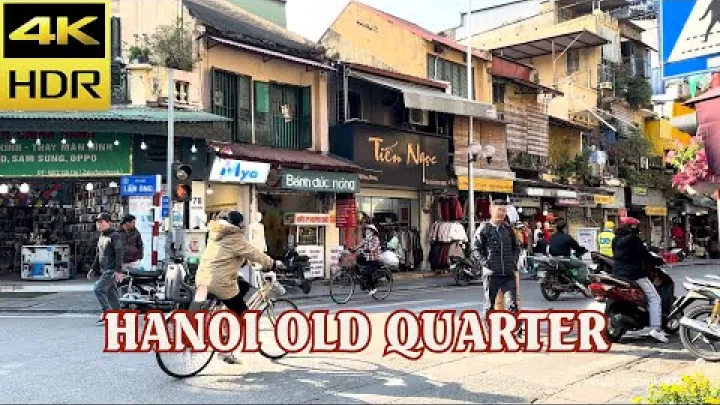
Đồng Xuân Market, at the northern edge of the Old Quarter, is one of Hanoi’s largest covered markets. It functions primarily as a wholesale center for clothing, textiles, household goods and more, but it also attracts retail shoppers and tourists. The surrounding streets host additional stalls for fresh produce, flowers and street food. Exploring the market and nearby alleys offers insights into daily commercial life in the capital city, although the crowds and narrow spaces can feel intense for some visitors.
For first‑time walkers in the Old Quarter, basic navigation tips can make the experience more comfortable. It is useful to carry a simple map or offline navigation app, but you can also orient yourself by remembering that many main streets run roughly parallel or perpendicular to the lake. Crossing streets requires patience: wait for a small gap, walk at a steady pace and let motorbikes move around you rather than making sudden movements. Taking short breaks at cafés or around small temples can help you process the sensory overload and appreciate the neighborhood’s energy more fully.
West Lake and Surrounding Temples in the Capital
West Lake (Hồ Tây) is the largest lake in Hanoi and offers a different atmosphere from the dense streets of the Old Quarter. Located to the northwest of the historic center, it has a long, irregular shoreline lined with cafes, restaurants, residences and religious sites. Because of its open water and relative distance from the busiest traffic, West Lake is a popular place for relaxation, exercise and sunset views among both locals and foreigners living in the Vietnam capital.

Around the lake, several notable temples and pagodas stand out. Trấn Quốc Pagoda, on a small peninsula along the eastern shore, is considered one of the oldest pagodas in Hanoi and is a common subject of photographs. Other smaller temples and communal houses reflect the religious diversity of the area, including Buddhist, Taoist and local worship practices. Visiting these sites, especially in the early morning or late afternoon, can give a quiet, reflective experience that contrasts with more crowded tourist spots.
Modern activities around West Lake include cycling, jogging, paddle boating and socializing at lakeside cafes. Many international residents choose to live in neighborhoods near the lake, such as parts of Tây Hồ district, where housing ranges from traditional houses to modern serviced apartments. For visitors, a walk or bike ride along sections of the lakeshore can provide a welcome break from inner‑city noise and offer beautiful views of both water and skyline, reminding you that the Vietnam capital city is not only about history and government but also about daily leisure and urban nature.
Culture and Daily Life in the Capital of Vietnam
People, Language and Ethnic Diversity in Hanoi
Hanoi’s population is diverse, reflecting both the city’s long history and its role as a magnet for internal migration. The majority of residents belong to the Kinh ethnic group, which forms the largest ethnic community in Vietnam as a whole. Alongside the Kinh, there are minority groups such as the Mường, Tày and others who have lived in the surrounding northern regions for generations. In recent decades, people from many provinces across the country have moved to the capital for work and education, further enriching the city’s cultural mix.
Vietnamese (Tiếng Việt) is the official and dominant language used in government, education and media in Hanoi. However, you will also hear various regional accents and dialects as people from the central and southern provinces settle in the capital. English is increasingly used in tourism, higher education and international business, especially among younger generations and in sectors such as technology and hospitality. In some neighborhoods, you may also hear other foreign languages spoken by expatriate communities and diplomats, including Korean, Japanese, Chinese, French and others.
This diversity influences daily life in simple, visible ways. Food stalls sell dishes from different parts of Vietnam, not only traditional Hanoian specialties. Festivals, weddings and funerals sometimes reflect customs from various home provinces, even when they take place in the capital. At the same time, Hanoians often see themselves as keepers of certain cultural traditions, such as specific ways of preparing tea, arranging ancestral altars or celebrating the Lunar New Year. Describing these practices in general terms helps avoid stereotypes and highlights the richness of urban culture in the Vietnam capital.
Education, Universities and Research in the Capital
Hanoi is Vietnam’s main center for higher education and research, making it an attractive destination for both domestic and international students. Many of the country’s leading universities are based in the capital, benefiting from proximity to government ministries, research institutes and international organizations. This concentration supports academic collaboration, policy research and the training of professionals in fields ranging from engineering and medicine to social sciences and arts.

Key institutions include Vietnam National University, Hanoi, which is a multi‑campus system with strengths in natural sciences, social sciences and humanities, and Hanoi University of Science and Technology, known for engineering and technical disciplines. Other important universities in the capital of Vietnam are the National Economics University, the Diplomatic Academy of Vietnam and several medical and teacher‑training universities. Many of these schools host exchange programs, joint degrees and language courses in cooperation with foreign partners.
For international students, understanding the academic environment in Hanoi is essential. Most undergraduate programs are taught in Vietnamese, but the number of English‑language master’s and bachelor’s programs is increasing, especially in business, engineering and international studies. Students can expect a structured, exam‑focused system with strong emphasis on classroom learning, although project‑based and research‑oriented approaches are becoming more common. Living in the capital also allows access to national libraries, archives and specialized research centers that may not exist in smaller cities.
Beyond formal universities, Hanoi hosts many language schools, cultural institutes and continuing education centers. Organizations such as the Goethe‑Institut, l’Institut français and other cultural bodies offer language classes and cultural events. For remote workers who want to improve their Vietnamese or pick up another language, the Vietnam capital city provides broader choices than most other locations in the country.
Museums, Arts and Cultural Institutions
As the capital of Vietnam, Hanoi contains many of the country’s most important museums and cultural institutions. These places help visitors and residents alike understand the complex history, ethnic diversity and artistic traditions of Vietnam. They also serve as venues for exhibitions, performances and educational programs that make culture accessible to the public.

The Vietnam Museum of Ethnology, located in the Cầu Giấy area, offers detailed displays on the many ethnic groups of Vietnam. Its indoor galleries and outdoor reconstructed houses present clothing, tools, religious objects and everyday items, helping visitors see how geography and tradition shape different ways of life. In the city center, the National Museum of Vietnamese History holds artifacts from prehistoric times through ancient dynasties and modern struggles, including ceramics, sculptures, documents and historical objects.
The Vietnam Fine Arts Museum showcases paintings, sculptures and traditional arts such as lacquer and silk painting, giving an overview of artistic development in different eras. Other notable institutions include the Vietnamese Women’s Museum, which highlights the roles of women in family, work and national history, and contemporary art spaces such as VCCA (Vincom Center for Contemporary Art) and smaller independent galleries. Exhibitions in these venues might focus on topics like urbanization, war and memory, or new media art, reflecting both local and global themes.
These museums and cultural centers make Hanoi more than just a political capital; they turn it into a learning hub for anyone interested in Vietnamese society. For travelers, they offer structured, informative experiences that complement walks through the streets and markets. For students and remote professionals, they provide opportunities to attend lectures, film screenings or concerts and engage with local artists and scholars.
Food in Hanoi: Signature Dishes of Vietnam’s Capital
Street Food Culture and Everyday Eating Habits
In the capital city, it is common to see people eating breakfast, lunch or evening snacks on low plastic stools along sidewalks, in small alleys or at the front of narrow shop houses. These informal spaces function not only as places to eat but also as social meeting points where neighbors, colleagues and families gather to talk and relax.
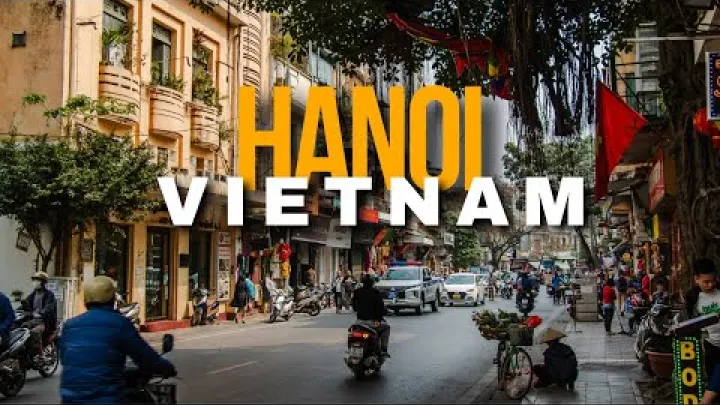
Typical eating patterns in Hanoi often start early. Many residents have breakfast outside, choosing dishes such as noodle soup, sticky rice or bread with fillings from vendors near their homes or workplaces. Lunch may be eaten at small family‑run eateries serving rice with various side dishes, while dinner is either at home or at similar places. In the late afternoon and evening, roadside stalls selling grilled meats, snacks and drinks appear in many neighborhoods, creating a lively street atmosphere.
Street food options range from very simple mobile carts to more permanent stalls and small restaurants. Simple spots may focus on a single dish, offering fast service and low prices, while slightly larger family‑run eateries have more seating and a wider menu. Formal restaurants, especially in tourist areas, often provide translations, clearer menus and indoor seating, which some international visitors may find more comfortable when they first arrive in the Vietnam capital.
For those trying street food for the first time, basic hygiene and ordering tips are useful. Choosing busy stalls with a steady flow of local customers is often a good sign of freshness and quality. Observing how vendors handle ingredients and whether utensils are stored cleanly can also guide your choices. If you have dietary restrictions, it helps to learn a few simple Vietnamese phrases to say “no meat,” “no fish sauce” or “no chili,” or to show these phrases written down. Drinking bottled or properly filtered water is advisable, and many visitors avoid ice unless they know it is made from treated water.
Iconic Hanoian Dishes You Should Try
In Hanoi, the broth is typically clean and not overly sweet, often flavored with star anise, cinnamon and other spices. Another signature dish is bún chả, consisting of grilled pork patties and slices served in a warm, slightly sweet fish‑sauce‑based broth, accompanied by rice noodles and fresh herbs. Diners combine these elements in small bowls and can add chili and garlic to taste.
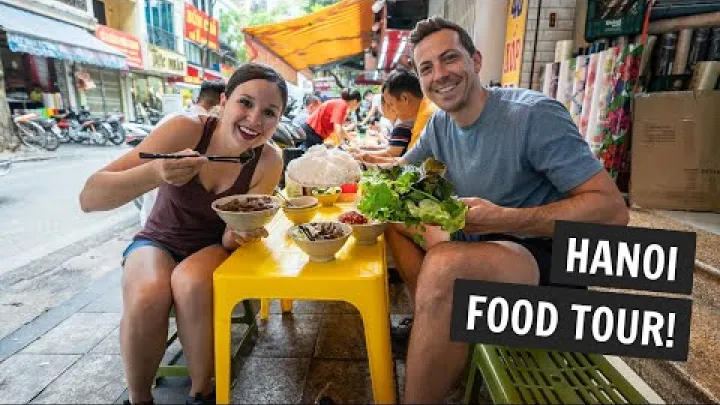
Chả cá Lã Vọng is a famous Hanoian specialty featuring pieces of marinated fish grilled with dill and spring onions, served with rice noodles, peanuts and dipping sauce. Because it uses fish rather than red meat, it can be a good option for people who prefer lighter dishes, although it still contains fish sauce. Other notable soups include bún riêu, a tomato‑based noodle soup with crab or other toppings, and bún thang, a delicate chicken and egg noodle soup associated with Hanoi’s traditional cuisine.
Street sandwiches known as bánh mì are also widely available in the capital of Vietnam. They usually contain combinations of meat, pâté, pickled vegetables, herbs and sauces inside a crisp baguette. Many versions are not very spicy unless you request chili. For desserts, try traditional sweet soups called chè, which may include beans, jelly, fruit and coconut milk, or various sticky rice dishes with toppings like mung beans or sesame.
If you have dietary concerns, it is useful to know that fish sauce is a common ingredient in many savory Vietnamese dishes, and some broths are made with meat even if the visible ingredients appear vegetarian. Asking clearly about ingredients and choosing restaurants that understand vegetarian, vegan or allergy‑related requests will help you enjoy Hanoi’s food scene safely and comfortably.
Transportation and Getting Around Hanoi
Arriving in Hanoi Through Nội Bài International Airport and Other Gateways
It is located to the north of the city center, with a typical travel time of about 30–60 minutes between the airport and central districts, depending on traffic conditions and your exact destination. The airport has separate terminals for domestic and international flights, with basic facilities such as currency exchange, ATMs, food outlets and mobile phone service providers.

Several transport options connect Nội Bài Airport with the capital city. Metered taxis and ride‑hailing services are widely available and offer a direct, comfortable way to reach your hotel or apartment. Official airport taxis usually line up outside the arrival halls, and it is advisable to choose registered companies, agree on general expectations and request that the meter be used if applicable. Ride‑hailing apps can provide estimated fares in advance, which may help first‑time visitors feel more secure.
Airport buses and shuttle services provide more economical alternatives. Dedicated airport bus routes run between Nội Bài and central areas such as the Old Quarter or major bus stations, making regular stops along the way. These buses are generally air‑conditioned and have a fixed fare that can be paid in cash. Public city bus routes also connect the airport with various districts, though they may require some understanding of the local system and are better suited to those staying longer in the Vietnam capital.
Besides air travel, long‑distance trains and intercity buses link Hanoi with other parts of Vietnam and neighboring countries. The main train station, often called Hanoi Station, is located near the city center and serves routes to major cities such as Ho Chi Minh City, Hue and Da Nang. Several large bus stations around the city dispatch coaches to northern highlands, coastal areas and cross‑border destinations. For travelers planning extended itineraries, combining flights, trains and buses from Hanoi can be an efficient way to explore the region.
Motorbikes, Traffic and Road Safety in the Capital
Motorbikes are the most common form of transport in Hanoi, shaping the sound, movement and appearance of the streets. At many intersections, you will see large flows of scooters and motorcycles weaving between cars, buses and bicycles. This environment can look chaotic to visitors from countries with more strictly separated traffic lanes, but it follows patterns that most local drivers understand. For pedestrians and new riders, learning to read these patterns is important for safety.

As a pedestrian in the Vietnam capital city, crossing the street is often the main challenge. A useful approach is to wait for a reasonable gap in traffic, make eye contact with approaching drivers when possible and walk at a steady, predictable pace. Sudden stops or quick backward steps can confuse drivers. At major intersections, traffic lights and zebra crossings are becoming more common, but even there, vehicles may turn or slowly continue through, so remaining alert is essential.
For visitors considering renting a motorbike, safety and legal requirements should be taken seriously. Wearing a helmet is mandatory by law and strongly recommended for your protection. Road rules may differ from those in your home country, and traffic density in Hanoi requires quick reflexes and good situational awareness. If you do not have experience riding in similar conditions, it may be safer to use taxis, ride‑hailing services or public transport. International driving permits and appropriate insurance are also important, and you should check local regulations and your coverage before riding.
Despite the apparent disorder, many residents navigate the streets daily without major incidents. Still, occasional accidents, uneven pavements and open drainage covers can pose risks. Walking on the sidewalk sometimes means sharing space with parked motorbikes or small stalls, so looking both down at the ground and ahead at traffic is useful. Using calm, careful behavior rather than rushing helps ensure that you can enjoy Hanoi’s lively street life while minimizing danger.
Public Transport in Hanoi: Buses, BRT and Metro
Hanoi’s public transport network is developing, with city buses, a Bus Rapid Transit (BRT) line and newly introduced metro lines forming the main pillars. These systems are important for residents who commute for work or study and are increasingly relevant for visitors who want affordable alternatives to taxis or ride‑hailing. While routes and schedules can change over time, understanding the overall structure helps you decide when public transport is practical during your stay in the Vietnam capital.

The city bus network covers most districts, with numbered routes that connect residential areas to commercial centers, universities and major markets. Buses are generally inexpensive and run from early morning until evening. Stops are marked along main roads, often with basic route information posted. For travelers staying longer or on a budget, using buses can be a good way to move between popular areas such as the Old Quarter, new urban districts and some suburban attractions, though services may be crowded during peak times.
Hanoi also operates a Bus Rapid Transit corridor, which uses dedicated lanes along parts of its route to improve speed and reliability compared to regular buses. The BRT is designed to connect growing residential zones with central areas more efficiently, although its coverage is still limited relative to the entire city. As the capital continues to expand, additional corridors may be added to serve new developments and reduce pressure on roads.
The metro system in Hanoi is in the early stages, with the first lines having opened to passengers and more planned for the future. Existing lines connect some western and central districts, providing an alternative to surface traffic. Metro stations are modern and usually offer clear signage, making them easier for non‑Vietnamese speakers to navigate compared to some bus routes. Tickets for buses, BRT and metro can often be purchased at stations, on vehicles or through electronic cards, depending on the specific service.
For visitors, public transport is most practical when traveling along major corridors or between well‑known hubs. At other times, the flexibility of taxis or ride‑hailing may be more convenient, particularly if you carry luggage or travel late at night. As Hanoi invests further in mass transit, the share of journeys taken by public transport is likely to increase, gradually changing how people move around the capital of Vietnam.
Travel Tips and Suggested Day Trips from Hanoi
Practical Tips for Visitors to Vietnam’s Capital
Preparing for a visit to Hanoi becomes easier when you understand a few practical points about climate, money and local etiquette. Because the city experiences four seasons, clothing choices matter. In summer months, light, breathable fabrics and sun protection such as hats and sunscreen are important, while in winter you may need a light jacket or sweater, especially in the mornings and evenings. Layering is useful in spring and autumn, when temperatures can change during the day.
The local currency is the Vietnamese đồng (VND). Cash is widely used, especially at street stalls, small shops and in markets. In larger stores, hotels and some restaurants, credit and debit cards are increasingly accepted, but it is still wise to carry sufficient cash for daily expenses. ATMs are common in central areas of the Vietnam capital city, though you should check withdrawal fees and limits with your bank. Exchanging foreign currency can be done at banks, authorized exchange offices and some hotels.
Basic etiquette in Hanoi emphasizes respect, modesty and calm behavior in public spaces. Simple greetings, such as saying “xin chào” (hello), are appreciated, and smiling politely can often smooth interactions. When visiting temples, pagodas or religious sites, dress should cover shoulders and knees, and hats should be removed. Speaking in a soft voice and avoiding intrusive photography of people during worship are important signs of respect.
Other small habits can improve your experience. Removing shoes when entering someone’s home, and sometimes in smaller guesthouses or traditional accommodations, is standard practice. Public displays of affection are generally more discreet than in some Western countries. When bargaining in markets, staying friendly and relaxed usually works better than aggressive negotiation. Understanding these simple guidelines helps visitors fit more smoothly into daily life in the capital of Vietnam and fosters positive encounters with local residents.
Popular Day Trips and Short Excursions from Hanoi
Hanoi serves as a convenient base for exploring the landscapes and cultural sites of northern Vietnam. From the capital, you can reach coastal bays, river valleys and mountain areas using organized tours, buses, trains or private vehicles. Planning day trips or short excursions allows you to experience both urban life and natural scenery without changing your main accommodation frequently.
One of the most famous destinations accessible from Hanoi is Ha Long Bay, known for its dramatic limestone islands rising from the sea. Travel time from the capital to Ha Long Bay is usually around 2.5–4 hours by road, depending on the route and traffic. Many visitors join day cruises that leave in the late morning and return in the evening, although overnight boat trips are popular for those who want more time on the water. Nearby Lan Ha Bay offers similar scenery with fewer boats and can also be reached from Hanoi through coastal ports.
Ninh Bình province, sometimes called “inland Ha Long Bay,” is another common excursion from the Vietnam capital city. Located roughly 2–3 hours south of Hanoi by road or train, it features limestone karst formations, rice fields and river landscapes. Boat trips in areas such as Tràng An or Tam Cốc take visitors through caves and along narrow waterways, while ancient temples and pagodas stand on nearby hills. Ninh Bình works well as a day trip but can also justify longer stays for hiking or cycling.
Reaching Sapa from Hanoi typically requires more than one day, often involving overnight trains or longer bus journeys of about 5–7 hours. Because of the distance and the variety of activities such as trekking and homestays, Sapa is usually planned as a multi‑day trip rather than a single‑day excursion.
In all cases, Hanoi’s role as the Vietnam capital and transport hub makes it easy to arrange tours or purchase tickets for these destinations. Travel agencies, hotel desks and online platforms in the city can help you compare options and choose itineraries that fit your time and budget.
Frequently Asked Questions
What is the capital of Vietnam?
The capital of Vietnam is Hanoi. It is a large historic city in the Red River Delta region of northern Vietnam and has been the political center of the country since national reunification in 1976. Hanoi hosts the main government offices, the president and prime minister, the National Assembly and most foreign embassies.
Is Hanoi the capital of Vietnam or is it Ho Chi Minh City?
Hanoi is the official capital of Vietnam, while Ho Chi Minh City is the country’s largest city and leading economic hub. Political power and national administration are based in Hanoi, where the central government and parliament are located. Ho Chi Minh City plays a dominant role in business, industry and finance but is not the capital.
Why is Hanoi the capital of Vietnam?
Hanoi is the capital of Vietnam because it has been a major political and cultural center for about 1,000 years. It served as the seat of imperial dynasties, became the capital of the Democratic Republic of Vietnam in 1945 and later of North Vietnam in 1954. After the reunification of North and South Vietnam in 1976, Hanoi was confirmed as the capital of the Socialist Republic of Vietnam, reflecting its historical importance and strategic northern location.
What is the population of Hanoi, the capital of Vietnam?
The population of Hanoi is roughly 8–9 million people in the wider municipal area, based on recent estimates. This makes it the second most populous city in Vietnam after Ho Chi Minh City. The population has grown quickly due to rural‑to‑urban migration and the expansion of administrative boundaries in 2008.
Where is Hanoi located within Vietnam?
Hanoi is located in northern Vietnam, in the Red River Delta about 90 kilometers inland from the Gulf of Tonkin. The city lies mainly on the right bank of the Red River and is surrounded by lowland plains, lakes and some hilly areas to the west. Its name, which means “inside the river,” reflects this river‑based geography.
What is Hanoi famous for as the capital of Vietnam?
Hanoi is famous for its thousand‑year history, well‑preserved Old Quarter, French colonial architecture and many lakes. Landmarks such as Hoàn Kiếm Lake, the Temple of Literature, Ba Đình Square and the Hồ Chí Minh Mausoleum are widely known. The city is also celebrated for its street food, including dishes like phở bò, bún chả and chả cá Lã Vọng.
When did Hanoi become the capital of unified Vietnam?
Hanoi became the capital of unified Vietnam in 1976, after the end of the Vietnam War and the formal reunification of North and South Vietnam. Before that, it had been the capital of the Democratic Republic of Vietnam since 1945 and the capital of North Vietnam since 1954. The 1976 decision confirmed its status as the capital of the Socialist Republic of Vietnam.
Is Hanoi a good place to visit for tourists?
Hanoi is a very good place to visit for tourists who are interested in history, culture and food. The city offers a mix of ancient temples, colonial buildings, museums, markets and lakes, often at relatively affordable prices. It also serves as a practical base for trips to Ha Long Bay, Ninh Bình and the northern mountains, making it an excellent starting point for exploring northern Vietnam.
Conclusion: Understanding Hanoi as the Capital of Vietnam
Hanoi’s role as the capital of Vietnam is the result of a long history shaped by rivers, dynasties, colonial powers, wars and reunification. Today, it functions as the political and administrative center of the country while also serving as a major hub for education, culture and transport. The city’s geography in the Red River Delta, its four‑season climate, and its blend of historic districts and new urban areas give it a distinctive character among Asian capitals.
For travelers, students and remote workers, understanding these aspects of Hanoi helps in planning visits, choosing neighborhoods, and appreciating daily life in the city. From Ba Đình Square and Hoàn Kiếm Lake to West Lake and the Old Quarter, the Vietnam capital city presents multiple layers of experience, combining heritage with modern development. Recognizing Hanoi’s position alongside, but distinct from, Ho Chi Minh City allows a clearer picture of how Vietnam is organized and how its future continues to unfold.
Select area
Create a post
Posting is free and no registration is required.