- Tay Son Heaven and Earth Esplanade: Historic Shrine in Quy Nhon
- Quang Trung Museum: Tay Sơn History & Culture in Quy Nhon
- Banh It Cham Towers: Ancient Heritage & Photography in Quy Nhon
- The Thon Beach in Cat Tien: Clean Shores & Affordable Watersports
- Linh Phong Pagoda in Quy Nhon: The Sacred Mountain Temple
Vietnam Market Guide for First-Time Visitors: Traditional, Night, and Floating Markets

A Vietnam market is one of the fastest ways to understand daily life, local food, and shopping habits in a new city. Markets can feel intense at first, but they are usually simple once you know the basic layout, pricing style, and how to move through crowds. This guide explains what to expect at traditional daytime markets, popular Vietnam night market areas, and Mekong Delta floating markets. You will also learn practical tips for money, food hygiene, bargaining, and choosing what to buy.
Introduction: What People Mean by a Vietnam Market
When people search for a “Vietnam market,” they can mean very different places. In many towns, the main market is a mixed space where fresh food, cooked meals, clothing, and household goods sit close together. In major tourist areas, “market” can also mean a dedicated souvenir hall, a night market street, or an entire district known for evening shopping and snacks. In the Mekong Delta, it may mean a floating market where trade happens on boats.

For first-time visitors, markets matter because they give you practical access to local routines without needing advanced language skills. You can point to items, compare prices quickly, and learn what people actually eat and buy every day. If you are studying, relocating, or working remotely in Vietnam, regular market visits can help you learn basic ingredients, seasonal produce, and typical household items faster than any guidebook.
What you will find at markets across Vietnam
Many markets in Vietnam combine several functions in one place. A common layout starts with fresh produce near entrances, followed by meat and seafood sections, and then dry goods such as rice, noodles, spices, and packaged snacks. Deeper inside, you often find clothing, sandals, bags, kitchen tools, phone accessories, and small services like key cutting or simple repairs. Even in smaller markets, it is normal to see cooked food stalls serving quick breakfasts and lunches to local shoppers.
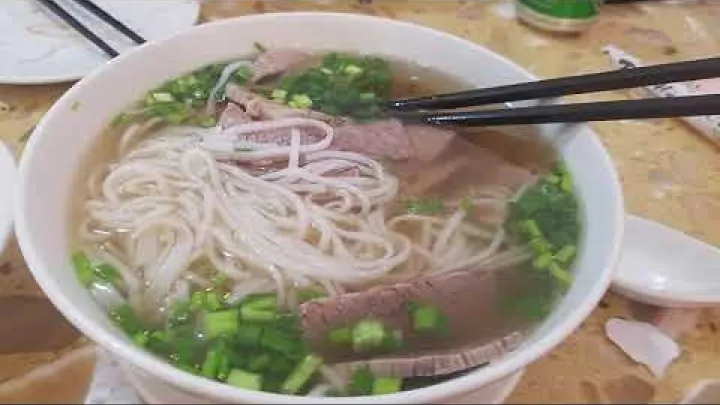
For travelers and newcomers, this variety is useful because you can solve many needs in one stop: buy a piece of fruit, eat a simple meal, pick up toiletries, and find a small gift. You do not need perfect Vietnamese to do this. Pointing is accepted, and many vendors understand basic numbers and common product names. The key is to slow down, watch how locals order and pay, and keep your requests short and clear.
How to use this guide: choose markets based on your city, your goal (food exploration, daily shopping, or souvenirs), and the time of day you can go. If you want fresh ingredients and a calmer, practical visit, go earlier to a daytime market. If you want snacks, people-watching, and casual shopping, plan for an evening market or a night market street. If you are traveling in the south, consider adding a floating market trip, but confirm recent conditions because the experience can change.
- Wet markets: fresh produce, meat, seafood, and herbs; busiest in the morning.
- Covered markets: indoor halls with dense stalls; useful in bad weather.
- Night markets: evening-only food and souvenir areas; often crowded and tourist-friendly.
- Floating markets: boat-based trade in the Mekong Delta; experience varies by season and timing.
Common search intents and how to get the right result fast
Searches like “Vietnam market near me” often reflect a navigational goal, not a single famous place. The person may be looking for a neighborhood street market, a well-known central market, or a night market zone where many stalls open after dark. Names can also be confusing because markets are sometimes named after a district, a road, or a local landmark, and similar names can exist in different parts of a city.
To confirm you are choosing the right market, rely on a few quick checks. Use map listings to compare photos, read recent reviews, and look for signs of current activity. Pay attention to notes about entrances, parking, and whether the market is a daytime market or an evening setup. When visitors look up opening hours, listings can be outdated, so it is wise to re-check close to your visit date, especially on holidays or during seasonal changes.
A simple decision framework helps you choose quickly. First, decide how far you want to travel and whether you want to walk or use a ride-hailing app. Second, match the market type to your schedule: daytime markets are most active earlier, while night markets are usually the better choice for evening. Third, choose based on accessibility: covered markets can be easier in rain, and wide streets can be better for strollers or older travelers. Finally, verify the location pin and main entrance on your phone before you leave, because some markets have multiple gates or nearby look-alike listings.
How Markets in Vietnam Work: Types, Etiquette, and Pricing
Understanding how a Vietnam market works makes the experience more comfortable and often saves money. Markets are not only for tourists; they are essential retail spaces for daily groceries, quick meals, and household items. That means the atmosphere is functional: people move fast, aisles can be narrow, and vendors may focus on regular customers. As a visitor, you can still be welcomed, especially if you respect the flow of traffic and keep transactions simple.
It also helps to know that different market types follow different pricing habits. Some stalls use clear signage and fixed prices, while others expect a short negotiation, especially for souvenirs and clothing. Food stalls may have set prices but not always printed menus, so you should confirm before ordering if you are unsure. Because markets vary by neighborhood and city, the best approach is to treat your first visit as observation, then buy with more confidence on your second pass.
Traditional daytime markets: fresh food, household items, and local routines
Traditional daytime markets usually peak early, when produce is freshest and many households shop for the day. You will often see fruit, vegetables, herbs, tofu, eggs, and dried goods near the outer lanes. Further inside, the market may shift into “wet” sections with meat and seafood, and then into “dry” sections with rice, snacks, cooking oils, detergents, and plastic household items. This mixed structure can look chaotic, but it is consistent once you notice the categories.
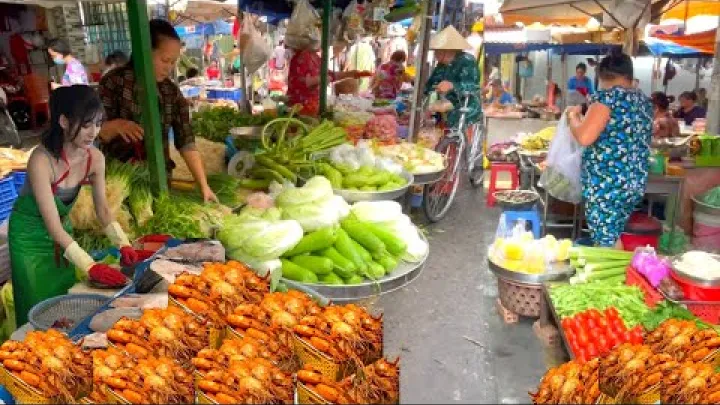
Many parts of daytime markets are visitor-friendly: fruit, packaged snacks, roasted nuts, and basic groceries are easy first purchases. Other sections can be challenging if you are sensitive to smells, heat, or crowding, especially around raw seafood, live tanks, and butchering areas. If you want a calmer experience, consider walking the perimeter first, then entering only the sections that match your comfort level.
If you do not speak Vietnamese, small cues can make buying easier. Point to the item and hold up fingers for quantity, or use the notes app on your phone to show numbers. Many vendors use a calculator, and it is normal to confirm the total by pointing to the calculator display before paying. Keep your questions short and practical, and avoid blocking the stall while deciding.
Etiquette in busy aisles is simple and widely understood. Step to the side to let others pass, keep your bag close to your body, and avoid touching food unless invited. If you need to stop, choose a wider spot or stand near a pillar or wall. A calm, patient approach usually gets better service than rushing, because vendors are often handling multiple customers at once.
Night markets and evening shopping streets
A Vietnam night market is typically more focused on cooked food, casual shopping, and browsing than on raw groceries. Many night markets operate on open streets or pedestrian sections where stalls are set up for the evening. The mood is more social: people meet friends, try snacks, and shop for small gifts. This is why searches like “vietnam night market,” “Vietnam night market Ho Chi Minh,” and “Vietnam night market Hanoi” are common among travelers planning evening activities.
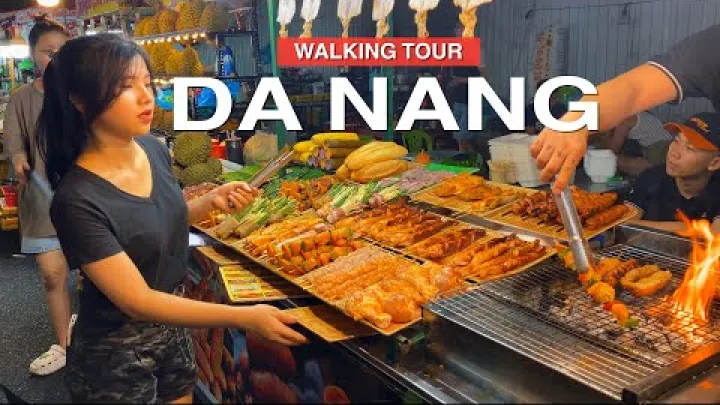
Night markets can be easier for first-timers because many stalls cater to visitors with pictures, simple menus, and “try and buy” samples. At the same time, they can be more crowded and noisy than daytime markets, and the items can be more similar from stall to stall. If your goal is unique local groceries, a daytime market may be better. If your goal is a relaxed night out with snacks and people-watching, the night market is the better match.
Crowd management matters more at night. Keep your phone secure, avoid placing wallets in back pockets, and choose a bag you can keep in front when moving through dense areas. If you are traveling with others, agree on a clear meeting point in case you get separated. For shopping, stalls with visible prices reduce misunderstandings, and it is reasonable to ask the price again before handing over money if the market is loud.
| Feature | Day market | Night market |
|---|---|---|
| Best for buying | Fruit, herbs, spices, daily groceries, household basics | Cooked food, snacks, souvenirs, casual clothing, small gifts |
| Crowd level | Busy early; can be calmer later depending on area | Often crowded in peak evening hours, especially weekends |
| Price style | More fixed for groceries; limited bargaining | More bargaining for shopping items; food often fixed |
| Comfort factors | Can include strong smells in wet sections | More noise and shoulder-to-shoulder walking |
Bargaining and pricing expectations for visitors
Bargaining is part of many market experiences, but it is not universal. It is most common for souvenirs, clothing, bags, and non-food items where prices are not clearly displayed. It is less common at many cooked-food stalls, and it is usually not appropriate for low-cost essentials like a single drink, a simple breakfast, or small amounts of vegetables. When prices are posted, treat them as fixed unless the seller suggests a discount for buying multiple items.

A polite approach works better than an aggressive one. Start by asking the price, then make a calm counteroffer if you believe it is too high. Keep your tone friendly, and be ready to walk away if you cannot agree. In many cases, the goal is not to “win,” but to reach a fair price that feels reasonable for both sides, especially for handmade items or small family businesses.
Simple script-like phrases in English can help you stay consistent and translation-friendly. You can show these lines in a translation app if needed: “How much is this?” “Is that the total price?” “Can you do a better price if I buy two?” “I can pay this amount.” “Okay, thank you.” For numbers, using a calculator screen or typing the number into your phone often prevents misunderstandings faster than speaking.
Fair behavior matters. If the difference is small, it is often better to accept the price and move on than to keep negotiating. Avoid bargaining hard over very low-cost items, because the savings for you are small but the impact on the vendor’s margin can be meaningful. When you do negotiate, confirm whether the price is per item, per kilogram, or per portion before you agree.
Ho Chi Minh City Markets: Classic Stops and Local Favorites
Ho Chi Minh City has many market styles, from large central halls known to tourists to local neighborhood markets focused on produce and daily necessities. Visitors often use “market” as a way to combine sightseeing with practical shopping: try a snack, pick up coffee or packaged treats, and browse small gifts. Because the city is large and traffic can be intense, choosing a market that matches your location and energy level makes a big difference.
For first-time visitors, it helps to plan your market visit around your purpose. If you want souvenirs and a concentrated experience, choose a well-known central market where many stalls are used to international customers. If you want a more local feel, choose a produce-focused market and go earlier for freshness and calmer aisles. If you want an easy evening activity, look for evening market areas or walking streets where snacks and casual shopping are the main focus.
The city’s best-known central market for souvenirs and quick food
The most famous central market experience in Ho Chi Minh City is often associated with souvenirs, textiles, and packaged snacks, plus quick street foods nearby. The appeal is convenience: a dense cluster of stalls where you can compare similar items quickly and sample small foods without traveling far across the city.

If you plan to visit, confirm the current entrances and operating times on map listings close to your travel date. People also search for Ben Thanh Market Vietnam opening hours, and this is best checked shortly before you go because hours can shift on holidays or due to local changes. When you arrive, take a slow first loop to understand where food, clothing, and souvenirs are concentrated, then return to the stalls that look reliable.
Quality checks help you avoid disappointment, especially for textiles and packaged goods. For clothing and bags, inspect stitching, seams, and zippers, and check that labels and care tags look consistent. For packaged snacks and coffee, look for intact seals, clear printed dates when available, and packaging that does not feel damp or heavily sun-faded. For higher-value purchases, ask for a receipt and keep it with the item, which can be helpful if you need to organize your purchases later.
Because central markets are busy, keep your purchases practical. Choose items you can pack easily, avoid fragile goods unless you are confident about protection, and compare two or three stalls before deciding. If you feel pressured, step away and come back later; many markets reward patience more than speed.
Where locals shop: produce-focused markets and practical shopping
Local-focused markets in Ho Chi Minh City can be a better choice if your priority is fresh fruit, herbs, spices, and everyday items. These markets serve residents first, so the selection often reflects what people cook at home and what is in season. You may see fewer souvenir stalls, but you can get a clearer view of daily routines and typical ingredient choices. For newcomers living in the city, these markets can become the most useful places for regular shopping.
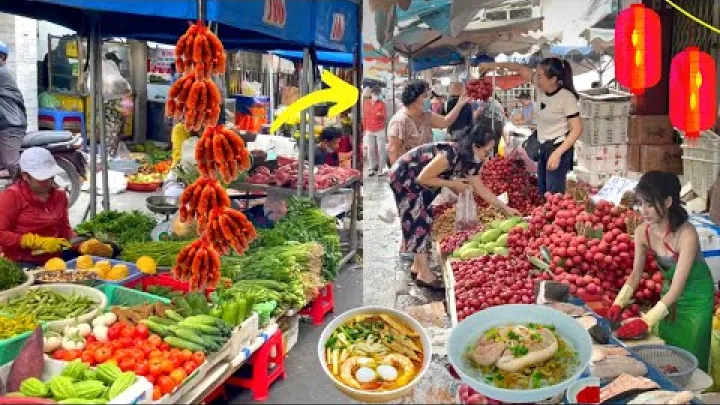
Timing and navigation make the experience smoother. Going earlier usually means better freshness, and it can also mean less heat and less crowding. Many markets have a wet section and a dry section, so you can choose where to spend time based on comfort. Basic food-safety habits still apply: choose vendors with clean surfaces, keep raw items separate from ready-to-eat foods, and avoid buying perishable goods if you do not have a plan to refrigerate them soon.
Bring a few practical items and keep your setup simple:
- Small cash and small bills
- A reusable bag that can handle moisture
- Tissues or wet wipes
- Hand sanitizer
- A bottle of water in hot weather
It is also wise to avoid flashy jewelry and to keep phones and wallets secure in crowded aisles.
A helpful habit is to observe first and buy second. Walk through once to see typical prices and what looks freshest, then return for purchases. This reduces impulse buying and makes it easier to compare quality. If you are unsure about a product, buy a small quantity first, then come back after you learn how to use it.
Evening market areas: casual browsing, snacks, and people-watching
An evening market outing in Ho Chi Minh City often looks like a relaxed loop: a few small plates or snacks, a drink, and light browsing for simple items. Compared with morning markets, the pace can feel slower, with more groups of friends and families. Visitors searching for Vietnam night market Ho Chi Minh or Market Saigon Vietnam are often looking for this kind of easy evening plan rather than a place to buy raw ingredients.

Food choices at night are usually broader, but quality varies by stall. A simple way to choose is to look for high turnover, cooked-to-order items, and clean prep surfaces. If you can see how raw and cooked foods are handled, prefer stalls that keep them separate. When in doubt, choose hot foods that are prepared in front of you and avoid items that have been sitting at room temperature for a long time.
Noise and accessibility can be important for families and older travelers. Some evening market areas have loud music, dense crowds, and limited seating. If you prefer a calmer experience, arrive earlier in the evening, choose a street with more space, and plan short breaks. For strollers or mobility limitations, prioritize wider walking areas and avoid tight lanes where motorcycles may still pass near the edge of the market zone.
Keep expectations realistic: evening markets are excellent for atmosphere and sampling, but not every purchase will be unique. If you find something you truly like, check it carefully and ask the price clearly before you pay, especially if you are buying more than one item.
Hanoi and Northern Vietnam Markets: Covered Halls, Weekend Streets, and Mountain Markets
Markets in Hanoi and Northern Vietnam range from large covered halls to weekend street markets and regional mountain town markets. The variety reflects different climates, travel patterns, and local economies. For visitors, northern markets can be a practical shopping option during rainy weather, a fun weekend activity in the Old Quarter area, or a cultural experience in smaller towns where crafts and textiles are important.
Planning helps because market experiences in the north can change significantly by day of week and season. Some street markets appear only on weekends, while covered markets operate more consistently. In mountain areas, market days may follow local schedules that are not obvious to first-time visitors. The most reliable approach is to decide what you want to buy or experience, then confirm the location and recent activity on maps and traveler reviews shortly before you go.
A large covered market experience in the capital
A major covered market in Hanoi is often appealing because it is dense, indoors, and easier to visit during poor weather. Visitors commonly look for clothing, accessories, small gifts, and practical items, and many stalls carry similar categories grouped by floor or section.

Navigation is the main challenge in large covered markets. A simple strategy is to start with one aisle, go slowly, and note a few landmarks such as staircases, signs, or a main entrance. Setting a time limit can help you avoid fatigue because the visual density can be tiring. If you see an item you like, take a photo of the stall front (if appropriate) so you can find it again after comparing prices elsewhere.
When buying clothing or fabric items, focus on fit and material rather than brand names. Sizing can differ from what you expect, so check measurements if possible and inspect seams, stitching, and lining. Fabric quality checks are simple: hold the cloth up to light for thickness, feel for softness or scratchiness, and look for even weaving. Returns may be limited or not available, so assume you should decide carefully before paying.
If you are buying multiple items, confirm the total clearly. Using a calculator display or a written number on your phone can prevent misunderstandings. Keep receipts for higher-value purchases, and pack items carefully because compact markets often mean tight bags and pressure on fragile packaging.
Weekend night market streets: what to eat and what to skip
Weekend night market streets in Hanoi often involve temporary stalls set up along walking-only stretches. These areas are designed for browsing, snacking, and casual buying rather than serious grocery shopping. Travelers searching for Vietnam night market Hanoi or Night market Hanoi Vietnam are usually looking for the atmosphere: lights, street performances, and a simple way to spend an evening without planning a formal restaurant meal.

Food is a main attraction, but items and vendors can change from week to week. A “try this” approach that stays safe is to choose foods that are cooked hot in front of you, served immediately, and handled with clean tools. If you have dietary needs, prefer simple preparations where ingredients are visible and easy to describe. If you are unsure, skip foods that have been sitting uncovered or that mix raw and cooked ingredients on the same surface.
Accessibility and crowding deserve attention on weekend walking streets. In peak periods, the crowd can be dense and slow-moving, and it can be easy to lose track of companions. Choose a clear meeting point such as a well-lit storefront or a major intersection and agree on a time to regroup if separated. Keep phones secure and step to the side when stopping to eat so you do not block the flow.
For shopping, focus on small, low-risk items unless you have time to compare quality. Weekend stalls can be great for simple souvenirs, but they are not always the best place for higher-value purchases that require careful inspection.
Northern mountain town markets: crafts, textiles, and cultural etiquette
Mountain town markets in Northern Vietnam can feel very different from big-city shopping. Visitors often come for handmade textiles, local produce, and a cultural experience that includes traditional clothing and regional foods.
![Preview image for the video "SaPa, Vietnam Local Market - 4K Virtual Walking Tour [4K Ultra HD/60fps]".](/sites/default/files/styles/media_720x405/public/oembed_thumbnails/2025-12/SVFN_afN5grqin0fHfDLiTMvMjSCE50zSgy_s4R3rLs.jpg.webp?itok=92stRTcL "Preview image for the video \"SaPa, Vietnam Local Market - 4K Virtual Walking Tour [4K Ultra HD/60fps]\".")
Cultural etiquette matters more in smaller communities. Ask before taking close-up photos of people, especially children and elders, and accept “no” without debate. If you want a photo of a stall or craftwork, a simple gesture and a short question through a translation app can help. Keep your behavior calm and respectful, and avoid touching items like textiles or accessories without permission, because handling can be seen as a sign you want to buy.
Buying crafts ethically means paying a fair price and choosing items you will actually use or treasure. Avoid pressuring sellers, and do not bargain aggressively if the item appears handmade and the price difference is small. Look for practical packing considerations: textiles fold well, while bulky items may be hard to carry. If you are uncertain about how an item was made, ask simple questions about materials and care, and compare two or three stalls before choosing.
If you are offered add-on experiences that feel staged or uncomfortable, it is acceptable to decline politely. A respectful visit supports local livelihoods best when purchases are voluntary and based on genuine interest.
Central Vietnam Markets: Regional Flavors and Craft Shopping
Central Vietnam markets are often remembered for strong regional flavors and a mix of everyday goods with edible specialties. Travelers passing through historic cities may look for sauces, spices, dried seafood, and packaged treats that represent local cooking styles. Markets can be practical shopping spaces for residents, but they also serve as a good place for visitors to find compact gifts that travel better than fragile souvenirs.
Shopping in central regions benefits from a plan for packing and transport. Some food items have strong smells, some liquids can leak, and some powders can create a mess in luggage if not sealed well. If you are flying, it is also important to consider airline rules and your destination’s import regulations.
Shopping in central regions benefits from a plan for packing and transport. Some food items have strong smells, some liquids can leak, and some powders can create a mess in luggage if not sealed well. If you are flying, it is also important to consider airline rules and your destination’s import regulations. A careful approach protects your luggage, reduces waste, and helps you avoid buying items that are difficult to carry or that may be restricted later.
Historic city markets: local specialties and everyday shopping
In historic central cities, markets often combine daily groceries with regional specialties. You may see chili-based sauces, dried herbs, preserved fruits, dried seafood, and local snack packs that are easy to share. Many visitors search for Dong Ba Market Hue Vietnam or Dong Ba Market Vietnam because these markets are well known for regional products and an authentic shopping atmosphere. Even if you do not plan to cook, browsing these sections can help you understand local tastes and ingredients.

Edible souvenirs are easiest when they are sealed and clearly packaged. Prefer items with intact wrapping and labels, and buy from stalls with steady customer flow. If you are buying liquids, pastes, or anything with oil, assume it can leak and plan accordingly. If you are unsure about an item’s storage needs, ask whether it must be kept cold and avoid perishable goods unless you can refrigerate them quickly.
Transporting edible souvenirs safely is mostly about containment. Double-bag items with strong smells, keep liquids inside an additional sealed plastic bag, and separate foods from clothing in your luggage. If you are flying, check airline rules for liquids and any powdered products, and keep items in original packaging if possible. Labeling items in your own notes app can also help you remember what is what when you unpack.
Because selection varies, focus on flexible purchases: small quantities first, then return to buy more if you like the taste. This reduces waste and makes it easier to manage your packing space.
How to shop for crafts responsibly in tourist corridors
Craft shopping in heavily visited areas can be enjoyable, but it also comes with common pitfalls. It is easy to buy impulsively when many stalls sell similar items, and product origins may not be clear. Prices can be higher in tourist corridors, and quality can vary even when items look the same. A practical approach is to compare several stalls before you buy, then choose based on workmanship and usefulness rather than the most aggressive sales pitch.

Asking simple questions can improve results, even with limited shared language. You can ask about materials, where the item was made, and how to care for it. For textiles and embroidery, inspect the back side if possible and look for consistent stitching and clean finishing. For wood or lacquer-style items, check for rough edges, uneven paint, or strong chemical smells that can linger in luggage.
Recognizing mass-produced items is not always easy, but there are clues. Perfectly identical patterns across many stalls, repeated labels that do not match the product, and unusually uniform stitching can suggest factory production. Handmade work often shows small variation in patterns and finishing, and the seller may explain materials more clearly. Mass-produced items are not always “bad,” but you should pay a price that matches the quality and your expected use.
If you want to ship larger purchases, choose options that feel transparent: ask for the total cost, what is included (packing and insurance if offered), expected delivery timing, and what happens if the package is delayed. Avoid handing over your passport or sensitive documents as “security,” and keep your own record of what you paid and what you shipped.
Mekong Delta Floating Markets: What to Expect and How to Visit
Floating markets are one of the most distinctive market experiences in southern Vietnam, but they are not the same as a tourist shopping street. A floating market is primarily about trade on water, often focused on produce and daily goods moved by boat. For visitors, it can be memorable because it shows how waterways shape local commerce. At the same time, the experience can change due to season, weather, and long-term economic shifts, so expectations should stay flexible.
Planning a floating market visit requires a bit more attention to logistics than a city market visit. You will be on a small boat, you may need an early departure depending on the local pattern, and conditions can be hot, wet, or windy. Comfort and safety are closely linked to the boat type, the driver’s approach, and the day’s weather. The best outcomes come from confirming recent reports, clarifying the route and price before you pay, and choosing an option that matches your comfort level on the water.
What a floating market is and why it exists
A floating market is a marketplace where buying and selling happens boat-to-boat, often with a strong focus on fruits and vegetables. It developed because waterways were historically the most efficient transport routes in parts of the Mekong Delta. Instead of bringing goods to a single land-based market, traders could meet on the river and exchange products directly. For visitors, this means you may see boats loaded with produce and smaller boats moving between them to sell drinks or simple foods.
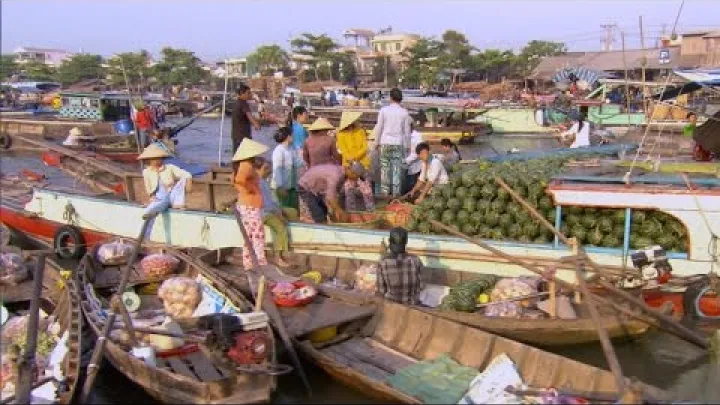
It is important to set expectations carefully. The activity level can vary by time of day, season, and local economic changes, and the scene may be quieter than older photos suggest. Some days feel lively; other days feel more like a river commute with occasional trading. Checking recent traveler reviews can help you choose a day and a departure time that is more likely to match the experience you want, without relying on exact peak-hour claims that may not hold year to year.
Accessibility and motion concerns are real for first-time boat riders. Small boats can feel unstable when you stand up or shift weight quickly, and getting in and out can require a careful step. If you are prone to motion discomfort, sit low, keep your movements slow, and choose a route that limits long exposure to wind and waves. Bringing sun protection and water is also useful because shade can be limited on open water.
If you prefer a calmer experience, consider focusing on the overall river life rather than expecting constant transactions. Watching how goods are moved, how boats navigate, and how people communicate across the water can be just as interesting as buying something.
Choosing the right floating market trip: independent vs organized options
There are two common ways to visit a floating market: arranging a boat locally or booking an organized tour. An independent arrangement can offer more control over timing and stops, and it can be simpler if you are already near the river and comfortable negotiating. An organized tour often provides clearer structure, potential language support, and bundled transport.

Each approach has trade-offs. Independent trips can be flexible, but price transparency may depend on your negotiation skills and your ability to confirm what is included. Tours can reduce uncertainty, but they may include stops you did not request, such as shops or “experience” add-ons. In either case, the best practice is to ask clear questions before paying and to confirm the route in simple terms.
Questions to ask before you pay help avoid surprises:
- What is the total price, and is it for the whole boat or per person?
- How long is the trip from start to finish?
- What stops are included, and are any stops optional?
- Is pickup included, and from exactly where?
- Are entrance fees or food included, or paid separately?
- What is the cancellation or reschedule policy if weather changes?
Confirm the pickup location carefully if transport is involved, because river areas can have multiple docks. If you are using messages to confirm details, keep the final agreement in writing on your phone so you can refer to it later.
Responsible visits: avoiding scams and reducing negative impacts
Responsible floating market visits protect both travelers and local communities. Common problems can include overpriced add-ons, pressure to buy items you do not want, or “photo stops” that feel staged. The simplest defense is clarity: confirm the plan and total cost before the boat departs, and ask whether extra stops are optional. If something feels uncomfortable, it is acceptable to decline politely and return to the agreed route.

Low-impact behavior is straightforward. Do not litter, keep noise low near working boats and homes, and avoid blocking narrow waterways for photos. If you buy something, choose items you genuinely want rather than purchasing out of pressure. Buying directly from vendors can support local livelihoods, but only when the transaction feels normal and unforced.
Safety should be calm and practical, not alarming. Wear a life vest if one is available, and ask for one if you do not see it offered. Sit steadily, avoid sudden movements, and follow the boat operator’s instructions when approaching other boats. Weather can change quickly on open water, so if conditions look rough, prioritize a shorter route or rescheduling rather than pushing through discomfort.
Finally, keep expectations realistic and respectful. Floating markets are working environments, not theme parks, and the best visits treat the river as a shared space where commerce continues whether or not tourists are present.
What to Buy at a Vietnam Market: Food, Coffee, Textiles, and Souvenirs
Knowing what to buy at a Vietnam market helps you avoid common mistakes like overpacking, buying fragile items, or choosing foods that do not travel well. The best purchases are usually practical: items you can use during your trip, gifts that are easy to carry, and food products with sealed packaging. A careful approach also reduces stress at airports, because some products may be restricted by your destination’s import rules.

Market shopping is most successful when you match the item to the market type. Daytime markets are better for ingredients and household basics, while night markets are better for snacks and souvenirs. Covered markets can be convenient for clothing and accessories, but you should assume returns are limited. When in doubt, buy small first, test quality, and then return for larger purchases if you still want them.
Edible souvenirs: snacks, spices, and packaged specialties
Edible souvenirs that travel well are usually sealed, dry, and clearly packaged. Common categories include packaged snacks, dried goods, roasted nuts, coffee, tea, and spice blends. The most important features are intact seals and packaging that looks clean and undamaged. If you are buying items in a humid environment, avoid packages that feel soft, damp, or already opened.

Food-safety and authenticity checks can be simple. Prefer stalls with high turnover, because products are less likely to sit for long periods. Look for clear labeling when available, and avoid items with leaking oils or sticky residues on the outside of the package. If a product is sold loose, consider whether you can store it safely and whether it may create strong smells in your bag.
Checklist for packing edible items with fewer leaks and odors:
- Use two layers of bags for liquids, pastes, and strongly scented items
- Separate food from clothing using a dedicated pouch or plastic bag
- Keep items in original packaging when possible
- Choose smaller quantities first, then buy more if you like them
Before buying large quantities, check your destination’s import rules and airline restrictions. This is especially important for liquids, powders, seeds, and animal products, because rules vary and can change.
Clothing and textiles: sizing, fabric quality, and care
Markets often sell casual clothing, scarves, light jackets, bags, and simple accessories. These can be good value, but sizing standards may differ from what you expect, and quality can vary widely. If you are unsure about fit, consider items with flexible sizing like scarves or loose outer layers. For tailored items, check measurements rather than relying on a size label.
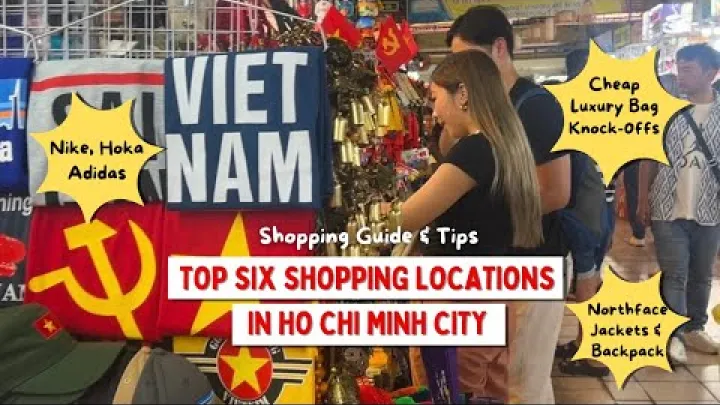
Practical quality checks take only a minute. Inspect seams for loose threads, check zippers and buttons, and look at the inside lining if there is one. A simple color-transfer test is to rub a small tissue on a hidden area; if the tissue picks up strong dye, wash separately later. For printed items, check whether the print is evenly applied and not already peeling.
Negotiating fairly is easier when you stay clear and calm, especially if you are buying multiple items. You can ask for a small discount for quantity, confirm the final total, and pay promptly once you agree. If the seller refuses, you can decide whether the difference is small enough to accept, without turning the interaction into a conflict.
Care advice that is easy to follow and translate: wash in cold water when possible, separate dark and light colors, and air-dry if you are unsure about shrinkage. If you are traveling, quick-dry fabrics can be more practical than heavy cotton in humid climates.
Home goods and gifts: what is worth buying and what is risky
Good market gifts are lightweight, durable, and easy to pack. Small crafts, kitchen tools, reusable bags, simple decor, and locally made stationery items often fit these criteria. Items can be meaningful without being expensive, especially if they connect to daily life rather than tourist branding. If you are buying for coworkers or friends, choosing several small, similar items can simplify packing and budgeting.

Some categories are riskier. Fragile ceramics can break easily without strong packaging, and electronics of uncertain origin may not be compatible with your home country’s plugs or safety standards. Branded luxury items sold cheaply may be counterfeit, and buying them can create legal and ethical problems. A safer approach is to choose unbranded items where quality is visible and functionality is easy to test.
Before paying, request careful wrapping for fragile items and check that parts are complete. For items with moving parts, test them briefly if possible, such as opening and closing a clasp or checking that a lid fits securely. If you are buying a set, count the pieces in front of the seller to avoid missing items later.
To evaluate value, focus on usefulness, durability, and ease of packing. If an item is hard to carry, hard to clean, or likely to break, it is often better to skip it and choose a simpler souvenir you will actually use.
Practical Tips for Visiting Markets in Vietnam
Practical habits make markets in Vietnam easier, safer, and more enjoyable, especially for first-time visitors. The biggest challenges are usually simple: handling cash, navigating crowds, and ordering food confidently without perfect language skills. A small amount of preparation can prevent most problems, and it also reduces stress if the market is loud or busy.
It is useful to treat a market visit like a short routine rather than a major event. Bring the right small items, keep your valuables secure, and plan a short break if you are visiting a large market. If you are traveling with children or older family members, prioritize comfort: shade, water, and less crowded times can matter more than seeing every stall. The tips below are designed to work across cities and market types, including searches like “Vietnam market” and “Vietnam market near me,” where the exact location may vary.
How to handle money: cash, small bills, and digital payments
Cash is still the most reliable way to pay in many markets, and small bills are especially useful. During busy periods, vendors may not have exact change, and using large notes can slow down the transaction. Carrying a mix of small denominations helps you pay quickly and reduces confusion when the market is crowded or noisy.
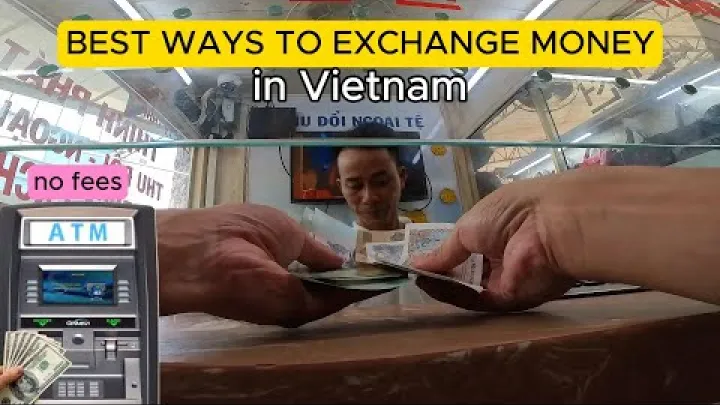
Digital payments are increasingly common in some areas, but visitors should not assume every stall accepts them. If you want to pay digitally, confirm before ordering food or agreeing to a price. Even when a vendor accepts a digital method, connectivity can fail, so having backup cash prevents problems. For higher-value purchases, you can ask for the total in writing to reduce misunderstandings.
For safety, keep cash in separate places rather than one large wallet. Take out only what you need for the next purchase and keep the rest secured. Avoid showing a thick stack of notes in public, especially in crowded lanes where it is easy to be distracted.
To verify totals across language barriers, use a calculator or your phone. Ask the vendor to type the total or point to the displayed number, then repeat the number on your phone screen to confirm you understood. This method is fast, respectful, and works even when pronunciation differs.
Bargaining without stress: a step-by-step approach
Bargaining can feel uncomfortable if you are new to it, but it becomes manageable when you follow a simple process. The goal is clarity and goodwill, not conflict. Bargaining is most appropriate for souvenirs and clothing with no visible price. It is less appropriate for low-cost food items or goods with fixed signage, where negotiation can waste time and create awkwardness.
Misunderstandings usually happen when the unit is unclear. Some prices are per item, others are per kilogram, and food can be priced per portion or per add-on. Before you bargain, confirm what the price applies to. If you are buying more than one item, confirm whether the quoted price is for one piece or the full set.
- Ask the price clearly and calmly.
- Show interest, but do not commit immediately.
- Make a polite counteroffer using a number on your phone or a calculator.
- Pause and let the seller respond; avoid repeating the same offer too quickly.
- Confirm the final price and the quantity before paying.
- Pay, say thank you, and leave respectfully.
If the difference becomes very small, it is often best to stop bargaining and accept the price. This keeps the interaction positive and saves time, especially when you are buying something inexpensive.
Food hygiene and dietary needs: choosing stalls and ordering safely
Market food can be excellent, but choosing the right stall matters. Practical cues are consistent across cities: prefer stalls with high customer turnover, hot food cooked to order, and a clean-looking prep area. When you can see the cooking process, choose vendors who separate raw and cooked foods and use clean tools. If you are unsure, select simpler dishes with fewer ingredients and avoid sauces or garnishes you cannot identify.

If you have dietary restrictions or allergies, keep requests simple and use a translation tool. Showing a short written note is often more effective than speaking quickly in a noisy market. When there is uncertainty, choose plain options and avoid mixed items where ingredients are hard to separate. It can also help to buy from a stall that seems used to explaining menu items, such as one with pictures or clear signage.
Hydration and heat management are easy to overlook in crowded markets. Bring water, take short breaks, and step outside to a quieter area if you feel overheated. In hot, humid weather, a slow pace is safer and more comfortable than trying to see everything quickly.
This guidance is practical, not medical. If you are highly sensitive to certain foods, prioritize caution and choose vendors where you can clearly confirm ingredients and preparation.
Opening hours, getting there, and staying safe in crowds
Market opening hours vary widely by type and location. Daytime wet markets may be most active earlier, while night markets and evening shopping streets focus on later hours. Because listings can change, it is best to verify details shortly before your visit using map apps and recent reviews. This is especially relevant for broad searches like “Vietnam market,” “Vietnam market near me,” and opening hours queries, where the correct result depends on your neighborhood and the day.

Getting to a market can be as simple as walking, but in busy cities you may prefer ride-hailing. Choose a safe pickup and drop-off point where the driver can stop without blocking traffic. Be cautious around intersections and market edges where motorcycles may pass close by. If you are carrying many items, plan your return route in advance so you do not need to stand in dense crowds while organizing bags.
Safety in crowds is mostly about small habits. Keep your bag in front in tight spaces, hold your phone securely, and avoid placing valuables in easy-to-reach pockets. If you are traveling in a group, decide on a meeting point before entering the densest area. If you feel uncomfortable, step into a calmer side street and regroup.
- Choose a clear meeting point (a corner, a sign, or a well-lit entrance).
- Wear your bag in front when the crowd is dense.
- Keep phone use brief and close to your body.
- For families and older travelers, aim for less crowded times and shorter visits.
Frequently Asked Questions
What is the difference between a wet market and a night market in Vietnam?
A wet market is mainly for fresh groceries such as produce, meat, seafood, and herbs, often busiest earlier in the day. A Vietnam night market is mainly for cooked food, snacks, and casual shopping in the evening. Wet markets can feel more local and practical, while night markets are usually more social and tourist-friendly.
Is bargaining expected at a Vietnam market?
Bargaining is common for souvenirs, clothing, and items without clear price tags. It is usually not expected for many cooked-food stalls or low-cost essentials. The best approach is to ask the price calmly, make a polite counteroffer when appropriate, and stop if the difference becomes small.
How do I find the right market when searching Vietnam market near me?
Use map listings to check photos, recent reviews, and whether the place is a daytime market or an evening market area. Confirm the location pin and main entrance before you leave because some listings can be similar. Re-check details close to your visit date because hours and stall activity can change.
What should I bring to a market in Vietnam?
Bring small cash, a reusable bag, tissues or wet wipes, and hand sanitizer. Carry water in hot weather and keep your phone and wallet secure in crowds. If you have dietary needs, bring a short translated note on your phone to show vendors.
Are floating markets in Vietnam worth visiting?
Floating markets can be worth visiting if you want to see river-based trade and daily life shaped by waterways. The experience varies by season, time of day, and local economic changes, so it may be quieter than expected. Checking recent reviews and confirming the route and total price before you pay improves the experience.
How can I choose safer street food at markets?
Choose stalls with high turnover and food cooked hot to order. Prefer vendors with clean prep surfaces and clear separation between raw and cooked foods. When uncertain, select simple items with visible ingredients and confirm the price before ordering.
Conclusion: A Simple Plan for Exploring Markets Across Vietnam
A good Vietnam market experience is usually the result of a simple plan: choose the right market type for your goal, go at a time that matches your comfort level, and keep your first visit flexible. Traditional daytime markets show everyday routines and ingredients, night markets add atmosphere and easy snacks, and floating markets offer a distinctive southern perspective shaped by waterways. Across all of these, the basics stay consistent: confirm locations and hours close to your visit, keep transactions clear, and move respectfully through crowded spaces.
If you are visiting multiple regions, markets can also help you notice differences in flavor, crafts, and daily habits from north to south. Small purchases first are often the best way to learn what you actually enjoy and what packs well. The sections below offer a simple itinerary framework and final reminders you can use before any market visit.
Building a market itinerary by region and interest
An adaptable market itinerary usually works best when it includes variety rather than repetition. Consider combining one classic city market (for orientation and souvenirs), one local daytime market (for fresh food and daily life), and one night market (for snacks and evening atmosphere). If your route includes southern Vietnam, adding one floating market can round out the experience, as long as you confirm recent conditions and choose a trip that fits your comfort level on boats.
You can also choose markets by interest. If your priority is food, focus on daytime markets for ingredients and evening areas for cooked dishes, and buy small amounts first to test what you like. If your priority is shopping, use covered markets and central markets to compare similar items across stalls, and plan time for careful inspection. If you dislike crowds, aim for earlier visits, shorter sessions, and markets with wider walkways or indoor space.
A simple framework (not a rigid schedule) is to plan markets in “pairs.” Start with a well-known market to learn the basic layout and pricing style, then visit a more local market once you feel comfortable. Add a night market when you want a low-effort dinner and browsing. Use a floating market as a single special experience rather than trying to fit multiple river stops into a short time.
Wherever you go, let your travel route guide your choices. It is usually better to enjoy one market fully than to rush through several in one day.
Final reminders for a good market experience
Respectful behavior and clear communication create better outcomes than perfect language. Confirm prices before you commit, especially for multiple items or for anything sold by weight. Bargain calmly when it is appropriate, and avoid pushing hard over very low-cost goods. If something feels unclear, step away, compare other stalls, and return later with a clearer decision.
Trying small purchases first is a reliable strategy. Buy one snack, one small pack of coffee, or one textile item, then check quality and practicality for packing. If you are happy, return for larger purchases with more confidence. This approach also reduces waste and helps you stay within your budget.
Last-minute checklist before you go:
- Small cash and small bills
- Reusable bag and a separate bag for food items
- Water and sun protection
- Tissues or wet wipes and hand sanitizer
- Translation app and a notes app for showing numbers
Once you feel comfortable, exploring beyond the most famous market often leads to calmer aisles, more practical goods, and a clearer view of daily life.
Select area
Create a post
Posting is free and no registration is required.