- Tay Son Heaven and Earth Esplanade: Historic Shrine in Quy Nhon
- Quang Trung Museum: Tay Sơn History & Culture in Quy Nhon
- Banh It Cham Towers: Ancient Heritage & Photography in Quy Nhon
- The Thon Beach in Cat Tien: Clean Shores & Affordable Watersports
- Linh Phong Pagoda in Quy Nhon: The Sacred Mountain Temple
Vietnam War Years Timeline: A Clear Timeline From Start to End
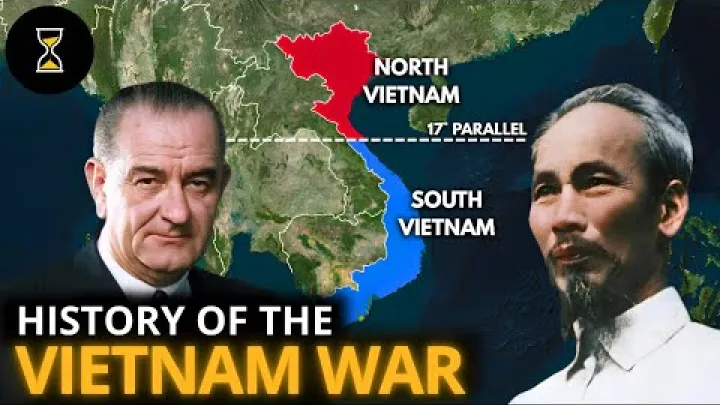
When people ask about the Vietnam War years, they often want one simple range of dates, but different timelines are used in different contexts. Some date the conflict by events inside Vietnam, while others focus on the years of major United States combat involvement. This article defines the main ways the dates are counted and explains why start and end markers vary. You will also find a clear, chronological timeline that connects early background events to the war’s final outcomes in 1975.
The short answer: What years were the Vietnam War?
Most readers searching for a Vietnam War years timeline are trying to match a family story, a school lesson, or a museum label to a clear set of dates. The difficulty is that “the Vietnam War” can mean either the broader conflict in Vietnam or the narrower period when the United States fought large-scale combat operations there. Both uses are common, and both can be correct depending on what you are studying.

To keep the answer practical, the next sections give the most common date ranges first, then explain the markers behind them. If you need a single line for quick reference, use the broad Vietnam-centered range. If you need dates for a United States history class or a veteran’s service timeline, use the U.S. combat-involvement range and then note that the fighting in Vietnam continued after U.S. withdrawal.
The most common dates for the war in Vietnam
In plain language, this article uses “the Vietnam War” to mean the prolonged conflict in Vietnam that followed the country’s division into rival North and South governments and ended when the South Vietnamese government collapsed in 1975. Using that definition, the Vietnam War years are most often described as the mid-1950s through 1975. You will see slightly different “start” years in books and classrooms because the conflict grew in stages rather than beginning with one single declaration.

Readers commonly treat the post-1954 period as the opening bookend, because international agreements created a temporary division of Vietnam and set the political structure that shaped later fighting. The most widely cited end bookend is April 1975, when the South Vietnamese government fell and the war’s main military phase concluded.
The years of major United States combat involvement
In a United States context, many people mean the period when U.S. forces were conducting sustained, large-scale combat in Vietnam. A common framing is 1965 to 1973: 1965 marks the start of sustained U.S. ground combat and major air operations, and 1973 marks the withdrawal of U.S. combat forces after the Paris Peace Accords. This is why searches such as “vietnam war years us involvement” often return a narrower range than Vietnam-centered timelines.

This narrower range is frequent in schools, veterans’ organizations, museums, and family histories because it aligns with the years when U.S. troop levels rose dramatically, the draft affected many households, and U.S. casualties were concentrated. If you are studying for an exam focused on U.S. history, 1965–1973 is often the most useful timeline to memorize first. If you are researching Vietnam’s national history, you will usually use a longer mid-1950s–1975 framework. The next section explains why these date sets coexist and how to choose the right one for your purpose.
How many years did the Vietnam War last?
The number of years depends on which start and end markers you choose. If you use the broad Vietnam-centered frame (mid-1950s to 1975), many summaries describe the conflict as lasting about two decades. If you use a U.S.-centered combat frame (1965 to 1973), the period is under a decade. Both descriptions can be accurate because they are measuring different things: the full duration of war in Vietnam versus the years of peak U.S. combat involvement.
When you calculate duration, be clear about whether you count years inclusively (counting both the start and end years as full years) or by simple subtraction (end year minus start year). For example, “1965 to 1973” spans eight years by subtraction, but it touches nine calendar years if you list each year from 1965 through 1973. In everyday conversation and many textbooks, people use a rounded description rather than strict month-by-month counting.
If you need a quick comparison, here are two complete sentence summaries. Using a Vietnam-centered timeline from the mid-1950s to 1975, the war is often described as lasting roughly twenty years. Using a U.S. combat-involvement timeline from 1965 to 1973, the period of major U.S. combat operations lasted roughly eight years, even though the fighting inside Vietnam continued after U.S. forces withdrew.
Why the Vietnam War has different start and end dates
Different start and end dates appear because the conflict did not begin as one single event, and it did not end in the same way for every country involved. For Vietnam, the central issue is the country’s division and the long struggle over political control that followed. For the United States, the central issue is when U.S. forces entered sustained combat and when they withdrew. For Cold War history, the focus may be on when international involvement became decisive and how regional alliances shaped the fighting.

Understanding these lenses helps you answer “what years did the Vietnam War take place” in a way that matches the questioner’s intent. It also helps you read timelines without confusion: one timeline may be about Vietnamese political history, another about U.S. military operations, and a third about international diplomacy. The following subsections break down the most common definitions and the key date markers that create different timelines.
Different definitions used by historians, governments, and the public
One reason Vietnam War years differ is that historians and the public often define the “war” by different centers of gravity. A Vietnam-centered national history lens typically emphasizes the post-1954 division, the gradual escalation of armed conflict, and the war’s endpoint in 1975 when the South Vietnamese government fell. A Cold War lens often highlights the period when outside powers increased involvement and when the conflict became tied to wider global competition and alliance politics.
A United States-centered lens often focuses on U.S. military involvement, especially the years of sustained ground combat and major air operations that most directly shaped U.S. society. In different contexts, the same conflict is also known by different names, reflecting different national experiences and narrative priorities. In this article, the focus remains on dates and what changed at each marker, rather than on which label is used.
When someone asks you in conversation, a practical answer is to ask one clarifying question before giving dates: “Do you mean the war in Vietnam overall, or the years of major U.S. combat involvement?” If you cannot ask, a balanced reply is: “The conflict in Vietnam is often dated from the mid-1950s to 1975, and the major U.S. combat years are often dated from 1965 to 1973.” This keeps your answer accurate without becoming overly technical.
Common start-date markers and what they represent
Many timelines start after 1954 because international agreements ended the earlier First Indochina War and produced a temporary division of Vietnam. That division created two rival political systems and a long-term struggle over legitimacy and control, which is why a mid-1950s start date is common in broad Vietnam War years timelines. As fighting expanded in the late 1950s and early 1960s, some historians treat the growth of organized armed opposition and state instability as part of the war’s real beginning, even without a single “opening day.”

Other start markers are used when the question is really about U.S. escalation. A major turning point is 1964, linked to the Gulf of Tonkin incidents and subsequent U.S. policy decisions that widened U.S. authority to use force. Another widely used marker is 1965, when sustained bombing and large-scale U.S. ground combat began, making the war’s international dimension much more visible. These markers represent changes in scale and internationalization rather than the sudden appearance of conflict.
| Start marker | What it represents | Who often uses it |
|---|---|---|
| 1954 (post-partition period) | A temporary division creates rival governments and a framework for prolonged conflict. | Vietnam-centered timelines and many global overviews. |
| 1964 (Gulf of Tonkin turning point) | U.S. escalation becomes more likely and more authorized; the war becomes more international in practice. | U.S. policy timelines and some history courses. |
| 1965 (sustained U.S. combat) | Large-scale ground combat and major bombing campaigns begin, changing the war’s intensity. | U.S. military involvement timelines and many public summaries. |
Common end-date markers and what they represent
Two end dates are cited most often because different things ended at different times. In 1973, the Paris Peace Accords led to the withdrawal of U.S. combat forces, so many U.S.-focused timelines use 1973 as the endpoint. This is especially common when the topic is “years Americans fought in Vietnam,” because it matches the shift away from direct U.S. ground combat and the formal end of many U.S. operational roles.

In 1975, the South Vietnamese government collapsed during the final offensive, and the war’s main military phase inside Vietnam reached its decisive endpoint. This is why many global timelines and educational resources use 1975 as the end of the Vietnam War years overall. Even then, consequences did not stop on a single date: political transition, reconstruction, displacement, and regional tensions continued afterward, shaping why “the end” can feel different for different audiences.
If you feel unsure which date to use, ask yourself one decision question: “Do you mean the end of direct U.S. combat involvement, or the end of the war in Vietnam?” If the focus is U.S. combat forces, 1973 is the key marker. If the focus is the conflict’s final outcome in Vietnam, 1975 is the key marker, with important events before and after that year that still matter for understanding the full timeline.
Timeline of the conflict from colonial rule to partition
Some timelines of the Vietnam War years begin earlier than the mid-1950s to show why Vietnam was unstable and contested after World War II. This earlier period includes the end of colonial-era political control, the rise of independence movements, and a major conflict in Indochina that preceded the later North–South confrontation. Understanding this background helps explain why the later war became prolonged and why international involvement grew over time.
The goal in this section is not to cover every detail of colonial history. Instead, it highlights the key date anchors that explain why 1954 is so important and why the war that many people call “the Vietnam War” is connected to earlier fighting. If you are studying abroad, traveling, or reading museum timelines, these turning points help you connect local historical narratives with common international date ranges.
From the end of World War II to the First Indochina War
After World War II, political control across Southeast Asia shifted rapidly, and Vietnam was part of that wider upheaval. As colonial authority weakened and independence movements gained strength, conflict expanded into what is commonly known as the First Indochina War. This earlier war is important because it set patterns of organization, alliances, and international interest that continued into the later conflict between North and South Vietnam.

This earlier phase matters for understanding later U.S. involvement because it shaped how outside governments viewed the region’s strategic importance. It also influenced the diplomatic settlements that followed, including the agreements that produced a temporary division of Vietnam. When you see timelines that begin before 1954, they are usually trying to show that the later war did not emerge from a peaceful situation, but from a longer chain of conflict and political change.
The 1954 partition and the creation of two rival states
The 1954 settlement is a central turning point in many Vietnam War years timelines. In this context, “partition” means a political division of one territory into separate zones of control, intended as a temporary arrangement rather than a permanent border. After 1954, Vietnam was divided into northern and southern zones, and competing political authorities claimed legitimacy over the whole country. That structure created the conditions for a long struggle over reunification and governance.

This is why many broad timelines cite the mid-1950s as the start of the Vietnam War in a general sense. Even when large-scale foreign combat forces were not yet present, the division shaped internal security, political competition, and armed organization. Over time, conflicts that begin as political crises or internal fighting can expand into sustained war, and 1954 is the point when the “two rival states” framework became clear.
Key dates to remember include the following full-sentence anchors.
- In 1954, agreements following the First Indochina War created a temporary division of Vietnam into northern and southern zones.
- After 1954, rival governments developed in the North and South, each claiming authority over the country’s future.
- In the years that followed, violence increased as political conflict and armed opposition expanded, setting the stage for later international involvement.
The late 1950s and early 1960s: growing conflict before major U.S. troop deployments
In the late 1950s and early 1960s, conflict grew inside South Vietnam even before the arrival of large U.S. combat formations. The South experienced political instability, security challenges, and increasing armed opposition. In plain English, an “insurgency” is a type of conflict where armed groups try to weaken or replace a government through attacks, control of territory, and political influence, often without conventional front lines.
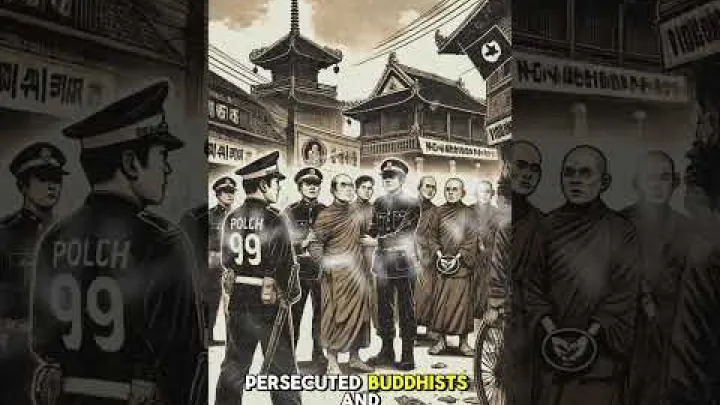
This period shows why a country can be “at war” even when another country has not yet deployed mass combat forces. The fighting and political struggle were already shaping daily life, governance, and security across many areas. This also helps explain later escalation: as conditions worsened and the conflict became more organized, outside support grew, and international choices became more consequential. This timeline now leads directly into the years of expanding U.S. involvement.
Timeline of United States involvement in Vietnam
When readers ask “years U.S. in Vietnam war,” they often want clarity on when U.S. involvement began, when it became a full-scale combat commitment, and when it ended. A key point is that “involvement” started before large troop numbers arrived. Early involvement included funding, training, logistics support, and advisory roles that expanded over time. Later involvement included sustained air operations and major ground combat, followed by negotiations and withdrawal.

This section stays chronological so you can place major milestones on the calendar. It also separates three often-confused categories: advisors, combat troops, and air operations. By keeping these categories clear, you can read different timelines without mixing them up or assuming that “U.S. involvement” always means the same level of fighting.
Advisors, aid, and the early 1960s buildup
Before the mid-1960s, the United States expanded its role primarily through advisors and assistance rather than large combat units. This advisory phase involved supporting South Vietnamese forces with training, planning help, equipment, and other forms of aid. The level of involvement increased over time, and it matters for understanding why some timelines begin U.S. involvement earlier than the years of peak combat.
Some basic vocabulary helps prevent timeline confusion for international readers. An “advisor” is a military member sent to train or assist another force, typically without being assigned a primary combat role. A “combat troop” is a soldier or unit whose mission includes direct fighting as a main task. A “deployment” is the movement and assignment of forces to an operational area, which can include advisors, combat troops, or support personnel.
1964 to 1965: escalation and the start of sustained combat operations
Many U.S.-focused timelines treat 1964 and 1965 as the key escalation window. The Gulf of Tonkin incidents in 1964 and subsequent political decisions in the United States contributed to a major expansion of U.S. authority and willingness to use force. Some details of what happened in 1964 have been debated by historians, so it is more accurate to say that the incidents and the way they were reported became a turning point in policy and public justification for escalation.
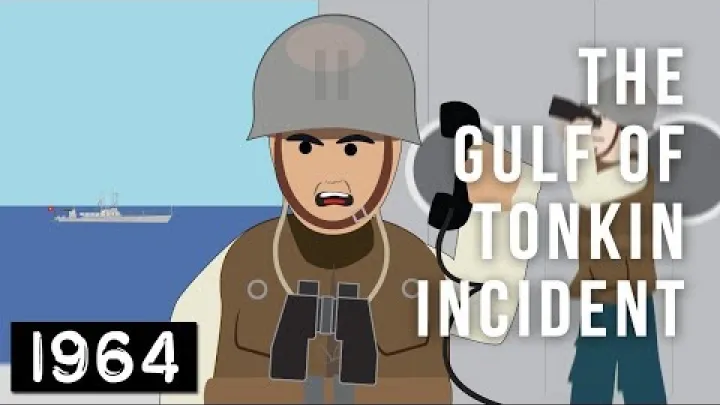
In 1965, the war changed in scale. Operation Rolling Thunder began in 1965 as a sustained bombing campaign, and U.S. ground forces began sustained combat operations as troop levels increased. Why this year matters is simple: 1965 is when many people’s definition of “the Vietnam War years” begins in a U.S. context, because the conflict became a long, high-intensity military commitment rather than primarily advisory support.
1965 to 1969: peak troop levels and the war of attrition
From 1965 to 1969, U.S. involvement expanded rapidly, with troop levels rising to a peak during this general period. The strategy is often described as attrition-based, meaning commanders tried to reduce the opposing forces’ ability to fight over time through repeated engagements supported by artillery and air power. This period is also when many large operations became regular, making the war feel continuous and nationwide rather than limited to isolated areas.

This helps explain popular memory: many people remember the late 1960s as “the” Vietnam War years because the fighting was intense, the draft was highly visible, and media coverage increased global awareness. For a simple year-by-year way to visualize phases, you can think in broad blocks rather than exact troop numbers.
| Phase | Approximate years | How it is often described |
|---|---|---|
| Escalation | 1965–1966 | Rapid expansion of U.S. ground combat and sustained air operations. |
| Peak involvement | 1967–1969 | High intensity fighting and heavy reliance on firepower and mobility. |
| Shift toward withdrawal | 1969 onward | Gradual reduction of U.S. combat role alongside negotiations. |
1969 to 1973: Vietnamization, negotiations, and withdrawal
From 1969 to 1973, U.S. policy shifted toward reducing direct U.S. combat while increasing the role of South Vietnamese forces. “Vietnamization” is a policy of transferring more combat responsibility, training, and equipment to South Vietnamese forces while U.S. forces draw down. In practice, this period combined continued fighting with negotiations, making the timeline feel mixed: troop levels decreased, but combat did not immediately stop.
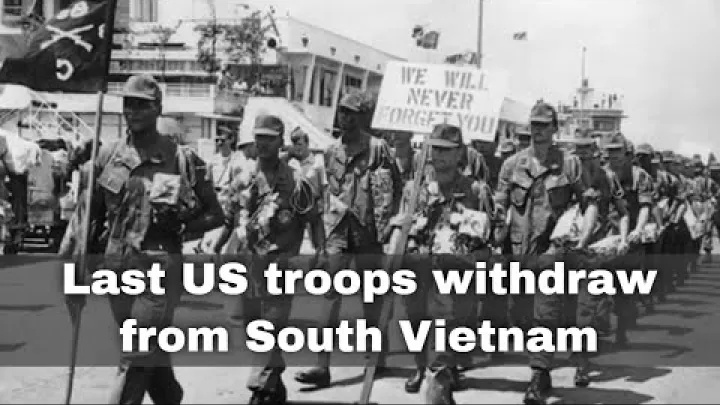
Two timelines run in parallel here. On the U.S. involvement timeline, the key endpoint is 1973, when the Paris Peace Accords were signed and U.S. combat forces withdrew. On the Vietnam conflict timeline, fighting continued inside Vietnam after 1973, which is why 1975 remains a widely used end date for the war overall. Keeping both timelines in view helps you interpret why some resources say the war “ended” in 1973 while others say it ended in 1975.
Key military campaigns that shaped the war years
Military campaigns are often used as time anchors because they help readers connect a specific year to a major change in the war’s intensity or direction. You do not need to memorize every battle name to understand the Vietnam War years timeline. It is more useful to know which periods saw major shifts in scale, strategy, and expectations, and why those shifts affected how long the war lasted.
This section highlights a small number of widely referenced campaign markers, focusing on what changed and when. It also explains why certain years, especially 1968 and 1972, appear repeatedly in timelines. The goal is to map these milestones onto the calendar so you can read historical summaries with better clarity.
Early large-unit battles and the shift in how the war was fought
As U.S. ground forces entered sustained combat in 1965, the war increasingly included larger-unit engagements alongside ongoing smaller, irregular fighting. Early large-unit battles in the mid-1960s are often cited because they signaled that the conflict was not only an internal security struggle but also a war involving organized forces capable of major operations. These battles also reinforced a pattern of heavy reliance on air support, artillery, and rapid movement.

At the same time, fighting did not become purely conventional. Guerrilla warfare, which refers to smaller-unit attacks, ambushes, and political-military activity outside traditional front lines, remained important in many areas. What this means for the timeline is that the “war years” cannot be understood only by counting major battles; the war’s length was influenced by the coexistence of different styles of fighting, which made quick resolution difficult even as resources increased.
1968 as a turning point in public expectations and war planning
The year 1968 is frequently treated as a pivot point because major coordinated attacks, especially during the Tet Offensive, reshaped expectations about the war’s progress. Even when short-term battlefield outcomes did not match the shock of the attacks, the scale and coordination influenced how many people understood the conflict’s trajectory. This is one reason “Vietnam War years” discussions often center on the late 1960s.
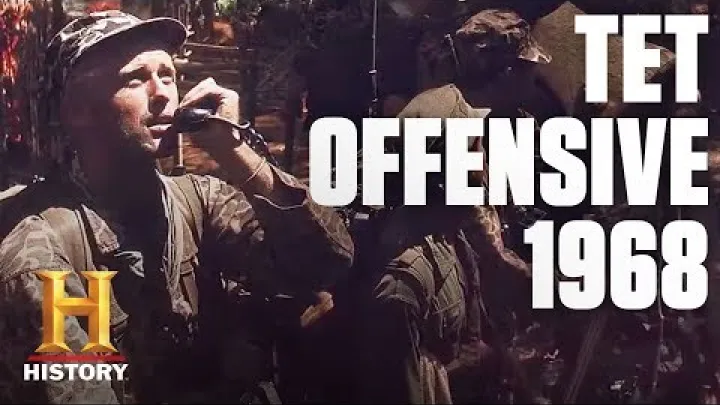
A “turning point” can mean different things, and it is useful to separate them. Militarily, it can mean changes in operations, priorities, or the ability to hold territory. Politically, it can mean changes in leadership decisions, negotiation strategies, or alliance management. In public opinion, it can mean changes in what citizens believe is achievable or acceptable. Using careful language keeps the timeline clear: 1968 mattered not only for combat events, but also for how governments and societies planned what would come next.
Air war milestones and how they map onto the calendar
The air war provides some of the clearest calendar markers because major bombing phases are often tied to named campaigns and policy decisions. Operation Rolling Thunder, running from 1965 to 1968, is a central example because it represents a sustained bombing effort rather than a short strike. Readers who ask “which years did the war intensify” often find it easier to track these phases than to follow every ground operation.

Air campaign phases also connect to negotiations and diplomatic signaling, which is why air war milestones appear in both military and political timelines. To keep terminology accessible, it helps to focus on purpose rather than technical details: some air campaigns aimed to pressure decision-making, others aimed to disrupt supplies or support ground operations. The table below provides a simple comparison you can use as a quick calendar map.
| Campaign | Years | Purpose | Outcome in one sentence |
|---|---|---|---|
| Operation Rolling Thunder | 1965–1968 | Sustained bombing intended to influence the war’s direction and apply pressure. | It marked a major escalation in intensity and became a widely used timeline anchor. |
| Operation Linebacker I | 1972 | Air campaign connected to major fighting and negotiation pressure. | It reflected escalation during a high-stakes year that led toward the 1973 agreement. |
| Operation Linebacker II | 1972 | Intense bombing phase intended to influence negotiation outcomes. | It helped define why late 1972 is often discussed as a lead-in to 1973. |
1972 and the path to the 1973 agreement
The year 1972 is often highlighted because it involved major conventional fighting and urgent decision-making by the parties to the conflict. It is commonly associated with large offensives and counteroffensives and with intensified diplomatic efforts. These events made 1972 feel to many observers like a possible closing phase, even though the final political outcome had not yet been determined.

This is also why some readers think of the war as “ending” around 1972–1973. The Paris Peace Accords were signed in January 1973, and U.S. combat forces withdrew shortly afterward, so the transition from 1972 to 1973 is a clear turning point in U.S. involvement. At the same time, the continuing war inside Vietnam after 1973 explains why 1975 remains the broader endpoint. This shift from military milestones to political and social consequences leads into the next section on the draft and the home front.
The draft and the home front during the war years
For many families, the Vietnam War years are remembered through the draft, protests, and the broader social impact of a long war. These experiences are closely tied to specific phases of escalation. When troop levels increased and combat expanded in the mid-to-late 1960s, the demand for personnel rose as well, and conscription became more visible. When withdrawal began in the early 1970s, the pressure and public debates shifted again.
This section does not aim to provide a complete social history. Instead, it connects commonly asked questions to the timeline: which years were most associated with conscription, when opposition movements grew, and why casualty discussions cluster around peak fighting years. The goal is to help readers interpret dates in personal documents, school materials, and public memorial contexts with a clearer sense of chronology.
How the draft shaped who served and when
The draft is often most associated with the late 1960s because that period aligned with large-scale escalation and high manpower needs. Many people searching “vietnam war years draft” are trying to understand whether conscription was constant or whether it rose and fell with the level of fighting. In general terms, draft pressure was closely connected to the years of peak U.S. involvement, particularly as troop commitments expanded after 1965 and remained high into the later 1960s.

Some basic terms help clarify what people mean when they talk about the draft. A “lottery” is a system used to determine the order in which eligible people may be called. “Deferments” are legal postponements or exemptions based on defined categories such as education, family status, or specific types of service, and rules changed over time. If you are comparing timelines, it is often better to focus on the relationship between escalation and conscription rather than trying to memorize annual draft totals, since different summaries may present numbers differently depending on definitions.
The anti-war movement and how it changed over time
Opposition to the war grew over time rather than appearing all at once. In the mid-1960s, protest activity expanded as the U.S. combat role increased, and by the late 1960s it had become a broad social movement involving students, civil rights activists, religious groups, veterans, and other communities. This growth is one reason 1965–1969 appears frequently in discussions of the “Vietnam War years” in U.S. public life.

Concrete examples help place the movement on the timeline. Campus protests became a visible feature of the late 1960s, draft resistance was tied directly to conscription policy, and veterans’ organizing became more prominent as more service members returned home. Media coverage of major events and casualties influenced how quickly the movement expanded, but it is best understood as changing in intensity and size over several years. For international readers, “campus” simply means universities and colleges, which were important organizing centers in the United States during this period.
Human costs in the years of peak fighting
Discussions of human cost often cluster around the years of peak fighting because casualties tend to rise when combat operations intensify.
It is also important to note that numbers can differ because of definitions and updates. Some summaries count only military deaths, while others include civilians, missing persons, or deaths from related causes. For a timeline-focused understanding, the key point is that the late 1960s and early 1970s were periods of sustained violence, and the scale of loss shaped political decisions and social memory. When reading a chart or claim, check what category is being measured before comparing across years or countries.
How the war ended and what happened afterward
The ending of the Vietnam War depends on whether you mean the end of direct U.S. combat involvement or the end of the war in Vietnam itself. These endings happened at different times, which is why timelines commonly show two “end” dates: 1973 and 1975. The first is linked to an international agreement and the withdrawal of U.S. forces. The second is linked to the decisive collapse of South Vietnam’s government and the end of the war’s main military phase inside Vietnam.
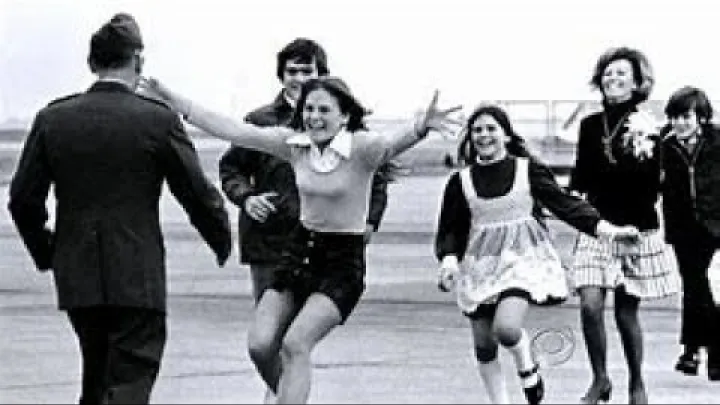
It is also useful to separate “end of major combat operations” from “end of consequences.” Even after the final military outcome, countries faced reconstruction needs, political transitions, and large population movements. Understanding what changed in 1973, what changed in 1975, and what continued afterward will help you answer questions about Vietnam War years with more precision and fewer misunderstandings.
The 1973 agreement and the end of direct United States combat involvement
The Paris Peace Accords, signed in January 1973, are the key marker for the end of direct U.S. combat involvement in many timelines. In practical terms, the agreement was linked to a ceasefire framework and to the withdrawal of U.S. combat forces, which was largely completed in 1973. For U.S.-focused histories, this is often treated as the “end” because it closes the chapter of sustained U.S. ground combat and major U.S. operational responsibility.

What ended in 1973 versus what continued can be summarized clearly. Direct U.S. combat operations and U.S. troop presence were ending, while armed conflict inside Vietnam did not end immediately. Political and military struggles continued between Vietnamese forces, and the balance of power shifted in the years that followed. This distinction is why many resources list 1973 for U.S. involvement but 1975 for the war’s overall endpoint.
1975 and the end of the South Vietnamese government
The year 1975 is widely used as the end of the Vietnam War years overall because it marks the final offensive and the rapid collapse of South Vietnam’s government. The culminating moment is commonly placed on April 30, 1975, when Saigon fell and the South Vietnamese government surrendered, ending the war’s central military-political contest. In many global timelines, this is the cleanest endpoint because it reflects the decisive change in control and the conclusion of the war as a major armed conflict.
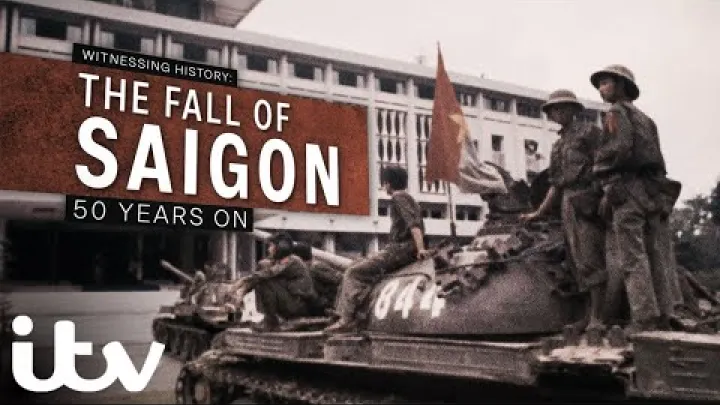
Chronology matters for clarity: a final offensive advanced quickly in early 1975, evacuations occurred as the situation deteriorated, and the surrender brought immediate political change. Even so, it is important not to imply that all consequences ended at that moment. The transition to a postwar order involved complex administrative changes, security challenges, and major human displacement. This bridges directly to the longer-term outcomes that many people associate with the post-1975 period.
After 1975: reunification, refugees, and long-term recovery
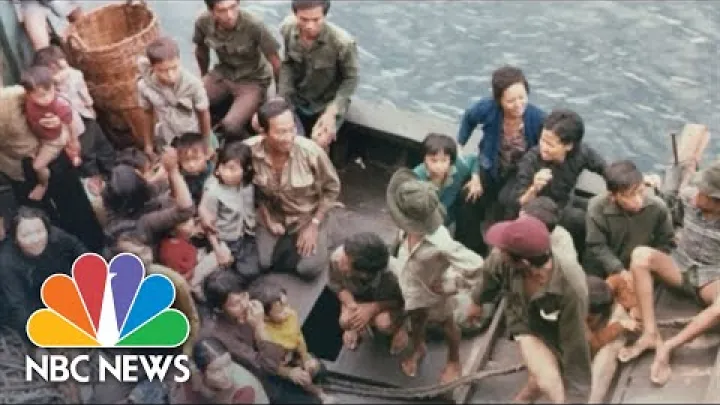
If your question is “how many years ago was the Vietnam War,” the best approach is to compute it from the endpoint you mean. Use an evergreen formula rather than a fixed number that becomes outdated: years since the end of the war in Vietnam equals the current year minus 1975. If you mean the end of direct U.S. combat involvement, use the current year minus 1973. For example, if you are reading this in any year, subtract 1975 (or 1973) to get the number of years since that specific endpoint.
Frequently Asked Questions
What is the simplest answer to the question, what years were the Vietnam War?
The most common broad answer is the mid-1950s to 1975. Many U.S.-focused summaries also highlight 1965 to 1973 for major U.S. combat involvement. If you give both ranges, people usually understand what you mean.
Why do some timelines start the Vietnam War in 1964 or 1965 instead of the 1950s?
They are usually using a United States-centered definition. The year 1964 is linked to escalation decisions after the Gulf of Tonkin incidents, and 1965 marks sustained U.S. ground combat and major air operations. Those years reflect a change in scale, not the first appearance of conflict in Vietnam.
Did the Vietnam War end in 1973 or 1975?
It ended in 1973 for direct U.S. combat involvement and in 1975 for the war in Vietnam overall. The Paris Peace Accords in 1973 led to U.S. withdrawal, but fighting continued inside Vietnam. The fall of Saigon in April 1975 is the most common global endpoint.
How many years did the Vietnam War last?
It depends on the definition you use. The broad conflict is often described as lasting about two decades from the mid-1950s to 1975. The period of major U.S. combat operations is commonly described as about eight years from 1965 to 1973.
What years are considered the peak Vietnam War years for U.S. troops?
The peak period is generally associated with the late 1960s, after large-scale escalation began in 1965. Many timelines emphasize 1965 to 1969 as years of rapid expansion and high-intensity fighting. Exact “peak” depends on what measure you are using, such as troop levels or casualties.
How can I answer if someone asks what years Americans fought in Vietnam?
A common and clear answer is 1965 to 1973 for major U.S. combat operations. You can add one clarifying sentence that U.S. involvement began earlier through advisors and that the war inside Vietnam continued after 1973. This keeps the response accurate and easy to understand.
The Vietnam War years are often given as the mid-1950s through 1975 for the conflict in Vietnam, and 1965 through 1973 for major United States combat involvement. Different dates appear because different timelines measure different endpoints: policy escalation, sustained combat, withdrawal, or the final collapse of South Vietnam’s government. Using clear markers such as 1954, 1965, 1973, and 1975 helps you read historical material without mixing definitions. When you need to choose one set of dates, match your answer to whether the focus is Vietnam’s national history or the U.S. military chapter within the larger war.
Select area
Create a post
Posting is free and no registration is required.