- Tay Son Heaven and Earth Esplanade: Historic Shrine in Quy Nhon
- Quang Trung Museum: Tay Sơn History & Culture in Quy Nhon
- Banh It Cham Towers: Ancient Heritage & Photography in Quy Nhon
- The Thon Beach in Cat Tien: Clean Shores & Affordable Watersports
- Linh Phong Pagoda in Quy Nhon: The Sacred Mountain Temple
Vietnam Food Guide: Vietnamese Dishes, Street Food & Culture

Vietnam food is one of the main reasons many people fall in love with the country. From steaming bowls of phở on Hanoi sidewalks to colorful street snacks in Ho Chi Minh City, eating is central to daily life. For travelers, students and remote workers, understanding Vietnamese food helps with both comfort and cultural connection. This guide introduces the main flavors, regional differences, famous dishes and practical tips you need to enjoy food in Vietnam confidently. Whether you stay a week or a year, it will help you make the most of every meal.
Introduction to Vietnam Food and Why It Matters for Travelers
Food in Vietnam is much more than fuel; it is a social activity, a daily routine and a reflection of history and geography. For visitors, eating local Vietnamese food in Vietnam is often the most direct way to connect with people and understand how they live. Compared with many destinations, it is also relatively affordable and varied, which makes it important for travelers who stay longer, such as exchange students or remote workers.

This introduction outlines what you can expect when you first arrive, why Vietnam food is now famous worldwide and how it fits different lifestyles. Knowing these basics before you land will make it easier to choose dishes, budget your meals, and move smoothly between local spots and more tourist-focused restaurants.
What to expect from food in Vietnam as a visitor
As a visitor, you can expect Vietnam food to be fresh, aromatic and balanced rather than overwhelmingly spicy or heavy. Typical dishes combine rice or noodles with vegetables, herbs, and moderate amounts of meat or seafood, often served with a light broth or dipping sauce. You will notice the bright flavors of lime, chili and fresh herbs like mint and basil, along with the deep savory taste of fish sauce. Many meals feel light but satisfying, so you can comfortably eat several times a day.

Everyday food in Vietnam is also very varied. In the same street you may find noodle soups, grilled meats, vegetarian rice plates and snacks. Breakfast, lunch and dinner are often available at overlapping times, though some dishes appear mainly in the morning or evening. In cities, it is normal to eat out at simple places almost every day, while in smaller towns people still cook more at home but visit markets and local stalls frequently.
Meal times are fairly regular: breakfast from early morning until around 9–10 a.m., lunch from roughly 11 a.m. to 1 p.m., and dinner from around 6–8 p.m. However, many street food vendors focus on a single time slot; a phở stand may open only from 6–9 a.m., while a grilled pork stall appears only in the evening. Prices are usually lower at simple eateries and street stalls and higher in air-conditioned restaurants that target tourists. You can often find a filling local meal at a basic place for the cost of a coffee or snack in many Western cities.
For travelers, students and remote workers, this system is practical and flexible. You can grab breakfast from a cart near your accommodation, eat a quick rice plate at a “cơm bình dân” canteen at lunch, and explore street food in the evening. If you prefer more comfort, tourist-oriented restaurants offer translated menus, fixed opening hours and international dishes, but they may be more expensive and sometimes less representative of traditional Vietnamese food in Vietnam. Locals often choose very simple places with plastic stools and shared tables, where the focus is entirely on the dish.
The contrast between local everyday experiences and tourist-focused restaurants is important. Tourist areas might adjust flavors to foreign tastes, use less fish sauce or chili and offer more English explanations. Local spots may feel more chaotic but often serve the brightest, most authentic flavors. Many visitors find a balance: using tourist restaurants during the first days, then gradually exploring more local venues as they gain confidence.
Why Vietnam food is famous around the world
Vietnam food has become famous internationally because it offers a unique balance of flavors, freshness and light cooking methods. Vietnamese dishes usually combine salty, sweet, sour and spicy elements in a careful way, using herbs, lime and fish sauce to create complexity without heavy cream or large amounts of oil. This balance makes the cuisine appealing to people who want food that is flavorful but not too rich.

Globally known dishes such as phở, bánh mì and fresh spring rolls (gỏi cuốn) have acted as “ambassadors” for Vietnamese cuisine. Refugee and migrant communities opened restaurants abroad after the mid-20th century, especially in North America, Europe and Australia, which introduced many people to phở Vietnam food for the first time. Bánh mì, a baguette sandwich filled with meat, pickles and herbs, spread as a convenient street snack and later appeared in fusion cafés worldwide. Fresh spring rolls, filled with shrimp, pork, noodles and herbs and served with dipping sauce, became popular as a lighter alternative to fried appetizers.
The story of Vietnam food is also a story of culture and history. Eating together is central to family life; markets and street stalls are key social spaces; and dishes often carry memories of regional origins, migration and economic change. For example, different versions of phở reflect historical movements within the country, while bánh mì shows the mix of French and local influences. Visitors who pay attention to what people eat and how they share food get insight into values such as hospitality, respect for elders and the importance of community.
Globalization and travel have greatly increased interest in Vietnamese cuisine. Low-cost flights, social media and food television have brought images of Vietnam street food to millions of people who may never have visited before. Many travelers now come to Vietnam with a list of famous dishes they already know by name, seeking both the “original” versions and new variations. At the same time, Vietnamese chefs in large cities reinterpret traditional recipes in modern ways, attracting younger audiences at home and abroad. This movement keeps Vietnam food dynamic while still rooted in long-standing traditions.
What Is Vietnam Food? Overview of Vietnamese Cuisine
Vietnam food is a diverse culinary tradition built on rice, fresh herbs, vegetables and a careful balance of flavors. It varies by region but shares some common principles: meals are usually composed of multiple small dishes, rice or noodles as a base and a combination of textures from crunchy herbs to tender meats. Understanding these shared features helps you recognize patterns in Vietnamese food in Vietnam, even when the dish names are new.

In this section, you will see the core characteristics of Vietnamese cuisine, the main historical influences that shaped it and the key ingredients, herbs and condiments used daily. This overview is especially helpful for travelers who want to read menus more confidently or try simple Vietnam food recipes at home later.
Key characteristics and flavor balance
One of the most important features of Vietnam food is its balanced flavor profile. Traditional dishes aim to harmonize salty, sweet, sour, spicy and umami elements rather than highlighting only one. Fish sauce provides saltiness and depth; sugar or caramelized onions add sweetness; lime, tamarind or vinegar deliver sour notes; chili contributes heat; and broths or grilled meats bring umami. The result is food that feels both lively and rounded.

Fresh herbs and raw vegetables play a central role in this balance. Many meals arrive with a plate of lettuce, herbs, cucumber and pickled vegetables to add crunch and brightness. Light broths are common, whether as a soup served alongside rice or as the base for noodle dishes. These broths are often slow-simmered with bones, aromatics and spices but are strained to remain clear and not too fatty. The overall effect is that meals rarely feel heavy, even when they include pork or beef.
Vietnamese cooking also values contrast and harmony in texture, temperature and color. A typical table might include soft rice, crisp herbs, chewy grilled meat, crunchy pickled vegetables and a warm bowl of soup. Dishes like bún thịt nướng (grilled pork with rice noodles) demonstrate this approach: room-temperature noodles, hot grilled meat, cool herbs and pickles are combined in one bowl and topped with a warm-sweet-sour fish sauce dressing.
Several classic dishes clearly show Vietnamese flavor balance. Phở features a clear, aromatic broth with gentle spices, balanced by lime, chili and herbs added at the table. Bún chả from Hanoi pairs smoky grilled pork with slightly sweet dipping broth, sour pickles and fresh herbs. Gỏi cuốn wraps shrimp, pork, noodles and herbs in rice paper, then is dipped in sauces that combine salty fish sauce or soy with sugar, lime and chili. When you try these dishes, pay attention to how no single flavor dominates; they are designed to be eaten with multiple components in each bite.
Historical influences from China, France and neighboring countries
The history of Vietnam food reflects centuries of contact with other cultures, especially China and France, as well as neighboring Southeast Asian countries. From the north, long periods of Chinese rule and influence, which lasted in different forms until around the 10th century, introduced noodles, chopsticks, soy-based sauces and many stir-frying techniques. You can still see these roots in dishes like mì xào (stir-fried noodles) and in the use of soy sauce, tofu and wheat-based noodles in some regions.

French colonial rule from the mid-19th century until the mid-20th century added another layer of influence. The most visible legacy is bread, especially the baguette, which became the base for bánh mì sandwiches. French-style coffee culture also took root, leading to strong drip coffee with condensed milk. Some dishes show direct adaptation, such as bò kho (beef stew) served with bread or noodles, which echoes European stews but uses Vietnamese spices and herbs. Dairy products like butter and condensed milk became more common in certain baked goods and drinks, although daily Vietnamese food in Vietnam still uses relatively little dairy compared with Western diets.
Regional exchanges with Cambodia, Laos and Thailand have also shaped Vietnamese cuisine, especially in border areas and in the Mekong Delta. The use of lemongrass, chili, fermented fish and certain herbs overlaps across these countries, but Vietnam has its own distinct combinations. For example, canh chua (sour soup) from the Mekong Delta shares a love of sour and spicy flavors common in neighboring cuisines but typically includes pineapple, tamarind, fish and local herbs in a way that feels clearly Vietnamese.
Major historical events such as internal migrations, wars and economic change also influenced food. Movement of people from North to South and vice versa spread recipes like phở and bún chả across the country, leading to regional variations. Periods of scarcity encouraged creative use of ingredients, including offal and preserved foods, which remain part of traditional cooking. For visitors, understanding these influences helps explain why you might find dishes that look somewhat Chinese, French or Cambodian yet taste distinctly Vietnamese.
Core ingredients, herbs and condiments
Many different dishes make up Vietnam food, but they draw from a relatively consistent set of core ingredients. Rice is the main staple, eaten as whole grains (cơm), noodles (bún, phở, bánh canh) and wrappers (bánh tráng rice paper). Pork and chicken are the most common meats, while beef is used in some soups and stir-fries. Seafood is especially important in coastal regions and the Mekong Delta, where fish, shrimp, squid and shellfish appear in everyday meals.

Among vegetables, you will often see morning glory, cabbage, water spinach, bean sprouts, cucumbers and various local greens. Tofu and mushrooms are widely used, especially in vegetarian food. Eggs appear in dishes such as cơm tấm plates and some noodle soups. Together, these ingredients create the base of many traditional Vietnamese dishes, whether they are elaborate restaurant meals or simple home cooking.
Herbs are crucial to the identity of Vietnamese food in Vietnam. Common ones include cilantro, Thai basil, mint, perilla (tía tô), Vietnamese coriander (rau răm) and sawtooth herb (ngò gai). They are usually served raw alongside dishes for diners to add themselves. These herbs not only add freshness and aroma but also help distinguish regional styles. For instance, central and southern dishes often come with large baskets of herbs, while northern plates may be slightly more restrained.
Condiments tie everything together. Nước mắm (fish sauce) is the most essential; it is used both in cooking and in dipping sauces. A standard dipping sauce, often called nước chấm, typically mixes fish sauce with water, sugar, lime juice, garlic and chili. Soy sauce is also common, especially for vegetarian or Chinese-influenced dishes. Pickles, such as pickled carrot and daikon, add crunch and mild acidity. Chili sauces, fresh sliced chili, hoisin sauce and garlic vinegar are often available at the table. When you learn to recognize these condiments, you can adjust flavors to your liking and better understand what makes each dish unique.
Regional Foods in Vietnam: North, Central and South
Although some dishes are now served throughout the country, Vietnam food still shows clear regional differences between the North, Central and South. Climate, history and local agriculture all shape what people eat and how they season their food. For travelers planning where to go, understanding these contrasts can help you decide which specialties to seek out in each area.

This section explains the main features of northern, central and southern Vietnamese food, with examples of typical dishes. It also highlights how major cities like Hanoi, Huế, Hội An, Da Nang and Ho Chi Minh City both preserve local traditions and act as hubs where foods from different regions meet.
Northern Vietnam food (Hanoi and Red River Delta)
Northern Vietnam food is known for its more subtle and less sweet flavor profile. The cooler climate and historical connections with China encourage dishes that are balanced and delicate rather than strongly spicy or sweet. Clear broths are a specialty, and seasoning is usually straightforward: salt, fish sauce, green onions and simple aromatics. The focus is often on highlighting the natural taste of fresh ingredients instead of covering them with heavy sauces.
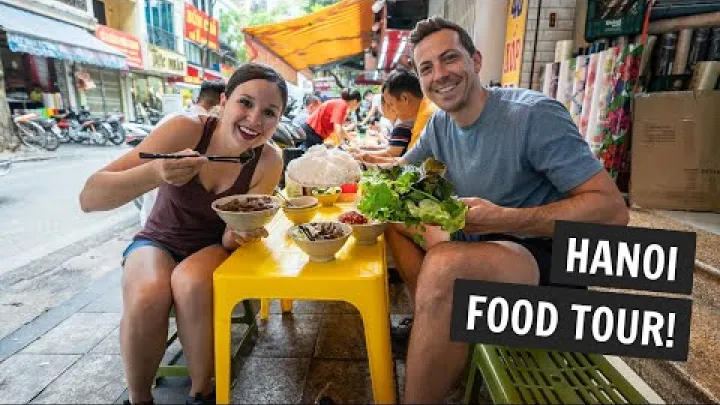
Hanoi, the capital, is a showcase of northern cuisine. Hà Nội-style phở is usually less sweet and less heavily spiced than versions found in the South; its broth is pale, clear and scented mainly with beef bones, charred onion and gentle spices. Other important dishes include bún chả (grilled pork served with rice noodles, herbs and a light dipping broth), bún thang (a refined chicken and pork noodle soup with many toppings), and various xôi (sticky rice) dishes eaten for breakfast. Noodle and rice dishes often come with small plates of fresh herbs and chili so diners can adjust flavors themselves.
Home cooking in the North traditionally features simple boiled or steamed vegetables, braised fish or pork, and light soups served with rice. Street food, on the other hand, often focuses on one or two signature items and may use slightly bolder seasoning to attract customers. For example, a vendor might specialize only in fried spring rolls (nem rán) or in bún riêu (crab-tomato noodle soup), with a flavor profile that is still balanced but somewhat more intense than a quiet family meal.
The region’s history as the political center of Vietnam also affects its food. Certain dishes, such as phở and bún chả, carry a sense of identity for Hanoians and are taken very seriously. Long-standing streets and markets are known for particular specialties, and recipes are often passed down through generations. As a visitor, tasting these dishes in Hanoi gives insight into how northern people think about tradition, quality and subtlety in their food.
Central Vietnam food (Huế, Hội An, Da Nang)
Central Vietnam food is often described as spicier, saltier and more intensely seasoned than food from other regions. The narrow central strip has a history of harsh weather, including storms and floods, which encouraged the development of preserved and strongly flavored foods. Chili, fermented shrimp paste and fish sauce play major roles, and portions may be slightly smaller but more concentrated in taste.

Huế, the former imperial capital, is famous for its royal court cuisine and intricate small dishes. Bún bò Huế, a spicy beef noodle soup with lemongrass and thicker round rice noodles, is the city’s most iconic dish. It combines rich beef and pork broth with a spicy-sour flavor from chili and fermented shrimp paste. Huế is also known for many small “royal-style” snacks such as bánh bèo (steamed rice cakes with toppings), bánh nậm (flat rice cakes in banana leaves) and bánh bột lọc (chewy tapioca dumplings). These dishes are often beautifully presented in small portions.
Further south along the coast, Hội An has its own specialty: cao lầu. This dish uses thick, chewy noodles, slices of pork, fresh herbs and a small amount of broth. According to local stories, the noodles were traditionally made with water from a specific ancient well and ash from certain trees, which gave them their special texture. Hội An also offers mì Quảng, another central favorite from nearby Quảng Nam province, which features wide rice noodles, a modest amount of concentrated broth, herbs, peanuts and a mix of meats or shrimp.
Da Nang, a larger modern city, serves as a practical base to explore many central dishes. You will find bún bò Huế, mì Quảng and various rice cakes there, often at more casual spots that are busy with locals. In general, central Vietnamese food is associated with bold seasoning and artistic presentation. For travelers who enjoy spice and strong flavors, Huế, Hội An and Da Nang are especially rewarding stops.
Southern Vietnam food (Ho Chi Minh City and Mekong Delta)
Southern Vietnam food, including that of Ho Chi Minh City and the Mekong Delta, is known for its sweeter, more herb-rich and tropical character. The warm climate and fertile land support abundant fruit, vegetables and rice, which appear in many dishes. Sugar, coconut milk and fresh herbs are used more generously than in the North, leading to food that often feels bright, fragrant and slightly richer.
Typical southern dishes include cơm tấm (broken rice) served with grilled pork, pickles, egg and a small bowl of soup; hủ tiếu, a noodle soup with clear or slightly opaque broth and a mix of pork, seafood and herbs; and various bún dishes such as bún thịt nướng (grilled pork with rice noodles and herbs) and bún mắm (fermented fish noodle soup with intense flavor). Coconut-based curries and stews, influenced by Khmer and other neighboring cuisines, also appear, especially in the Mekong region. These might include fish or chicken simmered in coconut milk with lemongrass and turmeric.
The Mekong Delta’s waterways provide plentiful fish, shrimp and freshwater ingredients, while orchards supply tropical fruits like mango, rambutan, jackfruit and durian. Many family meals in the Delta center on fish cooked in clay pots, sour soups with local vegetables and plates of raw herbs and greens. The combination of sweetness from sugar and fruit with saltiness from fish sauce and fermented products is characteristic of the area.
Ho Chi Minh City acts as a fusion hub where food from all over Vietnam is available. You can eat northern phở, central bún bò Huế and southern cơm tấm in the same district, often within walking distance. Migrant communities from different provinces bring their recipes and open small eateries that specialize in their hometown dishes. For travelers and long-term visitors, this means you can sample a wide range of regional foods without leaving the city, though many people still enjoy traveling to each area to taste the dishes in their original setting.
Famous Vietnamese Dishes You Should Try
For many visitors, the most memorable part of Vietnam food is discovering specific dishes that they want to eat again and again. Some of these, like phở and bánh mì, are internationally known, while others are local specialties that you may only encounter in certain cities. Knowing the names and basic structures of famous dishes makes it easier to order confidently and recognize what you are seeing on the street.

This section focuses on noodle soups, rice dishes, sandwiches, rolls, pancakes and a few iconic regional specialties. It also includes simple overview steps that resemble easy Vietnam food recipes, so you can understand how the dishes are put together and perhaps try cooking them later.
Phở and other Vietnamese noodle soups
Phở is the most famous Vietnamese noodle soup, often used as a symbol of Vietnam food worldwide. It consists of flat rice noodles in a clear, aromatic broth, usually made from beef or chicken bones simmered for several hours with spices such as star anise, cinnamon, cloves and charred onion and ginger. The soup is served with slices of beef or chicken, green onions and sometimes herbs, with lime, chili and additional herbs on the side. Phở likely originated in northern Vietnam in the early 20th century and later spread across the country and overseas.

To order phở in Vietnam, you usually choose the type of meat and the cut. Common options for beef include rare slices, brisket, flank or tendon, while phở gà uses chicken. At the table, you taste the broth first, then add lime, chili, herbs and sauces to your preference. Many shops specialize in either beef or chicken only. Eating phở in a busy local shop in Hanoi or Ho Chi Minh City is often a highlight for travelers.
Vietnamese cuisine includes many other noodle soups, each with different broths, noodle types and toppings. Bún bò Huế, mentioned earlier, features a spicy lemongrass broth and thicker round rice noodles. Hủ tiếu uses thinner or mixed noodles in a lighter broth and often includes both pork and seafood. Mì Quảng has wide turmeric-colored noodles and a small amount of concentrated broth, topped with herbs, peanuts and crackers. Canh chua, usually from the Mekong Delta, is a sour soup with fish, pineapple and tamarind that may be eaten with rice or noodles.
The table below compares a few key noodle soups so you can quickly see how they differ:
| Dish | Broth style | Noodle type | Typical toppings |
|---|---|---|---|
| Phở bò / gà | Clear, aromatic, mild spices | Flat rice noodles | Beef or chicken, green onion, herbs |
| Bún bò Huế | Rich, spicy, lemongrass, fermented shrimp | Thick round rice noodles | Beef, pork, herbs, banana blossom |
| Hủ tiếu | Light pork or mixed broth | Thin rice or mixed noodles | Pork, shrimp, quail egg, herbs |
| Mì Quảng | Small amount of concentrated broth | Wide yellow rice noodles | Pork, shrimp or chicken, peanuts, crackers |
| Canh chua | Sour, often with tamarind and pineapple | Rice noodles or served with rice | Fish, herbs, local vegetables |
A simple overview of how phở is made can help you imagine the process:
- Simmer beef or chicken bones with onion, ginger and spices for several hours, skimming carefully.
- Season the broth with fish sauce and a small amount of sugar, keeping it clear and balanced.
- Cook flat rice noodles separately until just tender, then rinse briefly.
- Place noodles and sliced meat in a bowl, pour hot broth over them and top with herbs and green onions.
- Serve with lime, chili, and sauces for each person to adjust at the table.
Rice dishes: cơm tấm, family meals and clay-pot dishes
Rice is at the heart of Vietnam food, and many meals are built around a plate or bowl of steamed grains. One of the most beloved rice dishes, especially in the South, is cơm tấm. It literally means “broken rice” and was originally made from fractured grains that remained after rice milling. Today it is a popular city breakfast or lunch dish, served with grilled pork chops, shredded pork skin, pickles, a fried egg and a small bowl of fish sauce-based dressing. The combination of smoky grilled meat, sweet-salty sauce and crunchy pickles is very satisfying.

Across Vietnam, a typical family meal with rice follows a shared structure. In the center of the table there are several dishes: often one protein (fish, meat, tofu or eggs), at least one plate of vegetables and a bowl of soup. Each person has an individual bowl of rice and uses chopsticks to take small amounts from the shared plates. Dipping sauces such as nước chấm sit nearby for adjusting flavor. This style of eating allows variety and balance in each meal, even if the individual dishes are simple.
Clay-pot dishes add another dimension to rice-based meals. Cá kho tộ is a classic example: fish, often catfish, is braised in a clay pot with fish sauce, sugar, black pepper and aromatics until the sauce thickens and coats each piece. The pot retains heat well, keeping the dish warm on the table and giving it a slightly caramelized taste. Cơm niêu refers to rice cooked in a clay pot, sometimes with a crispy layer at the bottom that some diners enjoy as a textural contrast.
Rice-based meals differ somewhat across regions and between home, canteens and restaurants. In the North, rice meals may focus on simple boiled vegetable dishes and light fish or pork preparations. In the Central region, stronger seasoning and small side dishes are common. In the South, you might see sweeter sauces, grilled meats and more use of coconut-based dishes. At workplace canteens and “cơm bình dân” spots, the structure is similar but more practical: a counter displays many pre-cooked dishes, and diners point to a selection to be served over rice. Restaurants might present rice with more elaborate plating and offer additional side dishes, but the principle of variety and shared components remains consistent.
Bánh mì, rolls and pancakes (gỏi cuốn, chả giò, bánh xèo)
Bánh mì is one of the easiest and most convenient ways to experience Vietnam food. It is a Vietnamese sandwich made with a light, crisp baguette inspired by French bread but usually airier inside. Common fillings include grilled pork, cold cuts, pâté, fried egg, shredded chicken or meatballs, combined with pickled carrot and daikon, cucumber, cilantro and chili. A thin spread of mayonnaise or butter and a drizzle of soy or seasoning sauce tie the flavors together. Bánh mì is popular as a quick breakfast, lunch or late-night snack because it is portable, inexpensive and customizable.

Fresh and fried rolls are another important part of Vietnamese food in Vietnam. Gỏi cuốn (fresh spring rolls) consist of rice paper wrapped around vermicelli noodles, herbs, lettuce and fillings such as shrimp and pork or tofu. They are served with dipping sauces like hoisin-peanut sauce or fish sauce-based dips. Chả giò (also called nem rán in the North) are fried rolls, usually filled with minced pork, vegetables and sometimes noodles or mushrooms, then deep-fried until crispy. These are eaten with herbs and lettuce, dipped in fish sauce-based sauces.
Bánh xèo is a crispy savory pancake made from rice flour, water and turmeric, pan-fried until thin and crunchy at the edges. It is usually filled with shrimp, pork and bean sprouts. At the table, diners cut off pieces of the pancake, wrap them in lettuce and herbs, sometimes with rice paper, and dip them into a sweet-sour fish sauce. This combination of hot, crisp pancake with cool, fresh herbs is a good example of Vietnamese texture and temperature contrasts.
For readers interested in easy Vietnam food recipes, these items are relatively approachable. A grouped overview of preparation steps can be helpful:
- Bánh mì: Prepare or buy a baguette; spread with pâté or mayonnaise; add grilled or cold meat, pickles, cucumber, herbs and chili; finish with a light soy or seasoning sauce.
- Gỏi cuốn: Soften rice paper in water; place lettuce, herbs, noodles and fillings on top; roll tightly; serve with dipping sauce.
- Chả giò: Mix minced meat, vegetables and seasonings; wrap in rice paper; deep-fry until golden; eat with herbs and dipping sauce.
- Bánh xèo: Make a thin batter with rice flour, water and turmeric; fry in a hot pan with a little oil; add fillings; fold and serve with herbs, lettuce and dipping sauce.
These descriptions are simplified, but they show that many beloved Vietnamese dishes use repeatable building blocks: rice flour, herbs, vegetables, protein and dipping sauces assembled in different ways.
Iconic regional specialties (bún chả, bún bò Huế, cao lầu)
Some dishes in Vietnam food are so closely tied to their home cities that eating them on location is considered a special experience. Bún chả is a classic from Hanoi. It combines grilled pork patties and slices with a bowl of mild, slightly sweet fish sauce-based broth, served alongside rice noodles and a plate of herbs. Diners dip noodles and herbs into the broth with the meat, combining flavors in each bite. The charcoal-grilled aroma of the pork is central to the dish’s appeal.

Bún bò Huế, from the city of Huế in central Vietnam, is a spicy beef noodle soup with a rich, lemongrass-scented broth. It typically uses thicker round rice noodles and includes slices of beef and sometimes pork knuckle or Vietnamese ham. The soup is seasoned with chili oil and fermented shrimp paste, giving it a complex, bold flavor that is quite different from the gentle broth of phở. It is often served with banana blossom, herbs and lime to adjust the taste.
Cao lầu is a noodle dish from Hội An that is not widely replicated elsewhere in exactly the same way. It features chewy, thick noodles, slices of pork, fresh greens and herbs, crispy crackers and a small amount of sauce or broth. Local stories say that traditional cao lầu noodles were made using water from a specific ancient well in Hội An and ashes from special trees, although modern versions may not follow this strictly. The result is a dish with a unique texture that many travelers associate strongly with the town.
Today, you can find bún chả and bún bò Huế in many cities across Vietnam, especially in larger urban centers where regional foods mix. However, they are often best in their home regions, where local ingredients, climate and culinary traditions come together. Cao lầu, on the other hand, is still most closely linked to Hội An and is less commonly available elsewhere in an authentic form. For visitors planning an itinerary, it can be helpful to note which dishes are worth prioritizing in which cities to experience them at their best.
Vietnam Street Food and Everyday Eating
Vietnam street food is a central part of how people eat and socialize. Many famous dishes taste best when enjoyed at a small plastic table on a sidewalk or in a lively market. For travelers, the street food scene can look busy and confusing at first, but it is usually welcoming once you understand basic patterns. Eating at these places is often cheaper than restaurants and gives a close view of local daily life.

This section explains how street food works in Vietnam, which dishes are common at different times of day and how to choose stalls with good hygiene. With a few simple habits, visitors can explore street food safely and enjoyably.
How street food works in Vietnam
Street food in Vietnam appears in several common forms: mobile carts, small stalls attached to houses and informal eateries that extend onto sidewalks with low plastic stools and tables. Many vendors specialize in just one or two dishes, which allows them to prepare those items quickly and consistently. Cooking is usually done in full view, with pots of broth, grills, woks or steamers arranged close to the seating area.
Locals typically approach, find an available seat and either call out their order or simply say the dish name if the place sells only one item. Sharing tables with strangers is completely normal and not considered intrusive. After eating, customers either pay at the table or walk up to the vendor and state what they had. Prices are often fixed and low, so haggling is uncommon. For foreigners who do not speak Vietnamese, pointing at ingredients or other people’s dishes is an acceptable way to order.
Many of the most famous Vietnam foods, such as phở, bún chả, bánh xèo and various skewers, are at their best in these simple street settings. The high turnover means ingredients stay fresh and cooking is done in small batches throughout the day. While some restaurants try to recreate street dishes in more formal environments, locals often still prefer the taste and atmosphere of the original stalls.
There are both formal rules and informal understandings around street vending, but as a visitor you mainly need to know how it feels in practice. In busy cities, authorities sometimes regulate where vendors can operate, which can cause stalls to move or change shape. Despite this, the core experience for customers remains the same: walk up, sit down, eat, pay, leave. Being observant, polite and patient is usually enough to navigate the system smoothly.
Typical street food dishes by time of day
Street food offerings in Vietnam shift throughout the day, reflecting local routines and practical needs. In the early morning, you will see breakfast items like phở, bún riêu (crab-tomato noodle soup), xôi (sticky rice with various toppings) and bánh mì. Office workers, students and early travelers stop by these stalls on their way to work or school. Breakfast is often quick, eaten on small stools or taken away in plastic bags or boxes.

By midday, lunch options expand to include cơm bình dân (simple rice plates with a choice of dishes), bún thịt nướng, noodle soups and fried rice or noodle dishes. Cơm bình dân stands display multiple trays of prepared foods, such as braised fish, stir-fried vegetables, tofu and omelets, and diners choose a combination to be served over rice. These places are especially useful for remote workers or students who want a varied, affordable meal near their workplace or campus.
In the evening, Vietnam street food becomes more social. Families and groups of friends gather around stalls selling dishes like bánh tráng nướng (grilled rice paper with toppings), nem nướng (grilled pork skewers), shellfish dishes, hotpots and various grilled meats. Sweet treats such as chè (sweet soups and puddings), ice cream and drinks also appear. Late at night, certain vendors cater to people finishing work or social gatherings, serving noodles, rice porridge or grilled snacks.
The exact offerings can vary between big cities and smaller towns. In large cities, you will find a wide range of regional specialties, fusion snacks and modern drinks. In smaller towns, the range may be narrower but still covers key needs: a few noodle soups, rice dishes and snacks. In tourist areas, some stalls adjust menus to include English translations or photos, while purely local neighborhoods may not. Exploring both types gives a fuller picture of food in Vietnam.
Hygiene tips and how to choose street food stalls
Many visitors wonder how to enjoy Vietnam street food without upsetting their stomach. While no method is perfect, certain practical tips reduce risk and increase comfort. The first is to look for high customer turnover; busy stalls tend to go through ingredients quickly, which means food is less likely to sit at room temperature for long. Try to observe whether dishes are cooked to order or reheated thoroughly.

Visible cleanliness is another important factor. Check whether cooking surfaces appear reasonably clean, raw and cooked ingredients are kept separate and the vendor handles money and food in a practical way. Hot food freshly cooked or reheated to steaming temperature is generally safer than items that are lukewarm. If your stomach is sensitive, you might initially avoid raw herbs and unpeeled raw vegetables and focus more on cooked dishes, gradually testing what your body accepts.
Drinking water and ice require attention. Most travelers choose bottled water or boiled water for drinking. Ice used in drinks often comes from factories and is considered relatively safe in many cities, but if you are unsure, you can request no ice. For people with allergies or specific diets, communication is important. Learning a few key phrases or showing written notes in Vietnamese can help you avoid ingredients like peanuts, shellfish or meat.
At the same time, it is important not to be overly afraid. Millions of local people eat street food daily, and for many dishes, street stalls are where the recipes have been perfected over decades. By choosing stalls that are busy, appear organized and cook food in front of you, you can usually enjoy Vietnam food at street level with confidence. If one place does not feel right, simply move on to another; there will almost always be alternatives nearby.
Is Vietnamese Food Healthy?
Many people ask whether Vietnamese food is healthy, especially when comparing it with typical Western fast food or heavy restaurant meals. In general, traditional Vietnamese diets feature plenty of vegetables and herbs, moderate portions of meat and cooking methods that use less fat. However, like any modern cuisine, it is changing under the influence of urbanization, convenience foods and global trends.

This section looks at the traditional nutrition profile of Vietnam food, suggests dishes that are usually lighter and explains some modern changes. The aim is to give general guidance without making medical claims, so you can make informed choices during your stay.
Traditional Vietnamese diet and nutrition profile
In traditional Vietnamese meals, rice is the main source of carbohydrates, supported by a variety of vegetables and herbs and smaller portions of meat or seafood. Soups and stir-fried greens are common daily dishes, while deep-fried foods play a smaller role than in many Western fast-food diets. This pattern means that many meals are relatively high in fiber and contain a mixture of plant and animal proteins.

Cooking methods such as boiling, steaming, stewing and quick stir-frying with modest amounts of oil help keep overall fat and calorie levels moderate. Noodle soups like phở or canh chua rely on broths rather than cream-based sauces, and many dishes are accompanied by raw herbs and fresh vegetables instead of heavy dressings. Compared with some Western cuisines that use large amounts of cheese, cream or butter, everyday Vietnamese food in Vietnam tends to be lighter.
At the same time, there are potential concerns. Fish sauce, soy sauce and stock cubes can contribute significant amounts of sodium, especially when used generously in cooking and dipping sauces. Some stir-fries and snacks use more oil than others, and certain celebration dishes may be fatty or rich. Sweet drinks and desserts can add more sugar than some people are used to. Therefore, while the overall pattern has many positive aspects, individual choices still matter.
For travelers, students and remote workers, it can be helpful to think of traditional Vietnamese food as offering a strong base for balanced eating. By focusing on soups, vegetables, grilled items and moderate portions of rice or noodles, you can support a reasonable diet even when eating out frequently. Paying attention to how much sauce and condiments you consume can also help manage sodium intake.
Healthier Vietnamese dishes and how to order them
Many Vietnamese dishes are naturally on the lighter side and can be good choices if you want to eat relatively healthfully. Fresh spring rolls (gỏi cuốn) are a prime example: they include herbs, vegetables, lean protein and rice paper, with no frying involved. Clear soups such as phở gà, bún cá (fish noodle soup) or simple vegetable soups provide warmth and satisfaction with modest fat content. Steamed fish with ginger and soy, or boiled chicken served with herbs and light dipping sauces, are common options in family meals and some restaurants.

Stir-fried leafy greens with garlic, such as morning glory (rau muống xào tỏi), are also widely available and useful for increasing vegetable intake. Vegetarian and vegan dishes, especially at dedicated “cơm chay” (vegetarian rice) restaurants, often feature tofu, mushrooms and a range of vegetables cooked in relatively light sauces. These places can be very helpful for travelers who avoid meat or want some balance after heavier meals.
When ordering, there are several ways to gently adjust dishes without causing offense. You can ask for less sugar (“ít đường”) in drinks like iced tea with lemon or coffee-based drinks, and request that sauces be served on the side so you can control how much you use. For fried dishes, you may choose to share portions or alternate them with soups and vegetables. If you are concerned about oil, you can favor steamed, boiled or grilled preparations over deep-fried items.
Preparation methods and seasoning levels vary by vendor, so it is useful to ask or observe how each place cooks. A stir-fried dish at one restaurant might use much more oil than the same dish at another. Dietary needs like gluten awareness can be more complicated, as soy sauce and some seasonings may contain wheat, and rice-based noodles might still be prepared in shared environments. People with strict requirements should communicate clearly, use written notes in Vietnamese where possible and may prefer restaurants that are used to serving international visitors.
Modern changes: fast food, sugar and salt intake
Over recent decades, Vietnam, like many countries, has seen changes in eating patterns due to urbanization and globalization. In big cities, international fast-food chains, fried chicken shops, pizza restaurants and convenience stores have become more common, especially around shopping centers and busy intersections. Sugary drinks, packaged snacks and instant noodles are now widely available and popular among young people.

These trends have led to changes in portion sizes, meat intake and frequency of eating out. Some urban families cook less often at home and rely more on restaurant meals, delivery apps or ready-made foods. This can increase consumption of oil, salt and sugar compared with more traditional home-cooked diets. Health professionals in Vietnam have expressed concern about rising rates of conditions linked to high sodium and sugar intake, although patterns differ between regions and income levels.
Visitors will notice both traditional and modern food habits existing side by side. You might see an older market selling fresh vegetables and fish next to a modern convenience store stocked with packaged snacks and sweet beverages. For travelers, students and remote workers, this means there are options in both directions: you can easily find contemporary fast food if you want something familiar, but you can also choose to focus on traditional dishes that align more with a vegetable-rich, moderate-fat style of eating.
Using neutral awareness rather than judgment is helpful. Understanding that Vietnamese people, like people everywhere, are adapting to new work schedules, urban living and global marketing can give context to what you see. As a visitor, you have the flexibility to decide how much of your diet comes from time-honored Vietnam food traditions and how much from modern convenience foods.
Vietnamese Drinks, Desserts and Festival Foods
While savory dishes often receive the most attention, drinks, desserts and festival foods are also important parts of Vietnam food culture. They show how people relax, welcome guests and celebrate special occasions. Many of these items are lighter and less dairy-based than Western desserts, focusing instead on beans, rice, coconut and fruit.

This section introduces Vietnamese coffee and café culture, popular sweets and a few key foods for Tết, the Lunar New Year. These elements round out your understanding of Vietnamese food in Vietnam and may give you new items to try beyond main meals.
Vietnamese coffee styles and café culture
Vietnam is one of the world’s major coffee producers, and coffee culture is deeply woven into daily life. Traditional Vietnamese coffee is often made using a small metal drip filter placed over a cup. Coarse coffee grounds are placed inside, hot water is poured over, and the brew slowly drips down. For cà phê sữa đá, the most famous style, sweetened condensed milk is added to the cup, and the resulting mixture is poured over ice. The flavor is strong and rich, with a noticeable sweetness and a thick mouthfeel from the condensed milk.

Caffeine levels in Vietnamese coffee are generally high, especially in robusta-based brews, so travelers who are sensitive may want to order smaller sizes or choose versions with more milk. The sweetness can also be adjusted; you can request less condensed milk if you prefer a less sweet drink. Black coffee, known as cà phê đen, can be served hot or iced and may come with sugar separately so you can add your own amount.
Café culture in Vietnamese cities is diverse. Traditional street cafés serve coffee on low stools along sidewalks, where people sit, talk and watch traffic. Modern coffee shops with air conditioning, Wi-Fi and co-working areas cater to students, freelancers and remote workers who may stay for hours. Menus at these places often include both classic Vietnamese styles and more international drinks such as espresso, cappuccino and smoothies.
There are also regional variations and specialty drinks. Egg coffee (cà phê trứng) from Hanoi mixes strong coffee with a creamy foam made of egg yolk and sugar, creating a dessert-like beverage. Coconut coffee blends coffee with coconut milk or cream, offering a tropical profile that is popular in the South. Understanding the typical strength and sweetness of these drinks allows you to choose options that fit your preferences while still experiencing authentic aspects of Vietnam food and drink culture.
Popular desserts and sweet treats
Vietnamese desserts are often lighter and less focused on cream and butter than Western pastries. A large category of sweets is called chè, which refers to sweet soups, puddings or drinks made from combinations of beans, jellies, fruit, sticky rice and coconut milk. Chè can be served hot or cold and may include ingredients like mung beans, red beans, lotus seeds, tapioca pearls or grass jelly. Street stalls and small shops often display colorful containers of different chè varieties for customers to choose from.

Another important group of sweets is bánh, a broad term that can refer to cakes, pastries, dumplings and other baked or steamed items. Examples include bánh da lợn (a layered steamed cake made from rice flour and mung beans), bánh bò (a slightly chewy, airy cake) and various sticky rice-based desserts. Sticky rice (xôi ngọt) can be prepared with coconut milk, beans or shredded coconut and served as a sweet dish, especially during certain festivals.
Street sweets and tropical fruits also play a big role. Vendors sell sliced fruit such as mango, pineapple or guava, sometimes with chili salt. In markets, you may see more exotic fruits like dragon fruit, mangosteen or jackfruit, depending on the season. Simple snacks like grilled bananas with coconut sauce, sesame rice crackers and sweet sticky rice snacks are widely enjoyed. Together, these treats show how dessert in Vietnam often emphasizes natural flavors, texture contrasts and moderate sweetness rather than heavy dairy-based richness.
To avoid overwhelming yourself with too many unfamiliar names, it can be helpful to group desserts when exploring: start with chè (one or two varieties), then try a few bánh items, and finally sample fresh fruits. This way you experience the main categories of Vietnamese sweets in an organized, memorable way.
Tết (Lunar New Year) foods and their meanings
Tết, the Lunar New Year, is the most important holiday in Vietnam, and food is central to its celebrations. Many dishes eaten during Tết are symbolic, carrying wishes for prosperity, health and family unity into the new year. Families often begin preparing special foods days in advance, and large quantities are made both for home meals and for offering to ancestors.

Bánh chưng and bánh tét are the most iconic Tết foods. Bánh chưng is a square sticky rice cake filled with mung beans and pork, wrapped in green leaves and boiled for many hours. It is associated mainly with northern Vietnam and symbolizes the earth. Bánh tét is a similar cylindrical cake more common in the central and southern regions. Both cakes use glutinous rice, which represents cohesion and the idea of family sticking together. They are often sliced and eaten plain or lightly fried.
Other common Tết dishes include boiled chicken, which symbolizes purity and good beginnings, and pickled onions or vegetables, which help balance richer items and represent freshness. Mứt, or candied fruits and seeds, are placed in trays for guests to snack on and signify sweetness and abundance in the coming year. In some regions, nem chua (slightly fermented pork) and various braised meats are also part of the holiday table.
Food during Tết is closely linked with ancestor worship and family gatherings. Families prepare trays of dishes to place on ancestral altars, inviting deceased relatives to “return” and celebrate with them. After ceremonies, the food is shared among family members and visiting friends. These customs illustrate broader themes in traditional Vietnamese food: respect for ancestors, the importance of shared meals and the belief that food can carry wishes and meanings. Even outside the holiday period, appreciating these Tết foods gives deeper insight into the cultural values behind everyday Vietnam food.
Vietnam Food Culture and Dining Etiquette
Understanding how people eat is as important as knowing what they eat. Vietnam food culture emphasizes sharing, respect for elders and a relaxed but considerate approach at the table. For travelers, students and remote workers, learning basic dining etiquette helps avoid misunderstandings and shows appreciation for local customs.

This section describes how a typical Vietnamese family meal is structured, offers simple guidelines for polite eating in various settings and shares practical tips for navigating menus, bills and food apps during your stay.
How a typical Vietnamese family meal is structured
A typical Vietnamese family meal centers around shared dishes placed in the middle of the table. Each person has an individual bowl of rice and a pair of chopsticks, and sometimes a small personal dipping sauce bowl. Common dishes include one main protein (fish, pork, chicken, tofu or eggs), one or two vegetable dishes and a bowl of soup. Everyone takes small amounts from the shared plates to eat with their rice, moving back and forth between different flavors.
Dipping sauces like nước chấm are used collectively or poured into small bowls for individual use. It is normal for family members to offer each other choice pieces of food, especially elders to younger people or hosts to guests. Soup is usually served in a communal bowl with a ladle or in smaller bowls portioned out by the host. The overall structure encourages variety, balance and conversation rather than finishing one large individual plate.
Everyday meals and special occasion meals differ mainly in complexity and number of dishes. On regular days, a family might have two or three simple dishes and soup. For gatherings, holidays or when guests visit, the table may be filled with many more items, including special meats, elaborate salads or hotpots. In urban apartments with small kitchens, some families supplement home cooking with prepared foods from nearby markets or street stalls, while in rural homes more components may be cooked from scratch.
Despite these variations, certain patterns are common across regions: rice as the base, multiple dishes to share, a soup component and the idea that food is something to be enjoyed together. Observing or participating in a family meal offers a clear window into Vietnamese values of sharing, generosity and everyday organization.
Basic dining etiquette and how to eat politely in Vietnam
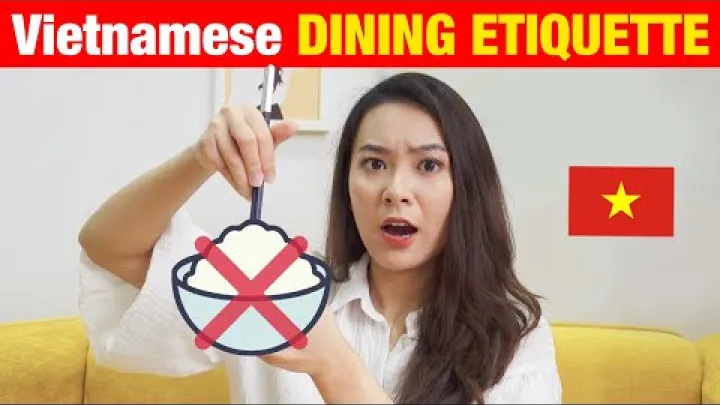
Dining etiquette in Vietnam is generally relaxed, but a few simple habits help you eat politely. When using chopsticks, avoid sticking them upright into a bowl of rice, as this resembles incense sticks offered to the dead and is considered inappropriate. Instead, rest them on the edge of your plate or a chopstick rest when not in use. Do not point at people with chopsticks, and try not to rummage through shared dishes searching for specific pieces.
Sharing is expected, so taking modest portions at a time and returning for more if needed is appreciated. When someone, especially an elder or host, places food in your bowl, it is polite to accept it with thanks and at least taste it. If you cannot eat something due to dietary restrictions, a brief, gentle explanation is usually accepted. Drinking etiquette often includes pouring drinks for others at the table before refilling your own glass, especially in social gatherings; watching what locals do and following their lead is a good guide.
Another custom is inviting others to eat before starting. Phrases roughly equivalent to “please eat” are commonly said at the beginning of a meal, and people may wait for the oldest person or the host to start before digging in. In casual street settings, this may be less formal, but acknowledging others at the table before focusing on your own food is appreciated.
In restaurants and at street stalls, basic manners also matter. Speaking calmly, not wasting large amounts of food and keeping your space reasonably tidy are all seen as respectful. If you are unsure about something, such as how to wrap a dish in herbs or how to mix a dipping sauce, it is fine to observe others or ask gently. Most Vietnamese people are happy to show visitors how to enjoy their food correctly.
Practical tips for tourists eating in Vietnam
Practical knowledge makes eating in Vietnam easier and more enjoyable. Many menus in tourist areas now include English, but in local spots you may only see Vietnamese. Learning a few basic dish names and categories helps a lot. Some useful words include “phở” (noodle soup), “bún” (vermicelli noodles), “cơm” (rice), “mì” (wheat noodles), “gà” (chicken), “bò” (beef), “heo” or “lợn” (pork) and “chay” (vegetarian). Pointing to items on display or photos on the wall is also normal.
Paying the bill is usually straightforward. In casual places, you may go to the front and say what you had, and the staff will tell you the total. In sit-down restaurants, you can ask for the bill at the table. Tipping is not strongly expected in most simple eateries, but rounding up the amount or leaving a small extra for good service is appreciated in more formal restaurants. Having small bills on hand makes payment easier, especially at street stalls.
Handling spice levels, special dietary needs and unfamiliar ingredients requires clear but polite communication. If you do not eat spicy food, you can request “no chili” before the dish is prepared and avoid adding extra chili at the table. Vegetarians and vegans should ask whether fish sauce or meat broth is used, as some vegetable dishes still include these. Gluten-aware travelers may focus on naturally gluten-free staples like rice and fresh ingredients but should keep in mind that sauces and marinades can contain wheat.
Food apps and local recommendations can be very useful, especially in larger cities. Many delivery platforms list restaurant menus with photos and basic translations, which can double as a reference when you later visit similar places in person. Visiting local markets during the morning is another good way to see ingredients and ask vendors about names and uses. Whether you are staying for a few days or several months, combining digital tools with on-the-ground curiosity helps you explore Vietnam food safely and confidently.
Frequently Asked Questions
What are the most famous Vietnamese foods to try in Vietnam?
The most famous Vietnamese foods to try in Vietnam include phở (noodle soup), bánh mì (Vietnamese sandwich), gỏi cuốn (fresh spring rolls), bún chả (grilled pork with noodles) and cơm tấm (broken rice with grilled meat). Visitors should also sample bún bò Huế, bánh xèo (crispy pancakes), various street snacks and regional specialties in each city. These dishes represent different regions and cooking styles, from light northern broths to bold central soups and sweet southern flavors.
Is Vietnamese food generally healthy compared to Western food?
Vietnamese food is generally healthier than many typical Western fast foods because it uses a lot of vegetables, herbs and broths and less dairy and heavy cream. Many dishes are grilled, boiled or steamed instead of deep-fried, and portions of meat are often moderate. However, fish sauce and other condiments can be high in sodium, and modern urban diets now include more sugar, oil and processed foods. Choosing fresh rolls, soups, vegetables and grilled dishes will give you the healthiest experience.
What is the difference between northern and southern Vietnamese food?
Northern Vietnamese food is usually more subtle, less sweet and less spicy, focusing on clear broths and simple seasoning. Southern Vietnamese food is often sweeter and more aromatic, with more herbs, coconut milk and fruit, reflecting the tropical climate and rich agriculture. Central Vietnam is known for spicier and saltier dishes with strong fermented flavors. Trying the same dish in different regions, such as phở in Hanoi and in Ho Chi Minh City, will show these contrasts clearly.
What should tourists know before eating street food in Vietnam?
Tourists should know that street food in Vietnam is a normal and important part of daily life and is often where the best versions of dishes are found. Choose busy stalls with high turnover, freshly cooked food and clean cooking areas, and avoid items that have been sitting at room temperature for a long time. Bringing hand sanitizer and tissues is useful, and drinking bottled or boiled water is recommended. Learning a few basic phrases and watching how locals order and eat will make the experience smoother.
What is phở and how is it different from other Vietnamese noodle soups?
Phở is a Vietnamese noodle soup made with flat rice noodles, clear aromatic broth and beef or chicken, served with herbs, lime and chili. Its broth is slowly simmered with bones and spices such as star anise, cinnamon and charred onion, giving it a distinctive perfume. Other Vietnamese noodle soups, such as bún bò Huế or canh chua, use different noodles, broths and seasonings and may be spicier, sourer or richer. For example, bún bò Huế uses thicker round noodles and a spicy lemongrass broth, while phở is milder and more focused on clear aroma.
Are there good vegetarian and vegan food options in Vietnam?
There are many good vegetarian and vegan food options in Vietnam, especially in cities and near Buddhist temples. Common vegetarian dishes include cơm chay (rice with tofu, mushrooms and vegetables), phở chay (vegetarian noodle soup) and stir-fried greens with garlic. Many restaurants can prepare dishes without fish sauce if you ask clearly, and some use soy sauce instead. Dedicated vegetarian and vegan restaurants are easy to find in major tourist areas, while in smaller towns, options may be simpler and require more explanation.
What are traditional Vietnamese foods eaten during Tết (Lunar New Year)?
Traditional Vietnamese foods eaten during Tết include bánh chưng or bánh tét (sticky rice cakes with mung beans and pork), boiled or steamed whole chicken, pickled onions and various boiled or braised meats. Families also prepare mứt, which are candied fruits and seeds offered to guests, and nem chua (fermented pork) in some regions. These dishes are used both for ancestor offerings and for shared meals, and they symbolize prosperity, family unity and respect for tradition.
How spicy is Vietnamese food and can I ask for less chili?
Most everyday Vietnamese food is mildly spicy, especially in the North and South, but central dishes such as bún bò Huế can be quite hot. Chili is often added at the table in the form of fresh slices, chili sauce or chili oil, so you can easily control the heat level. You can always ask vendors and restaurants to reduce or omit chili by saying you do not eat spicy food. They are used to this request, especially in tourist areas, and will usually adjust the seasoning.
Conclusion and Next Steps for Exploring Vietnam Food
Key takeaways about Vietnamese cuisine, dishes and street food
Vietnam food is characterized by balance: between salty, sweet, sour, spicy and umami flavors; between cooked dishes and fresh herbs; and between subtle northern broths, bold central specialties and fragrant southern meals. Rice and noodles provide the base, while fish sauce, soy sauce, herbs and vegetables create variety and depth. Street food, family meals, festival dishes and modern cafés all express different aspects of the same culinary tradition.
For travelers, students and remote workers, exploring Vietnamese food in Vietnam is a direct way to understand history, regional diversity and everyday life. By trying famous dishes like phở, bánh mì, bún chả and cơm tấm, sampling regional specialties and observing how people share meals, you gain insight that goes beyond guidebooks. At the same time, awareness of health aspects, etiquette and practical tips helps you eat comfortably and respectfully throughout your stay.
Practical next steps for planning your Vietnam food journey
Planning a food-focused journey in Vietnam can follow the country’s three main regions. In and around Hanoi, focus on northern dishes such as phở, bún chả and delicate rice and noodle soups. In Central Vietnam, especially Huế, Hội An and Da Nang, seek out bún bò Huế, mì Quảng, cao lầu and royal-style snacks. In Ho Chi Minh City and the Mekong Delta, explore cơm tấm, hủ tiếu, coconut-based curries and the wide range of fruit and street snacks.
Between trips, you can deepen your understanding by trying simple Vietnam food recipes at home, starting with accessible dishes like fresh spring rolls, basic noodle soups or grilled meats with rice and herbs. Continuing to read about Vietnamese culture, regional histories and festival traditions will also enrich future visits or longer stays. Over time, the flavors, ingredients and customs you encounter will form a coherent picture of Vietnam food as a living, evolving part of the country’s identity.
Select area
Create a post
Posting is free and no registration is required.