- Tay Son Heaven and Earth Esplanade: Historic Shrine in Quy Nhon
- Quang Trung Museum: Tay Sơn History & Culture in Quy Nhon
- Banh It Cham Towers: Ancient Heritage & Photography in Quy Nhon
- The Thon Beach in Cat Tien: Clean Shores & Affordable Watersports
- Linh Phong Pagoda in Quy Nhon: The Sacred Mountain Temple
Vietnam Weather: Seasons by Region, Best Time to Visit & Travel Tips

Vietnam weather is more varied than many visitors expect. Understanding these patterns helps you decide when to visit Hanoi, Da Nang, Hoi An, Ho Chi Minh City, and other destinations for the type of trip you want. This guide focuses on long-term climate averages, not short-term forecasts, so you can plan months in advance with realistic expectations. Use it as a practical roadmap, then check updated local forecasts closer to your travel dates.
Introduction to Vietnam weather for travelers
Why understanding Vietnam weather matters before you go
Some months bring clear blue skies and calm seas, while others are known for heat waves or typhoon risk. When you understand these patterns in advance, you can choose dates and routes that support your priorities instead of fighting the climate.
Conditions also vary sharply from city to city. Hanoi can feel chilly and damp in winter while Ho Chi Minh City stays hot and humid. Da Nang and Hoi An may have sunny beach weather when Hue is in heavy rain, and Sapa can be cool even when the lowlands are hot. This guide compares key destinations using simple, translation-friendly language, focusing on typical temperature ranges and rainy months. It is based on decades of climate data and general monsoon patterns, not on any specific year’s forecast, so it remains useful even as day-to-day weather changes.
Quick snapshot of Vietnam climate and best time to visit
Vietnam weather is shaped by a tropical monsoon climate with two main broad seasons: a cooler, drier period from roughly November to April and a hotter, rainier period from May to October. Within this pattern, the north, central coast, and south each behave differently because of latitude, coastline shape, and mountains. This means there is no single “best month” for all of Vietnam, but there are very good windows for each region.

In general, northern Vietnam has a cool winter and a hot, humid summer, the central coast has a later rainy season and higher typhoon exposure, and southern Vietnam is warm all year with just dry and wet seasons. Later sections will explain Vietnam weather Hanoi, weather Ho Chi Minh City Vietnam, Da Nang Vietnam weather, weather Hoi An Vietnam, and more in detail. For a quick decision, you can use the summary below.
- Northern Vietnam (Hanoi, Halong Bay, Sapa): Best overall from October to April; mild and usually dry in October–December and March–April.
- Central Coast (Hue, Da Nang, Hoi An): Best for beaches from February to August; wettest and stormiest roughly September to November.
- South (Ho Chi Minh City, Mekong Delta, Phu Quoc): Best from December to April in the dry season; wetter from May to November but still warm.
- Central Highlands (Da Lat and surroundings): Best from December to March for clear, cool conditions; greener but wetter from May to October.
Overview of Vietnam’s climate
Before looking at city-by-city details, it helps to understand the basic structure of Vietnam’s climate. The country runs more than 1,600 kilometers from north to south, spanning subtropical latitudes in the north and tropical latitudes in the south. Winds shift direction over the year, bringing dry air at some times and moist monsoon flows at others. Mountains, high plateaus, and long coastlines modify these winds and create local variations.

For travelers, this means that Vietnam weather in Hanoi can feel like a cool, damp winter while the same month is hot and dry in Ho Chi Minh City. It also means that “rainy season” starts and ends at different times depending on where you go. By understanding how the monsoon and geography interact, you can read the rest of this guide more confidently and adapt it to your own route.
Monsoon influences and north–south differences
Vietnam’s climate is mainly controlled by tropical monsoon systems, which are large-scale seasonal wind patterns. During the cooler half of the year, roughly November to April, winds often blow from the northeast and north. These winds bring drier, cooler air from the Asian continent, especially to northern and central Vietnam. In the warmer half of the year, from around May to October, winds tend to shift to the south and southwest, carrying warm, moist air from the sea and contributing to higher humidity and more frequent rain.

The country’s length and latitude create clear north–south differences. Northern Vietnam, including Hanoi and Halong Bay, can have winter daytime temperatures around 15–20°C and nighttime values near 10–15°C, with occasional colder periods. Summers often reach 30–35°C with high humidity and intense sun. In contrast, southern Vietnam around Ho Chi Minh City is tropical year-round. Daytime temperatures usually stay between about 30–34°C in all months, and nights are often 24–27°C. Altitude adds another layer: for every 100 meters you go up, the air can be roughly 0.5°C cooler. This is why highland areas like Sapa (around 1,500–1,600 meters) and Da Lat (around 1,500 meters) feel much cooler than nearby lowland cities, with mild days and sometimes chilly nights even when the plains are hot.
Main climate regions: north, central, and south
For travel planning, it is practical to divide Vietnam into three broad climate regions: north, central, and south. Each has its own seasonal rhythm and ideal travel windows. Northern Vietnam includes Hanoi, Halong Bay, Ninh Binh, and the northern mountains such as Sapa and Ha Giang. Central Vietnam covers Hue, Da Nang, Hoi An, Quy Nhon, and down the coast toward Nha Trang, plus adjacent areas of the Central Highlands. Southern Vietnam includes Ho Chi Minh City, the Mekong Delta, Phu Quoc, and other southern islands and coastal areas.
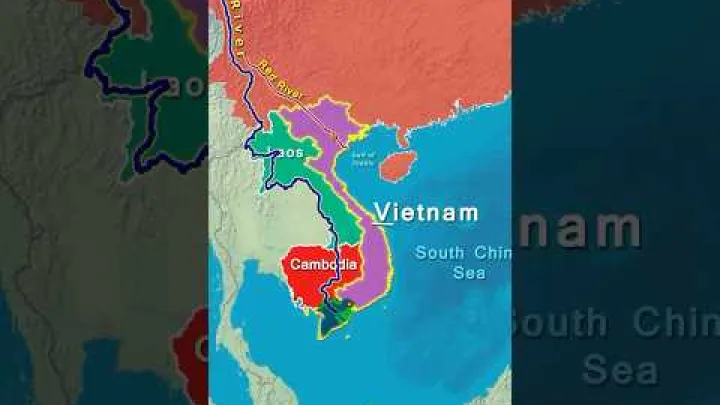
The north experiences four more distinct seasons: a cool to cold winter (roughly December–February), a mild spring (March–April), a hot, humid summer with heavy rain (May–August), and a pleasant autumn (September–November). The south has two main seasons: a relatively dry season from about December to April and a rainy season from May to November, with consistently warm temperatures throughout the year. The central coast behaves differently again: it is often dry and sunny from February to August, then wetter from around September to December, with a higher chance of typhoons and tropical storms in these later months. Transitional zones such as the Central Highlands around Da Lat share some patterns with both the central coast and the south, but altitude keeps them cooler and more temperate than coastal cities.
Vietnam weather by season
Looking at Vietnam weather by season helps you match your trip to broad climate phases rather than individual days. While local differences remain important, there are clear national patterns that return most years. The cool and dry season from November to April is often favored for sightseeing, while the hot and rainy season from May to October brings lush landscapes and fewer crowds but also more showers and storms.
Within these two broad phases, there is also a typhoon and tropical storm season that mainly affects the central and northern coasts. Understanding when these storms are most likely to occur, and what they mean in practice, will help you decide how much flexibility and backup planning your trip needs.
Cool and dry season from November to April
The cool and dry season, from about November to April, is often the most comfortable time for many travelers. Across much of Vietnam, humidity is lower and rainfall drops compared with the summer months. In the north, this period can feel like autumn and winter, while central and southern regions experience mild to warm dry conditions that are ideal for sightseeing and beach time. Skies are often clearer, especially from December to March, which supports outdoor photography and long views in places like Halong Bay.
In Hanoi, typical daytime temperatures during December and January are around 15–20°C, with colder nights that can fall near 10°C or even a little lower during cold snaps. By March and April, temperatures rise to roughly 20–28°C, with more spring humidity. Da Nang often sees temperatures of about 22–28°C in December–February, gradually warming toward 26–32°C by April, with relatively low rainfall compared with its later-wet season. Ho Chi Minh City usually experiences 31–34°C daytime highs during this dry season, with warm nights around 24–27°C and many hours of sun.
These months are well suited to city walking tours, food exploration, and cultural visits. Northern destinations like Hanoi, Ninh Binh, and Halong Bay are pleasant in October–December and March–April, though December and January can be cloudy and cool. Central destinations like Da Nang, Hoi An, and Nha Trang are especially popular from February to August, but even December–January can be good in some years once the main autumn rains pass. In the south, beaches and islands such as Phu Quoc, Mui Ne, and Con Dao enjoy their sunniest and driest weather from December to April, making this period a top choice for beach-focused trips. This season also includes major local festivals like Tet (Lunar New Year), which usually falls between late January and mid-February and can affect crowd levels and transport availability.
Hot and rainy season from May to October
The hot and rainy season runs roughly from May to October across most of Vietnam. During these months, temperatures and humidity rise, and showers or thunderstorms become more frequent. In northern cities like Hanoi, summer temperatures commonly reach 32–35°C, and it can feel hotter due to high humidity. Afternoon and evening storms are common, bringing heavy but usually short-lived downpours. In the south, including Ho Chi Minh City, the pattern is similar: warm mornings, building clouds, then intense showers or thunderstorms in the late afternoon.

Rainfall patterns are not the same everywhere. In the south, many days follow a regular cycle of sun, clouds, and one or two strong showers lasting from 30 minutes to a couple of hours, after which the sky often clears again. All-day rain is less common, although it can occur. In the north and parts of the central highlands, there can be periods of several wet days in a row, especially at the height of the monsoon, and some storms can be very intense. These conditions affect travel plans: trekking routes in Sapa may become muddy and slippery, and cloud or mist can limit views of rice terraces. Halong Bay cruises can continue for much of this season, but heavy rain or strong winds may lead to schedule changes or cancellations, especially when combined with tropical systems. Beach time in central and southern resorts remains possible, but waves are often higher and water can be less clear, especially when the wind is strong.
To manage heat, it is sensible to plan outdoor sightseeing for early morning and late afternoon, using the hotter midday period for lunch, rest, or museum visits. Lightweight, breathable clothing, a hat, and regular hydration are important. In rainy months, waterproof covers for bags and electronics help you stay comfortable when sudden showers arrive. While some travelers avoid this season, others appreciate the greener scenery, fewer crowds, and sometimes lower prices, especially outside school holidays.
Typhoon and tropical storm season across Vietnam
Typhoons and tropical storms can affect Vietnam from about June to November, with the peak season generally between July and October. These systems usually form over the western Pacific or the South China Sea and then move toward the Vietnamese coast. Landfalling storms bring strong winds, very heavy rain, high waves, and sometimes coastal flooding. Their tracks vary from year to year, but central and northern coastal regions are most often in the path, while the far south is less frequently hit directly.
For travelers, storm season has several practical implications. Weather Hoi An Vietnam and Da Nang Vietnam weather are especially sensitive from roughly September to November, when typhoons and tropical depressions may bring multi-day rain, rough seas, and localized flooding. Lantern festivals and riverfront areas can be affected by high water levels. In the north, Halong Bay may see cruise cancellations or early returns when marine authorities judge sea conditions unsafe. Flights can be delayed, and some mountain roads may close temporarily due to landslides after very heavy rain. It is helpful to approach these months with flexibility, using calm and factual information from local forecasts and your tour operator. Storm activity varies widely between years, so while long-term averages show higher risk in certain months, any single trip may experience only modest impacts.
Northern Vietnam weather: Hanoi, Halong Bay, and Sapa
Northern Vietnam offers a wide range of climates within a relatively compact area. Hanoi has four seasons and a strong urban feel, Halong Bay lies on a cooler, often misty coast, and Sapa and other mountain regions are several degrees cooler due to altitude. This diversity allows you to move between cultural cities, seascapes, and highland landscapes in a single trip, but it also means packing and planning need more attention.

In this section, you will see how Hanoi Vietnam weather by month shapes everyday activities, why Halong Bay cruises are better in some seasons than others, and how Sapa’s temperatures and rainfall affect trekking and homestays. These patterns give you a framework for choosing your ideal time to explore the north.
Hanoi weather and seasons through the year
Winter, from December to February, is cool or even chilly by regional standards. Daytime temperatures often hover around 15–20°C, but overcast skies, light drizzle, and high humidity can make it feel colder. Nights can drop near 10°C or slightly below during cold spells, and indoor heating is limited in many buildings. Spring, from March to April, brings gradual warming and more humidity, with temperatures rising to 20–28°C and more frequent light rain or mist.

Summer, from May to August, is hot and humid. Typical daytime temperatures reach 32–35°C, and nights stay above 25°C, with frequent thunderstorms and heavy downpours. This period aligns with the northern rainy season, so you can expect lush greenery but also sudden storms that may interrupt outdoor plans. Autumn, from September to November, is often viewed as the most pleasant season, with decreasing humidity, temperatures generally in the 24–30°C range, and clearer skies. Vietnam weather Hanoi also interacts with air quality: during the cooler, calmer winter months, pollution can build up, especially in late autumn and winter, so some visitors choose spring or autumn for a better balance of climate and air clarity.
For comfortable temperatures and relatively lower rainfall, many travelers find these months best for Hanoi:
- Best overall: October–November and March–April.
- Cool but sometimes grey: December–February.
- Hot and wet, but lively and green: May–August.
Halong Bay weather and best cruise months
Halong Bay lies on Vietnam’s northeastern coast, and its weather influences the experience on the water. In winter, from December to February, temperatures are cool, often around 15–20°C during the day and cooler at night. Fog and low cloud are common, which can create an atmospheric, misty landscape but sometimes limit long-distance views. The sea is usually calm, but it can feel chilly on deck, especially in the wind. Spring, from March to April, often brings more mild temperatures and improving visibility, which many visitors enjoy.

Summer, from May to August, is warmer, with daytime temperatures around 28–33°C and high humidity. The sea is generally warm enough for swimming, but this is also the rainy season. Short, intense showers are frequent, and thunderstorms or occasional tropical systems can produce rougher seas. Autumn, from September to November, is often a good compromise, offering relatively warm temperatures and, in many years, more stable weather than midsummer. However, the peak typhoon months of September and October can still bring storm-related disruptions.
Because cruise operations are closely tied to marine forecasts and safety regulations, exact schedules depend on real-time conditions and decisions by local authorities. As a general guide for Halong Bay Vietnam weather and cruise planning:
- Recommended months: March–April and October–early December (mild temperatures, often clearer skies).
- Acceptable with higher rain risk: May–August (warmer water, more showers and storms).
- Less ideal: Late December–February for some travelers due to cold, grey days and fog, and September–October for higher typhoon risk.
Sapa and northern mountains weather across seasons
In summer, roughly from May to August, daytime temperatures are often around 20–26°C in town, cooler than the lowlands, with nights that can drop to 15–20°C. This makes summer a popular time for escaping the heat, but it is also part of the rainy season, so showers and thunderstorms are frequent. Trails can be muddy and slippery, and mist can sometimes obscure the famous rice-terrace views.

Winter, from December to February, can be surprisingly cold in Sapa. Typical daytime temperatures may be around 8–15°C, but nights can drop close to or below 0°C during cold snaps. Frost and, more rarely, light snow can occur on nearby peaks, and some accommodation can feel cold due to limited insulation. These conditions affect trekking: paths can be icy or very muddy, and views may be limited on grey days, but some travelers enjoy the dramatic winter atmosphere. Transitional months like March–April and September–November are often considered the best for trekking and scenery. Rice terraces are usually green in late spring and early summer, and golden before harvest in late summer or early autumn.
In numeric terms, typical Sapa temperatures illustrate the altitude effect: winter nights may be 5–10°C lower than in Hanoi, while summer days are often several degrees cooler. Common challenges include slippery trails after rain, mist or fog that reduces visibility, and occasional landslides affecting rural roads in very wet periods. Good footwear, a flexible trekking schedule, and checking local conditions are important for a safe and rewarding trip.
Central Vietnam weather: Hue, Da Nang, Hoi An, and Nha Trang
Central Vietnam has its own climate rhythm that is different from both the north and the far south. The long central coast faces the South China Sea and is shielded and shaped by nearby mountains. As a result, many central beach areas enjoy dry, sunny conditions when the north is cool and damp, but they also face a later rainy season and higher exposure to typhoons.
Within this region, Hue is known for heavier rainfall, Da Nang and Hoi An share similar beach-focused patterns with a defined storm season, and Nha Trang has a micro-climate that often stays sunnier than its neighbors. Understanding these local differences helps you choose the right month for imperial sightseeing, lantern-lit streets, or long days on the sand.
Hue weather patterns and late rainy season
Hue, the former imperial capital, is located just inland from the central coast and is surrounded by hills and the Perfume River. It has a reputation for higher rainfall than many other Vietnamese cities, especially in the latter part of the year. From about September to December, Hue often experiences its main rainy season, with frequent heavy showers and periods of persistent rain. During these months, river levels can rise quickly, and there is a risk of localized flooding in the city and surrounding countryside.
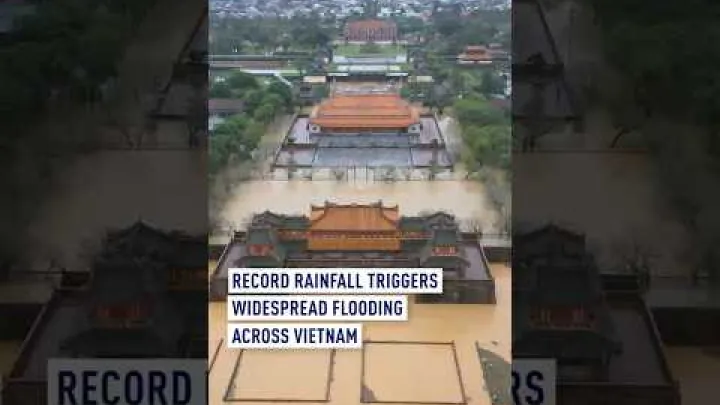
In the drier months from about January to August, Hue’s weather is more varied. Early in the year, from January to March, temperatures are mild, generally around 20–25°C, with some cool, cloudy days. As spring turns to summer, temperatures rise, and by May–August daytime values can reach 30–35°C, with high humidity. Visitors should be prepared for strong sun during this time, but also understand that short showers can still occur. The heavy rainfall months of October and November are the ones most associated with potential flooding, especially along the Perfume River. During wet periods, it is useful to plan some indoor or flexible activities, such as museum visits, cooking classes, or shorter excursions that can be adjusted according to the daily forecast.
Da Nang and Hoi An weather patterns and typhoon risk
Da Nang and Hoi An sit along the same stretch of central coastline and share similar climate characteristics. Da Nang Vietnam weather is generally warm year-round, with a noticeable difference between a long, drier period and a shorter, wetter one. From roughly February to August, Da Nang and nearby beaches usually enjoy many sunny days, with daytime temperatures around 27–34°C and relatively low rainfall. Sea conditions are often calm enough for swimming and water sports, and these months form the core beach season.

Weather Hoi An Vietnam follows a similar pattern, making it a popular destination for combining cultural exploration with nearby An Bang or Cua Dai beaches. From September to around December, both Da Nang and Hoi An move into a wetter phase. Rainfall increases, and the risk of typhoons and tropical storms rises, especially in September, October, and sometimes early November. These storms can bring very heavy rain, strong winds, and high waves, which may temporarily affect beach access and boat trips. Localized flooding along Hoi An’s riverfront and in low-lying areas is possible in these months, sometimes leading to changes in lantern festival activities and boat operations.
For planning, it helps to have a clear view of the best months for beach holidays in Da Nang and Hoi An:
- Best beach months: February–August (warm, mostly dry, favorable sea conditions).
- Shoulder months: January and early September (conditions can be good but less predictable).
- Wet and more storm-prone: Late September–December, especially October–November.
During peak beach season, air temperatures typically range from the high 20s to low 30s Celsius during the day, and sea temperatures are usually warm and comfortable for swimming.
Nha Trang micro-climate and sunny beach weather
Nha Trang benefits from a partial rain shadow created by nearby mountains, giving it a micro-climate that often provides more sunny days than other central cities. For much of the year, especially from around January to August, Nha Trang experiences long periods of sunshine, warm temperatures often between 26–33°C, and relatively low rainfall. This makes it one of Vietnam’s most reliable year-round beach destinations, particularly in the first half of the year.

The main rainy period in Nha Trang tends to be shorter and often centers on roughly October and November, when heavier showers and occasional storms can occur. Even then, there can still be sunny intervals between rainy episodes. Compared with Hue, Da Nang, and Hoi An, which have a longer and sometimes heavier late-year rainy season, Nha Trang often feels drier and more stable in the spring and early summer months. Typical sunshine hours are high for much of the year, which favors diving, snorkeling, and island-hopping excursions.
For travelers, the best months for water activities and relaxed beach stays are usually February to August, when sea conditions are often calm and water clarity is relatively good. When packing for Nha Trang, focus on light, sun-protective clothing, swimwear, and sandals, but also include a light rain jacket or compact umbrella for occasional short storms, especially if you visit during the October–November wet period.
Central Highlands weather: Da Lat and surrounding areas
The Central Highlands of Vietnam, including Da Lat and nearby rural areas, provide a cooler contrast to the hot coastal plains and southern lowlands. Their higher elevation creates a temperate feel that many people describe as spring-like. This region is popular for outdoor activities such as hiking, cycling, and waterfall visits, as well as for coffee plantations and vegetable farms.

However, altitude and terrain also bring frequent light rain, mist, and cooler nights, especially in the wetter months. Understanding when the highlands are driest and when rainfall makes roads and trails more challenging helps you decide how to fit Da Lat into a wider Vietnam itinerary.
Da Lat temperatures, rainfall, and “eternal spring” climate
Da Lat is located at about 1,500 meters above sea level, giving it a noticeably cooler climate than cities such as Ho Chi Minh City or Nha Trang. Daytime temperatures in Da Lat often range from around 18–25°C for much of the year, with nights that can drop to 10–18°C depending on the season. This mild range, combined with moderate humidity, creates a climate that many travelers find comfortable for walking and cycling.

The year can be divided into a drier period and a wetter one. From December to around March or April, Da Lat tends to be drier, with clearer skies and cooler nights. As the rainy season develops from about May to October, showers become more frequent, often in the afternoon or evening. Rain is sometimes light but can also be heavy in short bursts, and mist is common in the surrounding countryside and hills. These conditions affect outdoor activities: markets and central city walks remain easy in most weather, but countryside tours, waterfalls, and mountain viewpoints can be impacted by wet and slippery paths or reduced visibility.
Because evenings and early mornings can feel quite cool for a tropical country, especially in the dry months, layering is important. A combination of a T-shirt or light shirt plus a sweater or light jacket that you can add or remove is practical. Long trousers and closed shoes help in cooler, damp conditions, while a light rain jacket is useful during the wetter months.
When to visit the Central Highlands for outdoor activities
If you plan to focus on hiking, cycling, and scenic road trips, the months with the driest and clearest conditions in the Central Highlands are generally from December to March. During this period, Da Lat and surrounding areas often see more stable weather, cooler temperatures, and less frequent heavy rain. Trails are usually less muddy, viewpoints are clearer, and rural roads are easier to navigate. These months are considered a peak season for highland travel, though not as hot or crowded as some coastal beach areas.

The rainy season, from about May to October, brings greener landscapes and fuller waterfalls but also more challenges. Roads, especially unpaved ones, can become slippery or rutted after strong showers. Mist and low cloud sometimes reduce visibility on mountain passes, which matters if you plan long motorbike rides or cycling routes. Shoulder months like April and November can be mixed, with some dry, clear days and some wet ones. For risk management, it is wise to check local weather forecasts before starting any long motorbike journey, to avoid riding in very heavy rain or poor visibility. Combining Da Lat with coastal or southern destinations works well: some travelers spend a few cool days in the highlands before heading to warmer beaches like Nha Trang or Phu Quoc, balancing different climates within one trip.
Southern Vietnam weather: Ho Chi Minh City, Mekong Delta, and Phu Quoc
Southern Vietnam sits fully in the tropical zone and has warm temperatures throughout the year. Instead of four seasons, it has two main ones: a hot, relatively dry period and a hot, wetter period. This simplicity makes planning easier in some ways, but the influence of monsoon winds, river systems, and offshore islands still creates local differences between Ho Chi Minh City, the Mekong Delta, and Phu Quoc.

In this section, you will learn how weather Ho Chi Minh City Vietnam changes between dry and rainy seasons, how the Mekong Delta’s seasonal floods shape river life and travel, and how monsoon winds affect sea conditions and beach choice on Phu Quoc. These details can inform how you structure a south-focused itinerary or connect the south with other regions.
Ho Chi Minh City weather and two main seasons
The dry season typically runs from December to April. During these months, days are hot and often sunny, with typical highs around 31–34°C and warm nights near 24–27°C. Humidity is still present but usually feels lower than in the wet season, and rain showers are relatively rare.
The rainy season usually extends from May to November. In this period, temperatures remain similar, but humidity increases and afternoon showers or thunderstorms become common. Many days follow a pattern: bright or partly cloudy mornings, building clouds by midday, then one or more short but intense showers in the afternoon or early evening. These downpours can be very heavy but often last only 30–90 minutes, after which activity resumes. Vietnam weather Ho Chi Minh rarely brings prolonged cool periods; instead, the main differences for travelers are between hot-dry and hot-wet conditions. To make the most of your time, it is helpful to schedule outdoor sightseeing and walking for early morning and late afternoon, using air-conditioned cafes, malls, or museums for the hottest midday hours and planning around typical late-day rain.
Mekong Delta floods, dry season, and river life
The Mekong Delta is a complex river landscape where seasonal water levels play a central role in daily life. Each year, during the wet season from about May to November, water levels rise across the delta. This seasonal flooding is generally predictable and is used by local communities to support agriculture, especially rice cultivation and fish farming. At the same time, high water can change which routes are most convenient or which areas are easy to access.

During the dry season, from roughly December to April, water levels are lower, and conditions are usually more stable for travel. Boat tours to floating markets, canals, and rural homestays operate in both seasons, but the experience changes. In the wet season, landscapes can be particularly scenic, with flooded forests, expansive river views, and lush vegetation. However, some paths and minor roads may be submerged or muddy, and timetables can shift as local operators adjust to water levels. In certain peak high-water months, some areas may be temporarily less accessible. It is helpful to keep your plans flexible, allow extra time for transfers, and be ready to adjust routes in cooperation with your tour provider.
Phu Quoc island weather, monsoon season, and sea conditions
Phu Quoc, off Vietnam’s southwest coast, is a popular island destination with beaches on both its western and eastern sides. The island experiences a marked dry and wet season that strongly influences sunshine hours, sea conditions, and which beaches are most sheltered. The main dry season usually lasts from November to April, with the peak beach months from December to March. During this time, days are often sunny, with temperatures around 28–32°C, and the sea is typically calm and clear, especially on the west coast. Average sea temperatures are usually in the high 20s Celsius, comfortable for swimming, snorkeling, and boat trips.

The wet season, roughly from May to October, is shaped by monsoon winds that bring higher waves and more frequent showers, especially on the western side of the island. Sea clarity can decrease in rougher conditions, and some boat trips may be rescheduled or rerouted. Certain beaches are more protected at different times of year, depending on wind direction. In the wet months, accommodation on the east or southeast coast can sometimes offer more sheltered water, while in the dry season the west-coast beaches often have the classic calm-sea appearance. When choosing where to stay, it is useful to consider both beach orientation and season so that you can maximize your chances of calm water.
Sea temperatures and beach conditions along Vietnam’s coast
Sea temperatures around Vietnam are generally warm, but they do vary by region and season. Northern waters can feel cool in winter, while southern seas stay comfortably warm for swimming all year. Wave height, wind, and water clarity also influence how pleasant beaches feel, especially for snorkeling and diving.
By looking at typical sea temperatures and beach conditions, you can choose the best months for different kinds of coastal activities. You may prefer cooler air and moderate water temperatures for long walks, or warmer air and sea for swimming and water sports.
Typical sea temperatures by region and season
Along the northern coast, including the Halong Bay area, sea temperatures are coolest in winter. From about December to March, water can feel fresh, and some travelers may find swimming less comfortable, although short dips are still possible for many. By late spring and throughout summer, from around May to September, northern waters warm significantly and feel pleasant for swimming, matching the hot air temperatures.
In central and southern Vietnam, sea temperatures are more consistently warm. Around Da Nang, Hoi An, and Nha Trang, waters are generally comfortable for swimming from about March to October, with the warmest periods in late spring and summer. Even outside these months, temperatures are often acceptable for a short swim for most visitors, though some may find winter water on the central coast cooler. In southern areas like Phu Quoc and Mui Ne, sea temperatures usually remain in the mid- to high-20s Celsius throughout the year, which supports year-round swimming. For diving and snorkeling, warmer waters and calmer winds in the dry season often provide clearer conditions.
Best months for beach holidays in Vietnam
Because Vietnam’s coast is long and varied, the best months for a beach holiday depend on where you want to go. Central beach destinations such as Da Nang and Hoi An usually offer their most reliable beach weather from February to August, when days are sunny and the sea is often calm. Nha Trang, with its micro-climate, is also good for much of this period and often remains pleasant well into the summer. In the south, islands and beach towns like Phu Quoc and Mui Ne are at their best from December to April, when skies are frequently clear and rain is limited.
There are trade-offs between peak season and shoulder periods. Peak months bring the most stable sunshine but also more visitors and higher prices. Shoulder months, such as November and March for some areas, may include occasional showers or some rougher sea days, but they often have fewer crowds and quieter beaches. Some travelers are happy to accept a small chance of rain for a calmer atmosphere. A sample overview of beach timing by destination looks like this:
- Da Nang and Hoi An: Best from February–August; higher rain and storm risk September–December.
- Nha Trang: Often good from January–August; wetter in October–November.
- Phu Quoc: Best from December–March; wetter and windier May–October.
- Mui Ne and south-central coast: Generally good from November–April; some wind and waves at other times, popular with kite and wind sports.
Combining regions can increase your chances of good beach weather. For example, a winter trip can pair Hanoi and Halong Bay with Phu Quoc or Nha Trang, while a spring or early summer itinerary might combine Hoi An and Da Nang with the Central Highlands or northern mountains.
Climate change, extreme weather, and air quality in Vietnam
Like many countries, Vietnam is experiencing changes in long-term climate trends. Gradual warming, changing rainfall patterns, and rising sea levels are affecting both urban and rural areas. For travelers, this does not mean you cannot plan a trip, but it does mean that traditional seasonal patterns may be less predictable than in the past.
In addition to climate change, Vietnam faces recurring challenges from extreme weather events such as typhoons, floods, and landslides, especially during the rainy season. Large cities like Hanoi and Ho Chi Minh City also deal with air quality issues influenced by traffic, industry, and seasonal weather conditions. Understanding these factors helps you prepare in a realistic but calm way and make informed decisions about timing and activities.
How climate change is reshaping Vietnam weather patterns
Over recent decades, observations suggest that average temperatures in Vietnam have been gradually rising. Heat waves can be more frequent or intense, particularly in lowland cities. Rainfall patterns are also shifting in some regions, with signs of more intense downpours in shorter periods, even if total annual rainfall does not change dramatically. These trends affect how reliable traditional “dry” and “rainy” seasons feel from year to year.
Climate change can also influence the timing and strength of monsoons. In some years, rainy seasons arrive later or end earlier than expected, affecting regions differently. Long-term concerns include sea-level rise, especially for the low-lying Mekong Delta and coastal cities that are vulnerable to storm surges and erosion. For travelers, the practical implication is that shoulder seasons may become less predictable, with greater variation between years. It is sensible to treat climate descriptions as general guides based on long-term averages rather than strict rules for any specific month.
Typhoons, floods, and other extreme weather risks
Extreme weather events are a regular part of Vietnam’s climate, though their frequency and intensity can vary from year to year. Typhoons and strong tropical storms most often affect the central and northern coasts between June and November, sometimes leading to flash floods, landslides in mountainous zones, and coastal flooding or erosion. Heavy rain events in the wet season can also trigger localized floods away from the coast, including in urban areas with limited drainage.
Areas that are more exposed include the central coast from roughly Hue to Nha Trang, and mountainous regions such as the northern highlands and parts of the Central Highlands. However, Vietnam has extensive local experience in managing these events. For travelers, the most effective risk reduction steps are straightforward: monitor forecasts from reliable local or international sources, follow advice from hotels, tour operators, and authorities, and remain flexible with your plans, especially if you travel during peak wet or typhoon months. Calm, informed decision-making is usually enough to handle most weather-related changes.
Air quality and pollution seasons in Hanoi and Ho Chi Minh City
Air quality can vary significantly over the year in Vietnam’s largest cities. In Hanoi, cooler and calmer weather from about November to March often leads to temperature inversions that trap pollution near the ground. During these months, particulate levels can rise, especially on still, hazy days. In contrast, the rainy season and periods with stronger winds can disperse pollutants more effectively, improving air clarity.
Ho Chi Minh City also experiences air pollution, particularly during the dry season from about December to April, when there is little rain to wash particles out of the air. As in Hanoi, rainy-season showers often help clean the air temporarily. Travelers who are sensitive to air pollution may wish to check air-quality indexes (AQI) for their destination city, choose accommodation away from major roads when possible, and plan indoor activities on days with poorer air quality. Simple masks are widely available locally and may be used as a basic precaution. Anyone with specific respiratory or cardiovascular conditions should consult a health professional for personal guidance before travel.
Health, safety, and packing tips for Vietnam’s weather
Vietnam’s climate ranges from cool northern winters to very hot and humid southern summers, so personal comfort and basic safety depend on how well you adapt. Heat, strong sun, and sudden rain showers are more common challenges than cold or snow, except in some northern highlands in winter. Thinking ahead about your own needs helps you enjoy outdoor activities without unnecessary strain.
Two broad areas deserve attention: staying healthy in high heat and humidity, and packing in a way that works for both dry and rainy seasons, plus air-conditioned indoor spaces and cool mountain nights. A few thoughtful choices can make your trip much more pleasant.
Staying safe in Vietnam’s heat, humidity, and changing conditions
High temperatures and humidity are common in much of Vietnam, especially from about May to October in the north and all year in the south. These conditions can lead to heat stress, dehydration, and fatigue if you are not used to them. To reduce risk, it is important to allow some time for your body to adjust in the first few days, avoid doing intense activities at midday, and drink water regularly, even if you do not feel very thirsty.
Sun exposure can also be strong, particularly at beaches and on open boats. Wearing a hat, sunglasses, and sunscreen, and seeking shade during the middle of the day, are simple but effective steps. Weather can change suddenly, especially in the rainy season, so having a light rain layer and knowing where you can shelter during a heavy shower is helpful. People with respiratory or cardiovascular conditions should consider how heat, humidity, and possible air quality issues could affect them and seek advice from a healthcare professional before travel. Planning rest breaks and indoor pauses in your daily schedule often improves overall comfort and allows you to enjoy your trip more.
Packing tips for dry and rainy seasons across Vietnam
Packing for Vietnam means preparing for both heat and, in some regions and months, rain and cooler nights. Luggage limits on domestic flights are often modest, so choosing versatile items that layer well is useful. For the dry season in most regions, your focus should be on staying cool and protected from the sun.
For the dry, warmer months, consider bringing:
- Light, breathable clothing such as cotton or moisture-wicking shirts and shorts.
- A wide-brimmed hat or cap and sunglasses.
- Comfortable walking shoes or sandals suitable for city streets and light paths.
- Sunscreen and a reusable water bottle.
For the rainy season, and for trips that include northern winters or highland areas, add items such as:
- A compact, lightweight rain jacket or poncho.
- Quick-dry clothing and socks that handle frequent washing and sudden showers.
- Waterproof or water-resistant covers for bags, cameras, and electronics.
- A sweater or light fleece and long trousers for cool evenings in Hanoi, Sapa, or Da Lat.
Layering is the key to adapting to different regional climates and indoor air conditioning, which can feel cool compared with outdoor heat. When flying on domestic routes, check your ticket’s baggage allowance and keep your main bag within limits to avoid extra fees. A small daypack that can carry a rain layer, water, and sun protection will serve you well in all seasons.
Frequently Asked Questions
What is the best time to visit Vietnam for good weather?
The best overall time to visit Vietnam for pleasant weather is from November to April, when much of the country is cooler and drier. The north is most comfortable in March–June and September–November, while central coastal areas are ideal around February–August. Southern Vietnam, including Ho Chi Minh City and beaches, is best from December to April in the dry season.
When is the rainy season in Vietnam by region?
The rainy season in northern Vietnam runs roughly from May to September, with heaviest rain in July and August. Central Vietnam’s coastal belt is wet later, mainly from September to December, and this is also its main typhoon period. Southern Vietnam, including Ho Chi Minh City and the Mekong Delta, has a wet season from about May to November, with short, intense daily showers.
How hot does it get in Hanoi and Ho Chi Minh City in summer?
In summer, Hanoi commonly reaches daytime temperatures of 32–35°C, with high humidity that can make it feel hotter. Ho Chi Minh City is hot year-round, with typical highs around 31–34°C and warm nights near 25–28°C. Heat index values can exceed 40°C during the hottest and most humid days, so sun and hydration precautions are important.
Does it ever get cold or snow in Vietnam?
Yes, northern Vietnam can get quite cold in winter, especially in the mountains. Hanoi sometimes drops to around 8–10°C on cold nights, while highland areas like Sapa can fall near or below 0°C and occasionally see frost and light snow. Central and southern Vietnam remain warm year-round and do not experience winter conditions or snow.
When is typhoon season in Vietnam and which areas are most affected?
Typhoon season in Vietnam runs mainly from June to November, with the highest activity from about July to October. Central and northern coastal regions, such as Hue, Da Nang, Hoi An, and areas north toward Halong, are most exposed to landfalling storms. Southern Vietnam is less frequently hit directly, but can still experience heavy rain and strong winds from passing systems.
What should I pack for Vietnam’s weather in different seasons?
For most of Vietnam, pack light, breathable clothing, sun protection, and comfortable walking shoes. Add a light jacket or sweater for winter in the north and the highlands, where evenings can feel cold indoors. In the rainy season, bring a compact rain jacket or poncho and quick-drying clothes and footwear, especially if you plan to trek or visit cities prone to puddles and local flooding.
Is Vietnam safe to visit during the rainy season?
Vietnam is generally safe to visit during the rainy season, but you should allow extra flexibility for your plans. Short, heavy showers in the south rarely stop activities for long, while very heavy rain or storms in the north and central regions can temporarily disrupt transport and outdoor tours. Monitoring local forecasts and following guidance from tour operators and authorities is recommended during typhoon-prone months.
How is the air quality in Hanoi and Ho Chi Minh City by season?
Air quality in Hanoi is usually worse in winter (November–March) because temperature inversions and calm conditions trap pollution near the ground. In Ho Chi Minh City, pollution often peaks in the dry season from about December to April, when there is little rain to wash out particles. During the rainy months, frequent showers generally improve air quality in both cities.
Conclusion and practical next steps
Choosing your ideal time and region to visit Vietnam
Vietnam weather varies strongly between the north, central coast, highlands, and south, but clear patterns emerge when you look at the year as a whole. The north has cool winters and hot, wet summers; the central coast combines long sunny months with a later rainy and typhoon season; the highlands stay cooler thanks to altitude; and the south is warm year-round with distinct dry and rainy periods. By matching these patterns with your own priorities, you can design a trip that suits you.
If you want beaches and sun, central and southern coasts offer excellent choices at different times of the year, while trekkers may prefer the cooler shoulder seasons in Sapa or Da Lat. City culture and food can be enjoyed in all seasons with a bit of planning around heat, rain, and air quality. Understanding Vietnam weather in this way supports flexible, realistic planning so that you can make the most of your chosen route and dates.
Final tips for monitoring conditions and staying informed
This will help you fine-tune your packing list and plan day-by-day activities. If you travel during the main rainy or typhoon seasons, follow announcements from airlines, cruise companies, and tour operators, as they adjust schedules for safety.
During your trip, stay open to local weather changes. Ask hotel staff or guides about recent conditions, especially in mountain or river regions. Treat the climate information in this guide as a long-term framework, then combine it with real-time forecasts to make calm, informed choices as you explore Vietnam.
Select area
Create a post
Posting is free and no registration is required.