Ben Tre Where to Stay: Best Areas & Accommodation Guide
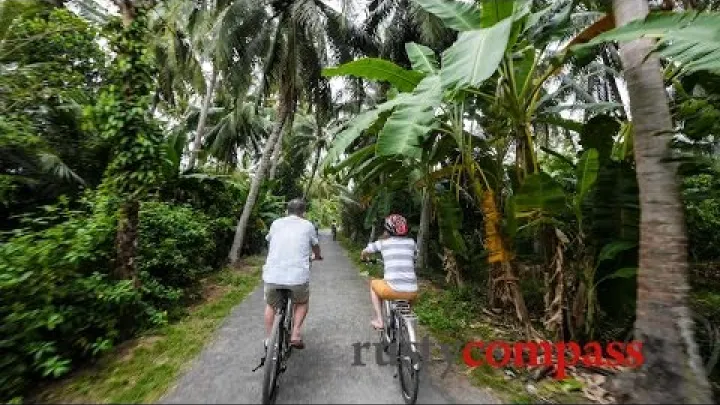
Choosing where to stay in Ben Tre shapes the entire pace of a Mekong Delta visit. A central hotel makes arrivals, meals, and short stays simple, while a rural riverside homestay puts gardens, canals, and quieter evenings at your doorstep. A city-edge resort is a useful middle ground for travelers who want a river setting and more on-site comfort. This guide compares the main Ben Tre accommodation bases, explains the transport and comfort trade-offs, and helps you choose a stay that fits your time, budget, and travel style.
Where to Stay in Ben Tre: The Quick Answer
For most first-time visitors staying one or two nights, central Ben Tre City is the easiest default. Choose a rural property only when the countryside setting is a central part of the trip and you are comfortable planning transfers around the accommodation. A riverside resort near the city is the balanced choice when relaxation matters more than being able to walk to many restaurants.
Choose Central Ben Tre City for the Easiest First Visit
Stay in central Ben Tre City if you want the least complicated introduction to the area. The practical core around Hung Vuong Street, Ben Tre market, and the nearby riverfront places you closer to everyday services, food options, taxis, and onward road transport. It is particularly suitable for people arriving by bus, travelers with limited time, and visitors who prefer a conventional private room over a countryside experience.
![Preview image for the video "Ben Tre City, Mekong Delta - 🇻🇳 Vietnam [4K HDR] Walking Tour".](/sites/default/files/styles/media_720x405/public/oembed_thumbnails/2026-07/VMcu9FE6EUII8rnbnpHO296i65I8drEdZWa-_OtTYts.jpg.webp?itok=vMlAQO32 "Preview image for the video \"Ben Tre City, Mekong Delta - 🇻🇳 Vietnam [4K HDR] Walking Tour\".")
The city is also a sensible base if you plan to book day activities into the coconut-growing countryside rather than move luggage between properties. You can return to a more active area for dinner and have a clearer choice of services than at an isolated riverside address. This is a recommendation for convenience, not a claim that the center is the most scenic or most peaceful part of Ben Tre.
Choose a Rural Riverside Homestay for Immersion
For a slower Mekong Delta stay, look beyond the city toward Giong Trom District, My Thanh Village, My Huan Hamlet, and river locations around the Ham Luong River and its tributaries. These areas appeal to travelers who want gardens, waterways, coconut landscapes, cycling routes, boat outings arranged by hosts, and mornings that begin in the countryside rather than in town.
Rural properties vary widely. Mango Home Riverside, Mekong Home, and Ben Tre Farm Stay are useful examples of the homestay or farmstay category, rather than a ranking of the best places to book. Some properties have restaurant service, bicycles, organized activities, and well-equipped rooms; others are simpler and more independent. For example, Mekong Home is described as a family-run stay on the Ham Luong River with bicycles and Wi-Fi, but comparable features should not be assumed at every rural property.
The exchange for immersion is reduced spontaneity. Shops and restaurants may not be nearby, and the property may become the main place for meals and evening time. Ask specifically about dinner, activities, bicycle use, and the level of host support rather than assuming that the word “homestay” includes them.
Use a Riverside Resort as a Comfort-Focused Compromise
A city-edge riverside resort can work well for travelers who want a quieter setting without moving far into the countryside. A property such as Ben Tre Riverside Resort represents this broad option: river views and leisure-oriented facilities may be available while Ben Tre City remains reachable by road. It can suit couples, families, and visitors who value a slower evening and the convenience of spending time at the property itself.
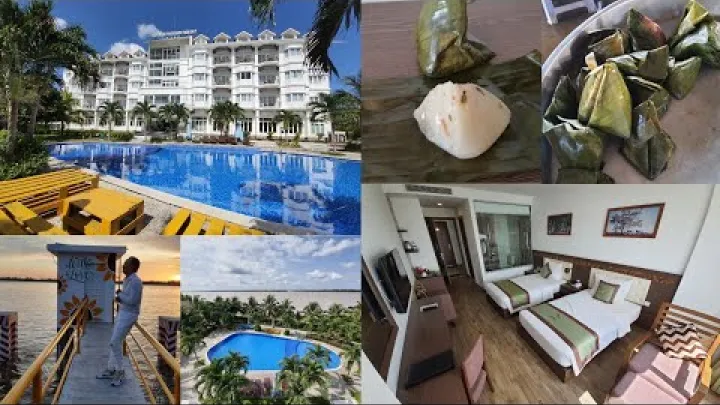
The compromise is location. A resort setting is often less convenient than the central market corridor for choosing street food, running small errands, or walking to transport. Treat rates, room categories, views, and facilities as date-specific details, since one riverside property does not represent all others and inclusions can differ considerably between bookings.
Compare Ben Tre's Main Areas and Accommodation Bases
Ben Tre is better understood as a choice between an urban base, a city-edge river setting, and rural river hamlets than as a city divided into many tourist districts. The right area depends primarily on how independently you want to move around and how much time you want to spend in the countryside.
Ben Tre City Center and the Hung Vuong Corridor
The city center and the Hung Vuong Street corridor are the most practical urban base. Accommodation near Ben Tre market, central streets, and the riverfront puts visitors in the part of town with the greatest concentration of daily activity. It is a useful choice for a short visit because food, basic services, taxis, and road connections are generally easier to arrange from here than from a rural hamlet.
The atmosphere is more local and active than at a garden property. Traffic, business activity, and street noise can be part of the experience, especially compared with a quiet riverside lodge. In return, this is the best area for travelers who arrive late, have one full day in Ben Tre, need predictable hotel facilities, or would rather not depend on a host for every journey. The Vemekong guide also identifies lower-cost accommodation in the city, including Hoai Phu Hotel in Phu Khuong.
Do not select a room based on an estimated walking time alone. Check the property’s map pin, the route to the places you intend to use, and recent guest comments about traffic or noise. Streets that feel manageable in daylight can be less convenient when carrying bags or looking for dinner after arrival.
Ward 7 and the Nguyen Van Tu Riverside Area
Ward 7 and the Nguyen Van Tu Street riverside area offer a more relaxed city-edge alternative. This type of base is for travelers who prefer a river setting, on-site dining, or leisure facilities over maximum walkability. It can feel removed from the central market corridor while remaining connected to Ben Tre City by taxi or motorbike.
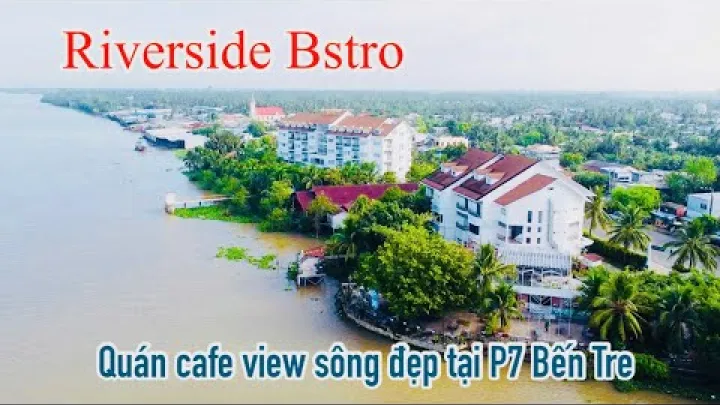
Choose this area when you want the hotel or resort to be part of the stay rather than simply a place to sleep. It can be especially appealing after a day of touring, when returning to a quieter setting is more important than having several casual restaurants directly outside. However, riverfront conditions are not uniform: lighting, pavement quality, noise, and pedestrian access can change from one street and property entrance to another. Review the immediate location of your chosen accommodation rather than relying on the area name alone.
Giong Trom, My Thanh, My Huan, and Rural River Hamlets
Giong Trom, My Thanh, My Huan, and rural locations along the Ham Luong River describe the countryside side of a Ben Tre stay. The attraction is not a dense sightseeing district. It is the setting: narrow local roads, gardens, waterways, coconut landscapes, and the chance to begin a cycling or host-led activity close to where you sleep.
These names should be used as orientation points, not as a guarantee of a particular travel time or experience. A property may use “Ben Tre” in its name while being well outside the city, and two riverside stays can have very different road access. Before reserving, open the exact map pin and ask four practical questions: which road vehicle can reach the entrance, whether pickup is available, whether meals are available on site, and where the nearest useful shop or service is located.
Match the Accommodation Type to Your Trip
Ben Tre accommodation ranges from simple urban hotels to resorts and family-run rural stays. The property type matters as much as the area because it affects room comfort, meal options, local guidance, and the amount of planning needed after check-in.
City Hotels for Convenience and Predictable Facilities
City hotels are the straightforward choice for travelers who want a private room and familiar services. Diamond Stars Ben Tre Hotel, Hung Vuong Hotel, and Viet Uc Hotel are examples of conventional urban lodging to compare. Depending on the room and property, features worth looking for include air conditioning, private bathrooms, Wi-Fi, reception support, a restaurant, and space to store luggage.
This category fits business visitors, short-stay travelers, and first-time visitors arranging tours from an urban base. It is also practical when you want flexibility over meals and daily timing. Do not rely on old star ratings or a facility list copied from an older review. Compare the current room description with recent guest feedback, because amenities can differ by building, room type, and selected rate.
Riverside Resorts for Relaxation and On-Site Amenities
Riverside resorts are designed for travelers who want scenery and downtime built into the accommodation. A restaurant, outdoor areas, and sometimes a pool can make a resort feel self-contained, which is useful for families, couples, and leisure travelers who do not intend to explore the city on foot every evening.
The category is not automatically more luxurious in every detail, and a river view or pool may not be included in every booking. Read the selected rate carefully to see whether breakfast, pool access, transport, and the requested view are included. Also consider whether you are comfortable using a taxi or motorbike for meals and visits outside the property. The main advantage is comfort on site, not guaranteed access to everything in town.
Homestays and Farmstays for Rural Experiences
Homestays and farmstays are best treated as experience-led accommodation. Hosts may offer meals, bicycles, help with boat arrangements, local advice, or activities in the surrounding area. The exact model differs greatly: one stay may have modern rooms and a staffed restaurant, while another may be a more rustic garden property where guests need to plan essentials in advance.
Mekong Home and Mango Home Riverside are examples often considered by travelers seeking a river-and-garden setting. Ben Tre Farm Stay and Quoc Phuong Riverside Homestay illustrate the broader range of rural accommodation. The listing for Quoc Phuong Riverside Homestay, for instance, describes family rooms with private bathrooms, balconies, garden views, air conditioning, desks, and Wi-Fi; this is a property-specific description, not a standard feature of all homestays.
Before booking, identify what is confirmed in your chosen room: private or shared bathroom, air conditioning, reliable Wi-Fi, meals, bicycle access, and activities. A homestay can be highly social or quite private, so travelers looking for interaction with hosts should ask rather than make assumptions from the name.
Budget Hotels and Simple Guesthouses
Simple hotels and guesthouses can offer the best value when your priority is a clean, central base rather than a destination property. A low room price in town may cost less overall than a rural room that requires extra transfers and all meals on site. Hoai Phu Hotel and other budget-oriented central options are examples to place on a current shortlist, not fixed recommendations.
At the budget end, compare the details that affect comfort most: a private bathroom, air conditioning, reception hours, current reviews, cancellation terms, and the exact location. The lowest advertised rate may be for a room without the features you expect. Current city listings show a broad choice of Ben Tre accommodation, but availability and prices move with dates, room demand, and booking conditions; use Booking.com or another current platform to compare the actual options for your stay.
Plan Arrival, Local Transport, and Night-Time Practicality
Transport is the deciding factor for many Ben Tre stays. A central location gives you more independent options, while a countryside base can be rewarding when the arrival and return journey have been arranged clearly.
Arriving from Ho Chi Minh City by Bus
Intercity buses are a common way to travel from Ho Chi Minh City to Ben Tre, with Mien Tay Bus Station often used for departures and Ben Tre Bus Station serving as an arrival point. The general route is well established, but operators, schedules, luggage rules, and arrival locations can change. Luxury Cruise Mekong describes the bus connection and the role of these stations, but travelers should confirm the live timetable directly with their chosen operator.
This is where the accommodation choice becomes practical. A central hotel generally makes the first arrival easier because you can arrange a short onward ride after the bus. For a rural property, confirm the exact arrival point and the transfer arrangement before buying the bus ticket. Ask whether the property can collect you, whether a taxi can reach the entrance, what the likely transfer cost is, and what happens if your bus is delayed.
Getting Around Ben Tre After Check-In
Walking can work for short distances in the urban core, especially when your hotel is near the market or central streets. Outside the center, bicycles, motorbikes, taxis, and host-arranged transfers become more important. A rural property is most convenient when you intend to spend much of the day near it, using local roads, gardens, or activities organized from the accommodation.
Do not assume every rural stay lends bicycles, provides a driver, or has simple public transport nearby. If you are staying outside Ben Tre City, ask the property to arrange a taxi, pickup, or a clear bicycle-access plan before you arrive. Confirm how you will return to town or to the bus station, especially if you have an early departure. Boat trips are usually a tour or leisure activity and should not be treated as a substitute for road transport to your accommodation.
Walkability, Lighting, Noise, and Night-Time Comfort
The streets near the market and central riverfront are generally more active in the evening than rural lanes or resort approaches. This makes a city base easier for travelers who want to find dinner, buy essentials, or return on foot after a short outing. It can also mean more road noise and local activity than in a garden setting.
Rural roads and property paths may be quiet, but they can have limited lighting, uneven surfaces, narrow bridges, or few late-night services. Avoid relying on rural walking after dark, and check the property’s lighting, paths, entrance route, and late-arrival procedure before booking. Use normal travel awareness with valuables, but do not confuse personal security with environmental comfort: a quiet route can be inconvenient even when it does not feel busy or threatening.
Choose the Best Base for Your Travel Style
The best place to stay in Ben Tre is not one hotel or one neighborhood. It is the base that removes the biggest obstacle from your particular trip, whether that is transport, meal planning, quiet time, or access to rural activities.
Best for First-Time Visitors and One or Two Nights
Choose central Ben Tre City for a first visit or a one- to two-night stop. It offers the clearest balance of arrival convenience, hotel choice, meals, and access to local services. You can still arrange countryside cycling, boat excursions, or coconut-area visits during the day without carrying bags to a remote property.
Pick a city-edge riverside resort instead if the stay itself is a priority and you are happy to use taxis for town visits. The short decision is simple: choose the city for convenience and flexibility; choose the countryside for immersion; choose a riverside resort when you want a quieter, more comfortable compromise.
Best for Cycling, Boat Trips, and Rural Immersion
Choose a rural riverside homestay or farmstay if cycling, local lanes, gardens, and host-led experiences are the main reason for visiting Ben Tre. Staying in the countryside reduces repeated road transfers to and from the areas you want to explore. It also gives you more time to enjoy early mornings and quiet evenings by the water.
Set realistic expectations. Rural stays can have fewer shops and restaurants close by, and outdoor plans depend on conditions. Confirm whether bicycles, boat arrangements, meals, and route advice are actually offered by the individual property. Travelers who need independent evening options or do not want to organize transfers may enjoy a central base more.
Best for Families, Couples, and Comfort-Focused Travelers
Families and comfort-focused travelers should compare properties by practical facilities rather than by atmosphere alone. City hotels can provide the easiest road access and reception support. Riverside resorts can add dining and leisure space. Better-equipped homestays can provide a more personal setting while still offering private rooms, air conditioning, and meal service.
For families, on-site meals and a staffed reception may be more valuable than a low nightly rate. For couples, a river or garden setting may matter more than a central address. Check room layouts, child policies, accessibility needs, pool conditions, and meal availability directly on the current listing. Rural settings can be peaceful, but paths, insects, small bridges, and limited nearby retail may not suit every traveler.
Best for Budget Travelers, Transit Stops, and Longer Stays
Budget travelers and transit visitors often get the best total value from a basic central hotel. A room that is slightly more expensive than a remote stay can still cost less once taxi transfers and meals are included. It also makes sense for late arrivals and early departures because the city offers more independent options.
A lower-cost rural homestay can be excellent value when it includes something you would otherwise pay for, such as breakfast, bicycles, or an activity. For longer stays, focus on the features that affect daily life: dependable Wi-Fi, laundry, a workable desk or shared space, meal or kitchen access, transport, and a comfortable place to spend time outdoors. Ask about long-stay pricing and test the practical details through recent reviews rather than relying on a room rate alone.
Consider Season, Weather, and Rural Comfort
Ben Tre is attractive because much of the experience happens outdoors. That makes weather and room comfort important parts of choosing a base, especially for travelers planning cycling, gardens, waterways, or extended time outside.
Dry and Wetter Periods: How the Season Changes the Base Choice
Weather can affect cycling routes, boat outings, road conditions, and how enjoyable a rural location feels. During wetter periods, a city hotel or well-connected resort can be easier for travelers who want predictable movement, indoor facilities, and quick access to transport. Flexible travelers may still prefer a rural property, particularly when the landscape and slower pace are the purpose of the stay.
Do not treat seasonal labels or month-by-month expectations as a guarantee for a specific trip. Check the forecast before committing to cycling or boat activities, and choose flexible reservations when wetter conditions could change your plans. This matters most for remote stays where a change in weather has a larger effect on road access and outdoor time.
Mosquitoes, Insects, and Room Features to Check
Riverside gardens, canals, and dense vegetation can make insects more noticeable than in an urban hotel. This is primarily a comfort and preparation issue, and the experience can vary by property, room position, weather, and time spent outdoors.
Pack mosquito repellent and confirm whether your room has window screens, mosquito nets, air conditioning, suitable outdoor lighting, and good door and window sealing. These details are more useful than broad reassurance. If you are especially sensitive to insects, choose an air-conditioned room and ask whether outdoor dining or seating areas are protected or exposed in the evening.
Check an Accommodation Before You Book
Property names and broad area descriptions are only starting points. The final decision should be based on the exact room, the exact location, and the practical arrangements that apply on your dates.
Verify Current Price, Availability, and Included Facilities
Prices, room availability, guest ratings, and facility lists change continuously. An old promotional rate or a broad “from” price does not tell you the final cost for your room. Compare the current total price, taxes, breakfast, cancellation terms, payment method, room category, and any extra fees for transfers or activities on the booking page.
Use recent reviews to look for patterns in cleanliness, noise, staff communication, Wi-Fi, road access, and differences between room types. Listing descriptions show what a property says it provides; recent reviews can indicate how that experience works in practice. Verify the current total price, included facilities, taxes, cancellation terms, and transfer fees before completing payment.
Confirm the Practical Details with the Property
A short message to the property can prevent most arrival problems, particularly outside Ben Tre City. Confirm the exact map pin, check-in hours, pickup options, meal arrangements, bicycle availability, nearest shops, and an emergency contact. Ask whether a standard car can reach the entrance and whether the property can help arrange the return journey.
These questions matter less at a central hotel with a staffed front desk, but they are important at rural addresses where the final approach may be unclear. Save the address in Vietnamese or share the booking confirmation with your driver or bus operator. Reconfirm arrangements close to arrival if you are depending on a pickup or arriving after dark.
Final Recommendation: Pick Convenience or Immersion First
For the easiest Ben Tre stay, book a central hotel near Hung Vuong Street, Ben Tre market, or the urban riverfront. It is the most practical choice for first-time visitors, brief stays, bus arrivals, and travelers who want independent access to meals and transport.
Book a rural riverside homestay when you want the countryside to be the main experience and are willing to plan transfers, meals, and evenings around the property. Choose a city-edge riverside resort when you want river scenery and on-site comfort without giving up straightforward access to Ben Tre City. Once you decide whether convenience or immersion matters more, the right accommodation type becomes much clearer.
Select area
Create a post
Posting is free and no registration is required.