- Tay Son Heaven and Earth Esplanade: Historic Shrine in Quy Nhon
- Quang Trung Museum: Tay Sơn History & Culture in Quy Nhon
- Banh It Cham Towers: Ancient Heritage & Photography in Quy Nhon
- The Thon Beach in Cat Tien: Clean Shores & Affordable Watersports
- Linh Phong Pagoda in Quy Nhon: The Sacred Mountain Temple
Vietnam Museum of Ethnology in Hanoi: Tickets, Hours, Guide
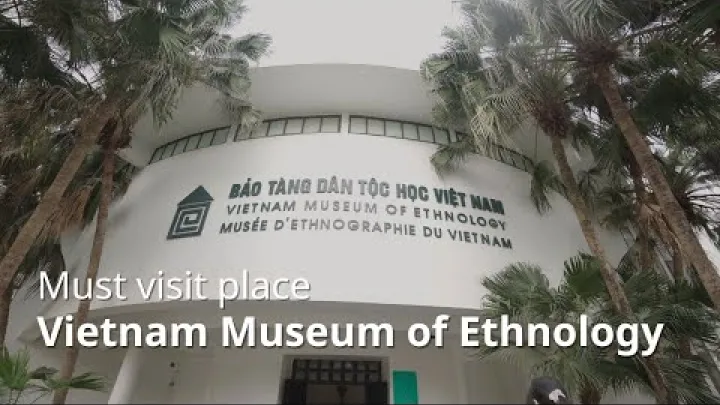
The Vietnam Museum of Ethnology in Hanoi is one of the most informative places to understand the country’s cultural diversity in a single visit. Located west of the Old Quarter, it brings together indoor galleries, outdoor traditional houses, and live performances in one spacious complex. Travelers often describe it as one of the best museums in Vietnam, especially for first-time visitors. This guide explains what to see, how to get there, current opening hours and entrance fees, and practical tips to make the most of your time. It is written for international visitors, students, families, and professionals staying in Hanoi for short or longer periods.
Introduction to the Vietnam Museum of Ethnology in Hanoi
Why the Vietnam Museum of Ethnology matters for travelers and students
Instead of only seeing the historic center or famous lakes, visitors can understand the people who live in Vietnam’s mountains, deltas, and cities, and how they maintain traditions while adapting to change. For travelers and students, this context makes later visits to Sapa, the Central Highlands, or the Mekong Delta much more meaningful.
Many international visitors come to Hanoi for just a few days, often focusing on the Old Quarter, the Temple of Literature, and Hoan Kiem Lake. A visit to the Vietnam Museum of Ethnology balances this city-centered view with a deeper look at daily life, beliefs, and crafts across the country. Students and remote workers who stay longer in Hanoi can return more than once, using the museum as a base for research projects, language learning, or preparation for field trips to ethnic minority regions.
Beyond its collections, the museum shows that ethnic cultures are living and evolving, not frozen in time. Exhibitions explain how communities manage modern pressures such as tourism, migration, and economic development while keeping their own customs. This makes the museum an excellent resource not only for tourists, but also for people interested in social change, development studies, or intercultural communication.
Because the content is presented with clear labels, photographs, and videos in several languages, it is accessible even for visitors without a background in anthropology. You can see how different groups build their houses, celebrate weddings and funerals, dress for festivals, and farm in difficult landscapes. After this experience, later trips around Vietnam often feel more connected, as you start to recognize textiles, architectural styles, or rituals you first saw explained at the museum.
Quick facts: location, highlights, and who this guide is for
It is helpful to know a few basic facts about the Vietnam Museum of Ethnology before planning your visit. The museum is located in the Cầu Giấy area of Hanoi, around 7–8 kilometers west of the Old Quarter. Most visitors spend between 2 and 4 hours there, depending on how deeply they explore the indoor displays, outdoor houses, and performances. Tickets are relatively inexpensive by international standards, and there are discounts for children, students, and some other groups.

The complex has three main parts. The first is the large indoor “Bronze Drum” building, which focuses on Vietnam’s 54 ethnic groups. The second is the “Kite” building, used for Southeast Asian and international exhibitions. The third is the outdoor garden, where full-size traditional houses, communal buildings, and the water puppet stage are located. Together, these areas give a balanced view of daily life, ritual, and architecture in Vietnam and beyond.
This guide is designed for international visitors with different needs and time frames. It is suitable if you are a short-stay tourist who wants clear information on opening hours, entrance fees, and how to get there from the Old Quarter. It is also useful for families who need to know about facilities, walking distances, and how child-friendly the museum is. Students, interns, and remote workers can use the guide to plan repeat visits, workshops, or group activities.
To support easy translation, this article uses simple and direct sentences. You can scan the headings for quick answers about tickets, water puppet shows, or bus routes, or read it fully to understand the wider context of the museum. By combining practical information with cultural explanation, the guide aims to make your time at the Vietnam Museum of Ethnology both efficient and enriching.
Overview of the Vietnam Museum of Ethnology
Where the museum is located in Hanoi
The Vietnam Museum of Ethnology sits in the Cầu Giấy district, a residential and educational area west of Hanoi’s historic center. It is roughly 7–8 kilometers from the Old Quarter, and the journey by car or taxi usually takes 20–30 minutes, depending on traffic. This area is calmer than the busy tourist streets around Hoan Kiem Lake, with wide roads, tree-lined pavements, and several universities and offices nearby.
The museum stands near major roads such as Hoàng Quốc Việt Street and Nguyễn Văn Huyên Street. These names are useful to show to taxi drivers or to type into ride-hailing apps. A common reference point is the intersection of Hoàng Quốc Việt and Nguyễn Văn Huyên, from which the museum is only a short walk. The complex itself is large and clearly marked, with a main entrance gate set back from the road.
Because the museum is in the western part of Hanoi, visitors can easily combine it with other sights in this direction. For example, you might visit the Ho Chi Minh Museum or the Vietnam Fine Arts Museum earlier in the day and then continue west to the ethnology museum. Alternatively, after your visit you can explore modern shopping centers or cafes in Cầu Giấy before returning to the Old Quarter in the evening.
The location also makes the museum convenient if you stay in hotels near the western business districts or near the airport road. Taxi journeys from these areas can be shorter than from the Old Quarter. Regardless of where you start, it is advisable to allow extra time for traffic during morning and evening rush hours, as Hanoi’s main roads can become crowded.
History, mission, and significance of the museum
The idea for the Vietnam Museum of Ethnology took shape in the late 1980s, when the country was opening up to the world and placing more emphasis on protecting cultural heritage. Planning and research began around this time, with ethnologists and other specialists collecting objects, stories, photographs, and recordings. The museum officially opened to the public in the 1990s as a national institution dedicated to the cultures of Vietnam’s many ethnic groups.
From the beginning, the museum’s mission has been broader than simply displaying “old things.” It aims to document, research, and present the lives of ethnic communities across Vietnam in a respectful and accurate way. Its collections include tens of thousands of artifacts, from everyday tools and clothing to ritual objects and musical instruments, as well as large archives of photos, films, and audio recordings. These materials support both exhibitions and ongoing research.
An important point is that the museum presents these cultures as living and changing, not as exotic or unchanging curiosities. Exhibitions often highlight how communities adapt to new technologies, market economies, education, and tourism while trying to keep their languages and traditions alive. Temporary displays may feature contemporary art, new craft designs, or stories of migration from rural areas to cities or to other countries.
The museum also works as a research center, cooperating with universities and local communities. Staff members conduct fieldwork, record oral histories, and sometimes invite artisans and community representatives to participate directly in exhibitions and events. This approach increases the accuracy of displays and gives communities a voice in how their cultures are represented. For visitors, it means that the museum feels dynamic, with changing exhibitions and events rather than a static collection.
Why the Vietnam Museum of Ethnology is worth visiting
The Vietnam Museum of Ethnology is widely regarded as one of the best museums in Hanoi and even in Southeast Asia for understanding cultural diversity. Many visitors praise its clear explanations, modern layout, and combination of indoor comfort with outdoor exploration. Families often note that children enjoy walking through real-size houses, seeing colorful costumes, and watching live performances, which makes culture feel accessible instead of abstract.
One reason the museum is so valuable is that it brings together knowledge that would otherwise require traveling thousands of kilometers across Vietnam. In a few hours you can compare the crafts of mountain groups, the housing styles of Central Highlands communities, and the festival traditions of lowland farmers. Multimedia displays with videos and sound help you connect objects to real scenes of daily life.
For many travelers, practical factors are also important. Hanoi can be very hot, humid, or rainy, especially in the summer months, and the museum’s main buildings are well-ventilated and largely protected from the weather. On days when outdoor sightseeing feels difficult, the ethnology museum offers an engaging indoor alternative, with the option to step outside into the garden when conditions improve. The site is also relatively flat and easy to navigate compared with some older city attractions.
Below are some concise reasons many visitors choose to include the Vietnam Museum of Ethnology in their Hanoi itinerary:
- Deep cultural insight into Vietnam’s 54 ethnic groups in one location.
- Combination of indoor galleries, outdoor houses, and live performances.
- Family-friendly, with space to walk, explore, and interact.
- Comfortable option in hot or rainy weather compared with street-based sightseeing.
- Useful preparation for trips to regions such as Sapa, Ha Giang, or the Central Highlands.
Opening Hours, Tickets, and Entrance Fees
Current opening days and visiting times
The Vietnam Museum of Ethnology is typically open from 8:30 AM to 5:30 PM, Tuesday to Sunday, and closed on Mondays. These hours give visitors enough time for both morning and afternoon visits, and the last entry is usually around 30–60 minutes before closing. Because schedules can change, especially during holidays, it is always wise to confirm the latest information close to your visit.
On regular days, arriving in the morning around opening time gives you the quietest experience, with fewer tour groups and school visits. Afternoons are usually busier but still manageable, especially outside peak tourist seasons. Many visitors find that spending 2–4 hours on site fits well within the standard opening hours, leaving time to return to the city center before evening traffic becomes heavy.
The museum is normally closed for at least the main days of Tết (Lunar New Year), when many places in Vietnam shut down temporarily. There may also be reduced hours or special arrangements around other major public holidays or during large-scale events and renovations. In such cases, staff may close certain galleries or outdoor areas for safety or to protect the collections.
To avoid disappointment, check the official website or ask your accommodation to call the museum before planning a visit that falls near national holidays. Organized tour groups often pre-arrange time slots, so individual visitors who come early in the day usually enjoy more flexibility and space. Keeping your schedule slightly flexible allows you to adjust if any part of the museum is temporarily closed.
Entrance fees, discounts, and photo charges
Entrance fees at the Vietnam Museum of Ethnology are affordable and help support the maintenance of collections and grounds. Prices can change over time, but there is a clear structure for different visitor categories. In addition to the basic ticket, there is usually a separate fee if you want to take photos with cameras inside the exhibitions. Simple phone photography policies may differ, so it is important to check the rules posted at the ticket counter.
Below is a simple table with approximate categories and typical price ranges. These figures are for orientation only and may be updated by the museum at any time.
| Category | Approximate price (VND) | Notes |
|---|---|---|
| Adult | ~40,000 | Standard ticket for foreign and domestic adults |
| Student | ~20,000 | Usually requires valid student ID |
| Child | ~10,000 | Age limits may apply; very young children often free |
| Senior / visitor with disability | ~50% discount | Exact policies can vary; bring identification if relevant |
| ICOM member, child under 6 | Free | Subject to museum’s current rules |
| Camera permit | ~50,000 | For personal cameras; check for zones with no photography |
| Professional equipment | ~500,000 | For filming or commercial photography; may require prior approval |
At the ticket counter, staff can explain which devices require a photography fee. In many cases, casual photos on smartphones for personal use are allowed, while tripods, large lenses, or video rigs may fall under professional categories. Even with a permit, you should always obey any “no photo” or “no flash” signs, especially around delicate objects or sensitive cultural materials.
If you plan to visit as a group or with a school, it may be possible to arrange package rates that include tickets, guides, and special programs. In such cases, contact the museum in advance by email or phone. Remember to keep your ticket with you while on the grounds, as staff may ask to see it when entering certain areas or performances.
Water puppet show times and ticket prices
The Vietnam Museum of Ethnology hosts traditional water puppet shows at an outdoor stage beside a small pond in its garden. Water puppetry is a distinctive Vietnamese performance art that dates back centuries, originally developed in rice-growing villages of the Red River Delta. Puppet figures appear to dance, farm, and fight over the surface of the water, operated by puppeteers hidden behind a bamboo screen.

Typical shows at the museum last around 30–45 minutes and present short scenes about rural life, local legends, and historical heroes. Common stories include dragon dances, rice harvest celebrations, or humorous episodes featuring farmers and animals. A live orchestra usually provides music on traditional instruments, with singers narrating the action in Vietnamese; however, the visual style and physical comedy make the shows enjoyable even if you do not understand the language.
Performance times and frequency vary by season and visitor numbers. During busy periods, such as weekends and main tourist seasons, there may be several shows per day, often in late morning and mid-afternoon. On quieter weekdays or in low season, shows may be less frequent or arranged only for group bookings. Because of this variation, it is best to check the schedule when you arrive at the museum or to ask your hotel to inquire in advance.
Ticket prices for the water puppet shows are separate from museum entrance fees. As a general guide, adult tickets are often around 90,000 VND, and children’s tickets around 70,000 VND. Occasionally, the museum may offer free or reduced-price shows during special events, festivals, or educational programs. If watching the show is a priority for you, plan your visit around a scheduled performance and arrive at the stage a little early to find a good seat.
How to Get to the Vietnam Museum of Ethnology
From Hanoi Old Quarter by taxi or ride-hailing
For most visitors, taking a taxi or ride-hailing car from Hanoi’s Old Quarter to the Vietnam Museum of Ethnology is the fastest and simplest option. The distance is around 7–8 kilometers, and the journey usually takes 20–30 minutes outside peak rush hours. Prices can vary based on traffic and the exact starting point, but a typical one-way fare for a standard car is approximately 80,000–150,000 VND.
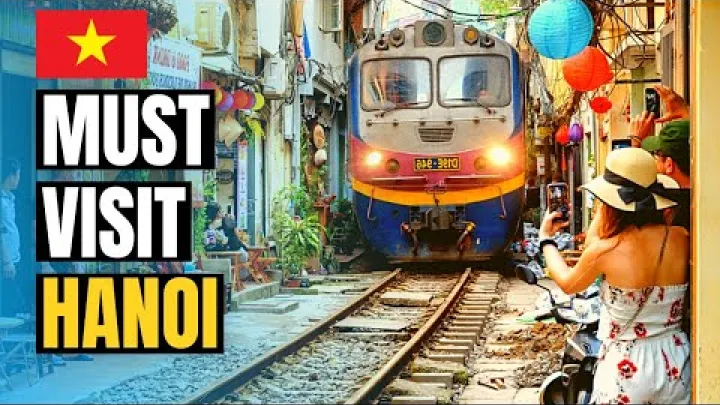
To avoid misunderstandings, it is useful to have the museum’s name and address written down to show the driver. You can also use a ride-hailing app, which automatically sets the destination and shows an estimated fare in advance. This method reduces the need for complex conversation if you do not speak Vietnamese. Well-known local taxi companies and app-based services are widely used and generally reliable.
The basic steps for using a taxi or ride-hailing service are as follows:
- Prepare the address: “Vietnam Museum of Ethnology, Nguyễn Văn Huyên Street, Cầu Giấy district, Hanoi.” You can also save it in your phone’s map app.
- If using a ride-hailing app, set your pickup point in the Old Quarter and select “Vietnam Museum of Ethnology” as the destination. Confirm the estimated fare and car type.
- If taking a street taxi, choose a reputable company and show the driver the written address. You can say “Bảo tàng Dân tộc học Việt Nam” (museum name in Vietnamese).
- Check that the meter starts at the correct base rate if you use a metered taxi, and keep an eye on the route on your map if you are concerned about detours.
- On arrival, pay in cash or through the app, and keep the receipt or booking record in case you forget any belongings in the car.
During morning and late-afternoon rush hours, traffic on key roads between the Old Quarter and Cầu Giấy can slow down significantly. If you have a fixed schedule, such as catching a water puppet show at a specific time, allow an extra 15–20 minutes. Some visitors also choose to share a taxi with friends or family to reduce the per-person cost.
Using public buses and other transport options
Public buses are a budget-friendly way to reach the Vietnam Museum of Ethnology from central Hanoi. They are slower than taxis but much cheaper, and they provide a more local experience. Buses in Hanoi are numbered and follow fixed routes, with signs in Vietnamese and sometimes English. Fares are low, and tickets are usually purchased from an onboard conductor.

Several bus lines stop near the museum along Nguyễn Văn Huyên Street or adjacent roads such as Hoàng Quốc Việt. Travel time from the Old Quarter or nearby transfer points can range from 30 minutes to over an hour, depending on connections and traffic. If you are new to Hanoi, ask your hotel staff to recommend a route and write down the bus numbers and stop names.
Common bus lines that serve the Vietnam Museum of Ethnology area include:
- Bus 12 – often used by students; connects central Hanoi with the Cầu Giấy area.
- Bus 14 – runs between the Old Quarter area and western districts with stops near the museum vicinity.
- Bus 38 – links several central points to neighborhoods close to Nguyễn Văn Huyên Street.
- Bus 39 – another line that passes reasonably close to the museum from more central zones.
In addition to buses, some visitors use motorbike taxis, either traditional or app-based. These can be faster in heavy traffic but may feel less comfortable for those not used to riding on two wheels. Helmets are required by law, and reputable drivers will provide one. For short distances, bicycles may also be an option, though traffic conditions in Hanoi require confidence and attention.
If you choose buses or motorbikes, consider weather and personal safety. Hanoi can be very hot, rainy, or humid, which affects comfort at open bus stops or on motorbikes. Bringing water, a rain poncho, and sun protection is helpful. If you feel unsure about navigation, a combination of ride-hailing and walking from a known landmark may be the most convenient compromise.
Accessibility considerations on site
The Vietnam Museum of Ethnology aims to be accessible to a wide range of visitors, including people with limited mobility. The main indoor buildings are generally easier to access than the outdoor houses. Ramps and elevators are present in key locations, and many exhibition halls have wide pathways and level floors. Seating is available in some areas, which helps visitors who need regular rest breaks.
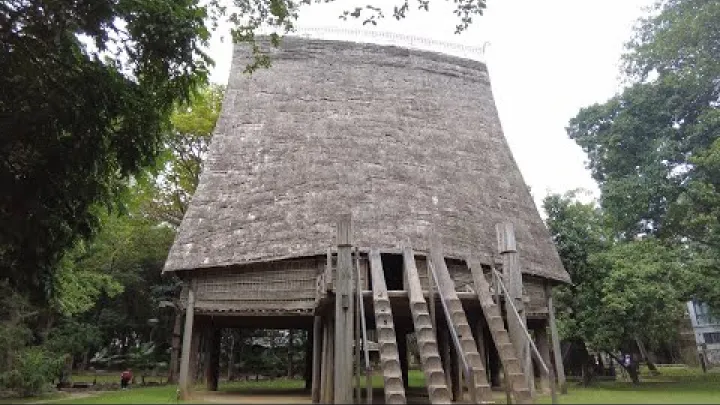
However, certain parts of the complex present challenges. The outdoor garden includes traditional stilt houses, communal houses with tall staircases, and paths that may be uneven or unpaved. These authentic architectural features are important for understanding how people live in different regions, but they can be difficult or impossible to enter for visitors who use wheelchairs or who find stairs hard to climb. Weather can also affect surfaces, making them slippery after rain.
Visitors with mobility needs may find it helpful to focus on the indoor galleries and selected outdoor viewpoints rather than entering every structure. It is possible to appreciate much of the outdoor architecture from the ground or nearby benches without climbing the stairs. Companions can assist with pushing wheelchairs on flatter routes and help identify the most comfortable paths around the garden.
If you have specific accessibility questions, contacting the museum in advance is recommended. Staff may be able to suggest the best entrances, available facilities, or quieter visiting times. Bringing any personal equipment you normally use, such as walking sticks or portable seating, can further increase comfort. Clear, neutral communication of your needs will help staff support your visit without assumptions.
What to See Inside: Main Buildings and Exhibitions
Bronze Drum Building: Vietnam’s 54 ethnic groups
The main indoor building of the Vietnam Museum of Ethnology is often called the Bronze Drum Building because its architecture is inspired by the ancient Đông Sơn bronze drum, a famous symbol of Vietnamese culture. Seen from above, the shape of the building and its courtyard echoes the circular form and patterns of these drums, which were used in rituals and ceremonies in early Vietnamese societies. This design choice signals the museum’s focus on long-standing cultural traditions.
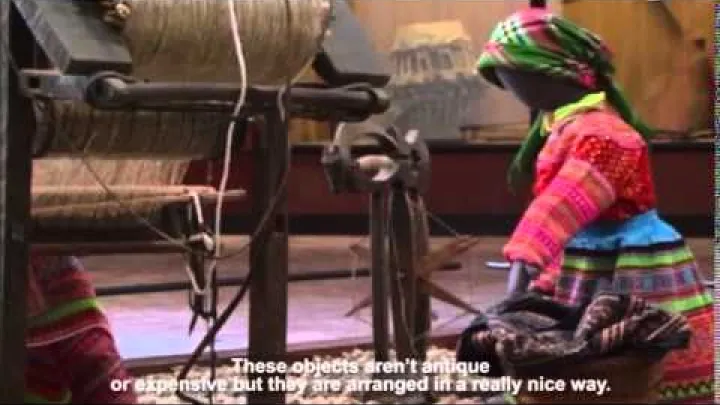
Inside, the galleries present Vietnam’s 54 officially recognized ethnic groups in a structured and accessible way. Exhibitions use clothing, tools, ritual objects, household items, and models to explain how different communities live, work, and celebrate. Clear panels in Vietnamese, English, and sometimes other languages help visitors understand the main characteristics of each group, such as language family, geographic distribution, and typical livelihoods.
The collection in the Bronze Drum Building contains many thousands of objects, but the layout prevents it from feeling overwhelming. For example, one section may focus on agricultural life, showing ploughs, baskets, and irrigation tools used in rice paddies or upland fields. Another section may display marriage costumes and wedding gifts from various groups, explaining how families negotiate bridewealth, organize ceremonies, and maintain relationships between clans.
Visitors can compare how different communities build and decorate altars, prepare offerings, or mark the passage from life to death. Such displays highlight both similarities and differences across regions, showing that Vietnam’s cultures are diverse but connected through shared themes of respect for ancestors and nature.
Kite Building: Southeast Asia and international exhibits
Next to the main building stands the Kite Building, named for its architectural reference to traditional Vietnamese kites. Kites are associated with play, art, and the connection between earth and sky, making them a fitting symbol for a space that explores wider regional and international cultures. The structure’s form and interior spaces are designed to be flexible, allowing the museum to host a variety of exhibitions over time.
The Kite Building usually houses displays on Southeast Asian societies and, at times, exhibitions from other parts of the world. This broader perspective helps visitors place Vietnam within the wider regional context, seeing both shared features and unique traits. For instance, an exhibition might compare weaving traditions across countries or look at how coastal communities in different nations adapt to climate and economic change.
Because the Kite Building is used for temporary and thematic exhibitions, its content changes regularly. Past shows have focused on topics such as migration experiences, traditional crafts under modern pressures, and contemporary art that draws on ethnic heritage. This makes the building especially interesting for visitors who have already seen the permanent displays in the Bronze Drum Building and wish to explore new angles.
Before your visit, it is a good idea to check the museum’s website or on-site information boards to see what is currently on display in the Kite Building. Teachers, researchers, and repeat visitors often plan visits around specific temporary exhibitions that match their interests. Even if you arrive without prior knowledge, the labels and introductory texts usually provide enough background to follow the main themes.
Key objects, multimedia, and exhibition themes
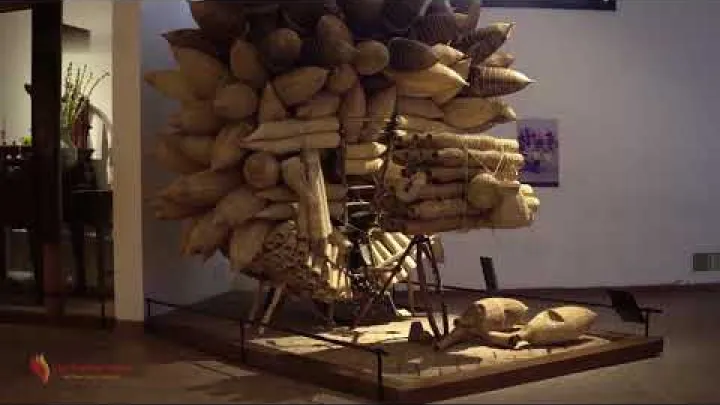
Across both the Bronze Drum and Kite buildings, certain types of objects and presentation methods stand out. Traditional costumes, for example, show the amazing variety of textiles, colors, and patterns used by different groups for everyday wear and for festivals. You can see clothing from Hmong, Dao, Tay, Kinh, Cham, and many other communities displayed in ways that allow you to examine details of stitching and decoration.
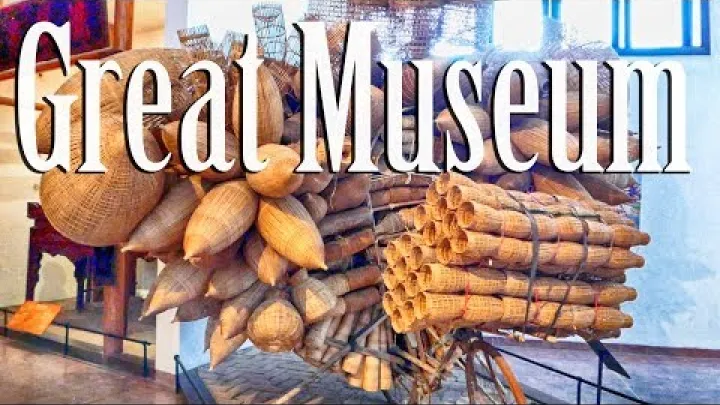
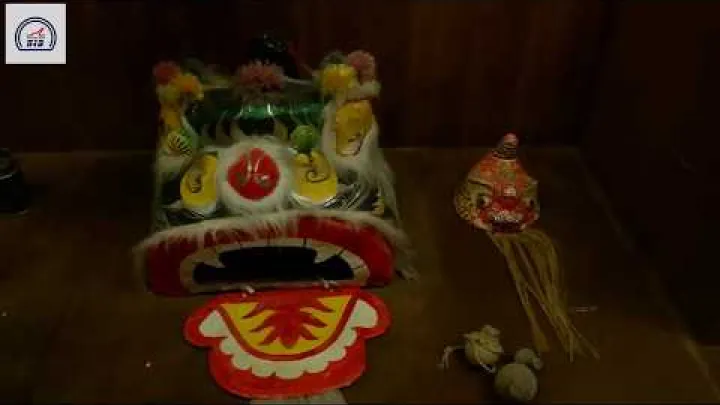
Musical instruments and ritual objects are another highlight. Drums, gongs, string instruments, and wind instruments reveal how sound is used in ceremonies, storytelling, and community gatherings. Ritual items, including altars, masks, and offerings, introduce visitors to belief systems that range from ancestor worship and animism to influences from major world religions. Domestic tools such as cooking pots, storage containers, and weaving looms show how people organize daily life in different environments.
The museum makes extensive use of multimedia to present these traditions as living practices rather than static artifacts. Video screens show scenes of festivals, markets, farming, and crafts in rural and urban settings. Sound recordings allow you to hear languages and songs from groups you may never meet in person. Interactive elements, such as touch screens or model reconstructions, help explain complex processes like building a house or organizing a communal ceremony.
Common exhibition themes include festivals and annual cycles, housing and settlement patterns, belief systems, and how communities adapt to modern life. Some sections explore topics such as tourism’s impact on ethnic minority villages, the role of education and migration, or how new media influences traditional performance arts. Because there is so much information, it is wise to pace yourself. If your time is limited, select a few themes that interest you most—such as festivals, textiles, or music—and focus on those areas in detail while moving more quickly through others.
Outdoor Architectural Garden and Traditional Houses
Full-scale ethnic houses and ritual structures
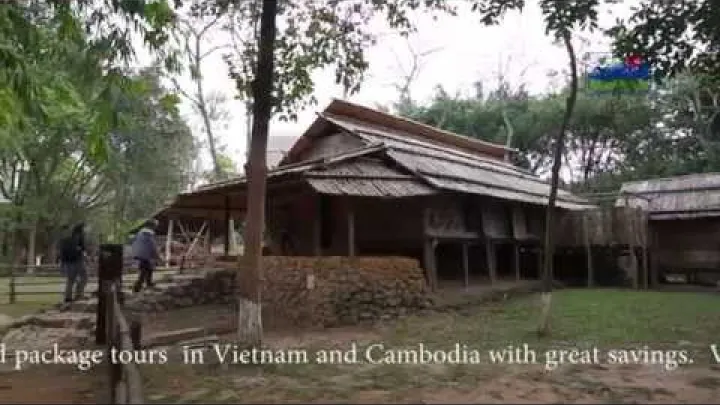
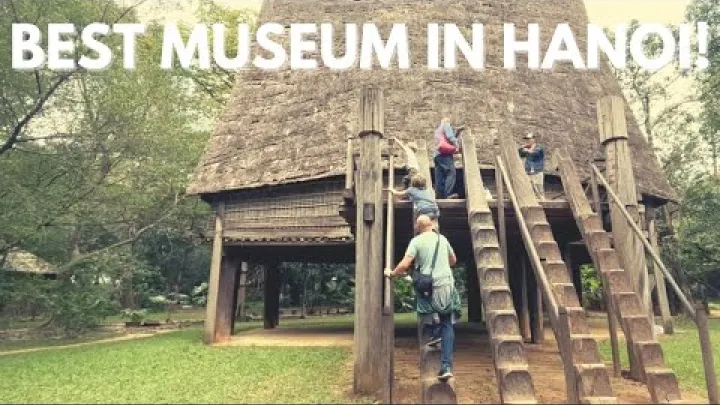
The outdoor garden of the Vietnam Museum of Ethnology is one of its most memorable features. Spread across several hectares, it contains full-scale reconstructions of traditional houses and ritual structures from different ethnic groups. Walking between them gives a sense of the variety of building techniques, materials, and spatial arrangements used in Vietnam’s diverse landscapes.
![Preview image for the video "[4K] Vietnam Museum Of Ethnology Part 1 | Calm Walk".](/sites/default/files/styles/media_720x405/public/oembed_thumbnails/2025-12/9OuUntdw3B33bZwugX5tQ0XQV_K-4-I5CTOuFSvF8_k.jpg.webp?itok=yXYn_TW0 "Preview image for the video \"[4K] Vietnam Museum Of Ethnology Part 1 | Calm Walk\".")
Nearby, an Êđê longhouse stretches lengthwise, reflecting the matrilineal social structure of the community, where extended families live together. A Ba Na communal house rises high above the ground with an impressive, steeply pitched roof visible from a distance, symbolizing the unity of the village.
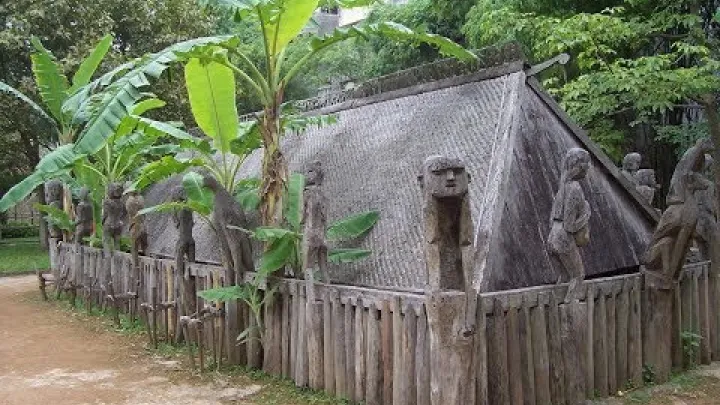
Other notable structures often include a Chăm house, which reflects architectural influences from the central coastal regions, and a Jarai tomb house decorated with carved wooden figures. Many of these houses are open to visitors, who can climb the steps or ramps, enter the interiors, and observe how space is divided for cooking, sleeping, storage, and rituals. The interiors are often furnished with mats, tools, and decorative elements that suggest daily life.
When exploring these houses, it is important to follow basic safety and respect guidelines. Wooden steps and platforms can be steep or narrow, so hold onto railings where available and avoid running or jumping. Some structures may have restricted access if they are undergoing maintenance, and signs will indicate whether entry is allowed. When taking photographs, be considerate of other visitors and avoid climbing on parts of the buildings not intended for that purpose.
Water puppet theater and other performances
Within the garden, the outdoor water puppet theater adds a lively and atmospheric element to the museum visit. The stage is built over a pond, echoing the traditional village setting where water puppetry developed. A decorative backdrop and a small pavilion hide the puppeteers, who stand in the water and control the wooden figures with long poles and internal mechanisms, making them appear to glide and dance on the surface.
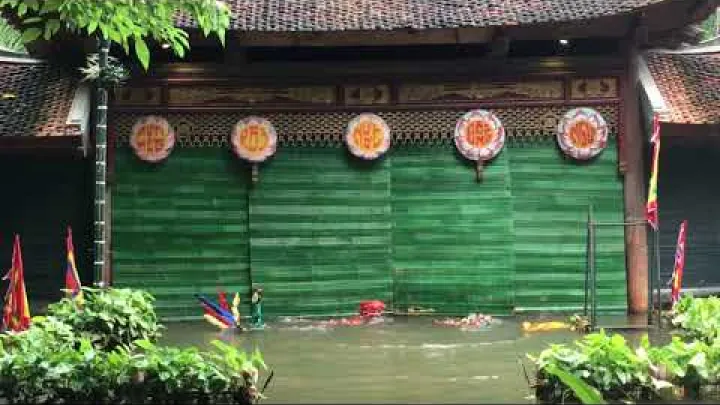
Typical water puppet performances at the museum include short scenes that highlight rural life and folklore. One segment might show farmers planting rice, followed by a dragon dance representing prosperity or mythical power. Another might dramatize historical legends or humorous stories about clever villagers outwitting powerful officials. Fireworks, splashing water, and energetic music create an exciting experience for both children and adults.
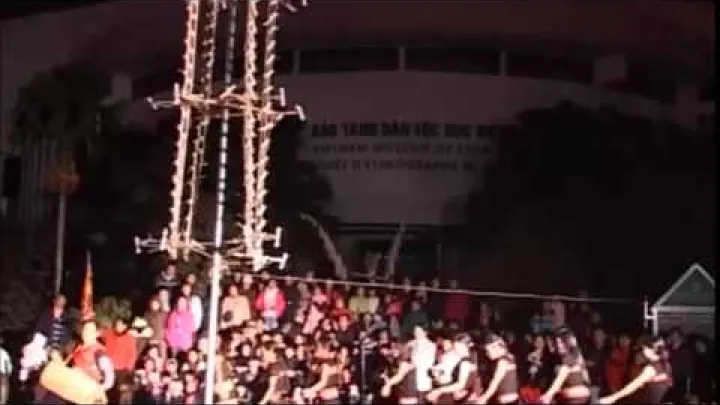
In addition to water puppetry, the museum occasionally hosts other performances and demonstrations in the outdoor areas, especially on weekends and during festivals. These can include folk music concerts, traditional dance shows, or craft demonstrations such as weaving, pottery, or kite making. At times, visitors can interact directly with performers or artisans, ask questions, and try simple activities under supervision.
Because performance schedules vary and not every type of show is available every day, it is best not to assume that all experiences will be on offer during a single visit. Check the daily program at the entrance or information desk to see which events are scheduled. If you are traveling with children or have a particular interest in performing arts, you may want to plan your visit to coincide with a show that appeals most to your group.
Recommended walking route and visit duration in the garden
The outdoor area of the museum can be explored in many ways, but a simple walking route helps make sure you see the most important structures without backtracking too much. The garden is relatively compact, yet rich in detail, so planning your path can also prevent fatigue, especially in hot or humid weather. Most visitors combine an indoor visit with a loop around the garden.
![Preview image for the video "[Full Video] Vietnam Museum of Ethnology - Hanoi Travel".](/sites/default/files/styles/media_720x405/public/oembed_thumbnails/2025-12/NSdxyK0rHyTT9XskWb2-8OdCtFiFmWGo9Fl1R1QOjlg.jpg.webp?itok=kqon0Nq1 "Preview image for the video \"[Full Video] Vietnam Museum of Ethnology - Hanoi Travel\".")
Below is an easy step-by-step route that works for many first-time visitors:
- Begin in the Bronze Drum Building and spend time in the main galleries, then exit toward the garden from the rear or side doors following the signs.
- Walk first to a nearby stilt house, such as the Tày house, and go inside to understand the basic layout and feel of elevated wooden architecture.
- Continue to the Êđê longhouse and Ba Na communal house, comparing the length, height, and roof design of these structures.
- Visit the Chăm house and any other regional examples on the route, noting differences in materials like wood, bamboo, and brick, and in decorative elements.
- End your loop near the water puppet stage and pond, where you can rest on benches or watch a scheduled show before heading back toward the main exit.
In terms of time, many visitors spend about 45–90 minutes in the garden, depending on interest and weather. On cooler, dry days you may wish to linger longer, sit in shaded areas, and explore each house in detail. During midday heat or rain, you might shorten your outdoor time and focus more on the interior of one or two houses.
To stay comfortable, wear sturdy footwear suitable for climbing steps and walking on uneven paths. Bring a hat, sunscreen, and water, especially in warmer months, and consider a light raincoat or umbrella during the rainy season. Short rest breaks on benches or at shaded spots can make the visit more enjoyable, particularly for children, older adults, or anyone sensitive to heat.
Visitor Tips, Services, and Best Time to Visit

Best months and times of day to go
These conditions influence how comfortable it feels to explore the Vietnam Museum of Ethnology, especially its outdoor garden and traditional houses. While the museum is open most of the year, some periods are more pleasant for walking and spending time outside.
The most comfortable months for many visitors are usually from October to April, when temperatures are milder and humidity is lower than in peak summer. However, mid-winter (December and January) can feel surprisingly cool and damp, so a light jacket may be needed. From May to September, temperatures often rise above 30°C, with high humidity and frequent rain showers or storms, especially in the afternoon.
Regardless of season, early morning and late afternoon are generally the best times of day to visit. Arriving soon after opening at 8:30 AM allows you to see the exhibits before the main heat and before large tour groups arrive. Late afternoon visits, starting around 2:30–3:00 PM, can also be pleasant, although you need to keep an eye on the closing time to avoid rushing through the last sections.
If you can only visit during hot or rainy conditions, there are still simple strategies to remain comfortable. Focus first on the indoor galleries, which offer shelter from sun and rain, and step outside to the garden during cooler periods or dry breaks. Use hats, fans, and water bottles to manage heat, and carry a compact poncho or umbrella for sudden showers. Planning short rest stops on benches and in shaded areas will also make the visit easier to enjoy.
Guided tours, educational programs, and workshops
The Vietnam Museum of Ethnology offers several options for visitors who want a more structured learning experience. Guided tours are sometimes available in Vietnamese and, depending on staff and demand, in foreign languages such as English or French. These tours can help you understand complex topics, interpret objects, and ask questions that may not be answered by display labels alone.
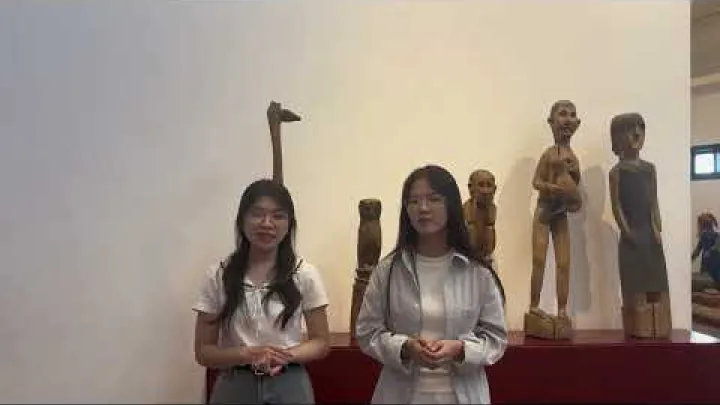
Audio guides or printed guides may also be offered, giving you flexibility to move at your own pace while still benefiting from expert explanations. These resources often include maps, suggested routes, and background information on key exhibits and outdoor houses. If you are visiting with limited time, a guided option can help you focus on the most important sections without feeling rushed or confused.
For schools, universities, and international study groups, the museum organizes educational programs tailored to different ages and specialties. These might include thematic tours on topics like “Festivals of Vietnam’s Ethnic Groups,” “Traditional Housing,” or “Contemporary Issues Facing Minority Communities.” Activities can integrate group discussions, worksheet exercises, or short lectures by museum educators.
Hands-on workshops are another attractive feature, especially on weekends and during festivals. Visitors may be able to try simple versions of traditional crafts, learn folk games, or participate in activities linked to holidays such as Lunar New Year or Mid-Autumn Festival. These workshops are usually designed for mixed-age groups and focus on learning through doing rather than long explanations.
To book guided tours or group programs, it is best to contact the museum in advance via email, phone, or through a local travel agency. Providing details such as group size, preferred language, and specific interests helps staff design the most suitable program. The main benefits of booking in advance are clearer timing, guaranteed guidance, and the possibility of including special activities not available to casual visitors.
Food, facilities, and suggested length of stay
Knowing what services are available at the Vietnam Museum of Ethnology helps you plan a smoother visit. On-site or nearby options for food and drink are usually modest but sufficient for a half-day. Small cafes or stalls may sell snacks, light meals, soft drinks, and coffee. Alternatively, you can eat before or after your visit in the Cầu Giấy area, which has many local restaurants and street food options within a short taxi or walking distance.

Essential facilities at the museum include restrooms, which are located in or near the main buildings and sometimes near the garden. A gift shop typically offers books, postcards, and small handicrafts, some of which relate to the ethnic groups represented in the museum. Parking spaces are available for cars and motorbikes, useful for visitors arriving with private transport or on organized tours. Some visitors report the availability of luggage storage or a cloakroom, although policies can change, so check at the information desk if you need to store bags.
Here is a brief list of key services that matter most to many international visitors:
- Restrooms in main buildings and near outdoor areas.
- Cafes or stalls offering drinks and light food.
- Gift shop with books, souvenirs, and crafts.
- Parking area for cars and motorbikes.
- Information desk for maps, program details, and assistance.
As for how long to stay, different types of travelers have different needs. A quick overview visit, focused on the main galleries in the Bronze Drum Building and a short walk around the garden, can fit into about 1.5–2 hours. A deeper exploration, including careful reading of labels, time inside several houses, and perhaps a water puppet show, easily takes 3–4 hours.
Travelers who are particularly interested in anthropology, architecture, or Southeast Asian studies may wish to spend half a day or even return for a second visit, especially if there are special exhibitions in the Kite Building. Families with young children often find that 2–3 hours is a practical maximum, balancing attention span and energy levels with time for rest and refreshments.
Frequently Asked Questions
What are the opening hours of the Vietnam Museum of Ethnology in Hanoi?
The Vietnam Museum of Ethnology is typically open from 8:30 AM to 5:30 PM, Tuesday to Sunday. It is closed on Mondays and during the main days of the Lunar New Year holiday. Because schedules can change, visitors should always check the official website or contact the museum directly for the latest information before their visit.
How much is the entrance fee for the Vietnam Museum of Ethnology?
The standard adult entrance fee is usually around 40,000 VND, while students often pay about 20,000 VND and children about 10,000 VND. Seniors and visitors with disabilities commonly receive a 50% discount, and some groups such as young children and ICOM members may enter free of charge. Please note that prices may change and that separate fees apply for camera use and professional photography.
How do I get to the Vietnam Museum of Ethnology from Hanoi Old Quarter?
The easiest way to reach the Vietnam Museum of Ethnology from the Old Quarter is by taxi or ride-hailing car, which generally takes 20–30 minutes and costs around 80,000–150,000 VND. Budget travelers can use public buses such as lines 12, 14, 38, or 39, which stop near Nguyễn Văn Huyên Street close to the museum. In all cases, allow extra time for traffic, especially during morning and evening rush hours.
How long should I plan to spend at the Vietnam Museum of Ethnology?
Most visitors should plan at least 1.5 to 2.5 hours to see the main indoor galleries and walk through some of the outdoor houses. If you also want to watch a water puppet show, join a guided tour, or take part in workshops, allow 3 to 4 hours for a more relaxed experience. Enthusiasts of culture, architecture, or anthropology can easily spend half a day exploring the site in detail.
Is the Vietnam Museum of Ethnology worth visiting with children?
The museum is well suited to visits with children because of its spacious outdoor garden, life-size traditional houses, and engaging displays. Many families appreciate that children can move around, climb steps in stilt houses with supervision, and enjoy colorful costumes and interactive elements. On weekends or during festivals, folk games, craft demonstrations, or water puppet shows can be especially enjoyable for younger visitors.
Are there water puppet shows at the Vietnam Museum of Ethnology?
Yes, the museum hosts traditional water puppet shows at a dedicated outdoor stage beside a pond in the garden. Performances are usually scheduled several times per day during busy seasons, with tickets often costing about 90,000 VND for adults and 70,000 VND for children. On some special occasions, morning shows may be free or offered at reduced prices, so it is useful to check the current program on arrival.
Can I take photos inside the Vietnam Museum of Ethnology?
Visitors are generally allowed to take photos inside the museum, but there is usually a separate photography fee for cameras. A standard camera permit is often around 50,000 VND, while professional filming equipment may require a permit costing around 500,000 VND and possibly prior approval. Always respect any “no photo” or “no flash” signs posted in sensitive exhibition areas.
Is the Vietnam Museum of Ethnology accessible for people with limited mobility?
The main indoor buildings are mostly accessible, with ramps or elevators in key areas and relatively flat floors. However, some outdoor stilt houses, tall staircases, and uneven paths in the garden can be challenging or inaccessible for visitors with limited mobility. Many parts of the grounds can still be enjoyed from level walkways, and it is advisable to contact the museum in advance to discuss specific needs and possible assistance.
Conclusion and next steps
Key takeaways from the Vietnam Museum of Ethnology in Hanoi
The Vietnam Museum of Ethnology in Hanoi stands out as one of the city’s most valuable cultural sites for international visitors. It brings together detailed indoor exhibitions, an atmospheric outdoor garden with full-size traditional houses, and performances such as water puppetry to show the rich diversity of Vietnam’s 54 ethnic groups. Clear explanations and multimedia displays help visitors understand that these cultures are dynamic and continue to evolve in the present day.
Practically, the museum is located in the quieter Cầu Giấy district, around 7–8 kilometers west of the Old Quarter, and is usually open from 8:30 AM to 5:30 PM from Tuesday to Sunday. Entrance fees are modest, with discounts for students, children, and some other categories, and camera permits and water puppet show tickets are available at additional cost. Most visitors find that 2–4 hours is enough to explore both the indoor galleries and outdoor houses at a comfortable pace.
For travelers, students, and professionals, a visit to the Vietnam Museum of Ethnology offers a strong foundation for understanding the people and places they will encounter elsewhere in the country. By connecting objects, architecture, and performances to wider social and historical contexts, the museum deepens appreciation of Vietnam’s diversity and helps make later journeys across the country more informed and rewarding.
Planning your visit alongside other Hanoi experiences
You might combine a morning at the museum with an afternoon in the Old Quarter and around Hoan Kiem Lake, or pair it with visits to other cultural sites such as the Temple of Literature and the Fine Arts Museum on separate days. Its location in the west of the city also makes it convenient to visit before or after activities in nearby modern districts.
Visitors on short stays can use the museum as a compact introduction to Vietnam’s ethnic diversity before traveling onward to places like Ha Long Bay, Hue, or Ho Chi Minh City. Those staying longer in Hanoi for study or work can return to explore temporary exhibitions in the Kite Building, join special workshops, or use the museum as a reference point for regional trips to mountainous provinces or the Central Highlands. Continuing to learn through books, language classes, or local community events will further build on the understanding gained during your time at the Vietnam Museum of Ethnology.
Select area
Create a post
Posting is free and no registration is required.