Ben Tre Travel Guide: Plan Your Mekong Delta Visit
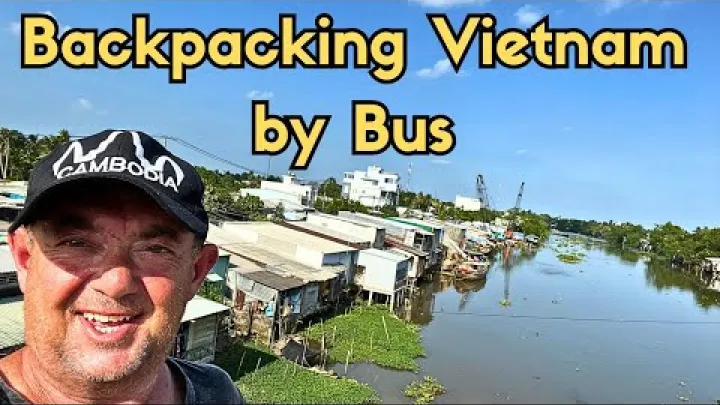
This Ben Tre travel guide is for visitors who want a slower Mekong Delta experience built around coconut country, waterways, local food, and rural roads. Ben Tre is practical for a day trip from Ho Chi Minh City, but it is usually more rewarding with at least one night. This guide explains how Ben Tre compares with nearby Delta bases, where to stay, how to travel there, and how to choose activities without trying to do too much. It also covers seasonal trade-offs, budgeting, and the small planning details that make an independent visit easier.
Why Visit Ben Tre?
Ben Tre Province is a good choice when the destination itself matters as much as completing a checklist of Mekong Delta sights. Its appeal is not a dense concentration of major monuments; it is the chance to spend time among rivers, canals, coconut groves, orchards, small roads, and family-run businesses at an unhurried pace.
Ben Tre's Landscape and Local Character
Ben Tre sits within the river-and-canal landscape of the Mekong Delta. The Ben Tre River, smaller waterways, coconut gardens, orchards, and settled rural communities shape how visitors move through the area and what they do there. A short boat ride, a cycle along narrow lanes, a garden meal, and a stop at a workshop can all be parts of the same day.
Coconuts are the strongest local theme. They appear in agricultural landscapes, food, sweets, handicrafts, and many visitor experiences. The Vietnam National Authority of Tourism describes Ben Tre tourism as being closely connected with orchards and coconuts. This is a useful orientation, but travelers should still view each workshop or garden on its own terms: some are working businesses, some are designed for groups, and the level of interaction varies.
For first-time visitors, the practical advantage is that Ben Tre offers a countryside setting within reach of Ho Chi Minh City. It suits people who prefer low-intensity sightseeing, local meals, cycling, and water-based scenery. It is less suitable for travelers seeking a large city, a major floating market, extensive nightlife, or a tightly scheduled list of landmark attractions.
Ben Tre Compared With My Tho and Can Tho
Ben Tre, My Tho, and Can Tho can all fit a Mekong Delta trip, but they work differently. My Tho is often used for shorter organized excursions from Ho Chi Minh City, especially when travelers have only one day. Can Tho is a much larger urban base with broader services and is commonly chosen by visitors who want to pursue floating-market activities or explore more of the western Delta.
| Base | Best for | Typical feel | Good trip length |
|---|---|---|---|
| Ben Tre | Canals, coconuts, cycling, rural stays | Slow and countryside-focused | One to two nights |
| My Tho | Short Delta introduction | Convenient for organized day trips | Day trip or brief stop |
| Can Tho | Urban services and wider Delta travel | Larger city base | Two or more nights |
Choose Ben Tre if you want coconut landscapes and quieter time between activities rather than a highly structured sightseeing day. Choose My Tho when convenience from Ho Chi Minh City is the main priority. Choose Can Tho when you need a larger transport and accommodation base. None is universally better; the right choice depends on whether your trip emphasizes ease, urban services, or a more rural rhythm.
How Many Days Do You Need in Ben Tre?
A day trip can provide a useful introduction, particularly for travelers based in Ho Chi Minh City. Keep it simple: choose one river or canal activity, one coconut or orchard stop, and a meal, then leave enough time for the return journey. Trying to add distant nature sites, several islands, a long cycling route, and multiple workshops to the same day usually makes the experience rushed.
One night is the best minimum for many visitors. It allows time to arrive without pressure, spend an afternoon or morning in the countryside, have a relaxed evening meal, and depart the next day. A city hotel makes this especially easy for people arriving late or leaving early.
Two nights suit travelers who want to cycle, stay at a rural property, take a boat excursion, and retain flexibility for heat or rain. It is also the better choice if you hope to include a longer outing such as Vam Ho Bird Sanctuary. If Ben Tre is only one stop in a wider Delta route, one night is often enough; if it is the reason for visiting the Delta, two nights gives the setting time to feel meaningful.
Where to Stay in Ben Tre
Your choice of base changes the whole trip. Ben Tre City is easiest for arrivals and everyday services, while a riverside or garden stay places you closer to the rural atmosphere that many visitors come to experience.
Staying in Ben Tre City
Ben Tre City is the most practical base for bus arrivals, taxis, restaurants, markets, banks, and basic travel services. It is a sensible choice for a short stay, families who prefer easier logistics, and travelers who do not want to depend on a pre-arranged rural transfer. The Ben Tre River and nearby riverside areas provide a useful orientation point when choosing accommodation.
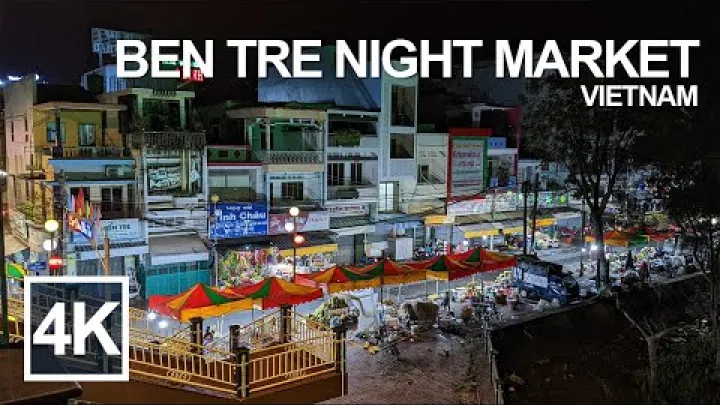
The city is also convenient for short non-rural stops. Ben Tre Museum may interest visitors who want local historical context, although its current opening hours and visitor arrangements should be confirmed before making a special trip. A city base is especially useful when weather, transport, or arrival time is uncertain because meals and onward travel are easier to organize nearby.
The trade-off is that gardens and small canals may not be immediately outside your door. Plan a bicycle ride, car, boat trip, or arranged excursion if your main goal is to spend most of the day in the countryside.
Riverside Homestays and Farm Stays
Riverside homestays, garden stays, and farm-style accommodation are often chosen for quiet mornings, greenery, local meals, bicycles, and access to rural lanes. They can work particularly well for couples, cyclists, and travelers who see the accommodation as part of the experience rather than only a place to sleep.
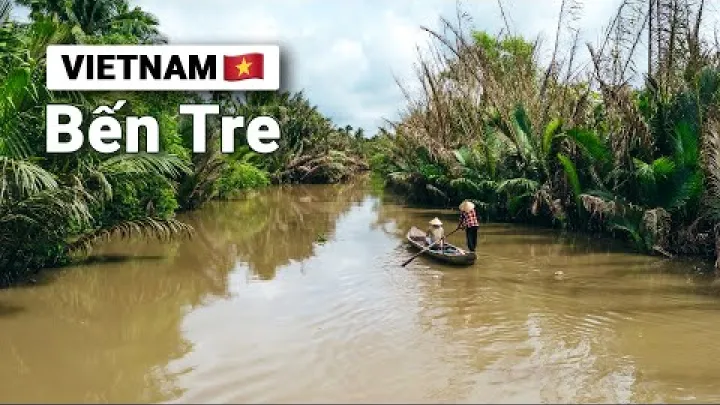
Do not assume that every rural property offers the same facilities. Some may arrange meals, bicycles, boat outings, or pickup from Ben Tre City; others may provide only rooms in a garden setting. Room standards, air-conditioning, hot water, mosquito protection, Wi-Fi reliability, and English-language support can differ substantially from property to property.
Before booking, confirm the exact location, arrival transfer, meal arrangements, air-conditioning, mosquito protection, and cancellation terms. Ask how you will reach the property after dark and how you will leave on departure day. This preparation is more important for a rural stay than it is for a central hotel, especially if you have luggage or a fixed bus connection.
Choosing Between a City Base and a Rural Base
Choose Ben Tre City when you have one night, arrive late, depart early, travel with young children, or value nearby services. Choose a rural base when you have more time, want to cycle from your accommodation, and are comfortable arranging transfers in advance.
| Travel style | Better base | Why |
|---|---|---|
| Short visit | Ben Tre City | Simple arrivals and departures |
| Cycling and gardens | Rural stay | Closer to lanes and orchards |
| Family or service-focused stay | Ben Tre City | More everyday options nearby |
| Slow two-night visit | Rural stay or hybrid | More time for the countryside |
A hybrid stay can be useful on a two-night trip: stay in the city on the transport-heavy night, then move to a rural property for the countryside-focused night. This is only worth doing if changing accommodation does not remove too much time from your planned activities.
How to Get to and Around Ben Tre
Ben Tre is usually reached from Ho Chi Minh City, although it can also fit into a longer Mekong Delta route. Transport details change, so build your plan around a confirmed arrival point and a workable connection to your accommodation rather than relying on an old timetable.
Traveling From Ho Chi Minh City
The main options from Ho Chi Minh City are public bus, private car, and a pre-arranged transfer. Public buses are generally the economical choice, often using Bến xe Miền Tây as an important departure area for southern routes. The road journey crosses Rach Mieu Bridge before reaching Ben Tre Province. Your actual drop-off point may be in the city or at a terminal outside the area where you are staying.
A private transfer is useful for groups, families, travelers with substantial luggage, and guests staying at rural accommodation. It can also reduce the difficulty of coordinating a final ride from the city to a garden property. One current private-transfer listing from Daytrip describes a journey of about two hours, but road conditions, traffic, stops, and the final destination can change the real travel time.
Before leaving Ho Chi Minh City, check the current departure terminal, operator, timetable, travel time, fare, luggage policy, payment method, and drop-off point. If you are continuing directly to a rural stay, confirm whether the host collects guests from the bus stop or whether a taxi must be arranged separately.
Connecting Ben Tre With Other Mekong Delta Destinations
Ben Tre can be combined with Ho Chi Minh City, My Tho, Can Tho, or Tra Vinh. This works best for travelers with several Delta days who are comfortable treating transport as part of the journey. Some connections may be direct, while others require changing vehicles through a larger town or transport hub.
For a simple first itinerary, use Ben Tre as a return trip from Ho Chi Minh City or pair it with one other Delta base. A more ambitious route can continue toward Can Tho after an overnight stay, but do not assume a convenient same-day connection without checking it. Allow time for waiting, meal stops, and the last transfer to your hotel.
When comparing routes, ask whether the final vehicle stops near the city center, at a bus station, or along a highway outside town. The cheapest onward ticket may create the most difficult final connection. A slightly more expensive transfer can be worthwhile if it reaches your accommodation area or removes a late arrival problem.
Getting Around the City, Countryside, and Waterways
Walking works for short distances in Ben Tre City, while taxis and locally available ride-hailing services can help with city errands and point-to-point journeys. In the countryside, bicycles are often the most enjoyable option for short, low-traffic lanes between gardens, canals, and villages. They are not ideal for midday heat, long distances, or trips carrying luggage.
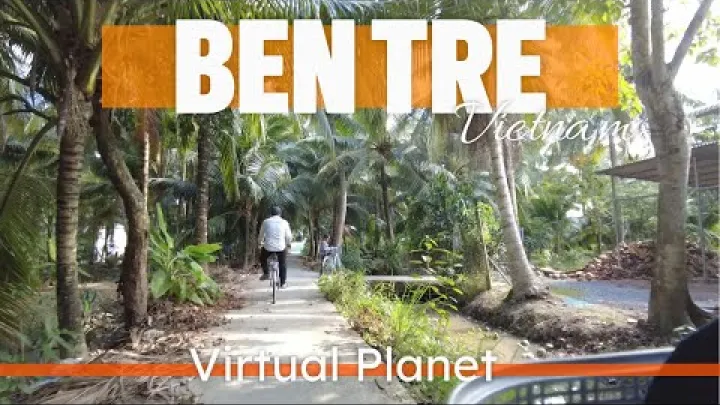
A taxi, private car, or driver is more practical for distant sites and for a longer outing such as Vam Ho Bird Sanctuary. Motorbikes offer flexibility, but they are not necessary for most visitors and require confidence with local road conditions. Use only a suitable, legally compliant motorbike setup with a proper helmet, and confirm how you will return from rural areas before setting out.
Water travel can be transport, an activity, or both. Ferries may provide a practical crossing on particular routes, while organized boats are usually designed around scenery and stops. Mobile data can help with navigation, but do not depend on every driver, boat provider, or small business using English. Carry enough Vietnamese dong for small purchases and agree on the return arrangement before going far beyond the central area.
Best Things to Do in Ben Tre
The best activities in Ben Tre are easy to combine when you give each one enough time. Rather than searching for a single must-see attraction, choose a theme for the day: coconuts and food, waterways and islands, or cycling and nature.
Coconut Candy, Orchards, and Local Food Experiences
Coconut production is the natural starting point for a Ben Tre visit. At a coconut candy workshop, visitors may see parts of the processing, taste products, and buy sweets or coconut-based goods. The format varies: some places receive groups on scheduled stops, while others are smaller working businesses with limited visitor access.
Orchard visits are another low-key way to experience the local agricultural setting. They pair well with a homestay meal, cycling, or a boat outing. Fruit availability depends on growing conditions and the season, so treat tasting as a possibility rather than a guaranteed menu. The destination guide from Vemekong highlights the province's coconut, food, and countryside experiences, which is a helpful starting point for selecting a locally focused day.
Be respectful in workshops and gardens. Ask before taking close photographs of people, equipment, or production areas, and do not enter work spaces unless invited. If you want a specific experience, such as a demonstration or a meal with particular dietary needs, arrange it with the accommodation or guide rather than assuming it will be available on arrival.
Boat Trips, Canal Rides, and River Islands
Ben Tre boat experiences range from larger river crossings to motorboat tours and small sampan rides through narrower canals. A larger boat can cover more distance and connect several stops. A small canal ride is slower and more intimate, but it may be only one short component of a wider tour rather than a full-day form of transport.
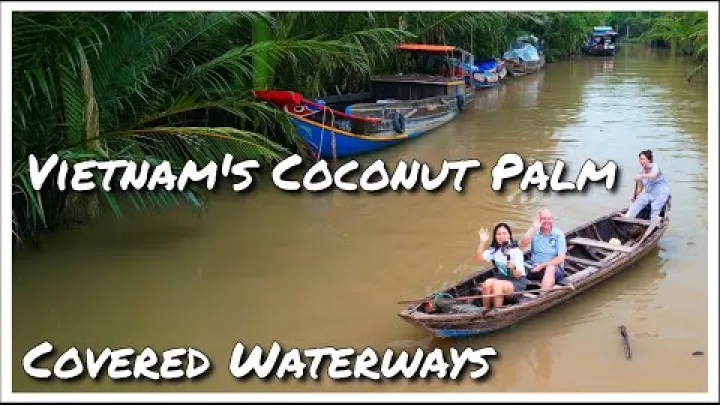
Phung Island, also known as Phoenix Island, and Turtle Island are examples of river-island stops that may be included in Delta itineraries. Depending on the route, a visit can combine water scenery with orchards, craft stops, food, or cultural sites. Access is not uniform, and an island named in a tour description does not automatically mean there is independent, frequent public transport from your chosen pier.
Decide whether you want a packaged itinerary or a more flexible locally arranged trip. A package can simplify transport and meals; a private or locally arranged boat may offer more control over pace. Before paying, confirm the boat operator, route, inclusions, total price, and available safety equipment. Also ask where the trip begins and ends, how long it is on the water, and whether transfer from your accommodation is included.
Cycling, City Stops, and Nature Excursions
Cycling is one of the best ways to understand Ben Tre's everyday landscape. A short route through coconut groves, canal-side lanes, orchards, and villages can be more satisfying than a long route with many scheduled stops. Start early when possible, carry water, and choose a distance that matches your fitness and tolerance for heat and humidity.
For a brief city interlude, combine riverside walking with a market area or Ben Tre Museum, subject to current opening information. These stops add variety for visitors who have spent most of the day in gardens or on the water. They are also suitable alternatives when a long outdoor activity is not appealing.
Vam Ho Bird Sanctuary is a longer nature outing for travelers interested in wetlands and birds. It needs more transport planning than a city or village cycle, and access, facilities, and wildlife viewing conditions should be confirmed locally. Do not plan around a promised wildlife sighting. Instead, treat it as a nature-focused excursion that may appeal most to visitors with extra time and a reliable driver or arranged tour.
When to Visit Ben Tre
Ben Tre has the broad tropical pattern typical of the Mekong Delta: a relatively drier part of the year and a wetter monsoon period. The best time depends less on finding a perfect month and more on matching your preferred activities to likely heat, rain, greenery, and travel conditions.
Dry Season, Rainy Season, and Seasonal Highlights
Drier conditions generally make long cycling and walking days easier, especially for travelers who want to move between several rural stops. Wetter conditions can bring more frequent rain, muddy paths, and disrupted outdoor timing, but they can also make the countryside look particularly green and water-rich. Boat experiences, short city visits, and indoor food stops can still work around passing rain.
Orchards and fruit-related experiences are seasonal by nature. Different sources and businesses may emphasize different highlights, so it is better to prioritize the activity you care about most than to search for one universally best month. If cycling is your main goal, favor a period with a more favorable short-term forecast. If your priority is greenery, canals, or a relaxed garden stay, you may accept a greater chance of rain.
Check a current local forecast shortly before travel and keep outdoor plans flexible. Pay attention to expected rainfall, road conditions, and any local changes affecting boat or rural activities. This is more useful than relying on a general seasonal label alone.
Matching Your Trip to the Weather
Pack for heat and humidity in every season: light breathable clothing, sun protection, drinking water, and footwear that is secure on wet paths or boat steps. Add a compact rain layer for showers, and consider insect repellent for time near canals, orchards, and gardens. A waterproof pouch for a phone and documents is useful on the water.
Build one flexible period into a one- or two-night itinerary. For example, keep a city walk, a longer meal, or a workshop visit available as an alternative to a cycle or canal ride. This approach reduces the pressure to force every activity into unsuitable conditions.
Visitors drawn to fruit, lush vegetation, or river scenery may reasonably accept different weather trade-offs from visitors who want long, dry cycling routes. The key is to choose a base and activity plan that can adapt without losing the purpose of the trip.
Ben Tre Costs and Sample Trip Frameworks
Ben Tre can be approached as an economical independent stop or as a higher-comfort trip with door-to-door transport and arranged activities. Your largest cost differences usually come from accommodation style, the type of transfer, and whether boat and food experiences are bundled into a private or organized tour.
Typical Costs and How to Set a Budget
Plan for accommodation, intercity transport, local rides, meals, boat or farm activities, possible admissions, and incidental spending. A budget-focused visit may use a simple city room, public bus, local food, and one shared or modest activity. A mid-range visit may add a comfortable hotel or homestay, private local transport, and a planned boat or garden experience. A higher-comfort approach often includes a private car from Ho Chi Minh City, a rural property, a guide, and bundled meals.
| Style | Main choices | Main trade-off |
|---|---|---|
| Budget | Public transport, basic room, local meals | More self-arrangement |
| Mid-range | Comfortable stay, selected activities | Balance of cost and ease |
| Higher comfort | Private transfer, arranged outings | Higher price for convenience |
Self-arranging can cost less, but a premium tour may include transfers, meals, a guide, boats, and fewer logistical decisions. Compare what is included rather than comparing only the headline price. Ask for the complete price in Vietnamese dong and confirm what transport, meals, admissions, and activities are included before committing to a booking.
One-Night and Two-Night Planning Frameworks
One night: Arrive, check in, and keep the first afternoon or evening light with a local meal or a riverside city walk. Use the next main period for one countryside theme: a coconut and orchard visit, a boat-and-canal route, or a short cycle from a rural stay. Leave enough time to return, collect luggage, and make your onward connection.
Two nights: Use the first day primarily for arrival and settling in. Reserve the full second day for the countryside, combining a boat outing with a workshop, garden meal, or cycle at a comfortable pace. On the final morning, add a short city stop, another cycle, or a nature excursion only if transport timing allows.
For onward travel to Can Tho, keep the last morning flexible and avoid booking a distant activity immediately before departure. For a return to Ho Chi Minh City, a city base may simplify the final transfer, while a rural stay can work well if the host has confirmed pickup timing. Both independent travelers and organized-tour guests can use these frameworks by replacing individual activities with a single well-chosen package.
Safety, Health, and Responsible Travel in Ben Tre
Ben Tre is best approached with the normal practical care used elsewhere in Vietnam: protect valuables, manage heat, and make thoughtful choices around roads and water. Responsible behavior also helps ensure that village, workshop, and garden visits remain positive for residents and visitors.
Everyday Safety and Health Considerations
The current advisory from Travel.State.gov advises travelers to exercise normal precautions in Vietnam and notes that petty crime can occur, particularly in popular tourist locations. In Ben Tre, keep passports, phones, cash, and other valuables secure during transfers, at busy transport points, and when boarding or leaving boats. Review the latest travel advisory before departure.
Many of the most relevant risks are practical rather than dramatic: sun exposure, dehydration, insects, wet boat steps, uneven rural paths, and road traffic. Use sun protection, drink safe water, wear secure footwear, and take extra care when getting on or off a boat. Consider personal medical needs and travel-insurance coverage before cycling, boat excursions, or activities outside the city.
Road conditions and weather deserve particular attention when cycling or traveling by motorbike. Choose a realistic pace, avoid pressure to continue in uncomfortable conditions, and use a reputable transport provider when you do not feel confident arranging the journey independently.
Respectful and Responsible Ways to Experience the Delta
Ben Tre's appeal depends on working agricultural landscapes and residential communities. Treat homes, orchards, workshops, and religious or cultural places as places where people live and work, not as open-air attractions. Ask before photographing people or private spaces, keep noise low, and follow instructions around production equipment, gardens, and boats.
When service quality and safety are clear, spending with locally run accommodation, food businesses, guides, boat providers, and craft producers can keep more of your trip connected to the area. Buy only what you want to use, reduce single-use waste, and take rubbish with you when bins are not available. At nature sites, stay on designated paths where provided and avoid disturbing birds or other wildlife.
Ben Tre is most suitable for travelers who value river landscapes, coconut country, cycling, local food, and a slower pace. Pick Ben Tre City for simple logistics or a rural base for immersion, allow one night at minimum, and choose a plan that matches the weather and your preferred way of moving around. With those decisions made early, Ben Tre can be a calm and rewarding Mekong Delta stop.
Select area
Create a post
Posting is free and no registration is required.