- Tay Son Heaven and Earth Esplanade: Historic Shrine in Quy Nhon
- Quang Trung Museum: Tay Sơn History & Culture in Quy Nhon
- Banh It Cham Towers: Ancient Heritage & Photography in Quy Nhon
- The Thon Beach in Cat Tien: Clean Shores & Affordable Watersports
- Linh Phong Pagoda in Quy Nhon: The Sacred Mountain Temple
Vietnam Tour Guide: Best Itineraries, Packages & Places
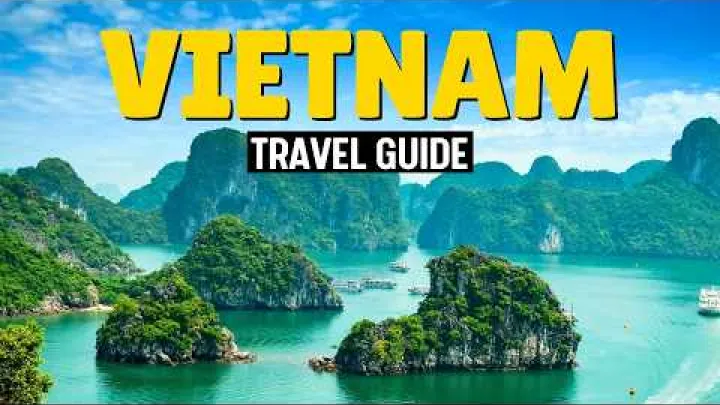
A Vietnam tour brings together historic cities, dramatic coastlines, rice terraces, and rich local culture in one compact country. Whether you want a short holiday, a longer backpacking route, or a comfortable Vietnam tour package, planning the right itinerary makes a big difference. This guide explains what a typical Vietnam tour includes, when to visit, and how to choose between group, private, budget, and luxury options. You will also find sample itineraries from 7 days up to 3 weeks, plus practical tips on visas, transport, food, and safety. Use it as a clear starting point to shape your own Vietnam travel plan.
Introduction to Planning a Vietnam Tour
Planning a Vietnam tour for the first time can feel complex because there are many destinations, tour styles, and price levels to compare. Understanding what a structured tour actually includes and what you still need to arrange on your own helps you avoid confusion and budget surprises. This introductory section explains the basic structure of a Vietnam tour and who will benefit most from this complete guide.

Many travelers look for Vietnam tour packages because they want reliable logistics, local guides, and a clear route from north to south or vice versa. Others prefer a mix of independent travel and short guided trips, such as a Halong Bay cruise or a Cu Chi Tunnels visit. No single style fits everyone, so this guide focuses on explaining options in simple, neutral language that suits visitors from many different countries and backgrounds.
What a Vietnam tour typically includes
When people talk about a “Vietnam tour”, they usually mean a structured trip that connects several key regions with pre-booked services. Most classic Vietnam tours last between 7 and 14 days and combine major cities such as Hanoi and Ho Chi Minh City with one or two nature highlights like Halong Bay, Ninh Binh, or the Mekong Delta. A typical itinerary follows a clear sequence of places, often moving from the north through central Vietnam down to the south, or in the reverse direction.
A simple sightseeing trip, where you book hotels and day trips one by one, is different from a full Vietnam tour package. With a structured tour, many services are fixed in advance. This commonly includes accommodation, domestic transport between destinations, airport transfers, entrance fees to major sights, and guided activities in each city or region. For example, a package might cover your overnight Halong Bay cruise, guided city tour in Hanoi, internal flight to Da Nang, and then transfers to Hoi An. Select meals are usually included, often breakfast every day and a few lunches or dinners during special excursions.
At the same time, there are clear exclusions that you need to understand in simple terms. International flights to and from Vietnam are rarely included unless you buy a “with flights” package from your home country. Many tours also leave some lunches and dinners open so you can explore local restaurants on your own. Personal expenses such as drinks, tips, laundry, spa treatments, and optional activities like cooking classes or extra boat trips are not included. Reading the day-by-day itinerary and the “included / excluded” lists carefully is essential for first-time international travelers so you know exactly what you are paying for.
Who this Vietnam tour guide is for
This Vietnam tour guide is designed for a wide range of international readers who are planning their first or second trip to the country. Leisure travelers who want to see the main highlights in a limited holiday period will find step-by-step itineraries and clear advice on the best time to visit. Students preparing to study abroad in Vietnam, or nearby countries in Southeast Asia, can use this guide to understand the country’s main regions and how to organize side trips. Remote workers and professionals considering an extended stay can also benefit, because the guide explains how to combine longer city stays with short tours to Vietnam’s top places.
Many people share similar concerns when they start researching a Vietnam tour. They want to know where to go, how long to stay, how much a realistic Vietnam tour costs per day, and whether to book a package or travel independently. This guide answers these questions through structured sections that compare tour styles, outline typical budgets, and provide sample itineraries from 7 days to 3 weeks. Instead of promoting any single operator or nationality-specific package, the information stays broad and globally relevant, so you can compare options from your own country or book directly with local Vietnamese agencies.
Overview of Vietnam as a Tour Destination
Vietnam is one of Asia’s most popular tour destinations because it offers a dense combination of history, culture, landscapes, and beaches along a narrow S-shaped coastline. Travelers can experience traditional Old Quarters, French-influenced architecture, war history museums, limestone karst scenery, mountain villages, and tropical islands within a single trip. The country is long from north to south, yet good transport connections make it possible to cross the main regions in around two weeks.
Another reason Vietnam is attractive for tours is its strong value for money. Accommodation options range from simple guesthouses to international luxury hotels, and food is both affordable and very diverse. Domestic flights, trains, and tourist buses make it easier to connect between Hanoi, central Vietnam, and Ho Chi Minh City than in the past. At the same time, travelers should be aware of seasonal weather, busy periods, and the growing popularity of certain locations, which can mean crowds in well-known Vietnam tour places during peak months.
Why Vietnam is ideal for a first-time tour
Central Vietnam offers historic towns, sandy beaches, and scenic coastal roads, while the south has the energy of Ho Chi Minh City and the slower pace of the Mekong Delta. This mix allows first-time visitors to design a balanced route that includes cities, countryside, coastline, and mountains without long overland journeys every day.
Value for money is another strong reason to choose a Vietnam tour, particularly compared with many other international destinations. Comfortable mid-range hotels, domestic flights, and good food are often priced lower than in Western Europe or North America, which helps keep the overall tour cost reasonable. The local culture is generally welcoming, and tourism infrastructure has developed significantly, with many licensed guides, cruise operators, and transport services catering to international travelers. However, new visitors should also be ready for busy traffic in major cities, crowds at famous attractions in peak season, and seasonal weather patterns such as heavy rain in some months. Planning with these factors in mind helps you enjoy the benefits while managing the challenges.
Main regions for a Vietnam tour: North, Central, and South
Understanding Vietnam’s three main regions is an important first step when you plan your route. Northern Vietnam includes the capital Hanoi, the karst seascape of Halong Bay and Lan Ha Bay, the river and rice-field scenery of Ninh Binh, and mountain areas such as Sapa and Ha Giang. Central Vietnam covers the imperial city of Hue, the lantern-lit streets and riverside of Hoi An, beachside Da Nang, and the cave systems around Phong Nha. Southern Vietnam focuses on Ho Chi Minh City, the canals and floating markets of the Mekong Delta, and islands such as Phu Quoc and Con Dao.
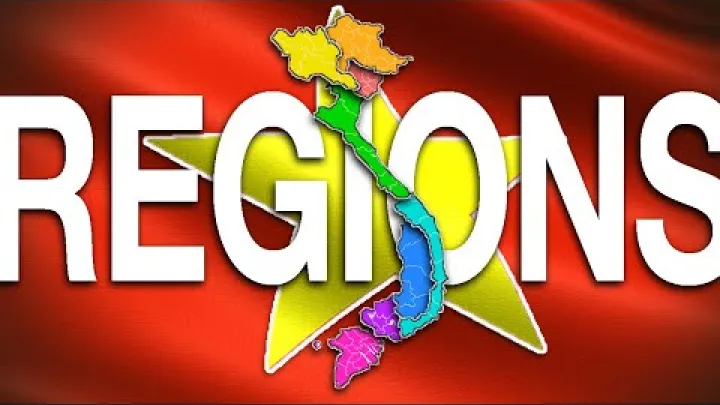
Most Vietnam tour itineraries connect these three regions in a simple north–south or south–north route. For example, a 10 day Vietnam tour might start in Hanoi, visit Halong Bay, fly to Da Nang to stay in Hoi An, and then finish in Ho Chi Minh City with a short Mekong Delta tour. To compare the regions quickly, you can keep this contrast in mind:
- North: culture and history in Hanoi, dramatic karst scenery (Halong Bay, Ninh Binh), cool-season mountains (Sapa, Ha Giang).
- Central: imperial and trading heritage (Hue, Hoi An), long beaches, nearby caves and national parks (Phong Nha).
- South: modern urban life and war history in Ho Chi Minh City, river life in the Mekong Delta, tropical islands and beaches (Phu Quoc, Con Dao).
This simple structure helps you decide where to focus if you have limited time, and how to link regions if you want a complete north–south Vietnam tour.
Best Time to Visit Vietnam on Tour
Choosing the best time for a Vietnam tour is slightly more complex than for some other destinations, because the country stretches over a long distance with different regional climates. When the north is cool and dry, parts of the central coast might still see rain, and when southern beaches are at their best, mountain regions can be misty. Understanding the basic patterns in each region will help you match your travel dates to the areas you plan to visit.

Rather than thinking only in broad seasonal labels, it is more useful to look at specific months and how they affect a north–south route, trekking plans, or beach holidays. This section explains the climate in northern, central, and southern Vietnam, then recommends month ranges for popular tour styles and key activities like trekking, caving, and cruises. Weather can always vary by year, but these guidelines are a practical starting point.
Climate by region: North, Central, and South
Winters, roughly from November to March, can be cool or even cold in Hanoi and very chilly in mountain areas such as Sapa and Ha Giang. Temperatures are often comfortable for city sightseeing, but you may need a light jacket or warmer layers in December and January, especially at night. Summers, from May to September, are warm to hot with high humidity and more frequent rain. Short, intense showers are common, and there is some risk of storms affecting Halong Bay cruises, although many days are still clear.

Central Vietnam, including Hue, Da Nang, Hoi An, and the surrounding coast, usually has a dry season from around February or March to August, and a wetter period from roughly September to January. The dry months are popular for beach stays, but they can also be quite hot in the middle of the day. The rainy season can bring heavy downpours, and in some years there may be flooding, especially from October to November. Southern Vietnam, by contrast, has a more typical tropical climate with two main periods: a dry season from about November to April and a rainy season from May to October. Even in the rainy months, showers often come in bursts with dry spells in between, but you should expect higher humidity. Islands like Phu Quoc usually have their best beach weather during the southern dry season.
Recommended months for a North–South Vietnam tour
Many visitors want to travel from north to south in one Vietnam tour, so it is useful to know which months offer the best compromise across the whole country. Generally, the period from December to March works well for a full Hanoi–central–Ho Chi Minh City route. During these months, the south is in its dry season, central cities often have pleasant temperatures, and the north is cool but usually manageable for sightseeing. January and February can feel quite cold and grey in Hanoi and Sapa, though, so you may need warm clothing and should not expect clear mountain views every day.
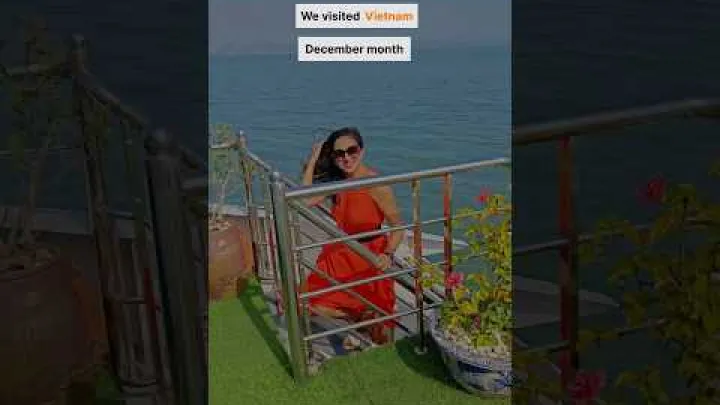
Shoulder seasons such as March–April and September–October can also be good choices, with some trade-offs. In March and April, temperatures in the north start to rise, central Vietnam becomes more beach-friendly, and the south is still relatively dry. In September and October, the north can be very scenic, especially in rice-growing areas during harvest time, and there are fewer peak-season crowds. However, central Vietnam may begin to see heavier rain in these months, so you need to monitor local conditions if your itinerary includes Hue or Hoi An. Low-season months can bring better prices, but you may face higher chances of rain and occasional disruption to flights or cruises.
Major holidays in Vietnam, especially Tet (Lunar New Year), also affect tour planning. Tet usually falls between late January and mid-February, and during this period domestic travel volumes are very high. Many local businesses close for several days, some services run on limited schedules, and prices for flights or hotels can increase sharply. If your dates overlap with Tet, it is important to book early and be prepared for a quieter atmosphere in some tourist areas, as people spend time with family. Other holidays can also influence availability, so always check your exact dates before finalizing a Vietnam tour package.
When to visit Vietnam for trekking, beaches, and special activities
Weather plays a big role in planning outdoor and adventure activities on a Vietnam tour, because it affects both safety and how much you enjoy the scenery. For trekking in mountainous areas such as Sapa, Ha Giang, and other northern highlands, the most popular periods are usually from about September to November and from March to May. These months can offer clearer skies, moderate temperatures, and good visibility of rice terraces and valleys. Deep winter (December–February) can be cold and foggy at higher elevations, with some days of limited views, while the height of summer can be very hot and humid, which makes long hikes more demanding.

Beach breaks require careful timing, especially if you plan to combine different coasts in a single Vietnam tour. Central Vietnam beach destinations such as Hoi An and Da Nang tend to be at their best from around March to August, when rain is lower and the sea is often calmer. Southern islands like Phu Quoc and Con Dao usually have their prime beach season between November and April, matching the southern dry period. For special activities like caving in Phong Nha, operators normally focus on the drier months due to river levels and safety concerns. Cruises in Halong Bay and Lan Ha Bay run year-round, but calm, clear days are more likely outside of stormy periods, and some travelers prefer the cooler air of late autumn and winter.
Motorbike tours, whether in the north around Ha Giang or on longer routes between Hue and Hoi An or even across the country, are also strongly influenced by weather. Dry roads and good visibility are important for safety, especially on mountain passes. Guided motorbike tours often schedule their main departures in months with lower rainfall, and may cancel or adjust routes in case of heavy storms. When planning any outdoor-focused Vietnam tour, it is wise to build some flexibility into your schedule, listen to local operator advice, and avoid insisting on risky activities during severe weather.
Vietnam Tour Itineraries by Trip Length
The length of your stay is one of the biggest factors shaping your Vietnam tour itinerary. With only a week, you will need to focus on a single region, while 10 to 14 days allow you to connect north and south more comfortably. If you have 2 to 3 weeks, you can slow down, include secondary destinations, and explore by train, bus, or motorbike without feeling rushed.

This section presents sample itineraries for common timeframes, using clear day-by-day outlines that you can adjust to your own interests. They are not rigid schedules, but realistic examples that respect travel times between city pairs. You can use them as templates when comparing Vietnam tour packages or designing an independent route.
7–10 day Vietnam tour itineraries
A 7 day Vietnam tour is usually best when it focuses on either the north or the south, rather than trying to cross the whole country. In northern Vietnam, a popular one-week itinerary combines Hanoi, Ninh Binh, and Halong Bay. This route offers a blend of city culture, countryside landscapes, and time on the water without excessive travel hours.
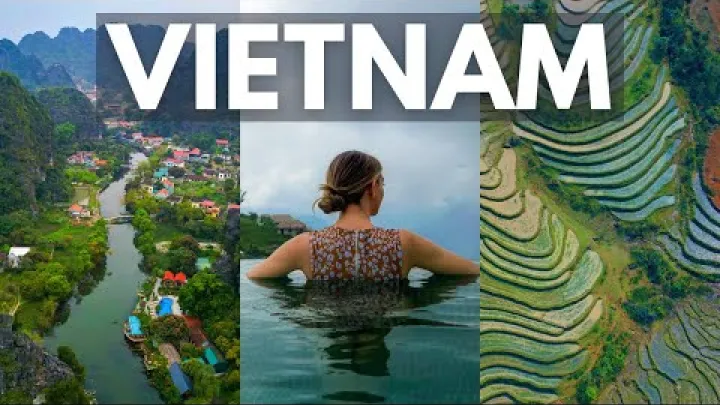
A sample 7 day northern Vietnam tour could look like this:
- Day 1: Arrive in Hanoi, explore the Old Quarter and Hoan Kiem Lake.
- Day 2: Full Hanoi city tour with key temples, museums, and markets.
- Day 3: Travel to Ninh Binh, visit ancient temples and take a boat trip among karst cliffs.
- Day 4: Morning in Ninh Binh, return to Hanoi in the afternoon.
- Day 5: Transfer to Halong Bay or Lan Ha Bay, start overnight cruise.
- Day 6: Finish cruise, return to Hanoi; free evening or street food tour.
- Day 7: Last-minute shopping or sightseeing, depart Vietnam.
This kind of northern Vietnam tour suits travelers who enjoy a mix of culture and scenery and are visiting during months with comfortable weather in the north. It can work well from roughly October to April, with warmer clothing needed in winter. The route keeps daily transfers to a reasonable level while covering several of the most famous Vietnam tour places.
In southern Vietnam, a 7–10 day itinerary often centers on Ho Chi Minh City, the Cu Chi Tunnels, the Mekong Delta, and a short beach or island stay. A possible 7–10 day outline is:
- Day 1: Arrive in Ho Chi Minh City, evening stroll and dinner.
- Day 2: Guided city tour with key museums, markets, and colonial-era buildings.
- Day 3: Half-day or full-day Cu Chi Tunnels tour, return to Ho Chi Minh City.
- Day 4: Travel to the Mekong Delta, boat trip and visit to local workshops or farms.
- Day 5: Continue Mekong visits in the morning, then return to Ho Chi Minh City or transfer towards the coast.
- Day 6–7: Beach or island stay in Vung Tau, Mui Ne, or Phu Quoc (extend to 10 days for more island time).
- Final day: Return to Ho Chi Minh City for departure.
This southern-focused route is ideal during the southern dry season from November to April, when the weather is better for both city touring and beach relaxation. It is a good option for families or travelers who want a Vietnam tour package with less internal flight time and more focus on warm-weather activities. With 9 or 10 days, you can add an extra night in the Mekong Delta or more time on the island.
10–14 day north–south Vietnam tour
A 10 day Vietnam tour allows you to experience the classic north–south route, but you will need to choose destinations carefully to avoid rushing. A typical 10 day outline includes Hanoi, Halong Bay, a short stop in central Vietnam, and Ho Chi Minh City with a Mekong Delta excursion. Fast transfers, usually by domestic flight, help you cover the distances efficiently.

One concrete 10 day itinerary could look like this:
- Day 1: Arrive in Hanoi, evening walk in the Old Quarter.
- Day 2: Full Hanoi city tour, including key cultural and historical sites.
- Day 3: Transfer to Halong Bay or Lan Ha Bay, board overnight cruise.
- Day 4: Finish cruise, return to Hanoi; evening flight to Da Nang and transfer to Hoi An.
- Day 5: Explore Hoi An Ancient Town and nearby countryside.
- Day 6: Free time in Hoi An or optional beach / bicycle tour; evening flight to Ho Chi Minh City.
- Day 7: Ho Chi Minh City highlights tour.
- Day 8: Cu Chi Tunnels excursion (half-day) and free time in the city.
- Day 9: Full-day Mekong Delta tour with boat trip and local visits.
- Day 10: Last shopping or sightseeing, depart Vietnam.
This itinerary divides time between cities, countryside, and the coast, but central Vietnam is represented mainly by Hoi An. Hue is not included because of the limited timeframe. Many Vietnam tour packages follow a similar pattern, sometimes reversing the direction from south to north.
With 14 days, you can slow the pace and add more stops. A sample 14 day north–south Vietnam tour might be:
- Days 1–2: Hanoi city explorations.
- Day 3: Ninh Binh day trip or overnight stay.
- Days 4–5: Halong Bay or Lan Ha Bay overnight cruise and return.
- Day 6: Fly to Hue, afternoon free.
- Day 7: Hue city and imperial sites tour.
- Day 8: Scenic drive over the Hai Van Pass to Hoi An.
- Days 9–10: Hoi An town and beach time.
- Day 11: Fly to Ho Chi Minh City.
- Day 12: Cu Chi Tunnels and city highlights.
- Days 13–14: Mekong Delta overnight trip and return for departure.
This 2 week Vietnam tour itinerary offers a fuller experience of central Vietnam by including both Hue and Hoi An. It allows more relaxed mornings or evenings in each destination, which is especially helpful in warmer months. You can skip Ninh Binh if you prefer more time in Hanoi or add an extra beach day if you travel during good coastal weather.
2–3 week slow travel Vietnam tour
With 2 to 3 weeks, you can design a slow travel Vietnam tour that goes beyond the main cities and lets you experience secondary destinations in more depth. Extra time allows you to include Sapa or Ha Giang in the northern mountains, spend a night or two in Ninh Binh, and visit the Phong Nha area for caving and national park activities. You can also use trains and buses more often instead of relying solely on flights, which can make the journey feel more continuous and budget-friendly.
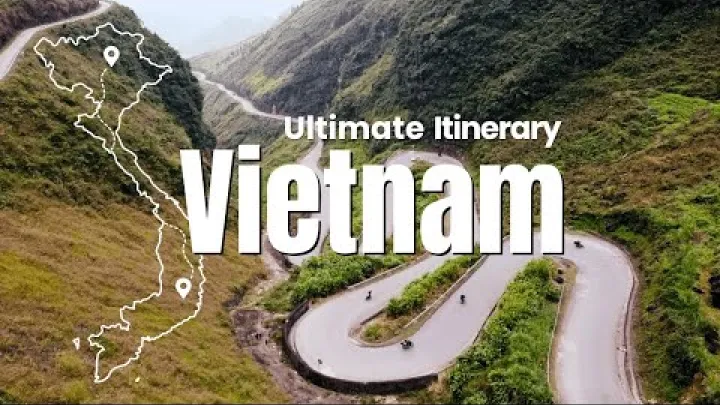
A realistic 3 week outline could include:
- Days 1–3: Hanoi and surroundings.
- Days 4–6: Sapa or Ha Giang trekking and village stays.
- Days 7–8: Ninh Binh landscapes and temples.
- Days 9–10: Halong Bay or Lan Ha Bay overnight cruise.
- Days 11–12: Train or flight to Dong Hoi and onward to Phong Nha for caves and national park.
- Days 13–15: Hue and Hoi An via the coastal road or Hai Van Pass.
- Days 16–18: Beach time near Hoi An or in Da Nang.
- Days 19–21: Ho Chi Minh City and Mekong Delta.
When planning a longer Vietnam tour, it is important to consider actual travel times between destinations so you do not spend every second day in transit. For example, buses or trains between Hanoi and Sapa can take around 5–7 hours, and journeys around Ha Giang often involve winding mountain roads. Trains between central and northern cities may be overnight, which saves hotel costs but can be less restful for some travelers. Building rest days or light-activity days into your schedule helps prevent fatigue, especially if you are using local buses or motorbikes.
Longer trips also create space for homestays, cooking classes, or thematic tours like extended motorbike routes or photography-focused itineraries. Many travelers choose to slow down in a favorite location such as Hoi An, Hanoi, or the Mekong Delta, staying for several nights and exploring at an easy pace. With 2–3 weeks, you can adjust your plan on the road within broad limits, while still keeping main flights and key tours, such as a Halong Bay cruise, pre-booked for peace of mind.
Types of Vietnam Tours and Packages
Once you have a rough idea of your dates and itinerary, the next decision is how to structure your Vietnam tour in terms of services and support. Some travelers prefer fully arranged Vietnam tour packages that include hotels, transport, and guided excursions. Others choose lighter arrangements, such as a few city-based day tours combined with self-booked hotels and buses.
This section explains the main types of tours available in Vietnam, compares group and private options, and outlines budget, mid-range, and luxury price levels. It also introduces popular thematic tours such as adventure, food, culture, and beach-focused packages to help you match your interests to the right format.
Group tours vs private Vietnam tours
Group tours and private Vietnam tours each offer distinct advantages, and the best choice depends on your budget, travel style, and need for flexibility. Group tours bring a fixed group of travelers together to follow a shared itinerary with one guide, usually in a minibus or coach. These tours often have a lower cost per person because hotel rooms, vehicles, and guide services are shared among participants. Group sizes vary from small groups of around 10–16 people to larger coach tours with 25 or more participants.
Private Vietnam tours, by contrast, are designed for a single traveler, couple, family, or closed group of friends. The itinerary can be adjusted to your interests, such as extra time for photography, flexibility around children’s schedules, or specific museum visits. You can also choose hotel categories more freely and adjust pacing, for example starting touring later in the morning or adding spontaneous stops. This flexibility usually comes at a higher price per person, particularly for very small groups, but it can be worth it for travelers with special needs or limited mobility.
To compare quickly, consider these pros and cons:
- Group Vietnam tour – pros: lower cost per person, easy social contact with other travelers, fixed itinerary requires less personal planning.
- Group Vietnam tour – cons: less flexibility in timing and activities, fixed meal and hotel choices, pace may feel fast or slow depending on the group.
- Private Vietnam tour – pros: customizable route and schedule, choice of hotel standards, more personal attention from guides, better for families or special interests.
- Private Vietnam tour – cons: higher cost per person, especially for 1–2 people, requires more decisions during the planning stage.
Private tours are especially useful for multi-generational family trips, honeymooners who want a flexible and quiet schedule, or travelers with a deep interest in history, photography, or food who may want extra time at specific sites. Group tours can be ideal for solo travelers who enjoy company, or for those who prefer a clear structure without managing logistics themselves.
Budget, mid-range, and luxury Vietnam tour packages
Vietnam tour packages are usually described in three broad price bands: budget, mid-range, and luxury. Each level corresponds to different types of accommodation, transport, and included experiences. While exact prices vary by season, operator, and group size, having approximate daily ranges helps you plan according to your resources.

Budget Vietnam travel tour packages often use simple but clean guesthouses or small hotels, shared transport such as tourist buses or standard trains, and group sightseeing tours. Mid-range packages usually include comfortable three- or four-star hotels in central locations, a mix of domestic flights and private transfers, and some small group or private excursions. Luxury Vietnam tour packages focus on higher-end hotels or resorts, premium cruises in places like Halong Bay, private guiding, and more inclusive meal plans.
Approximate per-person daily cost ranges, excluding international flights, might look like this:
| Package Level | Typical Per-Day Cost (USD) | Common Features |
|---|---|---|
| Budget | About 25–40 | Simple hotels, shared transport, group tours, limited inclusions |
| Mid-range | About 50–100 | 3–4 star hotels, some private transfers, selected guided excursions |
| Luxury | From around 150 and above | High-end accommodation, private guide and driver, premium cruises and experiences |
These figures are only guidelines; actual prices can be higher in peak travel months or during major holidays. Larger groups may obtain lower per-person costs, while solo travelers often pay a single supplement for accommodation. When comparing packages, look beyond the headline price to details such as hotel location, internal transport type, group size, and whether entrance fees and meals are included or not.
Thematic tours in Vietnam: adventure, food, culture, and beach
Many visitors choose a Vietnam tour package built around a specific theme, or add themed modules to a general itinerary. Adventure tours focus on trekking, caving, kayaking, or motorbike routes. For example, northern Vietnam offers excellent trekking around Sapa and Ha Giang, with options for village homestays and mountain viewpoints. Phong Nha in central Vietnam has some of the world’s most impressive cave systems, with tours ranging from short, accessible cave visits to challenging multi-day expeditions organized by specialist operators.

Ho Chi Minh City offers night-time food tours by motorbike or walking, introducing southern dishes and regional variations. Cultural tours often highlight UNESCO-listed towns like Hoi An and Hue, traditional crafts, and village visits near cities such as Hanoi. Beach-oriented packages center around destinations like Da Nang, Nha Trang, Phu Quoc, or Con Dao, where you can combine coastal relaxation with shorter excursions inland.
These thematic options can be added to group or private tour structures. For instance, you might join a small-group food tour in Hanoi during an otherwise private Vietnam tour, or add a two-day trekking segment in Sapa onto a classic north–south route. Choosing clear themes helps you prioritize activities and decide how long to stay in each region.
Vietnam Tour Places: Top Cities and Regions to Visit
While there are many towns and regions to explore, most first-time tours focus on a core set of cities and landscapes in the north, center, and south. Each has a different atmosphere and set of experiences.
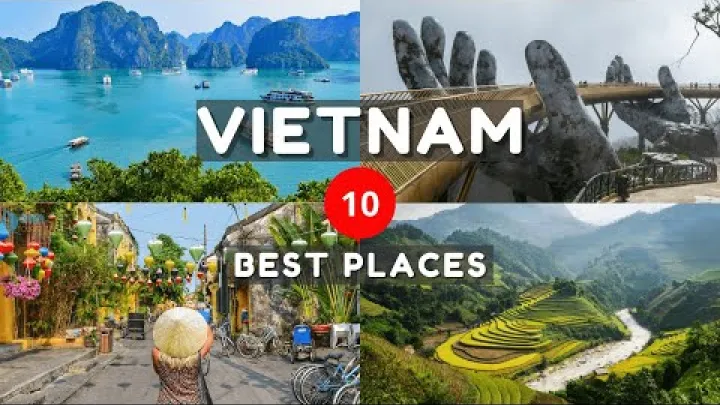
This section introduces the top tour spots in northern, central, and southern Vietnam, and then highlights special day tours that you can build into your schedule. It will help you distinguish easy first-time destinations from more remote areas that require extra time.
Northern Vietnam highlights: Hanoi, Halong Bay, Ninh Binh, and mountains
Northern Vietnam is often the starting point for a Vietnam tour because of its combination of culture, history, and natural scenery. Hanoi, the capital, mixes narrow Old Quarter streets, lakes, temples, and French-influenced buildings. Many visitors spend at least two full days here to see key sites, try local food, and adjust to the pace of the country. From Hanoi, it is relatively easy to reach nearby highlights such as Halong Bay, Lan Ha Bay, and Ninh Binh.

Halong Bay and the neighboring Lan Ha Bay are famous for their karst limestone islands and calm waters, best experienced on a day cruise or 1–2 night cruise. Tours typically depart from Hanoi by road, taking around 2.5–3.5 hours each way, and include meals, kayaking or small boat excursions, and visits to caves or floating villages. Ninh Binh, sometimes called “Halong Bay on land”, offers boat trips along rivers flanked by cliffs, as well as ancient temples and rural landscapes. For mountain scenery and trekking, These areas require more travel time and sometimes basic conditions, but reward visitors with dramatic views.
To help you plan, here is a simple distinction between easy first-timer stops and more remote northern destinations:
- Easy first-time stops: Hanoi, Halong Bay or Lan Ha Bay cruise, Ninh Binh.
- More remote or time-intensive: Sapa, Ha Giang, Cao Bang, and other northern highlands.
First-time visitors with limited days often stick to Hanoi, Halong Bay, and perhaps Ninh Binh. Those with extra time or a strong interest in trekking and rural tourism can add Sapa or Ha Giang, understanding that these areas mean longer journeys and sometimes basic accommodation.
Central Vietnam highlights: Hue, Hoi An, Da Nang, and Phong Nha
Central Vietnam offers a rich mix of heritage towns, beaches, and natural attractions, making it a central component of many Vietnam tour packages. Hue, the former imperial capital, is known for its citadel, royal tombs, and pagodas along the Perfume River. Guided tours here often combine boat rides with visits to key historical sites, providing insight into Vietnam’s dynastic past. Hoi An, a well-preserved trading town, is famous for its lantern-lit streets, riverside setting, and a large variety of tailors, cafes, and cooking classes.
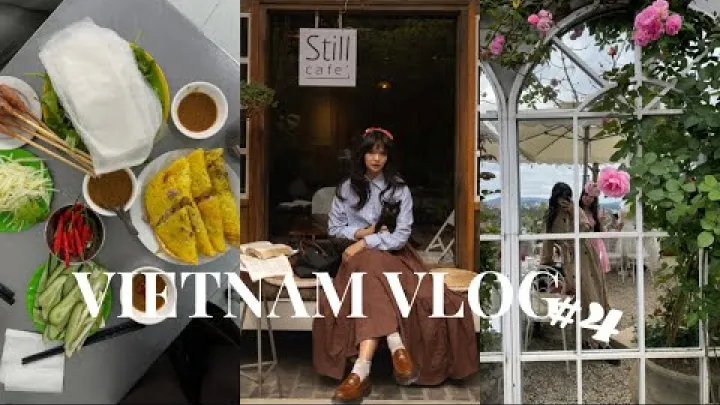
Da Nang serves as a modern transport hub with an international airport, long beaches, and easy road connections to both Hue and Hoi An. Many tours use Da Nang as the arrival or departure point for this region, linking it to other parts of the country via short flights from Hanoi or Ho Chi Minh City. The coastal road between Hue and Da Nang, including the Hai Van Pass, is especially scenic and sometimes included as a motorbike or car excursion.
Further inland, Phong Nha is a major highlight for adventure-oriented Vietnam tours. The area features impressive caves within Phong Nha–Ke Bang National Park, ranging from accessible show caves with walkways and lighting to challenging expeditions requiring good fitness and specialist guides. Many itineraries link these central Vietnam cities in the following ways:
- Flight to Da Nang, transfer to Hoi An for several nights.
- Scenic drive over the Hai Van Pass to Hue for imperial sites.
- Overnight train or road transfer to Dong Hoi or Phong Nha for caving activities.
This structure lets you combine culture, coastal relaxation, and nature within one region before continuing north or south.
Southern Vietnam highlights: Ho Chi Minh City, Mekong Delta, and islands
Southern Vietnam offers a lively urban center, river landscapes, and tropical islands that are ideal for the later part of a Vietnam tour. Ho Chi Minh City (often still called Saigon) is a major hub with museums that focus on modern history, busy markets, and a growing cafe and restaurant scene. Many tours start or end here, using the city as a base for day trips and onward travel.
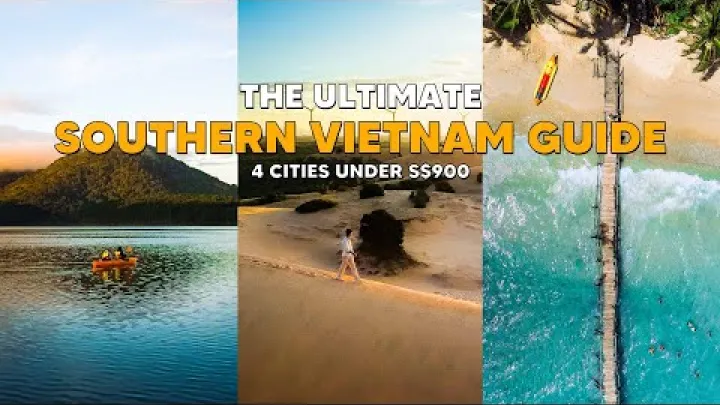
The Mekong Delta, reached by road from Ho Chi Minh City, showcases a slower pace of life across rivers, canals, and small farms. Common day or overnight tours include boat rides, visits to local workshops, fruit orchards, and sometimes floating markets. Road travel to Mekong Delta towns such as My Tho or Ben Tre typically takes around 1.5–2.5 hours each way, while deeper destinations like Can Tho are often 3–4 hours away and better suited for overnight stays.
For beach and relaxation extensions, islands like Phu Quoc and Con Dao are popular choices. Flights from Ho Chi Minh City to Phu Quoc usually take under one hour, making it an easy add-on to a tour. Con Dao is a smaller and quieter island group, with flights that also take roughly an hour from Ho Chi Minh City. These islands are particularly attractive during the southern dry season, when sunshine and calm seas support snorkeling, diving, and beach days. When deciding how to spend your final days in Vietnam, factor in these approximate travel times so you can enjoy your island stay without feeling rushed.
Special day tours in Vietnam: Cu Chi Tunnels, food tours, and city tours
This excursion typically involves a road transfer of about 1.5–2 hours each way, followed by a guided walk through parts of the former tunnel network, displays explaining their history, and demonstrations of how life was organized underground. Tours can be half-day or full-day depending on whether they are combined with additional stops.
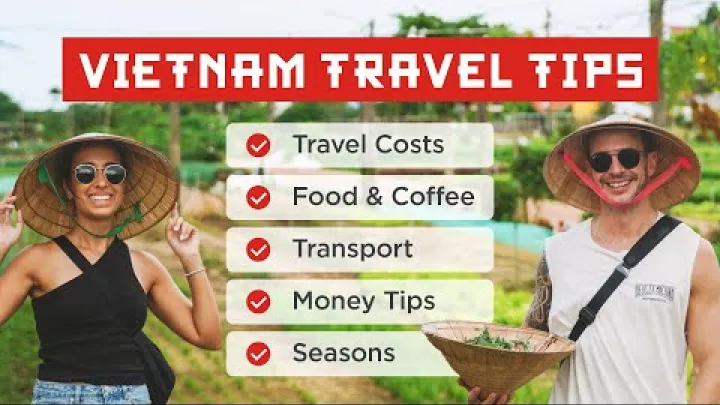
Food tours are another popular format, especially in Hanoi and Ho Chi Minh City. Most last around 3–4 hours and involve walking between several local eateries or street stalls, sometimes with short transfers by taxi or motorbike. You can expect to try classic dishes such as pho, banh mi sandwiches, fresh and fried spring rolls, rice noodle salads, and regional specialties, while the guide explains ingredients, dining customs, and how to choose safe and hygienic places on your own. City tours in major destinations are often offered as half-day highlights or full-day programs that include main museums, temples, markets, and viewpoints.
These special day tours are usually easy to fit into your schedule, and they can be booked as part of a Vietnam tour package or individually once you arrive. Typical durations and distances include:
- Cu Chi Tunnels: about 5–7 hours total, including 3–4 hours of travel.
- Hanoi or Ho Chi Minh City food tour: around 3–4 hours, mainly walking and short transfers.
- City highlights tours: half-day (3–4 hours) or full-day (6–8 hours) with a vehicle or walking route.
Knowing these formats helps you plan your days realistically and avoid stacking too many activities into one day.
Transport and Logistics for Your Vietnam Tour
Transport is a key part of any Vietnam tour, because the main destinations are spread along a long north–south axis. Deciding when to use domestic flights, trains, or buses can save you time and improve comfort. Logistics also include choices about local transport in cities, motorbike or bicycle options, and essential documents like visas and travel insurance.
This section outlines the main ways to get around Vietnam, with approximate travel times between key cities, and explains important considerations for two-wheel travel. It also provides high-level guidance on entry requirements so you can plan formalities before committing to fixed dates.
Getting around Vietnam: flights, trains, and buses
Domestic flights are often the most time-efficient way to move between Vietnam’s major regions, especially on a north–south tour. Flights between Hanoi and Da Nang, or Da Nang and Ho Chi Minh City, usually take around 1–1.5 hours, while direct flights from Hanoi to Ho Chi Minh City are often around 2 hours. Using flights for these long stretches allows you to spend more time exploring and less time in transit, which is particularly important on trips of 7–14 days.
Vietnam’s train network offers scenic and atmospheric journeys along the coast, with sections such as Hue–Da Nang being especially attractive. Overnight trains between Hanoi and Hue or Da Nang allow you to travel while you sleep, combining transport and accommodation. However, comfort levels vary depending on the class and train type, and some travelers may find the motion and noise challenging. Trains are slower than flights but can be a rewarding way to see more of the countryside.
Long-distance buses and tourist shuttles connect many Vietnam tour places, including routes between Hanoi and Ninh Binh, Hanoi and Halong Bay, and central coastal towns. Travel times vary, but as a rough guide:
- Hanoi to Halong Bay: about 2.5–3.5 hours by road.
- Hanoi to Ninh Binh: about 2–2.5 hours.
- Hue to Da Nang or Hoi An: around 2–3 hours, depending on route and stops.
- Ho Chi Minh City to Mekong Delta towns: roughly 1.5–4 hours, depending on the specific destination.
Many tour operators arrange these transfers as part of their packages, using minibuses or private cars. When planning independently, choosing reputable bus companies and avoiding unsafe or overloaded vehicles improves both comfort and safety.
Motorbike and bicycle tours in Vietnam
Motorbike and bicycle tours offer a closer connection to Vietnam’s landscapes and daily life, but they require careful planning and attention to safety. Popular motorbike routes include the Ha Giang Loop in the far north, the road between Hue and Hoi An over the Hai Van Pass, and longer north–south journeys. Bicycle tours are often shorter, focusing on flat or gently rolling areas such as the countryside around Hoi An, Ninh Binh, or the Mekong Delta.

Visitors can choose between guided motorbike or bicycle tours and independent rentals. Guided tours are usually safer for most travelers, especially in areas with complex traffic or mountain roads. In a guided motorbike tour, you may ride your own bike while following a local guide, or sit on the back as a passenger while the guide drives. Independent rentals give more freedom but place full responsibility on the rider for navigation, bike maintenance, and road safety. Traffic conditions vary widely across Vietnam, from busy urban intersections to quiet rural lanes, and can feel overwhelming for those not used to similar environments.
Licensing and insurance are important considerations for two-wheel travel. In many cases, your home driving license may not automatically be valid for motorbike riding in Vietnam, and travel insurance may not cover accidents if you ride without the proper license or safety equipment. Wearing a quality helmet, respecting local speed limits, and avoiding riding at night are basic precautions. For most visitors, especially those with limited riding experience, guided motorbike or bicycle tours provide a safer and more relaxed way to enjoy this style of travel.
Visas, insurance, and entry requirements for Vietnam tours
Before booking a Vietnam tour, it is important to understand the basic entry requirements for your nationality. Many travelers need a visa or e-visa to enter Vietnam for tourism, while some nationalities may enjoy limited visa-free stays.

Because visa rules and permitted stay lengths can change, you should always check current official information from Vietnamese embassies, consulates, or government websites. Make sure your passport is valid for at least six months beyond your planned arrival, and that it has enough blank pages for stamps. Some travelers may also need to show proof of onward or return travel.
Travel insurance is another essential component of a responsible Vietnam tour. A good policy should cover medical care, emergency evacuation, trip cancellations or interruptions, and any adventure activities you plan, such as motorbiking, trekking, or caving. Keep copies of your insurance documents and important contact numbers accessible during your trip. While this guide cannot provide detailed legal or medical advice, taking time to research and arrange proper documentation and coverage will help you travel with greater confidence.
Budgeting and Choosing the Right Vietnam Tour Package
Budget planning shapes many choices in your Vietnam tour, from hotel standards to transport modes and included activities. Understanding typical daily costs and what is usually included or excluded in Vietnam travel tour packages allows you to compare offers fairly. Even within the same budget level, packages can differ significantly in value depending on group size, season, and the level of service.
This section explains common per-day budget ranges, outlines standard inclusions and exclusions, and gives tips for evaluating packages from overseas departure cities. It will help you avoid hidden costs and select a Vietnam tour package that matches both your expectations and your finances.
Typical daily costs on a Vietnam tour
Daily costs on a Vietnam tour depend strongly on your travel style, the type of package you choose, and how many services are included. Budget travelers who stay in simple guesthouses, eat mostly at local restaurants, and use buses or trains can often manage on a relatively low amount per day. Those choosing mid-range hotels, domestic flights, and more guided activities will spend more, while luxury travelers staying in top-end resorts and taking private excursions will have significantly higher daily expenses.
Approximate per-person daily budgets, excluding international flights, can be summarized as:
- Budget: about 25–40 USD per day, covering basic accommodation, local meals, and simple transport.
- Mid-range: about 50–100 USD per day, including comfortable hotels, some domestic flights or private transfers, and guided tours.
- High-end / Luxury: around 150 USD or more per day, covering high-quality hotels or resorts, private guides and drivers, and premium experiences such as top-tier Halong Bay cruises.
Within these budgets, key cost categories include accommodation, food, local transport, entrance fees, and any guided activities. Entrance fees for many attractions are modest, but they add up across a multi-week tour. Drinks, especially imported alcohol, and optional tours such as cooking classes or extra boat trips can also increase your daily spending.
Several factors can raise prices beyond the example ranges. Peak travel seasons, such as December–March or school holidays, often bring higher hotel and flight costs. Major holidays like Tet can lead to sharp price increases and surcharges. Last-minute bookings may limit your options to more expensive hotels or flight times. Premium experiences, such as luxury cruises or specialist adventure tours, also have higher price tags. Planning ahead, traveling in shoulder seasons, and being flexible with dates and hotel categories can help keep costs manageable.
What is included in most Vietnam tour packages
Most Vietnam tour packages follow a similar basic structure in terms of inclusions and exclusions, but the exact details vary by operator. Understanding these patterns helps you interpret package descriptions and avoid surprises when you arrive. In general, packages tend to include essential logistics and core sightseeing while leaving some elements flexible for personal choice.
Common inclusions in Vietnam tour packages:
- Accommodation for the full tour duration, often with daily breakfast.
- Airport transfers on arrival and departure, or from/to train stations when specified.
- Domestic transport between cities, such as flights, trains, or road transfers.
- Guided excursions in key destinations, including city tours and major attractions.
- Entrance fees for listed sights on the itinerary.
- Selected meals, especially on full-day tours or cruises.
Typical exclusions in Vietnam tour packages:
- International flights to and from Vietnam, unless clearly stated.
- Most lunches and dinners, except where specified in the program.
- Personal expenses such as drinks, tips, laundry, and souvenirs.
- Optional activities not listed in the standard itinerary.
- Visa fees, travel insurance, and any required vaccinations.
Before booking, carefully review the detailed day-by-day itinerary, the inclusions and exclusions list, and the payment and cancellation terms. Check whether the quoted price is based on sharing a twin or double room and what single supplements apply if you are traveling alone. Clear understanding at this stage makes it easier to compare different Vietnam tour packages and to budget realistically for extra costs during your trip.
Vietnam tour packages from overseas departure cities
Many travelers book Vietnam tour packages that start from major international hubs in their home countries. These packages sometimes include international flights, visas, and additional services, but the details differ from provider to provider. When reviewing offers such as “Vietnam tour packages from India” or similar options from other regions, it is important to look beyond the headline price.
Confirm whether airport taxes, checked baggage, and transfers between terminals are covered. Visa arrangements are also critical: some tour companies provide guidance and support for obtaining a Vietnam visa or e-visa, while others expect you to handle this independently.
In addition to flights and visas, compare operators on factors such as group size, language skills of guides, and how much free time is built into the schedule. Check the flexibility for making small changes, such as adding an extra night in a favorite place or upgrading certain hotels. Reading recent reviews and examining sample itineraries closely will help you select a Vietnam travel tour package that matches your expectations, regardless of your departure country.
Culture, Food, Health, and Safety Tips for Vietnam Tours
Cultural awareness, food choices, and basic health and safety preparation all contribute to a smooth and enjoyable Vietnam tour. While Vietnam is generally welcoming and many visitors travel without serious problems, understanding local customs and common risks helps you feel more confident. This is especially important for first-time visitors or those with limited experience in Southeast Asia.
This section shares practical etiquette guidance, introduces regional food differences and food tours, and outlines basic health and safety considerations. The aim is to provide calm, balanced advice that helps you prepare without creating unnecessary worry.
Basic cultural etiquette for tourists in Vietnam
Respectful behavior is appreciated in Vietnam, especially in temples, family homes, and rural communities that you may visit on tour. When entering temples or pagodas, dress modestly with shoulders and knees covered, and remove hats. In some places you may need to remove shoes before stepping inside a sacred area or someone’s home; follow the example of your guide or local people. Speaking in a moderate tone and avoiding loud or disruptive behavior is important in religious or solemn sites.
Simple language and body language tips also help interactions with local people. Learning a few basic Vietnamese words, such as greetings and “thank you”, shows goodwill even if your pronunciation is not perfect. Smiles and polite gestures go a long way. When bargaining in markets, keep the conversation friendly and avoid aggressive tactics; remember that small price differences can be significant for local vendors. Always ask permission before taking close-up photos of individuals, particularly in rural areas or during religious activities.
Additional etiquette points include handling money and objects with both hands when possible, especially in formal contexts, and avoiding public displays of anger or frustration. Responsible photography means not climbing on monuments or entering restricted areas to get a picture. By following these straightforward practices, you show respect for local culture and help maintain positive relationships between visitors and host communities.
Vietnamese food and recommended food tours
Vietnamese food is a major highlight of any Vietnam tour, with notable differences between northern, central, and southern regions. In the north, flavors tend to be lighter and less spicy, with dishes like pho (noodle soup) and bun cha (grilled pork with noodles) being common. Central Vietnam is known for more complex and sometimes spicier flavors, as well as smaller, refined dishes such as those found in Hue’s imperial cuisine. The south often features sweeter and more herb-rich dishes, influenced by the Mekong Delta’s produce and tropical climate.
Guided food tours in cities like Hanoi and Ho Chi Minh City provide a safe and informative way to explore this diversity. On a typical food tour, a local guide leads you to several small eateries or street stalls, explaining each dish, its ingredients, and how it fits into everyday life. Common dishes on such tours include pho, banh mi sandwiches, fresh and fried spring rolls, rice noodle salads, and regional specialties. These tours also help you understand how to choose busy, hygienic stalls and what to look for in terms of cleanliness and food handling.
Simple food safety tips can further protect your health. Choosing stalls and restaurants that are busy with local customers usually indicates good turnover of ingredients. Eating food that is cooked to order and served hot reduces some risks. It is advisable to drink bottled or filtered water rather than tap water, and to be cautious with ice if you are unsure of its source. Following these basic guidelines allows you to enjoy Vietnam’s cuisine with confidence.
Health, safety, and common scams to avoid in Vietnam
Health preparation for a Vietnam tour starts before you leave home. It is wise to consult a medical professional or travel clinic in advance to discuss recommended vaccinations and any personal health concerns. Carry any essential medications in your hand luggage, along with a basic travel health kit for minor issues. Comprehensive travel insurance that includes medical coverage and emergency evacuation is important, especially if you plan adventure activities or visits to remote areas.
Safety issues in Vietnam are similar to those in many other busy tourist destinations. Serious crime involving visitors is relatively rare in main tourist areas, but petty theft such as pickpocketing or bag snatching can occur, particularly in crowded markets, bus stations, or nightlife districts. Keeping valuables in a money belt or secure bag, avoiding displaying large amounts of cash, and staying aware of your surroundings help reduce risks. Traffic can be busy and chaotic, so crossing roads carefully and following local crossing patterns is important.
Like any popular destination, Vietnam also has some common tourist scams. These may include overcharging by unlicensed taxis, misleading pricing for services, or unofficial “tour agents” selling low-quality trips. Booking with reputable Vietnam tour operators, using official taxi stands or ride-hailing apps where available, and confirming prices clearly before accepting services will reduce your exposure to such problems. In most cases, difficulties are minor and can be resolved with calm communication and assistance from your hotel or guide. By staying informed and taking reasonable precautions, you can enjoy your Vietnam tour with a high level of safety and comfort.
Frequently Asked Questions
How many days are enough for a first-time Vietnam tour?
For a first-time Vietnam tour, 10 to 14 days is usually enough to see key highlights without feeling rushed. With 7 days you should focus on only one region, such as the north or the south. Two weeks let you combine Hanoi, Halong Bay, Hoi An or Hue, and Ho Chi Minh City with the Mekong Delta. Three weeks or more are ideal if you want slower travel and off-the-beaten-path areas like Sapa, Ha Giang, or Phong Nha.
What is the best month to visit Vietnam on a tour?
The best overall months for a Vietnam tour are generally December to March, when much of the country is drier and temperatures are comfortable. December to February work well for a full north–central–south route, though it can be cool in the northern mountains. March and April are good shoulder-season months with fewer crowds. Always check local conditions if you plan to visit central Vietnam in October or November due to possible heavy rain and flooding.
How much does a Vietnam tour cost per person?
A Vietnam tour typically costs about 25 to 40 USD per person per day for a budget style, 50 to 100 USD for mid-range, and 150 USD or more for luxury. These estimates usually exclude international flights but include accommodation, food, local transport, and basic activities. Group tour packages can sometimes reduce costs compared with fully private arrangements. Prices rise during peak seasons and major holidays such as Tet.
Is Vietnam safe for tourists on guided tours?
Vietnam is generally safe for tourists on guided tours, with low rates of serious crime in main tourist areas. Most issues involve petty theft, such as pickpocketing or bag snatching, especially in crowded places. Using reputable tour operators, licensed taxis or ride-hailing apps, and basic precautions with valuables greatly reduce risks. Traffic is busy, so crossing roads carefully and wearing helmets on motorbikes are important safety practices.
Do I need a visa for a Vietnam tour and how do I get it?
Many travelers need a visa or e-visa to enter Vietnam for a tour, but exact rules depend on nationality and length of stay. In most cases you can apply online for an official e-visa through the Vietnamese government website before you travel. You should check current visa rules, permitted stay length, and entry points well in advance, as regulations can change. Always ensure your passport is valid for at least six months beyond your arrival date.
Should I book a group tour or a private Vietnam tour?
You should choose a group or private Vietnam tour based on your budget, travel style, and need for flexibility. Group tours usually cost less and make it easy to meet other travelers, but they follow fixed schedules and routes. Private tours are more expensive but let you customize the itinerary, pace, and hotel standard. Many visitors combine a short group tour for key highlights with some days of independent or private travel.
What are the must-visit places on a Vietnam tour?
Must-visit places on a Vietnam tour often include Hanoi, Halong Bay or Lan Ha Bay, Hoi An, Hue, Ho Chi Minh City, and the Mekong Delta. Many travelers also add Ninh Binh for landscapes, Phong Nha for caves, Sapa or Ha Giang for mountains, and Phu Quoc or Con Dao for beaches. The exact list depends on your time, interests, and season. Focusing on fewer places with more time in each usually gives a better experience than trying to see the whole country quickly.
Conclusion and next steps for your Vietnam tour
Planning a Vietnam tour involves choosing when to travel, how long to stay, which regions to include, and what style of tour best suits your budget and interests. By understanding the climate patterns, main regions, common itineraries, and typical package structures, you can make informed decisions without feeling overwhelmed. Considering cultural etiquette, food choices, and basic safety further supports a smooth journey.
Use the sample itineraries and cost guidelines in this guide as a framework, adjusting them to match your priorities and available time. Whether you select a group tour, a private Vietnam tour package, or a mix of independent travel and local day tours, careful planning will help you experience the country’s cities, countryside, coastlines, and mountains in a balanced way. With realistic expectations and flexible scheduling, a Vietnam tour can be both memorable and manageable.
Select area
Create a post
Posting is free and no registration is required.