- Tay Son Heaven and Earth Esplanade: Historic Shrine in Quy Nhon
- Quang Trung Museum: Tay Sơn History & Culture in Quy Nhon
- Banh It Cham Towers: Ancient Heritage & Photography in Quy Nhon
- The Thon Beach in Cat Tien: Clean Shores & Affordable Watersports
- Linh Phong Pagoda in Quy Nhon: The Sacred Mountain Temple
Best Vietnam Tourist Spots: Top Places to Visit in 2025
Vietnam is one of Southeast Asia’s most diverse countries for travelers, with tourist spots that range from limestone bays and golden beaches to ancient towns and busy modern cities. Because there are so many options, planning a first trip can feel confusing. This guide organizes the best Vietnam tourist spots by region and theme so you can see how they fit together. Whether you want culture, relaxation, adventure, or a mix of everything, you will find clear explanations and examples here. Use it as a starting point to choose the places that match your time, budget, and interests.
Introduction to Vietnam Tourist Spots for International Travelers
How This Guide Helps You Choose the Best Vietnam Tourist Spots
Visitors searching for the best tourist spot in Vietnam quickly discover that the country is full of famous places. There are historic cities like Hanoi and Hue, beach towns such as Da Nang and Nha Trang, mountain regions like Sapa and Ha Giang, and UNESCO-listed wonders including Ha Long Bay and Hoi An Ancient Town. For a first-time visitor, this long list of Vietnam tourist spots can feel overwhelming, and it is often difficult to know what is realistic in a one- or two-week trip.

This guide is designed to reduce that confusion through simple structure and clear language. Tourist spots in Vietnam are grouped by region (north, central, and south) and by travel theme, such as beaches, mountains, or cultural cities. Within each section you will find short explanations, example itineraries, seasonal notes, and basic budget guidance. By comparing well-known places like Ha Long Bay with emerging destinations and quieter regional towns, you can decide where to spend more time and where to skip, based on what matters most to you.
What Makes a Vietnam Tourist Spot Truly Unmissable
With so many options, it helps to understand what makes a Vietnam tourist spot “unmissable” for many travelers. In this guide, top places are chosen using several simple criteria: cultural importance, natural beauty, ease of access, and consistent positive feedback from visitors. A site such as Hoi An Ancient Town, for example, combines preserved architecture, riverside scenery, and a compact layout that is easy to walk, which is why it appears on almost every Vietnam itinerary. Ha Long Bay is another classic example, with its unique seascape of limestone islands and the popular experience of sleeping on a boat.
At the same time, not every traveler enjoys the busiest or most famous tourist spot in Vietnam. Some people prefer quieter regional highlights where they can meet local communities and avoid large crowds. Ha Giang, with its dramatic mountain passes, or Con Dao, with calm beaches and history sites, are good examples of these less crowded destinations. Throughout the article you will see this balance: world-famous Vietnam tourist spots appear alongside emerging or smaller places, so you can apply the same criteria to your own planning and choose what feels “unmissable” to you.
Overview of Vietnam as a Tourist Destination
Why Vietnam Is a Top Travel Choice in Southeast Asia
In the north you find misty mountains and terraced rice fields around Sapa and Ha Giang, as well as the Red River Delta and the capital city, Hanoi. Central Vietnam combines sandy beaches and coastal cities with historic royal sites and ancient temples. In the south, the landscape opens into the wide Mekong Delta, with its rivers, canals, and fruit orchards, and the country’s largest city, Ho Chi Minh City (Saigon).

For many international visitors, Vietnam offers strong value for money compared with many other destinations. Food ranges from very affordable street dishes to higher-end restaurants, and domestic transport includes buses, trains, and flights at generally reasonable prices. Accommodation options cover everything from simple hostels and homestays to comfortable mid-range hotels and luxury resorts, so many types of travelers can find something suitable. This combination of rich culture, regional cuisines, and generally welcoming local communities makes Vietnam appealing for both short holidays and longer trips.
In terms of safety and infrastructure, most main Vietnam tourist spots are well connected and used to international guests. Roads, airports, and train lines link the major hubs, though travel times can still feel long in rural or mountainous regions. Petty theft can occur in crowded areas as in many countries, so normal travel awareness is helpful, but violent crime against tourists is relatively rare. Overall, visitors usually find Vietnam a practical and rewarding country to explore.
Main Types of Vietnam Tourist Spots
Because Vietnam is so diverse, it is helpful to think of its tourist spots in a few simple categories. This makes it easier to compare places and to build a balanced itinerary that includes different experiences. Many destinations fit into more than one category, but the overview below will give you a quick sense of what to expect and who might enjoy each type of location.
The main categories of Vietnam tourist spots and examples include:
- Natural wonders: Ha Long Bay, Lan Ha Bay, Phong Nha-Ke Bang National Park, Ninh Binh’s karst landscapes.
- Beaches and islands: Phu Quoc, Con Dao, Nha Trang, Cat Ba Island, central beaches near Da Nang and Hoi An.
- Historic cities and cultural towns: Hanoi, Ho Chi Minh City (Saigon), Hoi An, Hue, smaller heritage towns and villages.
- Mountains and rural areas: Sapa, Ha Giang, Mai Chau, rural parts of the Mekong Delta.
- Modern and new attractions: Da Nang’s Dragon Bridge, Ba Na Hills and the Golden Bridge, new coastal resort areas.
Cultural travelers may focus on historic cities, museums, and UNESCO sites, while beach lovers build their trip around islands and coastal towns. Adventure seekers often prioritize mountains and rural areas for trekking, motorbike loops, or cycling, then finish with some time by the sea. Modern attractions such as Da Nang’s night-time bridges or Ba Na Hills can easily be added to either cultural or beach-focused routes. By seeing how each type of tourist spot fits different traveler profiles, you can mix and match locations to create a journey that feels right for you.
Top Vietnam Tourist Spots by Region: North, Central, and South
Northern Vietnam Tourist Spots
Northern Vietnam is where many international flights arrive, with Hanoi as a major entry point and an important Vietnam tourist spot in its own right. The region combines historic neighborhoods, rural river valleys, and dramatic mountain scenery. Distances between main destinations are not extremely long, but roads can be winding, so planning realistic travel times is important. If you have limited days, you may want to focus on a few key places instead of trying to see everything.

The region combines historic neighborhoods, rural river valleys, and dramatic mountain scenery. Distances between main destinations are not extremely long, but roads can be winding, so planning realistic travel times is important. If you have limited days, you may want to focus on a few key places instead of trying to see everything.
Hanoi itself deserves at least two or three full days to explore the Old Quarter, lakes, museums, and local food culture. From Hanoi, Ha Long Bay and nearby Lan Ha Bay are usually reached in about 2.5–3.5 hours by road, making them suitable for one-night or two-night cruises. Ninh Binh, often called “Ha Long Bay on land,” is around two hours by train or car, and works well as a one- or two-night stay with boat trips and cycling. For mountain scenery, Sapa can be reached by overnight train or by road in roughly five to six hours, and is best enjoyed with at least two nights to allow for trekking and potential weather changes.
Farther north, the Ha Giang region offers one of the most dramatic road trips in Vietnam, known as the Ha Giang Loop. This area requires more time and slower travel, typically three to five days, and is better suited to visitors who have already spent some time in the country or who enjoy more adventurous routes. In general, short trips of one week or less in northern Vietnam usually combine Hanoi with either Ha Long Bay or Ninh Binh, while longer itineraries of ten days or more can add Sapa or Ha Giang for a deeper experience of the region.
Central Vietnam Tourist Spots
Central Vietnam forms the middle stretch of the country and is home to many of its most photogenic tourist spots. This region includes coastal cities, historic towns, and modern attractions that are easy to combine by road. Da Nang, Hoi An, and Hue are the main hubs, with relatively short distances between them, which makes central Vietnam attractive for travelers who prefer to move at a slower pace while still seeing a lot.

Da Nang is a growing city with wide beaches, a modern airport, and good road links. Many visitors use it as a base to explore both the city and surrounding areas. Hoi An, about 30–45 minutes away by car, is a UNESCO-listed ancient town famous for its lantern-lit evenings, riverside atmosphere, and tailor shops. Hue, the former imperial capital, lies a few hours north of Da Nang and is known for its citadel, tombs, and unique central cuisine. Ba Na Hills, located in the hills west of Da Nang, has become a modern central Vietnam tourist spot thanks to its mountain cable car, European-style village, and the Golden Bridge with giant stone hands, which often appears in travel photos and videos.
Seasonal weather in central Vietnam is important when planning beach time and sightseeing. The dry season for Da Nang and Hoi An usually runs from around February or March to August, with hotter temperatures in mid-year that favor beach activities. From roughly September to January, the region can experience heavier rain, occasional flooding in Hoi An, and cooler, cloudy days, especially in Hue. Visitors who want to relax on the coast and enjoy clear skies often aim for spring or early summer, while those more focused on culture and cooler temperatures may enjoy shoulder-season visits, accepting that some rain is likely.
Southern Vietnam Tourist Spots
Southern Vietnam offers a different atmosphere from the north and central regions, with a more tropical climate and a focus on river landscapes and islands. Ho Chi Minh City (Saigon) is the main hub and a key Vietnam tourist spot for urban culture, history, and nightlife. Many international flights arrive here, and the city connects easily to the Mekong Delta and southern beach destinations by road or short flights.

It is a dynamic urban center where traditional markets, historic buildings, and modern skyscrapers stand side by side. For many travelers, the city’s energy, food scene, and mix of old and new make it an essential Vietnam tourist spot.
Within the city, travelers explore colonial-era buildings, markets, museums, and modern districts with cafes and rooftop bars. Popular day trips include the Cu Chi Tunnels, where visitors learn about underground networks used during wartime, and the Mekong Delta, which offers boat rides, orchards, and small village visits. For beach time, Nha Trang on the south-central coast, and islands such as Phu Quoc and Con Dao, are common choices. Nha Trang has a long city beach, island excursions, and more nightlife, while Phu Quoc mixes resort areas with quieter bays and is well suited to classic beach holidays. Con Dao is smaller and quieter, combining beautiful beaches such as Dam Trau with historical sites and opportunities for snorkeling or diving.
Visitors on short southern trips of three to five days often focus on Ho Chi Minh City plus one or two day trips to the Cu Chi Tunnels and the nearer parts of the Mekong Delta. Those on beach-focused holidays may split time between the city and a few days on Phu Quoc or Nha Trang. Slow travelers with more time can add Con Dao or spend longer in the Mekong Delta, staying overnight in homestays along the river. Thinking about whether you prefer city energy, rivers, or islands will help you choose which southern Vietnam tourist spots to prioritize.
Must-Visit Natural Wonders and UNESCO Sites in Vietnam
Ha Long Bay and Nearby Bays: Vietnam’s Iconic Seascape
Ha Long Bay is perhaps the most famous tourist spot in Vietnam and often appears at the top of “top 10 tourist spot in Vietnam” lists. Recognized as a UNESCO World Heritage site, it is known for its thousands of limestone islands rising from emerald green water. The classic way to experience the bay is by taking a cruise, and for many visitors an overnight stay on a boat is a highlight of their trip.

In recent years, neighboring bays such as Lan Ha Bay and Bai Tu Long Bay have become popular alternatives. Lan Ha Bay, accessed mainly from Cat Ba Island, offers similar scenery with typically fewer large boats. Bai Tu Long Bay, further northeast, also provides a quieter atmosphere and is often chosen by travelers who want to avoid the busiest sections of Ha Long Bay. All three areas share the same general type of landscape, but they differ in crowd levels and the exact routes taken by cruise companies.
When planning a visit, you can choose between day trips and overnight cruises. Day trips from Hanoi are possible but involve several hours of driving each way, leaving limited time on the water and can feel rushed. Overnight cruises of one or two nights allow you to enjoy sunsets, sunrises, kayaking, and visits to caves or floating villages at a more relaxed pace. For travelers with limited time or those who do not enjoy sleeping on boats, a long day trip might be acceptable, but most people consider at least one night on the bay to be more rewarding.
Basic sustainability considerations are increasingly important in Ha Long and nearby bays. Choosing reputable cruise operators that follow waste management rules, limit plastic use, and respect local communities helps reduce environmental impact. Simple actions, such as not throwing anything overboard and following crew instructions during cave or village visits, also support more responsible tourism. By thinking ahead about what type of experience you prefer, you can select the bay and cruise length that best fit your style.
Ninh Binh and the So-Called ‘Ha Long Bay on Land’
Ninh Binh is often described as “Ha Long Bay on land” because of its dramatic karst cliffs and river valleys. Instead of sailing between limestone islands, you glide along narrow waterways surrounded by steep hills, rice fields, and small villages. This inland Vietnam tourist spot combines scenic boat rides with cycling, short hikes, and visits to temples, making it a good option for travelers who enjoy being outside but do not want long or difficult treks.
Key attractions include Trang An, a UNESCO-listed landscape complex with boat routes that pass through caves and between karst formations, and Tam Coc, another popular riverside area with its own boat rides and rice field views. The Mua Caves viewpoint, reached by a stairway up a hill, offers one of the most famous panoramic views in the region, especially beautiful when the rice fields are green or golden. Nearby, visitors can see temples such as Bich Dong Pagoda and explore quiet rural lanes by bicycle.
The best times to visit Ninh Binh are usually during the drier, cooler months in spring and autumn. Around late May to early June, rice fields near Tam Coc can turn a striking golden color before harvest, which is a favorite period for photographers. In the wetter summer months, landscapes are lush but days can be hot and humid, while winter may bring cooler, sometimes misty conditions. Because Ninh Binh is only about two hours from Hanoi, it works as both a long day trip and as a one- or two-night stay.
If you must choose between Ninh Binh and Ha Long Bay, consider your priorities. Ha Long Bay is better for those who want the classic overnight cruise and open-sea scenery. Ninh Binh is better if you prefer to stay on land, combine easy cycling with short hikes, and see more of village life. Travelers with time for both often visit Ha Long Bay for one or two nights, then spend another one or two nights in Ninh Binh for a more varied experience of northern Vietnam’s landscapes.
My Son Sanctuary and Champa Heritage Near Hoi An
My Son Sanctuary is a UNESCO-listed complex of Hindu temple ruins located in a jungle valley about an hour by road from Hoi An. Built by the Champa civilization between roughly the 4th and 13th centuries, it was once a major religious and political center. Today, many of the towers and structures are partly ruined, but the setting among green hills and the remaining carvings give visitors a sense of the region’s pre-Vietnamese history.
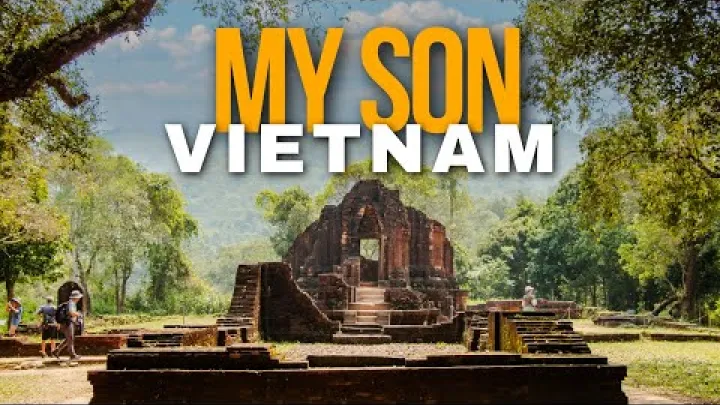
Most travelers visit My Son on a half-day trip from Hoi An or Da Nang, either on an organized tour or with a private car. Typical visits involve leaving early in the morning to avoid the hottest part of the day, spending one to two hours walking around the groups of towers, and then returning to town by late morning or early afternoon. Some tours include a boat ride back toward Hoi An on the Thu Bon River, which can be a pleasant way to end the excursion.
Understanding a little of the cultural context makes My Son more meaningful. The Champa people were heavily influenced by Indian culture and Hinduism, and their temples were dedicated to deities such as Shiva. Many structures were damaged during periods of conflict in the 20th century, but ongoing conservation work aims to stabilize and restore selected areas. On site, you will find basic information boards and sometimes cultural performances that help explain the heritage of the complex.
Accessibility and heat are important considerations. Paths around My Son are mostly flat but can be uneven, and shade varies. Mid-day sun, especially from late spring to early autumn, can be intense, so bringing water, a hat, and sunscreen is recommended. Travelers with limited mobility may find some sections more challenging, but guided tours can suggest the easiest routes. Visiting earlier in the day not only makes walking more comfortable but also helps you enjoy the site before larger crowds arrive.
Best Beach and Island Tourist Spots in Vietnam
Phu Quoc Island and Sao Beach
Phu Quoc is one of the most popular beach destinations in the country and is often mentioned as a top Vietnam tourist spot for relaxing holidays. Located off the southwest coast near Cambodia, the island offers a mix of resort areas, quieter bays, and local fishing communities. Many visitors fly directly to Phu Quoc from Ho Chi Minh City or Hanoi and stay several days to enjoy warm water, sunsets, and fresh seafood.

Sao Beach is among the island’s best-known beaches, with soft white sand, clear water, and a more relaxed feel compared with the busier main tourist strip along Long Beach. Other appealing areas include Ong Lang Beach and more secluded spots in the north, which tend to have a quieter, more natural atmosphere. Activities on Phu Quoc range from snorkeling and boat trips to nearby small islands, to visiting night markets for seafood dinners and local snacks. Inland, there are also simple hiking options and a national park area, though many travelers focus on the coast.
Different parts of Phu Quoc offer different vibes. The area around Long Beach and the main town is more developed, with larger hotels, beach clubs, and easy access to shops and services. Northern and some eastern parts of the island can feel calmer, with fewer large buildings and more open coastline. When choosing where to stay, think about whether you prefer convenience and nightlife or a quieter setting with fewer people.
Phu Quoc’s peak season usually runs from roughly November to March, when the weather is drier and sunnier, making it ideal for swimming and boat trips. The rainy season typically brings heavier showers and rougher seas, especially from mid-year, which can affect water clarity and ferry connections. For a wider Vietnam itinerary, many travelers schedule Phu Quoc at the end of their trip as a place to unwind after visiting cities and mountain regions.
Con Dao and Dam Trau Beach
Con Dao is a smaller and more remote island group off the southeast coast of Vietnam. Far less developed than Phu Quoc, it appeals to travelers who want nature, history, and peace rather than large resorts and nightlife. The islands are known for clear water, coral reefs, and important sea turtle nesting sites, as well as for their role in the country’s history as the location of a former prison complex.

Dam Trau Beach is often described as one of the most beautiful spots on Con Dao. It is a broad, curved bay with golden sand and calm water, bordered by green hills. Compared with city beaches like Nha Trang, Dam Trau feels quiet and relaxed, with a few simple cafes and places to sit. Visitors usually spend their days swimming, reading, or walking along the shore, enjoying a slower pace than in more commercial tourist spots in Vietnam.
Con Dao suits travelers who appreciate a remote, low-key environment and are comfortable with a bit more planning. Because flight and ferry connections are more limited than to Phu Quoc or Nha Trang, schedules can change and options may sell out earlier in busy periods. There are fewer accommodation choices, and nightlife is minimal, so it is not a destination for large parties or extensive shopping.
To reach Con Dao, most visitors take a domestic flight from Ho Chi Minh City or, in some seasons, from other major airports. Ferries also operate from the mainland, but sea conditions can affect comfort and timing. For these reasons, it is wise to check transport options in advance and allow some flexibility if weather disrupts plans. Those willing to make the journey are often rewarded with quiet beaches, good opportunities for snorkeling or diving, and a deeper sense of local history.
Nha Trang and Other Coastal City Beaches
Nha Trang is a well-known coastal city in south-central Vietnam and a popular place for travelers who enjoy the combination of urban facilities and beach access. The city features a long stretch of sandy shoreline, a seafront promenade, and an active tourism scene with many hotels, restaurants, and bars. For some visitors, Nha Trang represents the classic “city beach” experience in Vietnam.

Compared with quieter islands such as Con Dao or smaller coastal towns, Nha Trang is more commercial and can feel busy, especially during peak domestic and international holiday periods. However, it also offers advantages: a range of water sports, island-hopping boat tours, and family-friendly attractions such as water parks and aquariums. Nightlife options are more varied than in many smaller beach towns, which can appeal to younger travelers or those who enjoy going out in the evening.
Other coastal cities and resort areas in central and southern Vietnam provide different balances between local life and tourism. For example, beaches near Da Nang and Hoi An offer wide sands and growing resort zones but still feel more relaxed than the center of Nha Trang. Smaller towns along the coast may have simple guesthouses, seafood restaurants, and quieter streets, which are attractive to travelers who prefer a slower pace.
Nha Trang and similar city beaches often work well for visitors who want an easy package-style stay with many services close at hand, or who are traveling with families and value convenience. Those seeking a more natural environment with fewer tall buildings might be happier choosing islands like Phu Quoc or Con Dao, or staying closer to the quieter ends of long city beaches instead of the busiest central sections.
Cat Ba Island and Lan Ha Bay as an Alternative Coastal Base
Cat Ba Island, located south of Ha Long City, is an increasingly popular coastal base for exploring Lan Ha Bay. For travelers looking for an alternative to standard Ha Long Bay cruises, Cat Ba offers the chance to combine time on the water with activities on land, such as hiking and cycling. The island has a small town with guesthouses and hotels, as well as access to beaches and a national park.

From Cat Ba, visitors can join boat tours into Lan Ha Bay, which features the same type of limestone karst scenery as Ha Long Bay but often with fewer large cruise ships. Many tours include kayaking through quiet lagoons, swimming, and visits to floating fishing communities. On the island itself, Cat Ba National Park offers hiking trails with viewpoints over the green hills, making it a good choice for those who enjoy both sea and forest environments.
Cat Ba can also be used as a base instead of, or in addition to, an overnight cruise. Some travelers choose to stay on the island for several nights, taking different day or overnight trips into the bay, then returning to sleep on land. This can be more comfortable for those who are unsure about sleeping on a boat, and it allows more flexibility in case of changing weather. Others combine one night on a boat with one or two nights on Cat Ba to experience both styles.
To reach Cat Ba from Hanoi or Ha Long City, a typical route involves a bus or car to a nearby port, followed by a speedboat or ferry to the island, and then a short road transfer to Cat Ba Town. Many companies sell combined bus-and-boat tickets so the journey is straightforward, though travel times can vary. Planning at least two nights on the island is usually recommended to allow for travel, weather, and time to explore both the bay and the national park.
Historic Cities and Cultural Tourist Spots in Vietnam
Hanoi Tourist Spots for First-Time Visitors
Hanoi is often the first Vietnam tourist spot that visitors encounter and remains one of the country’s most atmospheric cities. Its blend of French-influenced boulevards, lakes, and densely packed Old Quarter streets offers a rich introduction to Vietnamese culture and history. The city is also compact enough that many major tourist spots can be explored on foot or with short taxi rides.

The Old Quarter is the heart of Hanoi’s tourism scene, with narrow streets lined with small shops, temples, cafes, and street food stalls. Nearby, Hoan Kiem Lake provides a more open, peaceful space, especially in the early morning or evening when locals walk and exercise. Cultural highlights within walking distance include the Temple of Literature, Vietnam’s first national university, and several museums such as the Vietnam National Museum of History and the Women’s Museum. A bit farther away, the Ho Chi Minh Mausoleum complex, One Pillar Pagoda, and the Presidential area show another side of the capital’s history.
For planning simple walking routes, it helps to group sights by area. One half-day could focus on the Old Quarter and Hoan Kiem Lake, including a visit to Ngoc Son Temple on the small island in the lake. Another half-day could link the Temple of Literature with nearby museums and cafes in the French Quarter. A separate half-day might be reserved for the Ho Chi Minh Mausoleum area, combined with parks and the West Lake district. This approach keeps travel times short and allows regular breaks for coffee or meals.
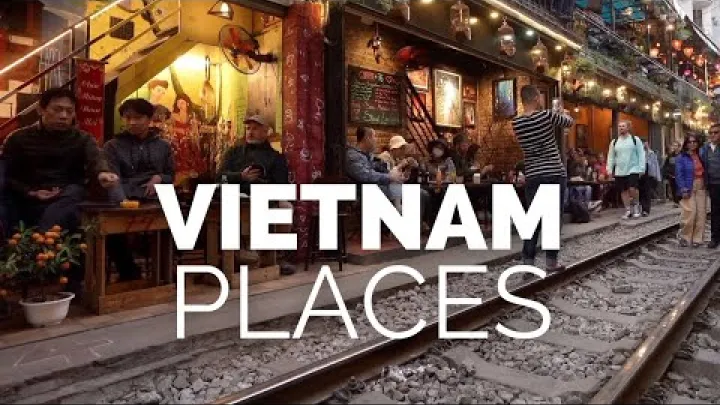
Train Street, where a railway line passes very close to houses and cafes, became famous on social media and is sometimes described as a “train in Vietnam tourist spot.” However, regulations and safety rules around this area change regularly, and access can be restricted. If you choose to visit, it is important to follow local guidance, stay behind any safety barriers, and avoid standing on the tracks. As with many fast-changing attractions, conditions may be different by the time you arrive, so checking current local information is recommended.
Ho Chi Minh City (Saigon) Tourist Spots and Day Trips
Ho Chi Minh City, still widely known as Saigon, is the largest city in Vietnam and another major starting or ending point for international trips. It is a dynamic urban center where traditional markets, historic buildings, and modern skyscrapers stand side by side. For many travelers, the city’s energy, food scene, and mix of old and new make it an essential Vietnam tourist spot.

Central tourist sights include the Central Post Office and Notre Dame Cathedral, both from the French colonial period, located close to one another in District 1. The War Remnants Museum presents exhibits related to the Vietnam War and its impacts, encouraging reflection and learning rather than entertainment. Nearby, the Reunification Palace, with its preserved 1970s interiors, offers insight into more recent political history. Ben Thanh Market and other local markets provide a chance to browse souvenirs, clothing, and food while observing everyday commerce.
The contemporary side of Ho Chi Minh City is visible in its rooftop bars, modern malls, and rapidly changing neighborhoods filled with cafes and restaurants. Many visitors enjoy ending a day of sightseeing with a drink overlooking the city lights or exploring the growing coffee culture, from traditional iced coffee to more modern styles. Districts beyond the central area, such as parts of District 3 or 4, offer more local dining scenes that are still easy to reach by taxi or ride-hailing apps.
Two of the most common day trips from Ho Chi Minh City are to the Cu Chi Tunnels and to parts of the Mekong Delta. At Cu Chi, visitors can see sections of the underground tunnel networks used during wartime, with opportunities to walk through wider reproduction tunnels and learn about the strategies and hardships of the period. In the Mekong Delta, tours often include boat rides on canals, visits to small workshops or farms, and tastings of tropical fruits. When visiting sites connected to conflict or hardship, many travelers appreciate the chance for education and respectful reflection, keeping in mind that presentations may vary in style and detail.
Hoi An Ancient Town and Nearby Cultural Attractions
Hoi An Ancient Town is one of the most beloved cultural destinations in Vietnam and a UNESCO World Heritage site. It is known for its well-preserved mixture of Vietnamese, Chinese, and Japanese-influenced architecture, narrow streets lined with yellow merchant houses, and colorful lanterns that light up the town in the evening. For many travelers, Hoi An is both a historic site and a comfortable place to slow down for a few days.
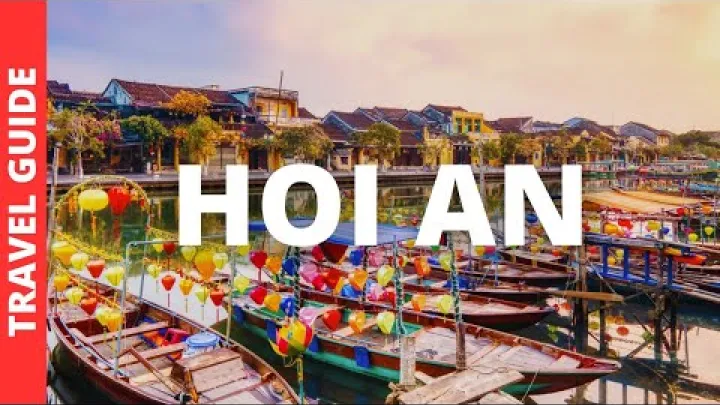
Key attractions in Hoi An include the Japanese Covered Bridge, various assembly halls and temples, and riverside streets filled with cafes, restaurants, and shops. The town is also famous for its tailor shops, where visitors can have clothes made to measure in a short time. Cultural performances, local cooking classes, and craft demonstrations give insight into central Vietnamese traditions and daily life.
Beyond the town center, Hoi An offers access to beaches such as An Bang and Cua Dai, which are only a short bicycle or taxi ride away. The surrounding countryside features rice fields and small villages, ideal for gentle cycling trips or scooter rides. Many visitors also combine their Hoi An stay with a half-day or full-day trip to My Son Sanctuary to learn about Champa heritage, or with visits to nearby islands for snorkeling and boat excursions.
Hoi An can become very busy at peak times of year and during the central part of the day when tour groups arrive. To enjoy quieter moments, consider walking through the Old Town early in the morning or later at night after most day visitors have left. Buying entry tickets that cover several historic houses and sites allows you to explore at your own pace. Planning your main sightseeing for cooler morning or late-afternoon hours also helps avoid mid-day heat and crowds while leaving time for rest or the beach in between.
Mountain, Rural, and Adventure Tourist Spots in Vietnam
Sapa Vietnam Tourist Spot: Trekking and Homestays
Among the many Vietnam tourist spots, Sapa stands out as a place where visitors can combine scenic trekking with cultural experiences and simple homestays. The town itself sits on a hillside, with views over valleys that change color with the seasons.

Typical activities in Sapa include guided treks through villages inhabited by various ethnic groups, such as the Hmong and Dao communities. Walks can range from short, relatively easy routes of a few hours to multi-day hikes that go deeper into the countryside. Many visitors choose at least one overnight homestay, sleeping in village houses adapted for travelers and sharing meals with local families. Markets in Sapa town and nearby areas also provide opportunities to see traditional clothing, handicrafts, and regional produce.
Sapa offers routes suitable for different fitness levels. Shorter, gently sloping walks are available for those who prefer a slower pace and frequent breaks, while steeper or longer treks are an option for more active travelers. Weather can change quickly in the mountains; clear days provide wide views, while mist can create a different, more atmospheric feel. Packing layers and good footwear is important, especially in wetter months when paths may become muddy.
When choosing tours and homestays, it is helpful to look for responsible operators who respect local communities and the environment. This can include fair payment to guides and hosts, limited use of single-use plastics, and small group sizes that reduce impact on trails and villages. Asking simple questions, such as how your guide’s salary is arranged or how waste is managed, can give clues about the company’s practices. In this way, your visit to this famous Sapa Vietnam tourist spot can support sustainable livelihoods and protect the landscapes and cultures that make it special.
Ha Giang Loop: Vietnam’s Most Dramatic Road Trip
The Ha Giang Loop is often described as one of the most dramatic road trips in Vietnam, attracting visitors who want mountain scenery that feels more remote and wild than in most other regions. Located in the far north, near the border with China, the loop takes travelers through steep valleys, high passes, and villages where traditional ways of life remain very visible. For many adventure-oriented visitors, the Ha Giang Loop is a highlight among Vietnam tourist spots.

The loop is usually completed over three to five days, starting and ending in Ha Giang town. It can be done on a self-driven motorbike, but many travelers choose to ride on the back of a motorbike with an experienced local driver, sometimes called an “easy rider.” This option allows those without strong riding skills to enjoy the views without focusing on road conditions. Sections of the loop include narrow roads with sharp turns, occasional loose gravel, and changing weather, so it is important to understand that this is a more challenging environment than flatter, more developed parts of Vietnam.
Safety should be a top priority when considering the Ha Giang Loop. Travelers with limited motorbike experience are strongly encouraged to join guided tours or hire local drivers rather than renting a bike themselves, especially during the rainy season when roads can be slippery. Helmets and appropriate clothing are essential, and it is wise to choose operators who maintain their bikes well and emphasize safe driving. Taking extra time for rest and photo stops also reduces pressure and allows you to enjoy the landscape more fully.
Despite the challenges, the rewards of the Ha Giang Loop are significant: towering limestone peaks, river gorges, and markets where ethnic minority communities gather in colorful traditional dress. Small homestays along the route provide simple accommodation and home-cooked meals, adding a cultural dimension to the journey. For many visitors, the combination of landscape, hospitality, and a sense of discovery makes Ha Giang feel like a very special Vietnam tourist spot, best experienced slowly and respectfully.
Ninh Binh as a Soft-Adventure Hub
While Sapa and Ha Giang offer more demanding mountain adventures, Ninh Binh serves as a “soft-adventure” hub in northern Vietnam. Its landscapes of karst cliffs, rivers, and rice fields provide beautiful scenery, but the activities are generally shorter and less physically intense than in high mountain regions. For travelers who want to be outdoors without committing to steep treks or long drives, Ninh Binh is an attractive choice.

Common activities in Ninh Binh include gentle cycling through villages, short hikes up to viewpoints such as Mua Caves, and relaxed boat rides along rivers in areas like Trang An and Tam Coc. Paths are often flat or involve only moderate inclines, and boat rides are usually done by local rowers, sometimes using their feet to paddle, which is a unique local technique. These experiences allow visitors to enjoy the scenery and take photos without the need for high fitness levels.
The level of physical effort in Ninh Binh is generally lower than in Sapa or Ha Giang. For example, cycling routes can be chosen to avoid steep hills, and the main challenge of the Mua Caves viewpoint is a single climb that many people complete at their own pace. In contrast, mountain treks in Sapa can involve several hours of walking on uneven, sometimes muddy paths, and the Ha Giang Loop requires long hours on motorbikes along mountain roads. This difference makes Ninh Binh suitable for families, older travelers, or anyone who prefers easier outings.
Many visitors combine Ninh Binh with Hanoi and, if time permits, a bay such as Ha Long or Lan Ha. Typical stays in Ninh Binh last one to three nights, depending on how many boat routes and viewpoints you want to include. Because transport connections from Hanoi are straightforward and travel time is short, Ninh Binh can be added to many itineraries as a gentle yet memorable introduction to Vietnam’s rural landscapes.
Modern and New Tourist Spots in Vietnam
Da Nang Vietnam Tourist Spot: Beaches, Bridges, and a Growing City
Da Nang has changed rapidly in recent years from a largely practical port city into a significant Vietnam tourist spot. Today it is known for its wide sandy beaches, modern infrastructure, and growing number of hotels, cafes, and restaurants. Its location in central Vietnam, close to Hoi An, Ba Na Hills, and the Hai Van Pass, makes it an easy and convenient base for many types of travelers.

Within Da Nang, My Khe Beach is one of the main draws, offering a long stretch of sand suitable for swimming, sunbathing, and surfing depending on season. Another major attraction is the Dragon Bridge, which spans the Han River in the city center. On certain weekend evenings, the dragon’s head emits fire and water in a short show that attracts both locals and visitors. City viewpoints, such as Son Tra Peninsula or hills above the urban area, provide wide views of the coastline and skyline.
When planning time in central Vietnam, it is helpful to understand the difference between staying in Da Nang city and staying in Hoi An. Da Nang offers more of a modern city environment with large hotels, shopping centers, and a business district, along with easy airport access. Hoi An, by contrast, focuses on historic architecture, smaller-scale accommodations, and a slower, more romantic old-town feel. Some travelers choose to stay in Da Nang for easier transport and day-trip options, visiting Hoi An as an excursion, while others prefer to base themselves in Hoi An and visit Da Nang for specific activities.
Overall, Da Nang works well for visitors who appreciate a balance of beach time, city comfort, and access to surrounding attractions. It is also increasingly popular with digital nomads and remote workers who benefit from its infrastructure while still being close to cultural sites and nature.
Ba Na Hills and the Golden Bridge Above Da Nang
Ba Na Hills is a mountain resort and entertainment complex located in the hills west of Da Nang. Reached by one of the world’s longer cable car systems, it has become a modern Vietnam tourist spot that is especially popular with families and domestic travelers. The area features cooler temperatures than the lowlands, European-style buildings, gardens, and various rides and shows.

The Golden Bridge at Ba Na Hills is the most famous attraction, thanks to its striking design: a curved walkway held up by two giant stone hands rising from the hillside. Photos of this bridge have been widely shared online, and it often appears when people search for “vietnam best tourist spot” or “vietnam new tourist spot.” Visitors usually walk across the bridge soon after leaving the cable car station, taking in views of the surrounding mountains and, on clear days, distant glimpses of Da Nang and the sea.
A typical day trip to Ba Na Hills involves an early departure from Da Nang or Hoi An, a cable car ride to the upper levels, and several hours exploring the themed areas, gardens, and viewpoints. There are restaurants, indoor attractions, and sometimes performances designed to appeal to a wide range of ages. Because of its theme-park style, Ba Na Hills feels very different from historic or natural sites such as Hoi An or Ha Long Bay, making it a good contrast if you enjoy varied experiences.
To avoid the heaviest crowds and mid-day heat, many travelers aim to arrive early in the morning. This can make moving around more comfortable and provide better chances for photos at the Golden Bridge without large groups. Weather in the mountains can be cooler and sometimes cloudy or rainy even when the coast is sunny, so bringing a light layer is useful. If you prefer quiet natural settings, this attraction may feel a bit commercial, but for families or visitors who enjoy theme parks and views, it can be a memorable part of a central Vietnam itinerary.
Other Emerging and New Tourist Spots in Vietnam
Beyond the famous names, there are many emerging and new tourist spots in Vietnam that receive less international attention but are gaining popularity, especially among domestic travelers. These include quieter coastal towns, secondary islands, and inland plateaus where improved roads and transport are opening up new possibilities. Visiting one of these areas alongside classic destinations can add a sense of discovery to your trip.
Examples include smaller beach towns along the central and southern coasts, where new resorts and homestays are being built but village life remains strong. Inland, cooler highland areas and plateaus are becoming more accessible, offering coffee plantations, waterfalls, and viewpoints. Certain smaller islands beyond the main ones like Phu Quoc and Con Dao are also gradually attracting more visitors, often with basic infrastructure but very natural surroundings.
Because these emerging Vietnam tourist spots change quickly, it is best to keep descriptions general and look up the latest details close to your travel date. Transport links, regulations, and the level of development can shift within a few years. When visiting newer destinations, travelers should be especially mindful of local customs and environmental impact, as communities may still be adapting to increased tourism.
If you enjoy going beyond standard routes, consider adding at least one lesser-known place to your plan, alongside famous locations like Hanoi, Ha Long Bay, and Hoi An. This approach allows you to experience both the classic highlights and the evolving, less crowded side of Vietnam tourism.
Night Markets, Street Food, and Everyday Culture in Vietnam
Night Markets and Walking Streets Worth Experiencing
Night markets and walking streets are key parts of the experience in many Vietnam tourist spots. They give visitors a chance to see how locals relax, shop, and eat after dark, while also offering opportunities to try street food and buy souvenirs. Because traffic is often restricted on walking streets, these areas can feel more relaxed and easier to navigate on foot than busy daytime roads.

In Hanoi, weekend walking streets around Hoan Kiem Lake and parts of the Old Quarter often fill with families, performers, and food vendors. In Ho Chi Minh City, markets such as Ben Thanh and nearby night stalls offer clothing, snacks, and small items. Hoi An has a popular night market area where lanterns, handicrafts, and food stalls line the riverside, adding to the town’s evening atmosphere. Other cities like Da Nang and Nha Trang also have markets or pedestrian zones that become livelier at night.
Visitors can expect to find a mix of grilled meats, noodles, fresh fruit, drinks, and sometimes sweets, alongside souvenirs, jewelry, and simple clothing. Prices are often negotiable, especially for non-food items, so polite bargaining may be appropriate, though keeping the process friendly is important. Some markets also feature live music or small shows, depending on local regulations and the time of year.
Basic safety and respect make these experiences more enjoyable. As in any crowded place, keep valuables secure and be aware of your surroundings. It is wise to agree on prices before buying or eating anything where costs are not clearly listed. Rules about opening hours, street closures, and alcohol sales can change, so checking recent information or asking your accommodation staff can be helpful. Because market names and locations can evolve over time, treating recommendations as starting points, not fixed lists, is a practical approach.
Street Food as a Highlight of Vietnam Tourist Spots
Eating at street stalls or simple local restaurants offers fresh, flavorful meals at generally affordable prices. Many travelers consider these experiences central to understanding Vietnamese culture, as they show daily habits and regional differences in cuisine.

Some of the most famous dishes include pho (noodle soup with broth, herbs, and beef or chicken), bun cha (grilled pork patties with noodles and herbs, popular in Hanoi), and banh mi (crispy baguette sandwiches with various fillings). Fresh spring rolls, fried spring rolls, and regional specialties such as cao lau in Hoi An or spicy noodle soups in central Vietnam add further variety. Local drinks like iced coffee with condensed milk or sugar cane juice are common companions to street food meals.
Visitors who are concerned about hygiene or language barriers often find guided food tours useful. These tours usually take small groups to selected stalls known for good quality and safety, while explaining ingredients and eating customs. Even when exploring independently, you can reduce risk by choosing busy stalls with a high turnover of food, checking that dishes are cooked to order when possible, and washing or sanitizing hands before eating.
Regarding allergies and dietary restrictions, communication is key. Learning a few simple phrases in Vietnamese for common allergens, or having them written down to show vendors, can be very helpful. Some ingredients, such as fish sauce or peanuts, appear in many dishes, so asking clearly is important. Overall, with a bit of care and an open mind, street food can become one of the most rewarding parts of your time in Vietnam tourist spots.
How to Choose the Best Vietnam Tourist Spots for Your Trip
Planning a 10–14 Day Vietnam Itinerary
Many international travelers have between 10 and 14 days for their Vietnam trip, which is enough time to visit several major tourist spots without feeling rushed. The key is to choose a small number of core bases and then add one or two side trips from each, rather than moving every day. Because the country is long and narrow, it is usually efficient to travel mainly north-to-south or south-to-north, using domestic flights for longer distances.

Below are sample itineraries that use well-known hubs like Hanoi, Hoi An or Da Nang, and Ho Chi Minh City, plus some of the natural or cultural sites described earlier. These are only examples; you can adjust them based on your own pace, interests, and available transport.
| Trip length and direction | Example route |
|---|---|
| 10 days, North to South | Hanoi (2–3 nights) → Ha Long or Lan Ha Bay overnight cruise (1–2 nights) → Hoi An / Da Nang (3–4 nights, including My Son or Ba Na Hills) → Ho Chi Minh City (2–3 nights with Cu Chi or Mekong Delta day trip) |
| 12–14 days, North focus | Hanoi (3 nights) → Ninh Binh (2–3 nights) → Ha Long or Lan Ha Bay (1–2 nights) → Sapa or Ha Giang (3–4 nights) → return to Hanoi (1 night) |
| 12–14 days, South and Central | Ho Chi Minh City (3 nights with Cu Chi and Mekong day trips) → Nha Trang or Phu Quoc (3–4 nights) → Da Nang / Hoi An (4–5 nights with possible trip to Hue or My Son) |
Fast-paced travelers may try to include more stops, but adding too many places can lead to long days of transit and less time to enjoy each Vietnam tourist spot. Slower itineraries with three or more nights in each main base often feel more relaxed, especially when you factor in possible weather changes and travel delays. When planning, consider how many internal flights or long bus rides you are comfortable with, and remember to leave some unscheduled time for wandering, markets, and unexpected discoveries.
Best Time to Visit Vietnam’s Main Tourist Regions
Because Vietnam covers a long distance from north to south, its regions have different weather patterns. Understanding the basic climate by area helps you decide which Vietnam tourist spots to prioritize at certain times of year. While weather can always vary, the following table gives a simple overview of typical conditions and broadly recommended months.
| Region | Typical climate | Recommended months |
|---|---|---|
| North (Hanoi, Ha Long Bay, Ninh Binh, Sapa) | Cooler, drier winters; hot, humid summers; possible mist in winter | October to April for comfortable temperatures; March–April and October–November often balance good weather and scenery |
| Central (Da Nang, Hoi An, Hue) | Dry, sunny season in spring and summer; wetter months with possible storms in autumn | February or March to August for beaches and sightseeing; note that June–August can be hot |
| South (Ho Chi Minh City, Mekong Delta, Phu Quoc, Con Dao, Nha Trang) | More tropical, with a dry season and a rainy season; temperatures warm year-round | Roughly December to April for drier conditions; some beaches like Nha Trang are pleasant from around March to September |
Shoulder seasons, such as late April to early June and parts of September to November, can offer fewer crowds and sometimes lower prices. However, weather during these times can be more variable, especially in central Vietnam where autumn storms may occur. If your dates are fixed, you can still plan a good trip by choosing the regions that match your season best—for example, focusing more on the northern highlands in cooler months or on southern islands during their dry season.
Budget Considerations for Popular Vietnam Tourist Spots
Costs in Vietnam vary by region, travel style, and season, but many visitors find the country offers good value compared with numerous other destinations. Understanding rough budget ranges can help you plan how many Vietnam tourist spots to include and what type of accommodation and activities are realistic for you. Prices in big cities and islands are often higher than in rural areas, and special experiences such as cruises or guided loops can significantly increase daily spending.
While exact amounts change over time, the following general ranges (in US dollars) can serve as a starting point:
- Budget travelers: Around 25–40 USD per day using hostel or basic guesthouse accommodation, mainly street food, and public buses or local trains. This level is more typical in cities like Hanoi and Saigon or in mountain regions with simple homestays, and may be higher on islands.
- Mid-range travelers: Approximately 60–120 USD per day for comfortable hotels or higher-end homestays, a mix of street food and sit-down restaurants, some guided tours, and occasional domestic flights. Many visitors fall into this category when visiting popular Vietnam tourist spots such as Ha Long Bay, Hoi An, and Phu Quoc.
- Higher-end travelers: 150 USD per day and above for upscale hotels or resorts, private tours, luxury overnight cruises, and frequent flights. Islands, top-tier cruises, and high-end beach resorts can quickly increase daily costs.
To manage expenses, consider using public or shared transport where safe and practical, especially between major cities, and choosing local eateries away from the most touristy streets. At the same time, leaving smaller activities flexible allows you to adjust your plans based on how you feel and what you discover on the ground.
Frequently Asked Questions
What are the most popular tourist spots to visit in Vietnam on a first trip?
The most popular tourist spots for a first trip to Vietnam include Hanoi, Ha Long Bay or Lan Ha Bay, Hoi An, Da Nang, and Ho Chi Minh City. Many travelers also add Ninh Binh for inland scenery and either Sapa or the Mekong Delta for rural experiences. If you want beach time, Phu Quoc or Nha Trang are easy additions.
How many days do I need to see the main tourist spots in Vietnam?
You need about 10 to 14 days to see the main tourist spots in Vietnam at a comfortable pace. In around two weeks you can visit Hanoi, Ha Long Bay, Ninh Binh, Hoi An or Da Nang, and Ho Chi Minh City with one or two side trips. With only 7 days, focus on either the north (Hanoi region) or the south (Ho Chi Minh City region).
Which month is best for visiting Vietnam tourist spots like Ha Long Bay and Hoi An?
The best overall months to visit Ha Long Bay and Hoi An are from March to May and from September to early December. These periods usually offer warm but not extreme temperatures and less rain. For beaches near Hoi An and Da Nang, March to August is often best, while Ha Long Bay is pleasant from October to April.
Is it better to visit Ha Long Bay or Ninh Binh if I have limited time?
If you have limited time and must choose, Ha Long Bay is better if you want a classic cruise among limestone islands, while Ninh Binh is better if you prefer mixed activities on land such as cycling, viewpoints, and boat rides. Ha Long Bay is ideal for an overnight boat experience, and Ninh Binh works well as a flexible day or two-day trip from Hanoi. Many visitors who have more time try to see both.
What are the best beach tourist spots in Vietnam for relaxing?
The best Vietnam beach spots for relaxing include Phu Quoc (especially Sao Beach and quieter bays), Con Dao (Dam Trau Beach), and some areas around Nha Trang and the central coast near Hoi An and Da Nang. Phu Quoc is good for easy resort stays, while Con Dao is better for a more quiet and remote feeling. Central beaches near Da Nang offer a balance of comfort and city access.
Are Sapa and the Ha Giang Loop safe and suitable for beginner travelers?
Sapa is generally safe and suitable for beginner travelers who are ready for simple trekking and homestays. The Ha Giang Loop is more demanding, with steep mountain roads, so beginners should join a guided tour or ride as passengers with experienced local drivers. In both areas you should follow local advice, check weather conditions, and travel with reputable operators.
How much should I budget per day when visiting top tourist spots in Vietnam?
Most travelers can enjoy Vietnam tourist spots on about 40 to 80 USD per day, depending on travel style. Very budget visitors using hostels and street food can spend 25 to 40 USD per day, while mid-range travelers using comfortable hotels and some guided tours often spend 60 to 120 USD per day. Luxury cruises, private tours, and high-end resorts can increase costs well above 150 USD per day.
Do I need a guided tour to visit major Vietnam tourist spots, or can I travel independently?
You can visit most major Vietnam tourist spots independently using domestic flights, trains, and buses combined with local taxis or ride-hailing apps. Guided tours are most useful for places like Ha Long Bay cruises, the Ha Giang Loop, Cu Chi Tunnels, and Mekong Delta day trips where logistics and background information add value. Many visitors mix independent city exploration with organized tours for specific activities.
Conclusion: Turning Vietnam Tourist Spots Into a Real Itinerary
Summary of the Best Tourist Spots in Vietnam
Across its north, central, and south regions, Vietnam offers a wide variety of tourist spots, from UNESCO-listed bays and ancient towns to modern cities, islands, and mountain landscapes. This mix allows visitors to design trips that range from relaxed beach holidays to adventurous road journeys.
When choosing where to go, it helps to match destinations with your interests, available time, and the season of your visit. Combining at least one major city, one natural area such as a bay or mountain region, and one beach or rural destination usually creates a balanced itinerary. By understanding the character of each Vietnam tourist spot, you can prioritize the places that will be most meaningful for your own journey.
Next Steps for Planning Your Vietnam Trip
Turning this overview into a concrete plan starts with deciding your travel dates and total trip length, then selecting a few core bases—such as Hanoi, Da Nang or Hoi An, and Ho Chi Minh City—that suit your season. From those bases, you can add nearby side trips that fit your interests, whether that means an overnight bay cruise, mountain trekking, or time on an island beach. Booking essential elements like domestic flights, popular cruises, or homestays in advance can make travel smoother, while leaving some days open gives space for local discoveries.
As you refine your route, continuing to learn about local culture, customs, and current conditions will help you travel respectfully and comfortably. With thoughtful preparation and realistic pacing, the many Vietnam tourist spots described here can be woven into a trip that reflects your own style and expectations.
Select area
Create a post
Posting is free and no registration is required.