- Tay Son Heaven and Earth Esplanade: Historic Shrine in Quy Nhon
- Quang Trung Museum: Tay Sơn History & Culture in Quy Nhon
- Banh It Cham Towers: Ancient Heritage & Photography in Quy Nhon
- The Thon Beach in Cat Tien: Clean Shores & Affordable Watersports
- Linh Phong Pagoda in Quy Nhon: The Sacred Mountain Temple
Sapa Vietnam Travel Guide: Weather, Getting There, Hotels & Tours
Sapa Vietnam is one of the country’s most famous mountain destinations, known for its terraced rice fields, cool climate, and diverse ethnic communities. Located a night’s journey from Hanoi, it offers a very different atmosphere from the busy cities and beaches that many visitors see first. In Sapa, you can spend your days trekking between villages, riding the Fansipan cable car, or simply watching clouds move over the valley from a balcony. This guide brings together reliable information about weather, transport, hotels, and tours so you can plan a realistic and comfortable trip. Whether you are a short-term visitor, student, or remote worker, it will help you decide when to go, how long to stay, and where to base yourself.
Introduction to Sapa Vietnam
Why Sapa Vietnam Belongs on Your Itinerary
Sapa Vietnam is a highland region in the country’s northwest, offering a mix of nature, culture, and cooler weather that contrasts strongly with lowland cities. For travellers, it is a place to walk through rice terraces, meet local families in Hmong, Dao, Tay, and other communities, and experience misty mountain mornings. For students and remote workers, Sapa can also be a temporary base with a slower pace, where you can work in town and spend free days exploring nearby valleys.
People visit Sapa mainly for three reasons: mountain scenery, terraced rice fields, and village life. The landscape around Sapa town and Muong Hoa Valley is covered with stepped rice terraces that change colour throughout the year, from bright green to deep gold. Trails link villages where ethnic minority communities live, and many households now run homestays, craft shops, or guiding services. Compared with other places in Vietnam, Sapa is more focused on trekking and hill views than on historical sites or beaches. Getting there from Hanoi usually takes 5–7 hours by bus or train plus road transfer, so it fits best into itineraries of at least a week in Vietnam. In return for the travel time, you gain access to a region that combines outdoor activity with simple relaxation, from gentle walks and hot herbal baths to demanding multi-day hikes.
How to Use This Sapa Vietnam Travel Guide
This Sapa Vietnam travel guide is designed to walk you step by step through the main decisions you need to make before you go. It starts with an overview of Sapa city Vietnam and the surrounding valleys, then moves into weather and the best time to visit, followed by detailed sections on transport, things to do, places to stay, and daily practicalities. A dedicated FAQ section at the end quickly answers common questions about Sapa Vietnam weather, trip length, and trekking difficulty.
The guide is written for first-time visitors, independent travellers, and people planning longer study or work stays in northern Vietnam. If you want to know how to get to Sapa Vietnam from Hanoi, which season is best for rice terraces, or whether to choose a hotel in Sapa Vietnam or a village homestay, you will find clear explanations in simple English. You can read it from start to finish to build a full Sapa Vietnam itinerary, or jump to specific sections, such as “Sapa Vietnam Weather and Best Time to Visit” or “Where to Stay in Sapa Vietnam (Hotels and Homestays)”, when you need to make a concrete decision on timing, budget, or whether to base yourself in town or in a village.
Sapa Vietnam Overview
Where Sapa Is Located and Why It Is Famous
It sits roughly 380 km northwest of Hanoi and can be reached by road or by a combination of train and bus. The town itself lies at an elevation of around 1,500–1,600 metres, with nearby peaks rising much higher, including Fansipan, often called the “Roof of Indochina”. The surrounding area is made up of deep valleys, steep hillsides, and river systems that have been shaped into terraced fields over many generations.

Sapa is famous for three main natural features: Fansipan Mountain, expansive terraced rice fields, and cool highland weather that feels very different from much of Vietnam. Fansipan attracts visitors who want either an easy scenic ride on the cable car or a demanding mountain trek. Muong Hoa Valley, which stretches below Sapa town, is covered with rice terraces that curve around hills and appear in many photographs of Sapa Vietnam. The climate is cooler and more changeable than in Hanoi, with frequent mist and significant seasonal variation. Combined with a concentration of ethnic minority villages and well-established trekking routes, these features have turned Sapa into one of Vietnam’s leading mountain tourism hubs.
Quick Facts About Sapa Vietnam
For quick orientation, the following facts give a snapshot of Sapa Vietnam and help you decide how it might fit into your travels.
| Item | Quick Fact |
|---|---|
| Location | Lao Cai Province, northwestern Vietnam, near the China border |
| Distance from Hanoi | About 380 km by road or rail plus road transfer |
| Elevation | Sapa town around 1,500–1,600 m; Fansipan peak over 3,100 m |
| Typical trip length | 2–4 nights for most visitors; longer for slow travel or remote trekking |
| Main attractions | Fansipan cable car, Muong Hoa Valley, rice terraces, ethnic minority villages, local markets |
| Average climate | Cooler than Hanoi; warm and wet in summer, cold and sometimes near freezing in winter |
| Common activities | Trekking, village and homestay visits, waterfall trips, Fansipan summit visit, photography |
In practical terms, most travellers spend at least two nights in Sapa Vietnam to balance the travel time from Hanoi with time on the ground. Short Sapa Vietnam tours from Hanoi often include one night in a village homestay and one night in town, or two nights in a village with transfers to and from the capital. Even if you choose a simple itinerary focused on the Fansipan cable car and a half-day walk in Muong Hoa Valley, these quick facts show why Sapa stands out among northern Vietnam destinations.
Brief History of Sapa and Tourism Development
Sapa’s modern history as a travel destination began during the French colonial period, when it was developed as a hill station to escape the heat of the lowlands. The cooler climate, mountain views, and relative isolation made it attractive for colonial administrators and visitors. After periods of conflict in the mid-20th century, many colonial-era buildings fell into disrepair, and Sapa saw limited outside tourism for several decades. Local communities continued their agricultural and trading traditions, largely without large-scale visitor infrastructure.
From the 1990s onward, Sapa re-emerged as both a domestic and international tourism centre. Improvements in road and rail links from Hanoi made it easier for visitors to reach Sapa city Vietnam, and trekking to nearby villages became a popular experience for independent travellers and organised tours. More recently, new infrastructure such as the Fansipan cable car, expanded road networks, and a wide range of hotels and homestays have changed the town’s appearance. Today, Sapa Vietnam offers a mix of modern construction, busy streets, and traditional markets, while surrounding villages continue to adapt to tourism as one part of their local economies. Understanding this history helps explain why Sapa town feels more developed and crowded than some smaller highland destinations, even though the valleys and hillsides around it still offer relatively quiet landscapes.
Sapa Vietnam Weather and Best Time to Visit
Sapa Vietnam Weather by Season
Sapa Vietnam weather is more varied and often cooler than weather in Hanoi and other lowland regions. Because of its elevation, temperatures change significantly with the seasons, and fog or mist can appear suddenly. When planning your Sapa Vietnam itinerary, it is useful to think in terms of four broad seasons rather than focusing on exact monthly averages, which can vary from year to year.

The following table summarises typical seasonal patterns, including comfort levels for outdoor activities and general visibility for views of rice terraces and mountains.
| Season | Months | Typical Conditions | Outdoor Comfort |
|---|---|---|---|
| Spring | March–May | Mild temperatures, increasing sunshine, blooming flowers, fresh green rice fields later in the season | Good for trekking and village visits; some rain but usually manageable |
| Summer | June–August | Warm to hot, humid, and often rainy; clouds and mist common, especially in afternoons | Comfortable if you tolerate heat and rain; trails can be muddy and slippery |
| Autumn | September–November | Cool, drier, often clearer skies; rice terraces turn golden before harvest | Very good for trekking and photography; popular and sometimes crowded |
| Winter | December–February | Cold and sometimes near freezing, foggy days, occasional frost or rare snow at higher elevations | Challenging for long treks; suitable for short walks with proper warm clothing |
In spring and autumn, daytime temperatures are usually comfortable for hiking, and visibility is often good enough to see across Muong Hoa Valley and towards Fansipan. This is why many people consider these months the best time to visit Sapa Vietnam. During summer, heavy rain can fall in short bursts or longer showers, affecting trekking conditions and, in rare cases, access to some remote villages due to slippery paths or minor landslides. Winter weather in Sapa city Vietnam can feel very cold indoors if buildings are not well insulated or heated, so good clothing layers become important.
Weather conditions directly affect trekking routes, Fansipan visits, and rice terrace views. After several days of rain, trails can be muddy, and simple walks may feel more difficult than expected. Fog can sometimes cover Sapa town and valleys for hours, reducing the view even on days that are dry. On the other hand, mist and cloud can give the landscape a quiet, atmospheric appearance that many visitors enjoy. When planning activities, allow some flexibility in your schedule to adapt to Sapa Vietnam weather rather than expecting precise conditions on specific days.
Best Time to Visit Sapa Vietnam for Rice Terraces and Views
For many visitors, the main question is not only when Sapa Vietnam weather is comfortable, but also when the terraced rice fields look most impressive. Rice is grown on different schedules depending on altitude and local farming practices, so there is no single perfect week for all villages. However, you can think in terms of a “green season” and a “golden season” to choose the best window for your priorities.
The green season usually falls from around late May or June through much of the summer, when young rice plants are newly transplanted or growing. During this time, terraces are bright green, and in the early part of the season some fields may still hold water that reflects the sky. The golden season typically arrives around September to early October, when the rice turns yellow before harvest. This is when many famous photographs of Sapa Vietnam are taken, especially in Muong Hoa Valley and villages such as Lao Chai and Ta Van. Exact planting and harvest dates differ by year, valley, and even field, so it is best to treat these as approximate windows rather than fixed dates.
From a comfort point of view, spring (March–May) and autumn (September–November) offer the best balance of mild temperatures, relatively low rainfall, and chances of clear views. Photographers often prefer late summer to early autumn for golden terraces and clearer skies, even if some days are still hot or humid. Travellers mainly seeking cool weather and quiet trekking may enjoy late autumn or even winter, accepting a higher chance of fog and fewer visible rice terraces in exchange for fewer crowds. If your schedule is fixed, focus on choosing suitable activities for the conditions you encounter rather than trying to match a perfect postcard image.
Because Sapa Vietnam is popular with domestic tourists on weekends and holidays, crowd levels also change by day of the week and by season. During national holidays and during the golden season, town streets, viewpoints, and the Fansipan cable car can be busy. If you prefer a calmer experience, consider visiting on weekdays, booking accommodation in nearby villages instead of central Sapa town, or focusing on less-visited valleys where Sapa Vietnam tours are less concentrated.
What to Pack for Sapa’s Changing Weather
Packing correctly for Sapa Vietnam makes a big difference to your comfort, because weather can change quickly between sun, mist, and rain, and temperatures vary between town and higher or lower elevations. The key principle is layering: bring clothes that you can add or remove during the day rather than relying on one heavy item. Even in warmer months, mornings and evenings can feel cool due to wind and altitude, especially if you are staying in a homestay in a valley.

For clothing, most travellers should bring a light waterproof jacket, a warm mid-layer such as a fleece or sweater, and base layers like T-shirts or moisture-wicking shirts. In spring and autumn, long trousers that dry quickly are useful for trekking; in summer, breathable trousers or shorts may be comfortable, but consider modest dress when visiting villages. In winter, pack a heavier jacket, hat, scarf, and gloves, as temperatures can fall near or below freezing, particularly on Fansipan or exposed viewpoints. Simple thermal layers can make a big difference at night in homestays or budget hotels where heating is limited.
Footwear is especially important for trekking in Sapa Vietnam. Trails often include uneven stone steps, dirt paths, and rice terrace edges that become slippery when wet. Closed shoes with good grip, such as light hiking boots or sturdy trail shoes, are strongly recommended over sandals. If you expect significant rain or plan to hike during the green season, quick-drying socks and possibly gaiters can help keep your feet more comfortable. For day-to-day movement in town, simple sneakers are usually enough, but they may not be ideal for muddy routes.
Beyond clothing, a small backpack is practical for carrying water, snacks, a camera, and an extra layer during day trips. A reusable water bottle reduces plastic waste and can be refilled at hotels or homestays. Basic medicine such as pain relief, cold tablets, and treatment for motion sickness is useful, especially if you are sensitive to winding mountain roads between Lao Cai and Sapa. Simple items like sunscreen, a sun hat, and insect repellent are also important in warmer months. Students and remote workers staying longer may want to include a compact extension cable or power strip, as some older buildings have limited outlets.
How to Get to Sapa Vietnam from Hanoi
Distance and Travel Time from Hanoi to Sapa
Understanding the distance and travel time between Hanoi and Sapa Vietnam helps you plan your itinerary in a realistic way. The road distance is roughly 380 km, and the journey involves crossing the Red River Delta and then climbing into the mountains. This final climb takes place on the road from Lao Cai city up to Sapa town, which includes curves and changes in elevation.

Most travellers choose between two main options: a direct bus from Hanoi to Sapa or a combination of train to Lao Cai and then a bus, minivan, or taxi up to Sapa. Direct buses usually take about 5–6 hours, depending on traffic and stops. The train from Hanoi to Lao Cai often takes around 7–8 hours, followed by roughly one additional hour on the mountain road to Sapa. This means the total bus journey is usually faster, but the train can be more comfortable for people who prefer to sleep in a berth rather than in a bus seat.
The choice between bus and train involves trade-offs between time, comfort, and schedule flexibility. Buses are frequent, including daytime and night departures, and they deliver you directly to Sapa town. However, some travellers experience motion discomfort on winding roads, especially in sleeper buses where lying sideways can magnify the feeling of curves. Night trains offer private or shared cabins where you can lie flat, but they require a transfer in Lao Cai and may not always align perfectly with hotel check-in times. When planning how to get to Sapa Vietnam from Hanoi, consider your budget, your sensitivity to motion sickness, and whether you value arriving early in the morning or during daylight hours.
Bus from Hanoi to Sapa: Options, Pros and Cons
Many visitors choose the bus to travel between Hanoi and Sapa Vietnam because it is direct and relatively quick. There are several types of bus services on this route. Sleeper buses have reclining seats or bed-like berths and often run at night, allowing you to depart Hanoi late in the evening and arrive in Sapa early the next morning. Limousine vans are smaller, usually with fewer, larger seats, and may feel more comfortable and spacious on the mountain roads. Daytime coaches are standard buses that travel during daylight hours and are suitable if you prefer to see the route and avoid overnight travel.

The main advantages of using a bus include shorter total travel time compared with train plus transfer and the convenience of arriving directly in Sapa town without changing vehicles in Lao Cai. Buses generally have multiple departures per day, giving you flexibility to match your schedule. However, there are also drawbacks. The last section of the road is winding and can cause motion sickness, particularly in sleeper buses where lying sideways can magnify the feeling of curves. Space may feel limited, especially for taller travellers, and overnight buses can be noisy or bright at times, affecting sleep quality.
When choosing a bus service, it is wise to focus on the type of service and general reputation rather than specific brand names, which can change over time. Look for companies that limit the number of passengers per vehicle and provide seat belts. Online platforms, travel agencies in Hanoi’s Old Quarter, and hotel reception desks can help you compare options and book tickets. If you are sensitive to motion, consider a daytime limousine van with forward-facing seats and request a seat closer to the front of the vehicle if possible. Bring a light jacket, earplugs, and motion sickness medicine if you think you may need them.
Train and Transfer to Sapa: Hanoi to Lao Cai
The train from Hanoi to Lao Cai is a classic way to start a trip to Sapa Vietnam, especially for travellers who appreciate a slower, more traditional journey. Night trains typically depart Hanoi in the evening and arrive in Lao Cai early the next morning. Different types of carriages are available, from standard state-run cars to privately operated carriages attached to the same train. Common classes include 4-berth and 6-berth soft-sleeper cabins, where passengers share a compartment.

The train journey itself usually takes around 7–8 hours. It allows you to lie down in a bed, which many people find more comfortable than sitting or reclining in a bus seat for the same length of time. However, trains can still be noisy, and the ride may feel bumpy in places. On arrival in Lao Cai, you exit the station and transfer to Sapa town by shared minivan, bus, or private taxi. This last leg typically takes about one hour, climbing from the lowland city up to Sapa along a scenic but winding road.
Comparing the train plus transfer with the bus option, the train feels more spacious and may provide a stronger feeling of safety for some travellers, as it avoids long stretches on highways at night. It can also be an interesting experience for students or remote workers who want to see more of everyday life at stations along the way. The main disadvantages are the longer total travel time and the need to organise or locate onward transport in Lao Cai, although many services wait outside the station specifically for arriving trains. Because train schedules and standards of carriages can change, it is important to check current information and recent reviews before booking, either through a reliable website or at a Hanoi ticket office.
From Noi Bai Airport to Sapa via Hanoi
While there is no direct public transport from the airport to Sapa, you can reach the mountains by first travelling into Hanoi and then taking a bus or train. Planning this connection carefully helps you avoid unnecessary stress, especially after a long flight.
A simple step-by-step approach looks like this:
- From Noi Bai Airport, travel to central Hanoi by airport bus, shuttle, ride-hailing service, or taxi. The journey usually takes around 40–60 minutes depending on traffic and your exact destination.
- Check into your accommodation in Hanoi if you plan to stay overnight, or store your luggage and have a meal if you have several hours before your onward connection.
- Purchase tickets for your chosen Hanoi–Sapa option. For buses, departure points are often in or near the Old Quarter or bus stations; for trains, tickets and departures are from Hanoi Railway Station.
- Travel from Hanoi to Sapa by your selected method: direct bus to Sapa town, or night train to Lao Cai followed by road transfer.
If your flight arrives very early in the morning, it may be possible to catch a daytime bus to Sapa on the same day, giving you an evening arrival in the mountains. For late afternoon or evening flight arrivals, it is usually more comfortable and safer to spend one night in Hanoi, rest, and then travel to Sapa the following day. This also provides time to recover from jet lag and adjust to local time before tackling the mountain climate. Keep in mind that delays in international flights or immigration can affect your ability to make same-day connections, so avoid planning very tight schedules.
Top Things to Do in Sapa Vietnam
Fansipan Mountain and Cable Car Experience
Fansipan Mountain is the highest peak in Vietnam and in the Indochina region, making it a major highlight of many Sapa Vietnam itineraries. Located a short distance from Sapa town, it rises to over 3,100 metres and offers panoramic views on clear days. For most visitors, the easiest and most popular way to experience Fansipan is by taking the modern cable car system that runs from a base station in the valley up close to the summit.

The cable car journey usually takes around 15–20 minutes each way and covers a large vertical distance, passing over forests, streams, and occasionally clouds. At the upper station, visitors can climb stairs or use additional transport facilities, where available, to reach viewing platforms and the summit area. There you will find a combination of natural rock formations, temples, and built structures that support tourism. Because of the altitude, temperatures at the top of Fansipan can be much colder and windier than in Sapa city Vietnam, so bringing warm clothing is important even in warmer months. On days with clear skies, the views over surrounding peaks and valleys are impressive; on foggy days, visibility can be limited, but the experience of being above or inside the clouds can still be memorable.
For experienced trekkers, climbing Fansipan on foot remains an option through organised Sapa Vietnam tours that include guides and necessary permits. Trekking routes can range from one long day to multi-day trips with camping or rustic accommodation. These routes are physically demanding and involve steep, sometimes slippery paths through forest and exposed ridges. Because weather conditions at high altitude can change quickly and navigation can be complex, local regulations usually require trekkers to go with a licensed guide. If you are considering this, ensure you have a good level of fitness, proper hiking boots, and suitable rain and cold-weather gear.
Trekking in Sapa: Routes and Difficulty Levels
Trekking is one of the main reasons people travel to Sapa Vietnam, and options range from gentle half-day walks to challenging multi-day hikes. The most common style of trekking for visitors involves walking between villages in Muong Hoa Valley or nearby areas, using local paths and rice terrace edges. These routes allow you to see terraced fields, forests, streams, and everyday rural life at a comfortable pace.

Popular easy to moderate routes include walks from Sapa town or nearby starting points down to villages such as Lao Chai, Ta Van, and Giang Ta Chai. Daily walking times on these routes are often between 3 and 6 hours, with breaks and photo stops. Trails typically include some uphill and downhill sections, stone steps, and dirt paths that can become muddy after rain. For many reasonably fit travellers, these walks are manageable, especially with the support of a local guide who knows the terrain and can suggest safer alternatives during wet conditions.
More demanding treks may head to higher or more remote areas, including routes that connect villages over mountain passes or follow less-travelled valleys. These can involve longer daily walking times, steeper ascents, and basic overnight stays in village homestays or simple lodges. In these cases, carrying a small backpack with spare clothing, water, and personal items becomes more important. Weather has a strong impact on difficulty: a route that feels easy in dry, cool conditions may feel hard and even risky when wet and foggy.
Safety for trekking in Sapa Vietnam depends on preparation and realistic expectations. Good footwear with grip, layered clothing, and a rain jacket greatly improve comfort. A local guide not only helps with navigation but also acts as a bridge between you and communities along the way, explaining customs and helping with any issues that arise. Beginners who can comfortably walk several hours on uneven ground can usually handle easier Sapa Vietnam trekking tours, but they should communicate honestly with guides about their fitness level and adjust routes if necessary.
Visiting Sapa Villages and Rice Terraces
Visiting villages and rice terraces is central to the Sapa Vietnam experience, and there are many options within a short distance of town. Each village has its own character and level of tourism development. Some are more commercial, with many shops and organised photo spots, while others remain quieter and focused mainly on farming and small-scale homestays.
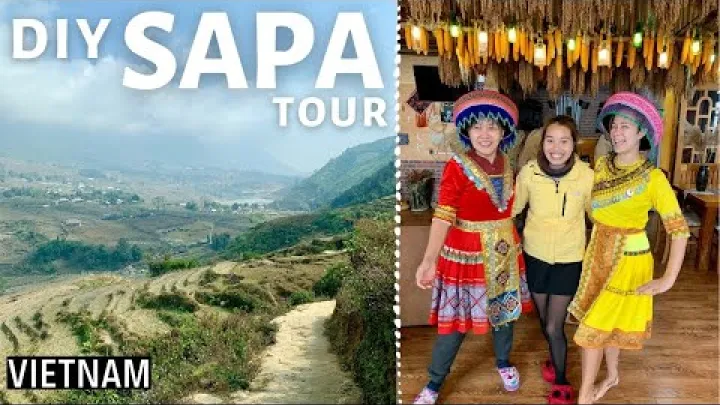
Cat Cat village, close to Sapa town, is one of the most visited and offers structured paths, viewpoints, and cultural displays. It is convenient if you have limited time or prefer short walks, but it can feel crowded and more commercial. Lao Chai and Ta Van, located in Muong Hoa Valley, are surrounded by extensive rice terraces and have a mix of homestays, cafes, and family homes. They often provide a good balance between access to services and a sense of rural life. Ta Phin, in another valley, is known for its Red Dao community and traditional herbal baths. Smaller or more distant villages may have fewer facilities but offer a quieter atmosphere and closer contact with everyday agricultural work.
When approaching village visits, it is important to see communities as partners in tourism rather than as attractions. Many local families have chosen to open homestays, guide treks, or sell handicrafts as part of their livelihood strategies. Staying in a homestay or using a community-based guide directly supports these efforts. At the same time, people are continuing their own cultural and family traditions, which may not always be visible or open to visitors. Being respectful about photography, noise, and private spaces helps keep the relationship positive for everyone.
Your choice between more commercial villages and quieter alternatives depends on your preferences. If you like easy access to cafes, varied accommodation, and clear signposted paths, villages like Ta Van may suit you. If you are looking for simple surroundings, fewer tourists, and more basic facilities, your guide or host can often suggest other options. In all cases, walking among the rice terraces is one of the most rewarding parts of a Sapa Vietnam tour, and even short walks can give you a strong sense of the landscape.
Waterfalls and Scenic Viewpoints near Sapa
In addition to rice terraces and villages, the Sapa Vietnam area includes several waterfalls and viewpoints that can be included in a typical itinerary. These natural sites offer variety to days of trekking and are often accessible by motorbike, taxi, or organised tour, making them suitable for visitors who prefer shorter walks or less demanding activities.

Silver Waterfall is one of the most famous, located on the road that leads towards the mountain pass and Fansipan area. It features a tall cascade visible from the roadside and a short climb to get closer. Nearby, Love Waterfall requires a longer walk through forested paths, providing a pleasant half-day trip that combines light hiking with time near the water. Around Sapa town, several elevated viewpoints and passes offer wide views of the valley and terraced hillsides when the weather is clear. On misty days, these spots can feel atmospheric but may offer limited long-distance visibility.
In recent years, new attractions such as glass bridges and alpine coasters have appeared in the broader Sapa region, designed to provide different types of entertainment and viewpoints. These can appeal to some visitors, but it is important to consider safety and your own comfort with heights or speed. Weather conditions, particularly strong winds or heavy rain, can affect the operation and safety of such activities, leading to temporary closures. When visiting waterfalls or viewpoints, wear shoes with good grip, stay on marked paths, and follow local signs and staff instructions. This approach helps you enjoy Sapa Vietnam’s landscapes while reducing your risk of slips or accidents.
Sapa City Vietnam: Town, Surroundings, and Culture
Sapa Town vs Surrounding Villages
Sapa town has grown quickly in recent years and now feels like a small, busy city rather than a quiet hill station. It contains a dense concentration of hotels, restaurants, cafes, and shops, as well as transport hubs for buses and tour departures. The atmosphere is lively, especially in the evenings and on weekends, with visitors walking around the main square, lake area, and market streets. For many travellers, Sapa city Vietnam is a convenient base to organise trekking and day trips into surrounding valleys.
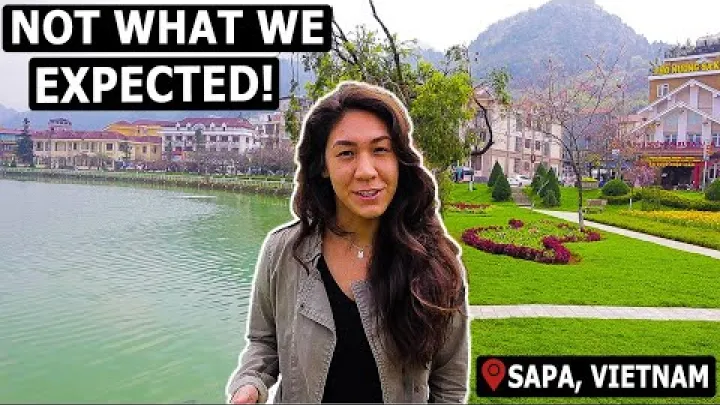
In contrast, the surrounding villages have a more rural character, with houses scattered along hillsides and fields. While some villages close to town, such as Cat Cat or Ta Van, now have many homestays and businesses catering to visitors, they generally remain quieter at night and feel closer to nature. Farm animals, rice paddies, and small family plots are common sights, and the pace of life slows once you move away from main roads.
Choosing whether to stay in Sapa town or in a village depends on your priorities. Town-based stays suit people who want easy access to a range of restaurants, banking services, and transport connections. They are also practical for travellers with limited mobility or those who prefer hotel-style comfort, such as lifts, private bathrooms, and heating. Village stays are often preferred by visitors seeking immersion in local life, closer contact with rice terraces, and quieter nights under the stars. Many travellers combine both by spending one or two nights in Sapa town and one or more nights in a village homestay as part of their Sapa Vietnam itinerary.
Ethnic Communities in Sapa Vietnam
The Sapa Vietnam region is home to several ethnic minority communities who have lived in these mountains for generations. Among the main groups are Hmong, Dao, Tay, Giay, and Xa Pho communities, each with their own languages, clothing styles, and cultural practices. These communities often farm rice and maize on terraced fields, raise animals, and engage in local trade, in addition to participating in tourism through homestays, guiding, and crafts.

Visitors may notice distinctive aspects of these cultures during village walks or market visits. For example, many women and men from Hmong communities wear clothing with indigo-dyed fabric and detailed embroidery, while members of Red Dao communities often wear bright red headpieces and embroidered jackets. You may also hear different languages spoken in addition to Vietnamese, and see traditional textile work, metalworking, or herbal medicine practices. Handicrafts such as embroidered bags, scarves, and jackets sold in villages and markets often reflect local motifs and techniques that have been adapted to the needs of visitors.
It is important to remember that these communities are not a single “tribe” and that their cultures are complex and dynamic. People in Sapa Vietnam’s ethnic minority villages maintain many traditions while also adopting new tools, education, and sources of income. Tourism is one part of their livelihoods, but daily life includes farming, schooling, and community events that may not involve visitors. Showing respect for this diversity and complexity helps avoid romanticised or simplistic views. Asking polite questions through a guide, listening more than speaking, and buying directly from local artisans are ways to engage constructively.
Responsible and Ethical Tourism in Sapa
Because Sapa Vietnam receives many visitors each year, responsible travel is important for protecting both the environment and local cultures. Increased tourism brings economic opportunities but also creates pressure on water resources, waste management systems, and traditional ways of life. By making careful choices about tours, accommodation, and behaviour, ordinary travellers can help reduce negative impacts and support fair benefits for host communities.
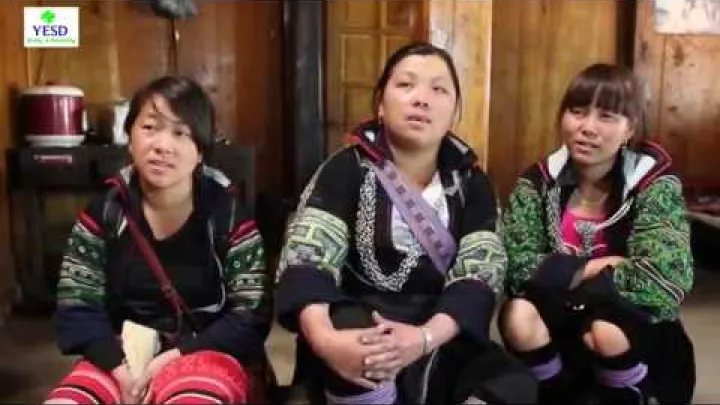
One key area is the choice of guides, homestays, and tours. Community-based or locally owned Sapa Vietnam tours often ensure that a higher share of income stays in the villages. When booking treks or homestays, look for options that clearly involve local families or cooperatives, and consider asking how your payment is shared. Small group tours generally have a lower impact on trails and village life than large groups, and they allow for more meaningful interaction. Choosing simple but comfortable homestays can help balance visitor needs with host capacity and avoid encouraging unsustainable building practices.
Personal behaviour also matters. Basic guidelines include asking permission before photographing people, particularly children; dressing modestly, especially when entering homes or religious sites; and avoiding litter, including cigarette butts and snack wrappers, on trails. Giving sweets or money directly to children can encourage school absence or dependence and is usually discouraged; buying crafts or services from families, or donating through recognised community funds where available, is a better approach. By following these simple steps, visitors contribute to a more respectful and sustainable Sapa Vietnam experience for both hosts and guests.
Where to Stay in Sapa Vietnam (Hotels and Homestays)
Hotels in Sapa Vietnam: Town-Based Stays
Hotels in Sapa Vietnam range from basic guesthouses to large, comfortable properties with extensive facilities. Most are located in or near Sapa town, within walking distance of restaurants, markets, and transport hubs. For travellers who prefer easy logistics and standard amenities, a town-based hotel can be an excellent choice, especially at the start or end of a trip.

Budget options often provide simple rooms with private or shared bathrooms, suitable for backpackers or students. Mid-range hotels typically offer larger rooms, private bathrooms with hot showers, heating or air-conditioning units, and sometimes breakfast included. Higher-end properties may feature spas, indoor pools, and restaurants, and some market themselves as Sapa Vietnam hotels with mountain or valley views. In practice, “mountain view” or “valley view” rooms may look out over varying degrees of open landscape and urban development, so it is helpful to review recent photos and guest feedback before booking.
Staying in Sapa city Vietnam gives you quick access to bus terminals for onward travel, as well as services such as ATMs, pharmacies, and travel agencies. This can be particularly useful for remote workers who need stable internet access or for families with children who benefit from being close to shops and medical facilities. The main trade-off is that town can be noisy, especially during weekends and holidays, and light pollution may limit night sky views compared with villages. Carefully checking location on a map can help you find a balance between central convenience and quieter side streets.
Homestays in Sapa Vietnam: Village Experiences
Homestays are a defining feature of the Sapa Vietnam experience, especially in villages such as Ta Van, Lao Chai, and Ta Phin. A homestay typically means staying in or next to a family home, with guest rooms prepared for visitors and shared meals eaten around a common table. Accommodation ranges from very simple dormitory-style sleeping platforms with mosquito nets to private rooms with modern bathrooms, depending on the homestay and village.
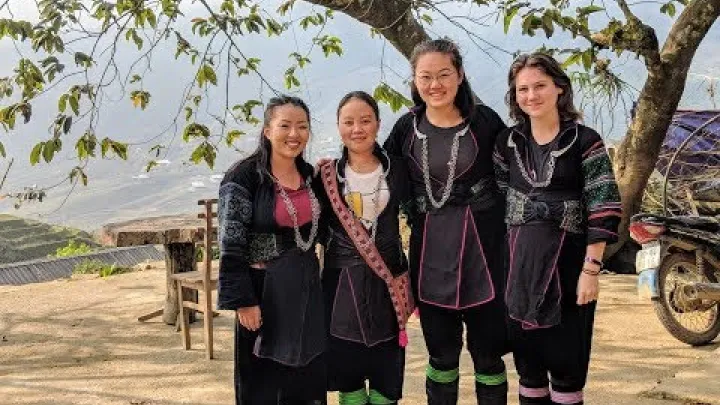
Compared with standard hotels, homestays generally offer fewer facilities but more direct contact with local life. Showers are usually hot but may be less powerful, and heating may be limited to electric blankets or space heaters during cold months. Prices are often moderate and include breakfast and dinner, making it easier to predict your daily costs. For many travellers, the chance to taste home-cooked food, talk with hosts (often through a shared language or with help from a guide), and wake up surrounded by rice terraces outweighs the lower level of comfort.
Standards vary widely between homestays in Sapa Vietnam, so it is important to check recent reviews and photos to match your expectations. Some homestays are now quite sophisticated, with stylish decoration and private bathrooms, while others remain very basic. Students and remote workers planning longer stays might prioritise stable electricity and internet, while short-term visitors may focus on views and the warmth of host families. Regardless of style, staying in a village homestay supports local communities more directly and places you close to trekking routes, reducing the need for daily transport from town.
How Many Days to Stay in Sapa Vietnam
Deciding how long to stay in Sapa Vietnam is an important part of planning your northern Vietnam itinerary. Because travel from Hanoi usually takes at least half a day each way, a stay that is too short can feel rushed and leaves little flexibility for weather changes. At the same time, longer stays require more budget and time that you might want to spend elsewhere in the country.

As a general guideline, a minimum of two nights in Sapa is recommended. This allows one full day for trekking or village visits and another for Fansipan, waterfalls, or simply resting and exploring town. A common 2-day structure is: arrival on day one, short walk or town visit; full-day trek or Fansipan on day two; departure on day three. For a 3-night stay, you can add a second day of trekking, a night in a village homestay, or a slower schedule with extra rest after the journey from Hanoi.
Travellers who enjoy hiking and cool weather may choose to stay longer, such as 4–6 nights, combining multiple treks with time for reading, working remotely, or photography. Longer visits provide more opportunities to adapt to Sapa Vietnam weather, which can be unpredictable, and to explore less-visited villages. Altitude in Sapa is moderate compared with high mountain regions in other countries, but some people may still feel mild shortness of breath when climbing hills, particularly on the first day. Taking the first afternoon easy, staying hydrated, and sleeping well can help you adjust and reduce fatigue before a long trek.
Food and Dining in Sapa Vietnam
Eating in Sapa Town: What to Expect
Because it hosts both domestic and foreign visitors, menus frequently include Vietnamese dishes alongside Western-style items such as pasta, pizza, and burgers. Many places also serve hotpot and grilled dishes that are well suited to the cooler climate, especially in autumn and winter.

In terms of price, tourist-oriented restaurants usually charge more than small local spots, but portions are often generous. You can expect to find pho, rice dishes, stir-fried vegetables, and noodle soups at modest prices in local eateries. In more international restaurants, prices are higher but still moderate compared with major global cities. Tourist menus are often available in English and sometimes in other languages, while local places may have simpler signage and less translation, but staff are usually patient and helpful.
When ordering, you can ask for recommendations or specify basic preferences, such as “not too spicy” or “no meat”. Vegetarian and vegan choices are increasingly common in Sapa Vietnam, especially in more modern cafes and restaurants, though selection may be limited in some traditional spots. Because of the cooler climate, many travellers enjoy hot drinks, including herbal teas and local coffee, during or after meals. Bringing a light jacket or sweater to dinner is wise in cooler months, as indoor heating varies.
Homestay Meals and Local Specialities
Meals at homestays in Sapa Vietnam are often a highlight for visitors. Hosts typically prepare shared family-style dishes that are placed in the centre of the table for everyone to enjoy. Common components include steamed rice, stir-fried or boiled vegetables, tofu or egg dishes, local herbs, and meat or fish depending on availability and household preferences. Sitting together around a table provides time to talk with your hosts and fellow guests, sometimes with the help of a local guide who can translate.

Local specialities in the northern mountains may include dishes made with corn, mushrooms, bamboo shoots, and regional greens. Grilled skewers, smoked meats, and hotpot dishes also appear, especially in cooler seasons. Many homestays serve their own variations of these foods rather than strict recipes, using seasonal ingredients from family gardens or local markets. This means the exact menu can change from day to day, which adds variety for longer stays.
If you have dietary needs, such as vegetarian, vegan, or certain allergies, it is important to inform your host or tour organiser in advance. Many homestay hosts are willing and able to adapt meals by reducing spices, avoiding specific ingredients, or preparing extra vegetable dishes. Explaining your needs clearly and simply, ideally in writing or through a guide, helps avoid confusion. In general, food at homestays is prepared with care and offers a straightforward, flavourful introduction to northern Vietnamese home cooking.
Practical Tips, Costs, and Safety in Sapa Vietnam
Typical Budget for a Trip to Sapa Vietnam
Budgeting for Sapa Vietnam involves considering transport from Hanoi, accommodation, food, and activities such as trekking tours or Fansipan visits. Exact prices change over time and vary by provider, but broad ranges can help you plan. Transport by bus between Hanoi and Sapa usually costs less than a private cabin on the night train, making the bus a common choice for budget-conscious travellers. Train tickets in shared sleeper cabins fall in the middle range, and private or more luxurious options are available at higher cost.

For accommodation, budget travellers can find simple guesthouses or dormitory beds in town or basic homestays in villages at modest nightly rates. Mid-range hotels and more comfortable homestays with private rooms and additional facilities cost more but remain affordable for many visitors. Higher-end Sapa Vietnam hotels with extensive amenities and strong views sit at the top of the price range. Meals in local eateries are usually inexpensive, while dining in tourist-oriented restaurants or hotel restaurants increases daily food costs.
Common activities also affect your budget. Guided day treks, Fansipan cable car tickets, and waterfall or village tours all add to overall spending. Joining group Sapa Vietnam tours generally reduces per-person costs compared with private tours, but private arrangements offer more flexibility. When planning, think in terms of low, medium, and high daily budgets rather than fixed numbers, and check recent price information when booking. Remember to allocate some money for extras such as handicrafts, herbal baths, or small tips for guides and homestay hosts if you feel they provided particularly good service.
Health, Safety, and Trekking Conditions
Health and safety in Sapa Vietnam are mainly related to weather, terrain, and road conditions rather than to serious crime, which is relatively uncommon. Trails can become slippery after rain, especially on rice terrace edges and steep paths, so footwear with good grip is essential. Sudden weather changes can bring fog, wind, or heavy showers even on days that begin with sunshine.

When trekking, wearing layered clothing allows you to adjust to changing temperatures, and carrying a lightweight rain jacket helps you stay dry in unexpected showers. For longer or more remote treks, a small first-aid kit with plasters, pain relief, and any personal medication is sensible. Travel insurance that covers trekking, cable car rides, and medical evacuation is highly recommended, particularly for visitors planning strenuous hikes such as Fansipan on foot.
Altitude in Sapa city Vietnam is moderate, but some visitors may notice mild shortness of breath when climbing stairs or hills, especially on their first day. If you experience strong headaches, dizziness, or chest pain, you should rest, descend to a lower elevation if possible, and seek medical advice. Most visitors, however, adjust quickly and can enjoy normal activities by taking things slowly at first. On roads, especially between Lao Cai and Sapa, always wear a seat belt where available and avoid riding motorbikes as a driver unless you are very experienced in similar conditions. If the weather is very bad, consider postponing or shortening treks rather than forcing a full itinerary.
Environmental and Cultural Respect Guidelines
Acting with respect for the environment and local cultures contributes to a better experience for everyone in Sapa Vietnam. The mountain ecosystem is sensitive, and increased tourism can produce more waste and trail erosion. Simple actions by individual travellers can reduce this impact significantly.

Environmentally, aim to minimise single-use plastics by carrying a reusable water bottle and refusing unnecessary bags or straws. Pack out your rubbish from trails and villages and dispose of it properly in town or at your accommodation. Stay on established paths rather than walking directly across rice terraces or cutting new routes, as this can damage crops and increase erosion. If you smoke, carry a small container for ash and butts rather than leaving them on the ground.
Culturally, dress in a way that shows respect for local norms, especially when visiting homes or religious places. Shoulders and knees covered are generally appreciated in rural communities. Always ask for permission before photographing people, and accept a polite “no” without pressure. When bargaining for handicrafts, keep negotiations friendly and remember that the difference in price may be small for you but significant for the seller. Supporting local economies by buying directly from craftspeople, hiring local guides, and staying in homestays helps spread the benefits of tourism more fairly across Sapa Vietnam’s communities.
Frequently Asked Questions
Essential Answers About Sapa Vietnam for First-Time Visitors
This FAQ section provides quick answers to common questions about Sapa Vietnam, including location, weather, transport options, and typical trip length. It is designed to help you confirm the main points from the guide and make final decisions about when to visit, how to get there, and where to stay.
The answers below are general guidelines based on stable patterns such as geography and climate seasons. Because transport schedules, prices, and some conditions change over time, you should always check up-to-date local information when booking tickets or arranging specific Sapa Vietnam tours.
Where is Sapa in Vietnam and how far is it from Hanoi?
Sapa is a mountain town in Lao Cai Province in northwestern Vietnam, close to the border with China. It is about 380 km northwest of Hanoi, Vietnam’s capital. Travel time from Hanoi to Sapa is usually 5–7 hours by bus or by train plus road transfer. The last section of the journey climbs into the mountains from Lao Cai City to Sapa town.
What is the best time of year to visit Sapa Vietnam?
The best time to visit Sapa is generally from March to May and from September to November. Spring (March–May) offers mild temperatures, flowers, and fresh green rice fields. Autumn (September–early October) is famous for golden rice terraces and clearer skies. Summer is lush but wet and hot, while winter is cold, foggy, and sometimes snowy at higher elevations.
How do I get from Hanoi to Sapa Vietnam by bus or train?
You can reach Sapa from Hanoi either by direct bus or by train plus a short road transfer. Buses, including sleeper buses, run directly from Hanoi to Sapa in about 5–6 hours. Trains go from Hanoi to Lao Cai City in roughly 7–8 hours, and from there you take a bus, minivan, or taxi for about 1 hour up to Sapa town. The bus is faster, while the train offers a more relaxed overnight journey.
How many days should I spend in Sapa Vietnam?
A stay of at least 2 nights in Sapa is recommended to make the travel time worthwhile. With 2–3 nights, you can enjoy one full day of trekking and one day for Fansipan or village visits, while keeping some flexibility for weather changes. A single night is possible but often feels rushed, especially in bad weather. Longer stays allow deeper cultural immersion and more remote treks.
Is Sapa Vietnam worth visiting for first-time visitors to Vietnam?
Sapa is worth visiting if you want mountain scenery, terraced rice fields, and contact with ethnic minority cultures in Vietnam. It is especially attractive for travellers who enjoy trekking, photography, and cooler weather than the lowlands. The town itself is busy and developed, but nearby valleys and villages still offer beautiful landscapes and homestay experiences. For a short itinerary, you should balance the long travel time from Hanoi with your other priorities in Vietnam.
Is trekking in Sapa difficult and do I need a guide?
Trekking in Sapa ranges from easy village walks to demanding multi-day mountain hikes. Many popular day routes through rice terraces are moderate but can be steep, muddy, and slippery, especially after rain. Hiring a local guide is strongly recommended for safety, navigation, and cultural interpretation, and is essential for challenging routes like Fansipan on foot. People with basic fitness and proper shoes can usually handle easier treks.
What are the best areas to stay in Sapa Vietnam, town or village homestay?
The best area depends on your travel style and comfort needs. Staying in Sapa town is convenient for restaurants, shops, and transport, and offers hotel-style comfort. Village homestays in places like Ta Van or Lao Chai give closer access to rice terraces, local life, and home-cooked food. Many travellers choose at least one night in a village homestay and one night in town to experience both.
What is the weather like in Sapa Vietnam in winter and does it snow?
Winter in Sapa, from December to February, is cold and often damp, with typical temperatures between around 0°C and 10°C. Fog and low cloud are common, which can limit views but create a misty atmosphere. Snow and frost sometimes occur on higher peaks like Fansipan, attracting domestic visitors, but snow in Sapa town itself is rare. Warm layered clothing and waterproof footwear are important if you visit in winter.
Conclusion and Next Steps for Your Sapa Vietnam Trip
Key Takeaways About Sapa Vietnam
Sapa Vietnam is a highland region in Lao Cai Province, about 380 km from Hanoi, known for Fansipan Mountain, terraced rice fields, and diverse ethnic minority villages. Its cool, changeable weather and mountain landscapes offer a strong contrast to Vietnam’s lowland cities and coast. Reaching Sapa requires 5–7 hours by bus or a longer combination of train and road, so planning enough time on the ground is important.
Seasonal weather patterns strongly influence what you see and how comfortable you feel, with spring and autumn offering the best overall conditions for trekking and rice terrace views. Deciding between hotels in Sapa Vietnam and village homestays shapes your experience, from convenient town-based stays to immersive nights in the valleys. Whether you focus on Fansipan, village trekking, or quiet days in nature, Sapa can fit both active and slower travel styles when approached with realistic expectations and respect for local communities.
Planning Your Sapa Vietnam Itinerary
When turning this information into a concrete plan, it can help to think in terms of simple itinerary structures. A compact 2-day Sapa Vietnam itinerary might include arrival and a short village walk on day one, followed by a full-day trek through Muong Hoa Valley or a Fansipan cable car visit on day two before departure. With 3 days, you can add a night in a village homestay, combine Fansipan and trekking, or allow an extra day to adapt plans to Sapa Vietnam weather.

Whichever structure you choose, leaving some flexibility for changing conditions and your own energy levels will usually improve your experience. Building in rest after night travel from Hanoi, choosing footwear and clothing suitable for trails and temperature shifts, and making thoughtful decisions about guides and homestays all contribute to a smoother trip. With these elements in place, Sapa Vietnam can become a memorable part of a wider journey through northern Vietnam’s landscapes and cultures.
Select area
Create a post
Posting is free and no registration is required.