Ben Tre Best Time to Visit: Seasons & Monthly Guide
The best time to visit Ben Tre depends on the experience you want from this river-and-orchard region of the Mekong Delta. For the easiest outdoor travel, late December through March is the strongest general choice; for fruit orchards, the warmer and wetter months can be rewarding; and for a water-focused delta landscape, late-year travel has a different appeal. Ben Tre stays warm throughout the year, so rain, humidity, river conditions, and activity timing matter more than finding cool weather. This guide explains the seasonal trade-offs for Ben Tre city, coconut orchards, rural canal routes, and village stays.
Quick Answer: When Is the Best Time to Visit Ben Tre?
Ben Tre is a tropical Mekong Delta destination where a good travel date is less about avoiding cold weather and more about matching the season to your plans. The drier part of the year is generally easier for moving between the city, orchard areas, and small rural communities, while wetter months bring greener scenery and stronger fruit-focused experiences.
The best overall window for most travelers
For most visitors, the best time to visit Ben Tre is from late December through March. This period is the most practical baseline for sightseeing, cycling on rural lanes, visiting coconut orchards, and taking canal trips with fewer likely rain interruptions. It is still warm and often sunny, but the lower-rainfall part of the annual cycle usually makes day plans simpler to organize.
There is no completely risk-free weather window. Ben Tre has a tropical climate, and conditions can differ between Ben Tre city, inland orchard communities, and waterways exposed to changing winds. Still, this late-December-to-March recommendation is a sensible choice when dry-weather convenience is your main priority.
Local tourism guidance describes September through March as a broad favorable period, which is useful for travelers whose interests extend beyond dry conditions. The Vemekong travel guide also highlights the fruit season and floating-season experiences, showing why the single “best” month changes with your travel goal.
Choose between dry-weather comfort and seasonal river life
Think of Ben Tre in two ways. The drier months are better suited to travelers who want predictable days for village walks, cycling, roadside stops, and outdoor sightseeing. The wetter part of the year suits travelers who enjoy lush vegetation, orchard visits, and a more visibly water-shaped version of delta life.
Temperature changes less dramatically than rainfall. Even in the drier season, midday heat can be strong, especially on open roads and uncovered boats. In wetter months, a shower may change the schedule without ending the day; a short canal trip, a coconut workshop visit, a meal at a rural stay, or time in Ben Tre city can fit around it.
Choose late December to March for the simplest all-round trip. Choose April to August if orchard fruit is the main reason for visiting. Choose September to December if you are drawn to higher waterways, boat-based sightseeing, fishing culture, and green delta landscapes. Flexible travelers can enjoy every period, but they should select activities that fit the season rather than expect the same experience year-round.
Ben Tre Weather by Season and Month
Ben Tre follows the broad monsoon pattern of the lower Mekong region. The Mekong River Commission describes a regional monsoon period from June to November and a broadly drier period from December to May, while noting that the Mekong Delta has its own local variation. In practice, Ben Tre visitors should use the following month-by-month feel as a planning guide, not as a promise of daily weather.
| Period | Typical travel feel | Best suited to |
|---|---|---|
| December to March | Warmer, relatively drier, easier to plan | Sightseeing, cycling, canals |
| April to June | Hotter, with a shift toward wetter conditions | Orchards and fruit travel |
| July to August | Green, humid, and showery | Fruit tasting and slow rural stays |
| September to December | Water-oriented and variable | Boat scenery and fishing experiences |
December to March: drier conditions and easier outdoor plans
December to March is the most straightforward season for a first visit. It works well for combining time in Ben Tre city with excursions to coconut groves, orchard lanes, rural canal routes, and small villages. Lower rainfall does not mean no rain, but it normally reduces the chance that a planned outdoor day is repeatedly interrupted.
December and January often feel like the earlier part of the drier period. February and March can feel sunnier and drier, while warmth remains a constant feature. Plan for a tropical destination, not a cool-season escape: light clothing, shade breaks, and water are useful even when the skies are clearer.
Tet, the Lunar New Year holiday, may add local interest through flowers, family activity, and a festive atmosphere. It can also affect opening patterns and increase demand for rooms, transport, and popular visits. If your dates overlap with Tet, arrange key services earlier and allow for a slower rhythm in some places.
April to June: late dry-season heat and the start of fruit season
April to June is a good choice for travelers who place orchards and fresh fruit above all-day outdoor comfort. April is often the most demanding part of the drier season because heat and humidity can make long walks, cycling, and exposed boat travel tiring. May and June begin a transition toward wetter conditions, so the landscape becomes more lush but weather becomes less predictable.
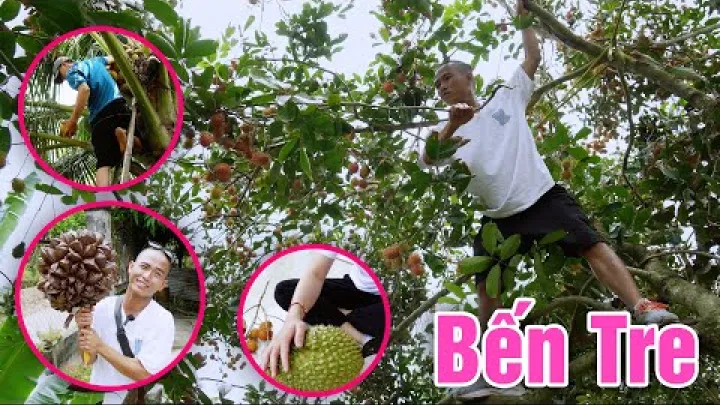
This is not the ideal period for visitors who strongly dislike heat. It can be excellent for a slower rural itinerary, however, especially when orchard visits and food experiences are the focus. The exact harvest of a particular fruit varies by crop, orchard, and local growing conditions, so do not assume every orchard will offer the same picking experience.
Schedule demanding outdoor activities for the morning and carry water and sun protection during the hotter April-to-June period. Use the middle of the day for a meal, a shaded coconut-related workshop, rest at an orchard stay, or time in Ben Tre city. This simple rhythm makes the season far more comfortable than trying to fill the hottest hours with active sightseeing.
July and August: wet-season greenery and peak fruit focus
July and August bring a greener, more humid Ben Tre. These months can suit visitors who want orchard abundance, fruit tasting, and rural scenery that looks fully refreshed by the rains. The trade-off is that showers may interrupt a walk, a ride, or a boat departure, even when rain does not continue for an entire day.
Build an itinerary from shorter, movable activities rather than one long exposed excursion. An orchard visit, a brief canal trip, a village meal, and time at a homestay can be rearranged more easily than a tightly timed route across several rural areas. Quick-drying clothing and footwear with grip are useful on wet ground.
Allow time buffers for showers and carry lightweight rain protection during July and August. A compact rain layer is usually more practical than heavy rainwear in humid weather. If value is a priority, compare current room and tour prices for your exact dates rather than assuming that rainy weather always means lower prices.
September to December: floating-season scenery and changing river conditions
September to December can be appealing for travelers who want a more water-oriented Mekong Delta experience. “Floating season” is a travel term for the period when higher water levels shape access, scenery, fishing activity, and daily life around waterways. It is not a separate climate season, but an experience connected to monsoon rainfall and river conditions.
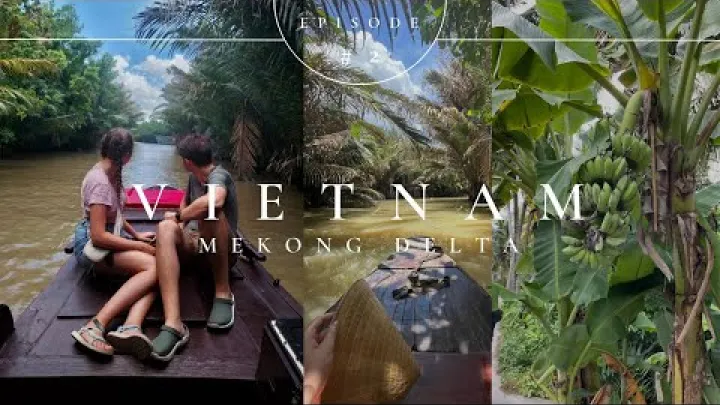
September and October are generally the more weather-variable part of this broad window. November and December can feel more transitional, while waterways and local landscapes may still offer the character that boat-focused travelers seek. Canal trips, boat access to orchard areas, fishing experiences, and landscape photography can feel especially atmospheric at this time.
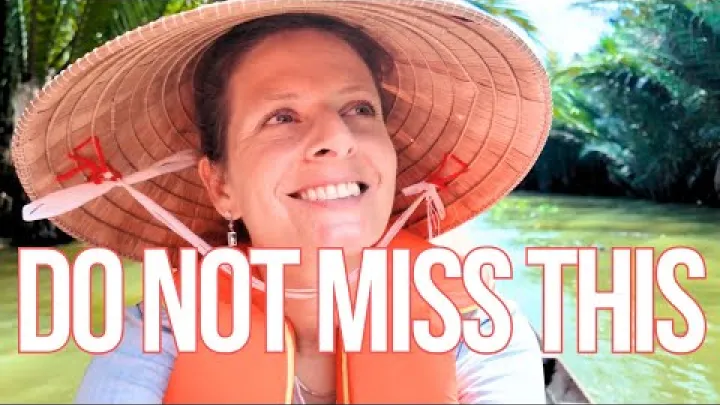
River conditions are local, not uniform across the province. High water does not create the same effect on every canal or rural area, and rain or storms can alter plans. Use the life jacket provided and follow the local operator's decision about river conditions before leaving the dock. That decision is more important than a calendar-based expectation of what a route should be like.
Best Time to Visit Ben Tre by Travel Goal
A trip becomes easier to plan once you decide what matters most: comfortable movement, fruit, waterways, or cost control. These recommendations focus on the practical experience rather than treating one season as best for everyone.
Best time for comfortable sightseeing and cycling
Late December through March is the best baseline for comfortable sightseeing and cycling in Ben Tre. The relatively drier conditions make it easier to combine the city with coconut groves, village roads, small bridges, and outdoor stops without having to plan around frequent showers.
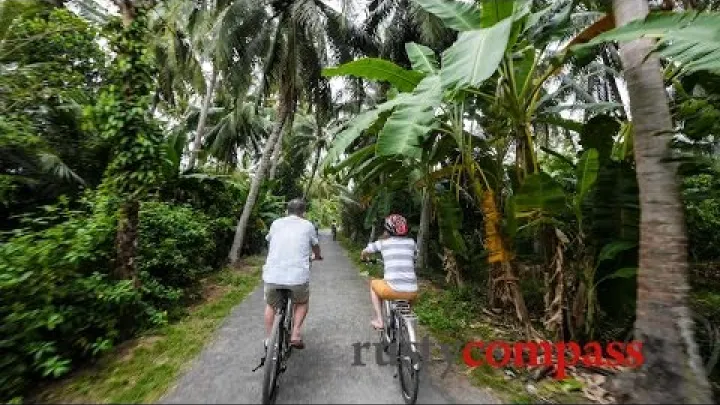
“Comfortable” here means fewer rain disruptions, not low temperatures. The climate remains warm, and the most pleasant way to explore is usually to start early, choose shaded pauses, and avoid treating midday as the main active period. Travelers who prefer a relaxed pace may find an overnight rural stay more enjoyable than trying to complete every activity in one fast day trip.
Best time for fruit picking and orchard visits
April to August is the broad best time to visit Ben Tre for fruit picking and orchard visits. A local fruit-travel guide identifies this period as a time when orchards can be especially productive, making it a useful starting point for travelers who want fresh fruit as part of the experience. See Joy Journeys for this seasonal overview.
Fruit availability is not uniform. Different fruits mature at different times, and an orchard that is attractive for a guided visit may not necessarily offer picking on your chosen day. When booking, ask the orchard or tour provider which fruit is currently available, whether guests can pick it themselves, and whether paths are suitable after rain.
This season combines rewarding orchard scenery with real practical trade-offs: April-to-June heat, later rain, humidity, and sometimes muddy ground. Wear clothes that dry quickly, protect electronics from moisture, and choose a visit that does not require a long walk in direct afternoon sun.
Best time for boat trips, fishing, and delta culture
September to December is the strongest broad window for travelers who prioritize higher waterways, fishing scenes, and boat-accessible views of delta life. The visual character of canals and orchard approaches can feel more closely tied to the river during this period, giving boat trips a different atmosphere from the drier months.
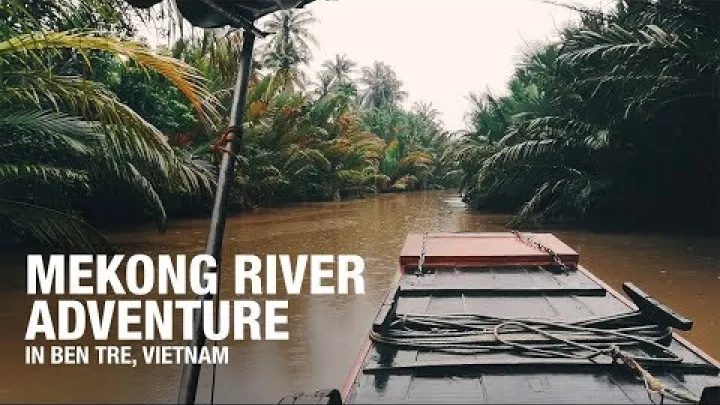
Boat trips can still operate at other times of year, but the water level, vegetation, and feel of the route may differ. A drier-season excursion may be easier to combine with cycling and walking; a late-year trip may place more emphasis on waterways, local fishing activity, and the changing relationship between land and river.
For the clearest match, choose an operator whose route includes the experiences you value, such as quiet canals, orchard access by boat, or a fishing-related visit. Daily departures and routes remain dependent on local operating conditions, not only on the month.
Best time for value and lighter demand
There is no dependable single low-price season for Ben Tre. Room rates, transport costs, and tour availability can vary by weekend, holiday, group demand, and the type of stay you choose. Wetter periods outside major holidays may work well for flexible travelers, but possible savings should be checked rather than assumed.
Fruit season can raise interest in particular orchard experiences, while Tet can increase demand across accommodation and transport. Instead of choosing dates based on a fixed “cheap season” label, compare refundable room options, tour availability, and weekday versus weekend prices. A flexible traveler may find better value by changing the day of the week than by changing the whole season.
Practical Planning for a Ben Tre Stay
Ben Tre is most rewarding when the daily plan respects tropical heat and the rural setting. Whether you stay in the city or near orchards and canals, leave enough space for a slower pace and local conditions.
Plan each day around heat, showers, and activity timing
Put cycling, walking, orchard exploration, and uncovered boat travel earlier in the day when practical. Morning light can also be appealing for canals and gardens, while later hours are better used for lunch, a rest, a cooking activity, or a sheltered visit.
During the wetter part of the year, avoid building a day around one narrow outdoor time slot. A plan with several nearby options is more resilient: start with a short ride or orchard walk, move to a covered activity if rain arrives, then continue when conditions improve. An overnight stay at a rural village or orchard accommodation can make this approach easier because you are not rushing to fit every experience into a fixed return schedule.
What to wear and pack for city, orchard, and canal activities
Pack for warmth, sun, moisture, and uneven outdoor surfaces rather than for cold weather. The following items cover most Ben Tre city, orchard, and canal activities:
- Breathable clothing that is comfortable in heat and humidity.
- A hat, sunscreen, and drinking water for open roads and boat trips.
- Comfortable walking footwear with a secure sole for orchard paths.
- A compact rain layer for wet-season and late-year visits.
- Quick-drying items and a waterproof pouch for a phone or camera near canals.
- Practical, modest clothing for village, workshop, and community visits.
Specific tours may have their own equipment requirements. For example, a boat operator may supply safety gear, while a farm activity may suggest footwear appropriate to its paths. Ask the provider what is included rather than carrying unnecessary specialist gear.
Plan for roads, rural paths, canals, and flexible access
Dry conditions generally make rural roads and paths easier to use. After heavy rain, low-lying lanes, orchard paths, and small access points can become slower or less convenient, particularly for visitors staying away from the main urban area. The difference may be noticeable even across short distances.
Canal routes can also change with water levels, weather, and local operating decisions. A province-wide seasonal description cannot tell you the condition of the exact lane, dock, or waterway serving a specific accommodation. Confirm the condition of specific rural roads, paths, and canal routes with the accommodation or tour provider after heavy rain. This is particularly useful before arranging luggage transfers, bicycle outings, or a boat pickup.
Climate Averages, Live Forecasts, and Weather Decisions
Long-term climate patterns are useful for choosing a month, but they are not a weather forecast. Good planning uses both: seasonal guidance for selecting dates and current information for deciding what to do on a particular day.
What climate normals can and cannot tell you
Climate averages describe the usual pattern over many years. They help explain why December to March is often preferred for simpler outdoor travel, why April to June can feel hotter, and why the middle of the year is often greener and wetter. They cannot tell you whether rain will arrive during your afternoon canal trip or whether a particular orchard path will be dry on a given morning.
This guide therefore uses broad seasonal descriptions instead of presenting uncertain local figures as precise monthly facts. The Mekong Delta has meaningful small-scale variation: Ben Tre city, inland orchards, canal corridors, and more exposed areas can experience the same weather system differently. Use climate patterns to choose the type of trip you want, then use a short-term forecast to organize the details.
Check official forecasts before exposed outdoor activities
Before traveling, and again before an exposed boat trip, long rural ride, or open-air orchard visit, check the National Center for Hydro-Meteorological Forecasting for current local weather information and warnings. This matters most during active rain periods, thunderstorms, strong winds, or unusually hot conditions.
Use a simple decision framework. Go ahead when the forecast and operator information support the activity. Modify the plan when rain or heat makes a shorter, sheltered, or earlier activity more sensible. Postpone when official warnings or the operator indicate unsafe river or outdoor conditions. Hosts and tour providers can explain local changes, but official warnings should guide safety decisions.
Final Recommendation: When to Visit Ben Tre
Choose late December through March for the best all-round balance of relatively drier weather and easy outdoor exploration. This is the strongest choice for first-time visitors who want to see Ben Tre city, coconut orchards, village roads, and canals with fewer weather disruptions.
Choose April through August when fruit orchards and seasonal produce are the priority, accepting more heat and a growing chance of rain. Choose September through December when higher waterways, fishing scenes, and a water-shaped Mekong Delta atmosphere matter most. Whatever month you select, plan active time early, pack for sun and rain, and let current weather guide your final daily schedule.
Select area
Create a post
Posting is free and no registration is required.