- Tay Son Heaven and Earth Esplanade: Historic Shrine in Quy Nhon
- Quang Trung Museum: Tay Sơn History & Culture in Quy Nhon
- Banh It Cham Towers: Ancient Heritage & Photography in Quy Nhon
- The Thon Beach in Cat Tien: Clean Shores & Affordable Watersports
- Linh Phong Pagoda in Quy Nhon: The Sacred Mountain Temple
Zara in Vietnam: Stores, Prices, Sales, and Made-in-Vietnam
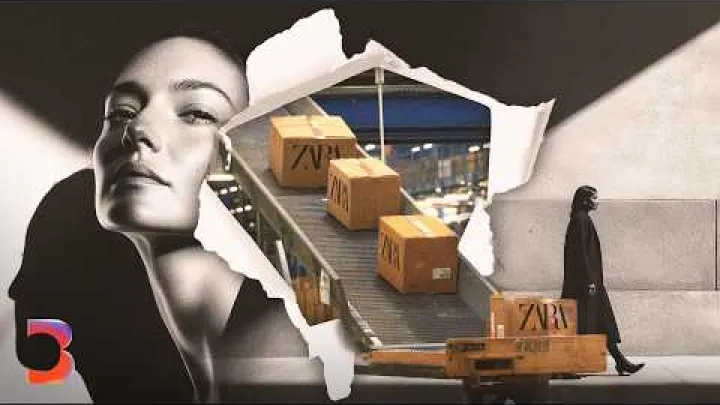
For international visitors, it is a familiar global fashion brand placed inside a very different retail environment. For local customers, it represents modern style, fast-changing trends, and a step up from traditional markets or small independent shops. Understanding how Zara Vietnam works can help you plan shopping trips, compare prices with other countries, and better understand the “Made in Vietnam” labels you see on clothing around the world.
This guide explains the most important points about Zara in Vietnam in clear, practical language. You will learn where the main Zara stores are located, what the in-store experience is like, how prices and sales work, and how much Zara actually produces in Vietnamese factories. The article is designed for travelers, students, expats, and remote professionals, so examples focus on real situations you may face during a short visit or long stay. You can read from start to finish or jump directly to the sections that match your questions, such as store locations, online shopping, or manufacturing and ethics.
Introduction: Why Zara Vietnam Matters for Shoppers and Travelers
What this guide to Zara Vietnam will help you understand
Zara Vietnam sits at the intersection of travel, lifestyle, and global supply chains, so many different types of readers search for information about it. Others are curious about whether Zara is cheaper in Vietnam than in Europe or India. Many notice “Zara Basic Made in Vietnam” tags and want to understand what those labels mean for quality and working conditions. This guide brings those questions together in one place and explains them in a simple, structured way.
The article covers five main themes: where you can find Zara stores in Vietnam, how to shop there in person, what options exist for Zara Vietnam online shopping, how prices and sale seasons usually work, and how Vietnam fits into Zara’s global manufacturing network. It also looks at competition, ethics, and the broader fashion market so you can see the brand in context, not in isolation.
This content is written for international readers with different levels of English, so the language is direct, without slang, and paragraphs are short for easier translation. The structure is organized into clear sections with H2 and H3 headings, so you can quickly jump to “Zara Vietnam prices and sales” or “Zara Manufacturing in Vietnam” if that is what you care about most. A dedicated FAQ section at the end answers focused questions in a compact format, which is useful when you are checking details on your phone while traveling.
How Zara Vietnam fits into the country’s growing fashion market
Ho Chi Minh City and Hanoi now have growing middle classes and young professionals who want access to international brands and modern shopping malls. Instead of buying most clothes from traditional wet markets or small neighborhood shops, many people now visit air-conditioned centers like Vincom, Saigon Centre, or AEON Malls. Zara Vietnam arrived at a time when this demand for branded, fashionable clothing was increasing strongly.

In this environment, Zara acts as a symbol of contemporary, fast fashion. Its stores are usually large, bright, and located in the most central and high-traffic malls. Compared with traditional Vietnamese markets, where clothes are often unbranded and displayed on simple racks, Zara offers clear collections, styled mannequins, and an international look-and-feel. A shopper might buy everyday basics or office wear from local labels, and then visit Zara to add one or two trendy pieces inspired by European or Korean fashion.
Vietnam plays a double role for Zara and for many global clothing brands. It is both a growing consumer market, with millions of potential customers, and a major manufacturing base, where large volumes of garments are made and exported worldwide. This makes the case of Zara Vietnam special: the same country where you walk into a Zara store to buy clothes is also the country where many Zara items are produced in factories for global distribution. For a traveler or expat, this dual role raises interesting questions about price, value, and ethics, which later sections of this guide explore in more depth.
Overview of Zara in Vietnam
When and how Zara entered the Vietnamese market
Zara opened its first store in Vietnam in 2016, choosing Ho Chi Minh City as the initial entry point. The flagship location was set inside Vincom Center Dong Khoi, one of the city’s most central and upscale shopping malls. This opening attracted long queues and strong media attention, because it signaled that Vietnam had reached a new stage in its retail development. For many local customers, it was the first time they could walk into a full-size Zara store in their own country instead of buying items abroad or through informal resellers.
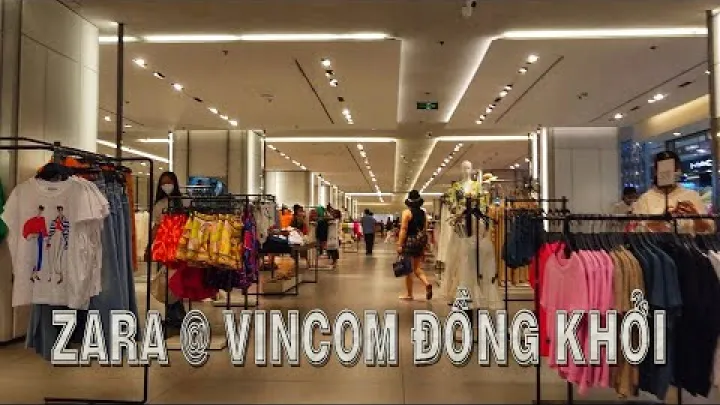
After the first year, Zara expanded to Hanoi, Vietnam’s capital, with a major store in Vincom Ba Trieu. Both cities already hosted other international brands, but Zara’s arrival confirmed that large global fashion chains saw Vietnam as a serious and growing market. The brand typically operates through a regional or local partnership model that manages day-to-day retail operations, staff, and mall relationships, while Zara and its parent company Inditex control product, branding, and overall strategy. This combination allowed Zara Vietnam to scale relatively quickly within prime urban locations.
The timing of Zara’s entry matched several important trends in Vietnam. Shopping mall construction was accelerating, with new Vincom, Crescent Mall, and AEON locations opening or planned in major cities. At the same time, household incomes were rising, especially among young office workers in sectors like banking, technology, and services. Other global brands, including H&M and later Uniqlo, also chose this period to move into the country. As a result, from about 2016 onward, Vietnamese shoppers saw a rapid shift from basic department stores and local boutiques to modern fast-fashion chains, with Zara positioned as one of the leading names.
Why Zara is popular with Vietnamese shoppers
Zara Vietnam is especially popular among young, urban consumers who are active on social media and follow global fashion trends. Many customers are university students, new graduates, and mid-level professionals who want outfits that feel modern and international. They recognize Zara from travel experiences, online influencers, and foreign TV shows, so buying from the brand provides both a style update and a sense of global connection. Compared with luxury designer labels, Zara remains much more affordable, yet it carries a stronger brand image than many local mass-market companies.

Price positioning is a key part of this appeal. In Vietnam, Zara is usually considered aspirational but still reachable for a segment of the middle class. A typical customer might not buy a full wardrobe from Zara but is willing to pay for a blazer, dress, or pair of trousers for work, or a special outfit for events and weekends. Because the prices are higher than small-market stalls but much lower than imported designer brands, Zara occupies a distinct middle-to-upper range that is attractive to status-conscious but budget-aware shoppers.
A typical Zara customer profile in Vietnam might be a 25-year-old office worker in Ho Chi Minh City who earns a stable salary, uses Instagram or TikTok daily, and already knows what the latest Zara trends look like from influencers abroad. This customer may combine items from local brands, global fast fashion, and online marketplaces, but turns to Zara when they want a sharp blazer for a job interview, a fashion-forward dress for a party, or basic trousers and shirts that match an urban lifestyle. Social media helps reinforce Zara’s image, as people frequently share “Zara haul” posts or outfit photos that mention the brand by name.
Zara Stores and Locations in Vietnam
Current Zara store locations in Ho Chi Minh City and Hanoi
Zara stores in Vietnam are concentrated in the two largest cities, Ho Chi Minh City and Hanoi, and are usually placed inside central shopping centers. This makes them easy to reach for both local residents and visitors staying in popular hotel districts. Because store numbers and exact locations can change over time, However, several malls have become well-known reference points for finding a Zara Vietnam store.

Below is a simple list of typical Zara Vietnam locations that many travelers and residents use as starting points when planning a visit:
- Ho Chi Minh City – Zara at Vincom Center Dong Khoi (central District 1)
- Ho Chi Minh City – Zara at other major malls such as Saigon Centre or Vincom Landmark 81 (availability can change)
- Hanoi – Zara at Vincom Ba Trieu (central Hai Ba Trung District)
- Hanoi – Zara at other large Vincom or AEON Malls depending on current expansion plans
In all of these malls, Zara typically occupies several floors or a large multi-section space, with women’s, men’s, and kids’ collections. The stores are usually located on prominent levels near other international brands like H&M, Uniqlo, or global cosmetics companies. Because Zara focuses on major urban centers, you are less likely to find its stores in smaller Vietnamese cities or suburban areas. If you plan to visit Zara while traveling, it can be practical to book accommodation within a short ride of District 1 in Ho Chi Minh City or central districts in Hanoi so that access to these malls is simple.
Keep in mind that new malls open and retail tenants move periodically. For example, Zara Vietnam might close one branch in a particular building and open another in a more modern center in the same city. Therefore, treat any static list of addresses as a general guide rather than a final, always-correct directory.
How to find Zara Vietnam store addresses and opening hours
Because store details can change, the most reliable way to find the latest Zara Vietnam addresses and opening hours is to use digital tools. The official Zara website and mobile app allow you to select your country or region, after which you can access a store locator. When Vietnam is available in this list, it will show current stores in Ho Chi Minh City and Hanoi together with basic information like address, contact phone number, and usual opening times. This is especially useful if you are planning a future trip and want to check whether a Zara Vietnam store is near your hotel or office.

Search engines and map applications are another effective method. On Google Maps, you can type terms like “Zara Vincom Dong Khoi” or “Zara Vincom Ba Trieu” to see exact locations and user reviews. Most large Vietnamese malls maintain their own websites and social media pages, where they list tenants and opening hours. Looking at the mall’s website for Vincom Center Dong Khoi or Vincom Ba Trieu can give you an updated view of whether Zara is present and what the mall’s daily schedule is, including any special holiday adjustments.
Here is a simple example of how a traveler might find a Zara Vietnam store in Ho Chi Minh City step by step:
- Open Google Maps on your phone.
- Type “Vincom Center Dong Khoi” and select the result in District 1.
- Open the mall’s information page and scroll to see photos and a list of shops, where Zara is usually mentioned.
- Tap “Directions” to plan your route by walking, taxi, or ride-hailing service.
- Before leaving your hotel, quickly search “Zara Vincom Dong Khoi hours” to check if there are any special holiday or weekend time changes.
Opening hours for Zara Vietnam stores commonly follow mall schedules, often from late morning into the evening. However, during national holidays like Tet (Lunar New Year) or large events, hours can change, or stores may close for specific days. For this reason, it is always helpful to verify opening times close to your planned visit, especially if you have limited time in the city.
Shopping at Zara Vietnam: In-Store and Online
What to expect in Zara Vietnam stores
Walking into a Zara Vietnam store will feel familiar if you have visited Zara in other countries. The layout is usually clean and minimalistic, with wide pathways and separate sections for women, men, and kids. The women’s collection often takes up the largest area, followed by menswear and then children’s clothing. Within each section, clothing is organized by collection or theme, with matching shoes and accessories placed nearby. Large mirrors, mannequins with styled outfits, and central display tables help shoppers imagine full looks rather than only individual items.
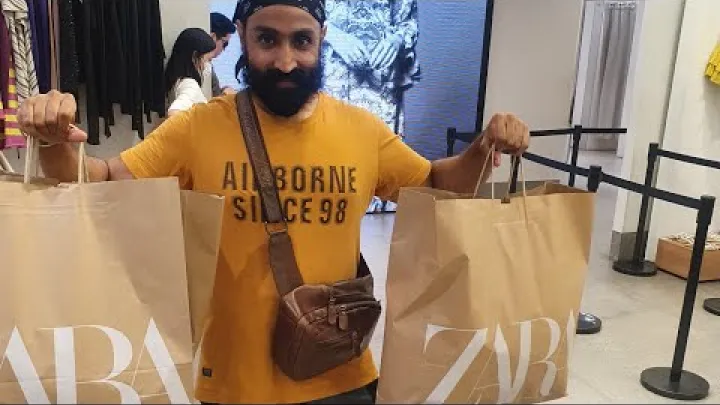
Facilities in Zara Vietnam include fitting rooms with basic privacy and hooks, plenty of mirrors, and multiple payment counters. You can normally pay with Vietnamese dong in cash, as well as with major international credit and debit cards. Contactless payments and local digital wallets may also be accepted depending on the specific store and current payment partnerships. Receipts are usually printed in Vietnamese and may include some English, especially for item names and product codes. Staff uniforms and store signage follow the global Zara style, which helps maintain a consistent brand experience.
The overall atmosphere in Zara Vietnam stores is aligned with Zara locations in Europe or other parts of Asia. Background music is modern but not extremely loud, and lighting is bright but neutral to show garment colors accurately. Staff typically greet customers politely but do not follow them closely unless help is requested, which is different from some local shops where staff may stay very close during browsing. While many staff members in major cities have at least basic English skills, not everyone will be fluent, so using simple words, gestures, or showing a product photo on your phone can be helpful.
International visitors may notice a few differences. Fitting room lines during Zara Vietnam sale periods can be long, especially in the evenings or on weekends. Product information on tags is often in multiple languages, but some store announcements and small signs are only in Vietnamese. If you need to check something like the return policy, it can be useful to ask directly at the cashier counter so staff can explain or show you the relevant section on the receipt.
Does Zara offer online shopping in Vietnam?
Online shopping is becoming more important everywhere, and many visitors want to know whether Zara Vietnam has a full e-commerce website. Zara operates online stores in a growing number of countries, but availability can change as the company updates its digital strategy. In some years, the official Zara site or app may support online ordering and home delivery in Vietnam; in other periods, it may focus mostly on store information and product browsing. Because these details can shift, it is important to check the official Zara website or mobile app directly and select Vietnam as your region to see what services are currently active.

If a full Zara Vietnam online shopping service is available, you will usually be able to browse collections, choose sizes, pay online, and select delivery to your address or pick-up at a store. Standard information such as shipping fees, delivery times, and return rules should be clearly stated during checkout. Delivery charges may vary depending on your location within Vietnam, the size of your order, and whether Zara runs any free-shipping promotions at that time.
When local online options are limited or not yet available, some Vietnamese customers and residents use cross-border methods. These include ordering from a neighboring country’s Zara website that does have e-commerce and then using parcel forwarding services, or buying from third-party online platforms and resellers. While this can give access to a wider range of products, it also brings extra considerations, such as higher shipping costs, possible customs or import taxes, longer delivery times, and more complex return processes. Carefully reading the terms and conditions of any third-party service is important to avoid surprises.
Because Zara’s online strategy is updated from time to time, this guide focuses on timeless advice. Whenever you plan a purchase, first visit the official Zara website or app and set your region to Vietnam. Check if “online shopping” or “buy online” options appear. Look for clear information about how returns work in Vietnam, whether there are any restrictions on certain product categories, and how long delivery will take. If such options do not appear, assume that in-store shopping is the main channel in Vietnam at that moment and plan accordingly.
Tips for first-time buyers at Zara Vietnam
For newcomers, shopping at Zara Vietnam is straightforward, but a few practical tips can make your visit smoother. First, be aware that Zara’s sizing sometimes feels different from that of local Vietnamese brands, which often run smaller. Zara uses international size systems for women, men, and kids, so a Vietnamese shopper who usually buys a certain size at local stores may need to try one size up or down at Zara. The best approach is to bring several sizes into the fitting room, especially for tailored items like blazers, trousers, and dresses.
Return and exchange rules at Zara Vietnam are generally similar to other Zara markets but can have local details. Customers are usually allowed to return unworn items with original tags and receipts within a defined period, often a few weeks from the purchase date. Some categories, such as underwear or certain accessories, may not be returnable for hygiene reasons. During sales, policies can be slightly stricter, and stock for exchanges might be limited. Always check the exact return information on your receipt and, if needed, ask staff to clarify it before leaving the store.
Zara Vietnam receives new collections frequently, sometimes weekly or even more often for selected items. This fast turnover means that if you see a piece you like, it may not stay in stock for long, especially in popular sizes. On the other hand, new arrivals also mean you can visit the store regularly and find fresh options. Early daytime on weekdays is often quieter, making it easier to browse and try clothes. Evenings and weekends are busier, particularly during Zara Vietnam sale periods.
Here is a short list of simple do and do-not tips for first-time buyers at Zara Vietnam:
- Do bring or wear clothes that are easy to change in and out of, so you can try more items comfortably.
- Do check both Vietnamese dong prices and, if you are a traveler, approximate conversion to your home currency before deciding.
- Do keep your receipt and read the return information printed on it as soon as possible.
- Do not wait too long to buy an item you really like, because sizes can sell out quickly.
- Do not assume sizes are the same as in all local brands; try on different sizes to find the best fit.
- Do not remove tags before you are completely sure about keeping the item, especially if you might return it.
Following these basic suggestions will help you avoid common frustrations and enjoy your first Zara Vietnam shopping experience, whether you are a local resident or a visitor from abroad.
Zara Vietnam Prices and Sales
How Zara’s prices in Vietnam compare to local and global markets
Price is one of the main questions visitors ask when considering shopping at Zara Vietnam. Many want to know if Zara is cheaper in Vietnam than in India, Europe, or neighboring Asian countries. Others compare Zara’s prices with local brands available in Vietnamese malls or markets. Because exchange rates, taxes, and company pricing strategies can change over time, it is best to think in relative terms and general patterns rather than expecting a fixed rule that always applies.
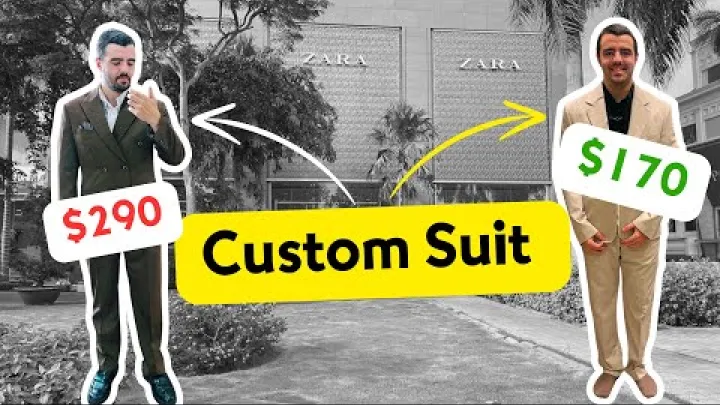
Within Vietnam, Zara is usually more expensive than unbranded clothing from street markets or small independent shops, but it is often in a similar range to other global fast-fashion chains like H&M and sometimes slightly above them. Compared with many local mid-range brands that sell in modern malls, Zara can be a bit higher in price, but it also offers strong brand recognition and designs that follow European and global trends. For middle-class Vietnamese consumers, buying at Zara may feel like a planned purchase rather than an everyday routine, especially for larger items like coats or suits.
When comparing Vietnam to other countries, several factors come into play. Prices in Western Europe are often used as a reference point because Zara is originally a European brand. In many cases, the same item may be equal or somewhat cheaper in the eurozone than in Vietnam once you convert currencies, due to different tax structures and logistics costs. When comparing Zara Vietnam with India or some other Asian markets, prices can be similar, slightly higher, or occasionally lower, depending on current company decisions and local conditions. Exchange rates can shift quickly, so what is cheaper one year may be more expensive in another.
For travelers, a practical approach is to look up or remember approximate prices of familiar Zara items in your home country and then compare them in-store in Vietnam. Instead of focusing on exact numerical differences, consider whether prices in Vietnam feel broadly aligned with or above your usual experience. This way, you can decide whether it is worth buying large amounts, only selecting a few special pieces, or using Zara Vietnam mostly for convenience if you need new clothes during your trip.
When does Zara Vietnam have sales?
Zara Vietnam sales are important events for budget-conscious shoppers because they can make the brand significantly more accessible. Like in many other countries, Zara usually organizes major sale periods around the end of fashion seasons. These often occur in the middle of the year and again toward the end of the year, when the company clears stock to make room for new collections. While the overall pattern follows global sale schedules, exact start dates and durations are not fixed in advance for every year and can include local adjustments.
During a typical Zara Vietnam sale, many items receive discounts that start at a moderate level and may become deeper as the sale continues, especially for pieces with remaining stock in less common sizes. Shoppers who visit in the first days of the sale usually find the best selection of designs and sizes, while those who go later in the sale might find higher discounts on a smaller range of items. In large malls in Ho Chi Minh City and Hanoi, sale periods can create long fitting room lines and very busy store environments, especially in the evenings and weekends.
To learn about upcoming Zara Vietnam sale dates, customers often rely on a mix of sources. The official Zara website and app may send notifications or show sale banners when a new campaign starts. Some shoppers subscribe to Zara newsletters or follow Zara and local malls on social media to catch announcements. Mall-wide sale events organized by groups like Vincom can also include special offers at Zara and other stores, so watching the mall’s promotional calendar is useful.
Because sale timing is not locked to exact calendar days every year, and because there may be occasional mid-season or special promotions, it is always best to check shortly before you plan to shop. Look at the Zara app or site, ask store staff if you are visiting near the end of a season, or monitor social media for hints that a new Zara Vietnam sale is about to begin.
How to get the best deals at Zara Vietnam
Getting strong value from your purchases at Zara Vietnam is possible if you combine basic price awareness with smart timing and selection. One of the most effective strategies is to plan around sale periods. Visiting in the first days of a Zara Vietnam sale gives you more choice in sizes and colors, especially for popular items like neutral blazers, straight-leg trousers, or classic dresses. As the sale progresses, discounts may increase, but common sizes such as medium for women or large for men can disappear quickly.
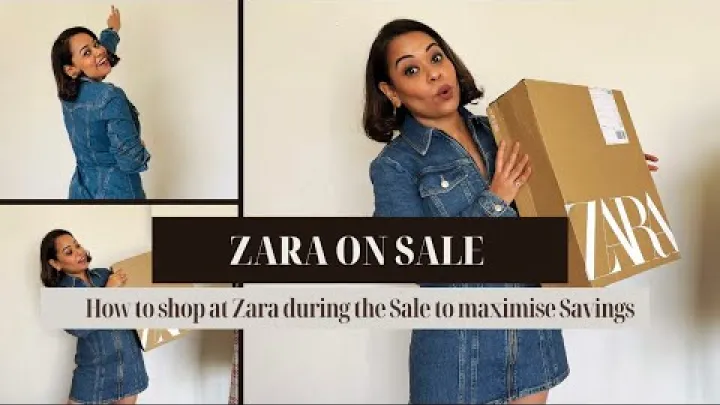
Another approach is to focus on versatile wardrobe pieces that you can wear in many situations, particularly from lines like Zara Basic. These items are designed for everyday use, which makes them a better long-term investment than highly specific trend pieces that may feel out of date after a short period. Checking both in-store offers and, when available, any online promotions can also increase your chances of finding good prices. Sometimes, different Zara Vietnam stores may have slightly different remaining stock, so if you live in a big city with more than one branch, it can be worth comparing.
Below is a short checklist of deal-hunting tips you can quickly scan on your phone while in Vietnam:
- Check the Zara website or app before visiting to see if a sale banner is active.
- Visit in the first days of a sale for the best selection of sizes and key designs.
- Visit near the end of a sale if you are looking for maximum discounts on remaining pieces.
- Prioritize timeless items like neutral trousers, shirts, and jackets that you can wear for several seasons.
- Compare Zara’s offers with other fast-fashion brands in the same mall to see where your budget goes further.
- Keep your receipt in case prices drop soon after; in some markets, policies may allow returns and repurchase at lower prices, but always confirm locally.
- Try to shop during quieter hours (weekday mornings or afternoons) to avoid long queues and rushed decisions.
By combining these methods, both locals and international visitors can make Zara Vietnam a practical choice instead of an impulse expense, matching purchases to their lifestyle and budget rather than to the excitement of the moment.
Zara Manufacturing in Vietnam: "Made in Vietnam" Labels
How much of Zara’s production is made in Vietnam
Instead of running its own manufacturing plants directly, Zara’s parent company Inditex usually works with independent suppliers that produce garments according to its standards. Vietnam is part of a wider production network that also includes countries in Europe, North Africa, and other parts of Asia, so it contributes a meaningful but not exclusive share of Zara’s overall output.

In Vietnam, Zara-linked factories commonly produce a range of items, from casual T-shirts and shirts to trousers, dresses, and some more structured pieces. Many of these garments carry “Made in Vietnam” labels and are sold not only in Zara Vietnam stores but also in Zara branches around the world. Because Inditex frequently adjusts where it sources specific items based on cost, capacity, and logistics, the exact number of factories and the precise volume of Zara production in Vietnam can change over time.
Rather than focusing on exact percentages, it is more useful to understand Vietnam as a key part of Zara’s Asian supply chain, especially for mid-range and basic items. The country offers a combination of skilled labor, established industrial zones, and access to major shipping routes. This makes it attractive for brands that need to deliver large quantities of fashion items quickly to many markets. When you see “Zara Basic Made in Vietnam” on a garment tag in Europe or North America, it reflects this global network in which Vietnam plays a significant, though not exclusive, role.
Are "Zara Basic Made in Vietnam" items good quality?
Many shoppers notice “Zara Basic Made in Vietnam” labels and wonder whether these items are good quality. The Zara Basic line generally focuses on simple, everyday wardrobe pieces such as basic T-shirts, office shirts, straight-leg trousers, and plain dresses. These garments are designed to be versatile building blocks that you can combine with more fashion-forward items from other Zara lines. Because they are intended for frequent use, buyers often pay special attention to fabric feel, durability, and fit.

When assessing quality, it is important to look beyond the country of origin. “Made in Vietnam” itself does not guarantee either high or low quality; factories in Vietnam can produce a wide range of standards depending on brand requirements, materials, and price points. For Zara Basic items, key factors include the type of fabric (for example, cotton, polyester, or blends), stitching and seam strength, how the garment feels on the skin, and how well it keeps its shape after washing. Two Zara Basic pieces made in the same country can feel very different if their materials and construction methods are not the same.
Zara and Inditex apply common brand standards across their supplier base, including those in Vietnam. This means that a Zara Basic shirt made in Vietnam is intended to meet similar specifications as one made in another approved country. However, because the brand aims to balance affordability and fashion speed, quality is generally positioned at a mid-range level, not at luxury or high-end standards. Many customers find Zara Basic items suitable for one or several seasons of regular wear, especially when they choose pieces that match their lifestyle and care for them according to the garment labels.
Overall, a neutral, balanced view is helpful: “Zara Basic Made in Vietnam” items are usually acceptable quality for their price range, but they are not designed as long-term investment pieces that last for many years. If you are sensitive about fabric feel or want clothes that stay in your wardrobe for a long time, it is wise to inspect items in person, check seams and buttons, and, if possible, read user reviews from other markets that mention the same product code.
Working conditions and ethical issues in Vietnam factories
The question of working conditions in garment factories is important for many consumers, especially when they see “Made in Vietnam” on Zara labels. Zara’s parent company, Inditex, has a supplier code of conduct that applies to factories around the world, including those in Vietnam. This code sets expectations in areas such as minimum age of workers, health and safety standards, working hours, and respect for local labor laws. Inditex also uses auditing systems to monitor compliance and aims to work with suppliers that meet its requirements.
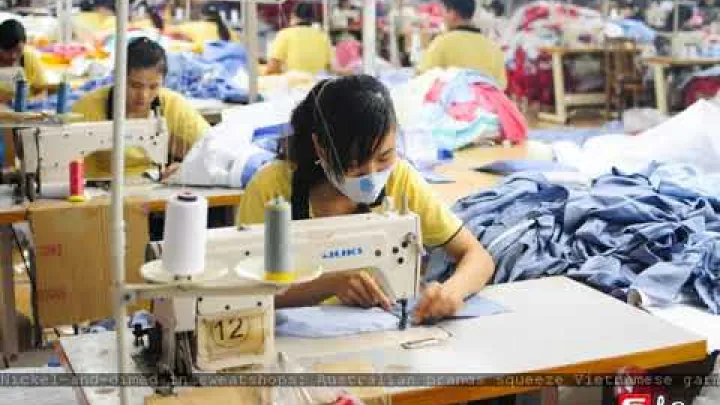
However, the global garment industry faces recurring concerns, and Vietnam is no exception. Common issues raised by labor organizations and researchers include relatively low wages compared to living costs, long working hours or overtime during busy seasons, and varying levels of health and safety protection. Some factory workers may rely on overtime to earn enough income, while others report pressure to meet high production targets. Conditions can differ significantly from one factory to another, depending on management practices, enforcement of regulations, and the strength of worker representation.
Because specific factory situations can change and detailed conditions are difficult to verify from the outside, it is best to approach this topic with a neutral, fact-focused view. On the one hand, international brands and local authorities have made efforts to improve labor standards in Vietnam over time, and many factories have upgraded their equipment and safety protocols. On the other hand, challenges remain, and there is ongoing debate about the gap between legal minimum wages and what is commonly called a “living wage.”
If you are particularly interested in ethics, there are several ways to stay informed. You can read independent reports from labor rights organizations, trade unions, and academic studies that focus on Vietnam’s garment sector. You can also follow Zara and Inditex’s official sustainability and human rights updates, where they publish summaries of their policies, goals, and sometimes examples of actions taken in specific regions. While these sources may not give a complete picture of every factory, they can help you form a more balanced understanding of how your Zara purchases connect to working conditions in Vietnam.
Zara’s Strategy and Competition in the Vietnamese Market
Who are Zara’s main competitors in Vietnam?
Zara does not operate in isolation in Vietnam; it is part of a crowded and dynamic fashion landscape. Its main international competitors include other global fast-fashion chains such as H&M and Uniqlo, which also have large stores in Ho Chi Minh City and Hanoi. These brands compete for similar customers: young urban shoppers and professionals who want accessible, stylish clothes in modern retail environments. Online-focused companies and platforms, including global marketplaces and fast-fashion e-commerce brands, add further competition by offering a wide range of cheap and ultra-fast-changing clothing options.
![Preview image for the video "🇻🇳 [4K] UNIQLO Store Walk | Saigon Centre Takashimaya | Mens Fashion & Store Design ✨ | Sept 2025".](/sites/default/files/styles/media_720x405/public/oembed_thumbnails/2025-12/lTJHoXIWJNzDG4idjBHdEttmfpFfT0NlESGAWmnmo3U.jpg.webp?itok=6L7Bg-KP "Preview image for the video \"🇻🇳 [4K] UNIQLO Store Walk | Saigon Centre Takashimaya | Mens Fashion & Store Design ✨ | Sept 2025\".")
Local Vietnamese fashion labels and markets also play an important role. Vietnamese brands in malls often provide clothing at lower or mid-range price points, while traditional markets and smaller street shops sell unbranded or locally-produced items that are usually much cheaper than Zara. In addition, many younger consumers buy clothes from online shops on local platforms and social networks, where small businesses and independent designers promote their products. This mix means Zara competes not only with other global chains but also with a wide spectrum of local and digital alternatives at different budget levels.
In terms of style and price, Zara tends to position itself more fashion-forward than Uniqlo, which often emphasizes basics and functionality, and somewhat more trend-driven than H&M in many categories. Compared with a typical local brand in a Vietnamese mall, Zara is usually more expensive but offers a stronger international image and fast access to global trends. In contrast, a local boutique or market stall might offer lower prices and some unique pieces but without the same brand prestige, store environment, or perceived quality control.
How Zara positions itself for Vietnamese consumers
Zara in Vietnam presents itself as a modern, trend-focused brand that brings European-style fashion into the local market. Store design plays a central role in this positioning. Large glass fronts, clean white interiors, and carefully styled window displays signal that Zara is not just another clothing shop but part of a global fashion network. Mannequins dressed in complete outfits, from shoes to accessories, help shoppers imagine themselves in an international city context, even while they are in central Ho Chi Minh City or Hanoi.
From a pricing and image perspective, Zara balances between being more premium than many local brands while staying reachable for a portion of the middle class. It rarely uses heavy discount advertising outside its stores; instead, it relies on strong locations in high-end malls, word of mouth, and digital presence to build recognition. The brand often updates its collections quickly, which reinforces the idea that Zara is at the front of fashion trends, not just following them slowly.
Limited traditional advertising also shapes how Zara is seen. In Vietnam, you may not see many large Zara billboards or TV commercials. Instead, the brand’s physical presence in prestigious malls and its appearance in social media content give it visibility. For example, a shopper may pass by a Zara store with a striking window display of neutral-toned workwear or bright seasonal colors, and then encounter similar outfits on influencers they follow online. This reinforces Zara’s position as a place to find looks that feel current, whether for office life, weekends, or special events.
Opportunities and challenges for Zara in Vietnam
The Vietnamese market offers significant opportunities for Zara. Rapid urbanization means more people are moving to cities, where modern malls and international brands are concentrated. Rising incomes, especially among young professionals, support demand for stylish workwear and polished casual clothing. For Zara, this creates space to sell both light, everyday items and more structured pieces for office environments and social occasions.
At the same time, Zara faces real challenges. Competition from other fast-fashion chains, local brands, and online platforms continues to grow, putting pressure on prices and differentiation. Many Vietnamese shoppers are price-sensitive and carefully compare options before buying, especially when it comes to higher-priced items. Expectations about customer experience, sustainability, and ethics are also evolving, with more people considering the environmental and social impacts of their clothing choices. This adds pressure on Zara to communicate clearly about its initiatives and to align its global sustainability goals with local realities in Vietnam.
Digital channels are a particularly important area of both opportunity and risk. If Zara expands its online shopping options in Vietnam, it can reach customers beyond the main city centers and provide greater convenience for busy urban residents. However, it also must compete with powerful e-commerce platforms that offer very low prices and fast delivery. Adapting to local consumer preferences, such as favored payment methods and expectations about delivery speed, will be key.
In summary, Zara’s future in Vietnam will likely depend on how well it balances trend-led design, fair pricing, and responsible sourcing while responding to changing digital habits. The country remains an attractive market and manufacturing base, but success will require continuous adaptation in both areas.
Frequently Asked Questions
Where are Zara stores located in Vietnam?
From time to time, Zara may open or close branches in other prominent malls. Because store locations can change, you should always confirm the latest addresses and details using the official Zara website, the Zara app, mall websites, or map services like Google Maps before visiting.
Does Zara have an official online store in Vietnam?
Zara is gradually expanding its e-commerce services, but availability differs by country and can change over time. To check the current situation for Zara Vietnam online shopping, open the official Zara website or mobile app and select Vietnam as your region. If full online purchasing is supported, you will see options to add items to your cart and arrange delivery or store pickup. If not, most customers buy directly in physical stores or use cross-border methods and third-party services, taking care to review shipping costs and return conditions.
Is Zara cheaper in Vietnam compared with other countries?
Zara prices in Vietnam are usually in a similar or slightly higher range than prices in many other Asian markets when converted to the same currency. Compared with Europe, some items can be more expensive in Vietnam because of taxes, import duties, and local operating costs. When comparing with countries such as India, outcomes can vary depending on exchange rates, promotions, and specific product lines. For the most accurate view, it is best to compare current prices of similar items at home and in Vietnam rather than relying on a fixed rule.
When do Zara stores in Vietnam usually have sales?
Zara Vietnam typically holds major sales at the end of seasons, often around mid-year and at the end of the year, following global Zara sale patterns with some local adjustments. During these periods, many items receive discounts that may increase as the sale continues. Smaller promotions can appear during collection changes or mall-wide campaigns. Because specific dates are not fixed every year, you should check the Zara app or website, follow Zara and large malls on social media, or ask store staff shortly before the periods when you expect sales.
What does “Zara Basic Made in Vietnam” mean?
“Zara Basic Made in Vietnam” on a garment label means that the item belongs to Zara’s Basic line of simple, everyday wardrobe pieces and that it was manufactured in a factory located in Vietnam. The design and quality standards are set by Zara and its parent company Inditex, while production is carried out by approved suppliers in Vietnam that meet the company’s requirements. These items are usually mid-range in price and intended for regular day-to-day wear.
How can I check if an item at Zara is made in Vietnam?
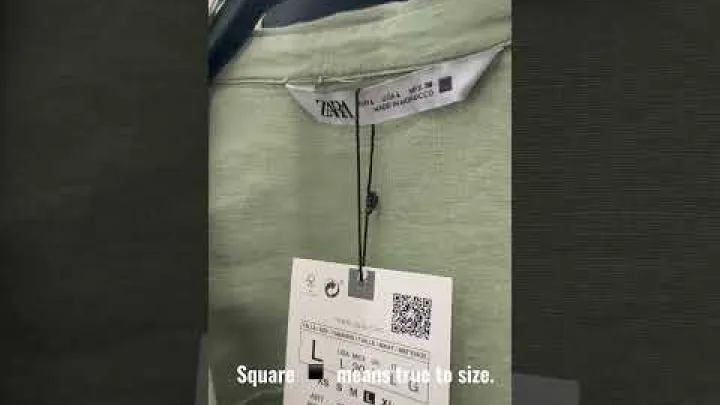
You can find the country of origin on the sewn-in label inside each Zara garment. This label also lists care instructions and fabric composition. Look for clear text such as “Made in Vietnam” printed on the tag. If you are in a Zara Vietnam store, you may notice that some items are made in Vietnam while others come from different countries, even within the same collection, depending on how Zara has organized production for that season.
Are working conditions in Zara supplier factories in Vietnam ethical?
Zara’s parent company, Inditex, has a supplier code of conduct and uses audits to check that factories, including those in Vietnam, follow rules on issues such as minimum age, health and safety, and working hours. At the same time, independent organizations have documented ongoing challenges in the garment industry, including relatively low wages and periods of intense overtime. Conditions can vary between factories, so it is difficult to give a single answer. People who are concerned about ethics may wish to read independent labor reports on Vietnam’s garment sector and review Zara’s latest sustainability and human rights publications.
Can I work for Zara in Vietnam and where do I find jobs?
Yes, Zara hires staff in Vietnam for roles such as sales assistants, visual merchandisers, and store managers, as well as some office positions. Vacancies are usually advertised on Zara’s global careers website, local job platforms, and sometimes on the websites of its local retail partners or the malls that host Zara stores. If you are interested in Zara Vietnam jobs, prepare a clear CV in Vietnamese or English (as requested in the listing) and apply through the official channels mentioned in the job advertisement.
Conclusion and Next Steps for Exploring Zara in Vietnam
Main takeaways about Zara Vietnam for international readers
Zara Vietnam combines several important roles in the country’s fashion landscape. It offers modern, trend-focused clothing in central malls in Ho Chi Minh City and Hanoi, serving young, urban customers who value global style. Its stores provide a familiar experience with separate sections for women, men, and kids, standard payment options, and regular new arrivals. At the same time, prices sit above many local brands but below luxury labels, making Zara aspirational yet still accessible for part of the middle class, especially during well-timed Zara Vietnam sale periods.
Vietnam is also a meaningful manufacturing base for Zara, with many garments worldwide carrying “Made in Vietnam” or “Zara Basic Made in Vietnam” labels. Quality depends more on fabric and construction than on country of origin alone, but Zara applies common standards across its suppliers. Ethical questions around working conditions remain important, with both company codes of conduct and independent labor concerns shaping the debate.
For international readers, this information can help plan shopping during travel or long stays, compare Zara Vietnam prices with other markets, and form a better understanding of how Vietnam functions both as a place to buy Zara and as a place where Zara clothes are produced. With a clear view of stores, prices, sales, and production, you can make more informed choices that match your budget, style, and values.
How to use this information when visiting or living in Vietnam
When you are in Vietnam, you can use this guide as a reference to organize your Zara visits and set realistic expectations. Before shopping, check the official Zara website or app and map services to confirm the nearest store, its opening hours, and whether any Zara Vietnam sale is active. If you are price-sensitive, compare Zara’s offers with those of other international and local brands in the same mall, and pay attention to which items provide the best long-term use for your lifestyle. Taking note of sizing differences and return rules will help avoid inconvenience after purchase.
Over time, Zara’s presence in Vietnam will continue to evolve, with potential changes in store numbers, online shopping services, and sustainability initiatives. Staying informed through official brand communications, local news, and independent reports on the garment industry will give you an updated picture. As you explore Vietnam’s wider fashion landscape—including local designers, markets, and online platforms—you can use your understanding of Zara Vietnam as one reference point among many, helping you navigate the country’s growing and diverse clothing scene.
Select area
Create a post
Posting is free and no registration is required.